
Review · SPORTS MUSEUMS
Melbourne Sports Experience + Free Australian Sports Museum entry
Melbourne’s sporting life is packed into one walk, from the Yarra River and Rod Laver Arena to Olympic Park, AAMI Park, and the MCG. The route gives you a useful look at how major venues fit into the city, rather than sending you to one stadium and calling it a day.
I like the small group size, capped at eight, and the way the tour finishes at the Australian Sports Museum. I also like that guide Ben brings real enthusiasm to Melbourne’s sporting past, with enough local personality to make the walk feel more like a conversation than a lecture.
The main consideration is that this is a walking tour around the sporting precinct, not a ticketed stadium access tour. You see and learn about the venues from the route, then receive museum entry, but the experience does not promise entry into every stadium or a live sporting event.
Key things to know before you book

- The route links six sporting landmarks: Fed Square, the Yarra River, Rod Laver Arena, Melbourne and Olympic Parks, AAMI Park, and the MCG.
- The group is capped at eight people, which makes it easier to hear Ben and ask questions.
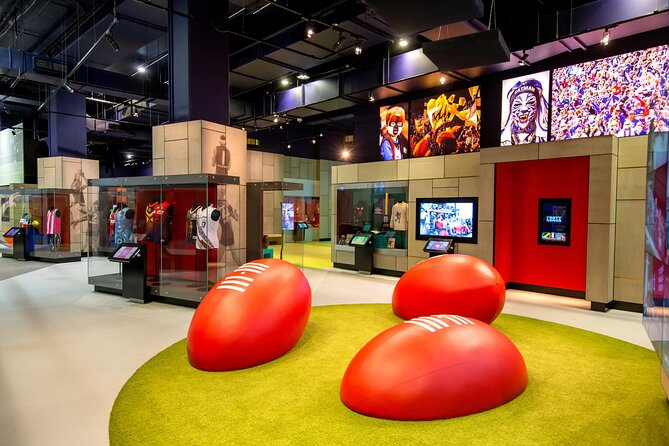
- Australian Sports Museum entry is included, with the tour ending at Gate 3 of the MCG.
- You walk through Melbourne Park and Olympic Park, learning how tennis, football, rugby, cricket, and the 1956 Olympics shaped the city.
- The tour lasts about three and a half hours, so it works well as a focused half-day activity.
- A personal sports moment is possible but not promised: one tour guest happened to see a tennis match at Margaret Court Arena and received a wave from Glenn Maxwell at the MCG.
Why this Melbourne sports walk works
Melbourne likes to call itself Australia’s sporting capital, and this tour gives that claim some context. You do not simply visit a cricket ground, take a few photos, and move on. You follow the connections between the river, public parks, major venues, and the city’s long sporting tradition.
I like the route because it covers a lot without trying to turn every stop into a full stadium tour. You get an overview first, then more focused information at the museum. That order makes sense. After seeing the venues in their wider setting, you can look at sporting objects, stories, and displays with a better idea of where they belong.
The tour is led by Sporting Capital Tours, and Ben is named as one of the guides. His approach is described as passionate and well informed across Melbourne’s sporting past and the precinct itself. That matters here. The venues are easy to spot, but their meaning is less obvious if you do not follow Australian rules football, cricket, tennis, soccer, or rugby.
The group limit of eight is another real advantage. A large walking group can make a city tour feel rigid, especially around busy public spaces. With eight or fewer people, you should have a better chance of hearing the guide and asking about the sports you know, or the ones you are still trying to understand.
More Sports Museums in Melbourne:
- Melbourne: MCG and Australian Sports Museum Guided Tour
★ 4.7 · 638 reviews - MCG Tour & Australian Sports Museum
★ 4.5 · 263 reviews - Australian Sports Museum Ticket
★ 5.0 · 60 reviews
Starting at Fed Square beside Flinders Street Station
The meeting point is at 1 Birrarung Marr Walk, close to Federation Square and opposite Flinders Street Railway Station. This is a practical place to begin because it is central and easy to reach by public transport.
Fed Square also gives the guide a natural starting point. You are not dropped straight beside a stadium with no sense of place. Instead, you begin near the center of Melbourne before heading toward the river and the sporting precinct.
The first stop is brief, about 10 minutes. Think of it as an orientation rather than a major sightseeing visit. You meet the guide, get a sense of the route, and begin moving toward the Yarra River.
You receive a mobile ticket, so keep your booking details ready on your phone. The tour starts in a public urban area, and the exact meeting instructions matter more than they would at a hotel lobby or a clearly marked attraction.
Following the Yarra River toward the venues
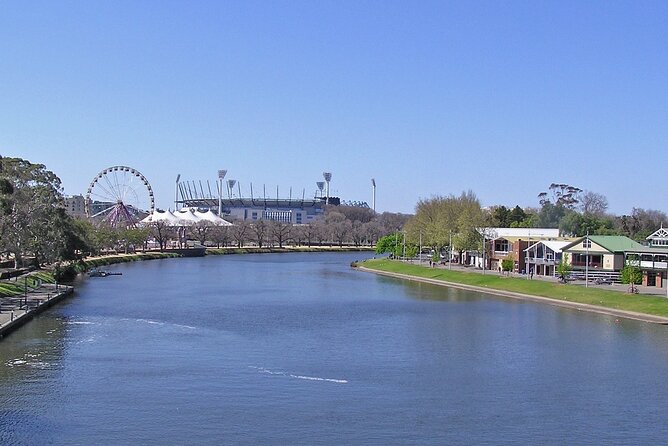
The Yarra River section lasts about 10 minutes, but it gives the walk a useful frame. The river is not just something pretty to pass on the way to the stadiums. The guide explains its role in Melbourne’s sporting life and how the sporting precinct developed around it.
This is one of the parts I particularly like because it keeps the tour from becoming a list of stadium names. You see how the city’s public spaces connect, and you get a sense of why so many major venues sit within a fairly compact area.
The walk also helps you shift from central Melbourne into the sports district. You are moving through the city rather than being driven between disconnected sites. That makes the experience more active and gives the tour a clearer shape.
The supplier states that the activity requires good weather. That is worth noting before you book, especially if you are planning the tour during a period of unsettled conditions. If poor weather forces a cancellation, you are offered another date or a full refund.
Rod Laver Arena and the Melbourne Park complex
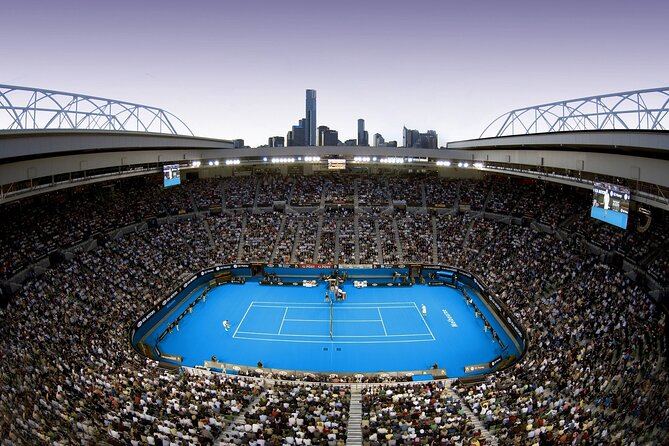
The route continues through the Melbourne Park tennis complex, including Rod Laver Arena. The stop lasts around 15 minutes, so expect an outside look at the complex and an explanation of its place in Melbourne’s sporting calendar.
You should not book this expecting a guaranteed tennis match or access to every part of the arena. One particularly memorable outing included a tennis match at Margaret Court Arena, but that was a fortunate extra, not part of the advertised promise. The tour’s dependable feature is the guided walk through the complex and the sporting context provided along the way.
Still, Rod Laver Arena is a useful stop even if you are not a major tennis fan. It shows the scale of Melbourne’s tennis facilities and helps explain why the city’s sporting identity extends well beyond cricket and Australian rules football.
The short visit works best as part of the whole route. You get a look at the tennis precinct, then continue through other sports venues rather than spending the full morning on one discipline.
More Sports Experiences in Melbourne:
- Melbourne: Melbourne Cricket Ground (MCG) Guided Tour
★ 4.8 · 1,004 reviews - Melbourne Cricket Ground (MCG) Tour
★ 4.5 · 394 reviews - Melbourne Park Tennis Experience
★ 5.0 · 143 reviews - Melbourne Sports Experience + MCG Tour Combo
★ 5.0 · 137 reviews
Olympic Park and the memory of 1956
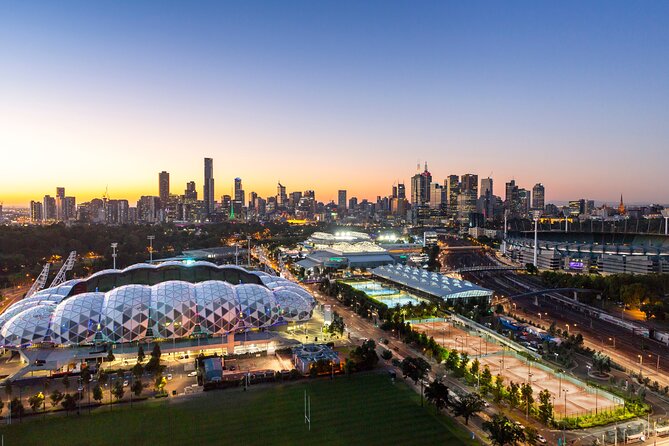
Melbourne and Olympic Parks are the next major section of the walk. The area carries a direct link to the 1956 Olympic Games, an important moment in the city’s sporting story.
The stop is listed at about 15 minutes. That is enough time for a concise explanation of the precinct’s Olympic connection and its continuing role in Melbourne sport. You should expect interpretation and orientation rather than a full museum treatment of the Games.
This is where the tour gains useful historical depth. The sporting precinct is not simply a collection of modern buildings. It has been shaped by major international events and by the city’s long habit of using sport as part of its public identity.
I also like the contrast with Rod Laver Arena. Tennis gives you one clear sporting focus, while Olympic Park widens the picture. You begin to see the area as a network of venues used for different sports and different generations.
AAMI Park and the city’s football codes
AAMI Park is described as Melbourne’s main soccer and rugby stadium. The tour spends about 15 minutes here, introducing you to sports that can receive less attention from visitors who know Melbourne mainly through cricket or Australian rules football.
That variety is one of the strongest reasons to choose this experience. You are not asked to already understand every code. The walk brings soccer, rugby, tennis, cricket, and the Olympic story into one compact route.
AAMI Park also gives the tour a useful change of tone. The focus moves from the famous tennis venue and Olympic connection to the regular sporting life of soccer and rugby. If you are comparing this experience with a single-sport stadium visit, this broader coverage is the key difference.
As with the other stops, the advertised visit is a walk and explanation. There is no promise of a match, a dressing-room visit, or entry to the stadium bowl. Book it for the guide’s overview and the chance to see the venue in context.
The MCG, known as the home of Australian sport
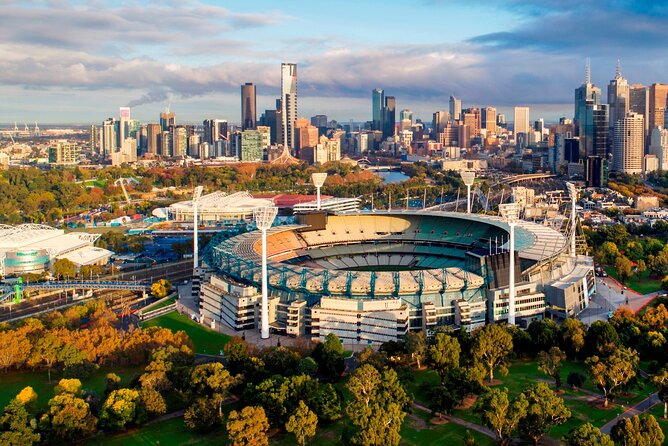
The walk ends at the Melbourne Cricket Ground, or MCG. The stop is listed at around 15 minutes, followed by entry to the Australian Sports Museum at Gate 3 on Brunton Avenue in East Melbourne.
The MCG is the natural final landmark for this route. It brings together cricket, Australian rules football, and Melbourne’s wider sporting identity. Even if you do not follow the local competitions, the ground helps explain why sport matters so much in the city.
The tour does not advertise a full MCG stadium tour, so keep your expectations precise. You finish at the ground and enter the museum. You are not promised access to the playing surface, stands, or behind-the-scenes areas.
A lucky encounter is possible. One outing included a wave from Australian cricketer Glenn Maxwell toward a guest at the MCG pitch. That kind of moment can make a day, but it is clearly chance rather than something Sporting Capital Tours can schedule.
What you get at the Australian Sports Museum

Museum entry is included in the $86.07 price, and this is an important part of the value. The walk introduces the precinct from the outside, while the museum gives you a place to spend more time with Melbourne’s sporting culture.
The tour ends at Gate 3 of the MCG, at Yarra Park on Brunton Avenue. That makes the museum visit easy to understand as the final chapter of the experience, rather than an unrelated attraction added to the ticket.
You can use the museum to follow up on the sports and places introduced during the walk. The exact amount of time you spend inside is not specified, so plan around the stated tour length of about three and a half hours and allow extra time only if your schedule permits.
The museum inclusion also helps justify the price more than the walking route alone would. You are paying for a small-group guide, a focused route through several major facilities, and museum admission. If you only want photographs of the MCG, you may find the package more than you need. If you want an organized explanation of the precinct, it offers a fuller outing.
Price, timing, and practical value
At $86.07 per person, this is not the cheapest way to look at Melbourne’s stadium district. The value depends on how much you want the guided explanation and the museum entry.
I would see the price as reasonable for someone who wants a concentrated introduction to Melbourne sport. The group is limited to eight, the tour lasts about three and a half hours, and you visit several major sites instead of paying separately for a single attraction. The museum entry is included, and infants aged 0 to 4 go free.
The tour is often booked about 29 days ahead. That suggests you should reserve early if your Melbourne dates are fixed, especially since the group is small. Confirmation is provided at booking, and the mobile ticket keeps the process simple.
You need to be comfortable walking for the duration of the route. The information says most people can participate, and service animals are allowed. It also notes that the tour is near public transportation, which is helpful given the central meeting point and the MCG finish.
Free cancellation is available up to 24 hours before the start time for a full refund. Changes or cancellations inside that 24-hour window are not accepted for a refund. The cut-off uses Melbourne local time, so check that detail carefully if you are booking from another time zone.
Who should book this tour
I would recommend it most strongly to visitors who want a city introduction with a clear sporting theme. It suits sports fans, but you do not need to be an expert in cricket or Australian rules football. The guide’s role is to explain the setting and connect the different venues.
It is also a good choice for families with mixed interests. One person can enjoy tennis, another can focus on the MCG, and everyone gets the river walk and museum. Infants aged 0 to 4 are free, though the activity remains a walking experience for the adults in the group.
This is less suitable if you want a dedicated stadium access experience. You do not receive confirmed entry to Rod Laver Arena, AAMI Park, or the MCG as part of the route. You also should not book it mainly in hope of seeing a live match or meeting a sports star.
The small group makes the tour especially useful if you prefer to ask questions. Ben’s enthusiasm is a major part of the experience, and the personal guide contact is more valuable here than a long list of facts.
Should you book the Melbourne Sports Experience?
Book it if you want to understand why Melbourne organizes so much of its identity around sport. The route is compact, the group is small, and the museum gives you a worthwhile indoor finish after the walk.
Skip it if your priority is a full stadium tour, guaranteed live sport, or access behind the scenes. For everyone else, $86.07 buys a well-shaped half-day experience that connects the Yarra River with Rod Laver Arena, Olympic Park, AAMI Park, and the MCG. It is especially good for a first visit, when you want a clear introduction instead of trying to piece the sporting precinct together on your own.
FAQ
How long does the Melbourne Sports Experience last?
The tour lasts approximately 3 hours and 30 minutes.
How much does the tour cost?
The listed price is $86.07 per person.
Where does the tour begin?
It begins at 1 Birrarung Marr Walk in Melbourne, near Federation Square and opposite Flinders Street Railway Station.
Where does the tour finish?
It finishes at the Australian Sports Museum at Gate 3 of the Melbourne Cricket Ground, on Brunton Avenue in East Melbourne.
Is Australian Sports Museum entry included?
Yes. Admission to the Australian Sports Museum is included in the tour price.
How many people can join the tour?
The activity has a maximum group size of eight travelers.
Which sporting venues are included on the route?
The route includes the Yarra River, Rod Laver Arena, Melbourne and Olympic Parks, AAMI Park, and the Melbourne Cricket Ground, beginning at Fed Square.
Are infants allowed on the tour?
Yes. Infants aged 0 to 4 years are free.
Can I cancel for a full refund?
Yes. You can cancel at least 24 hours before the experience start time for a full refund. Cancellations and changes made less than 24 hours before the start time are not accepted.
What happens if bad weather cancels the tour?
If poor weather causes a cancellation, you are offered a different date or a full refund.
Just added for fans in Melbourne
- Melbourne Sports Precinct Walk with Behind-the-Scenes MCG Tour★ 5.0 · 3 reviews
- Aussie Football MCG Matchday Experience with a Local★ 5.0 · 8 reviews
- Melbourne: Australian Sports Museum Admission Ticket★ 4.6 · 14 reviews
- Australian Sports Museum Ticket★ 5.0 · 60 reviews
- Half-Day Sports Lovers Bus Tour of Melbourne with MCG Tour★ 4.5 · 84 reviews
- Melbourne Park Tennis Sporting Experience★ 4.8 · 118 reviews
- Melbourne Sports Experience + MCG Tour Combo★ 5.0 · 137 reviews
- Melbourne Park Tennis Experience★ 5.0 · 143 reviews
Sports Museums, compared.
FC Barcelona Museum “Barça Immersive Tour” Ticket
Read our review →
Liverpool Football Club Museum and Stadium Tour
Read our review →
Camp Nou Immersive Tour F.C.Barcelona Museum: Open Date Ticket
Read our review →

Browse the lists this tour appears in