
Review · SPORTS MUSEUMS
AllMaradona Buenos Aires: Maradona House Museum and Stadium
Maradona’s story begins not in a grand stadium, but in the streets of La Paternal, where a teenage Diego became Argentinos Juniors’ great promise. This three-hour tour connects those streets to the house his club gave him and the stadium where he made his professional debut at age 15.
I like two things right away: the access to La Casa de D10S, a real home tied to Maradona’s family life, and the chance to see more than a museum display at Argentinos Juniors. You visit the pitch, changing rooms, central hall, press room, stands, and fan-built museum. The main drawback is the price, $138 per person, which is a serious spend for three hours and makes this best for committed football fans.
Key points at a glance
- Maradona’s first owned home: See La Casa de D10S, where Diego lived with his family from 1978 to 1980.
- Professional beginnings: Visit the stadium where Maradona made his debut for Argentinos Juniors at age 15.
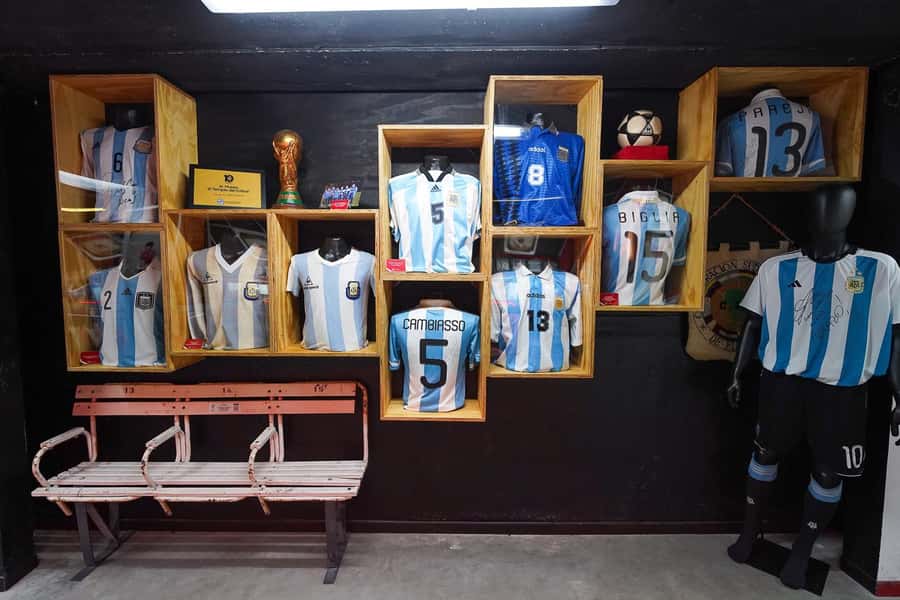
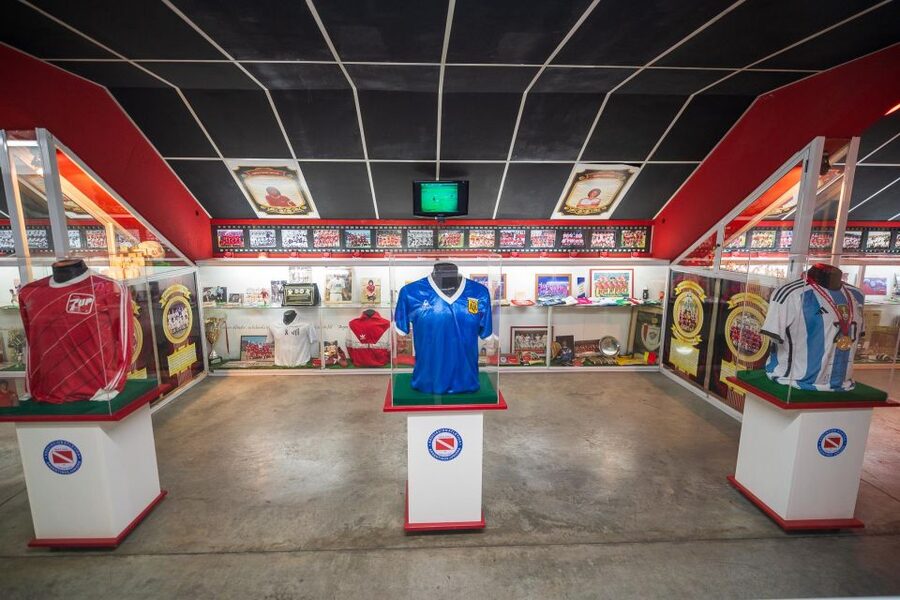
- A fan-built museum: El Templo del Fútbol was created through voluntary work by club members and supporters.
- Behind-the-scenes stadium access: Tour the pitch, changing rooms, central hall, press room, and stands.
- Small-group format: Groups are limited to 10 people, with a guide in English and Spanish.
- Simple transport: Hotel pickup and drop-off in Buenos Aires are included, so you do not need to arrange your own route to La Paternal.
Why Maradona’s Buenos Aires story starts in La Paternal
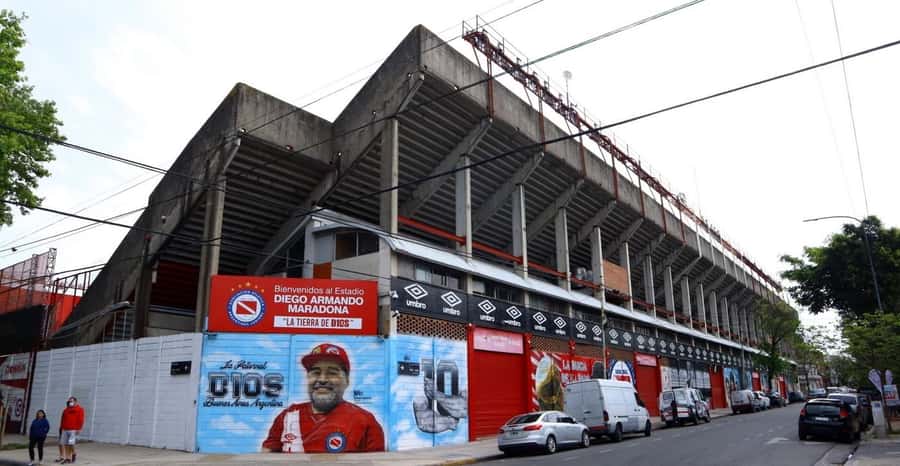
Many football tours focus on trophies, famous matches, and giant arenas. This one begins earlier, with the neighborhood where Diego Armando Maradona was becoming a professional player. You walk streets connected with his first years at Argentinos Juniors, giving the visit a local frame instead of treating Maradona as a distant sports icon.
That setting matters. Maradona’s connection with Argentinos Juniors was not a short stop on the way to somewhere more famous. It was the club that gave him his first professional platform and later honored him by naming its stadium after him.
I like the way the tour links ordinary places with major football history. You are not only looking at objects behind glass. You are tracing the path from family home to football ground, then seeing the parts of the stadium where a young Maradona began his career.
The neighborhood walk also gives the experience a grounded feel. The activity description does not promise a long city tour or a broad Buenos Aires sightseeing route. Instead, it concentrates on La Paternal and Maradona’s early connection to the club.
More Sports Museums in Argentina:
- Buenos Aires: Visit to the Diego Armando Maradona Stadium
★ 5.0 · 10 reviews - Maradona Tour: Murals, Chapel, Stadium, Museum, Casa D10S
★ 5.0 · 8 reviews - Barcelona: FC Barcelona Museum “Barça Immersive Tour” Ticket
★ 4.4 · 10,944 reviews
La Casa de D10S and the family years from 1978 to 1980
The first owned home, known as La Casa de D10S, is the most personal stop on the tour. Argentinos Juniors gave the house to Maradona for his 18th birthday, and he lived there with his family while playing for the club from 1978 to 1980.
The house was later recovered, valued, and recognized by the City Parliament as a historic place. That official recognition helps explain why this is more than a celebrity-home visit. The building represents a specific stage in Maradona’s life: he was already a football star, but his story was still closely tied to family and neighborhood.
You get a guided visit lasting about 50 minutes. That is enough time for the house to receive proper attention without turning the entire afternoon into a single-room stop. The guide can help place the home in the timeline of Maradona’s career and explain why Argentinos Juniors gave it such importance.
I would set your expectations correctly. This is not described as a large museum with dozens of rooms or a full collection of personal belongings. Its value comes from the address itself and the story attached to it. If you care about Maradona as a person, not only as a player, this may be the strongest part of the tour.
The home also makes the experience more distinct from a standard stadium visit. Football grounds can begin to look alike after a while. A real family home gives you a different kind of connection to the subject.
Inside the Diego Armando Maradona Stadium
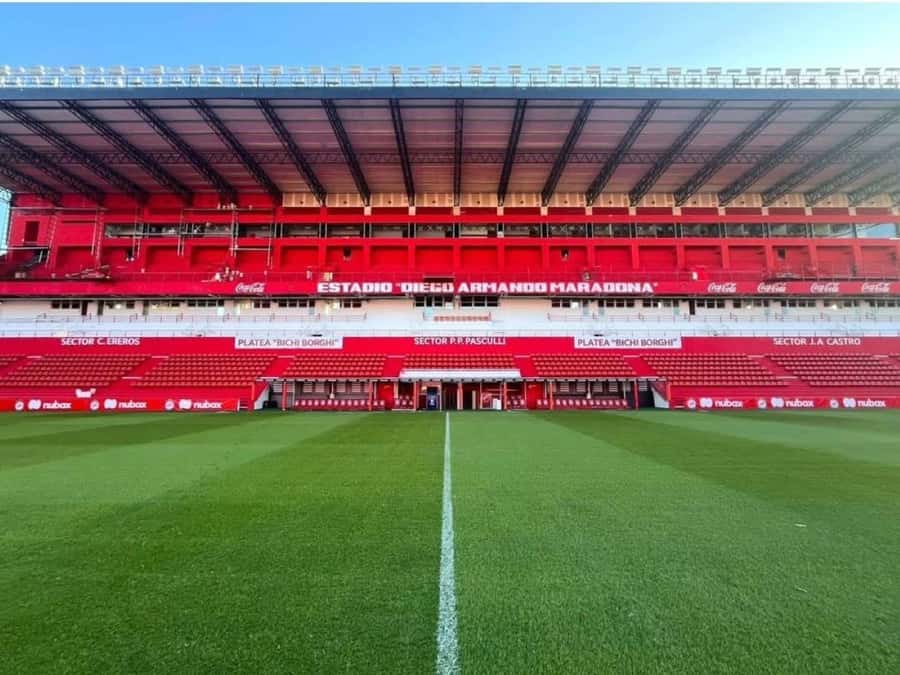
The main stadium visit lasts about 90 minutes. The building bears Maradona’s name because it is where he made his professional debut wearing the Argentinos Juniors shirt at the age of 15.
That detail gives the stadium tour its main charge. You are seeing the place connected with the beginning of a professional career that later became known across the world. The club, the ground, and Maradona’s early rise are all part of the same story.
The visit includes the playing field, changing rooms, central hall, press room, and stands. This wider access is important. You are not limited to sitting in one section and taking a photograph of the pitch. You can see several working parts of the stadium and understand how a matchday venue functions.
The changing rooms and press room offer different angles on the club. The field is where the football happened, while the press room and central hall show the public side of the institution. The stands put you in the place where supporters followed Argentinos Juniors and watched the young Maradona develop.
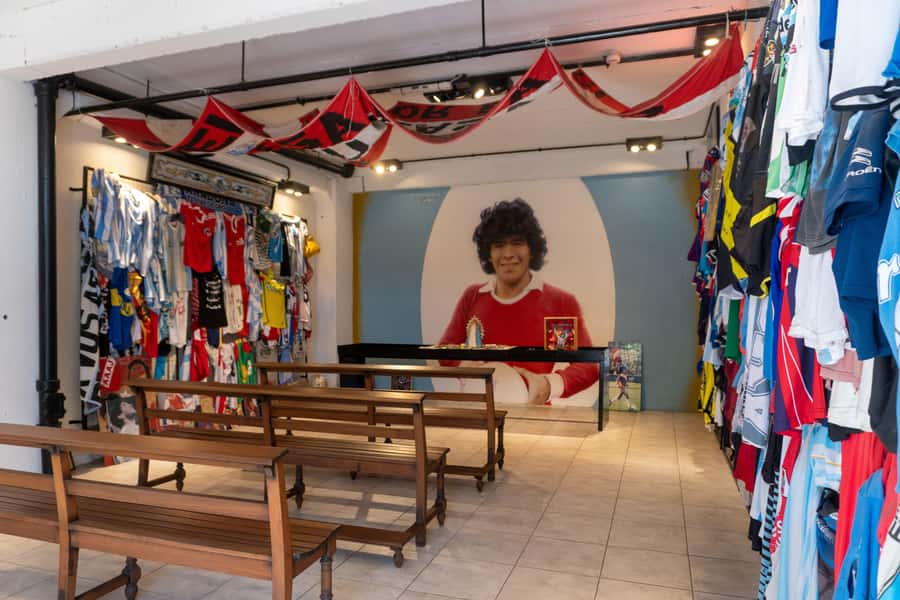
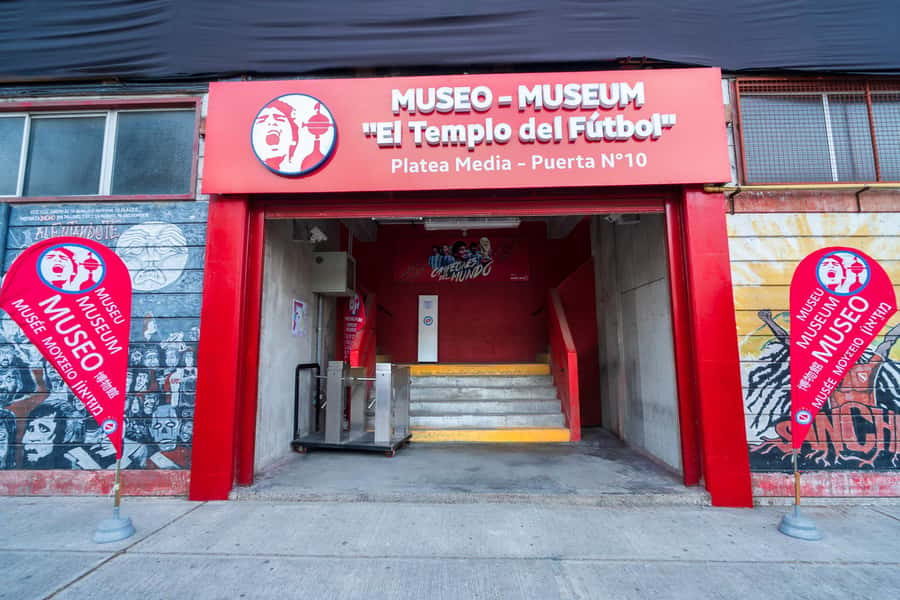
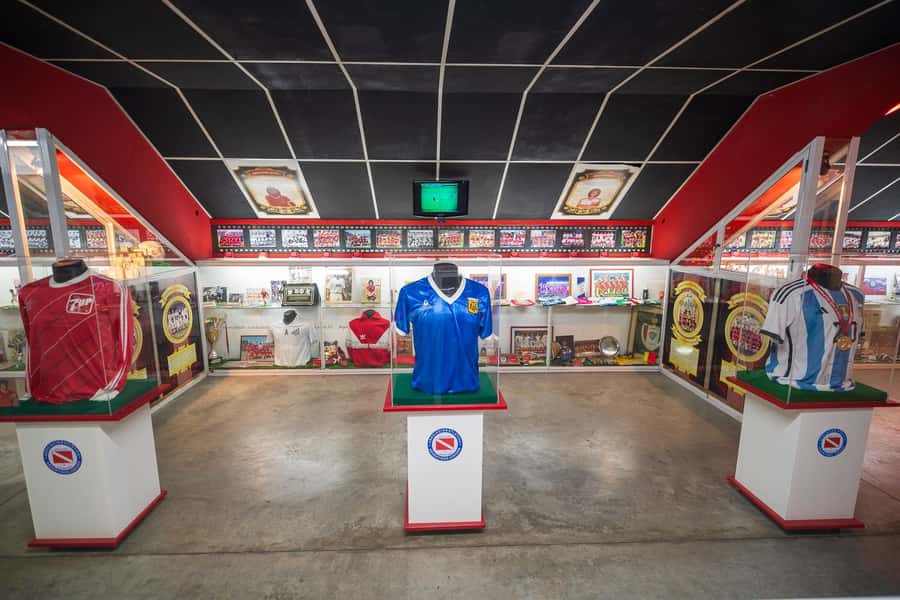
The museum, El Templo del Fútbol, is inside the stadium. Its most unusual feature is that club supporters and members created it through volunteer work. I find that detail valuable because it tells you something about the club’s relationship with its history. This is not presented as a polished corporate attraction. It is a football museum shaped by people connected to Argentinos Juniors.
That can be a strength and a limitation. The personal effort behind the collection may give it more feeling than a slick commercial exhibit, but the presentation may be more modest. If you need a huge, highly produced museum, this may feel small. If you prefer a club museum made with genuine affection, it should suit you well.
El Templo del Fútbol, a museum made by supporters
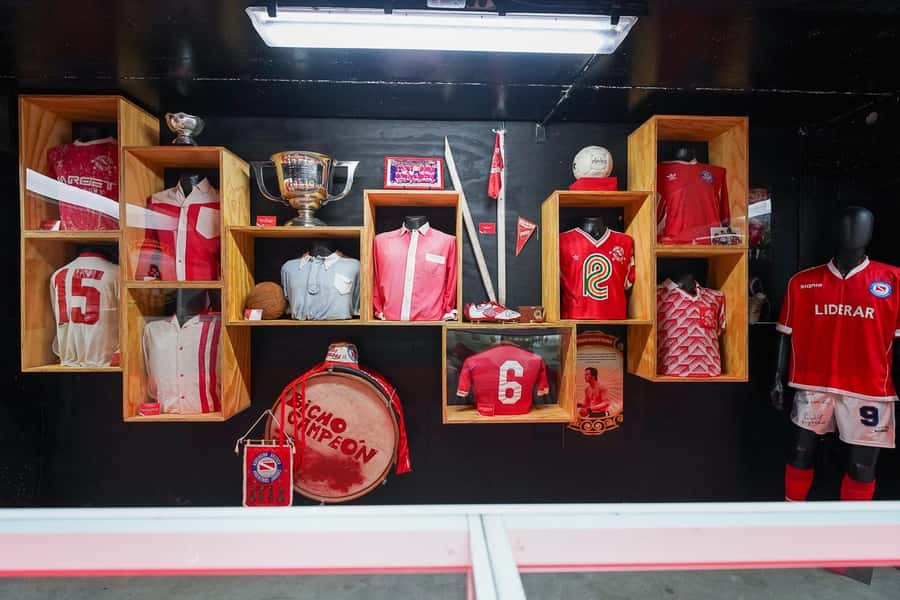
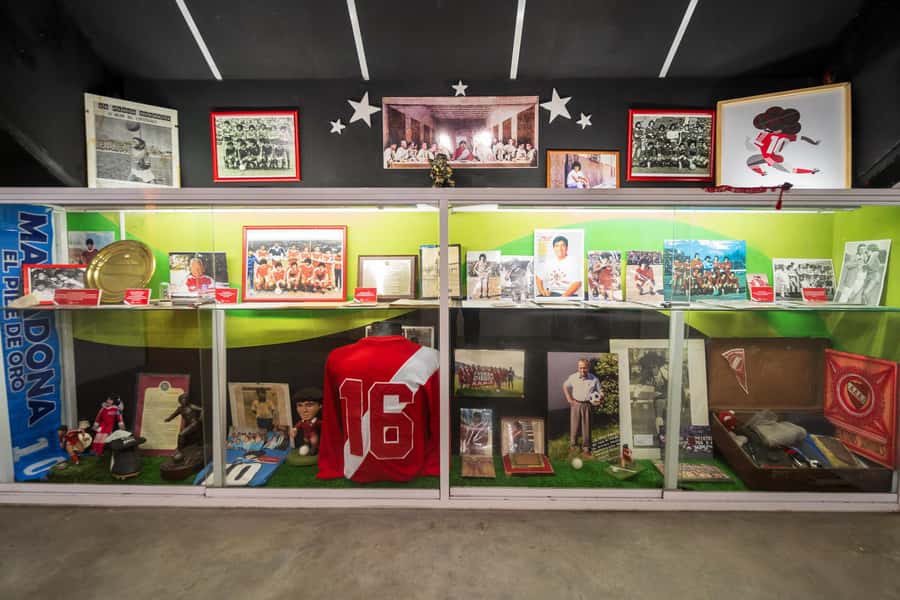
El Templo del Fútbol focuses on Argentinos Juniors and Maradona. The museum helps explain the club’s place in his career, while the stadium shows the physical setting where he began as a professional.
The fan-built nature of the museum is worth keeping in mind as you walk through it. Its purpose is not only to display football memorabilia. It also preserves club memory. The museum exists because members and supporters put in voluntary work to create it.
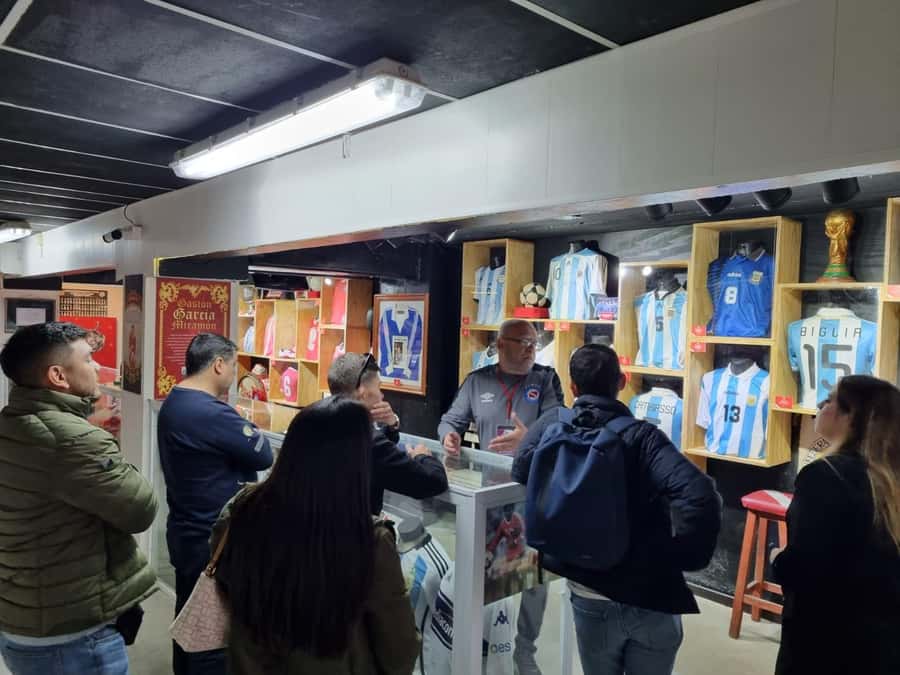
You should allow the guide to supply the context here. Objects in a football museum can mean little if you do not know the story behind them. A bilingual guide can connect the displays with Maradona’s early years, the club’s identity, and the importance of the stadium.
Fernando Ponce is one guide associated with the tour, and he has been praised for his English, patience, football knowledge, and care with visitors. Other guide names connected with the experience include Fernando and Jaime. Since guide assignments can change, I would treat those names as useful reference points rather than a guarantee that one particular person will lead your visit.
The language setup is practical. Tours are offered in Spanish and English, so you can follow the explanations even if your Spanish is limited. A small group of no more than 10 also gives you a better chance to ask questions than you would have on a large bus tour.
More Stadium Tours in Argentina:
- Buenos Aires: Tickets to Boca Juniors Museum & Stadium
★ 4.5 · 581 reviews - Buenos Aires: Boca Juniors and River Plate Football Tour
★ 4.3 · 82 reviews - River Plate Monumental Stadium and Museum Guided Tour
★ 4.5 · 39 reviews - Boca Juniors Game at La Bombonera with Local & Transport
★ 4.5 · 33 reviews
Hotel pickup makes a short tour easier
Pickup and drop-off at your hotel in Buenos Aires are included. That matters because La Paternal is not simply a stop every first-time visitor will reach by instinct. You avoid spending part of a three-hour experience working out transport to and from the stadium.
The tour begins with pickup in Buenos Aires, continues to the Diego Armando Maradona Stadium, then visits La Casa de D10S before returning to Buenos Aires. The advertised timing is about three hours, with roughly 90 minutes at the stadium and 50 minutes at the house. The remaining time covers transfers and movement between stops.
This is a compact outing, not a full-day football pilgrimage. You can fit it into a Buenos Aires schedule alongside other sightseeing. The limited duration also means the tour stays focused on Maradona and Argentinos Juniors instead of drifting into unrelated city attractions.
Pickup is especially useful if you do not want to visit the area independently. It also gives the guide more control over the timing. Still, hotel transport does not mean every minute will be predictable. Traffic can affect the time spent on the road, so avoid placing another fixed appointment immediately afterward.
Food and drinks are not included. The tour is short enough that this should be easy to manage, but you may want to eat before pickup or plan a meal after returning to Buenos Aires.
What the $138 price means
At $138 per person, this is not a bargain museum ticket. You are paying for private-style transport, entry to the stadium museum, access to La Casa de D10S, and a bilingual guided experience in a group limited to 10.
The value depends heavily on your interest in Maradona and football. If you are a casual sports fan, the cost may be hard to justify for three hours. You can find many cheaper ways to see Buenos Aires attractions. If Maradona is one of the main reasons you want to understand Argentine football, the price buys access to places that are difficult to combine on your own.
I would also consider the time saved. Hotel pickup and return remove the need to plan transportation, find the stadium, arrange entry, and work out how the house visit fits into the same route. That convenience has a real value, especially during a short stay.
The small group is another part of the calculation. With no more than 10 participants, the guide can explain the details at a reasonable pace and respond to questions. That is more personal than a large coach tour, though the price still places this in the special-interest category.
Flexible booking helps reduce the risk. You can cancel up to 24 hours before the activity for a full refund, and you can reserve now and pay later. Those policies do not make the tour cheap, but they make it easier to fit into an uncertain Buenos Aires plan.
Who will get the most from this experience
I would choose this tour if you want the story behind Maradona’s rise, not just a photograph near a famous stadium. The house visit, neighborhood setting, club museum, and professional-debut ground work together to tell a clear early-career story.
It is also a good choice for football fans who want to see how a major club remembers its own past. El Templo del Fútbol was created by supporters and club members, and that gives the visit a local feel that a large national sports museum may not offer.
Families and mixed groups can also benefit from the short format. Three hours is long enough to hold a football fan’s attention without taking an entire day from the rest of Buenos Aires.
I would think twice if you are not interested in football, Maradona, or sports history. The tour does not include a broad city tour, food, or a match. Its focus is narrow by design.
You should also be comfortable with a museum and stadium visit that may feel personal and club-based rather than grand and highly polished. The strongest moments come from the places and stories, not from an elaborate production.
Should you book the Maradona House Museum and Stadium tour?
Book it if Maradona matters to you and you want to connect his global fame with the early places that shaped his career. The combination of La Casa de D10S, the stadium debut site, and the supporter-built museum gives you more depth than a simple stadium photo stop.
At $138, I would not recommend it as a casual add-on. I would recommend it as a focused football experience, especially if you value hotel transport, a bilingual guide, and a small group. A guide such as Fernando Ponce can add a great deal through clear English and personal football insight.
For the best fit, schedule it when you have three hours free, eat beforehand, and go in ready to listen to the story of Argentinos Juniors as much as the story of Maradona. If that sounds like the Buenos Aires experience you want, this tour earns its place on your plan.
FAQ
How long does the Maradona House Museum and Stadium tour last?
The experience lasts about three hours, including hotel pickup, the stadium and museum visit, the house visit, and return transportation.
Where does the tour begin?
Pickup is provided at the door of your hotel in Buenos Aires.
Is hotel drop-off included?
Yes. Hotel pickup and drop-off transfers in Buenos Aires are included.
Which languages are available?
The tour is offered with a live guide in Spanish and English.
How large is the group?
The experience is limited to 10 participants.
What is included at the Diego Armando Maradona Stadium?
The visit includes the stadium, El Templo del Fútbol museum, the playing field, changing rooms, central hall, press room, and stands.
What is La Casa de D10S?
La Casa de D10S is Diego Maradona’s first owned home. He lived there with his family from 1978 to 1980, and Argentinos Juniors gave it to him for his 18th birthday.
Are food and drinks included?
No. Food and drinks are not included.
Can I cancel the booking?
Yes. You can cancel up to 24 hours in advance for a full refund. You can also reserve now and pay later.
Just added for fans in Argentina
- Velez Sarsfield Football Match★ 5.0 · 3 reviews
- Boca Juniors Game at La Bombonera with Local & Transport★ 4.5 · 33 reviews
- Rosario: Newell’s Old Boys Football Match and Messi Tour★ 5.0 · 5 reviews
- River Plate Stadium and Museum Guided Tour★ 4.4 · 15 reviews
- Maradona Tour: Murals, Chapel, Stadium, Museum, Casa D10S★ 5.0 · 8 reviews
- Guided tour Boca Juniors Museum & Stadium + Caminito★ 3.3 · 3 reviews
- Buenos Aires: Visit to the Diego Armando Maradona Stadium★ 5.0 · 10 reviews
- From Buenos Aires: Polo Match, Lesson, and BBQ Day-Trip★ 5.0 · 5 reviews
Sports Museums, compared.

FC Barcelona Museum “Barça Immersive Tour” Ticket
Read our review →
Liverpool Football Club Museum and Stadium Tour
Read our review →

Camp Nou Immersive Tour F.C.Barcelona Museum: Open Date Ticket
Read our review →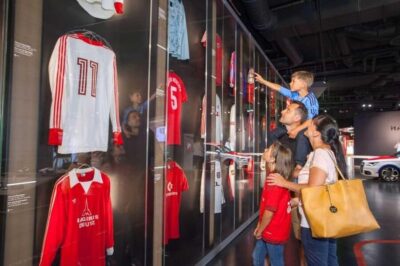

Browse the lists this tour appears in