
Review · STADIUM TOURS
River Plate Stadium and Museum Guided Tour
El Monumental is more than a football stadium. With room for about 86,000 spectators, it is the largest stadium in the Americas and the place where Argentina won the 1978 World Cup final. I like the skip-the-line entry and the chance to explore it with a private guide rather than being left to read signs on your own.
I also like the access to the tunnel and visitors’ changing room, two areas that help you picture match day from the players’ side. The main caution is that access can change for matches, concerts, training, renovation, cleaning, or other stadium work. Confirm the private guide and included snack when you arrive, as one booking reported receiving a stadium guide instead and missing the snack.
Key points about the River Plate tour
- El Monumental holds about 86,000 people, making the scale of the stadium the main attraction.
- The museum traces River Plate’s story, from its modest beginnings to a club with more than 70 titles.
- A private guide is available in English, Portuguese, or Spanish, with Juan praised by name for an excellent tour.
- The stadium route includes the single tunnel and visitors’ changing room, though areas can close for operational reasons.
- Skip-the-line entry, a snack, and souvenirs are included, but transport to and from Núñez is not.
- The tour lasts two to three hours, so it works best as a focused half-day visit rather than a quick photo stop.
Why El Monumental matters to Argentine football
River Plate supporters call their club El más grande, or the greatest. That claim is part of the club’s identity, but the stadium’s importance reaches beyond fan rivalry.
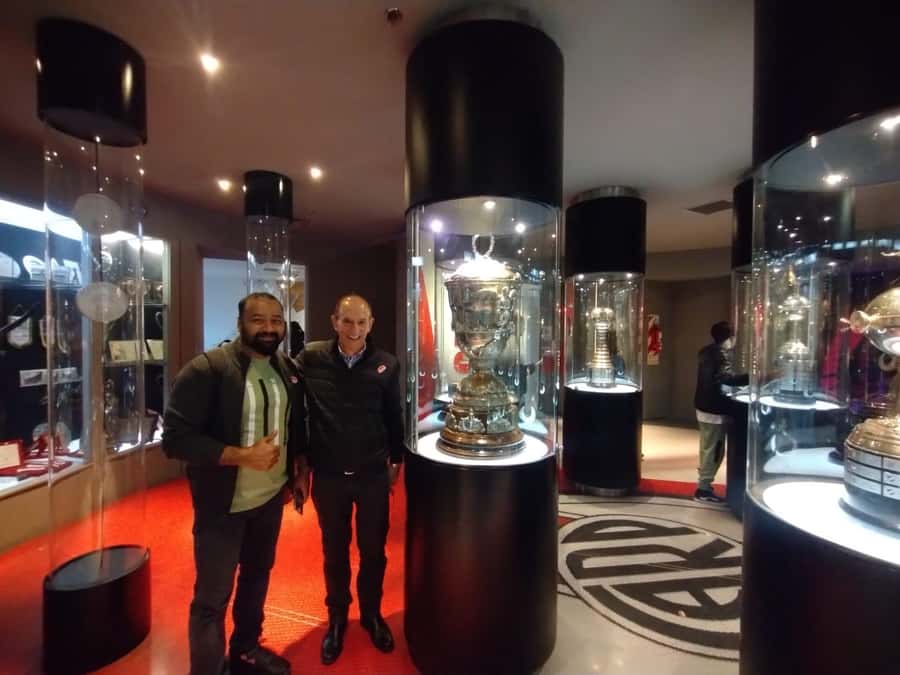
River Plate is one of Argentina’s five major football clubs and has more than a century of history. Its trophy cabinet includes four Copa Libertadores titles, three Recopa Sudamericana titles, an Interamericana, a Supercopa Sudamericana, a Copa Sudamericana, and a Suruga Bank title. The exact list matters less to a casual visitor than the scale of the institution it represents.
I find the stadium most interesting when you connect those trophies with the building itself. This is not simply a place where matches happen. It has hosted River Plate victories and Argentina’s 1978 World Cup triumph, giving the site a place in both club football and national sporting history.
The eternal rivalry with Boca Juniors gives the visit an extra edge. You do not need to know every league result to understand the rivalry. A guide can explain how River and Boca became the two great poles of Buenos Aires football, and why a visit to one club’s stadium feels incomplete without knowing that the other exists across the city.
More Stadium Tours in Argentina:
- Buenos Aires: Tickets to Boca Juniors Museum & Stadium
★ 4.5 · 581 reviews - Buenos Aires: Boca Juniors and River Plate Football Tour
★ 4.3 · 82 reviews - River Plate Monumental Stadium and Museum Guided Tour
★ 4.5 · 39 reviews
Arriving at the River Plate Museum in Núñez
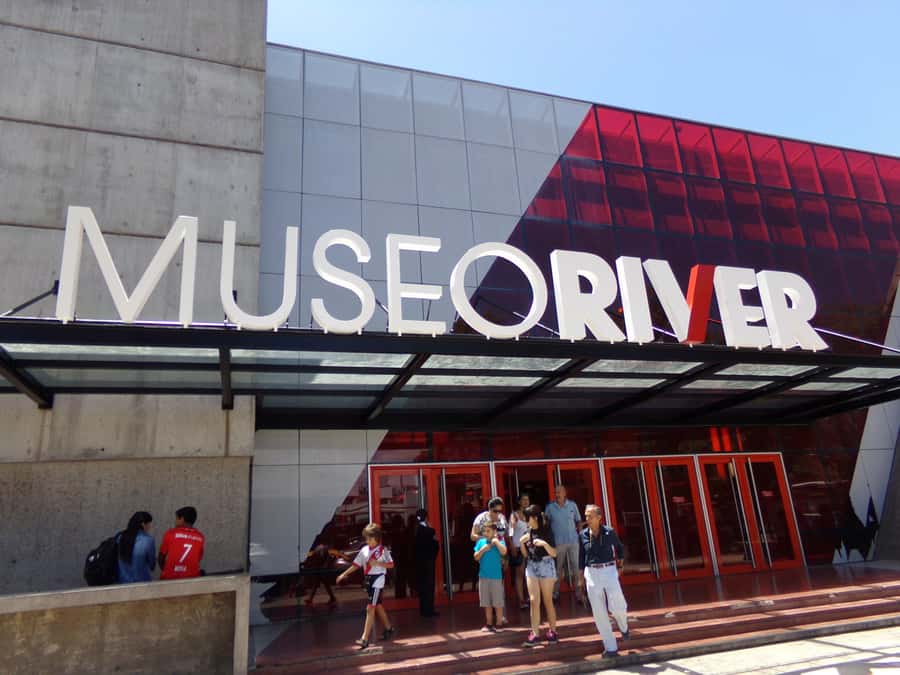
The meeting point is the main entrance of the River Plate Museum. There is no included transfer, so you need to make your own way to Núñez and arrive ready to begin there.
That detail matters because a private tour can sound like a hotel-to-hotel experience, but this one is not sold with transportation in or out. One booking referred to hotel pickup, yet the stated service does not include transfers. I would not rely on pickup unless it has been confirmed separately in writing.
The tour is wheelchair accessible, and comfortable shoes are a sensible choice. You may spend much of the two to three hours walking through museum and stadium areas, though the exact route can vary. Sunglasses, a hat, and sunscreen are also listed as useful items, especially if parts of the visit take place in open areas.
Bring your passport or another ID card. The activity information specifically lists a passport and passport or ID card among the items to bring, so carrying official identification is the safest choice.
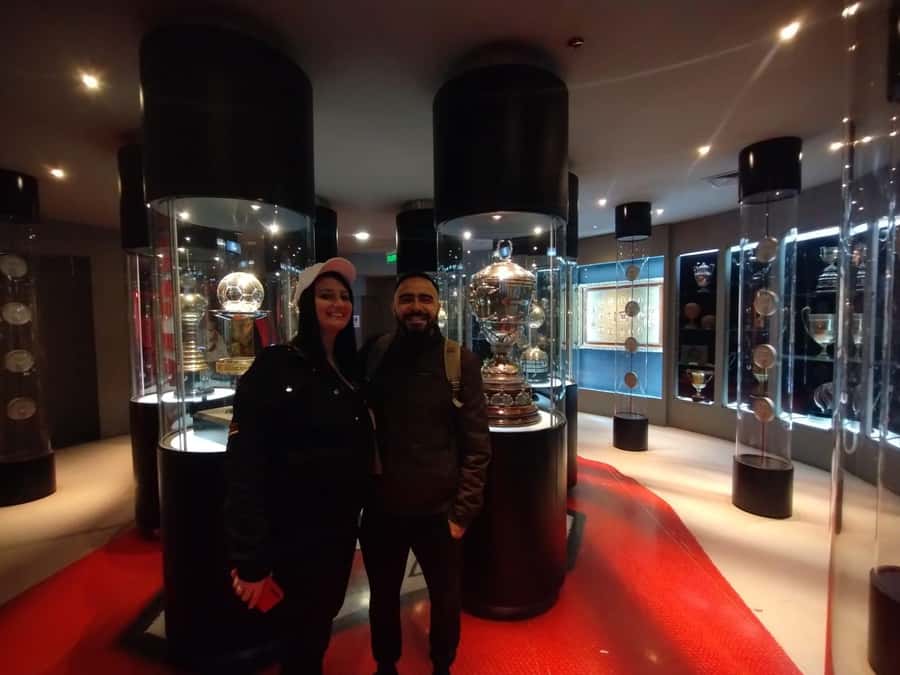
The museum tells River Plate’s story first
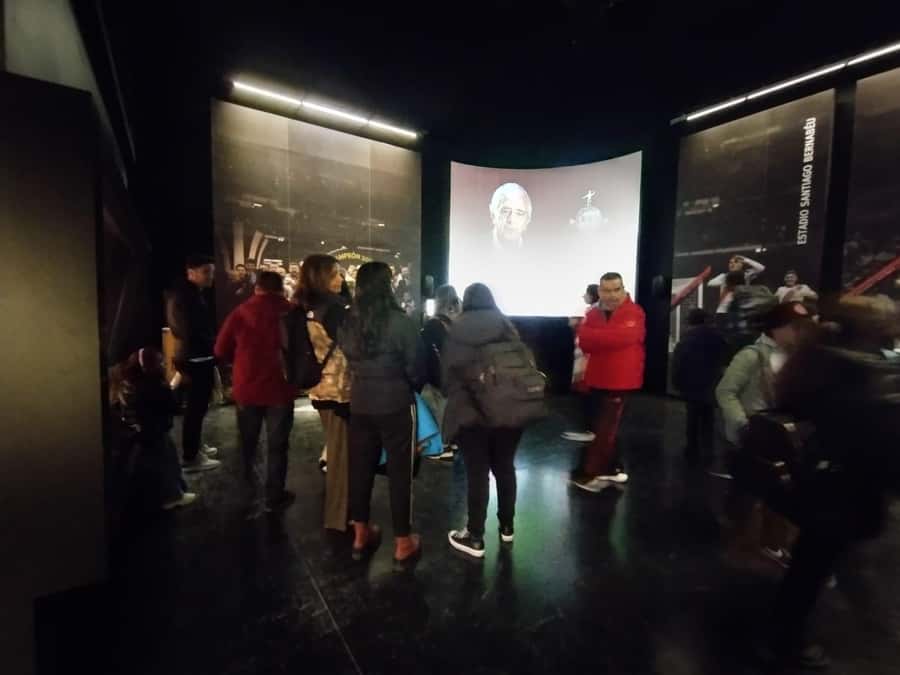
The museum is the best place to begin because it gives the stadium context. Instead of walking into a large bowl with no background, you first get a sense of how River Plate grew from its early days into one of Argentina’s most successful clubs.
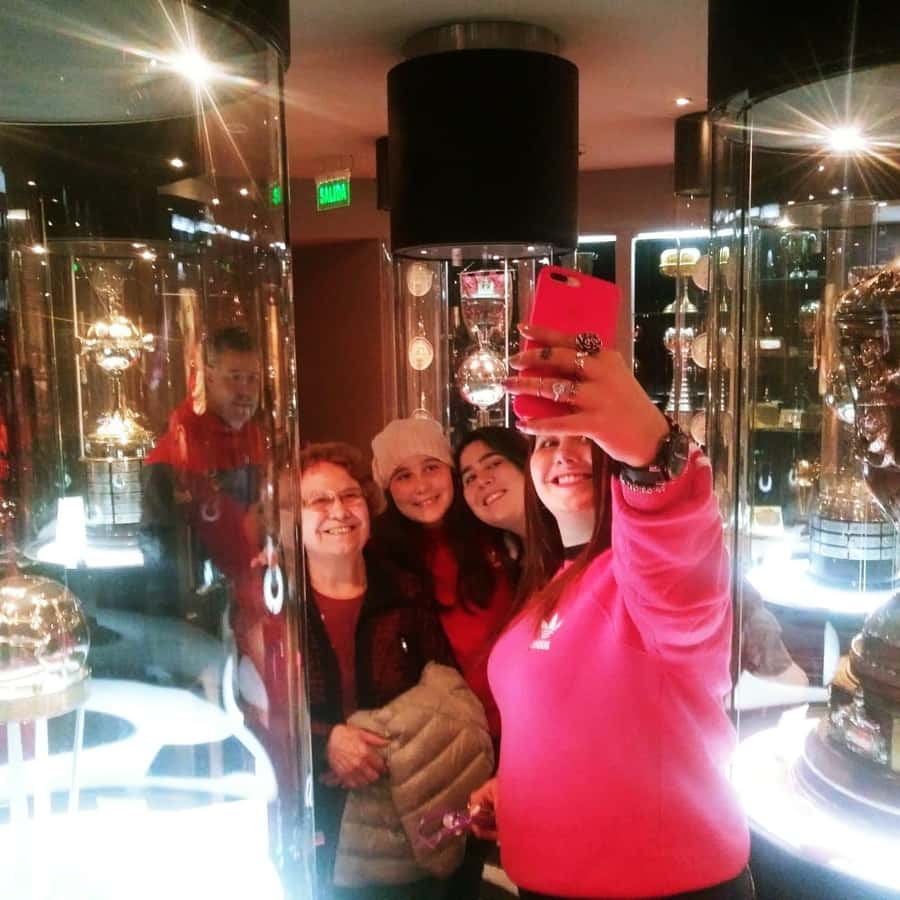
Expect displays about the club’s history, achievements, and famous moments. The material provided does not specify every exhibit, so I would not promise a particular player’s shirt, trophy, or interactive display. What is clear is that the museum presents more than 100 years of River Plate football and connects the club to its major titles.
This part of the tour suits both serious supporters and first-time football visitors. If you already know River Plate’s story, the museum lets you put names and trophies into a physical setting. If you do not, the guide can help explain why four Copa Libertadores wins and Argentina’s 1978 World Cup victory matter.
The private format is useful here. In a large public group, the museum can become a stop-and-go walk past displays. With your own guide, you can ask about the club’s achievements, its rivalry with Boca Juniors, or the meaning of a particular section without waiting for a whole group to move along.
English, Portuguese, and Spanish tours are available. If language matters to you, select the right option when booking and confirm it at the meeting point. The guide is meant to explain the details, not just point out the most obvious trophies.
Inside a stadium built for 86,000 fans
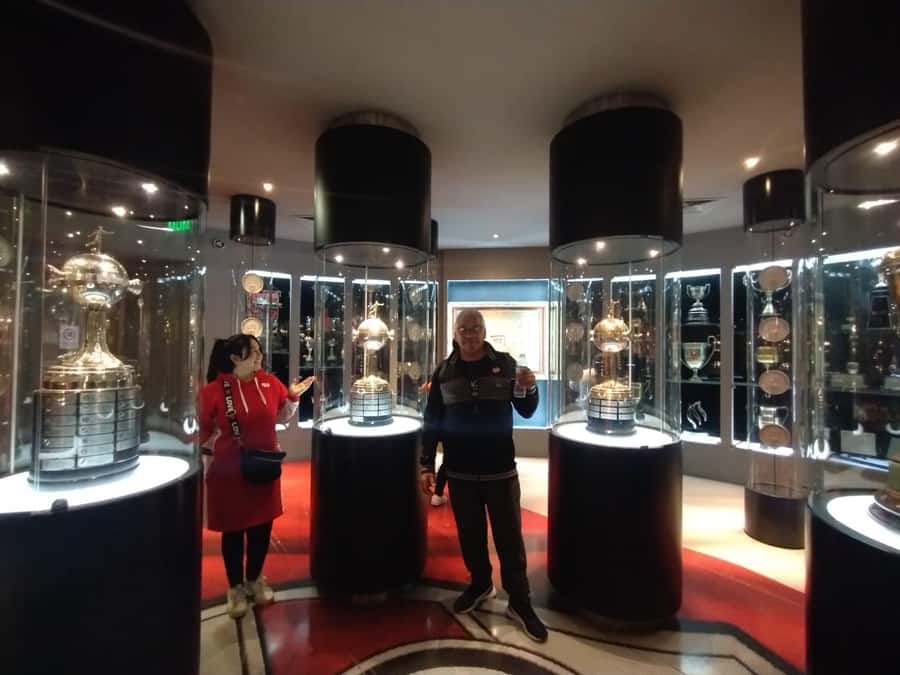
The first sight of El Monumental is likely to put the museum into perspective. A stadium with capacity for about 86,000 spectators is hard to grasp from a list of numbers. Once you see the seating bowl and the surrounding structure, you understand why match day here is such a major event.
The stadium is described as the largest in the American continent. That makes scale the central visual reward. Even without a match, you can picture the sound and movement of a full crowd, especially when the guide connects the building to River Plate victories and Argentina’s 1978 World Cup win.
The route is not guaranteed to follow one fixed path. Stadium access may change because of matches, concerts, training sessions, renovation, refurbishment, or cleaning. That is important for anyone booking mainly to see a particular area. You should treat the tunnel and changing room as planned highlights, not absolute guarantees.
This flexibility is common at working sports venues, but it can still disappoint if you arrive expecting every door to open. The stadium is an active facility, not a preserved monument. I consider that part of its appeal, though it means you should keep your expectations practical.
More Sports Experiences in Argentina:
- Buenos Aires: Tickets to Soccer Matches
★ 4.8 · 58 reviews - Boca Juniors Game at La Bombonera with Local & Transport
★ 4.5 · 33 reviews - AllMaradona Buenos Aires: Maradona House Museum and Stadium
★ 5.0 · 21 reviews - Buenos Aires: Visit to the Diego Armando Maradona Stadium
★ 5.0 · 10 reviews
The tunnel and changing room add the human scale
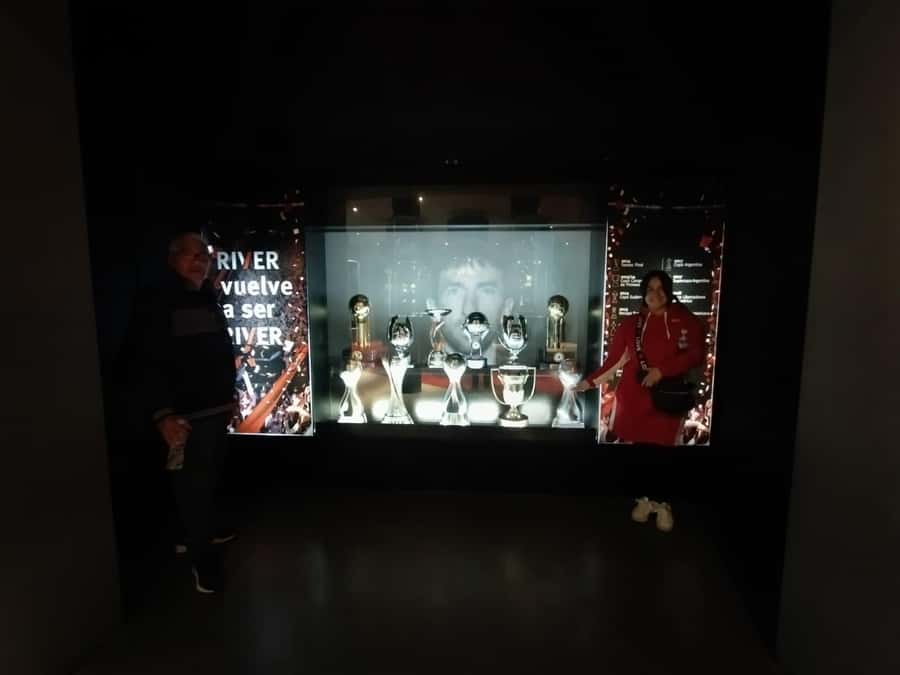
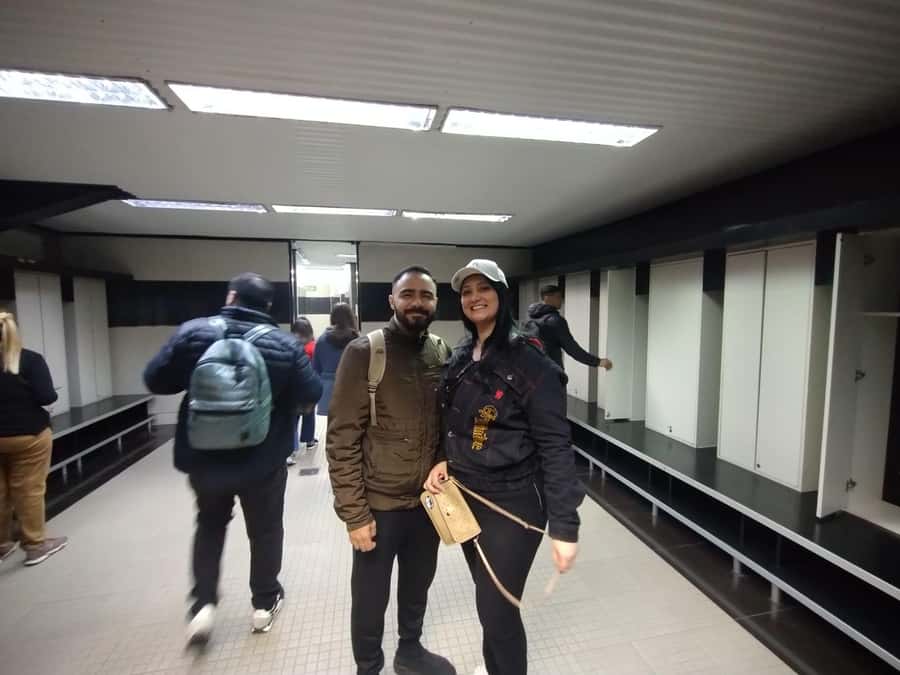
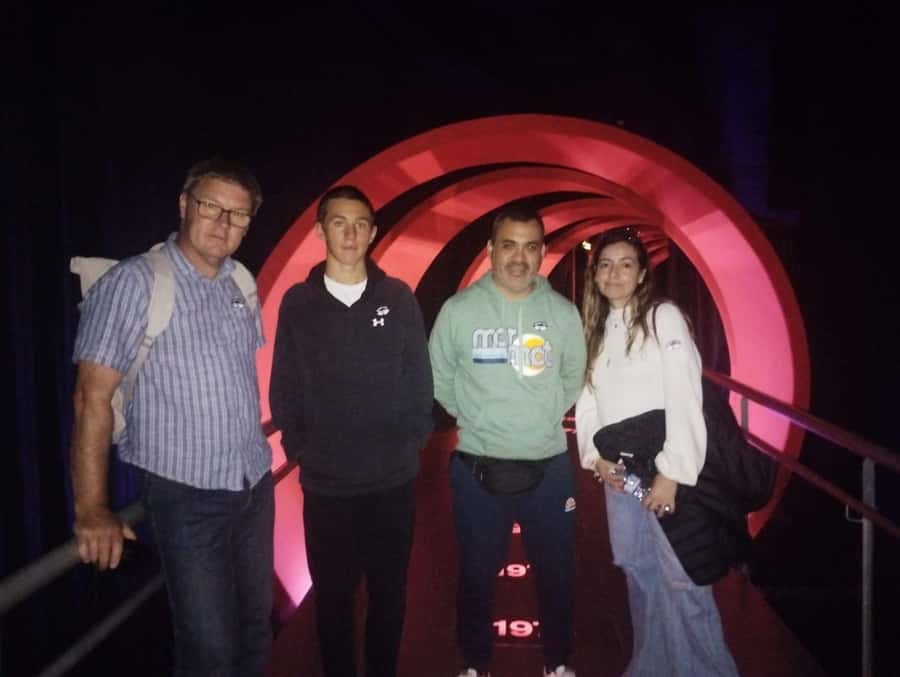
The single tunnel and visitors’ changing room are among the most useful parts of the visit. The stadium bowl shows public spectacle. These areas show the quieter side of match day, where players prepare and emerge before the crowd sees them.
The listing specifies a single tunnel and the visitors’ changing room. It does not promise access to the home changing room, player facilities beyond that, or the pitch itself. That distinction matters, especially if you have seen stadium tours elsewhere that offer a longer backstage route.
Still, the tunnel gives you a physical link between the private and public parts of football. The changing room provides a sense of the visiting team’s experience inside River Plate’s home ground. A private guide can make these spaces more meaningful by explaining how they fit into the match-day routine.
The route can be altered for operational reasons. If a concert is being prepared, a team is training, or maintenance is under way, you may see less than expected in this section. Ask your guide what is open on the day rather than assuming the standard route is guaranteed.
What the private guide adds
A private tour is the main difference between this experience and a basic museum ticket. You are not simply paying for entry. You are paying for explanation, questions, and a pace shaped around your group.
The guide can tell you about River Plate’s rise, its trophies, its place among Argentina’s five major clubs, and the Boca Juniors rivalry. You can also ask for help with details that are easy to miss, such as why a certain title matters or how the stadium connects to Argentina’s national team.
One guide named Juan received especially strong praise for his work. That does not mean Juan will lead every departure, but it does suggest that guide quality can make a real difference. The available guide languages are English, Portuguese, and Spanish.
A private format is especially useful for families, football fans with different levels of interest, and visitors who want to ask many questions. It is less valuable if you prefer to move quickly and read the displays alone. You are paying more for attention and interpretation, so use that advantage.
Snack and souvenir details
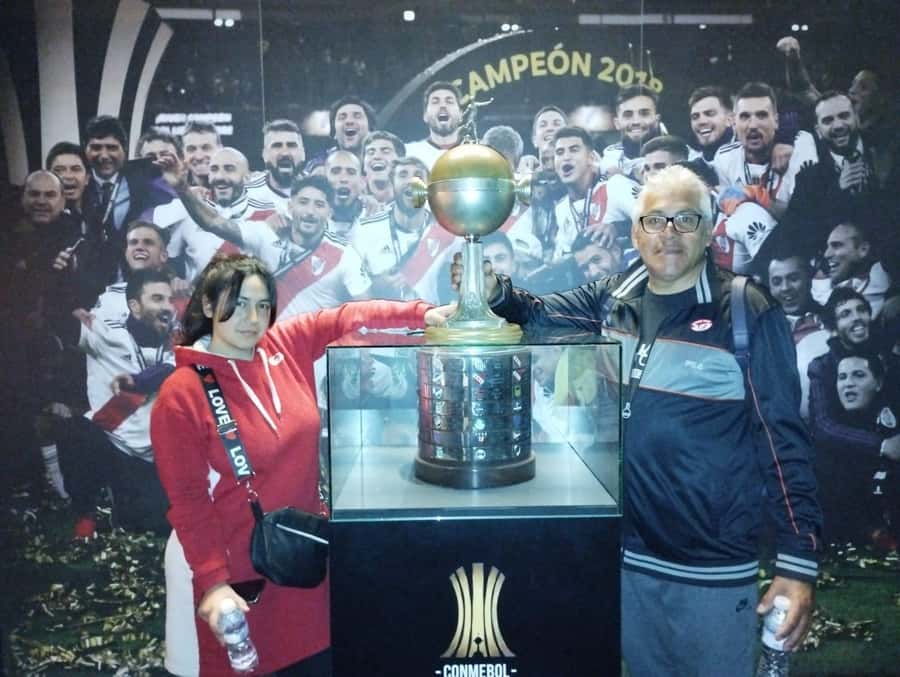
A snack and souvenirs are included. These are small extras, not the reason to book the tour, but they add a pleasant finish and make the price easier to understand.
The snack is not described in detail, so do not plan it as a full meal. If you have dietary needs, the available information does not confirm special options. Ask about it at the start of the visit, particularly because one booking reported that the included snack was not provided.
The souvenir is also not specified. It may be a simple keepsake rather than a substantial club product. Think of it as a bonus connected to the visit, not as a major part of the value.
For serious River Plate supporters, the museum and stadium access are the real purchase. For a casual visitor, the snack and souvenir help round out the experience but should not decide the booking by themselves.
Is $117 a fair price?
At $117 per person, this is not the cheapest way to see El Monumental. The value depends on how much you want a private experience and how much context you need.
The price includes skip-the-line entry, tickets, the museum, stadium access, the single tunnel, visitors’ changing room, a snack, souvenirs, and a private guide. If you would otherwise buy admission and hire a guide separately, those pieces may make the cost reasonable.
The skip-the-line feature is useful when the museum is busy, but the time saved may vary. The largest benefit is the private guide. You are paying for a more personal visit, not just a faster entrance.
I would consider the price worthwhile for a devoted football fan, a couple wanting a focused visit, or a family that values having its own guide. A solo visitor on a tight budget may find a standard museum visit better value, if one is available at a lower rate.
The lack of transport keeps the headline price from covering the whole outing. You must arrange your own journey to Núñez, and the tour may not include every stadium area if venue operations require a change. Those limits should be part of your calculation.
Who should book this stadium visit?
I would recommend it most strongly to people who want football history explained in person. River Plate supporters will get the strongest emotional payoff, but you do not need to arrive as an expert.
It also suits anyone interested in Argentina’s 1978 World Cup, since the stadium hosted that national victory. The museum provides the club background, while the stadium gives you the physical setting where some of the country’s biggest football moments took place.
Families may like the private format because children can ask questions without holding up a large group. Portuguese-speaking visitors may also appreciate having a tour option in their language, especially in a city where many football explanations can otherwise be fast and technical.
I would think twice if your schedule allows only a very short stop. The visit lasts two to three hours, and the available details suggest a proper museum-and-stadium tour rather than a quick look around. I would also be cautious if your main goal is guaranteed access to one particular room or route.
Book this River Plate Stadium and Museum Guided Tour if you want the club’s story, a large stadium, and a private guide in one visit. At $117, it is a specialist experience rather than a bargain attraction. Confirm the guide language, snack, and current route before setting out, and remember that stadium access can change. For football fans, that trade-off is likely fair. For everyone else, the museum and El Monumental are still worthwhile, but a lower-cost visit may offer better value if private guiding is not important.
FAQ
Where does the tour meet?
The meeting point is the main entrance of the River Plate Museum.
How long does the tour last?
The tour lasts between two and three hours.
What languages are available?
Live guides are available in English, Portuguese, and Spanish.
Is the tour private?
Yes. The activity is arranged for a private group.
Is skip-the-line entry included?
Yes. Skip-the-line access through a separate entrance is included.
What parts of the stadium are included?
The stated access includes the museum, stadium, single tunnel, and visitors’ changing room.
Is transport to the stadium included?
No. Transfers in and out are not included.
Is a snack included?
Yes. A snack is listed as included, although you should confirm its delivery when you arrive.
Are souvenirs included?
Yes. Souvenirs are listed as part of the tour.
Can wheelchair users join?
Yes. The activity is listed as wheelchair accessible.
What should I bring?
Bring a passport or ID card, comfortable shoes, sunglasses, a sun hat, and sunscreen. Biodegradable sunscreen is also recommended.
Can the stadium route change?
Yes. Access may change because of matches, concerts, training sessions, renovation, refurbishment, cleaning, or other stadium operations.
Can I cancel the booking?
You can cancel up to 24 hours in advance for a full refund.
Do I have to pay when I book?
The reserve-now-and-pay-later option allows you to hold your place without paying immediately.
Just added for fans in Argentina
- Velez Sarsfield Football Match★ 5.0 · 3 reviews
- Boca Juniors Game at La Bombonera with Local & Transport★ 4.5 · 33 reviews
- Rosario: Newell’s Old Boys Football Match and Messi Tour★ 5.0 · 5 reviews
- Maradona Tour: Murals, Chapel, Stadium, Museum, Casa D10S★ 5.0 · 8 reviews
- Guided tour Boca Juniors Museum & Stadium + Caminito★ 3.3 · 3 reviews
- Buenos Aires: Visit to the Diego Armando Maradona Stadium★ 5.0 · 10 reviews
- AllMaradona Buenos Aires: Maradona House Museum and Stadium★ 5.0 · 21 reviews
- From Buenos Aires: Polo Match, Lesson, and BBQ Day-Trip★ 5.0 · 5 reviews
Stadium Tours, compared.
Liverpool Football Club Museum and Stadium Tour
Read our review →
Emirates Stadium Entry Ticket and Audio Guide
Read our review →
Chelsea Football Club Stadium and Museum Tour
Read our review →

Browse the lists this tour appears in