

Review · STADIUM TOURS
Rio: Maracanã Stadium Official Entrance Ticket
Maracanã is more than a football ground. It is the place where Brazil’s football dreams, disappointments, concerts, ceremonies, and World Cup memories have played out since 1950. This visit lets you walk through the players’ tunnel, sit near the dugout, enter the changing rooms, and look across the pitch that hosted two World Cup finals and the 2016 Olympic Games.
I like the freedom to move at your own pace, and I like the museum’s collection of shirts, trophies, photographs, and football keepsakes. The biggest drawback is that this is usually a self-guided visit, despite the word tour appearing in some descriptions. If you want detailed storytelling at every stop, you may find the experience light on explanation.
Key points to know before you go
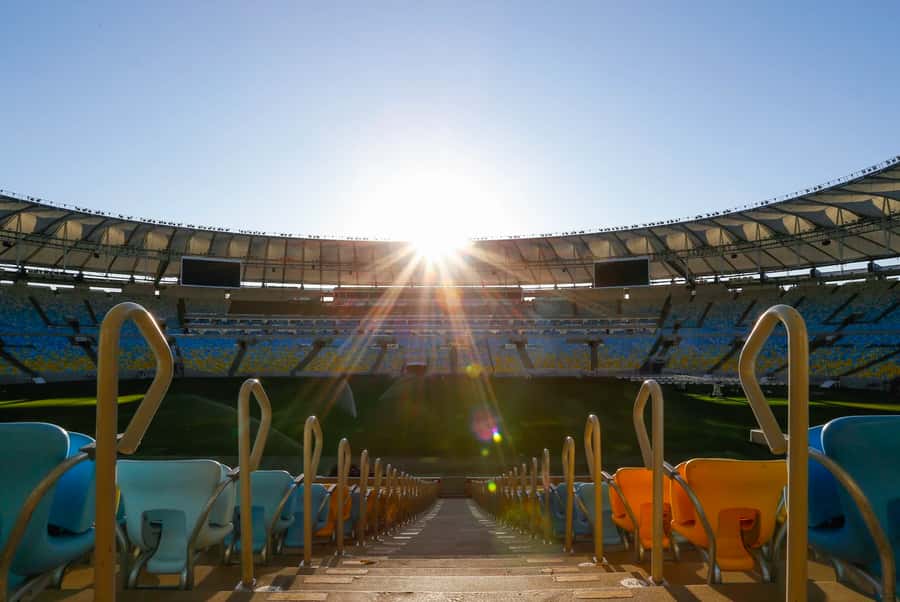
- Walk the route used by players: The changing rooms, warm-up area, tunnel, pitch-side zone, dugout, and press conference room are the main attractions.
- Allow about 40 minutes: You can move faster or linger longer, but the standard visit is short and focused.
- Expect a self-guided experience: Staff provide an introduction and directions, while signs and displays do most of the explaining.
- The museum adds real value: Memorabilia connects the building to Brazil’s famous players, major tournaments, and memorable matches.
- Use Gate A: The pedestrian entrance is at Av. Rei Pelé, 2, close to the UERJ ramp. Walk down the entrance area to find the tour access.
- Check match-day hours carefully: The final visit ends three hours before the stadium gates open, though actual closing times can change.
Why Maracanã deserves a place on your Rio list
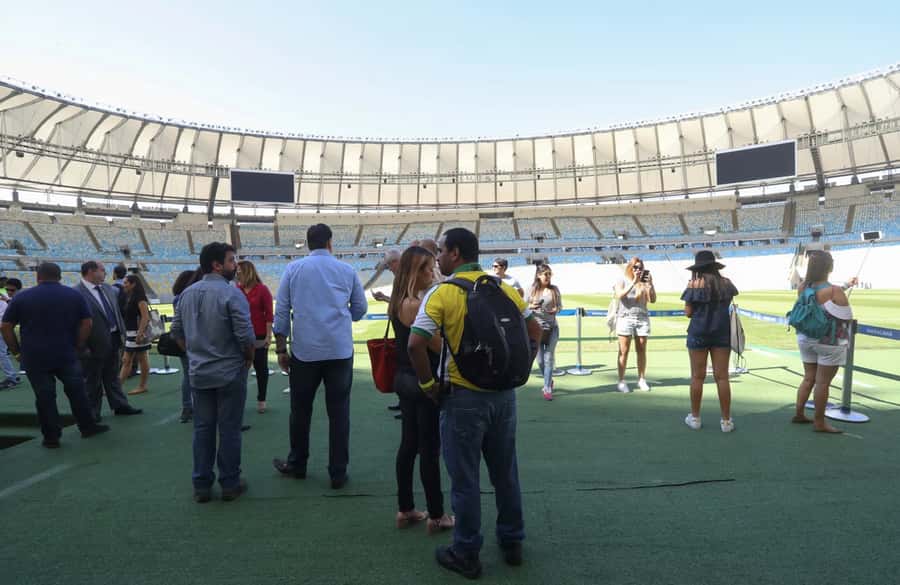
Few sports venues carry this much weight. Maracanã was built for the 1950 World Cup and has been rebuilt several times. It later hosted matches during the 2014 World Cup, the 2013 Confederations Cup, the 2007 Pan American Games, and the 2016 Olympic and Paralympic Games.
That history gives the visit its force. You are not simply looking at rows of seats and a patch of grass. You are walking through a building that has hosted World Cup finals, Olympic ceremonies, major concerts, and a mass celebrated by Pope John Paul II in 1980 and 1997.
I especially like that the experience does not stop at the museum. You get to see the working areas behind the public seating. The changing rooms and tunnel make the stadium feel less like a monument and more like an active sporting place.
The venue has also welcomed Madonna, the Rolling Stones, Paul McCartney, and Tina Turner. So even if football is not your main reason for visiting, Maracanã has a wider story to tell.
More Stadium Tours in Brazil:
- Skip the Line Maracana Stadium Entrance Ticket
★ 4.0 · 203 reviews - Maracana Stadium – Behind the Scenes Tour
★ 3.7 · 123 reviews - Rio de Janeiro: Maracanã Stadium Match Ticket with Drink
★ 4.9 · 109 reviews
Entering through Gate A in Rio
Your meeting point is Gate A for pedestrians, at s/n Gate A, Av. Rei Pelé, 2, Maracanã, Rio de Janeiro, near the Rampa da UERJ. The practical detail matters because the meeting instructions have caused confusion. Some people have arrived at the stadium but had trouble identifying the actual tour entrance.
Take your voucher to the box office at Gate A. A mobile voucher is accepted, and a printed voucher is also fine. Once inside Gate A, walk all the way down. The entrance for the stadium visit is around the corner to the right, according to the clearest directions available.
I would not treat the phrase meeting point as meaning that a guide will gather everyone for a walking tour. In practice, Gate A is your entry point. You may receive a brief introduction, then follow the marked route at your own speed.
The stadium is accessible to wheelchair users. Hotel pickup, hotel drop-off, food, and drinks are not included, so plan to reach the venue independently and eat before or after the visit.
The museum sets the scene

The museum is a useful first stop because it gives context before you reach the pitch. Exhibits include historic shirts, trophies, photographs, and other items connected with Brazil’s football stars. Footprints around the displays add a personal touch and help link the stadium to individual players.
I would not expect a huge football museum on the scale of a national institution. The collection is compact, and one part of the experience is simply seeing the building itself. Still, the exhibits give you a reason to pause instead of rushing straight to the field.
For football fans, this is where the $24 ticket begins to make sense. A stadium tour without objects and stories can feel like an empty shell. The memorabilia gives the place names, faces, and match-day memories.
The displays and directions are available in Portuguese and English, so you can follow the route without needing a Portuguese-speaking guide. Staff members are available if you have questions, although the visit is not normally led stop by stop.
Changing rooms, warm-up room, and the players’ tunnel
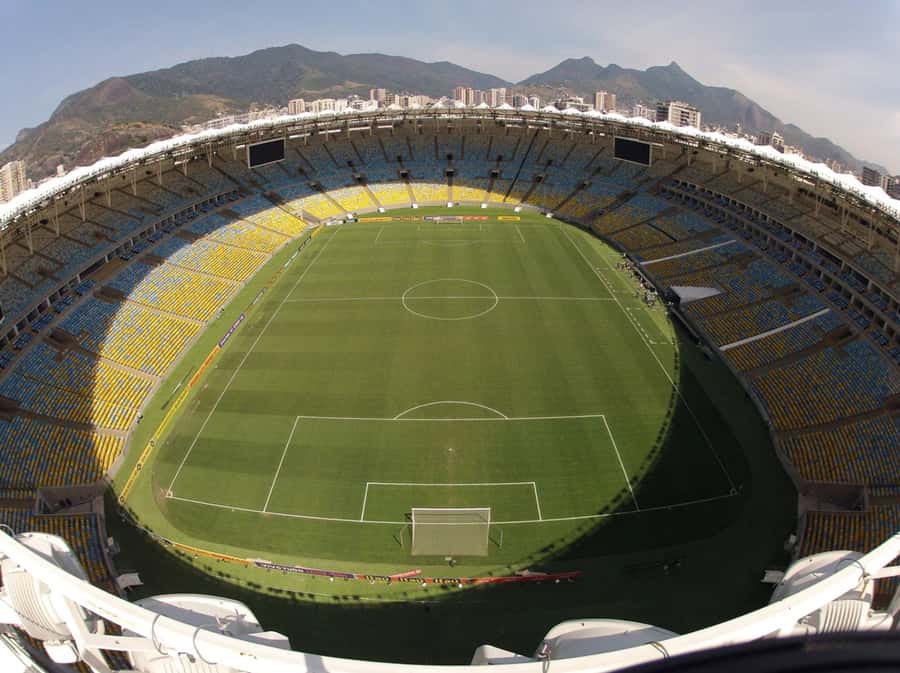
The changing rooms are one of the more atmospheric parts of the visit. You can see the place where players prepare before stepping onto the field. The warm-up room adds another behind-the-scenes stop, showing the practical side of match preparation.
Then comes the players’ tunnel. This is the moment many football fans have been waiting for. You walk toward the pitch with the stadium opening ahead of you, and it is easy to imagine the noise of nearly 80,000 supporters.
The tunnel is valuable because it changes your view of the stadium. From the seats, you watch a match as part of a crowd. From the tunnel, you picture the players facing the field, the pressure, and the sound of the stands.
The route is controlled, with barriers directing you through the main areas. That keeps the visit simple and helps you cover the key stops without getting lost. It also means you should not expect access to every corridor or private area in the building.
More Sports Experiences in Brazil:
- Football Match in Rio de Janeiro – Guided with Transportation
★ 4.5 · 150 reviews - Rio de Janeiro: Football Game Ticket with Guide and a Drink
★ 4.6 · 124 reviews - Rio de Janeiro: See a Flamengo Game at Maracanã with a local
★ 5.0 · 105 reviews - 6 Hour Ayrton Senna Tour – The Greatest Formula 1 Drivers of all Time
★ 5.0 · 83 reviews
Pitch-side views and the dugout

The pitch is the emotional center of the visit. You can reach pitch-side areas and look back toward the seating bowl. The angle is different from what you get during a match, when your attention stays on the action.
You also have a chance to sit in or near the dugout. That small detail works well because it turns the visit into something physical. You are not just reading that famous matches happened here. You are sitting in the same kind of place used by players and team staff.
Some visits include the chance to take a kick at a goal near the side of the pitch. There are also optional paid photo products and a football shooting simulator. These extras are not part of the $24 admission, so decide in advance how much you want to spend.
Professional photos can add a nice souvenir, but they can also push up the cost. One booking included an additional $21 for photos, with prices listed in Singapore dollars. Treat photography as an optional purchase, not as part of the ticket.
The press conference room and the final stretch
The press conference room gives the visit another perspective. After a major match, this is where players and coaches face questions, explain decisions, and relive the result. Sitting there lets you picture the public side of football after the private intensity of the changing room and tunnel.
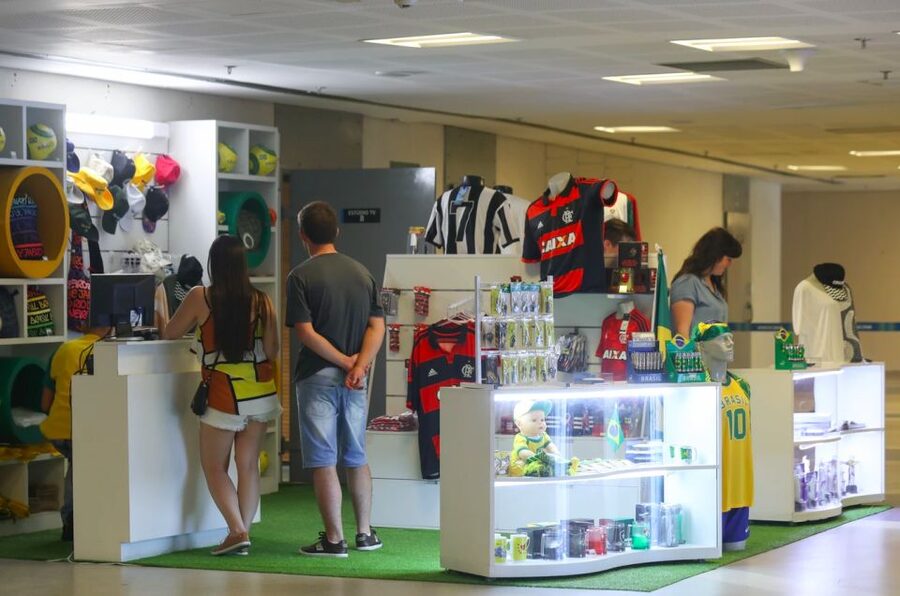
The route usually finishes near the shop and refreshment seating. The merchandise area can feel lively and crowded, especially compared with the quiet museum displays. You can browse, collect any purchased photos, and take a break before leaving.
The tour is designed to be flexible. You can move through the main stops in around 40 minutes, but the amount of time you spend depends on your pace and on how busy the stadium is. If you want to read every display and take photographs, allow extra time within the available opening hours.
What the self-guided format really means

This is the most important point to understand before booking. The product is called a stadium tour, but the standard experience is generally self-guided.
You may receive a short orientation from staff, and employees are available to help with questions. Some visits have included a helpful guide or staff member, with Liz and Mili specifically praised for their assistance on individual dates. But you should not book this expecting a guide to lead a continuous, detailed narration in English.
For me, the self-guided format has a clear advantage: you can stop for photos, read the displays, and spend more time at the tunnel or pitch. Families and independent visitors may prefer that freedom.
The trade-off is context. A guide could explain exactly which matches took place in each area, how the stadium changed for the 2014 World Cup, and why Maracanã matters so much to Brazilian football. If that background is central to your visit, read about the stadium beforehand or ask the staff questions as you go.
How much value do you get for $24?

At $24 per person, the ticket is fairly priced if you care about football, stadium architecture, or Rio’s major events. You receive museum admission, access behind the scenes, and a route through several areas that you cannot experience from a normal street view.
The value is strongest for someone who cannot attend a match. You still see the pitch, seats, tunnel, changing rooms, and press room without paying match-day prices or depending on a game schedule.
It is less convincing if you expect a long, guided program filled with historical detail. The visit lasts about 40 minutes, and some parts are mainly photo opportunities. The stadium itself is older in appearance than many modern British venues, which some people may read as character and others as wear.
If you can attend a match, I would put that first. A live game gives you the sound, crowd, and tension that a daytime stadium visit cannot copy. But a match does not necessarily let you enter the changing rooms, museum, or press area, so the two experiences serve different purposes.
Match-day timing can change everything
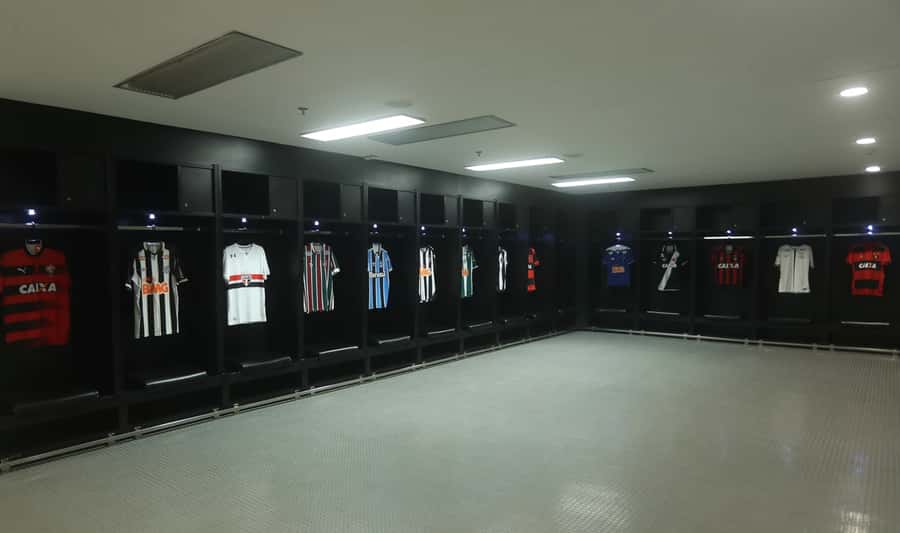
Match days require extra care. The final stadium visit is meant to finish three hours before the gates open, but actual timing can change. One visit ended at 11 a.m. and left only about 40 minutes for the tour, even though the published information suggested a different closing window.
Check the starting time before you leave for the stadium. If the activity provider changes the day or time, contact the provider to select another available slot or request a refund.
There is also an opportunity to combine the visit with a match if your schedule works. One person used the daytime tour and then bought match tickets from the ticket offices on the opposite side of the stadium. That can be cheaper than purchasing a packaged football experience, but you must allow enough time and confirm the match-day arrangements yourself.
The safest choice is a non-match day if the stadium visit is your main reason for going. You will have less pressure and a better chance to take your time in the museum and behind-the-scenes areas.
Who will enjoy this most
I would recommend this experience to:
- Football fans who want to walk through a famous stadium rather than only see it from the seats.
- People interested in Brazil’s World Cup and Olympic venues.
- Families who prefer a short activity with a clear route.
- Visitors who cannot fit a match into their Rio schedule.
- Concert fans interested in the venue’s non-sporting past.
- Independent visitors who prefer exploring without being tied to a guide.
I would be more cautious if you want a long architectural tour or detailed football history from a specialist guide. The venue is the star, and the displays provide useful information, but the presentation is not consistently guided.
Practical tips for a smoother visit
Bring your voucher on your phone, but a printed copy works too. Go directly to Gate A rather than searching for a separate street meeting point.
Wear comfortable shoes. The visit involves walking through several sections of the stadium, even though it is short. Give yourself time to find the entrance, especially if the stadium is hosting a game later that day.
Do not budget only for the ticket if you know you will want professional photos or the shooting simulator. Those are paid extras. Food and drinks are also outside the ticket price.
If you want photos of the tunnel, dugout, and pitch-side areas, move slowly enough to enjoy them. The route is self-paced, so there is no need to rush through the first displays.
Finally, keep expectations clear: this is an official stadium entrance with behind-the-scenes access, not a fully narrated historical tour.
Should you book the Maracanã Stadium visit?
Book it if Maracanã is on your Rio wish list, especially if you are a football fan or cannot attend a match. The players’ tunnel, pitch-side access, changing rooms, dugout, and museum make the $24 ticket a reasonable buy.
Skip it if you want only a live football atmosphere, since a match will give you more noise and energy. Also think twice if a detailed guide is essential. For most people, the best approach is to book a non-match-day time, enter through Gate A, and treat the visit as a flexible museum and stadium walk rather than a traditional guided tour.
FAQ
How long does the Maracanã Stadium visit take?
The visit is described as a 40-minute experience. You may spend more or less time depending on how carefully you explore the museum and the stadium areas.
What does the $24 ticket include?
The price includes stadium admission, museum admission, and behind-the-scenes access to areas such as the changing rooms, players’ tunnel, pitch-side spaces, dugout, and press conference room.
Is this a guided tour?
The standard experience is mostly self-guided. There may be a short introduction, staff are available to help, and some visits have had guides or helpful staff members, but you should not expect a continuous guided tour.
Where do I enter the stadium?
Go to Gate A for pedestrians, at Av. Rei Pelé, 2, Maracanã, Rio de Janeiro, near the Rampa da UERJ. Present your mobile or printed voucher at the tour box office there.
Can I visit on a match day?
Yes, but the final visit ends three hours before the stadium gates open. Actual times can change, so check availability and confirm the schedule before going.
Is the visit wheelchair accessible?
Yes, the activity is listed as wheelchair accessible.
Are hotel transfers included?
No. Hotel pickup and drop-off are not included, so you must make your own way to Gate A.
Are food and drinks included?
No. Food and drinks are not included in the ticket price.
Can I cancel the booking?
You can cancel up to 24 hours in advance for a full refund.
Just added for fans in Brazil
- São Paulo: Join a São Paulo football game with a local fan★ 4.7 · 30 reviews
- Rio de Janeiro Private: Christ, Sugarloaf, Maracanã and more★ 5.0 · 9 reviews
- Rio de Janeiro: Enjoy a Botafogo soccer game with Locals★ 5.0 · 6 reviews
- Rio de Janeiro: Maracanã & Flamengo Football Tour★ 4.6 · 9 reviews
- Rio de Janeiro: Maracanã Stadium Behind the Scenes Tour★ 4.0 · 7 reviews
- #Maracanã★ 3.7 · 10 reviews
- Rio: Fluminense Match at Maracanã with Guide and Ticket★ 4.9 · 22 reviews
- Flamengo Game Experience at the Maracanã Stadium★ 4.9 · 54 reviews
Stadium Tours, compared.

Liverpool Football Club Museum and Stadium Tour
Read our review →

Emirates Stadium Entry Ticket and Audio Guide
Read our review →
Chelsea Football Club Stadium and Museum Tour
Read our review →

Browse the lists this tour appears in