

Review · SPORTS MUSEUMS
Lisbon: Benfica Museum Tour with Souvenir Scarf
Benfica’s Cosme Damião Museum does more than display shirts and trophies. It links the club’s story with major events in Portugal and the Portuguese-speaking world, giving you a different way to understand the country through football. The penalty simulation adds a playful touch after the museum’s more serious historical displays.
I like the strong focus on Eusébio, one of Benfica’s most important figures, and the way multimedia technology brings old football stories to life. I also like that the scarf is included, so the $17 price gives you both an indoor cultural visit and a useful souvenir.
The main thing to check is the match-day rule. The museum cannot be visited on match days, and a separate concert once prevented a visitor from seeing the stadium, so confirm what is open if the stadium itself is your main reason for coming.
Key points before you go
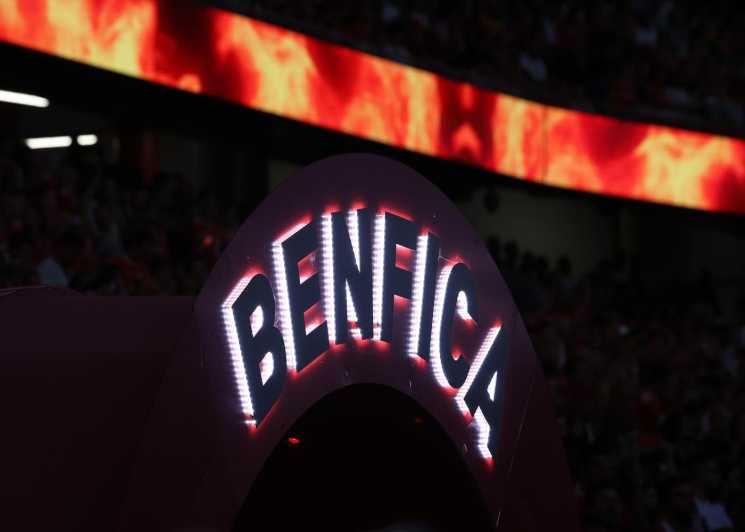
- See Benfica through Eusébio’s story: The displays follow the club’s greatest names, including Eusébio, Paulo Futre, and Mantorras.
- Football meets Portuguese history: The museum connects Benfica’s milestones with important events in Portugal and the Portuguese-speaking world.
- Try the penalty simulation: You can take a spot kick in a match-day setting, a welcome change from simply looking at exhibits.
- Allow about two hours: That gives you time for the museum’s main sections without treating it as a rushed stop.
- A scarf is included: You leave with a simple Benfica keepsake as part of the $17 admission.
- Avoid match days: The museum is not available to visit on those days, so check the calendar before booking.
Inside Benfica’s Cosme Damião Museum
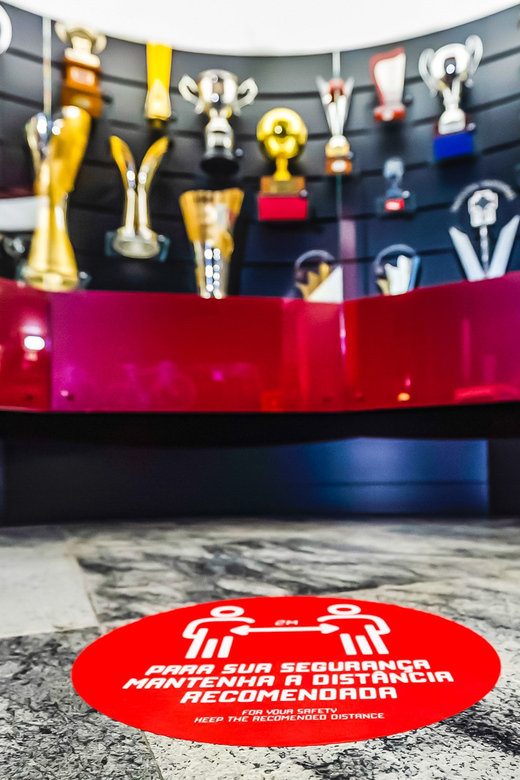
The museum is dedicated to Sport Lisboa e Benfica, one of Portugal’s best-known football clubs. Its purpose is not only to show what the team has won, but to tell you how the club became part of Portuguese life.
You begin with the club’s story in the History of Benfica exhibition. This is the core of the visit, with football landmarks, important players, and major moments arranged as a journey through time. The museum also connects Benfica’s development with events that shaped Portugal and Portuguese-speaking communities elsewhere.
That wider approach is useful even if you are not a committed football fan. You are not asked to know every season, manager, or result before arriving. Instead, the displays give you a social and cultural frame for the club. Football becomes a way to look at Portugal’s past, its public figures, and its links with other Portuguese-speaking places.
The exhibition also helps explain why Benfica means more to supporters than a match result. Clubs often serve as family traditions, neighborhood identities, and shared memories. The museum gives you a glimpse of that bond through its players, objects, images, and multimedia presentations.
I would plan to move slowly through the main displays rather than trying to finish in half an hour. The supplied duration is two hours, which feels sensible for a museum with several historical sections and interactive elements. If you only want a quick photo stop, you can see the place faster, but you will miss much of the context.
More Sports Museums in Portugal:
- Lisbon: Luz Stadium Tour & SL Benfica Museum Entry
★ 4.7 · 4,102 reviews - Skip the Line: FC Porto Museum & Tour
★ 4.0 · 209 reviews - Barcelona: FC Barcelona Museum “Barça Immersive Tour” Ticket
★ 4.4 · 10,944 reviews
Following Eusébio, Paulo Futre, and Mantorras
The museum’s most powerful subject is its players. Eusébio receives particular attention, and that makes sense. His name is tied closely to Benfica’s international reputation and to Portugal’s football identity.
The museum gives you a chance to learn about Eusébio as part of Benfica’s story, rather than seeing him only as a famous name on a wall. His place in the club helps explain the scale of his influence and why he remains central to Benfica’s memory.
Paulo Futre and Mantorras also appear in the journey through the club’s players. Their inclusion gives the visit a broader range than a single-star tribute. You see different generations and different chapters of Benfica’s football story.
For children, these player displays can make the museum easier to enjoy. A young fan may connect first with a name, shirt, image, or memorable achievement, then gradually pick up the larger story. The museum’s modern presentation helps keep the visit from feeling like a long list of dates.
For adults, the player focus offers a useful shortcut into Portuguese football. If you do not follow the sport closely, you can still understand why certain figures matter by seeing them placed within Benfica’s wider development.
Multimedia displays give the history some movement
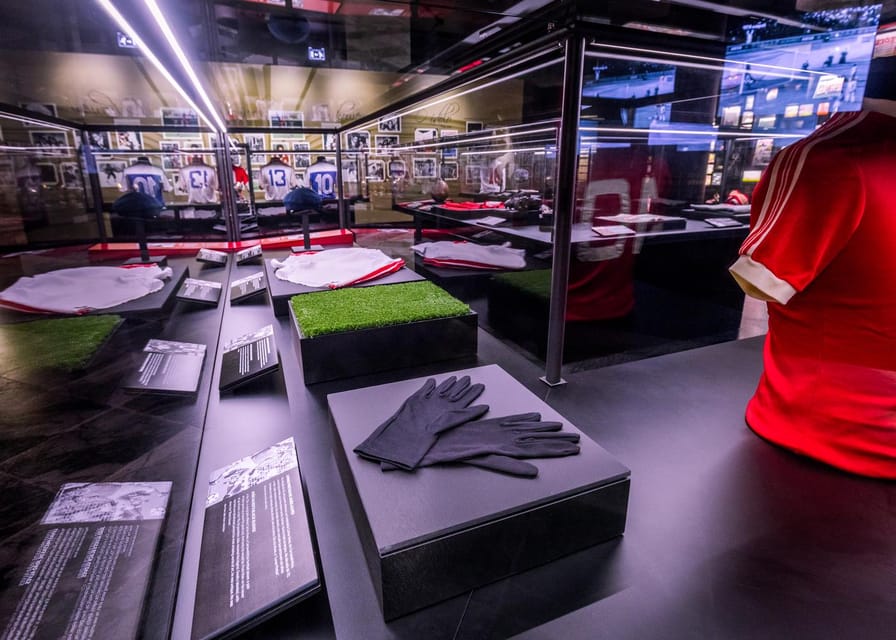
Football museums can become a corridor of static objects. Benfica’s museum uses modern multimedia technology to add movement and atmosphere to the story.
The available information does not specify every interactive station, so I would not promise a particular screen or audio feature. You can expect the museum to combine traditional historical material with modern presentation methods, giving you more than rows of framed photographs.
That mix matters because football is remembered through sound, motion, faces, and shared moments. Multimedia displays can help you connect a name such as Eusébio with the feel of an era, even if you did not live through it yourself.
The technology also gives the museum a more accessible shape for different ages. A football expert can focus on details and achievements. A casual visitor can follow the visual story and understand the major points without reading every piece of text.
You should still treat the museum as a historical visit, not an amusement attraction. The interactive features support the club’s story. They do not replace it.
The penalty simulation is the fun finish
The chance to take a penalty on a match-day simulation is one of the clearest reasons this visit works for families and casual football fans. You are not only looking at Benfica’s past. You get a small chance to test yourself.
Do not expect a full match or a stadium tour from this feature. It is a brief interactive moment within the museum, but it changes the pace. After reading about famous players and seeing the club’s milestones, you can step into a more playful football setting.
This also gives children a personal memory from the visit. The historical displays may be the part adults value most, while the penalty attempt may be the moment a child talks about later.
I like this balance. The museum can be thoughtful without becoming too solemn, and the simulation can be entertaining without taking over the visit. If you are visiting with someone who has limited patience for exhibit panels, this is a useful break.
The experience is also a reminder that football museums work best when they let you do something, not just see something. A penalty simulation will not turn you into Eusébio, but it may make the club’s great players feel a little more human.
Same city, a different fixture:
- Lisbon: Benfica Luz Stadium Tour with Souvenir Scarf
★ 4.6 · 1,243 reviews - Sporting Clube de Portugal – Stadium Tour
★ 4.4 · 745 reviews - Lisbon SL Benfica Stadium & Museum Tour with Scarf
★ 4.5 · 327 reviews - Vilamoura: Family Golf Park Game
★ 4.6 · 253 reviews
A different lesson about Portugal
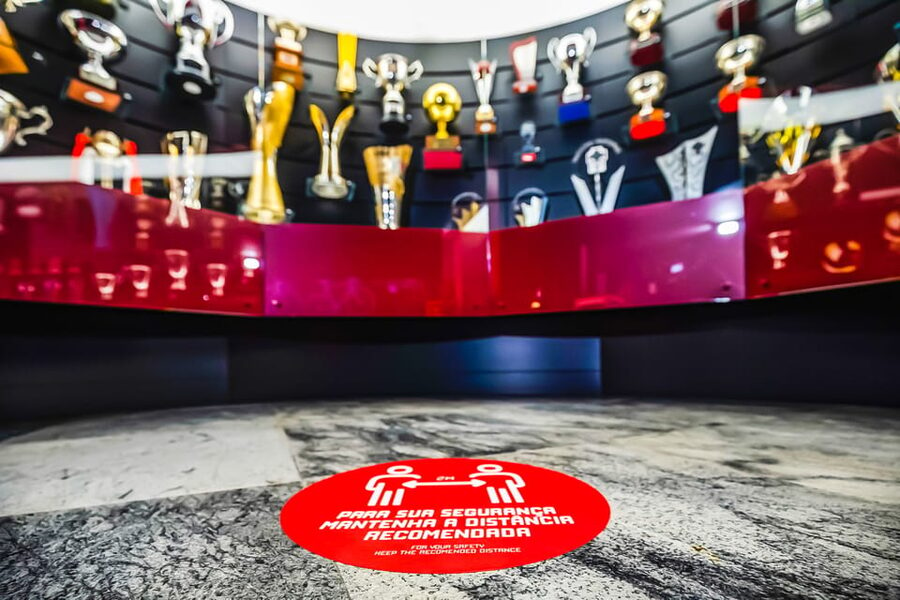
The museum’s most unusual feature is its connection between Benfica and Portugal’s wider story. You get an alternative history lesson through the club’s development and the key events placed around it.
That does not mean the museum replaces a national history museum. It gives you one particular view, centered on sport, public life, and the Portuguese-speaking world. The result can be useful if you have already seen Lisbon’s standard historical sights and want another way to understand the country.
Benfica’s story also reaches beyond match results. A club with major players, famous moments, and a large supporter base reflects changes in Portuguese society. The museum uses that link to show how football can carry memories across generations.
I would pay attention to the connections between club milestones and national events. Those links are likely to be more rewarding than simply counting trophies. They help you see why a football club can become part of a country’s cultural identity.
This section may appeal most to adults who want context. Young children may prefer the player displays and penalty activity, while adults can use the museum to connect football with Portugal’s modern story.
Is two hours enough?
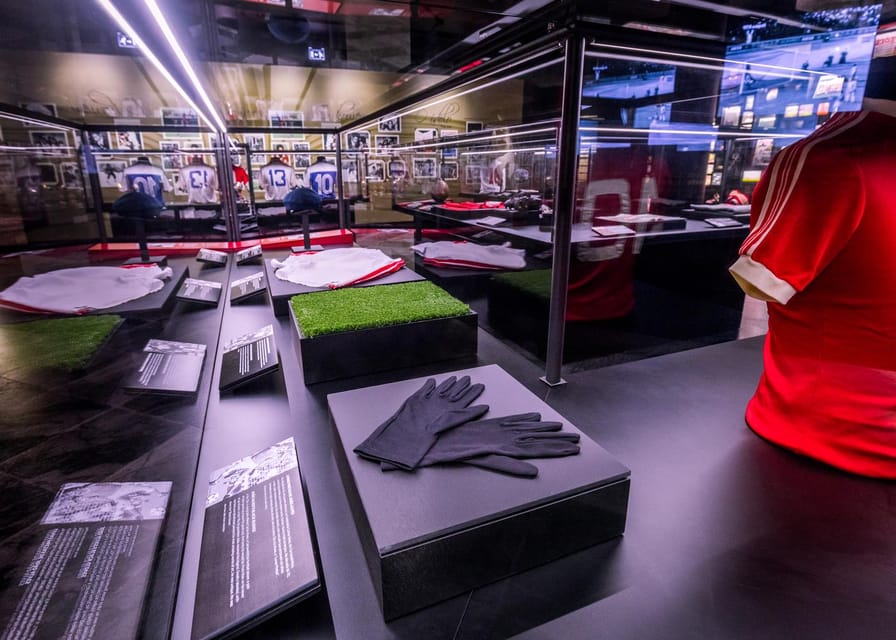
The stated duration is two hours, and I would treat that as a comfortable target. It gives you time to read selected displays, follow the History of Benfica exhibition, watch or use the multimedia elements, and try the penalty simulation.
Your pace will depend on your interest. A devoted Benfica supporter could easily want longer, especially if you stop for every player and achievement. A casual visitor might finish the main route sooner.
The museum is best enjoyed as a focused half-day ingredient rather than the only plan for an entire day. You can give it two hours, then continue with other Lisbon sightseeing. Since food and drinks are not included, plan those separately.
There is no hotel pick-up or drop-off. You make your own way to the museum door, which keeps the price down but means you need to organize your transport. The meeting point is simple: the entrance to the museum.
The museum is wheelchair accessible, an important practical point for visitors who need step-free access. The ticket also includes skip-the-ticket-line entry, which can save time at the entrance.
The $17 price and what you receive
At $17 per person, this is a fairly modest paid attraction for a two-hour museum visit. The value depends on what you want from it.
If you are a Benfica supporter, the price is easy to justify. You get entry to the club museum, access to the historical and multimedia displays, the penalty simulation, and a scarf to take home. The scarf gives the admission a physical souvenir beyond photographs.
If you are only mildly interested in football, the cultural material makes the visit more worthwhile. You are not paying solely to see sports memorabilia. You are also getting a different look at Portugal and the Portuguese-speaking world through Benfica’s history.
The value is weaker if your only goal is to enter the stadium. The museum visit does not promise a stadium tour, and one visitor who came mainly for the stadium could not see it because a concert was taking place. Treat the museum and stadium as separate possibilities unless the booking specifically confirms otherwise.
The included scarf may vary in design, and no further details are provided, so do not book expecting a premium collector’s item. Think of it as a pleasant club souvenir included with admission.
The overall rating is 4.8 from 27 reviews, with especially warm praise for the museum’s design and the amount there is to discover. One visitor described it as very well made and worth taking time over. That matches the best way to use your ticket: slow down and give the displays their due.
Timing your visit around football and events
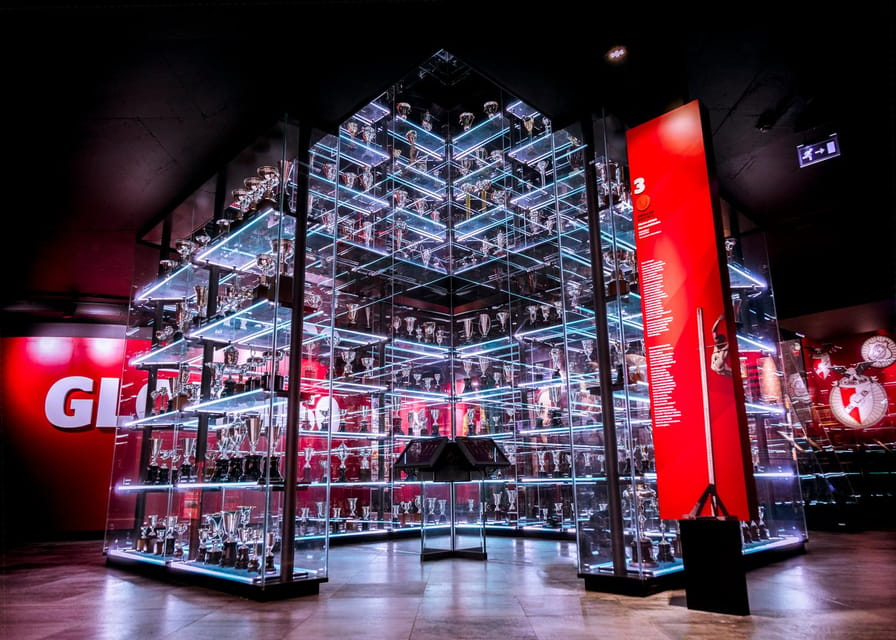
The most important planning rule is simple: the museum cannot be visited on match days. Check the date before you reserve, especially if your Lisbon stay overlaps with a Benfica home fixture.
Events can also affect what you see around the stadium. A concert once prevented a visitor from seeing the stadium, despite coming mainly for that purpose. The practical lesson is to confirm the exact access included on your chosen date and not assume that museum admission means every stadium area will be open.
You can cancel up to 24 hours in advance for a full refund, and the reserve-now, pay-later option lets you hold a place without paying at once. Those terms are useful when your Lisbon schedule is still changing.
Starting times vary, so check availability for your date. The visit itself lasts about two hours, but allow extra time for getting to the museum door and for any other activity you plan nearby.
Who will enjoy this museum most?
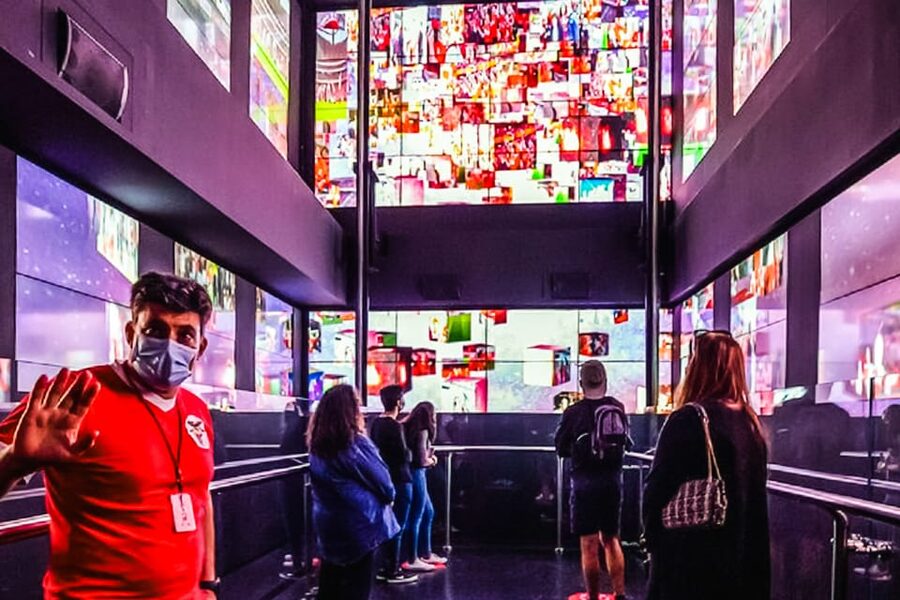
I would recommend it first to Benfica supporters, football fans, and families with children who enjoy interactive attractions. The player stories, multimedia displays, and penalty simulation give each group something clear to follow.
It also suits visitors who want a cultural activity with a Portuguese angle but do not want another conventional monument. The museum’s links to national and Portuguese-speaking history give it more purpose than a simple club trophy room.
Casual fans should consider it if they have two hours and are curious about the role of football in Portugal. You do not need deep football knowledge to follow the main story, though supporters will naturally get more from the names and achievements.
I would be more cautious if you want a full stadium experience. The information confirms museum entry, not guaranteed stadium access, and events can limit what is available. If the pitch and stands are your priority, check the conditions carefully before booking.
Should you book the Benfica Museum Tour?
Book it if you want a reasonably priced, accessible museum visit that combines football, Portuguese history, famous players, modern displays, and a simple interactive challenge. The included scarf is a nice extra, and two hours is a manageable length for a busy Lisbon itinerary.
Skip it if you have no interest in football and would rather spend your time at Lisbon’s art, history, or neighborhood sights. Also pause before booking if you mainly want a stadium tour. Check the match calendar and event schedule first.
For most football fans, this is an easy addition to a Lisbon stay. Go for the Benfica story, give the Eusébio displays time, try the penalty, and treat the scarf as a bonus rather than the reason to come.
FAQ
Where does the Benfica Museum experience begin?
The meeting point is at the door of the SL Benfica Cosme Damião Museum.
How long does the museum visit take?
The activity lasts about two hours.
What is included in the price?
Admission to the Museum SL Benfica Cosme Damião and a souvenir scarf are included.
Is food or drink included?
No. Food and drinks are not included.
Can I visit the museum on a match day?
No. The museum cannot be visited on match days.
Is the museum wheelchair accessible?
Yes. The activity is wheelchair accessible.
Can I cancel for a refund?
Yes. You can cancel up to 24 hours in advance for a full refund.
Just added for fans in Portugal
- Lisbon Football Experience – Private stadium and Museum Tour★ 4.0 · 10 reviews
- Stadium of Benfica Experience and Museum Visiting★ 5.0 · 5 reviews
- Benfica Stadium and Museum Private Tour★ 4.0 · 10 reviews
- Lisbon: SL Benfica & Celtic FC Exclusive Museum&Stadium Tour★ 5.0 · 7 reviews
- Lisbon: Benfica Stadium and Museum Tour with Lunch Voucher★ 3.3 · 3 reviews
- Lisbon: Benfica Stadium and Museum Tour with Meal and Scarf★ 4.5 · 11 reviews
- Benfica Stadium and Museum Tour★ 4.9 · 10 reviews
- Lisbon: Customized Luz Stadium and Guided Museum Tour★ 4.8 · 147 reviews
Sports Museums, compared.
FC Barcelona Museum “Barça Immersive Tour” Ticket
Read our review →
Liverpool Football Club Museum and Stadium Tour
Read our review →
Camp Nou Immersive Tour F.C.Barcelona Museum: Open Date Ticket
Read our review →

Browse the lists this tour appears in