
Review · ANCIENT ARENAS AND COLOSSEUM TOURS
Rome: Colosseum Underground and Arena Tour
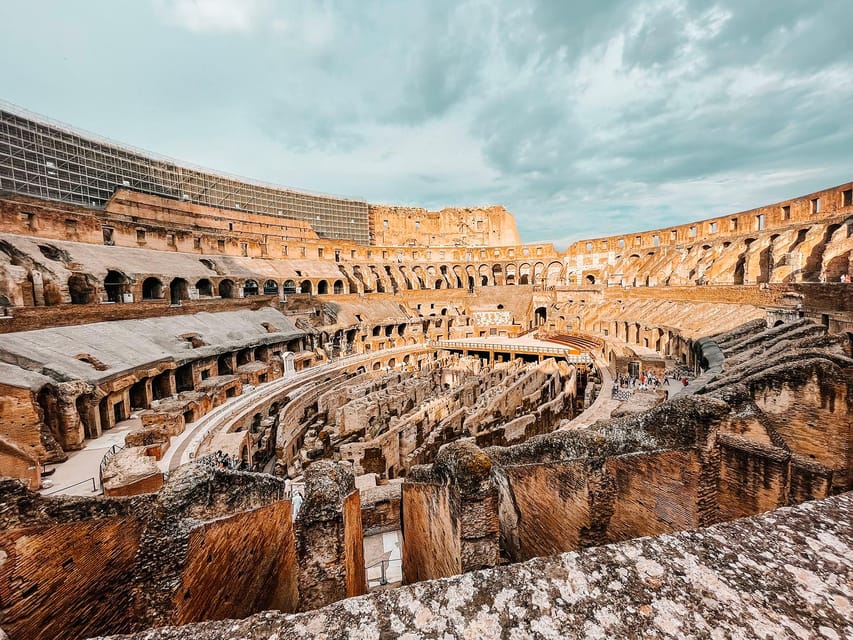
The Colosseum underground is the heart of this tour. You walk through the narrow Hypogeum, where gladiators and animals once waited below the arena, then step onto the sand-covered arena floor itself. It is the closest most visitors can get to the machinery and staging behind Rome’s famous spectacles.
I like two things here: the small groups of up to eight and the full route through the Forum, Palatine Hill, and Colosseum. Guides such as Sara, Virginia, Claudia, and Giorgio have earned praise for making the history clear and lively, often using pictures and answering questions as they go.
The trade-off is time. You cover a huge amount in 2.5 hours, and the Forum and underground sections can feel rushed. Access below the Colosseum can also depend on site staff, so an English-speaking guide is not guaranteed in that section every day.
Key points to know before booking
- The Hypogeum gives you access below the Colosseum, including ancient corridors, drainage channels, animal holding areas, and the remains of the arena system.
- The arena floor changes your view of the monument, putting you where the public spectacles took place rather than only looking down from the seating tiers.
- Groups are limited to eight people, which makes it easier to hear the guide and ask questions.
- The Forum and Palatine Hill are included, giving you a fuller visit than a Colosseum-only ticket.
- The tour costs $94 per person, a premium over a basic ticket but reasonable if underground access matters to you.
- Bring the passport or ID used for the booking, since names are checked during security procedures.
Why the underground level matters
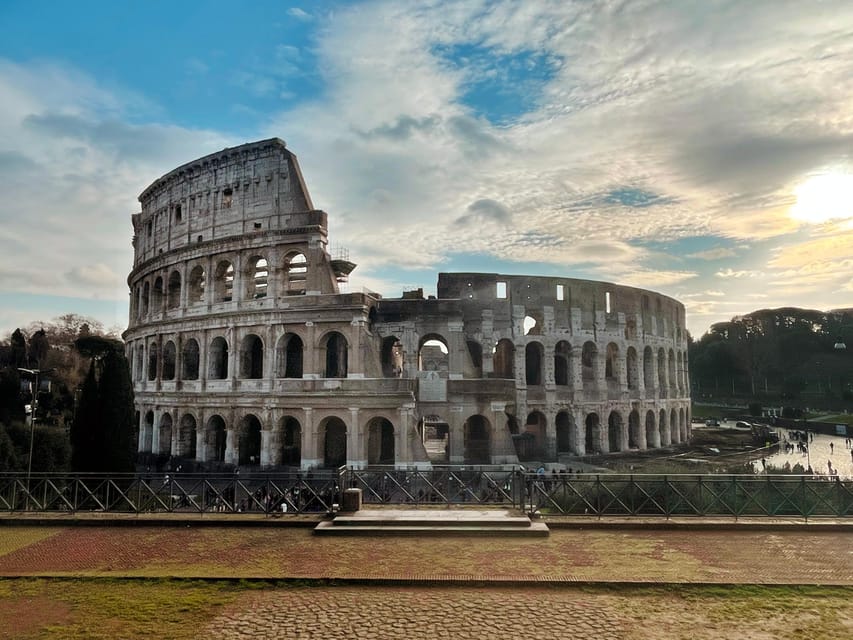
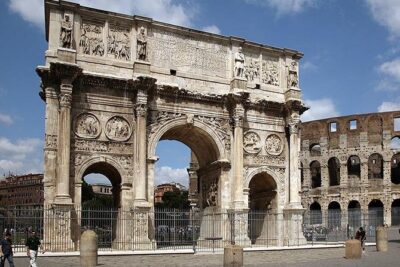
Most people first see the Colosseum from outside, where its huge arches and weathered stone do the talking. The underground tells a different story. It shows how the building worked.
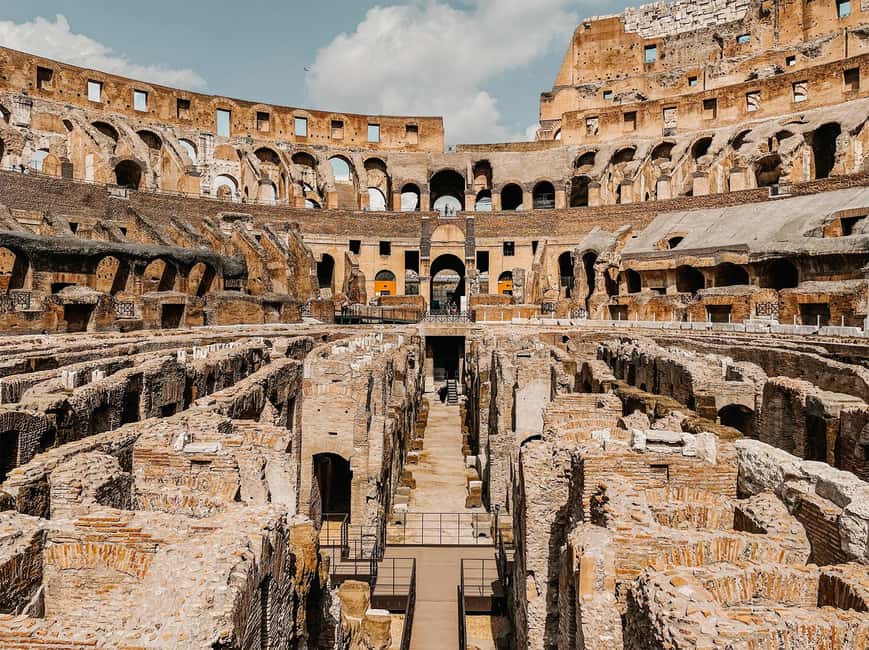
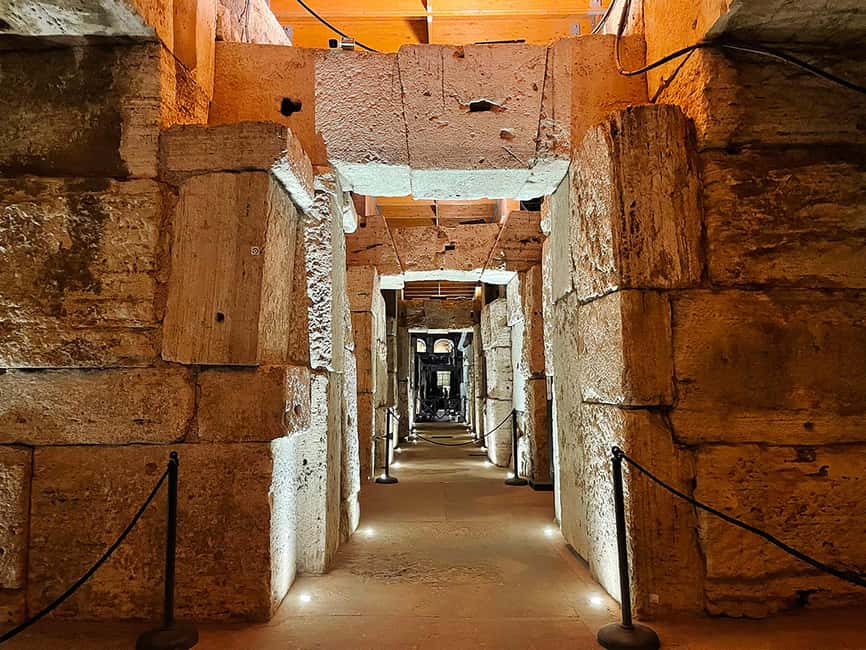
The Hypogeum was a network of passageways and rooms beneath the arena. This is where gladiators waited before appearing in front of the crowd, and where animals were held before being sent upward. You see narrow corridors, large travertine blocks, parts of the original floor, and the old drainage system.
The atmosphere is darker and more enclosed than the upper levels. That matters because it helps you picture the hidden labor behind the public show. The Colosseum was not simply a place where fighters met. It was a carefully managed stage, supported by lifts, trapdoors, workers, handlers, and complex timing.
A reconstruction of an ancient elevator helps explain the process. The lift connected the underground rooms with trapdoors in the arena floor, allowing animals or performers to appear suddenly before the crowd. The reconstruction is especially useful because the original machinery is long gone, while the basic idea can otherwise be hard to picture from bare stone alone.
I would book this tour for the Hypogeum first and the arena floor second. Those two areas are the parts most likely to make a return visit feel different from a standard Colosseum walk-through.
More Stadium Tours in Italy
- Rome: Private Colosseum Arena Tour With Roman forum Access
★ 4.5 · 94 reviews - Olympic Stadium Tour with Expert Guide in Rome
★ 4.5 · 86 reviews - Colosseum Arena tour with Roman Forum and Cesar’s Palace
★ 4.0 · 54 reviews
Starting at the Roman Forum entrance
The meeting point is at Largo della Salara Vecchia, near the Roman Forum ticket counters and beneath a tree on the left side. Look for a guide carrying the GetYourGuide logo. This location can be confusing, so arrive with enough time to identify the correct entrance rather than assuming the Colosseum is the meeting point.
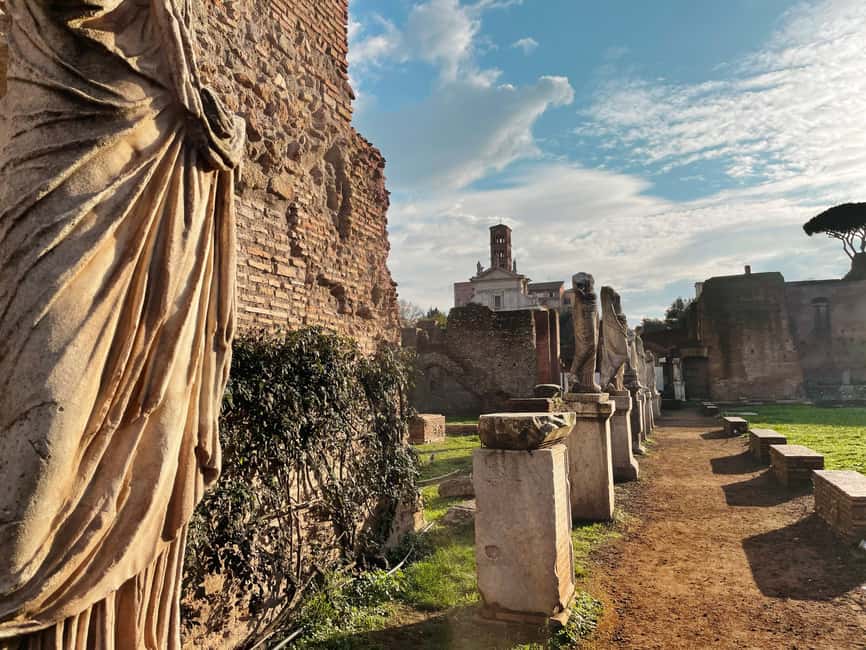
The tour begins with a guided walk through the Roman Forum. You spend about 30 minutes here, moving among the remains of temples, government buildings, roads, and public spaces that formed the center of ancient Roman life.
The Forum is spread out, and it is not easy to understand at a glance. Stones sit at different heights, columns appear without their original buildings, and several centuries of construction overlap. A good guide gives you a plan for what you are seeing, helping you connect the ruins to the political and social life that once filled this valley.
The short visit has one drawback: 30 minutes is not enough to inspect every corner. If the Forum is your main interest, you may want a separate visit with more time. On this tour, the Forum works best as an introduction to Rome before the focus shifts to the Colosseum.
The tight schedule also protects your timed access to the restricted Colosseum areas. The guide has to keep the group moving, especially when security or entrance procedures take longer than expected.
Palatine Hill and the best photo stop
The route continues to Palatine Hill for another guided half hour, followed by about 15 minutes for photographs. From the hill, you can look over the Forum and toward the Colosseum, gaining the broad view that is difficult to get from ground level.
Palatine Hill is closely tied to the story of Rome’s early rulers and later emperors. Its ruins are less immediately readable than the Colosseum, so the guide’s explanations matter here. You are not just looking at walls and foundations. You are learning how the hill fit into the growth of Rome’s power.
The photo stop is useful because the site offers several wide views. It also gives you a short pause after the Forum walk. Do not expect a long period of free exploration, though. The 2.5-hour schedule includes four major areas, and the guide must move on to the Colosseum at the assigned time.
Several guides have been praised for helping with photographs and making sure each person gets a good view. That small service can matter in a group tour, particularly when you are trying to photograph both the ruins and the larger setting.
Entering the Colosseum underground
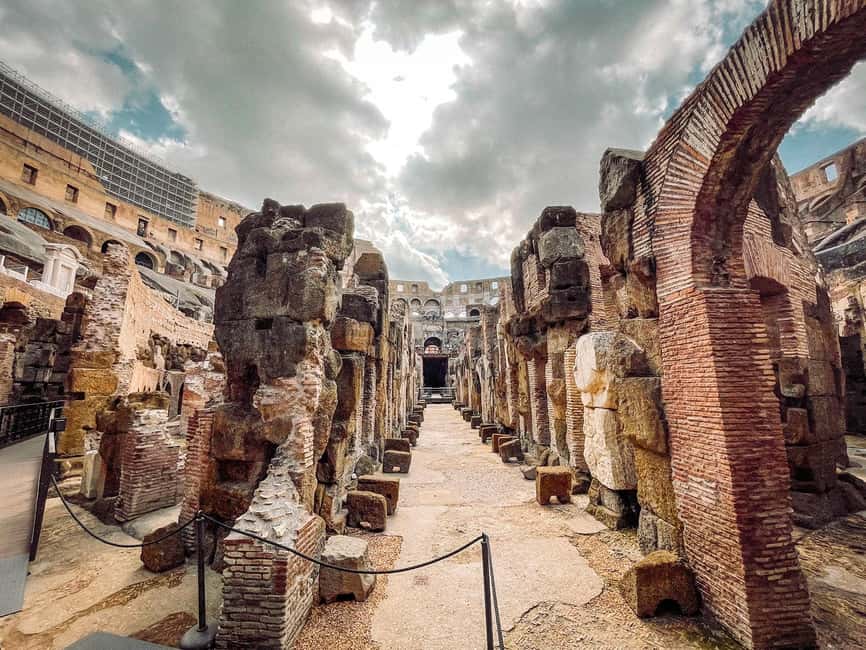
The Colosseum section lasts about 40 minutes in total, with roughly 20 minutes below the arena and 20 minutes on the arena floor. That may sound brief, but the underground access is controlled and timed, so the visit is focused.
Below the arena, you can examine the corridors, cells, stonework, cages, and drainage channels. These are not polished museum rooms. Expect an archaeological space with uneven surfaces, dim areas, and exposed masonry. The raw setting is part of the appeal, but it also means you need to watch your footing and stay close to the group.
The Hypogeum lets you see the practical side of the amphitheater. Animals needed to be held safely. Fighters needed places to wait. Equipment had to move. Water had to drain. The underground level ties these details together in a way that the upper seating cannot.
There is an important condition to understand before paying extra for this experience. The Colosseum can alter access times or close areas because of public events, political events, or other unexpected issues. Site staff may also control which guide can enter the underground section. One booking group reported that its main guide could not accompany it below, and the replacement guide spoke only Italian.
That situation is not typical of every tour, but it is possible. If an English explanation in the Hypogeum is essential for you, ask the operator about current arrangements before booking. The tour is sold in English, but restricted-area procedures can affect who leads a particular portion.
More Stadium Tours in Rome
- Gladiators Arena Tour with Colosseum First Level & Ancient Rome
★ 4.5 · 53 reviews - Olympic Stadium Tour Express- Skip the Line
★ 4.0 · 49 reviews - Private Colosseum Arena Tour with Expert Guide – all inclusive
★ 5.0 · 40 reviews - Rome: Navona Underground & Domitian Stadium Guided Tour
★ 4.6 · 36 reviews
Standing on the arena floor
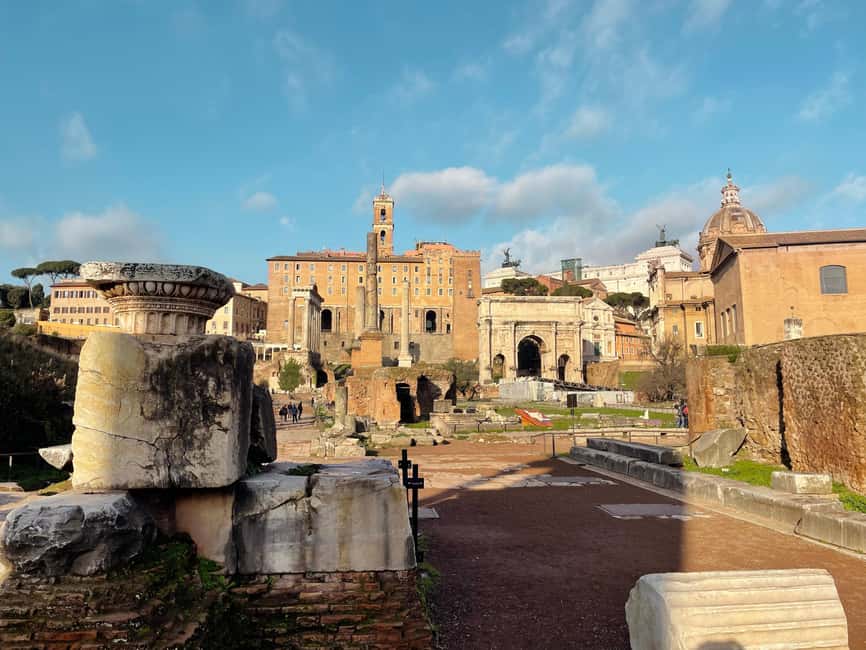
After the Hypogeum, you step onto the arena floor. The surface is a central sand-covered wooden platform, designed to suggest the level where the ancient contests took place.
This view gives you a strong sense of scale. From the floor, the surrounding walls rise high above you, and the seating areas look more imposing than they do from the street. You can also look toward the underground systems beneath the platform and understand how the two levels worked together.
The arena floor is more than a photo opportunity. It changes your position in the story. From the upper tiers, you are part of the crowd looking down. From the floor, you are looking up at the structure that held tens of thousands of spectators.
The section is short, so use the time well. Listen first, then take photographs when the guide pauses. If you spend the entire visit framing pictures, you may miss the explanation of how the trapdoors and lifting equipment functioned.
First and second tiers for the wider view
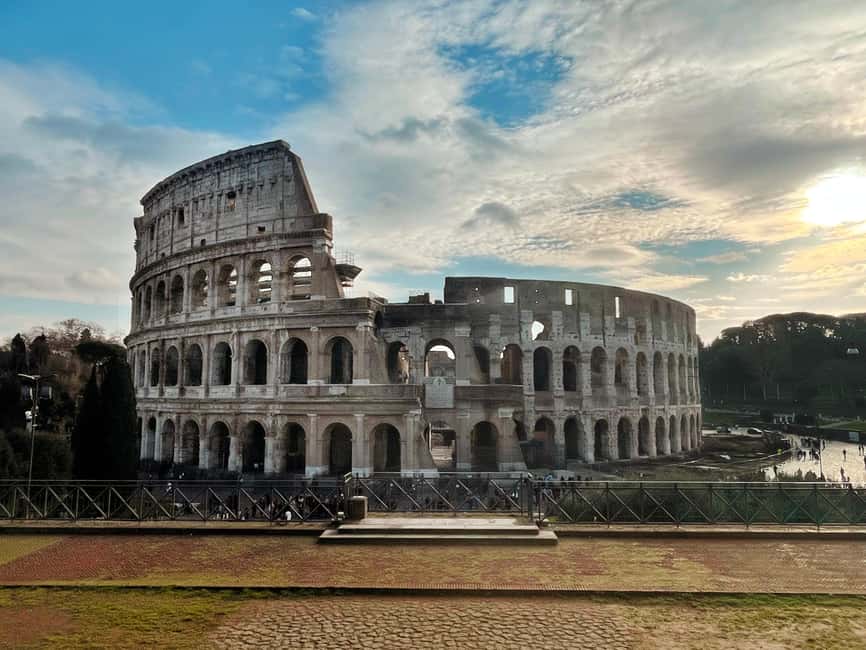
The tour then climbs to the first and second tiers of the Colosseum. These panoramic terraces offer another angle on the amphitheater and make a good finish to the monument portion.
You can see how the seating was arranged around the arena and how the building directed every eye toward the action below. The guide also covers the games, the Colosseum’s construction, and common misunderstandings about the spectators and events held there.
This is where the guide’s style makes a real difference. Sara has been praised for explaining the machinery and correcting mistaken ideas about the shows. Giorgio has been singled out for making the building process and ancient operation easy to picture. Claudia has used visual material to show how the Forum, Palatine Hill, and Colosseum changed over time.
The small group makes these upper levels more pleasant. You are less likely to lose the guide’s voice, and there is more room for questions than on a large group walk. Headsets are included, which helps when the surrounding site is noisy.
The guide can make or break the pace
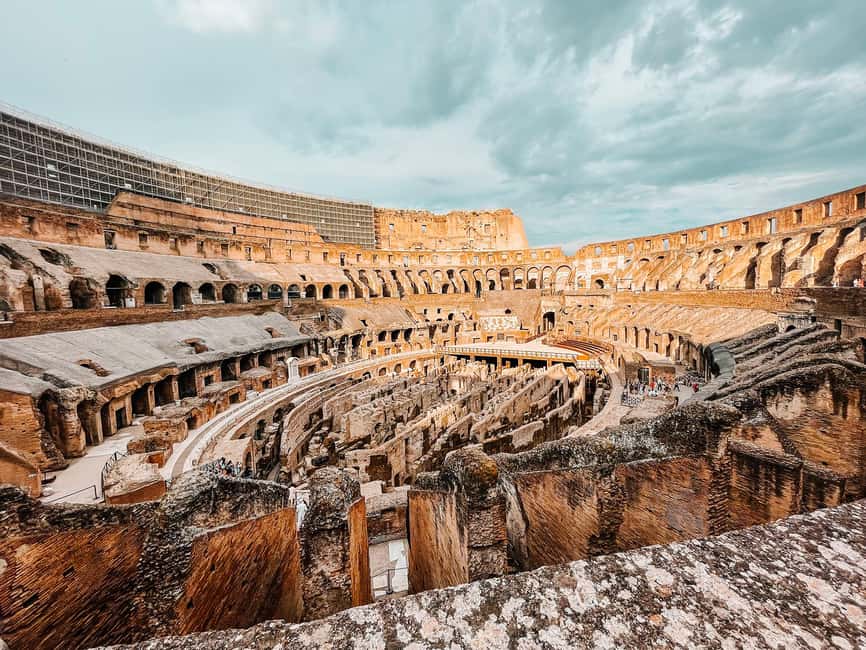
The strongest part of this experience is the guiding. The route covers a great deal, and the sites do not explain themselves. A clear guide turns scattered ruins into a story with a beginning, middle, and end.
The praised guides include Paola, Italo, Sylvia, Sara, Virginia, Giorgio, Massimo, Stefano, Daniela, Coumba, Claudia, Lucia, Maria, Vincenza, and Giulia. Names and assignments can change, so you cannot select a particular person when booking. Still, the pattern is clear: the guide is central to the value of the tour.
You should expect a lively walking lesson rather than a slow museum visit. Guides have been described as warm, funny, patient, and good with children. One guide adjusted the route for a family with two toddlers, while another kept a 10-year-old engaged through the Forum and Colosseum.
The pace is also the main weakness. Several people wanted more time in the Forum, and some felt the underground visit moved quickly. If you prefer to read every plaque, wander alone, or stop often, a timed small-group tour may feel restrictive.
Is $94 a fair price?
At $94 per person, this is not a bargain ticket. A basic Colosseum visit costs less, especially if you are willing to find and book official admission well in advance.
The value comes from three things: access, planning, and a small group. Underground tickets are limited and can be difficult to secure through the official website. One person noted that the official underground tickets sold out almost immediately, even after repeated attempts to buy them. Paying more to have the restricted access arranged may be worthwhile if you have limited time in Rome.
You also receive entry to the arena floor, the Roman Forum, Palatine Hill, and the upper Colosseum levels. A guide handles the route and explains what you are seeing, while headsets help you follow along.
I would call the price reasonable for a first visit when the underground is a priority. I would not choose it if you only want a quick exterior view or if you already have a separate plan for the Forum and Palatine Hill.
Who should book this tour?
This tour suits you if you want the main ancient Rome sights in one organized visit and care most about the restricted Colosseum areas. It is also a good fit for families, first-time visitors, and anyone who prefers asking questions instead of reading a guidebook while walking.
The small group helps older family members keep up with the guide, and the recorded comments suggest that children can stay interested when the guide uses stories, pictures, and practical details. You should still be comfortable walking over historic surfaces and handling stairs and transitions between sites.
The tour is not suitable for wheelchair users. Bring the passport or ID card listed in the booking. Names must match the documents used at security, and booking two separate reservations does not guarantee that the groups will be placed together.
Allow flexibility after the tour. Starting times can change, and one scheduled visit was delayed by an hour. Avoid booking an important train, meal, or museum entrance immediately afterward.
Final decision
Book this tour if standing below the Colosseum and on its arena floor is a major Rome goal. The Forum and Palatine Hill make it a useful single outing, and the eight-person limit gives you a better chance to hear the guide and ask questions.
Skip it if you want a quiet, unhurried archaeological visit or if the Forum matters more to you than the underground. For most first-time visitors, though, the $94 price buys something difficult to arrange alone: controlled access to the Colosseum’s hidden working level, plus a guide who can explain why those dark corridors mattered.
FAQ
How long does the Colosseum underground tour last?
The full experience lasts 2.5 hours. The planned route includes about 30 minutes at the Roman Forum, 30 minutes at Palatine Hill, a 15-minute photo stop, about 20 minutes in the underground, and about 20 minutes on the arena floor.
What areas are included?
You visit the Roman Forum, Palatine Hill, the Colosseum underground level, the arena floor, and the first and second tiers of the Colosseum.
Is the tour conducted in English?
The tour language is English, with a live guide. Access arrangements in the underground can change, and site staff may sometimes assign a different guide for that section.
Where does the tour meet?
Meet at Largo della Salara Vecchia, near the Roman Forum ticket counters on the left side under the tree. Look for the guide carrying the GetYourGuide logo.
What should I bring?
Bring the passport or ID card used for the booking. The names on the reservation must match the documents presented during security checks.
Can wheelchair users join?
No. This experience is not suitable for wheelchair users.
More Ancient Arenas and Colosseum Tours in Rome
- Ticket to Piazza Navona Undergrounds Stadium of Domitian
★ 4.5 · 410 reviews - Piazza Navona Underground: Stadium of Domitian EXCLUSIVE TOUR – LIMITED ENTRANCE
★ 4.5 · 129 reviews - Express Colosseum with Arena Floor Guided Tour
★ 3.5 · 65 reviews - Rome: Guided Group Tour of Colosseum, Palatine Hill & Roman Forum
★ 5.0 · 65 reviews
Just added for fans in Rome
- Guided Group Tour of Colosseum with Arena Floor★ 4.5 · 18 reviews
- Rome: Navona Underground and Domitian Stadium Guided Tour★ 4.5 · 8 reviews
- Rome : Colosseum Underground and Arena Tour (MAX 7 PEOPLE)★ 5.0 · 17 reviews
- Rome: Join a AS Roma or Lazio football match with Local★ 5.0 · 2 reviews
- Small-Group Rome Tour by Golf-Cart★ 5.0 · 2 reviews
- Exclusive Private Golf Cart Tour of Rome★ 5.0 · 5 reviews
- Private Colosseum Arena Tour with Expert Guide – all inclusive★ 5.0 · 40 reviews
- Rome Golf-Cart Rental★ 5.0 · 35 reviews
Ancient Arenas and Colosseum Tours, compared.
Ticket to Piazza Navona Undergrounds Stadium of Domitian
Read our review →
Piazza Navona Underground: Stadium of Domitian EXCLUSIVE TOUR – LIMITED ENTRANCE
Read our review →
Private Colosseum Arena Tour With Roman forum Access
Read our review →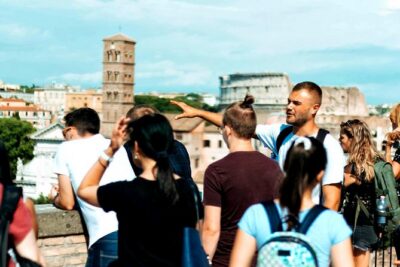
Guided Group Tour of Colosseum, Palatine Hill & Roman Forum
Read our review →
Full day private guided tour of Rome by golf-cart & Colosseum and Roman Forum
Read our review →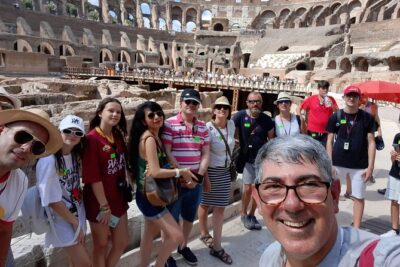
Colosseum Arena tour with Roman Forum and Cesar’s Palace
Read our review →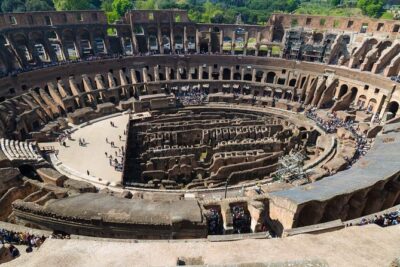
Gladiators Arena Tour with Colosseum First Level & Ancient Rome
Read our review →Browse the lists this tour appears in