
Review · ANCIENT ARENAS AND COLOSSEUM TOURS
Private Colosseum Arena Tour with Expert Guide – all inclusive
The best part of this private Rome tour is the way it links the Colosseum, Roman Forum, and Palatine Hill into one clear story. You move from public spectacles to government, religion, and imperial power, rather than seeing three famous ruins as separate photo stops. Guides such as Rahul and Christine bring strong art and history knowledge, with visual aids that help you picture buildings now reduced to broken stone.
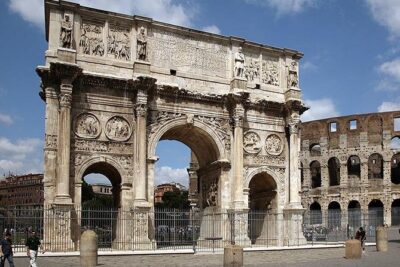
I like the private format because your group gets the guide’s full attention, and I like the central meeting point at the Arch of Constantine because it is close to public transport and easy to find. The main consideration is the $226.47 price per person, which is a serious spend, especially for a three-hour tour, although admission to all three sites is included.
Key points to know before booking
- A private three-hour visit: Only your group takes part, so the pace and questions are more personal than on a large group walk.
- Three major ancient sites: Your ticket covers the Colosseum, Roman Forum, and Palatine Hill.
- Visual aids add context: The guide uses images to show how ruined buildings and arenas once looked.
- Strong guide-led storytelling: Rahul and Christine are among the guides associated with especially clear, engaging explanations.
- Convenient start point: Meet at the Arch of Constantine in Piazza del Colosseo, near public transportation.
- Identification is essential: Every person must bring a passport or ID matching the full name supplied at booking.
Why the private format matters in ancient Rome
Rome’s ancient center can feel like a pile of scattered stones if you do not have a guide to explain the connections. This tour gives you a single thread through the area. The Colosseum shows how emperors used spectacle and public spending. The Forum shows where political, legal, and religious life unfolded. Palatine Hill then puts imperial residences and Rome’s founding legends above it all.
I find that private touring is most useful here because the setting is busy with information. You can stop to ask why a building mattered, how an emperor used it, or how the ruins fit together. A large group often has to keep moving. With only your party attending, the guide can give more attention to your questions and adjust the explanation to your interests.
The three-hour length is also sensible. It is long enough to cover the major monuments without turning the entire day into an endurance test. The schedule gives about one hour to the Colosseum, one hour and fifteen minutes to the Forum, and thirty minutes to Palatine Hill. That balance favors the Colosseum and Forum, where the greatest number of structures and stories are concentrated.
The tour is offered in English. It is suitable for most people, and service animals are allowed. You should still expect a walking visit through large archaeological areas, with outdoor sections and an uphill portion at Palatine Hill. The activity requires good weather, so poor conditions can lead to a new date or a full refund.
More Stadium Tours in Italy
- Rome: Colosseum Underground and Arena Tour
★ 4.7 · 1,002 reviews - Rome: Private Colosseum Arena Tour With Roman forum Access
★ 4.5 · 94 reviews - Olympic Stadium Tour with Expert Guide in Rome
★ 4.5 · 86 reviews
Entering the Colosseum for one hour
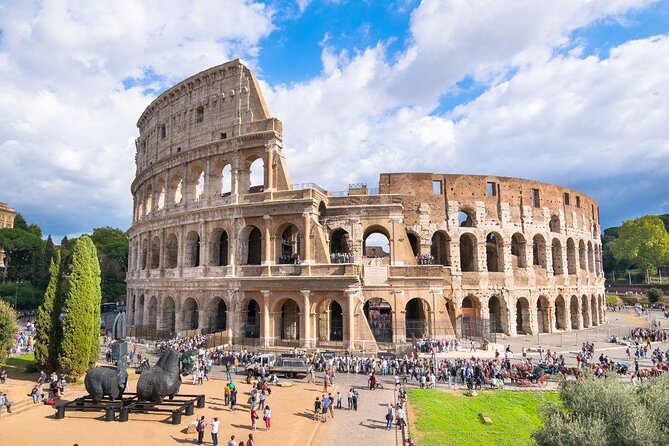
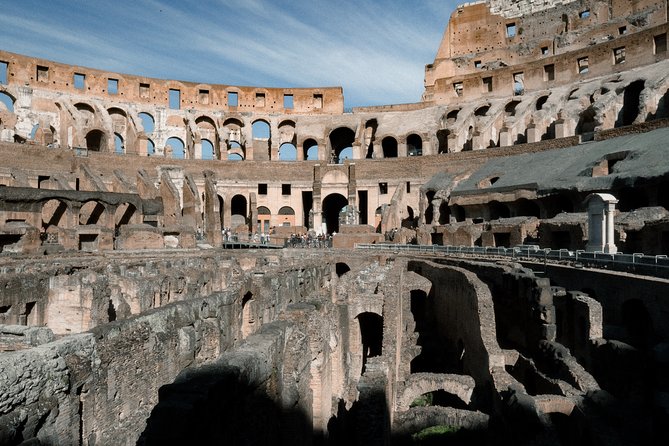
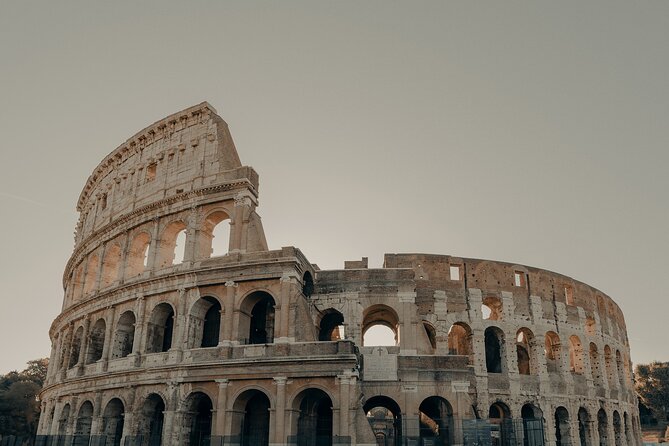
Your visit begins at the Arch of Constantine, then moves into the Colosseum, ancient Rome’s largest amphitheater. This is the right place to start because the building immediately shows the scale of Roman public life. It was not merely a stadium for gladiators. It hosted animal hunts, gladiator contests, and staged versions of famous battles.
One useful point the guide can explain is the political purpose behind the entertainment. Emperors paid for these events, allowing Roman citizens to attend without buying a ticket. The games were part spectacle, part public relations. They helped an emperor present himself as generous, powerful, and in touch with the people.
That context changes the way you look at the stone. Instead of seeing only an old arena, you begin to see a carefully managed public machine. Crowds entered, watched violence and theater, and witnessed imperial generosity. The guide’s visual aids are valuable here because much of the original structure is gone, and a modern visitor needs help imagining the complete building.
The one-hour allotment gives you time to focus on the main story without lingering so long that the rest of the tour feels rushed. You can expect explanations about the arena’s function and its place in Roman culture, with time to look around and ask questions.
The Colosseum is also the most famous stop, so it can be the most emotionally striking. At the same time, it is only one piece of ancient Rome. If you spend your entire visit thinking about gladiators, you miss the political and religious world nearby. This tour handles that well by moving on to the Forum rather than treating the amphitheater as the whole story.
Walking through the Roman Forum for 75 minutes
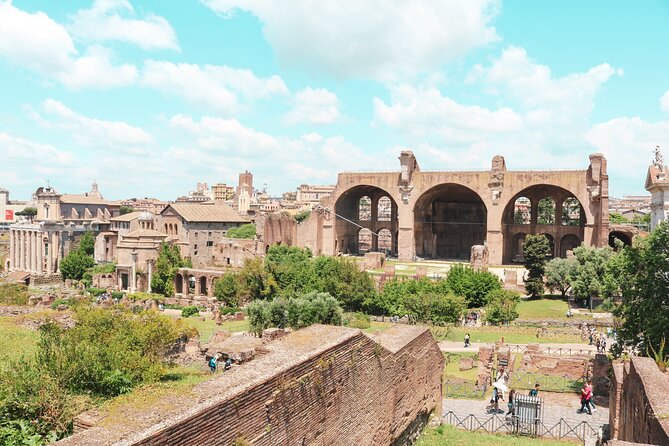
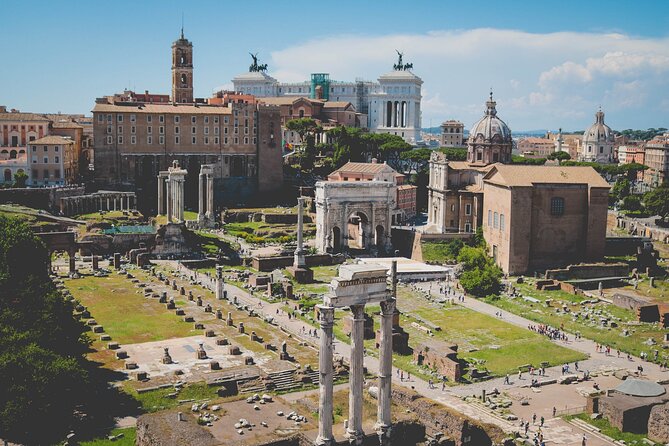
The Roman Forum receives the longest portion of the tour, about one hour and fifteen minutes. I think that is a good choice. The Forum is less immediately readable than the Colosseum, but it holds the remains of the city’s political, administrative, and religious center.
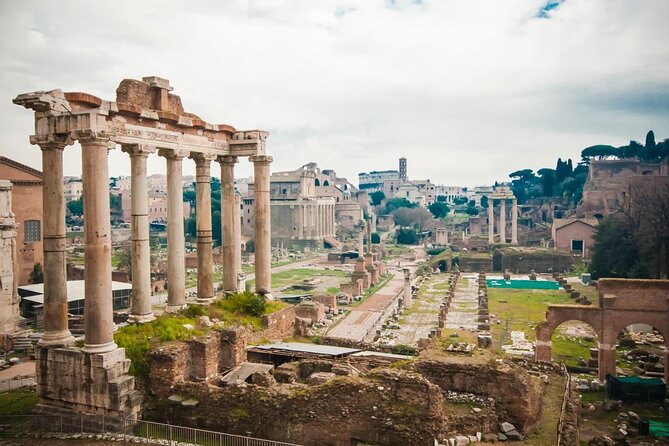
Here, your guide can point out the Arch of Titus, the Temple of Antoninus and Faustina, the Temple of the Vestal Virgins, and the ancient Senate house. These names matter because they show how many parts of Roman life occupied one compact district. Government, worship, ceremony, law, and elite social life all met in this area.
Without guidance, it is easy to walk past a low wall and assume it has little to say. A strong explanation gives each ruin a role. The Arch of Titus, for example, represents imperial victory. The Senate house points to political decision-making. The temples remind you that religion was woven into public business, not separated into a private corner of life.
This is where the guide’s visual material can do the most practical work. A reconstruction image helps you compare the present ruins with the buildings, columns, and public spaces that once filled the valley. You are not simply asked to admire fragments. You are shown how those fragments belonged to a functioning city.
The Forum can be tiring, especially after the Colosseum. It is an open archaeological site rather than a compact museum, and the ground is uneven in places. The tour’s private structure helps because you can ask for clarification instead of trying to follow a speech from the back of a large crowd. Still, wear practical shoes and expect a fair amount of walking.
The Forum is also the portion most likely to reward patience. The Colosseum gives you an instant image. The Forum asks you to build the image in your mind. If you enjoy understanding how a society worked, this may become the most useful hour of the day.
Palatine Hill and Rome’s imperial center
The final stop is Palatine Hill, with about thirty minutes devoted to the site. It is one of Rome’s seven hills and overlooks the Forum on one side and Circus Maximus on the other. The climb gives you a different view of the ruins and helps explain why emperors wanted to live above the city’s political heart.
The hill was home to emperors including Tiberius, Domitian, and Nero. Its name is linked to the word palace, a reminder that imperial residences shaped the meaning of the area. From above, the connection between private imperial power and public Roman life becomes easier to understand.
Palatine Hill also carries Rome’s founding story. According to the familiar legend, a she-wolf found Romulus and Remus here. Romulus later became the city’s founder, and the hill came to represent the birthplace of the Roman Empire. Your guide can help separate legend, political symbolism, and archaeology without flattening the story into a simple fact.
Thirty minutes is enough for an introduction and views, but it is not an exhaustive exploration of every part of the hill. That is worth knowing if Palatine Hill is your chief interest. The schedule treats it as the final chapter in the route, not as a full independent visit.
I like ending here because the tour finishes with a broad sense of Rome’s growth. You begin with public entertainment, pass through the machinery of government, and finish at the hill linked with palaces, emperors, and the city’s origin story.
More Stadium Tours in Rome
- Colosseum Arena tour with Roman Forum and Cesar’s Palace
★ 4.0 · 54 reviews - Gladiators Arena Tour with Colosseum First Level & Ancient Rome
★ 4.5 · 53 reviews - Olympic Stadium Tour Express- Skip the Line
★ 4.0 · 49 reviews - Rome: Navona Underground & Domitian Stadium Guided Tour
★ 4.6 · 36 reviews
The guides and the style of explanation
The best part of this experience depends heavily on the person leading it. The strongest guide feedback highlights Rahul, whose storytelling is described as bringing ancient Roman life into focus, and Christine, whose art and history explanations are especially strong. The guide assigned to your date may differ, so you should book this for the private format and subject matter rather than assume a particular person is guaranteed.
The approach is not just a list of dates and names. You can expect stories about emperors, public entertainment, Roman society, religious life, and the way the city was organized. Visual aids add another layer by showing how buildings may have appeared before centuries of damage, reuse, and weathering.
That matters in Rome because ruins can be deceptive. A temple may look small now but once have occupied a prominent civic position. A broken arch may be the last visible piece of a larger political message. The guide’s job is to restore those connections without pretending the modern visitor can see the ancient city exactly as it was.
The tour has a 4.9 rating from 40 reviews, and all listed respondents recommend it. That record points to a consistent strength in the guiding, especially the clear storytelling and sense of organization. It does not mean the tour will suit every style. If you prefer wandering alone, stopping for long photographs, or reading every plaque at your own speed, a private guided visit may feel too structured.
Is $226.47 a fair price?
At $226.47 per person, this is not a budget way to see ancient Rome. The price makes the most sense if you value a private guide, included admission, and a carefully connected explanation of three major sites.
You are paying for more than entry tickets. You are also paying for the guide’s time, the ability to ask questions, visual aids, and a private experience rather than a large shared group. Group discounts may improve the cost for larger parties, so check the final price for your full group before deciding.
The value is strongest for a first visit, a family group with different ages, or anyone who wants the ancient sites explained rather than simply photographed. It is also useful if your Rome schedule is tight. In three hours, you cover the city’s most important ancient center with a clear beginning, middle, and end.
The value is weaker if you already know Roman archaeology well, plan to spend a full day at the Forum and Palatine Hill, or are mainly seeking the cheapest available admission. In those cases, a self-guided visit may leave more money for other parts of Rome.
Meeting point, identification, and timing
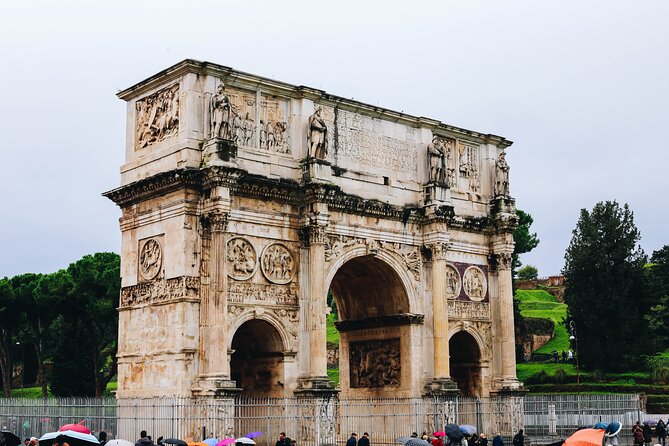
You meet at the Arch of Constantine in Piazza del Colosseo, 00184 Roma RM. The location is central and close to public transportation, which makes it practical for reaching the tour without crossing the city first. The activity ends back at the meeting point.
When booking, provide the full name of every person in your group. The name on the voucher must include all participants before you go to the ticket office. Each person must also carry a valid passport or ID that matches the supplied booking name. This is not a minor formality. A mismatch can prevent entry to the Colosseum and Roman Forum.
Confirmation is issued when you book. Most people can participate, and service animals are accepted. Since the route includes outdoor ruins and Palatine Hill, plan for a walking experience and sensible footwear.
The cancellation terms are fairly strict. Cancel at least three full days before the start time for a full refund. A cancellation one to three full days ahead receives a 50 percent refund, while cancellation less than one full day before the start time is nonrefundable. Cutoff times follow local Rome time.
Who should book this private Rome tour?
I would choose this tour if you want ancient Rome to make sense quickly. It suits first-time visitors, families, couples, and small groups who prefer asking questions instead of listening from the back of a crowd.
It is also a good match for anyone who finds ruins hard to read. The visual aids and guide-led explanations give you a way to picture the missing buildings and understand why each site mattered.
I would think twice if you want a slow, open-ended archaeological visit. The three-hour schedule is focused, and Palatine Hill receives less time than the Colosseum and Forum. The price also requires you to care about private attention and interpretation.
Should you book it?
Book this experience if you want the Colosseum, Roman Forum, and Palatine Hill explained as one connected story, with admission included and only your group taking part. The private format, central meeting point, visual aids, and strong guide-led storytelling make the price easier to justify.
Skip it if your main goal is the lowest-cost entry or a full-day study of every ruin. For most first visits, though, the route gives you a useful foundation: public spectacle at the Colosseum, civic life in the Forum, and imperial power on Palatine Hill.
FAQ
How long does the private Colosseum tour last?
The tour lasts approximately three hours.
Which attractions are included?
Admission to the Colosseum, Roman Forum, and Palatine Hill is included.
Where does the tour begin?
The tour begins at the Arch of Constantine in Piazza del Colosseo, Rome.
Where does the activity end?
The activity ends back at the meeting point.
Is the tour private?
Yes. Only your group participates in the activity.
What language is offered?
The tour is offered in English.
What identification do I need?
Each person must bring a valid passport or ID matching the full name provided at booking. The voucher must also list the full names of all participants.
What happens if bad weather cancels the tour?
If poor weather causes cancellation, you will be offered another date or a full refund.
More Ancient Arenas and Colosseum Tours in Rome
- Ticket to Piazza Navona Undergrounds Stadium of Domitian
★ 4.5 · 410 reviews - Piazza Navona Underground: Stadium of Domitian EXCLUSIVE TOUR – LIMITED ENTRANCE
★ 4.5 · 129 reviews - Express Colosseum with Arena Floor Guided Tour
★ 3.5 · 65 reviews - Rome: Guided Group Tour of Colosseum, Palatine Hill & Roman Forum
★ 5.0 · 65 reviews
Just added for fans in Rome
- Guided Group Tour of Colosseum with Arena Floor★ 4.5 · 18 reviews
- Rome: Navona Underground and Domitian Stadium Guided Tour★ 4.5 · 8 reviews
- Rome : Colosseum Underground and Arena Tour (MAX 7 PEOPLE)★ 5.0 · 17 reviews
- Rome: Join a AS Roma or Lazio football match with Local★ 5.0 · 2 reviews
- Small-Group Rome Tour by Golf-Cart★ 5.0 · 2 reviews
- Exclusive Private Golf Cart Tour of Rome★ 5.0 · 5 reviews
- Rome Golf-Cart Rental★ 5.0 · 35 reviews
- Gladiators Arena Tour with Colosseum First Level & Ancient Rome★ 4.5 · 53 reviews
Ancient Arenas and Colosseum Tours, compared.
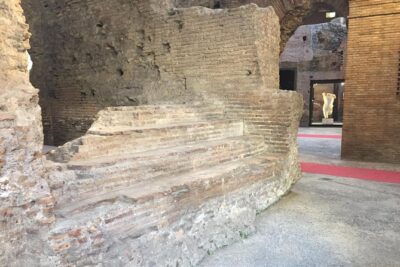
Ticket to Piazza Navona Undergrounds Stadium of Domitian
Read our review →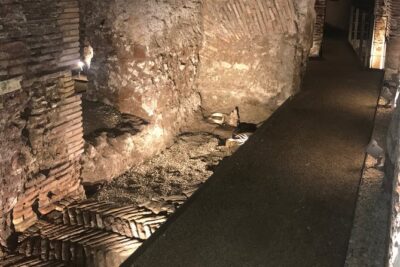
Piazza Navona Underground: Stadium of Domitian EXCLUSIVE TOUR – LIMITED ENTRANCE
Read our review →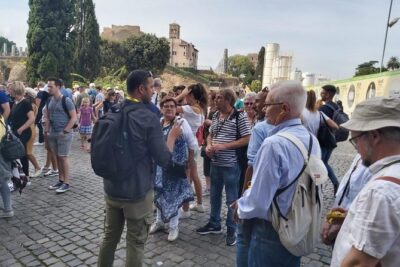
Private Colosseum Arena Tour With Roman forum Access
Read our review →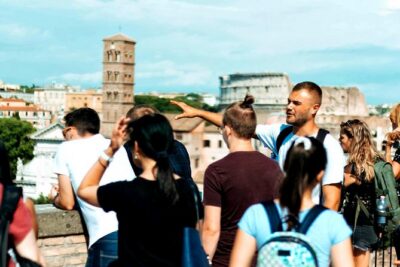
Guided Group Tour of Colosseum, Palatine Hill & Roman Forum
Read our review →
Full day private guided tour of Rome by golf-cart & Colosseum and Roman Forum
Read our review →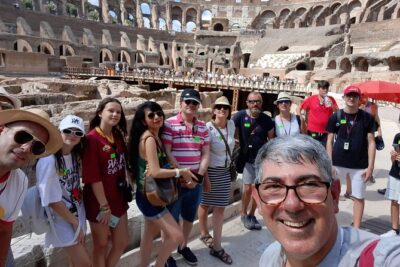
Colosseum Arena tour with Roman Forum and Cesar’s Palace
Read our review →Browse the lists this tour appears in