
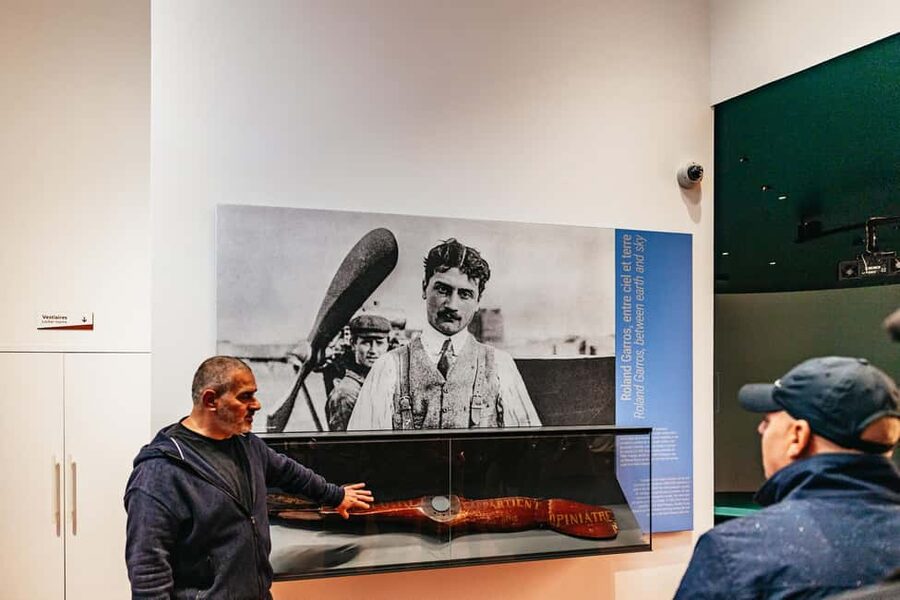
Review · TENNIS TOURS AND TICKETS
Paris: Roland-Garros Stadium Guided Backstage Tour
The best part of the Roland-Garros Stadium tour is the walk toward Philippe-Chatrier Court through the same corridor used by the players. You are not simply looking at a famous tennis venue from the seats. You are following the route that leads from the private side of the stadium to its clay center court, with the tournament’s great names in the background.
I like the access to the presidential tribune and the clear view over the clay courts. I also like the mix of sport and architecture: the tour explains the Four Musketeers of French tennis, then shifts to the retractable roof and modern design of Philippe-Chatrier Court. At $24 per person, that is a solid deal for a 90-minute visit.
The main drawback is that the stadium remains a working venue. Some areas can be closed on the day, and large groups can make it hard to hear every word. A few past visits also found the locker rooms unavailable during renovation, so book this for the overall stadium experience, not one guaranteed room.
Key points before you book
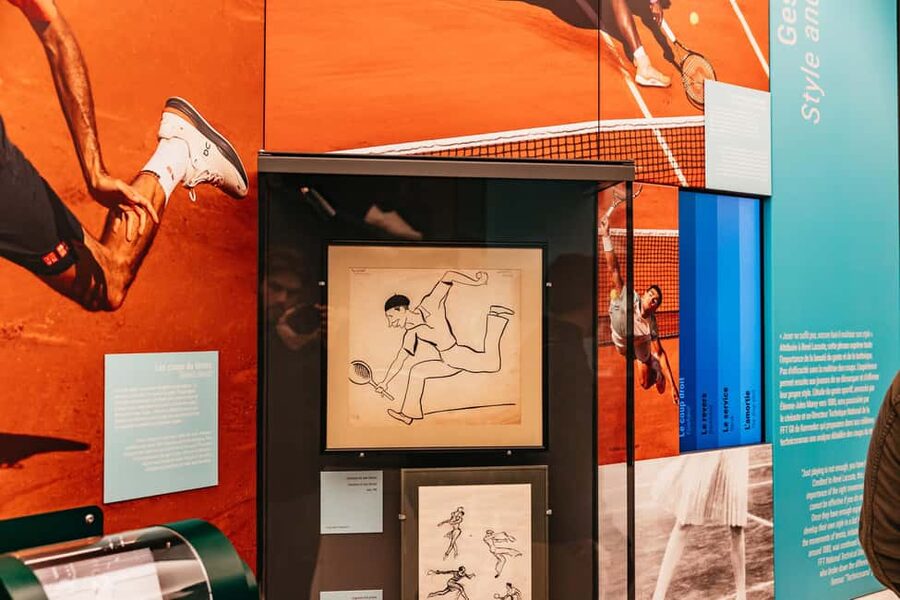
- Follow the players’ route: Walk along the corridor leading to the clay court and see parts of the stadium normally closed during the French Open.
- See Philippe-Chatrier Court up close: The main court offers a look at its retractable roof, seating, clay surface, and wide views over Paris.
- Hear more than tennis scores: Guides cover Rafael Nadal, Steffi Graf, Björn Borg, Chris Evert, and the Four Musketeers of French tennis.
- The guide shapes the visit: Guides such as Mathieu, Amir, Lionel, Aida, and Fatah have received praise for lively explanations, though the assigned guide can vary.
- Allow for changing access: Stadium events, repairs, or renovation may close the locker rooms or other sections.
- Meet at the right entrance: Go to the Grande Boutique on Avenue Gordon-Bennett, inside Gate 36.
Why Roland-Garros feels different from an ordinary stadium tour

Paris has grand monuments in abundance, but Roland-Garros offers a more focused sort of sightseeing. This is a working tennis complex with a very particular identity: red clay, white lines, compact courts, leafy surroundings, and a tournament that has shaped the sport for generations.
I like that the tour does not treat the stadium as just a pile of seats. The guide connects the building to the players who made the French Open famous. Rafael Nadal’s remarkable record on the Paris clay receives attention, as do Steffi Graf, Björn Borg, and Chris Evert. You also hear about Jean Borotra, Jacques Brugnon, Henri Cochet, and René Lacoste, the four French players remembered as the Four Musketeers.
That context matters. Without it, you see a nice tennis stadium. With it, the corridor, tribune, court, and press areas begin to feel like parts of a long-running sporting story. You get a sense of how the French Open works as both a major event and a French institution.
You do not need to follow every professional match to enjoy the visit. The setting, architecture, and stories are enough to carry the tour. Still, committed tennis fans get the strongest payoff, especially if attending the tournament itself is unlikely.
More Tennis Tours and Tickets in the world:
- Behind the Scenes of the Roland Garros Stadium
★ 4.5 · 197 reviews - Melbourne Park Tennis Experience
★ 5.0 · 143 reviews - Melbourne Park Tennis Sporting Experience
★ 4.8 · 118 reviews
Starting at Avenue Gordon-Bennett and the Grande Boutique
The meeting point is inside the Grande Boutique on Avenue Gordon-Bennett, at Gate 36. This detail is worth taking seriously. Older directions can point to a different gate, and one past visitor had trouble because the map location was not precise, so check the current meeting instructions before setting out.
The shop is open from 9:30 a.m. to 6:30 p.m., allowing you to browse before or after the visit. It also gives you a useful place to find the group and confirm that you are at the correct entrance.
From there, the tour enters the stadium grounds with a live guide. Tours are offered in English, French, and Spanish. The guide is not simply there to open doors. The best part of the visit is the running commentary, with anecdotes about players, French tennis, stadium operations, and the tournament’s private spaces.
Guide quality can shape a short tour. Past guides named Mathieu, Amir, Lionel, Aida, Fatah, and others have been praised for being warm, clear, and engaging. Lionel, in particular, was remembered for his enthusiasm and detailed answers, while Amir was praised for sharing stories about the grounds, players, and tournament routines.
That said, you may not always get a guide who speaks at the same pace or with the same style. One English-speaking visitor found parts of an English tour difficult to follow when the guide was French, although the guide repeated information when asked. If you miss a point, speak up early rather than hoping the next stop will explain it again.
The presidential tribune and the best view of the grounds
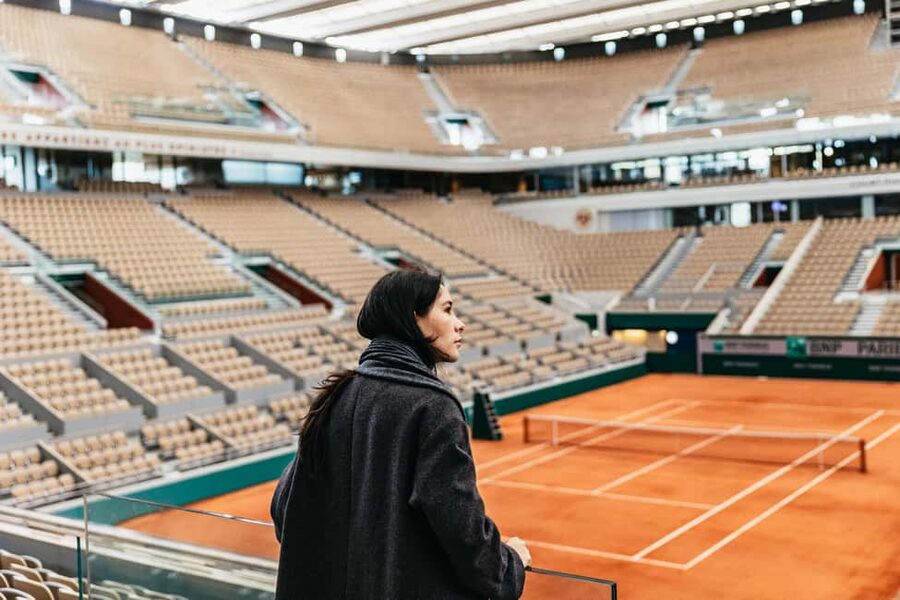
One of the more interesting stops is the presidential tribune. This is not just a better seat. It gives you a sense of how important matches are viewed by tournament officials and special invitees, and it puts the stadium’s design into perspective.
From the higher seating areas, you can look across the clay courts and toward the surrounding cityscape. The view is unobstructed, which makes this a good place for photographs. You can also see how the courts fit together as a compact complex rather than experiencing Philippe-Chatrier as an isolated arena.
The tour’s pace is generally organized, but group size affects the experience. Some groups have been large enough that it was difficult to hear the guide, particularly when the commentary began before everyone reached the next stop. Stay close to the guide and move promptly when the group changes position.
This is not a free-roaming visit. You follow a set route and listen at designated points. That structure helps you see the main areas within 90 minutes, though it means you may not have as much time as you would like for every photograph or display.
Walking the corridor to Philippe-Chatrier Court
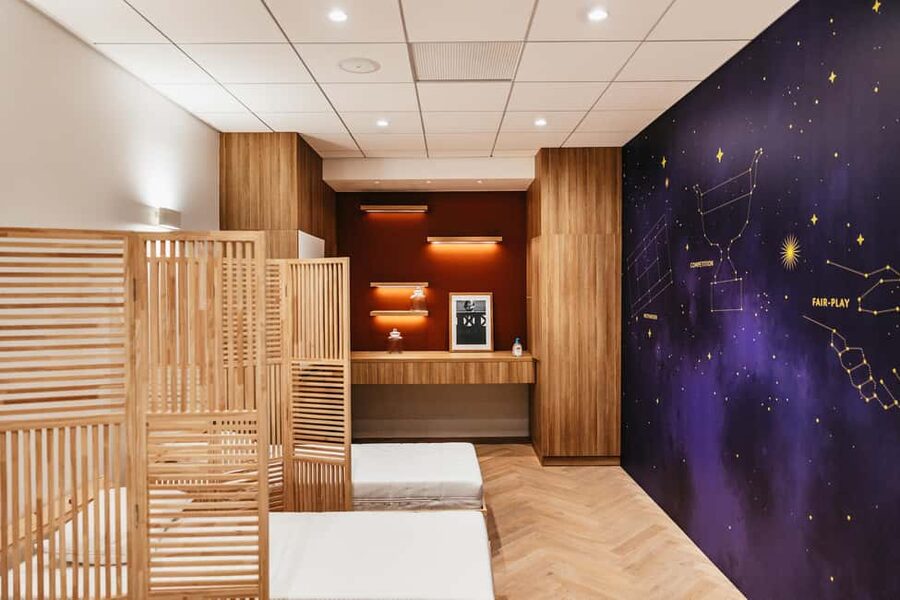
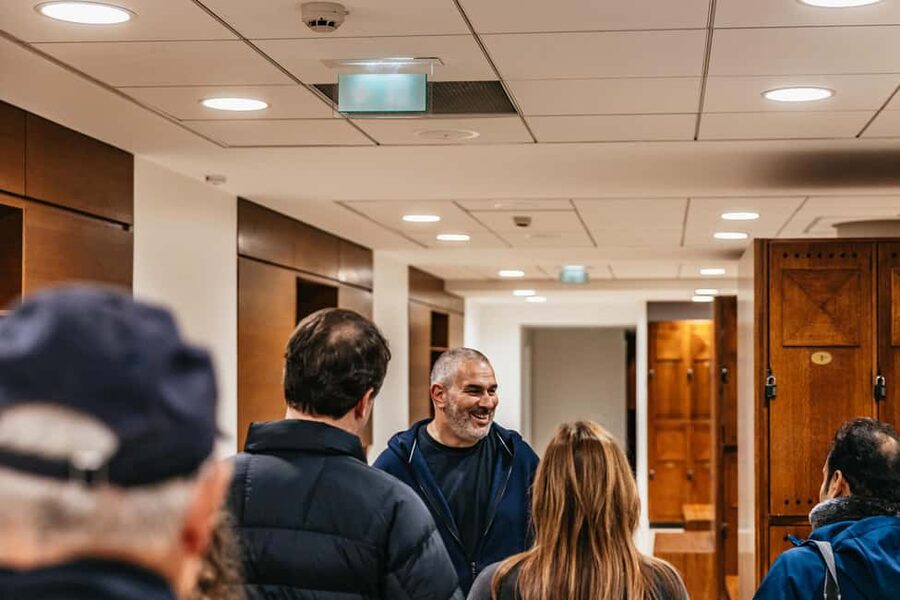
The players’ corridor is the emotional center of the visit. You walk through the passage used by competitors before they step onto the clay. For a tennis fan, this is the moment when television becomes physical: the route is no longer an image on a screen, but a real stretch of floor leading toward the court.
The appeal is partly imaginative. You can picture champions such as Nadal, Graf, Borg, and Chris Evert making that same approach before a match. The guide adds personal and tournament stories, helping you understand what the corridor represents rather than treating it as a quick photo stop.
Access to locker areas has varied. Some past visits included the locker rooms and allowed visitors to see player spaces, while another visit found them closed for renovation. Current stadium activity can also affect access to other sections. This is why the corridor is a safer highlight to count on than any particular locker or room.
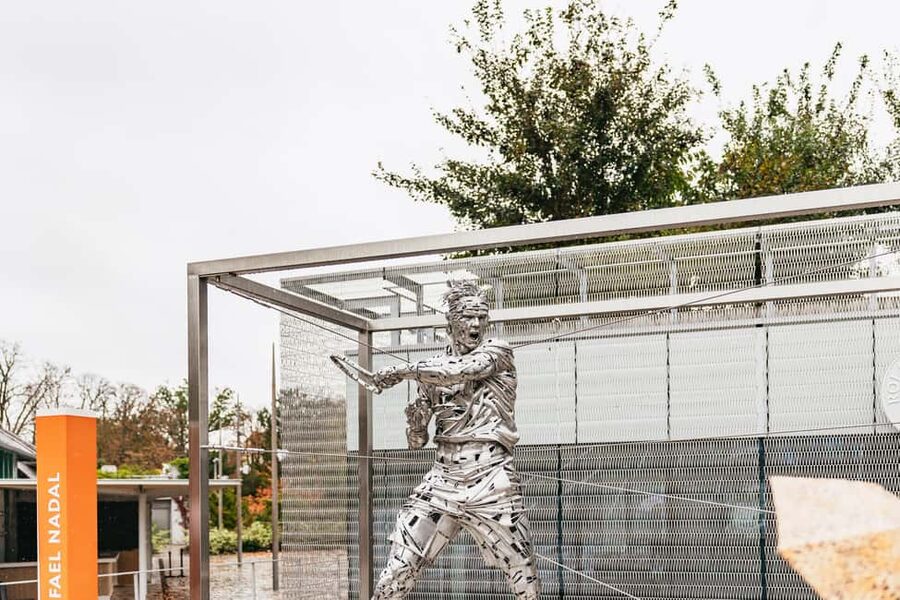
The same applies to the court surface. One past visit found no clay on the main court, while others enjoyed seeing Philippe-Chatrier up close, including the plaque dedicated to Rafael Nadal. The court remains the central sight, but its exact condition may depend on the season, maintenance schedule, or events taking place.
More Stadium Tours in the world:
- Liverpool: Liverpool Football Club Museum and Stadium Tour
★ 4.8 · 10,764 reviews - Amsterdam: Johan Cruijff ArenA Tour with Optional Guide
★ 4.6 · 8,954 reviews - Milan: San Siro Stadium and Museum Guided Tour
★ 4.3 · 5,567 reviews - London: Emirates Stadium Entry Ticket and Audio Guide
★ 4.7 · 5,513 reviews
Philippe-Chatrier Court and its retractable roof
Philippe-Chatrier Court is the stadium’s main stage and the architectural centerpiece of the tour. The guide explains the court’s retractable roof, a major change for a tournament once known for matches delayed by rain.
The roof is interesting because it solves a practical problem without changing the court’s basic character. Roland-Garros is still a clay tournament in an open Paris setting, but the roof gives organizers more control during bad weather. You see how the modern venue supports a traditional surface and a very old sporting identity.
From the court area, you get a close look at the seating bowl and the space where the French Open’s biggest matches take place. The views over the clay courts and the city beyond add to the appeal. If you enjoy stadium design, this part may be just as rewarding as the tennis stories.
The tour does not promise that the roof will open or close during your visit. You should think of it as a chance to learn about the structure and see the court, not as a demonstration of the roof mechanism.
The stadium can feel surprisingly elegant. Its design has a cleaner, more modern character than the tournament’s old-fashioned image might suggest. That contrast, red clay alongside advanced engineering, is one of the venue’s most appealing features.
The media areas and other behind-the-scenes spaces
The tour also reaches areas that normally serve the tournament rather than the public seating. The media room is one example. A guide may explain how interviews work and, as one particularly playful touch, invite the group to stage mock interviews.
That small activity helps break up the formal history lesson. You are not only looking at a room with tables and chairs. You can imagine the post-match press routine, the questions, the cameras, and the players trying to explain a win or loss moments after leaving the court.
Some visits have included the locker rooms, trophy displays, and other restricted areas. One past visitor was able to see lockers associated with Nadal and Roger Federer, while another found the locker rooms closed during renovation. Treat these spaces as possible additions, not fixed promises.
The same caution applies during tournament preparation or other stadium activity. Certain sections may be off limits on a given day. A good guide can adjust the route and fill the gap with stories, but you should not expect identical access on every date.
The tennis stories that give the tour its meaning

The guide’s stories are the reason this tour works for people who are not devoted tennis followers. You learn about the Four Musketeers, the group of French champions who helped build the country’s tennis tradition. Jean Borotra, Jacques Brugnon, Henri Cochet, and René Lacoste are not household names for every visitor, but their place in French tennis gives the stadium a stronger sense of origin.
The modern champions bring a different kind of recognition. Rafael Nadal is central to the Roland-Garros story, and the tour highlights his extraordinary connection with the Paris clay. Steffi Graf, Björn Borg, and Chris Evert also help place the French Open in the wider history of the sport.
I appreciate that the tour does not focus only on winners’ names. It also explains the building, the court, the media work, and the spaces players use before and after matches. That broader view helps you understand what happens around a major tournament, not just what appears during the two hours of televised play.
Some visitors have found the commentary especially helpful when the guide takes questions. The most enjoyable guides appear to welcome discussion rather than rush through memorized facts. If you have a favorite player or want to ask about a court, locker, trophy, or tournament tradition, this is a good setting to ask.
Is $24 good value for 90 minutes?
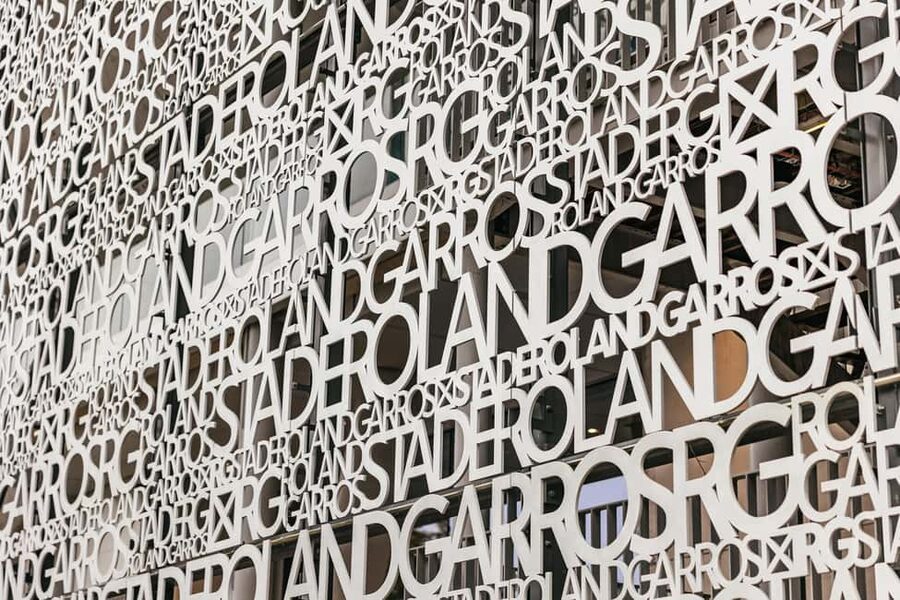
At $24, I consider this a strong-value Paris outing, especially for anyone who has watched the French Open for years. A major stadium with restricted areas, a live guide, the main court, and tennis history gives you more substance than a simple photo stop.
The value depends on what you want. If your main goal is to see a particular locker room or a fully prepared clay court, the result can vary because of renovation and stadium activity. If you want a guided look at the venue as a whole, the price is easier to justify.
The tour lasts 90 minutes, long enough to cover the main areas without taking up half a day. That makes it easy to combine with other plans in Paris. You may want extra time at the shop before or after, but the guided portion itself is fairly compact.
The reserve-now, pay-later option also helps if your schedule is still changing. You can cancel up to 24 hours before the visit for a full refund. Those terms are useful in Paris, where weather, museum bookings, and transport delays can upset a carefully arranged day.
Who will enjoy this tour most?
This is an obvious choice for tennis fans, especially those who are unlikely to attend the French Open in person. The tour gives you a physical connection to the tournament without requiring a match ticket.
It also suits couples or families with mixed interests. A committed tennis fan can focus on Nadal, Graf, the court, and the player route, while someone less interested in the sport can enjoy the architecture, French sporting culture, and access to private areas.
The visit is wheelchair accessible. One guide also helped a visitor who needed to use elevators, which suggests that raising mobility needs with the guide is sensible. Still, stadium operations can alter the route, so ask at the start if you need a specific access arrangement.
This may not be the best pick if you want a quiet, independent visit. It is a guided group tour, and groups can be large enough to make hearing difficult. You also need to keep moving with the group rather than lingering at each viewpoint.
Practical advice for a smoother visit
Arrive with enough time to find the Grande Boutique inside Gate 36. Use Avenue Gordon-Bennett as your reference point and check the latest meeting details rather than relying on an old map pin.
Choose a time when you can stay close to the guide. The tour includes several stops, and commentary may begin as soon as the group reaches a new area. If you are taking photographs, listen first and shoot after the explanation.
Ask questions if the language or group noise makes part of the talk unclear. Tours run in English, French, and Spanish, but the pace and clarity can vary by guide. A polite request for repetition is better than missing the story behind a key stop.
Visit the stadium shop before or after the tour, when it is open from 9:30 a.m. to 6:30 p.m. Some past visitors also received a 10 percent shop discount connected with the tour, but that detail is not listed as a guaranteed current benefit, so confirm it on arrival.
Give yourself flexibility around the locker rooms and other restricted spaces. The stadium may close areas because of renovation or activity, and the route can change. The court, player corridor, tribune, architecture, and stories still make the visit worthwhile even if one room is unavailable.
Should you book the Roland-Garros tour?
Book it if you follow tennis, have watched the French Open from afar, or want a Paris outing with a clear sense of place. The corridor to Philippe-Chatrier, the view from the tribune, and the stories about Nadal and the Four Musketeers make this more than a standard stadium walk.
I would also recommend it to casual sports fans who enjoy seeing how a major venue works. At $24, the tour offers good value in a city where admission prices can climb quickly.
Skip it if you need guaranteed access to every backstage room or prefer to explore alone. The route may change, some areas may close, and a large group can make the commentary harder to catch.
For most people with even a passing interest in tennis, Roland-Garros is a worthwhile 90-minute stop. It lets you see the court, follow the players’ route, and understand why this particular patch of Paris matters so much to the sport.
FAQ
How long does the Roland-Garros Stadium tour last?
The guided tour lasts 90 minutes.
How much does the tour cost?
The listed price is $24 per person.
Where is the meeting point?
Meet inside the Grande Boutique on Avenue Gordon-Bennett, at Gate 36.
Which languages are available?
The live guide service is available in English, French, and Spanish.
Is the tour wheelchair accessible?
Yes, the activity is listed as wheelchair accessible.
Can all stadium areas be visited?
Not always. Stadium activity, renovation, or other operations can make some areas unavailable on the day of your visit.
Can I cancel the booking?
Yes. You can cancel up to 24 hours in advance for a full refund. A reserve-now, pay-later option is also available.
Just added for fans in the world
- Zandvoort: Driving Experience at the Formula 1 Race Track★ 4.6 · 5 reviews
- Wörth am Rhein: Grand Prix 30 – Electric kart race★ 3.6 · 2 reviews
- Woop! Glow golf: Ljubljana Btc City★ 4.8 · 14 reviews
- Woop! Glow Golf: Maribor★ 4.9 · 8 reviews
- Windsor: LEGOLAND Adventure Golf★ 4.6 · 10 reviews
- Washington D.C.: Washington Nationals Baseball Game Ticket★ 4.3 · 28 reviews
- Tokyo: Grand Sumo Morning Training Tour★ 4.9 · 12 reviews
- Washington D.C.: Washington Wizards Basketball Game Ticket★ 5.0 · 19 reviews
Tennis Tours and Tickets, compared.


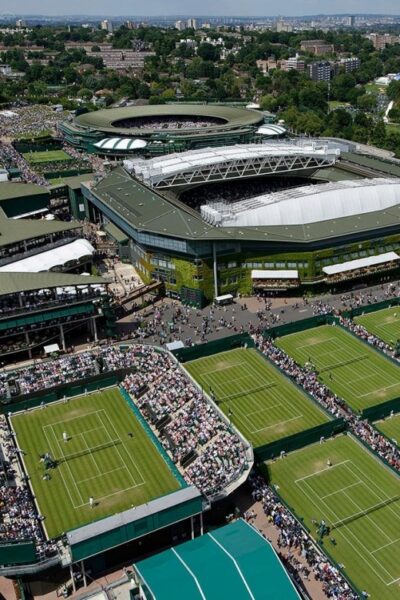
Wimbledon Tennis Club and Westminster Walking Tour
Read our review →
Wimbledon Tennis & Westminster Landmarks Walking Tour
Read our review →
US Open Tennis Championship at Arthur Ashe Stadium Ticket
Read our review →

Browse the lists this tour appears in