
Review · FOOTBALL MATCH TICKETS
Football tour: Red Star and Partizan Ultras History
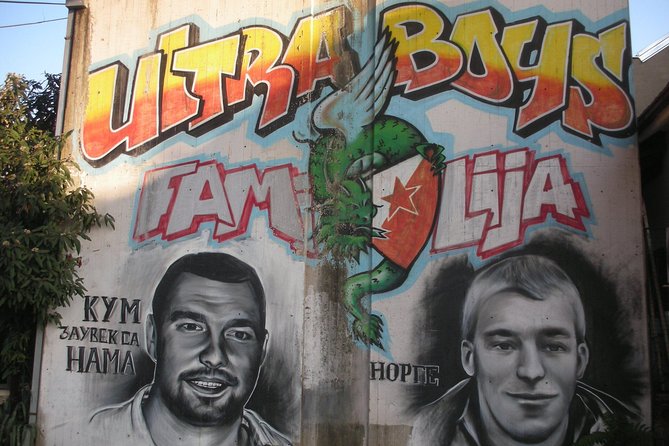
Belgrade’s football rivalry is not confined to match day. It is painted across walls, tied to neighborhoods, and preserved inside two famous stadiums. This tour takes you from Partizan’s Dorcol district to Red Star territory in Senjak, then into both clubs’ grounds and their competing worlds.
I like the mix of street life and club history, especially the old graffiti and the Red Star museum’s 1991 European Cup trophy. I also like the guides’ personal touch: Andrija has helped visitors attend a Red Star match and even a basketball game, while Tihomir is praised for his grasp of ultras culture. The main drawback is simple: a 3 to 4-hour walking tour about fierce football rivalries may not suit you if you have little interest in soccer or fan politics.
Key points before you book
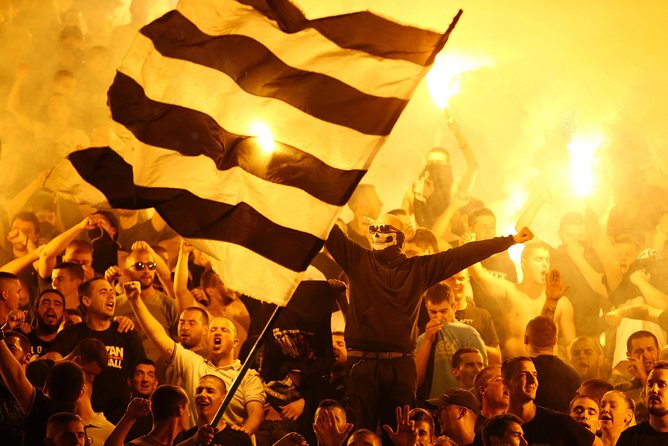
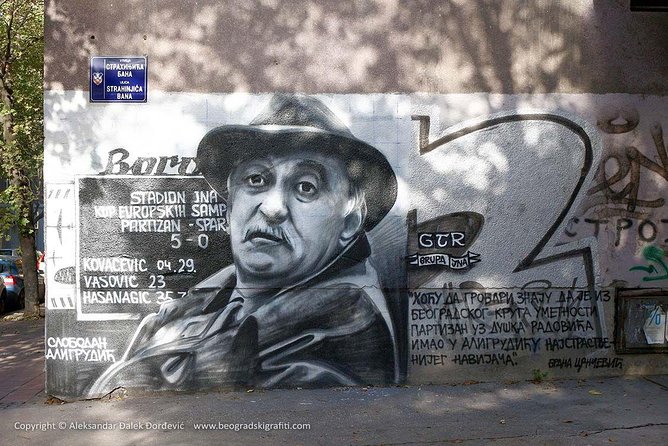
- Dorcol gives Partizan fandom a neighborhood address: See supporter murals, bars, pubs, and one of Belgrade’s best-known football districts.
- Senjak holds some of Red Star’s oldest graffiti: The tour visits work dating from the 1990s, described as being guarded around the clock by fans.
- Marakana combines stadium access with a club museum: Trophies, flags, club papers, and the 1991 Champions League trophy are the main draw.
- Partizan Stadium offers pitch access: You walk down onto the field and see a stadium often described as one of Europe’s last ghetto-style grounds.
- The guides add value beyond the route: Andrija and Tihomir bring different strengths, from city hospitality to a close reading of ultras culture.
- The price is $84.21 per person: For a 3 to 4-hour tour with two stadium visits, that is fair value for football fans, though less appealing if you only want a quick stadium photo.
Why Belgrade football makes a good walking tour
Red Star and Partizan are more than two sports clubs. Their supporters shape the feel of particular parts of Belgrade, and their symbols appear on walls long before you reach a turnstile. That makes this a useful tour if you want to understand how sport connects with local identity.
You begin at Student Park, at Studentski trg 16, at 10 a.m. The tour returns there at the end. The route includes Dorcol, Senjak, Red Star’s Marakana, and Partizan Stadium, with the listed stops taking roughly three hours and the full outing advertised at about three to four hours.
The most useful feature is the guide. You are not simply shown a mural, told the club name, and moved along. The tour focuses on the supporters, their symbols, the rivalry, and the social effects of ultras culture in Serbia. That subject needs some care. The point is not to treat hooliganism as a cartoon adventure, but to explain how organized fan groups became part of public life and club identity.
The strongest guide feedback centers on Andrija and Tihomir. Andrija is described as warm, highly informed about Serbian football, and generous with his time. He has even helped one group attend a Red Star match later that day and join a basketball game the next day. Tihomir is praised for his professional approach and strong grasp of ultras history. If you can request a guide, those names are worth noting.
More Football Match Tickets in the world:
- Liverpool: Liverpool Football Club Museum and Stadium Tour
★ 4.8 · 10,764 reviews - London: Chelsea Football Club Stadium and Museum Tour
★ 4.8 · 4,576 reviews - Phuket: Patong Boxing Stadium Muay Thai Match Ticket
★ 4.7 · 2,203 reviews
Dorcol: Partizan murals among cafes and pubs
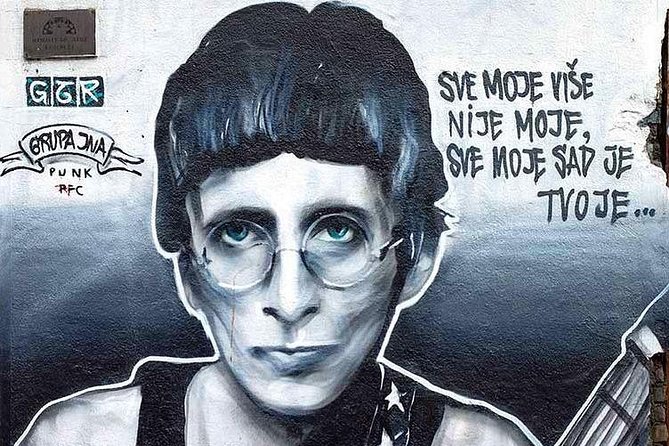
Dorcol is the first major stop, and it gives the tour its best street-level start. This is known as a Partizan supporters’ district, with graffiti dedicated to famous fans and football figures. The art is not just decoration. It marks territory, remembers people, and turns ordinary walls into club noticeboards.
You spend about an hour here. That is enough time to look closely at the murals and hear how the neighborhood connects with Partizan fandom. The setting also helps. Dorcol is a popular part of Belgrade with bars, pubs, and an appealing local feel, so the football material is set within a district you may enjoy exploring on your own later.
I like this opening because it avoids the usual stadium-only tour. You start with the city itself, where club loyalty appears in public space. You also get a chance to ask questions before reaching the more formal stadium stops.
There is a practical catch. The tour description does not give a detailed walking distance or explain how the group moves between every stop. Wear comfortable shoes and allow for a fair amount of time on foot. The tour is offered in English, and most people can participate, but the topic may move quickly if you know little about Serbian clubs or European supporter culture.
Senjak: Red Star territory and 1990s graffiti
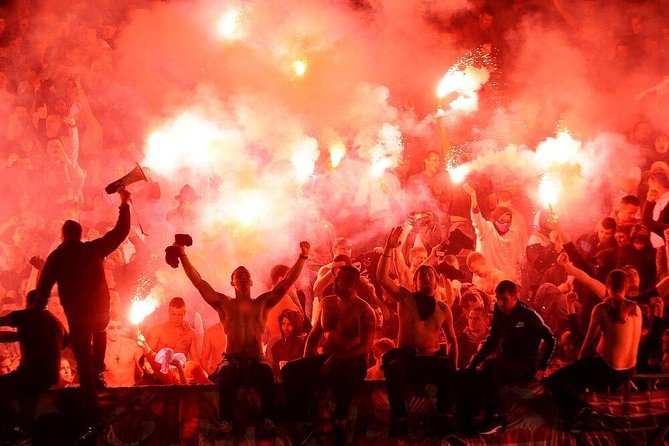
After Dorcol, the focus shifts to Senjak, known here as a Red Star supporters’ district. The stop lasts about 20 minutes, so this is a short look rather than a long neighborhood visit.
The attraction is the old graffiti, including examples dating from the 1990s. The art is described as being watched over by Red Star fans at all times, a detail that hints at how seriously supporters treat these places. You are seeing a living part of club identity, not a polished display prepared for tourists.
Senjak also provides a useful contrast with Dorcol. Rather than presenting one club in isolation, the route puts the two fan cultures side by side. You can compare the symbols, locations, and stories while the details are fresh in your mind.
The short stop has an advantage and a weakness. It keeps the tour moving toward the stadiums, but it leaves less time for close study or a broader look at Senjak. If graffiti and neighborhood life are your main interests, Dorcol receives more attention. If your priority is the stadiums, Senjak works well as a compact introduction.
Marakana: Red Star’s trophy room and stadium story
The Red Star stadium, commonly called Marakana, is the largest stop, at about two hours. This is where the tour shifts from public streets to the club’s own collection and stadium spaces.
The museum is the main prize. You can see trophies, flags, important club documents, and the 1991 Champions League trophy. Red Star’s European achievement matters because the club is identified as the only Eastern European club, alongside Steaua Bucharest, to have won that trophy. For a football fan, this gives the visit real weight. You are not just looking at a stadium used for weekly matches. You are seeing the physical record of the club’s greatest success.
I would allow the most time here if you care about European football. Flags and trophies show the public side of the club, while documents help explain how an institution preserves its own past. The museum also offers a break from walking and a chance to place the rivalry in a wider football setting.
Access can vary in detail. The tour description specifically notes the museum and stadium as attractions covered with one ticket, and the overall activity includes admission for the stadium visits. Some past outings have included extra access, such as walking onto the pitch or viewing conference rooms, but you should not assume those additions are guaranteed every time. They depend on arrangements on the day.
You also get a beer inside one team’s stadium during the experience. The supplied details do not specify which stadium or exactly when it is served, so treat it as a pleasant part of the visit rather than the main reason to book.
More History and Heritage Tours in the world:
- Tour of Historic Fenway Park, America’s Most Beloved Ballpark
★ 4.5 · 3,013 reviews - St Andrews: Golf Origins and Old Course History Tour
★ 4.7 · 322 reviews - Krabi: Ao Nang Landmark Stadium Muay Thai
★ 4.7 · 287 reviews - St Andrews: Town, Golf, and Old Course History Tour
★ 4.7 · 162 reviews
Partizan Stadium: pitch access and a rougher character
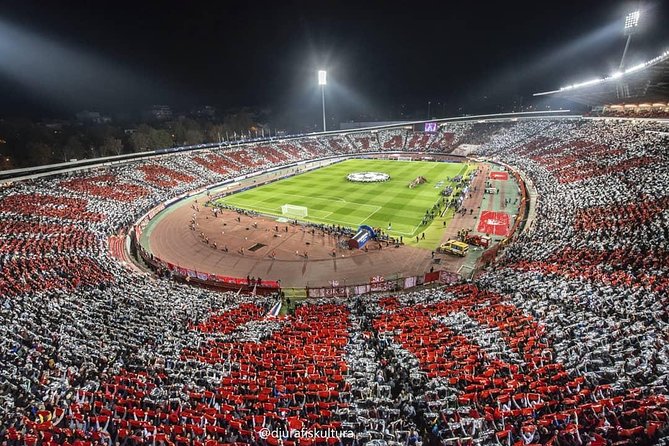
The final stadium stop is Partizan Stadium, with about 30 minutes set aside for it. The advertised feature is a walk down the pitch and a look at one of Europe’s last remaining ghetto-style stadiums.
That wording points to a more worn, raw character than the museum experience at Marakana. The contrast is useful. Red Star gives you a formal club collection and a major European trophy. Partizan offers the feel of an older football ground and a closer look at the physical setting in which the rivalry plays out.
The shorter visit means you should expect a focused stop rather than a full stadium tour. You may see the pitch and take in the views, but the available details do not promise changing rooms, seats, press areas, or a long behind-the-scenes route. Some outings have included the pitch and conference rooms, yet that appears to be a possible customization, not a fixed part of every booking.
For many football fans, the contrast between the two grounds is exactly what makes the tour worthwhile. One stop emphasizes achievement and club archives. The other emphasizes atmosphere, age, and the hard-edged look of a stadium shaped by decades of rivalry.
What $84.21 buys you
At $84.21 per person, this is not a cheap neighborhood walk. You are paying for a specialist subject, a guide, two club districts, two stadium visits, and several hours of explanation. The value depends heavily on your interest in Serbian football.
I think the price is fair if you would otherwise pay for separate stadium access and want context that a self-guided visit cannot provide. The guide links the murals to the clubs, explains the rivalry, and helps you understand why a patch of graffiti can matter as much to supporters as an official exhibit.
The calculation is less favorable if you only want to see Marakana or take a picture at Partizan Stadium. In that case, a shorter stadium visit may suit you better, if available. This tour earns its price through the combined route and the guide’s interpretation, not through luxury transport or a large number of included extras.
Group discounts are available, which can improve the price for families or friends. The maximum group size is listed as 99, although the actual number on your departure is not provided. A large group could make street explanations harder to hear, while a smaller group may allow more questions and easier movement around the stadiums.
The tour is often booked about 41 days ahead. That does not guarantee that every date sells out, but it is a useful sign that you should plan early if your Belgrade schedule is fixed.
Who will enjoy this tour most
This is a strong choice for you if European football is part of your reason for visiting Belgrade. It also suits anyone interested in street art, supporter identity, the social role of clubs, or the way neighborhoods carry local loyalties.
You do not need to support Red Star or Partizan. In fact, neutral visitors may get the clearest view because the tour presents both sides. You can look at Dorcol and Senjak as two expressions of the same city, rather than choosing a winner.
The tour is less suitable if you want a quiet museum visit, a short photo stop, or a general introduction to Belgrade landmarks. It spends serious time on football culture and ultras groups. That subject includes rivalry, fierce supporters, and social influence, so it is more specific than a standard city tour.
Most people can participate, service animals are allowed, and the meeting point is near public transportation. The experience requires good weather. If poor weather forces cancellation, you are offered another date or a full refund. You can cancel for a full refund up to 24 hours before the 10 a.m. start time, but changes or cancellations inside that window are not accepted.
Should you book the Red Star and Partizan tour?
Book it if you want to see how football lives in Belgrade’s streets, not just inside a stadium. The best reasons are the Dorcol murals, the guarded 1990s graffiti in Senjak, Marakana’s 1991 Champions League trophy, and the chance to step onto the Partizan pitch.
I would especially choose it if Andrija or Tihomir is available, since their strengths match what this tour needs: clear football knowledge, local warmth, and an understanding of ultras culture. Skip it if soccer is only a passing interest or if your schedule cannot spare three to four hours.
For the right visitor, this is a memorable way to read Belgrade through its biggest rivalry. You leave with more than stadium photographs. You understand why a club crest on a wall can tell you where you are.
FAQ
Where does the tour start?
The tour starts at Student Park, Studentski trg 16, Belgrade 11000, Serbia.
What time does the tour begin?
The scheduled start time is 10:00 a.m.
How long does the experience last?
The tour lasts approximately 3 to 4 hours. The listed stops add up to about three hours, with the remaining time allowing for movement and guiding.
Which places are visited?
The route includes Dorcol, Senjak, Red Star Belgrade Stadium, also known as Marakana, and Partizan Stadium.
Is the tour offered in English?
Yes. The tour is offered in English.
Can I cancel for a full refund?
Yes. You can cancel at least 24 hours before the local start time for a full refund. Cancellations or changes made less than 24 hours before the start are not accepted, and poor-weather cancellations offer a different date or full refund.
Just added for fans in the world
- Zandvoort: Driving Experience at the Formula 1 Race Track★ 4.6 · 5 reviews
- Wörth am Rhein: Grand Prix 30 – Electric kart race★ 3.6 · 2 reviews
- Woop! Glow golf: Ljubljana Btc City★ 4.8 · 14 reviews
- Woop! Glow Golf: Maribor★ 4.9 · 8 reviews
- Windsor: LEGOLAND Adventure Golf★ 4.6 · 10 reviews
- Washington D.C.: Washington Nationals Baseball Game Ticket★ 4.3 · 28 reviews
- Tokyo: Grand Sumo Morning Training Tour★ 4.9 · 12 reviews
- Washington D.C.: Washington Wizards Basketball Game Ticket★ 5.0 · 19 reviews
Football Match Tickets, compared.
FC Barcelona Museum “Barça Immersive Tour” Ticket
Read our review →
Liverpool Football Club Museum and Stadium Tour
Read our review →
Chelsea Football Club Stadium and Museum Tour
Read our review →
City Bus Tour & FC Bayern Munich Allianz Arena Tour
Read our review →
Browse the lists this tour appears in