
Review · SPORTS MUSEUMS
Ticket to Musée National du Sport
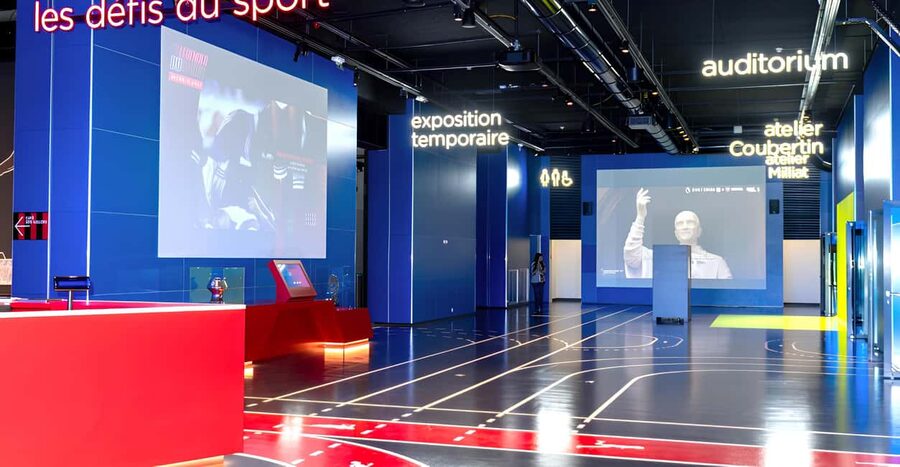
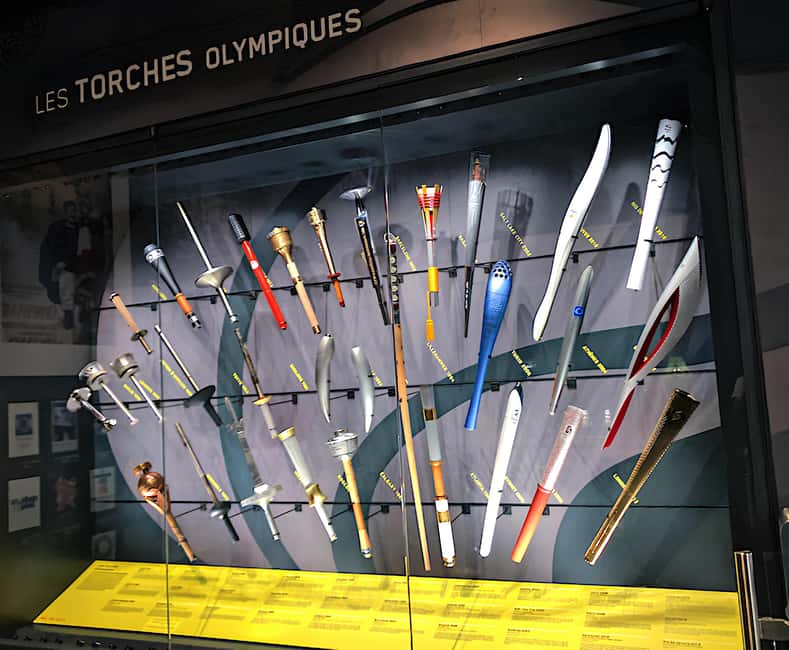
The Musée National du Sport turns sport into a story about society, ambition, teamwork, and risk. Its main route is built around four kinds of challenge, and you move from athletics and swimming to football, rugby, boxing, climbing, sailing, and flight. The collection is one of the world’s largest, with all the Olympic torches among its most memorable sights.
I like the freedom to stay as long as you wish, and I like the way the displays reach beyond famous athletes and medals. The museum also works well for families, with plenty for children to spot and discuss. The main drawback is that this is not a guided tour, and the experience may feel less exciting if you want a stadium visit or a tightly structured attraction.
Key points to know before you go
- Four clear themes: Follow personal challenge, one-on-one contests, team sports, and feats beyond normal limits.
- Olympic torches on display: This is one of the strongest reasons to visit, especially if Olympic history interests you.
- Self-guided and flexible: You can set your own pace and spend as much of the one-day validity as you like inside.
- Good family value: Children under 18 enter free, and the displays are designed to work for younger visitors.
- Temporary exhibitions change: More than 500 square meters are set aside for current themes and special shows.
- Check the plan for your day: The museum and any stadium visit are not the same thing, so confirm exactly what your booking includes.
Why the Musée National du Sport is more than a trophy room
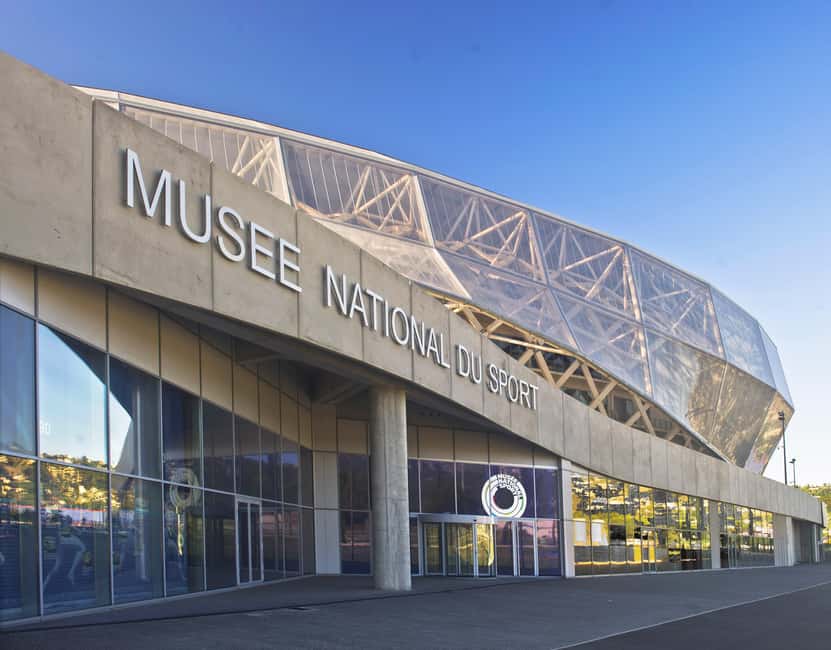
Many sports museums are rows of jerseys, cups, and grainy photographs. This one takes a wider view. It treats sport as a record of human behavior and public life, asking why people train, compete, cooperate, take risks, and push past a limit.
That idea gives the visit a useful shape. You are not simply walking through a pile of sporting objects. You are following a question: what kind of challenge is this?
The route is divided into four stages. Each section has its own mood, and the change from one to the next helps keep the visit moving. You might begin with a single person trying to improve a time or distance, then shift to two opponents facing one another, then to a team working as one unit. The last section leaves ordinary competition behind and looks at people testing the edge of what seems possible.
I like this approach because it gives non-sports fans a way in. You do not need to know every champion or understand every rule. The museum gives you a basic human subject to follow: effort.
More Sports Museums in the world:
- Liverpool: Liverpool Football Club Museum and Stadium Tour
★ 4.8 · 10,764 reviews - Lisbon: Luz Stadium Tour & SL Benfica Museum Entry
★ 4.7 · 4,102 reviews - Munich: FC Bayern Museum + Arena View
★ 4.5 · 944 reviews
Personal challenge: athletics, cycling, swimming, skiing, and riding
The first section focuses on individual performance. Athletics, cycling, swimming, skiing, and riding all depend on a person preparing the body and mind for a specific task.
This part should appeal to anyone who likes the small details behind a result. A race may last only seconds, but years of practice sit behind it. A skiing run looks smooth only because the skier has learned to control speed, balance, fear, and technique. A cycling display can prompt questions about endurance and equipment, while swimming shows how a tiny improvement in motion can matter.
The value here is not just the object itself. The display helps you think about how sports measure progress. Time, distance, speed, form, and precision turn effort into something visible.
For children, this section offers easy comparisons. Which sport needs the most balance? Which one depends most on stamina? Why does equipment matter? You can make your own short quiz as you walk.
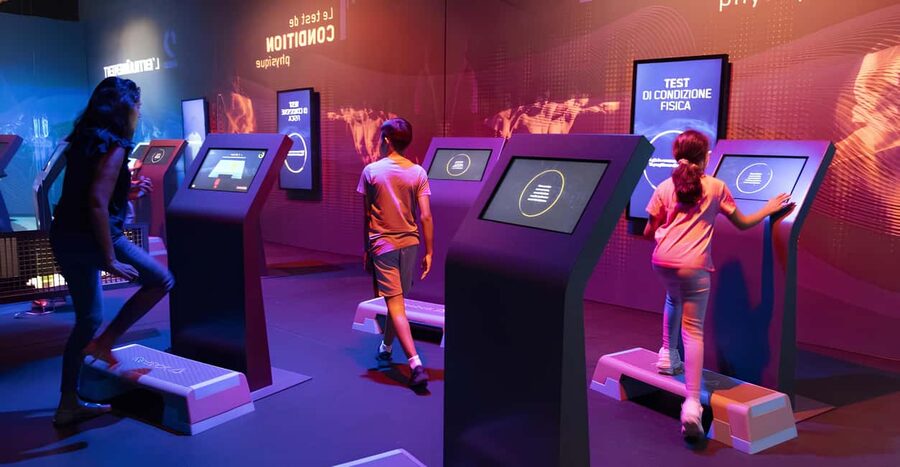
Do not expect every exhibit to explain itself in a long, traditional museum text. The overall visit uses an innovative and interactive style, but the exact amount of interaction can vary from one display to another. Give yourself time to look before moving on. The first section works best when you consider the process, not only the result.
One-on-one challenge: boxing, tennis, martial arts, and fencing
The second stage changes the feeling of the museum. Individual effort remains important, but now success depends on reading another person.
Boxing, tennis, martial arts, and fencing all show the tension of direct competition. You must react quickly, make decisions, and manage pressure. A strong opponent can force you to abandon a perfect plan. That makes these sports useful examples of strategy as well as physical skill.
This is also a good section for people who assume sports are only about strength. Fencing calls for timing and judgment. Tennis depends on placement and anticipation. Martial arts bring discipline and control into the picture. Boxing combines movement, defense, stamina, and the ability to keep thinking while tired.
The displays can help children understand that winning is not always about being the biggest or fastest person. It may involve patience, technique, concentration, or the ability to adjust.
You should also expect some exhibits to feel abstract. That is not necessarily a flaw, but it means this museum is not a simple collection of famous objects. Some displays ask you to think about the idea behind the sport. If you prefer only concrete memorabilia, this section may feel less immediate.
Collective challenge: football, rugby, handball, volleyball, and basketball
The third section moves from one person against another to a group working together. Football, rugby, handball, volleyball, and basketball show how a team turns separate skills into a shared result.
This is where the museum’s social purpose becomes clearest. Team sports rely on trust, communication, roles, and sacrifice. The best individual player cannot do everything alone. A good pass may matter as much as a spectacular goal.
I especially like this section for families and mixed groups. Even people who follow different sports can compare how teams solve problems. Rugby needs coordinated movement and physical courage. Volleyball depends on timing and positioning. Basketball creates quick changes between attack and defense. Football may look simple from the stands, but the team structure behind it is complex.
The museum’s team-sport displays also make the experience feel more connected to everyday life. You can talk about leadership, cooperation, and failure without turning the visit into a lecture.
If you are hoping for a major stadium atmosphere, keep your expectations in check. The museum explains and presents sport. It is not the same as attending a live match. One booking experience included an interesting stadium tour in French and English, but you should confirm that any stadium component is part of your selected option rather than assuming it comes with the museum ticket.
More Sports Experiences in the world:
- Amsterdam: Johan Cruijff ArenA Tour with Optional Guide
★ 4.6 · 8,954 reviews - Tokyo: Sumo Show Experience with Chicken Hot Pot and a Photo
★ 4.8 · 6,678 reviews - Milan: San Siro Stadium and Museum Guided Tour
★ 4.3 · 5,567 reviews - London: Emirates Stadium Entry Ticket and Audio Guide
★ 4.7 · 5,513 reviews
Beyond the limits: climbing, sailing, and the skies
The final stage looks at challenges that go beyond ordinary competition. Extreme climbing, solo sailing, and conquering the skies all involve isolation, danger, and a strong relationship with the natural world.
This is often the most dramatic idea in the museum. There is no opponent standing across the court, and sometimes no team nearby to provide help. The person must deal with weather, distance, height, fatigue, and uncertainty.
Climbing makes you think about exposure and control. Solo sailing turns a large body of water into a test of planning and endurance. Flight represents one of humanity’s oldest ambitions, the wish to leave the ground and travel beyond familiar limits.
The section also raises a useful question: is a feat still sport when the main opponent is nature itself? The museum does not reduce these achievements to danger alone. It presents them as combinations of preparation, courage, skill, and judgment.
This area may be especially interesting for adults who want more than famous scores and medals. It gives the visit a broader ending and helps explain why sport can matter even when no conventional contest is taking place.
The Olympic torches are a major reason to visit
The collection includes all the Olympic torches, making this one of the most specific highlights of the visit. Each torch connects a sporting event with design, ceremony, politics, technology, and public memory.
You do not need to be an Olympic expert to appreciate the display. Look at how the objects change across different Games. Their shapes and materials can tell you how each event wanted to present itself. A torch is both a functional object and a symbol carried through many hands.
This collection gives the museum a strong historical anchor. Other displays may ask you to think about broad themes, while the torches offer a direct sequence that you can compare from one era to another.
If you have limited time, make this display a priority. Then decide how much attention to give the four main sections and the temporary exhibition area.
Temporary exhibitions add a second visit worth of interest
More than 500 square meters are used for temporary exhibitions. These shows focus on a particular subject or current topic, so the museum is not fixed in one permanent format.
That matters if you are visiting the area more than once, or if a temporary show matches your interests. It also means you should check the museum’s current program before booking. The temporary exhibition may be the feature that makes the visit especially worthwhile on your date.
The changing galleries can also help balance the permanent collection. If the main route feels too broad, a focused exhibition may give you a clearer subject to follow. If you already know the permanent galleries, a new show can provide a reason to return.
The available information does not specify the theme showing on a particular day, so do not book based on a temporary exhibition unless you confirm its dates and subject first.
How long to allow, and how to use the day

The ticket is valid for one day, and you can explore at your own pace. That is useful because the museum is not designed as a short photo stop. A focused visit may take about two hours, while a slower visit with time for temporary exhibitions can last longer.
I would allow at least two hours if you want to follow the four sections without rushing. Add time if you are visiting with children, since the interactive displays invite pauses and conversation.
Because the ticket does not include a guide, you control the rhythm. You can move quickly through a sport that does not interest you, then spend longer with the Olympic torches or a temporary show.
The flexible timing also helps if you are building a day around other sights in the area. Still, do not leave the museum until the last minute. One booking experience found the site closed earlier than expected, and the museum’s schedule matters if you also hope to see a stadium. Check opening hours before setting your day around it.
Price, free admission, and real value
At about $9 per person, the ticket is modestly priced for a major museum visit. Two adults paying roughly $20 in total can get around two hours of entertainment and ideas, which is solid value. The price becomes even better for families because children under 18 enter free.
Free admission also applies to disabled persons, Pass Education holders, unemployed persons, ICOM members, and journalists. The museum is free for everyone on the first Sunday of each month from October through March, as well as during the Night of Museums and Heritage Days.
That makes timing important. If you already qualify for free entry, buying this ticket may not make sense. If you are visiting outside those periods, the low price reduces the risk of a disappointing visit.
The value depends on your interests. Sports fans will probably want to spend longer with the objects and themes. Families get an affordable indoor activity. Someone who wants a stadium tour above all else may find the museum alone too limited, especially if the stadium portion is not included in the selected option.
Families, mobility, and practical limits
The museum is suitable for children, and its displays can turn the visit into a conversation rather than a silent walk through cases. Ask your children to choose the hardest kind of challenge, compare team and solo sports, or pick the torch design they like best.
The museum is wheelchair accessible, making it a practical choice for visitors with limited mobility. That does not remove the need to check current access details for any separate stadium tour, but the museum itself is presented as accessible.
Food and drinks are not allowed inside, and flash photography is prohibited. A small shop sells drinks, according to information available about the site, so plan around the museum’s rules rather than bringing refreshments into the galleries.
There is no guide included. That is good for independence and bad if you want a person explaining every object. You will need to read, observe, and set your own route.
Who should book this museum ticket?
I would choose this experience if you want an affordable, flexible museum with a clear theme and enough variety for a family group. It is also a good pick on a hot or rainy day when you want an indoor stop that is not limited to paintings or ancient artifacts.
Sports fans should give it priority, especially for the Olympic torches and the broad range of disciplines. Non-fans can still enjoy it if they are interested in human effort, teamwork, risk, and the way sport reflects society.
I would hesitate if your main goal is a stadium tour, live sports atmosphere, or a guided presentation. Confirm the exact option before booking, and check the opening time so a late arrival does not cut the visit short.
Final call: a good-value stop with one important check
Book the Musée National du Sport if you want a self-guided visit, a family-friendly price, Olympic objects, and a thoughtful look at how people compete and cooperate. The four-stage route gives the museum shape, while the temporary galleries can add extra interest.
Before you pay, confirm two things: the current opening hours and whether any stadium tour you want is included. If those details match your plan, the low admission price makes this an easy addition to a day in the south of France.
FAQ
What is included with the ticket?
The ticket includes entrance to the Musée National du Sport.
Is this a guided tour?
No. This is a self-guided museum visit, and a guide is not included.
How long is the ticket valid?
The ticket is valid for one day. You can spend as much time as you like inside during that validity period.
What can I see at the museum?
The museum presents sports through four themes: personal challenge, one-on-one challenge, collective challenge, and challenges beyond the limits.
Are Olympic torches on display?
Yes. The museum displays all the Olympic torches.
Does the museum have temporary exhibitions?
Yes. More than 500 square meters are used for temporary exhibitions. The subject depends on what is showing when you visit.
Is the museum suitable for children?
Yes. Children under 18 enter free, and the museum is described as suitable for children.
Is the museum wheelchair accessible?
Yes. The museum is wheelchair accessible.
Can I bring food and drinks inside?
No. Food and drinks are not allowed inside the museum.
Is flash photography permitted?
No. Flash photography is not allowed.
Just added for fans in the world
- Zandvoort: Driving Experience at the Formula 1 Race Track★ 4.6 · 5 reviews
- Wörth am Rhein: Grand Prix 30 – Electric kart race★ 3.6 · 2 reviews
- Woop! Glow golf: Ljubljana Btc City★ 4.8 · 14 reviews
- Woop! Glow Golf: Maribor★ 4.9 · 8 reviews
- Windsor: LEGOLAND Adventure Golf★ 4.6 · 10 reviews
- Washington D.C.: Washington Wizards Basketball Game Ticket★ 5.0 · 19 reviews
- Washington D.C.: Washington Nationals Baseball Game Ticket★ 4.3 · 28 reviews
- Tokyo: Grand Sumo Morning Training Tour★ 4.9 · 12 reviews
Sports Museums, compared.
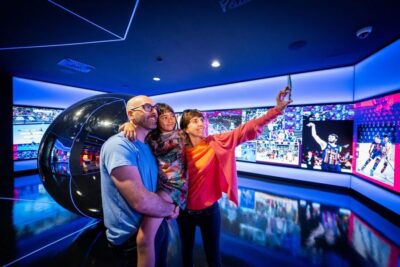
FC Barcelona Museum “Barça Immersive Tour” Ticket
Read our review →
Liverpool Football Club Museum and Stadium Tour
Read our review →
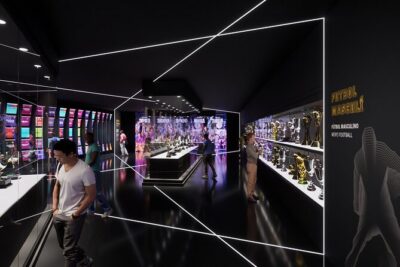
Camp Nou Immersive Tour F.C.Barcelona Museum: Open Date Ticket
Read our review →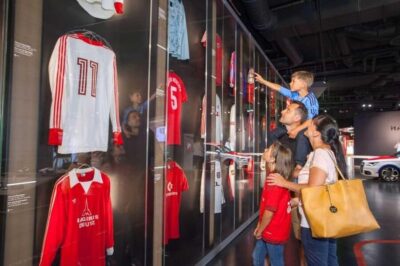

Browse the lists this tour appears in