
Review · SUMO EXPERIENCES
Tokyo: Sumo Show Experience with Chicken Hot Pot and a Photo
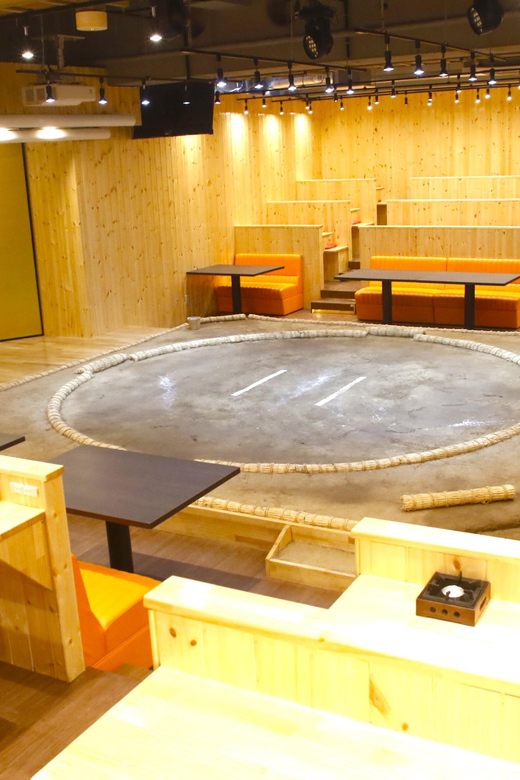
A real sumo ring sits at the center of this Asakusa restaurant, and the evening builds around it: exercises, rituals, comic demonstrations, and a best-of-three bout between retired professionals. It is sumo as a lively cultural show, not a formal tournament or quiet stable visit.
I like the way the experience makes the sport understandable through bilingual commentary, and I like the mix of food, dance, audience participation, and photography. The main thing to keep in mind is that the matches are entertainment rather than serious competition, and the limited ring challenges are decided by lottery when too many people volunteer.
Key points to know before booking
- A real dohyo anchors the room: Every seat has a view, with VIP and VVIP options bringing you closer to the action.
- Host Lala keeps the rules clear: Commentary in English and Japanese explains sumo customs, techniques, and etiquette.
- The meal is part of the show: You get chicken chanko-nabe, Japanese dishes, one complimentary drink, and the option to order more.
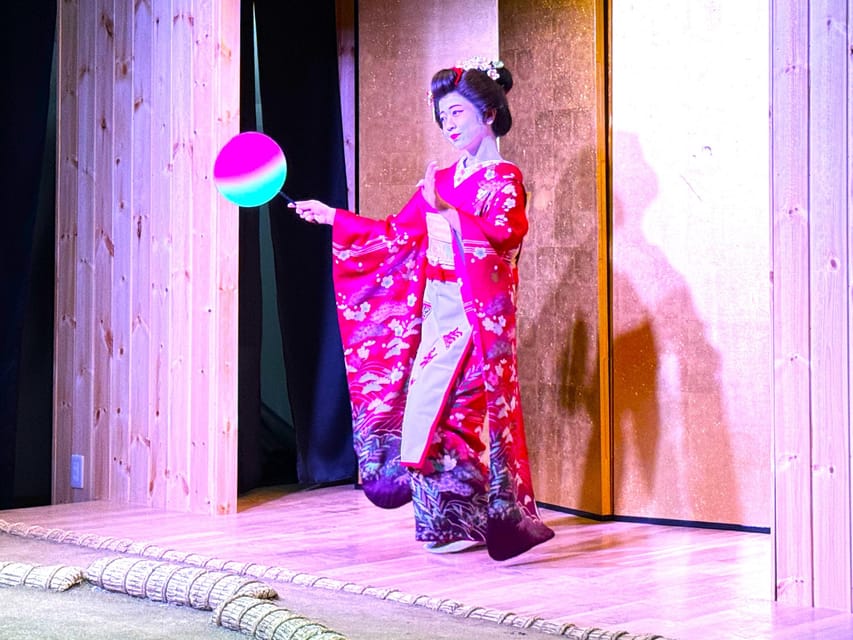
- The geisha dance opens the program: It adds a traditional performance before the wrestlers take over.
- The sumo challenge is not guaranteed: A few audience members can enter the ring, with lottery selection if demand is high.
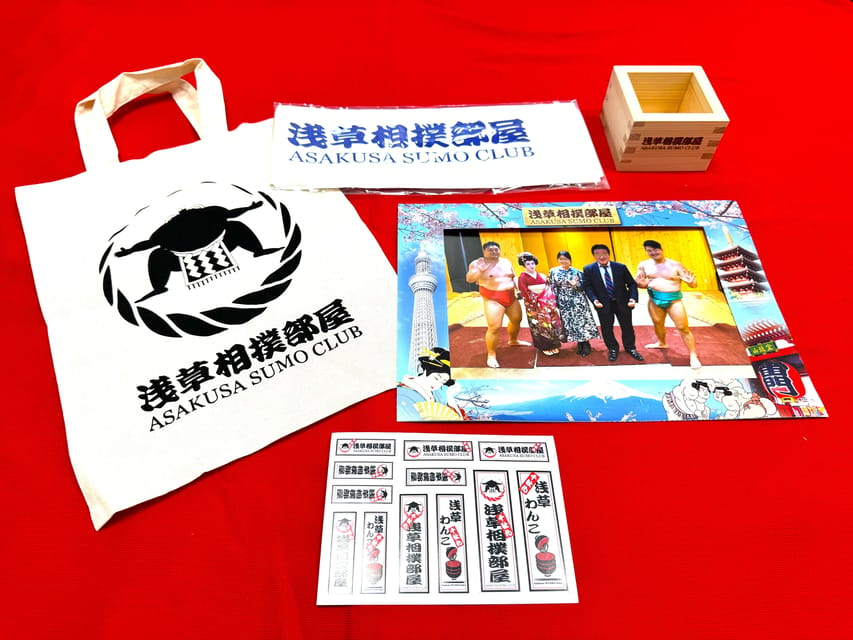
- You leave with more than a memory: A printed photo with the wrestlers and geisha, plus a souvenir set, are included.
What kind of sumo experience is this?
Tokyo offers several ways to see sumo, and they are not interchangeable. You can attend a professional tournament, watch a serious morning practice, or book this two-hour stage show at Asakusa Sumo Club.
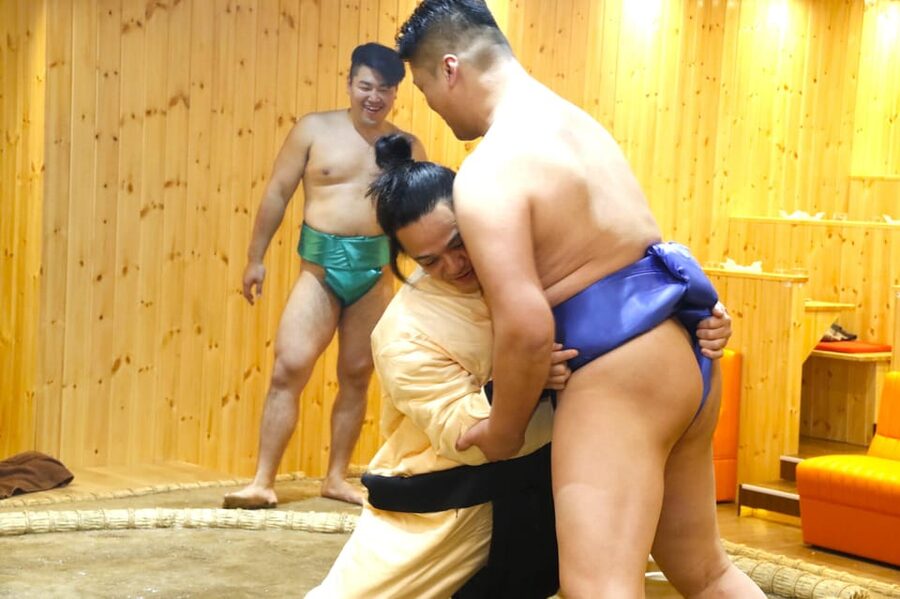
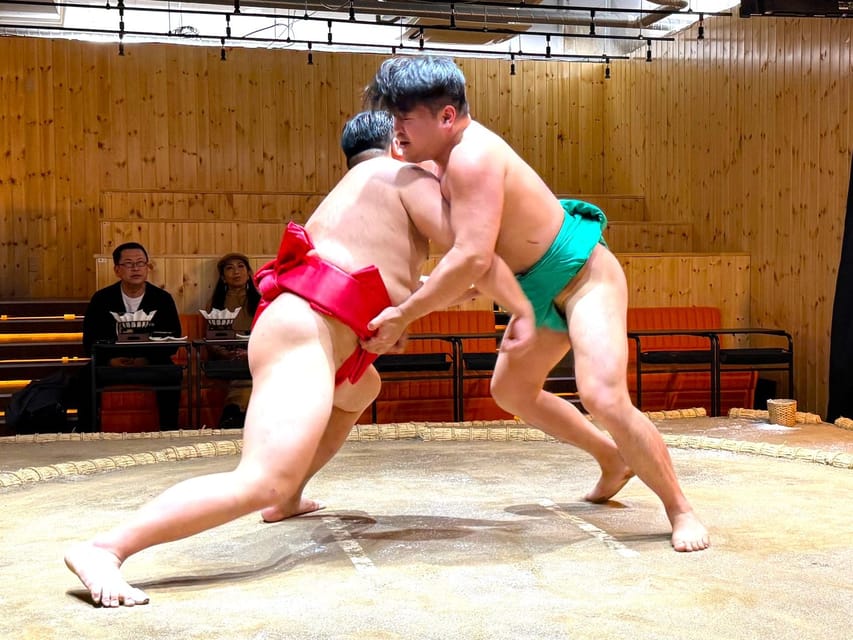
This experience is designed for people who want a friendly introduction to the sport. Retired professional wrestlers perform demonstrations and a best-of-three match, while the presenter explains what you are seeing. The tone is playful and welcoming, with plenty of audience interaction.
That distinction matters. If you want the tension of an official bout between active wrestlers, this is not the right substitute. If you want to understand the basic rituals, see the physical power of sumo up close, and enjoy an evening that works for children and grandparents alike, it makes good sense.
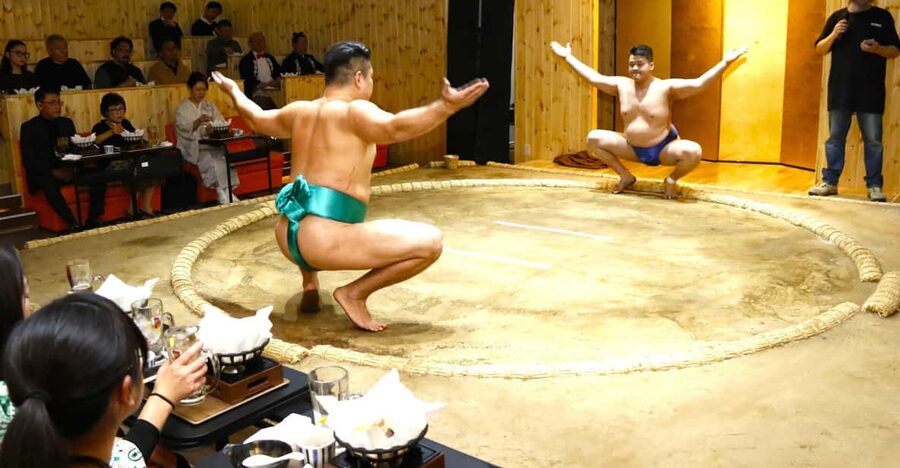
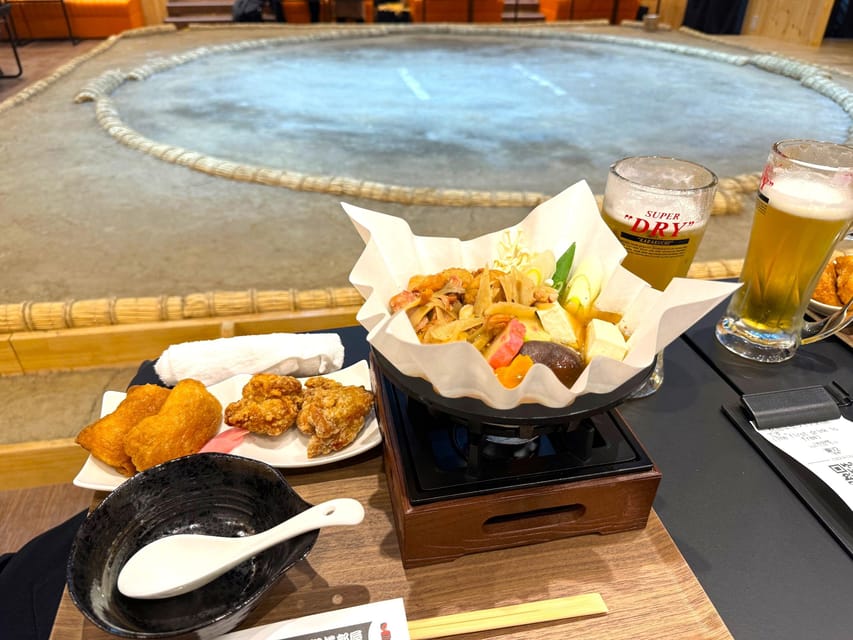
The setting helps. The dohyo is inside the restaurant rather than far away on a large arena floor. You are close enough to notice the stomping, balance, pushing, and sudden bursts of movement. Standard seating gives a clear view, while VIP seats place you in the front row. VVIP seating offers the most central and unobstructed position.
You may be seated with other people, so this is not a private dinner. That can make the room feel more social, but couples seeking a quiet meal should know what they are booking.
More Sumo Experiences in Japan:
- Tokyo: Sumo Show and Dining Experience
★ 4.8 · 2,742 reviews - the SUMO show
★ 5.0 · 1,960 reviews - Tokyo Shinjuku Sumo Show & Experience with Photo
★ 5.0 · 1,750 reviews
The opening: geisha dance and a quick introduction
The program begins with a traditional Japanese dance performed by a geisha in an elegant kimono. It sets a more formal tone before the comedy and physical action of the sumo show begin.
The dance is a useful part of the evening because it gives you a second look at Japanese performance culture. It is not presented as a long stand-alone concert. Instead, it works as a short opening act before attention shifts to the dohyo.
Host Lala then helps explain what is happening. Commentary is given in English and Japanese, which makes a difference if you know little about sumo. Rather than asking you to follow a sport through unfamiliar names and rules, the presenter introduces the basic ideas as they appear.
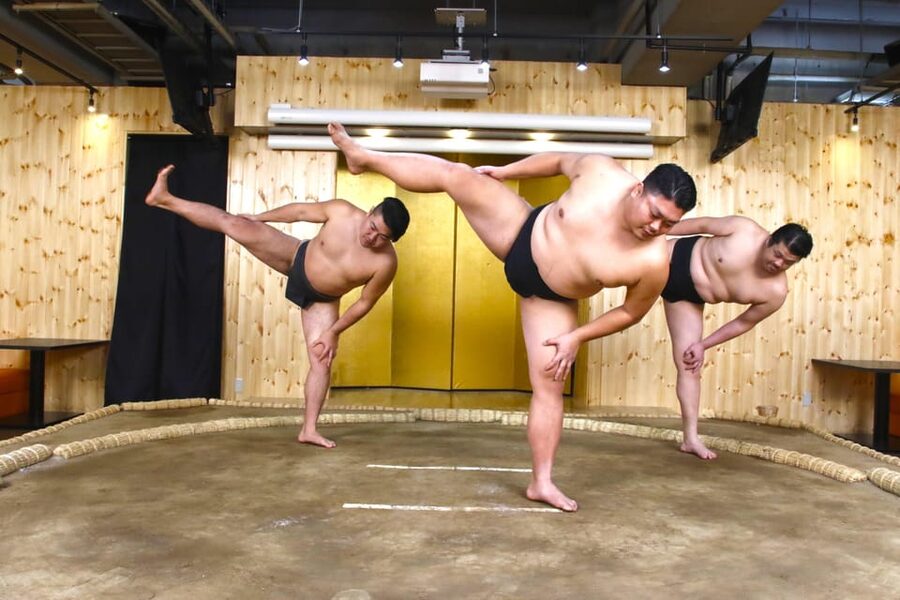
You learn about sumo customs, classic techniques, and the do’s and don’ts around the ring. Morning exercises and traditional movements are also demonstrated. These sections give the comedy a useful frame: you are not just watching large men play to the crowd, you are seeing recognizable elements of a disciplined sport.
Morning exercises, rituals, and sumo techniques
The exercise demonstrations offer one of the best learning moments of the two hours. Sumo training includes movements that can look simple until you see how much control and strength they require.
The show explains the purpose of traditional actions and helps you recognize them later. Stomping, posture, balance, and pushing techniques become easier to understand when someone shows them slowly and then uses them in a match.
I especially like this format for families. Younger children can enjoy the size and comedy of the wrestlers, while adults get enough cultural context to understand that sumo is more than a contest of weight. The bilingual moderator keeps the pace moving, so the explanation does not turn into a lecture.
Still, the presentation is intentionally light. The goal is to entertain, not to reproduce a serious training session. If you have already studied sumo or attended a professional tournament, some of the explanations may feel basic. For a first visit, though, the clear format is a strength.
The best-of-three match between retired wrestlers
The central performance is a best-of-three match between retired professional sumo wrestlers. This is where you see the sport’s physical force most clearly, even within a family-friendly show.
Expect a lively performance with cheering, humor, and interaction. The wrestlers are not simply left to compete in silence. They work with the host and the audience, and their personalities are part of the entertainment.
The match is also where expectations matter most. This is not a regulated tournament bout, and the performers are retired. It is a staged show built to help you enjoy and understand sumo. Some people will find that relaxed approach perfect. Others may prefer the seriousness and ritual pressure of a live professional competition.
I would book this for the atmosphere and access rather than for sporting suspense. Sitting near the dohyo lets you appreciate the size and speed of the wrestlers in a way a distant arena seat may not. The show gives you a close, human view of the people performing, with commentary filling in the meaning behind the action.
More Sports Experiences in Japan:
- Tokyo Sumo Entertainment Show with Chicken Hot Pot and Photo
★ 5.0 · 1,205 reviews - Tokyo: Sumo Show and Experience in Shinjuku
★ 4.8 · 1,001 reviews - Tokyo: Sumo Tournament Tour with Chair Seat Tickets
★ 4.6 · 753 reviews - Tokyo Grand Sumo Tournament Viewing Tour with Tickets
★ 5.0 · 692 reviews
Taking on a wrestler in the ring
The audience challenge is one of the evening’s most memorable ideas. A few selected participants can step into the dohyo and challenge a sumo wrestler.
You do not need to count on being chosen. Challenger places are limited, and if more people volunteer than the show can accommodate, participants are selected by lottery. If you are keen to try, make your interest known, but treat participation as a bonus rather than a promised part of your booking.
The challenge adds a personal spark to the performance. It also gives children and adults something to anticipate throughout the show. The physical contest is presented for fun, with the wrestlers guiding the interaction and keeping it suitable for the setting.
If you are selected, wear something that lets you move comfortably. The supplied information does not specify a dress code, but a ring challenge is easier in practical clothing than in restrictive garments. Also remember that the dohyo is part of the performance area, so you should follow the staff’s directions carefully.
Chicken chanko-nabe and the Japanese meal
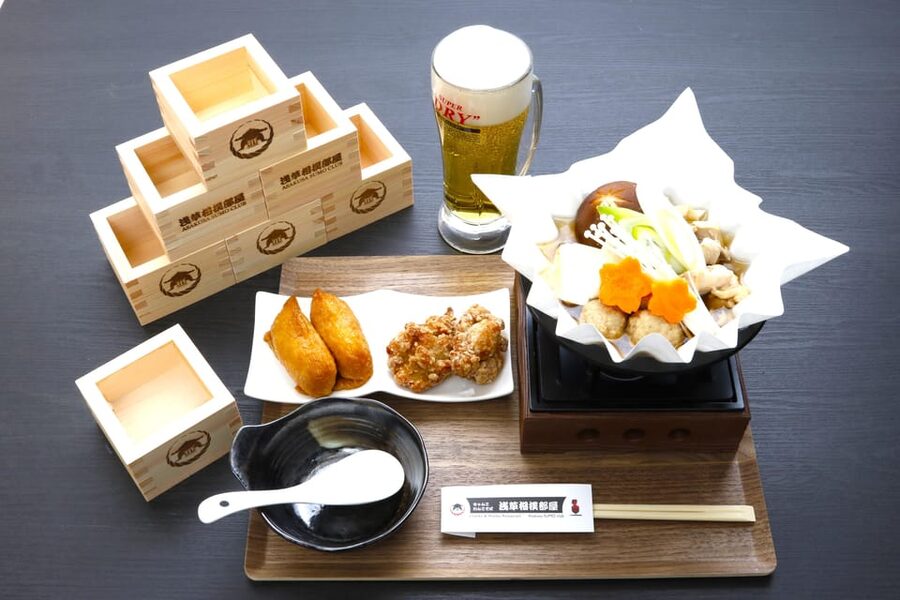
Chanko-nabe is the traditional hot pot associated with sumo wrestlers, and it is the main food attraction here. You receive an all-you-can-eat chicken hot pot along with Japanese dishes, and one drink is included.
The meal is served during the show, not as a separate restaurant visit before or afterward. That makes the two-hour format efficient. You can eat while watching the demonstrations and matches, rather than giving up another evening for dinner.
The hot pot has been a strong part of the experience for many people, and the food can be reordered through a QR code. You may order more of the whole meal or select individual items, which is handy if one dish appeals more than another.
The menu is not presented as an elaborate tasting course. It is hearty, casual food that supports an evening of entertainment. Some diners have found the selection limited, so do not book this expecting a long parade of specialty dishes. The value comes from the combination of the meal, show, drink, photo, and souvenir.
Vegetarian and vegan meals are available if requested at least two days ahead. Gluten-free and halal meals cannot be provided. You may bring your own food for those dietary needs, which is a practical option but worth planning before you arrive.
Choosing between standard, VIP, and VVIP seats
All three seating levels provide a view of the ring, but your position changes how close the action feels.
- Standard: A comfortable choice if price matters most and you mainly want to watch the full program.
- VIP: Front-row seating gives you a closer look at the wrestlers and audience challenges.
- VVIP: Premium central seats offer the most direct and unobstructed view of the dohyo.
At $103 per person, the standard ticket is not a bargain meal alone. It becomes more reasonable when you count the two-hour performance, bilingual host, geisha dance, all-you-can-eat food, one drink, printed photo, and souvenir set.
The VIP upgrade makes the most sense for a special occasion, a family member who wants to see every movement, or anyone who values proximity more than keeping the cost down. VVIP is for people who want the strongest possible view and are comfortable paying extra for position.
The exact meeting point can vary by the option you book, so check your confirmation closely. If the main venue is fully booked, a sister establishment next door may offer a separate luxury sumo show with deluxe Japanese cuisine. That is a different product, not simply a change of seats.
Souvenir photo and the end of the evening
After the performance, you receive a printed photo with the sumo wrestlers and geisha, along with a souvenir set. The contents of the set can change with the season.
This is a small but useful touch. Many dinner shows finish with applause and little to take home. Here, the photo gives you a clear record of the evening, especially if someone in your group took part in the ring challenge.
The photo is also a reason to think about group composition when booking. If you are bringing several family members, confirm how the photo arrangement will work with the staff on the day. The provided information confirms a framed photo is included, but does not specify every possible group combination.
Who will enjoy this most?
I would recommend the show to families, first-time visitors curious about sumo, and adults who want culture without a solemn lecture. It is especially good for mixed-age groups because the format shifts between explanation, food, dance, physical demonstrations, and comedy.
Children can watch the wrestlers, learn a few simple ideas about the sport, and hope to see a participant enter the ring. Older relatives can enjoy the meal and performance without needing to follow a full tournament schedule. The wheelchair-accessible venue is helpful, though accessible seating is limited and should be requested when booking.
The show is also a good fit if your Tokyo schedule does not line up with a professional sumo tournament. In two hours, you get a concentrated introduction to the sport and a meal in the same place.
I would hesitate if your main goal is to observe an active sumo stable or see serious morning practice. The organizers are clear that this is entertainment performed by retired wrestlers. For that purpose, choose a dedicated stable visit instead.
Practical details that affect your choice
The experience lasts two hours, with starting times available depending on the date. It is listed as suitable for small groups, but you may sit with other parties rather than at a private table.
Infants under one year are not suitable for the activity. Meals, seating, and souvenirs are not included for infants.
You can cancel up to 24 hours before the activity for a full refund, and the reserve-now, pay-later option can help if your Tokyo schedule is still shifting. Wheelchair-accessible seating is limited, so mention the need at the time of booking rather than assuming any seat can accommodate it.
The free drink is useful because additional drinks cost extra. If you plan to linger over beer or order several beverages, include that in your budget. The food can be reordered by QR code, which makes it easy to control what you add instead of committing to a large second serving.
Should you book the Asakusa Sumo Club show?
Book it if you want accessible, interactive sumo entertainment with a meal and a souvenir built into the price. The strongest parts are the close dohyo setting, the clear English and Japanese commentary, the funny retired wrestlers, the geisha dance, and the chance to take part in the challenge lottery.
Do not book it expecting an official tournament or a private look inside an active stable. The matches are designed for fun, and the meal is satisfying rather than a high-end Japanese dining experience.
For most first-time visitors to Tokyo, I think the package offers solid value at $103, especially for families and groups with different ages. Choose standard seats for the best overall price, VIP for a closer view, and VVIP only when the seating position is central to your plans.
FAQ
How long does the Tokyo sumo show last?
The experience lasts two hours.
How much does the experience cost?
The listed price is $103 per person.
Is the sumo show a real professional tournament?
No. The show features retired professional sumo wrestlers and is designed as family-friendly entertainment rather than a serious tournament or active morning practice.
Is English commentary available?
Yes. A moderator provides live commentary in English and Japanese.
Is food included?
Yes. The experience includes all-you-can-eat chicken chanko-nabe and Japanese dishes, plus one complimentary drink.
Can I challenge a sumo wrestler?
You can apply to enter the ring, but challenger places are limited. If there are too many applicants, participants are selected by lottery.
Are vegetarian or vegan meals available?
Yes, but they must be requested at least two days in advance.
Can the venue provide gluten-free or halal meals?
No. Gluten-free and halal meals are not available, though you may bring your own food to meet those dietary needs.
Is the experience wheelchair accessible?
Yes, but wheelchair-accessible seating is limited. You should request it when booking.
Just added for fans in Japan
- Tokyo: Grand Sumo Morning Training Tour★ 4.9 · 12 reviews
- Sumo Training Watching Experience in Tokyo★ 4.5 · 8 reviews
- Kickboxing & Body Training with EX-Pro Fighter★ 5.0 · 4 reviews
- Tokyo: Visit Sumo Morning Practice with English Guide★ 4.5 · 22 reviews
- Tokyo Sumo Experience with Live Show & Audience Challenge★ 5.0 · 38 reviews
- Tokyo Shinjuku Sumo Show and Experience with Drinks and Photo★ 4.0 · 21 reviews
- Tokyo Sumo History Tour with Chanko Nabe Lunch★ 5.0 · 3 reviews
- 【SUMO FESTIVAL】Tokyo Ginza: Sumo Show & Photo Experience★ 4.5 · 41 reviews
Sumo Experiences, compared.
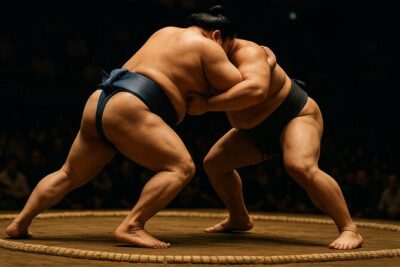
Tokyo Shinjuku Sumo Show & Experience with Photo
Read our review →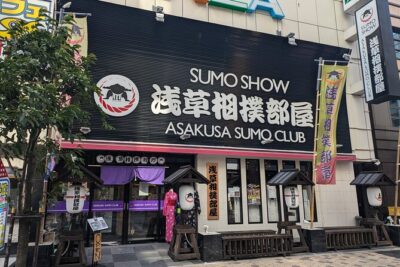
Tokyo Sumo Entertainment Show with Chicken Hot Pot and Photo
Read our review →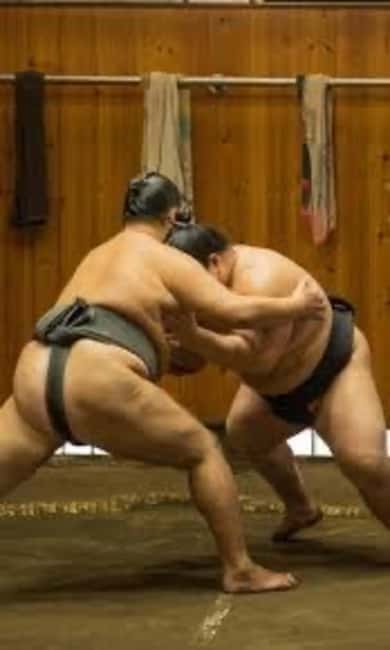
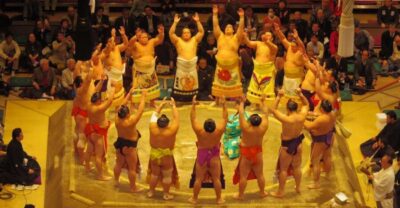
Tokyo Grand Sumo Tournament Viewing Tour with Tickets
Read our review →
Browse the lists this tour appears in