
Review · SUMO EXPERIENCES IN TOKYO
Tokyo: Sumo Show and Dining Experience
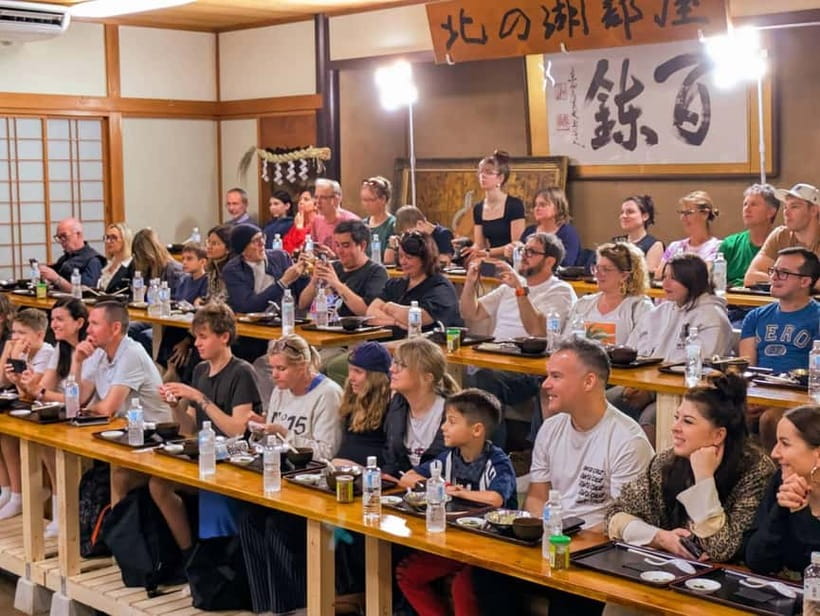
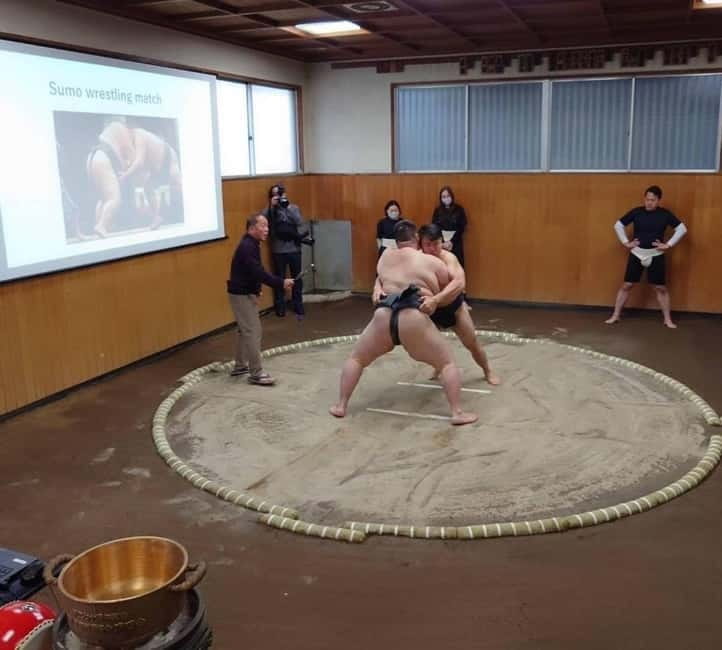
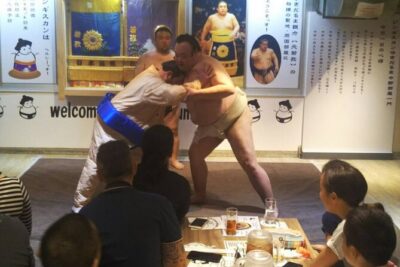
Sumo is usually watched from a distance in a huge arena. Here, you sit close enough to feel the stomp, clap, and sudden force of the bout. Former Makuuchi wrestler Tokitsumi operates Tokyo Sumo Room, where retired rikishi explain the sport, perform demonstrations, and invite willing audience members into the ring. I especially like the small-scale setting and the chance to try a few sumo moves yourself. The main thing to watch is the booking choice: meal arrangements differ by show time and option, and the 3:00 PM session has no meal plan.
I like this experience for two clear reasons. First, the English-speaking host keeps the history and rules easy to follow, with plenty of humor. Second, the food gives the evening a useful cultural focus, especially the chanko-nabe inspired dishes associated with sumo wrestlers. You should still expect a staged cultural show rather than a professional tournament, and participation is optional.
Key points at a glance
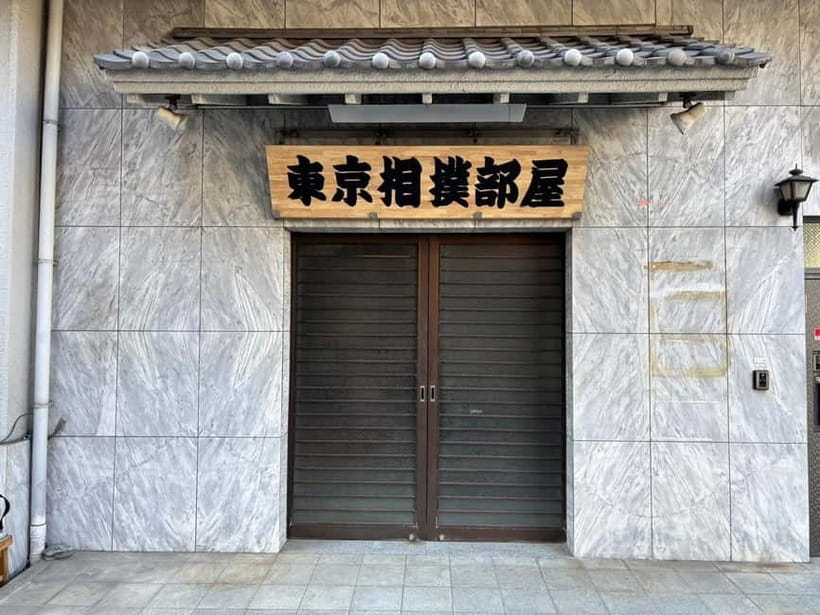
- Former Makuuchi wrestler Tokitsumi runs the venue: You are learning about sumo in a room connected to people who practiced it professionally.
- The wrestlers perform at close range: Demonstrations include training movements, practice bouts, and more formal-looking competitions.
- Audience participation is the big extra: You may be invited to enter the ring and challenge a retired wrestler in a playful match.
- Chanko-nabe adds context to the meal: The hearty hot pot connects dinner with the food traditionally associated with sumo training.
- The 11:00 AM and 7:00 PM shows can include food: The 3:00 PM show has no meal plan, so read the selected option carefully.
- The format works for families and mixed-age groups: Children, adults, solo visitors, and multigenerational parties can all take part at their own comfort level.
Why this Kiyosumi-Shirakawa sumo show feels different
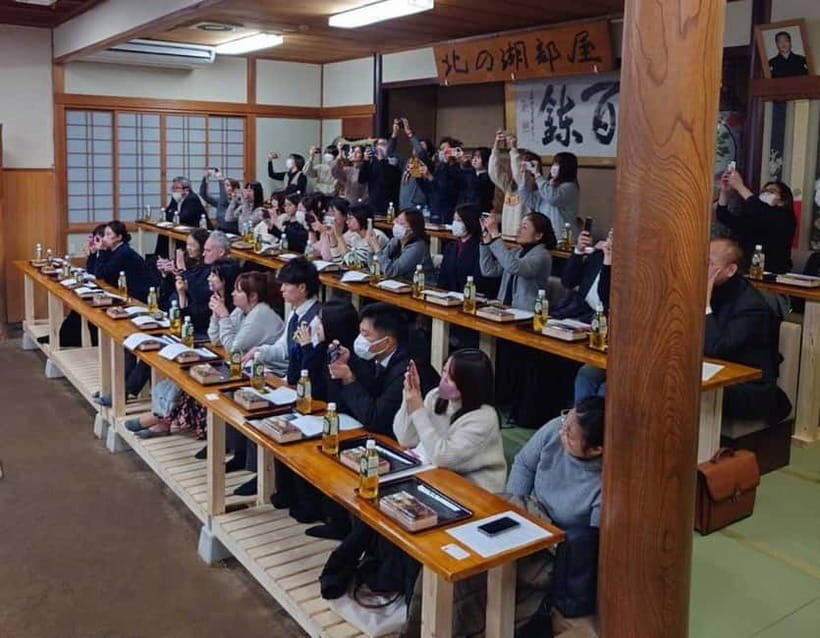
Tokyo Sumo Room is not a grand tournament and does not pretend to be one. Its appeal is access. You sit near the action, hear the explanations in English, and see how much physical effort goes into movements that can look simple on television.
The venue is in Kiyosumi-Shirakawa, an area easily reached by public transport. The setting gives the experience a more local feel than a major sightseeing venue, although you should still think of it as a purpose-built cultural performance with food rather than a working professional tournament stable.
The host introduces the history, customs, and rules before the demonstrations begin. This matters because sumo can seem opaque at first. The ceremonial gestures, ring etiquette, training exercises, and short bouts make more sense once someone explains what you are seeing.
I appreciate the balance between information and comedy. The presentation is not a lecture that asks you to sit quietly for two hours. The host uses humor, the wrestlers play with the audience, and the pace keeps moving. That makes it a good first encounter with sumo, especially if nobody in your group follows the sport.
More Sumo Experiences in Tokyo
- the SUMO show
★ 5.0 · 1,960 reviews - Tokyo Shinjuku Sumo Show & Experience with Photo
★ 5.0 · 1,750 reviews - Tokyo: Sumo Show and Experience in Shinjuku
★ 4.8 · 1,001 reviews
What happens during the 90-minute to two-hour visit
The exact running order can vary, but you can expect a compact program built around explanation, demonstration, food on selected bookings, and audience involvement.
1. An English introduction to sumo
The opening talk provides a short account of sumo’s origins and traditions, then explains basic rules and customs. You learn enough to understand what makes a bout legal, how wrestlers prepare, and why the ring matters.
The English instruction is one of the practical strengths here. You do not need prior knowledge of Japanese or sumo. The host also answers questions, which helps if you want more than a fixed speech.
This part is especially useful for families. Children can grasp the basic idea quickly, while adults get a little more context about the discipline and daily work behind the sport. The tone stays light, so it does not feel like school after a long day of sightseeing.
2. Training movements and demonstrations
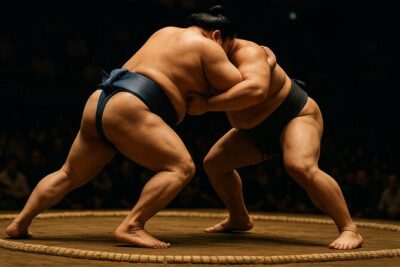
The wrestlers then show some of the exercises and techniques connected with sumo. You see the force behind the sport at close range, not just the final push that sends one wrestler outside the ring.
The demonstrations also show why sumo is such a demanding form of athletics. The wrestlers appear powerful and highly trained, but the presentation keeps the focus on skill, timing, balance, and technique rather than simple size.
Several sessions have featured two retired wrestlers, while others have included three. The number can vary, so do not book expecting a fixed cast. What remains consistent is the close view and the chance to see former rikishi work with one another.
Same city, a different fixture:
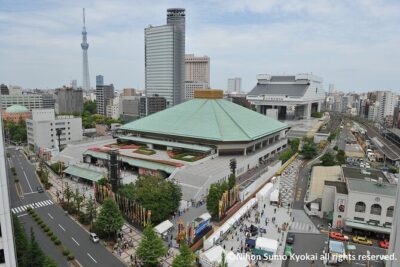
- Tokyo Grand Sumo Tournament Viewing Tour with Tickets
★ 5.0 · 692 reviews - Tokyo Sumo Wrestling Tournament Experience
★ 5.0 · 660 reviews - Tokyo:Luxury Sumo Show Experience & Japanese cuisine & Drink
★ 4.7 · 577 reviews - Tokyo: Sumo Morning Practice Viewing Tour
★ 4.8 · 570 reviews
3. Short bouts and playful competition
The demonstrations lead into a series of matches or competitions. The format is designed for entertainment, with jokes and interaction between the wrestlers and the host.
This is the moment when the show feels most like a live performance. The wrestlers are not competing in an official tournament, but they still show real strength and control. You get a sense of how quickly a sumo bout can change.
The short format works well. A full tournament match can be over in seconds, and a long series of bouts would become repetitive. Here, the explanations and humor fill out the experience without making the sumo feel like a side attraction.
4. A chance to enter the ring
Audience participation is optional, but it is the part I would encourage if you are physically comfortable. You may be taught a few basic movements and then face one of the retired wrestlers in a playful challenge.
Do not mistake this for an even contest. A retired sumo wrestler is far stronger than most visitors, and the point is the comic mismatch. You can try a push, test your balance, or simply enjoy the spectacle while the wrestler controls the pace.
Several family groups have found this especially memorable, and solo visitors have also been welcomed into the activity. You do not need to bring a team or arrive with a large party. If you prefer to watch, you can enjoy the action from your seat.
Wear comfortable shoes and clothing that lets you move. The supplied guidance specifically recommends comfortable footwear. You should also bring a camera, although you may want someone in your group to handle it while you participate.
Chanko-nabe and the food option
The meal helps explain another part of sumo culture. Chanko-nabe is a hearty hot pot traditionally associated with wrestlers, and the menu includes dishes inspired by that style of cooking.
The food is not merely a snack placed beside a show. It gives you a way to connect the talk about sumo with everyday life around the sport. Expect substantial Japanese cooking, seasonal items, and hot pot elements rather than a light tasting menu.
Several bookings have included generous servings, with the option of additional helpings mentioned for some meals. Sake is also available with the meal, though personal drinks are not part of the base activity unless stated in your selected option.
Vegetarian food can be requested in advance and can also be modified on the day. If you have a strict dietary need, I would still state it clearly before arrival. The available information confirms vegetarian adjustments, but it does not promise that every dietary restriction can be handled.
Pay close attention when booking. The 11:00 AM and 7:00 PM shows offer meal selections, while the 3:00 PM show has no meal plan. The activity details use separate meal options, and one booking description can be easy to misread, so check whether dinner is actually included in the exact option you choose.
Is the $79 price good value?
At $79 per person, the experience is not the cheapest way to spend an hour and a half in Tokyo. It can be good value if you want several things in one booking: an English explanation, live sumo demonstrations, optional participation, and Japanese food on the appropriate show.
The price makes more sense for a family or small group that will take part. You are not paying only for a meal or only for a performance. You are paying for access to a guided cultural activity with former wrestlers, a setting where you can ask questions, and the chance to step into the ring.
For a serious sumo fan, this is not a substitute for buying a ticket to a major tournament. You will not be watching official bouts between current top-ranked wrestlers. For a first-time visitor, though, the smaller format may be more useful because the rules and customs are explained in plain English.
The meal also affects the value. If you want dinner, select the 7:00 PM meal option and confirm exactly what is included. If you choose the 3:00 PM show, compare the price with your other afternoon plans because you are paying for the sumo program without a meal.
The group size and atmosphere
The room can accommodate more than a small party, but some sessions are notably intimate. One evening had only eight people, with space for more than 20. That variation matters.
A smaller group gives you a better chance of asking questions and being noticed when participation begins. A fuller session may create more energy and laughter, but you may spend more time watching other people enter the ring.
The style is friendly and informal. The wrestlers joke with each other and with the audience, and the staff make an effort to welcome solo visitors and families. Birthday celebrations have also been handled warmly.
That relaxed tone is a strength, but it also sets expectations. This is not a solemn religious ceremony or a formal museum demonstration. It is a lively cultural show built around real sumo experience. If you want quiet observation, sit back and watch. If you enjoy being part of the joke, volunteer for the ring.
Who should book this experience?
I would recommend Tokyo Sumo Room to several types of visitors:
- First-time sumo spectators: The English explanation gives you enough background to follow the demonstrations.
- Families with older children: The mix of food, movement, humor, and participation keeps the evening active.
- Solo visitors: The staff make an effort to include people who arrive alone.
- Visitors with limited time: A 90-minute to two-hour program fits neatly into a Tokyo itinerary.
- People who want a meal with their activity: The selected 11:00 AM and 7:00 PM options combine both.
- Visitors who dislike large, impersonal shows: The room can feel close and personal, particularly with a small group.
I would be more cautious if you expect an official professional match, a quiet historical talk, or a guaranteed full dinner at every show time. The format is participatory and playful, and the 3:00 PM booking does not include a meal plan.
The venue is wheelchair accessible, which makes it easier for more people to consider. Still, entering the ring is optional, and you can enjoy the program from your seat if movement is difficult or simply not your thing.
Practical tips for making the most of it
Book ahead, especially if you want the evening meal or a particular starting time. The activity is popular, and the smaller room means space is not unlimited.
Check the show time and meal selection twice. The 3:00 PM session has no meal plan, while food is available with selected 11:00 AM and 7:00 PM options. Do not assume that a show title containing the word dinner automatically means dinner is included.
Arrive ready to listen and participate. The host may invite people into the ring, but nobody has to wrestle. If you volunteer, follow the instructions and remember that the wrestler is controlling the activity.
Bring a camera, but protect your phone during the action. Some staff have helped record participation for visitors, but you should not depend on that unless the staff offers it on the day.
Kiyosumi-Shirakawa is easy to reach by public transport, but transportation to and from the venue is not included. Plan your route before the show so you are not rushing across Tokyo at the start time.
Smoking is not allowed indoors. Comfortable shoes are recommended, particularly if you plan to join the practice or challenge.
My verdict: book it if you want to meet sumo up close
Tokyo Sumo Room gives you a lively, accessible introduction to sumo without requiring you to understand the sport beforehand. The best parts are the English explanation, the close demonstrations by former wrestlers, and the chance to test your courage in the ring.
At $79, I see the strongest value in the meal-inclusive evening option, particularly for families and visitors who want one activity to cover dinner, entertainment, and cultural context. The 3:00 PM show can still be worthwhile, but compare what you receive because it has no meal plan.
Book this if you want to laugh, learn, and take part. Skip it if you are looking for an official tournament or a purely formal cultural presentation. For most first-time visitors, it offers a memorable and unusually direct way to understand why sumo is far more than two large men pushing each other.
FAQ
Where is Tokyo Sumo Room located?
Tokyo Sumo Room is in Kiyosumi-Shirakawa in Tokyo, on Honshu. The venue is accessible by public transport.
How long does the sumo experience last?
The activity lasts about 90 minutes to two hours, depending on the session.
How much does the experience cost?
The listed price is $79 per person.
Is the show given in English?
Yes. The instructor and presentation are available in English.
Is Japanese food included?
Japanese cuisine is included when you select a meal option for the 11:00 AM or 7:00 PM show. The 3:00 PM show has no meal plan.
What kind of food is served?
The menu includes Japanese cuisine, seasonal dishes, and food inspired by chanko-nabe, the hot pot traditionally associated with sumo wrestlers.
Can I request vegetarian food?
Yes. Vegetarian options are available on request and can also be modified on the day of your visit.
Can I wrestle with the sumo performers?
Audience members may have the chance to participate in sumo practice and playful challenges with the wrestlers. Participation is optional.
Is the venue wheelchair accessible?
Yes. Tokyo Sumo Room is wheelchair accessible.
More Dining Experiences in Tokyo
- Glasgow: Celtic Park Number 7 Restaurant
★ 4.1 · 28 reviews - Lucha Libre-Wrestling FiestaExper Taco Dinner Beer ONLY SUNDAYS
★ 5.0 · 17 reviews - Seoul: Watching Sports Match & Local Food Experience
★ 4.8 · 17 reviews - Sports Match in Seoul with Guided K-Food Experience
★ 5.0 · 4 reviews
More Dinner Experiences in Tokyo
- the SUMO show with Dinner
★ 5.0 · 38 reviews - Glasgow: Celtic Park Stadium Tour and Dining Experience
★ 4.9 · 1,221 reviews - Seoul: Jamsil Baseball Stadium Game Ticket with Dinner& Beer
★ 4.8 · 248 reviews - Seoul: Baseball Game Ticket with Dinner/Beer with the host
★ 5.0 · 94 reviews
Just added for fans in Tokyo
- Tokyo: Grand Sumo Morning Training Tour★ 4.9 · 12 reviews
- Sumo Training Watching Experience in Tokyo★ 4.5 · 8 reviews
- Kickboxing & Body Training with EX-Pro Fighter★ 5.0 · 4 reviews
- Tokyo: Visit Sumo Morning Practice with English Guide★ 4.5 · 22 reviews
- Tokyo Sumo Experience with Live Show & Audience Challenge★ 5.0 · 38 reviews
- Tokyo Shinjuku Sumo Show and Experience with Drinks and Photo★ 4.0 · 21 reviews
- Tokyo Sumo History Tour with Chanko Nabe Lunch★ 5.0 · 3 reviews
- 【SUMO FESTIVAL】Tokyo Ginza: Sumo Show & Photo Experience★ 4.5 · 41 reviews
Sumo Experiences in Tokyo, compared.
Tokyo Shinjuku Sumo Show & Experience with Photo
Read our review →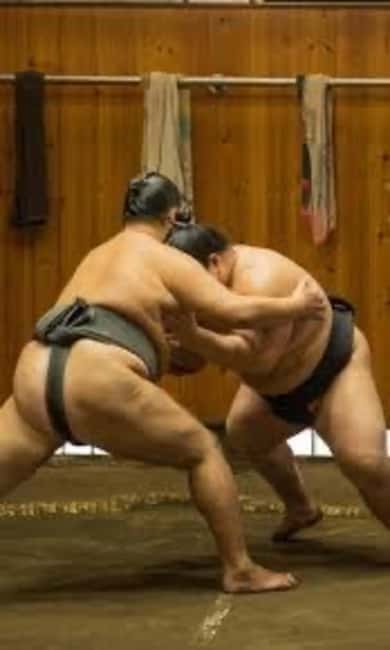
Tokyo Grand Sumo Tournament Viewing Tour with Tickets
Read our review →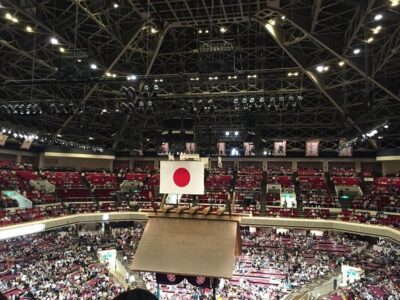
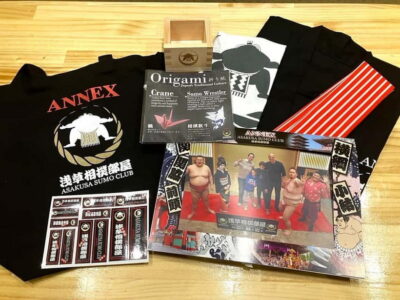
Luxury Sumo Show Experience & Japanese cuisine & Drink
Read our review →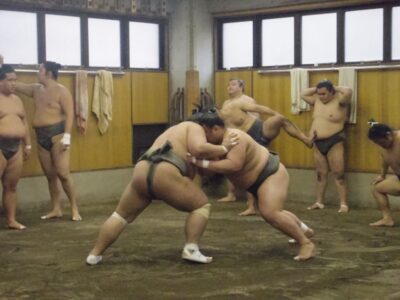
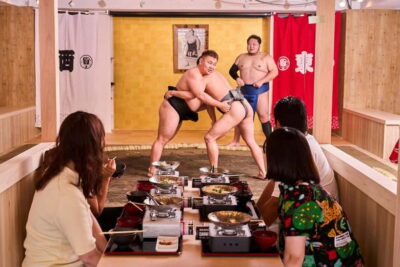
Tokyo Sumo Experience: Chanko & Mochi with a Former Pro
Read our review →Browse the lists this tour appears in