
Review · SUMO EXPERIENCES IN TOKYO
Tokyo: Sumo Morning Practice Viewing Tour
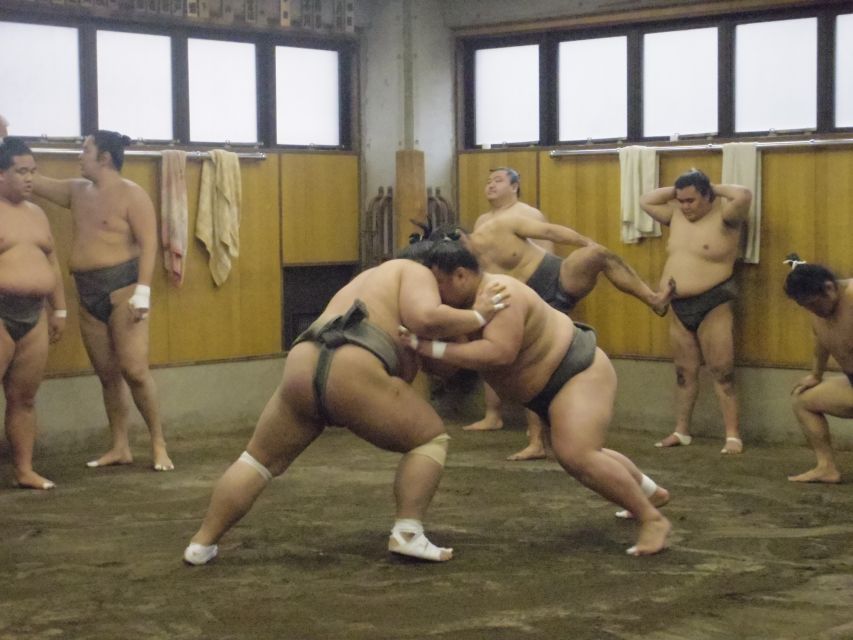
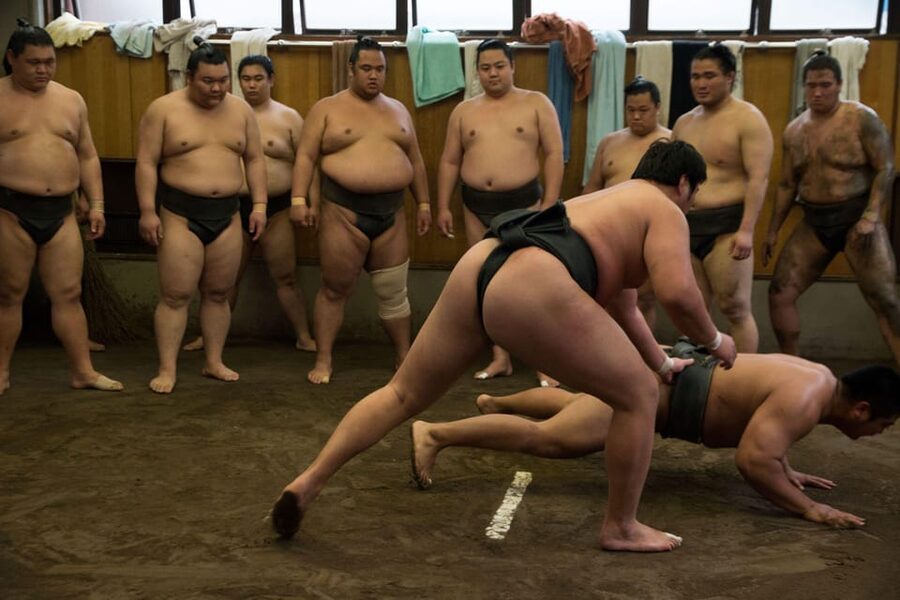
Walking into a real sumo stable is the heart of this Tokyo experience. You sit close to the wrestlers as they stretch, practice drills, and collide with startling force. This is not a staged dinner show. It is a working training session, held in the early morning while the athletes prepare for tournaments.
I like the intimate setting and the careful explanations from guides such as Yuko, Noriko, Mako, and Oku San. I also like that you learn to read what you are seeing, from ritual movements to technical bouts. The main consideration is simple: you must stay quiet, still, and until the end, so this suits patient adults more than restless children.
Key points to know before you book
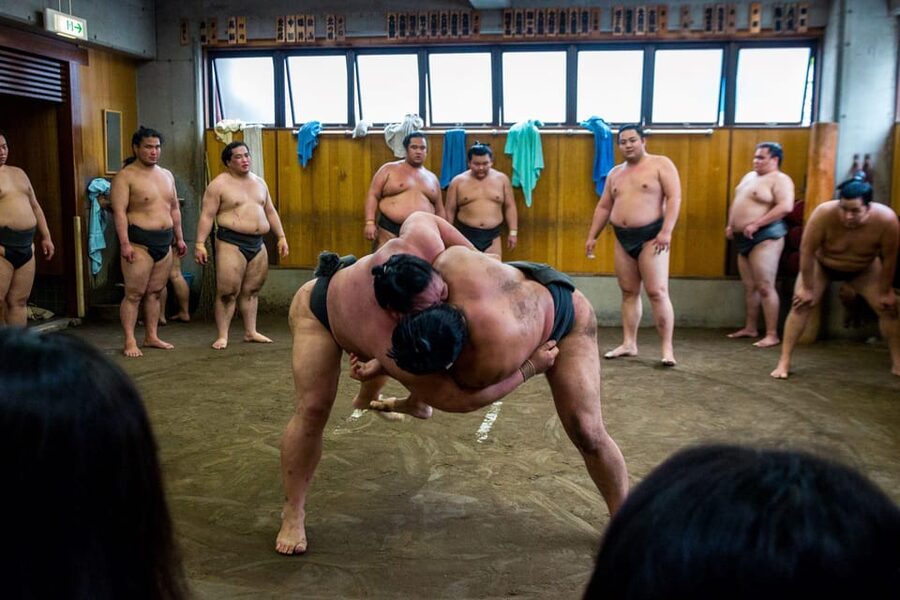
- Watch from only a few feet away: The small stable setting gives you a far closer view than an arena seat.
- Training is serious work: Expect stretching, repeated drills, practice bouts, and powerful collisions, not a polished tourist performance.
- Silence matters: You cannot talk freely, stand up, move around, record video, or use flash photography during practice.
- Ryogoku is sumo country: The stable is in Tokyo’s famous sumo district, near the National Sumo Arena and other stables.
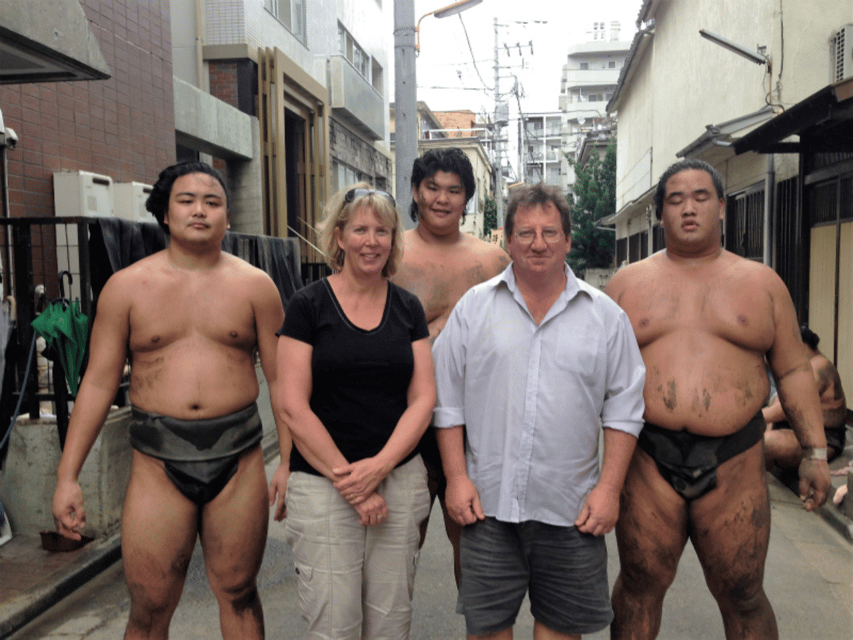
- Photos may be possible afterward: Pictures with wrestlers depend on the day and the stable’s schedule.
- Plan your morning carefully: Training generally ends around 9:00 to 10:00 AM, and you cannot leave and re-enter.
Why a morning stable visit feels different from a tournament
A sumo tournament gives you the drama of official bouts, a packed arena, and a clear winner every few minutes. This morning visit gives you the part most visitors never see: the daily work behind those short matches.
Sumo wrestlers, known as rikishi, train together in a stable where they also live and follow a strict shared routine. The practice can include warmups, flexibility work, footwork, pushing drills, and live bouts. Some exchanges end almost at once. Others become long, grinding tests of balance and strength.
From close range, the sport makes more sense. Sumo is not simply two large men pushing each other. A wrestler can win by forcing an opponent out of the ring or making any part of his body, other than the soles of his feet, touch the ground. Position, timing, footwork, leverage, and discipline matter.
The guide gives you the basic rules and cultural background before the group enters the stable. During practice, talking is limited, so guides may use quiet notes or explanation cards. This is useful. You can follow the action without turning the session into a lecture.
The experience also gives you a better introduction if you plan to attend a tournament later. After seeing how hard the wrestlers train, the brief bouts at Ryogoku Arena carry more weight. You begin to notice the setup, the footwork, the stare-down, and the small technical choices that are easy to miss from a distant seat.
More Sumo Experiences in Tokyo
- Tokyo: Sumo Show and Dining Experience
★ 4.8 · 2,742 reviews - the SUMO show
★ 5.0 · 1,960 reviews - Tokyo Shinjuku Sumo Show & Experience with Photo
★ 5.0 · 1,750 reviews
Meeting in Ryogoku and reaching the stable
The meeting point can vary by the option you book. After the group gathers, you may take a train to the stable, followed by a walk. The exact route is not the main attraction, but it puts you in Ryogoku, Tokyo’s traditional sumo district.
Arrive early. One person found the meeting place hard to identify, and a clear landmark or extra time can save you a rushed start. Arriving early can also help with seating. Groups are seated according to arrival, and the first group may get the front row.
The walk itself can add useful context. Guides such as Noriko have pointed out nearby sumo sites and explained the character of the neighborhood. You may pass other stables on the way, and the National Sumo Arena is less than a ten-minute walk from one of the stable locations described by participants.
Do not assume the end point will be the same as the meeting point. The stable’s schedule and location can affect where the tour finishes. This is worth remembering if you have a tight morning plan or a reserved lunch immediately afterward.
Entering a working sumo stable
The stable is not a museum or theater. It is a place where wrestlers train, eat, sleep, and prepare for six major tournaments each year. Access has traditionally been limited, often to sponsors and people with a connection to the stable, which makes this visit unusual even by Japanese standards.
That access also brings responsibility. You are entering someone’s workplace, not a set built for visitors. Dress modestly, silence your phone, and follow the guide’s instructions without fuss.
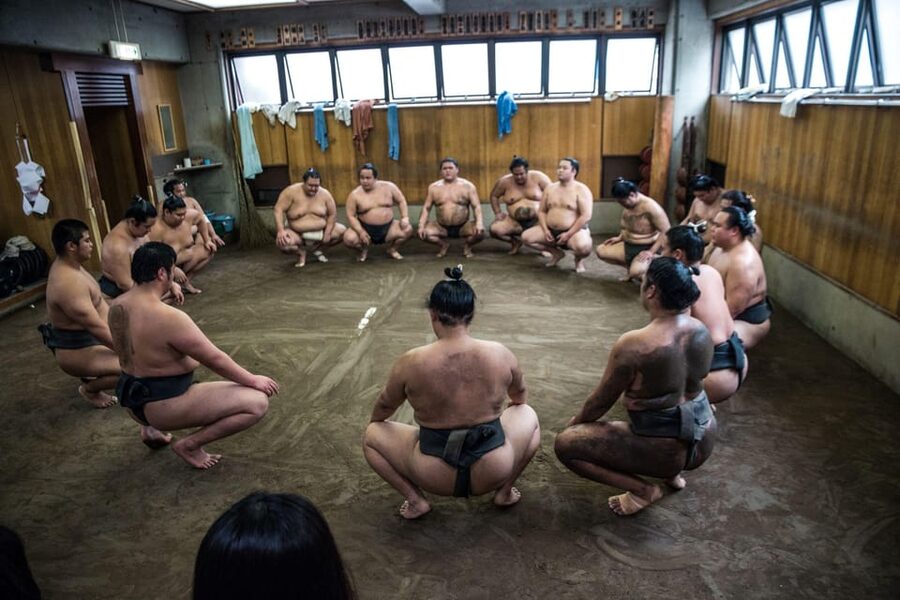
You will sit for the practice and should expect close quarters. Depending on the day and the group, there may be only a few seats or a larger group of around 30 people. The front row offers the clearest view, but even a seat farther back can provide a strong sense of the action because the room is small.
The stable master or coach may be present, and a question-and-answer session may be possible after training. This is not guaranteed in the same form every day, but some sessions have included direct questions about the sport and the wrestlers’ lives.
What the 60 to 90 minute practice includes
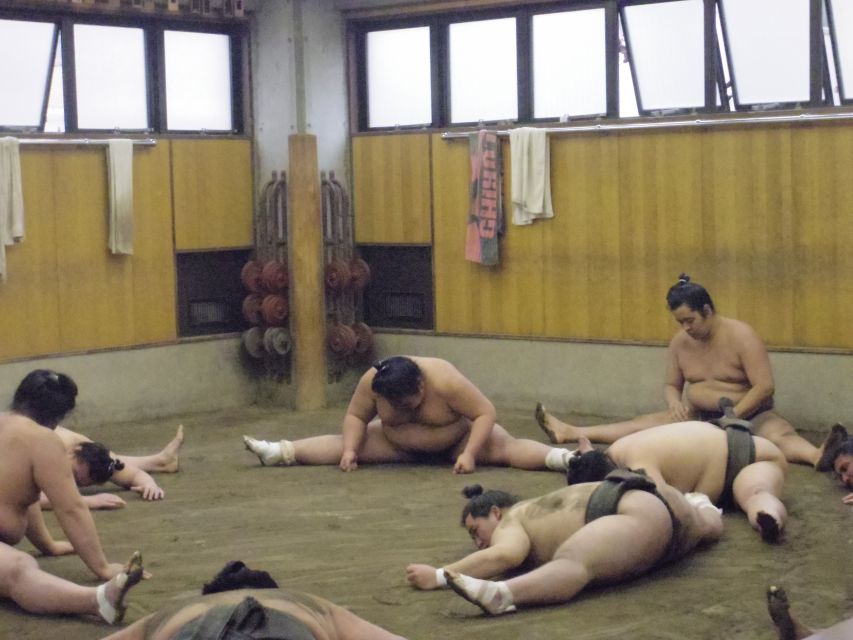
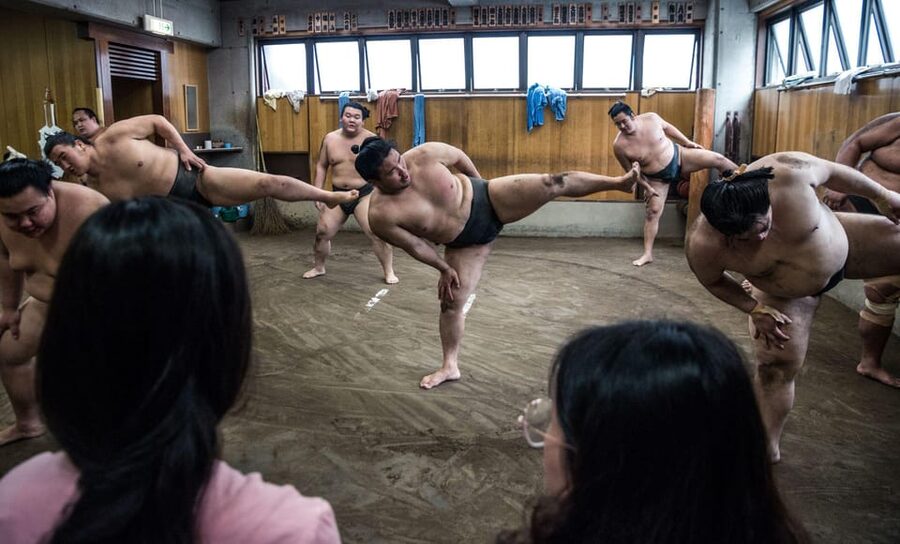
The training begins with preparation rather than instant competition. You might see stretching, warmups, repeated exercises, and traditional drills before the live bouts begin. The routine can look repetitive at first, but that repetition is the point. Sumo rewards exact movement and constant control.
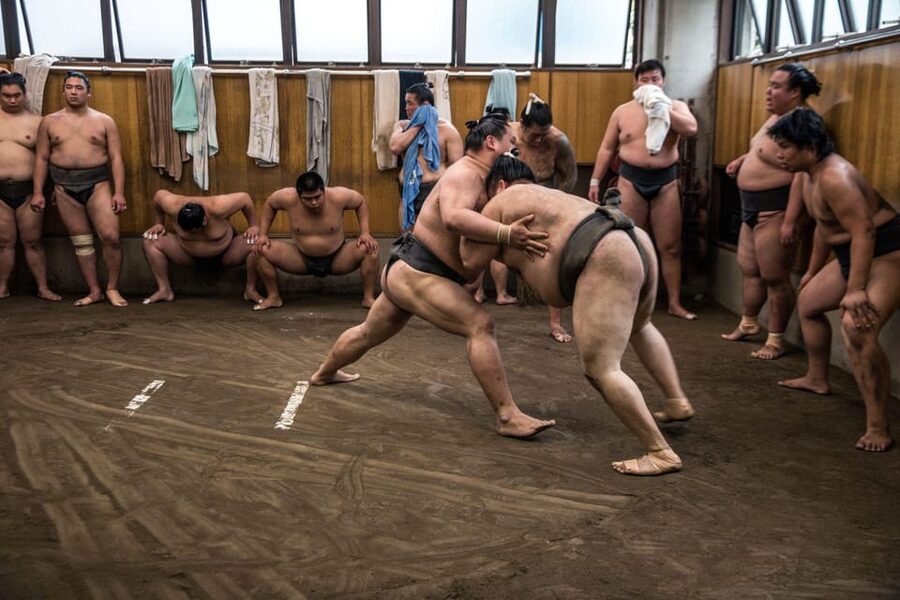
The wrestlers train with real effort. One of the most memorable features is the sound of the collisions. The impact is louder and more physical than many people expect from television. Practice bouts can finish in seconds, yet the force behind them is obvious.
The guide helps you understand what matters. You may receive printed notes or written explanations, and the guide may quietly point out wrestlers by name. During especially loud clashes, it can be difficult to hear spoken commentary, so written information is a real advantage.
You must remain silent during the practice. Do not stand, shift around unnecessarily, or move toward the wrestlers for a better photograph. Flash photography and video recording are not allowed. The no-video rule may disappoint you, but it also keeps phones from taking over a rare and respectful moment.
The session usually lasts 60 to 90 minutes, but the length can change. You are expected to stay until practice ends, normally around 9:00 to 10:00 AM. The precise finish depends on the stable’s schedule, so avoid booking a rushed appointment right afterward.
Same city, a different fixture:
- Tokyo: Sumo Show and Experience in Shinjuku
★ 4.8 · 1,001 reviews - Tokyo Grand Sumo Tournament Viewing Tour with Tickets
★ 5.0 · 692 reviews - Tokyo Sumo Wrestling Tournament Experience
★ 5.0 · 660 reviews - Tokyo:Luxury Sumo Show Experience & Japanese cuisine & Drink
★ 4.7 · 577 reviews
The guides make the difference
The stable provides the access, but the guide determines how much you understand. English-speaking guides have included Yuko, Yoko, Noriko, Mako, Taku, Kaz, Tad, Daigo, and Oku San. Their approach can vary, but the strongest guides do three things well: explain the rules before you enter, make sure the group behaves properly, and add quiet context while the wrestlers work.
Yuko has been praised for providing clear audio explanations and passing notes during practice. Noriko has explained the history of sumo and the surrounding neighborhood. Oku San has helped groups stay together on the route and made the rules clear before entering.
That preparation matters because the stable itself is quiet. You do not want to spend the first half hour wondering what a drill means or when you may take a photograph. A good briefing lets you watch with purpose.
Guides can also help you appreciate the human side of the sport. You may learn about the wrestlers’ long-term goal of reaching the highest ranks, the demands of living together, and the customs tied to sumo’s Shinto roots. The best explanations add meaning without drowning out the practice.
Photos and contact with the wrestlers
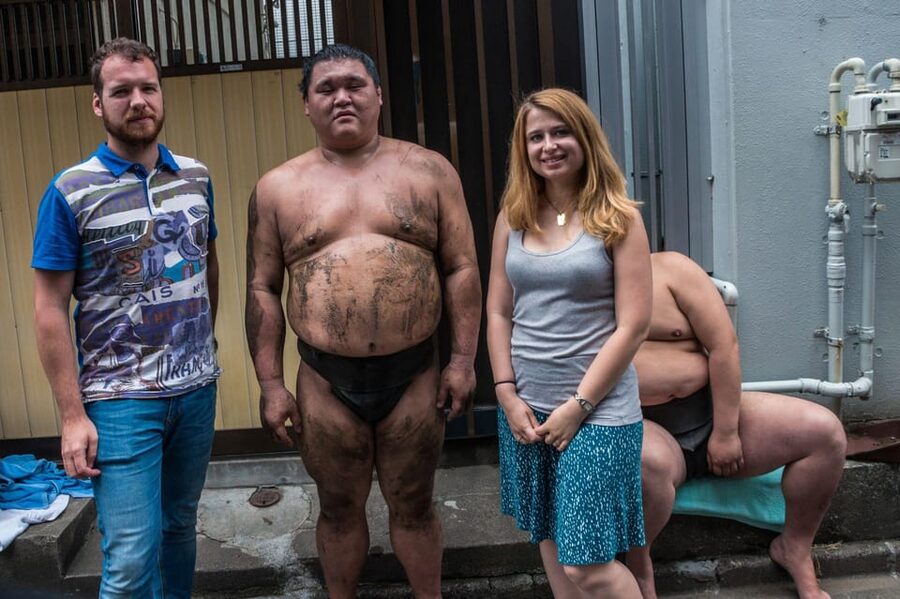
A photo with wrestlers may be available after training, but it depends on the day. Treat it as a welcome extra, not the main reason to book. The stable’s schedule and the wrestlers’ obligations come first.
When photographs are allowed, they can provide a memorable close to the visit. Some sessions have included pictures with two or more wrestlers. You may also have the chance to speak briefly with wrestlers or ask questions through the guide.
Do not expect a long meet-and-greet. These are working athletes, and the visit remains centered on their training. If photographs are not possible, the close view of practice is still the main value of the experience.
Keep your camera ready but discreet. Flash is forbidden, and video recording is not allowed. Your phone should be silent before you enter. The rules are not minor technicalities. They protect the concentration of the wrestlers and the calm of the stable.
The value of an $81 ticket
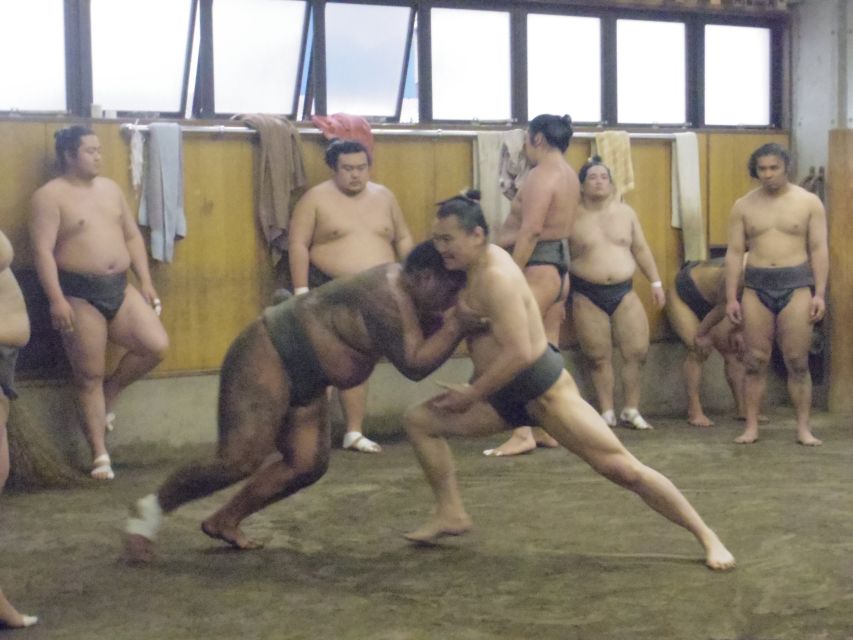
At $81 per person, this is not a cheap way to fill an hour in Tokyo. The price needs to be measured against access. A regular tourist can easily visit a sumo-themed restaurant or watch a public demonstration, but entering an actual stable for a full training session is much less common.
You are paying for the guide, translation, local coordination, and the chance to observe a working practice from close range. The guide also helps you reach the stable, understand the customs, and avoid making an accidental mistake in a place where manners matter.
The value is strongest if you are curious about how sumo works, not just interested in taking a quick photograph. You get time to see the repeated drills, the wrestlers’ concentration, and the way the stable master oversees the session. That fuller view is hard to get from a tournament seat.
The price may feel high if you want a short, flexible attraction or if you mainly want to watch a formal bout. A tournament ticket gives you competition, atmosphere, and many wrestlers in one venue. This experience gives you access and understanding instead.
For a sumo fan, the cost can be easy to justify. For someone who knows little about the sport, the guide’s explanation helps make it worthwhile, provided you are ready to sit quietly and give the practice your full attention.
Who should book this experience
I would recommend it most strongly to adults who enjoy traditional sports, martial arts, Japanese customs, or behind-the-scenes access. You do not need to know the rules in advance. The guide covers the basics, and the practice itself makes the physical demands clear.
It is also a good choice if you cannot attend one of Tokyo’s six annual tournaments. A morning session will not replace a tournament, but it gives you a close look at the athletes and their preparation.
The experience is not suitable for children under 11. It is also not suitable for people with mobility impairments. Even for able-bodied visitors, sitting on the floor for a long period can be uncomfortable, so think honestly about your comfort and patience.
This is a poor match if you need to leave early, dislike silence, or want to record everything. Once you leave the stable, re-entry is not allowed. You need to commit to the full session.
Simple ways to enjoy the visit more
Wear modest clothing and arrive early. Early arrival may improve your seating position, especially when several groups attend the same session.
Eat and drink before you enter. Food and drinks are not allowed inside, and you will not want to interrupt the practice. Remove hats and sunglasses as well.
Put your phone on silent before the group enters. Keep your belongings tidy, stay seated, and avoid movement during bouts. These small choices help preserve the stable’s working atmosphere.
If you have a timed plan afterward, leave room for delay. The practice can finish a little earlier or later than expected, and the final location may differ from the meeting point.
Afterward, Ryogoku makes it easy to continue with sumo-related sightseeing. You can visit the area around the National Sumo Arena or look for a restaurant serving chanko-nabe, the hearty stew associated with sumo stables. The tour information specifically notes that sumo meal restaurants are easy to reach after the visit.
Should you book the Tokyo sumo morning practice tour?
Book it if you want real training rather than a staged show, and if you can give 90 minutes to two hours of quiet attention. The close seating, serious practice, and guide support make this one of Tokyo’s better ways to understand sumo outside tournament season.
Skip it if your schedule is tight, you need a flexible morning, or you want guaranteed photos and video. The photo opportunity depends on the day, and the rules are strict.
For most adults with an interest in Japanese culture, the access is worth the $81. You will see the work behind the spectacle, hear the impact of the bouts at close range, and leave Ryogoku with a much clearer idea of why sumo demands such discipline.
FAQ
How long does the sumo morning practice tour last?
The experience lasts about 90 minutes to two hours. The practice itself usually continues for 60 to 90 minutes, and the exact length can change depending on the stable’s schedule.
What time does the practice usually finish?
You must stay until the end, which is generally around 9:00 to 10:00 AM. Starting times vary, so check availability for the date you want.
Can I take a photo with the sumo wrestlers?
Photos with wrestlers may be available after practice, but this depends on the day. It is not guaranteed.
Can I record video inside the stable?
No. Video recording and flash photography are not allowed. You should also keep your phone on silent.
Can I leave early and come back?
No. Once you leave the stable, re-entry is not allowed. Plan to remain until the practice ends.
Is the tour suitable for children?
The experience is not suitable for children under 11. Everyone must remain quiet and still during practice, so it is best for older children and adults who can follow those rules.
Is transportation included after meeting the guide?
After meeting, the group may take a train to the sumo stable. The meeting point can vary by the option booked, and the ending location may differ from the meeting place.
Just added for fans in Tokyo
- Tokyo: Grand Sumo Morning Training Tour★ 4.9 · 12 reviews
- Sumo Training Watching Experience in Tokyo★ 4.5 · 8 reviews
- Kickboxing & Body Training with EX-Pro Fighter★ 5.0 · 4 reviews
- Tokyo: Visit Sumo Morning Practice with English Guide★ 4.5 · 22 reviews
- Tokyo Sumo Experience with Live Show & Audience Challenge★ 5.0 · 38 reviews
- Tokyo Shinjuku Sumo Show and Experience with Drinks and Photo★ 4.0 · 21 reviews
- Tokyo Sumo History Tour with Chanko Nabe Lunch★ 5.0 · 3 reviews
- 【SUMO FESTIVAL】Tokyo Ginza: Sumo Show & Photo Experience★ 4.5 · 41 reviews
Sumo Experiences in Tokyo, compared.
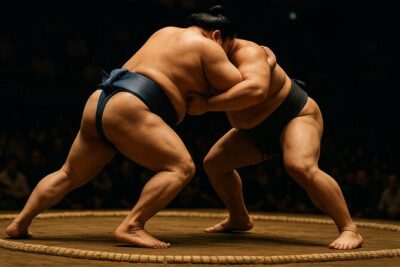
Tokyo Shinjuku Sumo Show & Experience with Photo
Read our review →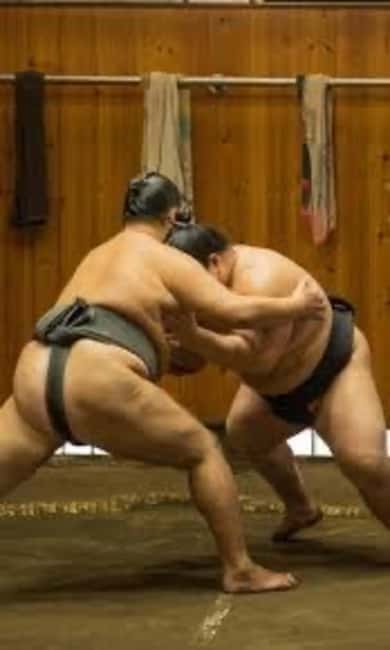
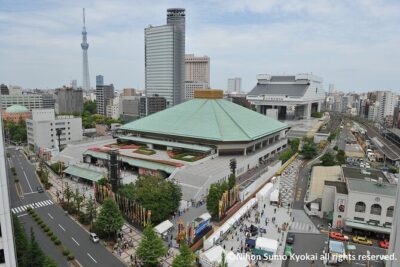
Tokyo Grand Sumo Tournament Viewing Tour with Tickets
Read our review →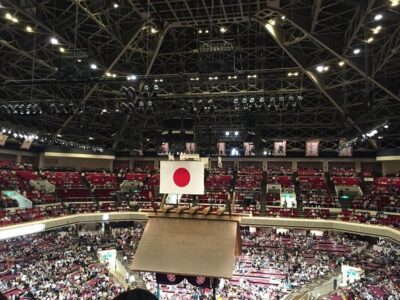

Luxury Sumo Show Experience & Japanese cuisine & Drink
Read our review →
Tokyo Sumo Experience: Chanko & Mochi with a Former Pro
Read our review →Browse the lists this tour appears in