
Review · SUMO EXPERIENCES IN TOKYO
Tokyo Shinjuku Sumo Show & Experience with Photo
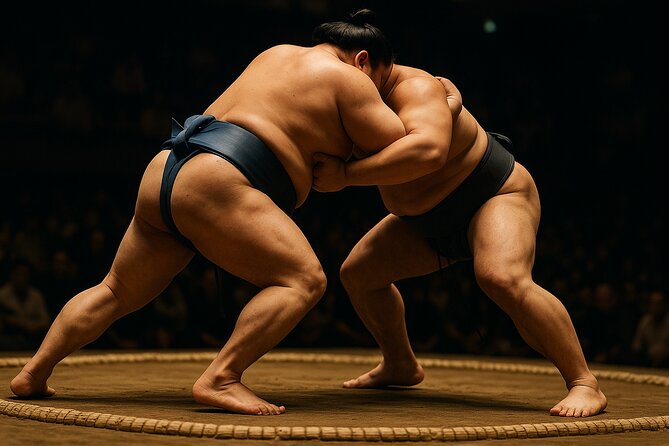
The best part of this Shinjuku experience is the close look at sumo beyond the big clash. You learn why wrestlers throw salt, stomp the ring, and perform each slow pre-match ritual before seeing their strength and speed up close. I like the bilingual explanations and the chance to step onto the dohyō for a friendly challenge. I also like that the wrestlers answer questions and play to the crowd.
The main thing to keep clear is the format. This is an entertaining cultural show, not a live professional tournament. If you want serious competition between active rikishi, book a tournament instead. If you want a welcoming, funny introduction to sumo, the 90-minute length and $79.59 price make this a reasonable Tokyo activity.
Key Points Before You Book
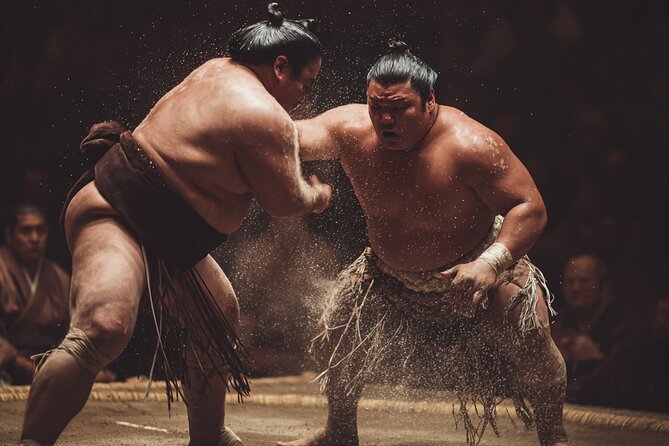
- Live sumo demonstrations: Two wrestlers perform matches, rituals, and techniques in a traditional-style Shinjuku venue.
- Bilingual MC: Hosts such as Shane, Manny, and Mr. So explain the rules, customs, and movements in an easygoing way.
- Audience participation: You may get to challenge a wrestler, ask questions, or watch children take part in inflatable sumo suits.
- Photo opportunity: The experience includes time for photographs with the wrestlers.
- Family-friendly format: The humor, simple explanations, and audience games work well for children and first-time visitors.
- Good central location: The venue is in Shinjuku and easy to reach by train, but allow extra time because Tokyo traffic can slow you down.
A First Look at Sumo in Shinjuku
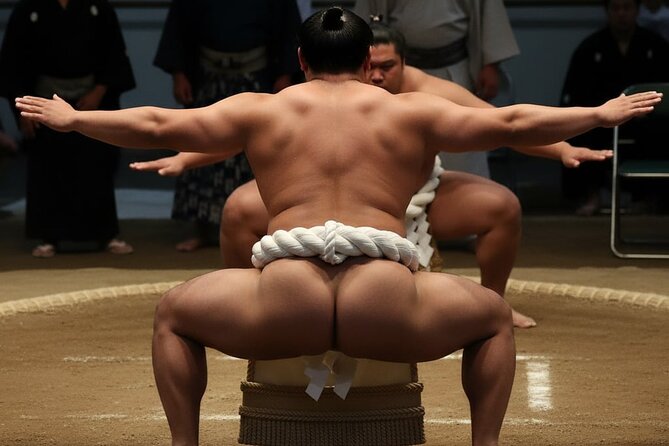
Sumo can seem mysterious if you have only seen a few seconds of it on television. The wrestlers face one another, perform a series of formal movements, and then the action is over almost before you have adjusted your camera. This show slows things down and gives you the meaning behind what you are seeing.
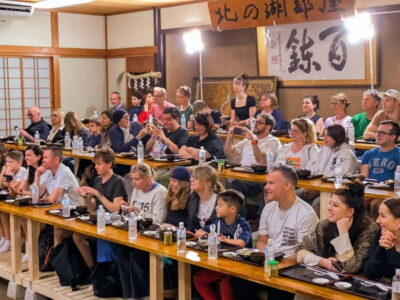
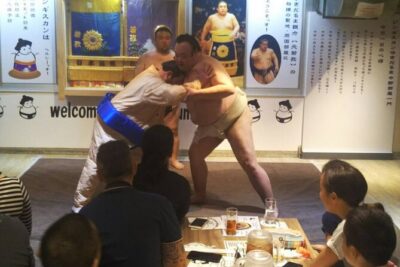
You begin inside a traditional-style venue at Shinjuku Sumo Club. Two large, highly trained wrestlers demonstrate the sport at close range, while the MC explains the movements and customs. The setting is made for a public audience, so the presentation is clearer and more playful than a formal match.
I especially like the balance between explanation and action. You are not asked to sit quietly through a lecture about Japanese culture. You see the salt throwing, ring stomping, and ceremonial gestures, then watch the wrestlers use their bodies and tactics in the ring.
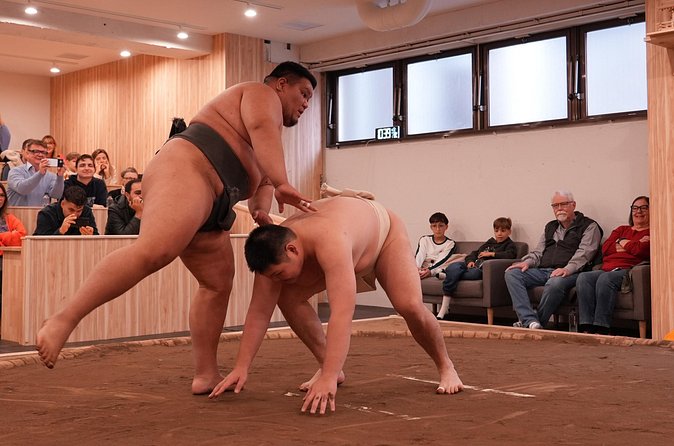
The show also has a light comic side. The wrestlers are serious athletes, but they interact warmly with the audience. Children may be invited to wear inflatable sumo costumes and face a wrestler, which gives the whole room a good laugh without making the sport feel foolish.
More Sumo Experiences in Tokyo
- Tokyo: Sumo Show and Dining Experience
★ 4.8 · 2,742 reviews - the SUMO show
★ 5.0 · 1,960 reviews - Tokyo: Sumo Show and Experience in Shinjuku
★ 4.8 · 1,001 reviews
What Happens Inside the 90-Minute Show
The experience lasts about one hour and 30 minutes. That is long enough to learn the basics and see several demonstrations, but short enough to fit into a busy day in Tokyo.
The exact running order can vary, but the central parts are consistent:
- An introduction to sumo and its place in Japanese culture
- Explanations of the ring and pre-match rituals
- Demonstrations and live clashes between two wrestlers
- Audience questions and interaction
- A friendly sumo challenge
- Time for photographs with the wrestlers
The show is guided in two languages, which matters more here than it might at a standard performance. Sumo involves many small details. Without explanation, salt can look like a strange bit of theater and the stamping can seem like simple showmanship. The MC connects each act to the rules, customs, and beliefs behind it.
Hosts have included Shane, Manny, and Mr. So. The strongest hosts make the session feel smooth and easy to follow, adding humor while keeping the explanations respectful. Manny has been praised for a clear delivery, while Shane has helped create a light but informed atmosphere. Mr. So has also been noted for his comic timing.
The Rituals That Give Sumo Its Meaning
Before the wrestlers attack, sumo asks them to prepare both physically and mentally. The ceremony is not filler. It is part of the sport.
You will see wrestlers throw salt into the ring. This is connected to purification, and it helps show that the dohyō is treated as a special place. You will also see the wrestlers stamp their feet. The movement has a ritual role, but it also gives you a chance to notice how controlled their bodies are.
The pre-match gestures can take time in an official tournament. Here, the MC explains them in a compact and approachable way. That makes this show a useful first step for someone who wants cultural context without spending hours reading about sumo before the trip.
The dohyō itself is important. Once you understand that the ring is more than a marked circle, the wrestlers’ movements make better sense. A match can turn on balance, foot placement, timing, and the ability to force an opponent beyond the edge.
Seeing the Wrestlers Up Close
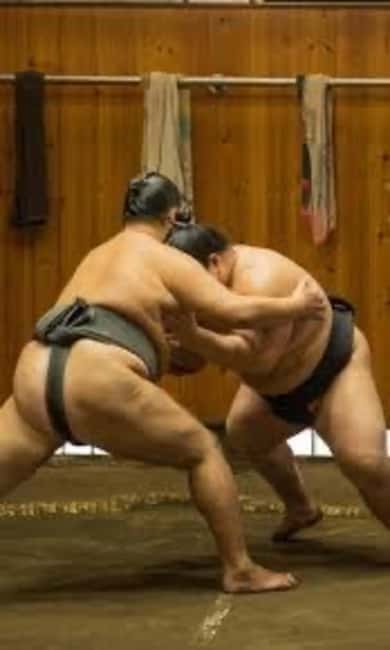
Television does not give you a good sense of a sumo wrestler’s size. From nearby, you notice not just their bulk but also their footwork, speed, and control. The demonstrations help correct the lazy idea that sumo is simply two heavy men pushing.
The wrestlers show techniques and tactics in a way that beginners can understand. You may see how a small shift in balance creates an opening, or how a wrestler uses position rather than brute force alone. The MC explains what is happening as the action unfolds.
This is one of the strongest reasons to book the experience. You do not need prior knowledge of sumo to follow it, and you do not need to pretend that every movement is obvious. The host tells you where to look.
The performers have included wrestlers such as Ogawa, Tani, Gucci, and George in different sessions. Names and performers can change, so book this for the format rather than a particular wrestler. The important point is that you meet real athletes who know the sport from the inside.
One useful distinction: some sessions have featured retired wrestlers. That does not make the demonstrations fake, but it does mean you should not expect an official tournament bout. The purpose is to teach, entertain, and bring the sport close to the audience.
Same city, a different fixture:
- Tokyo Grand Sumo Tournament Viewing Tour with Tickets
★ 5.0 · 692 reviews - Tokyo Sumo Wrestling Tournament Experience
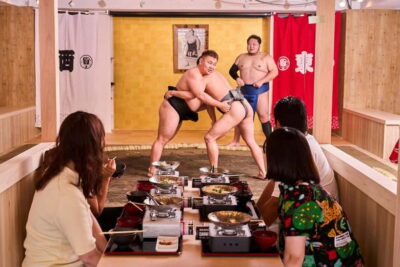
★ 5.0 · 660 reviews - Tokyo:Luxury Sumo Show Experience & Japanese cuisine & Drink
★ 4.7 · 577 reviews - Tokyo: Sumo Morning Practice Viewing Tour
★ 4.8 · 570 reviews
The Audience Challenge Is the Big Payoff
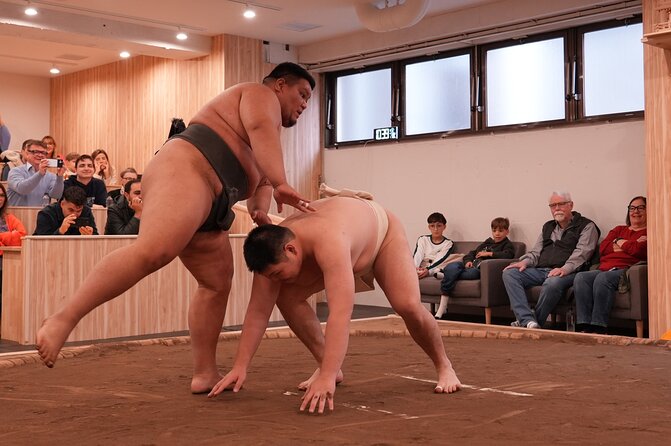
After watching the professionals, members of the audience can be invited to try a friendly sumo challenge. This is where the show changes from a performance into a shared activity.
You might be asked to step onto the dohyō and face one of the wrestlers. The challenge is playful, and the wrestler controls the encounter, so you do not need to be a trained athlete. Children may take part as well, sometimes in inflatable suits that make them look like miniature rikishi.
I like this section because it gives you a physical sense of the sport. Even a brief push against a sumo wrestler can show how much strength and balance are involved. You also see that sumo is about position and stability, not simply size.
Participation is not guaranteed for every person in the room. If you strongly want to take part, listen for the host’s instructions and be ready when volunteers are requested. If you prefer to watch, the audience challenges are still entertaining and easy to follow.
The question-and-answer portion adds another useful layer. You can ask about the wrestlers, their training, the rules, or the customs introduced during the show. That personal exchange helps turn an unfamiliar sport into something more human.
Photos, Drinks, and the Overall Atmosphere
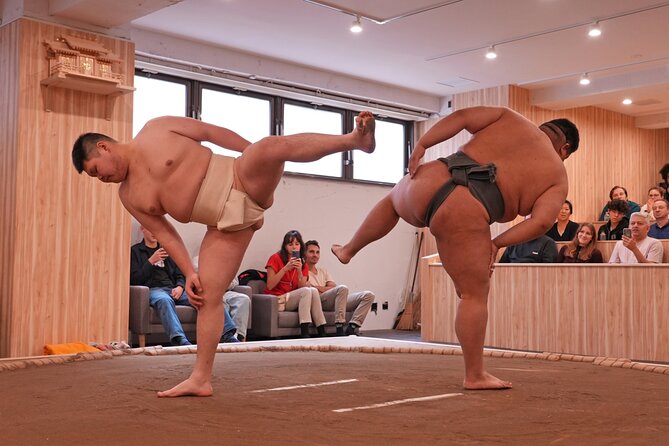
The experience includes photographs with the wrestlers. This is more than a quick stage picture. You get a close-up view of their size and personality, and the photo gives you a lasting reminder of an activity that is hard to duplicate elsewhere.
The room has a friendly, informal mood. You can cheer, laugh, and respond to the MC rather than sit in silence. Drinks and snacks may be available for purchase during the show. A bottled water has been included in some arrangements, but you should not assume there will be a wide drink choice.
That small point matters if you are comparing this with a meal-based cultural program. This is primarily a show and demonstration, not a dinner experience. If food and drinks are central to your evening plans, check the current booking details before you go.
Is $79.59 Good Value?
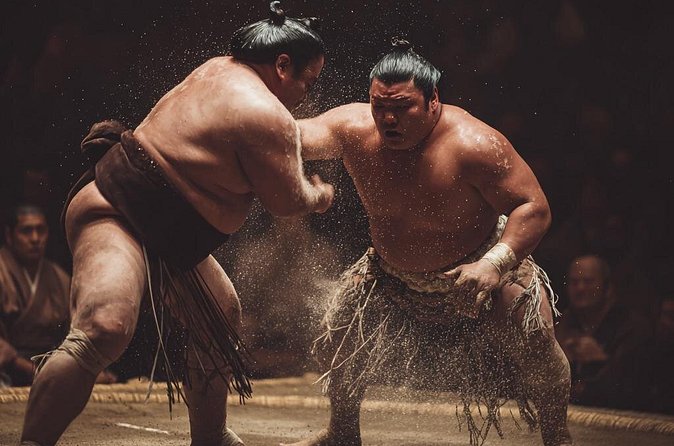
At $79.59 per person, this is not the cheapest way to spend 90 minutes in Tokyo. You can walk through Shinjuku, visit a shrine, or explore a neighborhood at no admission cost. The question is what you want from the outing.
For the price, you receive a guided cultural presentation, live demonstrations by two wrestlers, audience interaction, a photo opportunity, and a bilingual explanation of a sport that is difficult to understand from casual observation. You also save the time and uncertainty of trying to figure out sumo customs on your own.
I think the price is fair for first-time visitors who want a structured activity. It is especially useful for families, couples, and people with limited time in Tokyo. The experience gives you a clear introduction without requiring a full day at a tournament.
The value is weaker if you already know sumo well or mainly want competitive matches. The show is designed to entertain and teach. It will not replace the tension, scale, and formality of an official tournament.
Who Will Enjoy This Most?
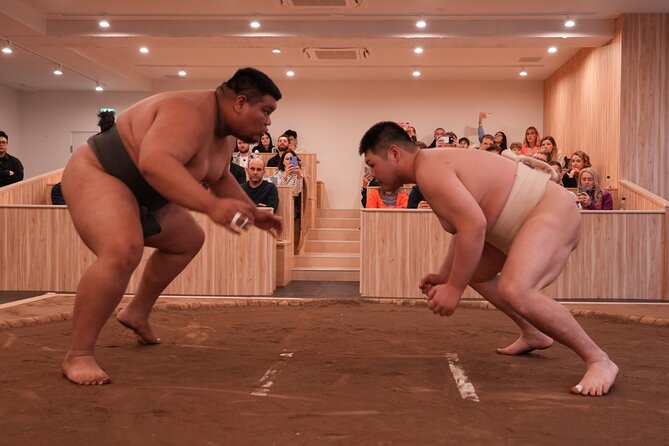
This is a strong fit for families. The explanations are simple, the wrestlers are approachable, and children can sometimes participate in the inflatable-suit challenges. Parents should find the 90-minute length manageable, especially compared with a long formal performance.
It also works well for couples and small groups looking for something different from temples, shopping, and observation decks. Sumo gives you a direct connection to Japanese culture, and the humor keeps the evening from feeling too solemn.
First-time visitors will get the most from it. You learn enough about the origins, rules, training, rituals, and tactics to recognize what is happening if you later see a tournament or a match on television.
It may be less suitable if you want a quiet, serious lecture or a high-level sporting contest. Audience participation and comedy are central to the experience. Some people may find the presentation more entertaining than athletic, while others will appreciate that balance.
Getting There and Planning Your Time
The venue is in Shinjuku and near public transportation. The location is considered easy to find by train, which is important in a district where large stations can be confusing. Follow the meeting instructions closely and allow at least 30 minutes of extra time.
Tokyo traffic can cause delays, even for a short journey. Arriving just before the start may leave you stressed or late, so give yourself a cushion. A mobile ticket makes entry simpler, but it does not remove the need to plan your route.
Most people can participate. The show is designed for a general audience, and the main activities involve sitting, watching, listening, and choosing whether to join the challenge. If you have specific mobility or participation concerns, confirm the current arrangements before booking because the supplied details do not describe every venue feature.
The experience offers free cancellation when you cancel at least 24 hours before the start time. Cancellations or changes made less than 24 hours before the start are not refunded, and the cut-off uses Tokyo local time.
How It Compares With a Real Sumo Tournament
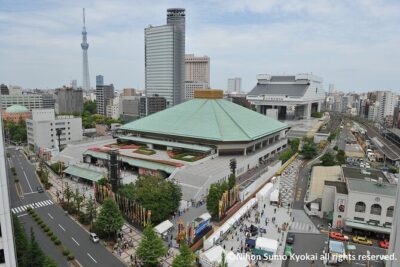
A formal tournament gives you official bouts, a larger crowd, and the rules of professional competition unfolding without a host stopping to explain every detail. It is the better choice if your main goal is to see high-stakes sumo.
The Shinjuku show gives you access and clarity. You can see the ring from close by, ask questions, take photos, and hear why the rituals matter. You also get a friendly chance to test the sport for yourself.
I would not treat the two options as substitutes. If your schedule allows, the show can prepare you for a tournament by teaching you what to watch. If you have time for only one and are a dedicated sumo fan, choose the tournament. If you are curious but new to the sport, choose this introduction.
Should You Book the Shinjuku Sumo Club Experience?
Book it if you want a friendly, informative introduction to sumo rather than a formal sporting event. The combination of rituals, live demonstrations, audience challenges, questions, and photographs gives you more than a quick performance.
I would especially recommend it for families and first-time visitors who want an activity that feels distinctly Japanese but does not require specialist knowledge. The bilingual hosts make the rules easier to grasp, and the wrestlers bring enough humor to keep the room engaged.
Skip it if you need a serious tournament match or a substantial meal included in the price. For everyone else, $79.59 buys a memorable 90 minutes in Shinjuku and a useful understanding of Japan’s national sport.
FAQ
Where does the sumo experience take place?
It takes place at Shinjuku Sumo Club in Shinjuku, Tokyo.
How long does the experience last?
The experience lasts approximately one hour and 30 minutes.
How much does the experience cost?
The listed price is $79.59 per person.
Is the experience available with a mobile ticket?
Yes. A mobile ticket is included as a feature of the experience.
Are the sumo wrestlers professional?
The show features two real sumo wrestlers. Some sessions have included retired wrestlers, so this is a demonstration and cultural show rather than an official tournament.
Is the host bilingual?
Yes. A bilingual MC explains the rituals, rules, history, and movements during the experience.
Can I participate in sumo wrestling?
Audience members may be invited to take part in a friendly sumo challenge. Participation is part of the audience interaction, but the supplied details do not guarantee that every person will wrestle.
Can children participate?
The experience is suitable for families, and children may take part in audience activities, including inflatable sumo costume challenges.
Can I take photographs with the wrestlers?
Yes. The experience includes a photo opportunity with the sumo wrestlers.
Can I cancel for a full refund?
Yes, if you cancel at least 24 hours before the experience start time. Cancellations or changes made less than 24 hours before the start are not refunded.
Just added for fans in Tokyo
- Tokyo: Grand Sumo Morning Training Tour★ 4.9 · 12 reviews
- Sumo Training Watching Experience in Tokyo★ 4.5 · 8 reviews
- Kickboxing & Body Training with EX-Pro Fighter★ 5.0 · 4 reviews
- Tokyo: Visit Sumo Morning Practice with English Guide★ 4.5 · 22 reviews
- Tokyo Sumo Experience with Live Show & Audience Challenge★ 5.0 · 38 reviews
- Tokyo Shinjuku Sumo Show and Experience with Drinks and Photo★ 4.0 · 21 reviews
- Tokyo Sumo History Tour with Chanko Nabe Lunch★ 5.0 · 3 reviews
- 【SUMO FESTIVAL】Tokyo Ginza: Sumo Show & Photo Experience★ 4.5 · 41 reviews
Sumo Experiences in Tokyo, compared.
Tokyo Grand Sumo Tournament Viewing Tour with Tickets
Read our review →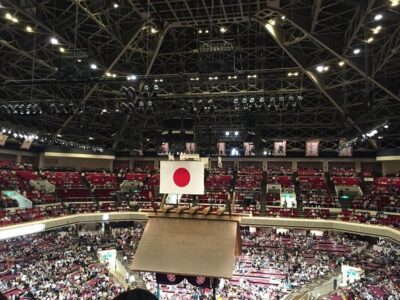

Luxury Sumo Show Experience & Japanese cuisine & Drink
Read our review →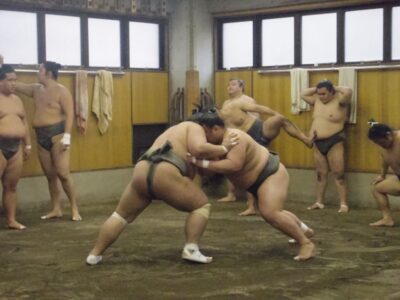
Tokyo Sumo Experience: Chanko & Mochi with a Former Pro
Read our review →Browse the lists this tour appears in