
Review · HORSE RACING AND RACECOURSES
Horse Racing Tour with Local Fans in Tokyo, Oi Racecourse
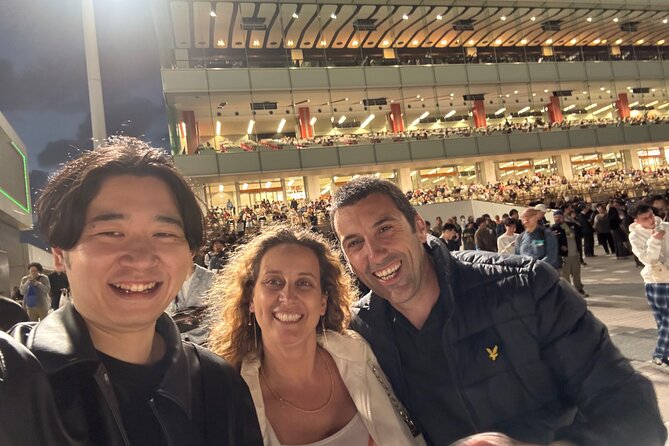
At Oi Racecourse, you get more than a seat at a horse race. You get a guided introduction to a Japanese night out, with local fans cheering, drinks in hand, and the small thrill of placing a bet on a horse you have just learned to follow. The guide explains the rules in plain English, which matters when the betting screens and race calls are in Japanese.
I like the small group size, capped at 12 people, and I like the practical help with betting. Guide Eito has also helped visitors find the racecourse by train, a useful touch when you are heading into an unfamiliar part of Tokyo after dark. The main drawback is price: $90 covers the guide only, while food, drinks, transport, and every bet cost extra.
Key things to know before you book
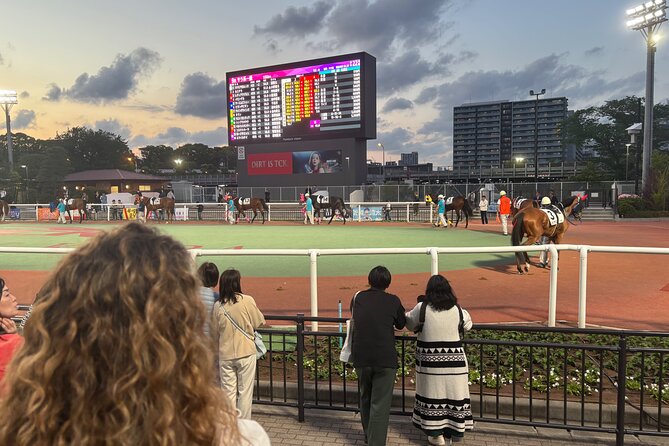
- You meet at Oikeibajo-Mae Station: The listed meeting point is beside Oi Racecourse at 2 Chome-2 Katsushima, Shinagawa City.
- The evening runs about three hours: The experience is listed from 6:30 p.m. to 9 p.m., with the welcome and introduction described as beginning around 6 p.m.
- Betting starts at 100 yen: Bring Japanese yen in cash, since race wagers may require cash.
- Your guide explains the basics: You do not need to speak Japanese or know horse racing before you arrive.
- Food and drinks are not included: You can buy Japanese food, beer, and other drinks at the racecourse.
- The group is limited to 12 people: That gives the guide room to help with questions and betting choices.
Why Oi Racecourse makes a good Tokyo evening
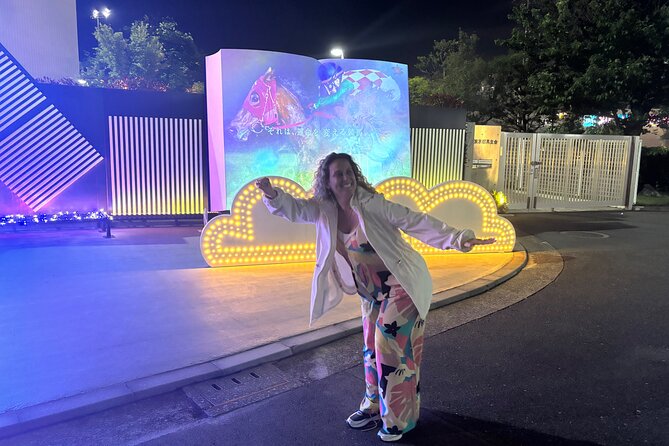
Tokyo offers plenty of polished attractions, but a night at the races gives you a look at ordinary entertainment in Japan. You are not simply watching a sporting event from a distance. You are sitting among fans, listening to the crowd react, studying the horses, and deciding if you want to risk a small amount of money on the next race.
The setting also changes the feel of your evening. Oi Racecourse hosts night racing, so your visit takes place after the heat of the day and after many sightseeing stops have closed. The lights, the race announcements, and the short bursts of action give the night a clear rhythm.
I would not book this as a serious gambling trip. The point is the setting and the shared experience. A 100-yen ticket lets you try the process without spending much, and the guide can help you understand what you are doing. You can place more than one bet if you choose, but the tour price does not include any gambling money.
The three-hour length is also sensible. You get enough time to understand the routine and watch several races, but the evening does not take over your entire Tokyo schedule.
More Horse Racing and Racecourses in Tokyo:
- Tokyo: Horse Racing Tour with Local Fan
★ 5.0 · 14 reviews - Horse Racing Tour with Local Fans in Tokyo Racecourse
★ 5.0 · 8 reviews - From Buenos Aires: Polo Match, Lesson, and BBQ Day-Trip
★ 5.0 · 5 reviews
Meeting the guide at Oikeibajo-Mae Station
The tour begins at Oikeibajo-Mae Station, near the racecourse in Shinagawa City. The meeting point is important because the racecourse is not a place where you want to arrive late and then try to find your group inside a large complex.
Guide Eito has helped visitors make the train journey to the races, so you can ask for assistance with the route if needed. Public transportation costs about ¥400 per person and is not included in the $90 tour price. If you are coming from another part of Tokyo, allow enough time to reach the station before the listed 6:30 p.m. start.
The timing needs a little attention. The tour information describes the experience as beginning at 18:00, while the meeting details list a 6:30 p.m. start. I would follow the confirmed meeting time in your booking and contact the operator if the two times are not clear. The experience ends back at the meeting point around 9 p.m.
This is a guided activity, not a pickup service. You are responsible for reaching the station. That is easy enough for many visitors using Tokyo’s rail system, but it is worth checking the route before leaving your hotel.
Learning Japanese horse racing without knowing Japanese
The first useful part of the tour is the explanation of how the races work. You learn the basic rules in a simple format, then get help with the betting process between races.
That language support is the main reason to choose a guided visit instead of showing up alone. Horse racing has its own vocabulary and routines in any country. In Japan, the race information and betting system can feel harder to read when you do not speak the language. A guide can explain what you need to know without asking you to understand every sign.
You should still expect to make your own choices. The guide provides race predictions and explains how to place a wager, but the money is yours and the result is never guaranteed. Treat the predictions as part of the fun, not as a promise of winning.
The minimum bet is 100 yen per ticket. That low entry point makes it easy to take part without committing a large sum. Bring Japanese yen in cash, since betting may require it. The tour fee does not cover wagers.
I especially like this structure for first-time racegoers. You can watch one race, ask questions, try a small bet, and then see if you want to continue. Experienced fans can also take part, though the tour is most useful if you want local guidance rather than a serious racing program.
Watching the races with local fans
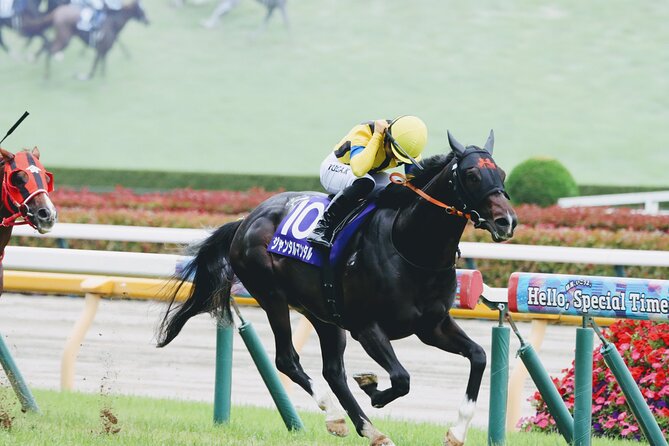
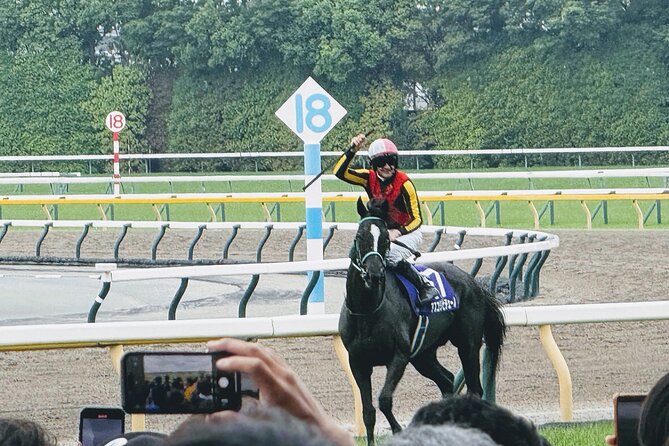
The racing itself comes in short, exciting bursts. Between races, you have time to look over the information, listen to the guide, order a drink, and decide how much you want to risk. During the race, the mood changes quickly as the horses move around the track and fans cheer for their choices.
The local crowd is a major part of the experience. You get the sound and energy of people following a sport they care about, rather than a quiet sightseeing stop. That makes this a good choice if you want an evening activity with a social feel.
You are not required to be an expert. The guide’s explanations let you follow the basic action, and you can enjoy the crowd even if you do not understand every detail. The tour also provides seats, so you can watch the races while having beer or local food.
The information does not specify the exact seating section or view. Keep that in mind if you are hoping for a particular position beside the track. You are promised seating, but not a premium private box or a specific rail-side location.
One past Friday night outing was described as especially enjoyable, with the racecourse praised for its beauty and Eito credited with making the train and betting process easy. That gives you a useful picture of the evening: Friday racing can provide a strong after-work atmosphere, but the tour is not limited to one particular day in the information provided.
More Horse Riding Trips in Tokyo:
- Horseback Riding Tour and visit to Tablón, Chaquira, Pelota
★ 5.0 · 4 reviews
Food, beer, and the cost of an evening out
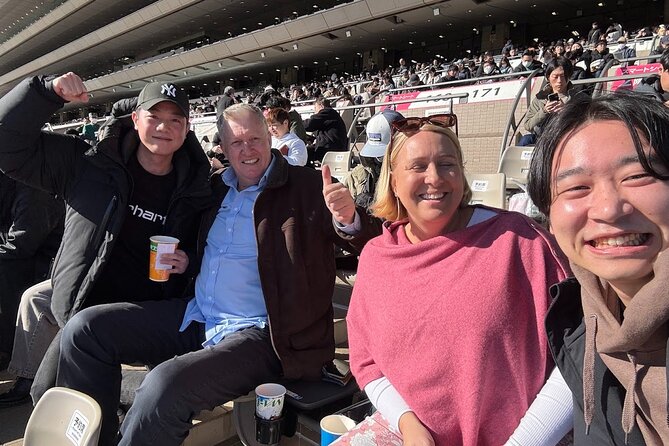
Food and drinks are available at the racecourse, but they are not included. You can buy Japanese dishes and enjoy premium drinks while watching the races. Alcoholic beverages are also extra.
This is where the $90 price needs a close look. You are paying for the guide’s time, the introduction to Japanese racing, help with the betting system, and the small-group format. You are not paying for a meal, drinks, transportation, or race tickets. Your final spending will therefore be higher than the advertised tour price.
I think the value depends on your comfort level. If you already understand Japanese racing and can manage the rail system and betting machines alone, $90 may feel high for the guide fee. If you want someone to explain the process, help you get there, suggest what to watch, and remove the language barrier, the cost becomes easier to justify.
Set a personal food and betting budget before you arrive. The crowd and race schedule can make it tempting to place another ticket or order another drink. Keeping a fixed amount in your pocket helps you enjoy the evening without turning it into an expensive gamble.
The minimum 100-yen bet is useful because you do not need a large budget to join in. You can enjoy the event mainly as entertainment, with betting kept small.
Group size, walking, and practical comfort
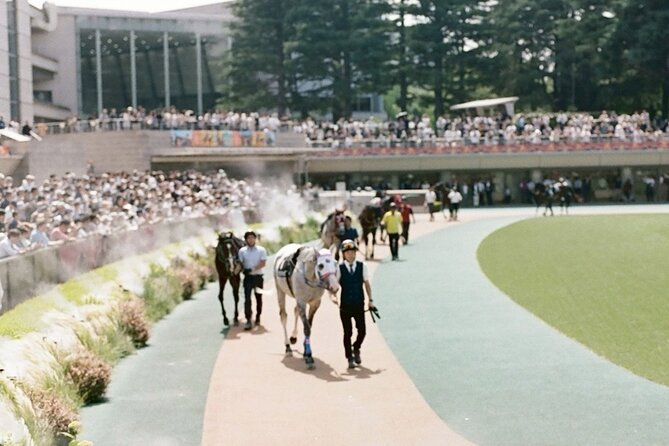
The maximum group size is 12 people. That is large enough to keep the tour social but small enough for questions. It also gives the guide a reasonable chance to help several first-time bettors between races.
You should have a moderate level of physical fitness. The activity involves reaching the station, moving through the racecourse, and remaining engaged for about three hours. Specific accessibility details are not provided, so contact the operator if you need information beyond the note that service animals are allowed.
The activity is near public transportation, which is useful for reaching the start and returning to the rest of Tokyo afterward. The tour ends where it begins, at the meeting point. You will need to arrange your own journey home after 9 p.m.
A mobile ticket makes entry and booking simpler. Confirmation is provided at the time of booking, so keep the ticket available on your phone and check the meeting instructions before the evening begins.
Who should book this experience
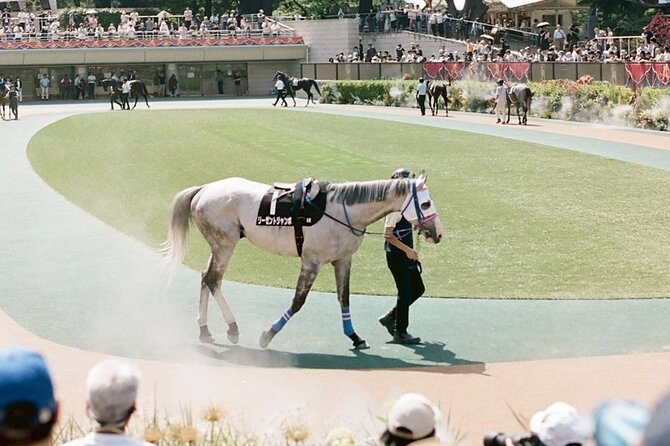
I would choose this tour if you want a local-style evening and do not know how Japanese horse racing works. It is also a good fit for solo visitors or couples who want an activity with conversation, food, and a clear three-hour schedule.
It suits people who enjoy trying a small wager as part of a cultural experience. The guide’s predictions add another layer of fun, but you should be comfortable making your own decisions and accepting that bets can lose.
This is less suitable if you want a quiet night, a formal sightseeing tour, or a guaranteed premium seat. It may also disappoint you if you expect the $90 to include dinner and drinks. Those extras are paid separately.
Families and non-gamblers may still enjoy the atmosphere, but the central activity is watching races and learning to bet. If that sounds uninteresting, choose another evening plan.
Cancellation and booking details that matter
You can cancel for a full refund up to 24 hours before the start time. Cancellations or changes made less than 24 hours before the experience are not accepted for a refund, and the cut-off uses Tokyo local time.
The tour is commonly booked well ahead, with an average booking lead time of about 50 days. That does not guarantee that every date sells out, but it suggests you should not leave this plan until the last minute if the schedule matters to you.
The operator is Japan Traditional Travel. Confirmation arrives when you book, and the tour accepts service animals. The activity has a maximum of 12 participants.
Is the Oi Racecourse tour worth $90?
Book it if you want help turning a potentially confusing racecourse visit into a straightforward Tokyo night out. The strongest parts are the guide’s simple explanations, the help with betting, the chance to sit with local fans, and the easy entry point of a 100-yen wager.
Before booking, add up the extras. You will pay about ¥400 for public transportation, plus food, drinks, and any bets. If you see the $90 as payment for guidance and access to a local experience, it can be worthwhile. If you want a low-cost evening or already know the racing system, visiting independently may offer better value.
For a first-time visitor who likes sports, local food, and a little suspense, this is a memorable way to spend three hours in Tokyo. Just bring cash, arrive at Oikeibajo-Mae Station on time, and keep your betting budget modest.
FAQ
Where does the horse racing tour begin?
The tour begins at Oikeibajo-Mae Station, at 2 Chome-2 Katsushima, Shinagawa City, Tokyo 140-0012, Japan.
What time does the tour start?
The meeting details list a 6:30 p.m. start. The experience description refers to the welcome and introduction beginning at 18:00, so check the confirmed meeting time when you book.
How long does the experience last?
The activity lasts approximately three hours and ends around 9 p.m.
Where does the tour end?
The tour ends back at the meeting point.
What does the tour price include?
The $90 price includes the guide fee.
Are food and drinks included?
No. Food and alcoholic beverages are not included and must be purchased separately.
How much does it cost to place a bet?
The minimum cost is 100 Japanese yen per ticket. Betting costs are not included in the tour price.
Should I bring cash?
Yes. Bring Japanese yen in cash because betting may require it.
How far in advance can I cancel?
You can cancel at least 24 hours before the start time for a full refund. Cancellations or changes made less than 24 hours before the start time are not accepted for a refund.
Just added for fans in Tokyo
- Tokyo: Grand Sumo Morning Training Tour★ 4.9 · 12 reviews
- Sumo Training Watching Experience in Tokyo★ 4.5 · 8 reviews
- Kickboxing & Body Training with EX-Pro Fighter★ 5.0 · 4 reviews
- Tokyo: Visit Sumo Morning Practice with English Guide★ 4.5 · 22 reviews
- Tokyo Sumo Experience with Live Show & Audience Challenge★ 5.0 · 38 reviews
- Tokyo Sumo History Tour with Chanko Nabe Lunch★ 5.0 · 3 reviews
- 【SUMO FESTIVAL】Tokyo Ginza: Sumo Show & Photo Experience★ 4.5 · 41 reviews
- Tokyo Shinjuku Sumo Show and Experience with Drinks and Photo★ 4.0 · 21 reviews
Horse Racing and Racecourses, compared.
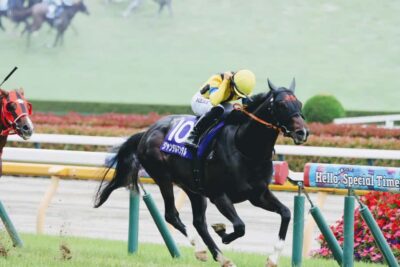
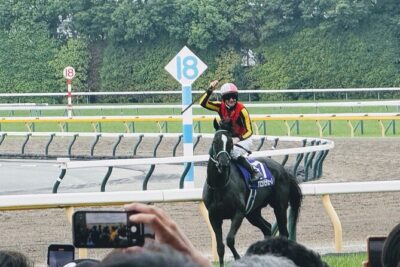
Horse Racing Tour with Local Fans in Tokyo Racecourse
Read our review →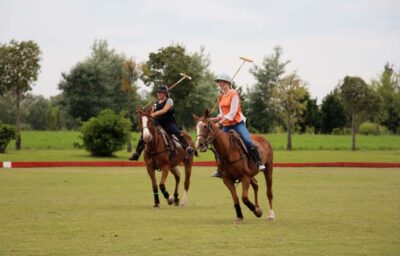
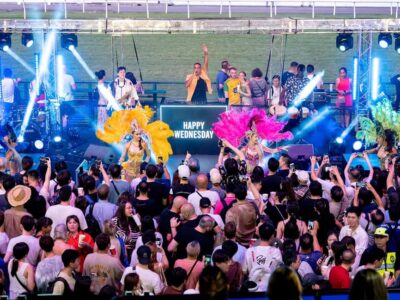
Hong Kong Jockey Club Racecourse Guided Tour with F&B
Read our review →Browse the lists this tour appears in