
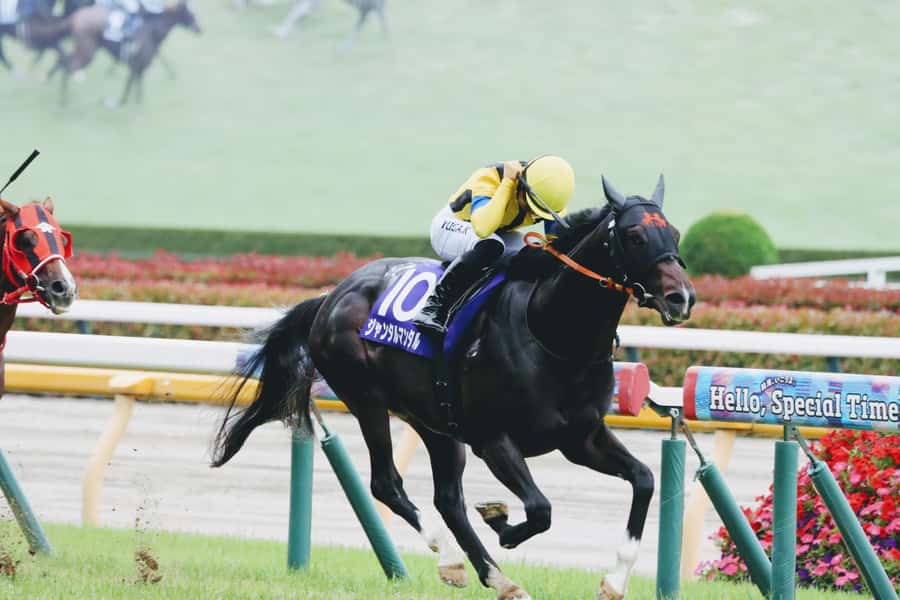
Review · HORSE RACING AND RACECOURSES
Tokyo: Horse Racing Tour with Local Fan
Japanese horse racing is one of Tokyo’s best local scenes, and this tour takes you far beyond the usual Shibuya and Shinjuku circuit. You’ll watch live races, follow the crowd’s cheers, and learn how to place bets in a system that can feel baffling when every sign is in Japanese. Eito, the English-speaking guide, helps with the practical details.
I like two things here: the chance to see a side of Japanese life most visitors miss, and the hands-on help with betting, jockeys, horses, and race forms. The main consideration is cost control. The $60 tour price does not include food, drinks, train tickets, or your bets, so bring enough yen and set a firm betting limit.
Key points at a glance
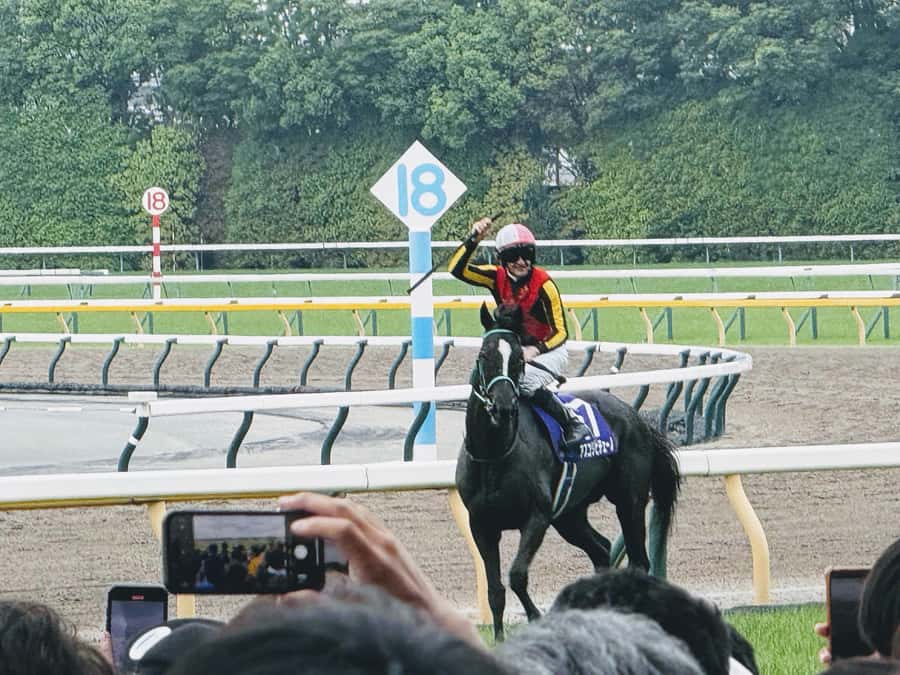
- Racecourse changes by date: Weekend visits usually go to Tokyo Racecourse or Nakayama Racecourse. Weekday visits use Oi or Kawasaki Racecourse.
- Eito handles the tricky parts: He explains the rules and betting choices in clear English and helps you find your way from the train.
- Your voucher is not your entry ticket: Meet the guide first, then receive the racecourse admission and reserved seat ticket in person.
- Bring Japanese yen: You pay separately for bets, food, drinks, and train fares.
- The food is up to you: Buy karaage, yakitori, drinks, or seasonal snacks at the racecourse as the day unfolds.
- The appeal is local and specific: This is not a general Tokyo sightseeing tour. It is a focused look at Japanese racing culture.
Why Japanese horse racing makes a good Tokyo side trip
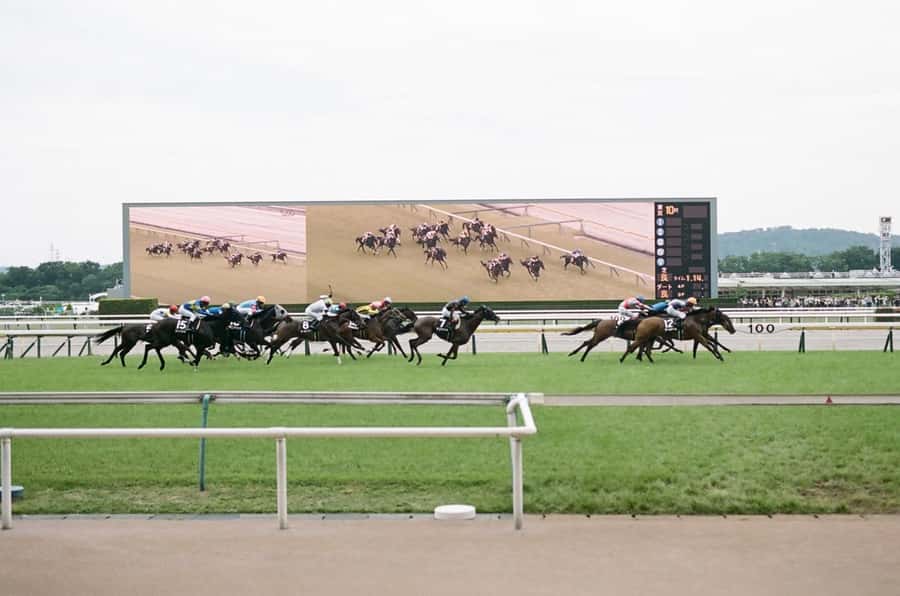
Tokyo can make it easy to spend your whole visit around famous shopping streets, shrines, towers, and restaurant districts. Those places deserve their time, but they show only one part of the city. A race day gives you a look at a popular Japanese pastime in a setting built for local fans.
The appeal is not just the horses running past. It is the whole ritual around the race: studying the runners, checking the jockeys, choosing a ticket, finding your seat, buying food, and reacting with the crowd when the gates open. You do not need to understand racing before you arrive. You need curiosity, a little cash, and a willingness to cheer for a horse you may have chosen only minutes earlier.
I especially like that the tour does not treat horse racing as a museum display. You are present during live races, with real bets and real crowd noise. That makes the experience more social and less polished than a standard sightseeing stop.
The tradeoff is focus. If you are not interested in horses, sports, betting, or local people-watching, the racecourse may not hold your attention for long. This is also not a private food tour or a broad introduction to Japanese culture. It is a half-day-style outing built around the races.
More Horse Racing and Racecourses in Tokyo:
- Horse Racing Tour with Local Fans in Tokyo Racecourse
★ 5.0 · 8 reviews - Horse Racing Tour with Local Fans in Tokyo, Oi Racecourse
★ 5.0 · 5 reviews - From Buenos Aires: Polo Match, Lesson, and BBQ Day-Trip
★ 5.0 · 5 reviews
Choosing between four Tokyo-area racecourses
The venue depends on your date, so check the booking calendar before you commit. On weekends, the usual choices are Tokyo Racecourse or Nakayama Racecourse. On weekdays, the tour generally visits Oi or Kawasaki Racecourse.
That change matters because you are not booking one fixed attraction. You are booking a guided race-day format. The exact station, train route, and feel of the venue can differ, but the core service remains the same: meet your guide, enter with his help, get oriented, and follow the action.
Tokyo Racecourse and Nakayama Racecourse are the typical weekend options. These are useful choices if your Tokyo schedule gives you a free Saturday or Sunday and you want the strongest race-day atmosphere. Oi and Kawasaki are the weekday alternatives, giving you a chance to fit the outing around a different sightseeing plan.
Do not assume the venue based only on the tour title. The exact racecourse appears when you select a date. That is one of the first details I would check, especially if you are staying far from central Tokyo or have an evening reservation afterward.
Meeting Eito and getting through the entrance
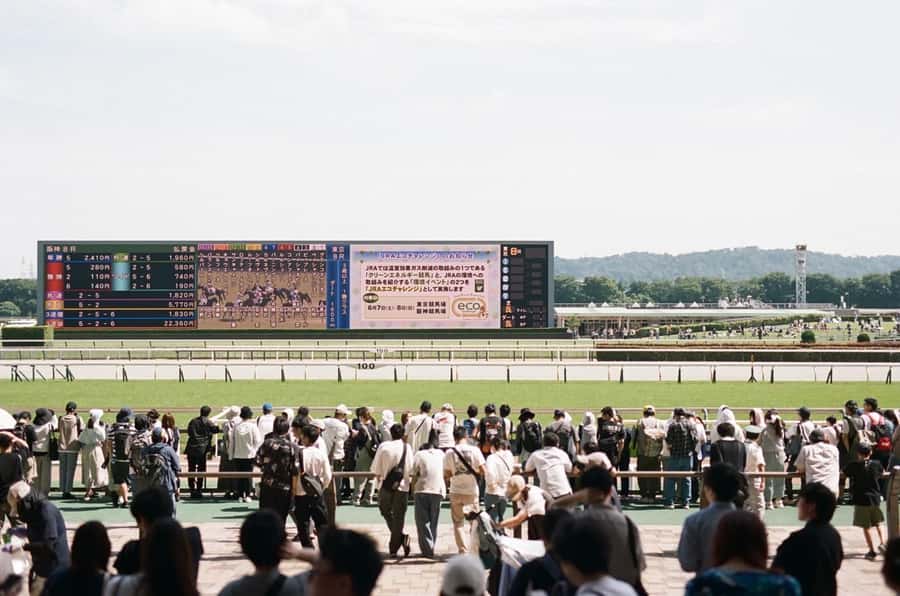
The meeting process is simple, but it is important to follow it exactly. You meet the guide at the designated location, send a text when you arrive, and look for someone holding a sign with your name. The activity ends back at the meeting point.
Your GetYourGuide voucher is not the racecourse admission ticket. Eito meets you first and hands over the ticket, including the reserved seat ticket. Entry is possible only when you are accompanied by the guide, so do not go straight to the gates and expect the voucher to work on its own.
This is one of the strongest reasons to book a guide for this particular outing. The ticketing system and racecourse layout can be difficult to manage without Japanese language skills. Even if you are comfortable using Tokyo’s trains, the racecourse entrance process is a separate matter.
Several people who joined the tour appreciated Eito’s help with the train route to Tokyo Racecourse. Train tickets are not included, so you pay for your own transport, but having an English-speaking person guide you through the route removes much of the early guesswork.
Learning the betting system before the first race
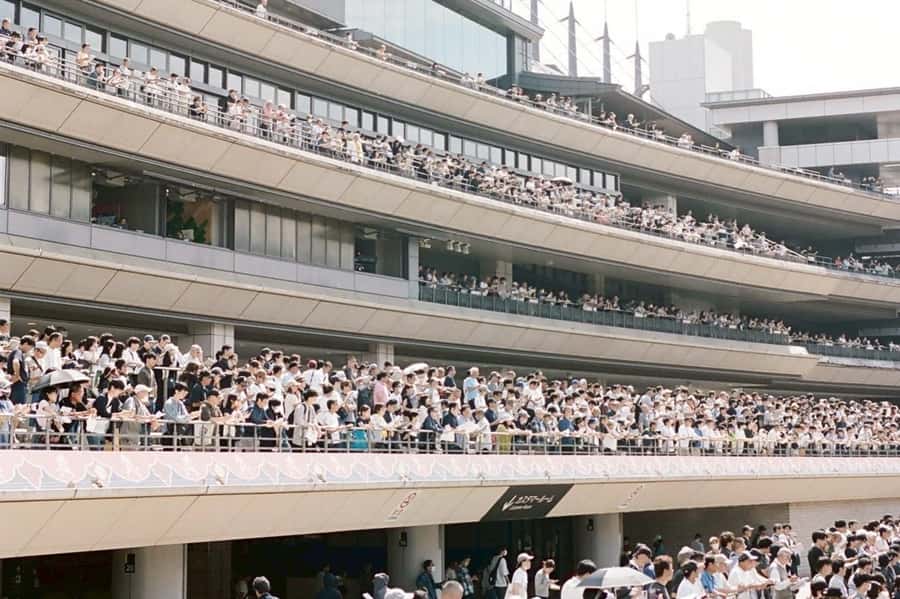
The first useful lesson is how betting works. Japanese racecourses usually provide information and instructions in Japanese, which can make the process hard to follow if you cannot read the language. Eito explains the betting options and helps you place a ticket.
That support is valuable even if you already attend races at home. One Australian and New Zealand racing fan described Japanese racing as unlike major meetings in Melbourne and Hong Kong. The point is not that one system is better. It is that the procedures, information, and atmosphere can feel different enough to make local assistance worthwhile.
You can arrive as a complete beginner. Eito explains the basics, then helps with practical choices involving horses, jockeys, and bet types. If you already know racing, you can use his help to compare what you understand with the Japanese system instead of spending the first races trying to decode the machines and forms.
I would treat the betting as part of the cultural activity, not as a way to finance your holiday. Bring cash in Japanese yen, decide how much you are comfortable losing, and keep the stakes modest. Your betting money is not included in the tour price, and winning is never promised.
The most enjoyable part may be the anticipation before the race. You choose a horse, place your ticket, watch the start, and suddenly care about a result that meant nothing to you ten minutes earlier. That small burst of involvement helps you connect with the crowd.
More Horse Riding Trips in Tokyo:
- Horseback Riding Tour and visit to Tablón, Chaquira, Pelota
★ 5.0 · 4 reviews
Watching the horses and reading the crowd
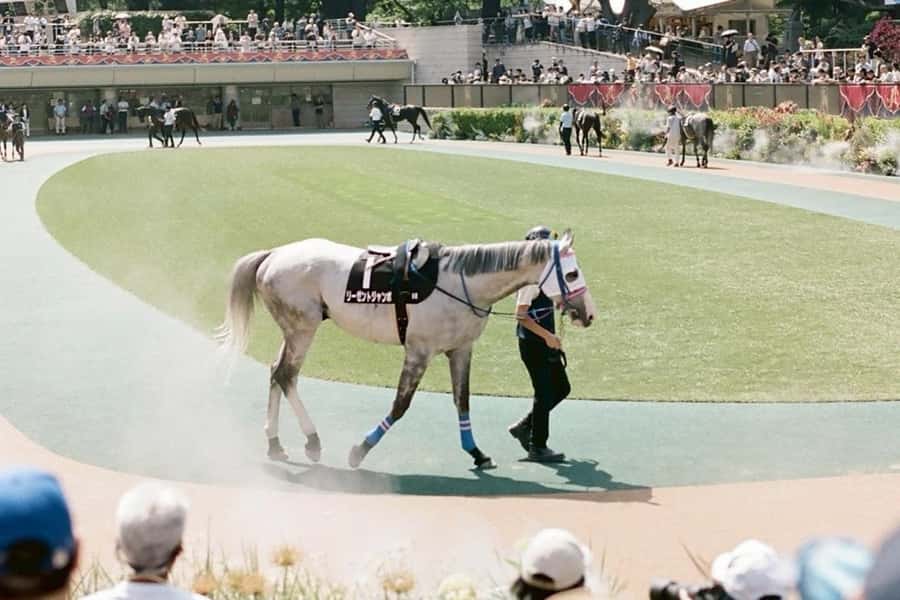
Once you are settled, the tour becomes a series of live races, short breaks, and decisions about what to watch next. The guide continues explaining what is happening, including details about the horses and jockeys.
The reserved seating is a practical benefit. It gives you a reliable place to watch rather than leaving you to work out the racecourse on your own. It also makes the outing easier for first-time visitors who may not know where to stand, where to read race information, or how to move around between races.
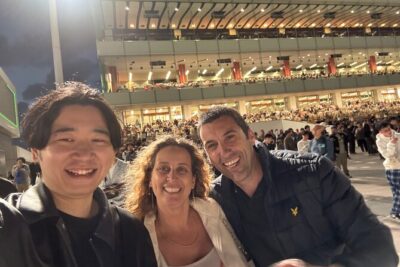
The crowd is part of the show. You will see people studying the form, discussing choices, buying refreshments, and reacting as the horses approach the finish. The experience has a strong social side, but you do not need to speak Japanese to enjoy it. You can follow the action through Eito’s explanations and the response of the people around you.
This is also a good setting for people-watching. Japan is often presented to visitors through temples, gardens, and carefully arranged streets. At the racecourse, you see people focused on a shared pastime. It feels less staged and more like an ordinary day out for local fans.
Food, drinks, and what you pay for
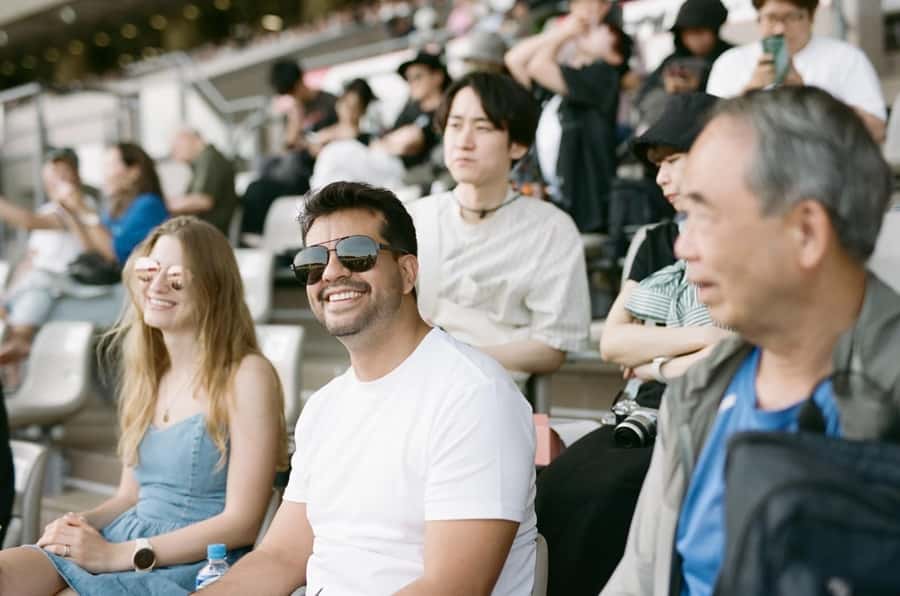
Food and drinks are not included, which is worth understanding before you book. You are free to buy your own meals and refreshments at the racecourse, including options such as karaage, yakitori, seasonal snacks, sake, beer, and local cocktails.
This arrangement has both advantages and limits. You choose what you want and how much you want to spend. You can keep it simple with a snack, or build a fuller meal around the races. On the other hand, the $60 price is not an all-inclusive package, so your final spending depends on transport, food, drinks, and betting.
I like the freedom to buy food at the venue rather than being tied to one fixed meal. Japanese racecourse food adds to the sense that you are taking part in a local day out, not just watching a sporting event from a tourist platform.
Keep your budget in separate portions. Set aside train fare first, then food and drinks, then a small betting amount. That way a few exciting races do not turn into an unexpectedly expensive afternoon.
What the $60 price really buys
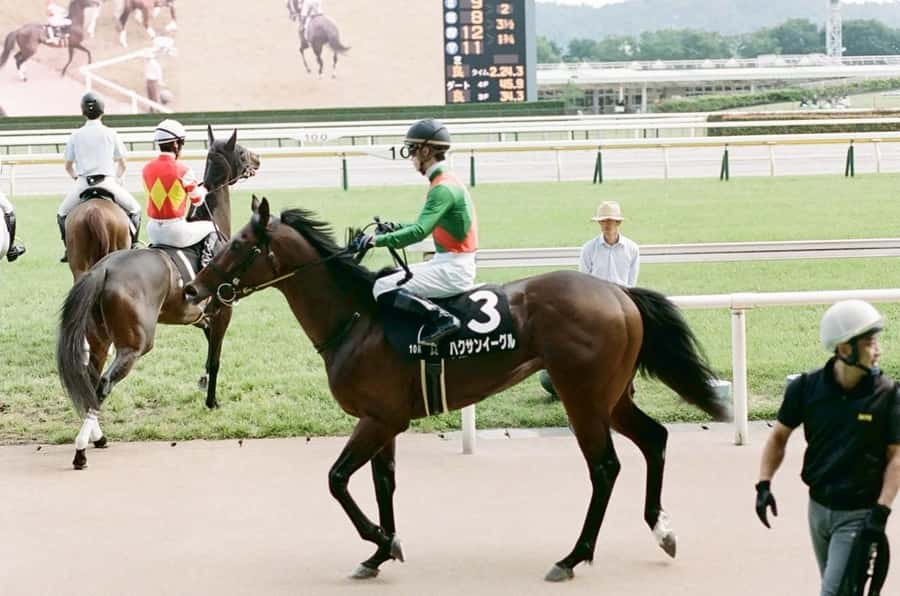
At $60 per person, the tour is priced around guidance and access rather than meals or transport. You are paying for an English-speaking guide throughout the event, racecourse admission, the reserved seat ticket, an explanation of the racing rules, and hands-on help with betting.
That is reasonable value if you would otherwise avoid the racecourse because of the Japanese-only systems. Without guidance, you might still get inside, but you could spend much of your time trying to understand the ticketing process and working out where to go. The guide changes the outing from a confusing sports venue into an activity you can actually follow.
The value is also higher for a first visit. A regular racegoer may need less help with the basic idea of betting, but even experienced fans can benefit from assistance with the Japanese format, jockey information, and local procedures.
It is less attractive if you want a low-cost attraction with no extra spending. Add your train tickets, meals, drinks, and bets before deciding. You should also remember that the tour is built around live racing, so the date and racecourse matter more than they would on a fixed museum visit.
Who will enjoy this most
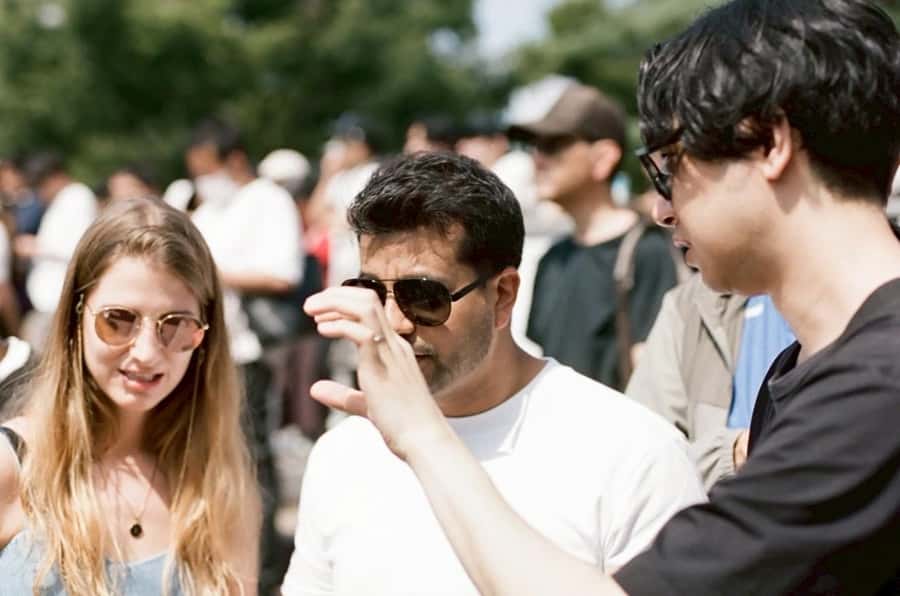
I would recommend this tour to several kinds of visitors:
- You enjoy sports, horse racing, or people-watching.
- You want a Tokyo activity outside the standard sightseeing list.
- You like learning local systems through a guide rather than reading instructions alone.
- You are curious about Japanese food and drinks in a casual public setting.
- You have a free weekday or weekend that matches the available racecourse.
It also suits experienced racegoers. Eito can explain the Japanese approach, and the setting may feel notably different from racing in Australia, New Zealand, or Hong Kong.
I would think twice if you dislike gambling, crowds, or waiting between races. You can watch without betting, but betting is a central part of the activity. I would also avoid booking it on a day when you need to reach another appointment quickly, since the venue varies and train travel is not included.
Practical advice before race day
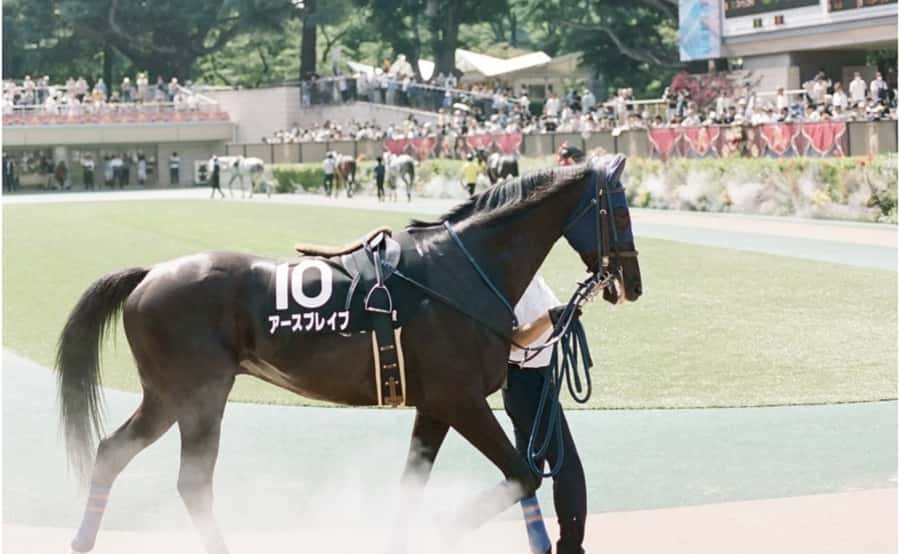
Bring cash in Japanese yen. You need it for betting, and you may also want it for food and drinks. Train tickets are separate, so keep enough money available for the return journey.
Check the racecourse shown for your selected date. Weekend and weekday venues differ, and the location will affect your travel time. Send a text when you reach the meeting point, then wait for the guide holding your name.
Do not use the voucher as if it were the entrance ticket. Eito provides the racecourse ticket and reserved seat in person, and you must enter with him.
Finally, give yourself permission to enjoy the races without trying to win. The best result is a clear understanding of how the system works, a few good stories, and a look at a part of Tokyo you probably would not find on your own.
Should you book this horse racing tour?
Book it if you want a focused, local Tokyo experience and like the idea of learning by doing. The strongest feature is Eito’s practical help. He explains the betting process clearly, helps with the train and entrance, and stays with you through the races.
The tour is especially useful for anyone who would otherwise be put off by Japanese-only signs and ticketing machines. At $60, it offers good value for admission, reserved seating, and personal guidance, but remember that the total cost rises with transport, food, drinks, and bets.
Skip it if you are looking for a free or all-inclusive activity, or if horse racing does not interest you. For the right audience, though, this is a memorable half-day addition to Tokyo, with plenty of cheering, people-watching, and a real chance to see local entertainment on its own terms.
FAQ
Which racecourse does the tour visit?
The venue depends on your selected date. Weekend tours typically visit Tokyo Racecourse or Nakayama Racecourse. Weekday tours typically visit Oi or Kawasaki Racecourse. The exact venue is shown during booking.
Is the tour conducted in English?
Yes. An English-speaking guide accompanies you throughout the event and explains the racing rules, betting process, horses, jockeys, and betting options.
Is admission included?
Yes. Admission is included, but your GetYourGuide voucher is not the admission ticket. The guide provides your racecourse ticket in person.
Is a reserved seat included?
The guide provides a reserved seat ticket in person. Entry to the racecourse is possible only when you are accompanied by the guide.
Are food and drinks included?
No. You buy your own food and drinks at the racecourse. Available choices may include karaage, yakitori, seasonal snacks, sake, beer, and local cocktails.
Do I need to pay for my own bets and train tickets?
Yes. Betting money and train tickets are not included. Bring cash in Japanese yen for betting and any purchases at the racecourse.
Where does the activity finish?
The activity ends back at the meeting point. At the start, meet the guide at the designated location, send a text when you arrive, and look for a sign with your name.
Just added for fans in Tokyo
- Tokyo: Grand Sumo Morning Training Tour★ 4.9 · 12 reviews
- Sumo Training Watching Experience in Tokyo★ 4.5 · 8 reviews
- Kickboxing & Body Training with EX-Pro Fighter★ 5.0 · 4 reviews
- Tokyo: Visit Sumo Morning Practice with English Guide★ 4.5 · 22 reviews
- Tokyo Sumo Experience with Live Show & Audience Challenge★ 5.0 · 38 reviews
- Tokyo Sumo History Tour with Chanko Nabe Lunch★ 5.0 · 3 reviews
- 【SUMO FESTIVAL】Tokyo Ginza: Sumo Show & Photo Experience★ 4.5 · 41 reviews
- Tokyo Shinjuku Sumo Show and Experience with Drinks and Photo★ 4.0 · 21 reviews
Horse Racing and Racecourses, compared.
Horse Racing Tour with Local Fans in Tokyo Racecourse
Read our review →
Horse Racing Tour with Local Fans in Tokyo, Oi Racecourse
Read our review →
Hong Kong Jockey Club Racecourse Guided Tour with F&B
Read our review →Browse the lists this tour appears in