
Review · SUMO EXPERIENCES
Sumo Wrestling Tournament Chair Seats & Expert Guide | Osaka Mar
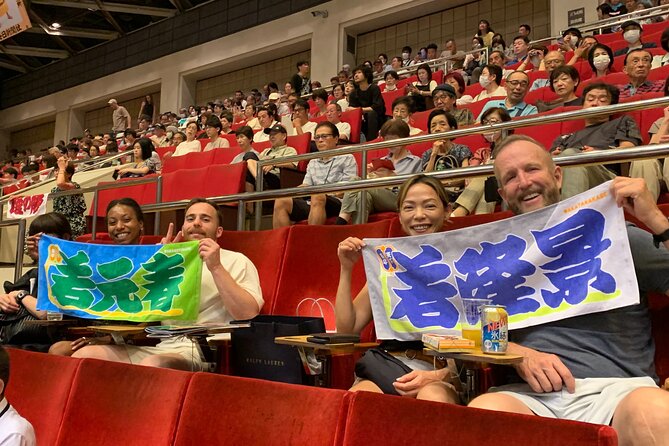
The best part of this Osaka experience is the timing. You arrive before the biggest bouts, learn what you are watching, then stay through the afternoon ceremony and the matches that Japanese television covers. With a guide beside you, sumo becomes far easier to follow than it would be from a seat with no explanation.
I like the small group of up to five and the comfort of chair seating, where you can eat and drink without kneeling. I also like the practical help from guides such as Yuki and Mai, who can point out the museum, gift shop, rituals, and match details as they happen. The main caution is seating clarity: the tour description refers to A-Class front-row seats, but its detailed seat information describes S-seat chairs on the second floor and says exact seats cannot be selected.
Key points to know before booking
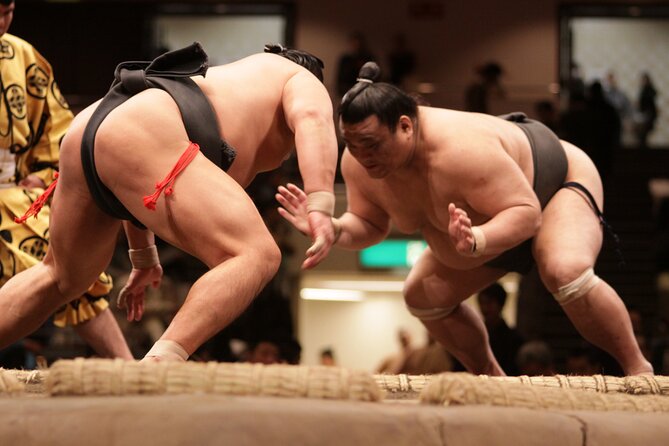
- The strongest matches run from about 4 to 6 p.m., so the schedule covers the part of the tournament most first-time spectators want to see.
- Your guide stays with you, making it easy to ask about rules, wrestlers, ceremonies, and customs during the action.
- The group is limited to five people, giving this a more personal feel than a large coach tour.
- Chair seating is easier on your legs than traditional floor seating, and eating and drinking at your seat is allowed.
- A guidebook and tour photos are included, while snacks and private transportation are not.
- Exact seat placement is not guaranteed, so ask the operator to clarify the A-Class and second-floor descriptions before paying.
Why an afternoon of sumo works so well
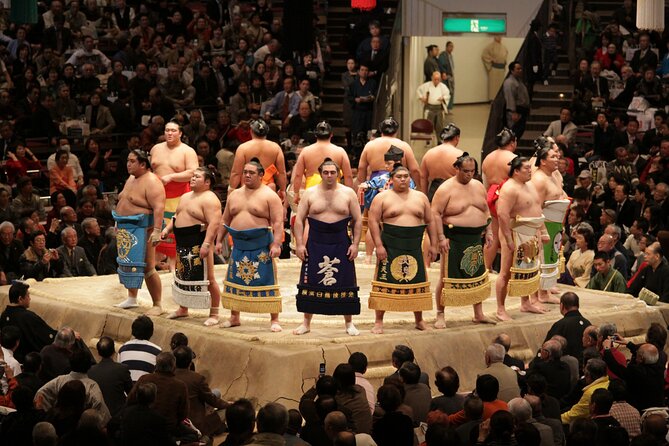
A sumo tournament is not simply a string of short wrestling bouts. The day builds slowly. Lower-ranked wrestlers compete earlier, while the top division appears later, when the arena atmosphere becomes more charged and the matches receive Japanese television coverage.
This four-hour session begins at 2 p.m. and ends around 6 p.m. That is a smart window. You see enough of the day to understand the setting, but you do not need to sit through every early match from morning until evening.
The timing also gives you a chance to settle in. Your guide meets you outside Edion Arena Osaka, helps you enter, and takes you to your seats. After that, you are free to move around the venue, subject to the arena’s rules. If you need to leave, re-entry is allowed once that day, but you should tell the guide before going out.
I would not book this expecting a quick photo stop. The main value comes from staying long enough to see the tournament change pace. The final two hours are the heart of the experience.
More Sumo Experiences in Japan:
- Tokyo: Sumo Show Experience with Chicken Hot Pot and a Photo
★ 4.8 · 6,678 reviews - Tokyo: Sumo Show and Dining Experience
★ 4.8 · 2,742 reviews - the SUMO show
★ 5.0 · 1,960 reviews
Meeting your guide at Edion Arena Osaka
The meeting point is Edion Arena Osaka, also known as the Osaka Prefectural Gymnasium, in Naniwa Ward. The start time is 2 p.m., and the activity ends back at the same venue.
The exact meeting details are supplied two to three days before the event. That means you should keep an eye on your booking messages close to the date. Do not assume you can simply arrive and walk into the arena on your own. The guide is part of the service, and the group enters together.
The venue is near public transportation, which makes this easier to reach than an out-of-town tournament site. Private transportation is not included, so you handle your own journey to the arena.
A small group matters here. With no more than five people, you can ask a question without holding up a busload of people. You also have a better chance of getting a clear explanation of what is happening in the ring, especially if this is your first sumo tournament.
Getting settled in the chair seats
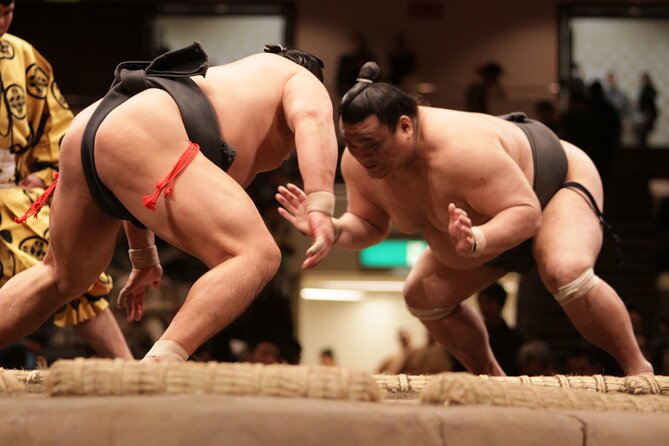
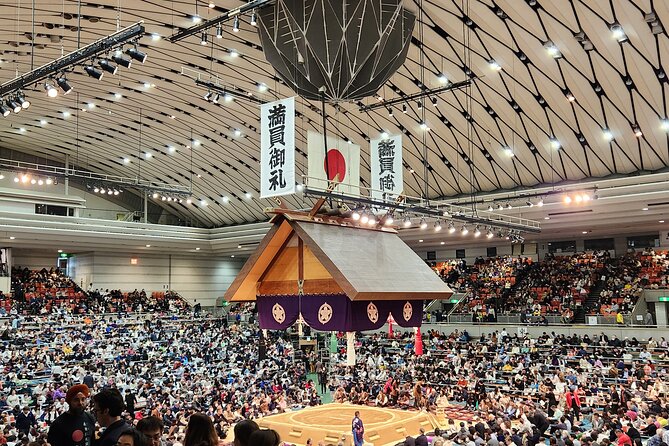
The seating information needs careful reading. The headline describes premium A-Class seats in the front one or two rows. The detailed information describes S-seat chairs on the second floor, with a broad view of the entire arena, and says that the seating area cannot be specified.
Those descriptions do not match perfectly. If the difference matters to you, contact the provider before booking and ask exactly what ticket category your date includes. You should also ask if front-row placement is guaranteed or simply part of the general description.
The second-floor chair seats described in the detailed information have some clear advantages. You get a panoramic view of the ring and the surrounding arena. You can watch the wrestlers’ entrances, the ceremonies, and the movement around the dohyo without needing to twist around from a low angle.
The chairs are also a practical choice. Traditional sumo seating can require sitting on the floor, sometimes in a kneeling position. Here, you sit in a chair, which is easier on your legs during a four-hour visit.
Eating and drinking at your seat is allowed. However, snacks are specifically listed as not included, so plan to buy or bring your own if permitted by the venue. The general description refers to relaxing with drinks and snacks, but you should not read that as an included food package.
Once you reach your seat, you are free to move around. That is useful if you want to look through the venue or visit the museum and gift shop, both of which guide Yuki helped visitors find during the tour.
The early matches at 2 p.m.
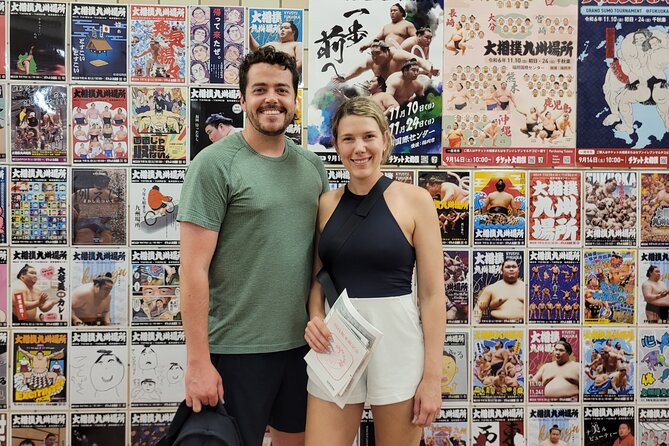
At 2 p.m., you enter and begin watching the tournament from your seat. The lower-ranked matches are not the main draw for most first-time spectators, but they give you useful context.
You can see the basic rhythm of a bout: the wrestlers enter, prepare, perform ritual movements, and wait for the right moment. The actual clash may be brief. Without an explanation, the pauses and repeated gestures can seem puzzling. With a guide nearby, you can ask why the wrestlers stamp, scatter salt, or spend time preparing before the charge.
The supplied tour information promises an original sumo guidebook. That gives you something to refer to during the action and makes the experience less dependent on remembering every explanation. The professional guide can also explain the sport in relation to Japanese history and culture, a point that helped make this experience especially worthwhile for first-time spectators.
Do not expect a formal lecture with a fixed script. The value is having someone beside you while the tournament is unfolding. You can ask about a particular wrestler, a judging decision, or an unfamiliar ceremony at the moment it matters.
More Sports Experiences in Japan:
- Tokyo Shinjuku Sumo Show & Experience with Photo
★ 5.0 · 1,750 reviews - Tokyo Sumo Entertainment Show with Chicken Hot Pot and Photo
★ 5.0 · 1,205 reviews - Tokyo: Sumo Show and Experience in Shinjuku
★ 4.8 · 1,001 reviews - Tokyo: Sumo Tournament Tour with Chair Seat Tickets
★ 4.6 · 753 reviews
The nakabi ceremony around 3:40 p.m.
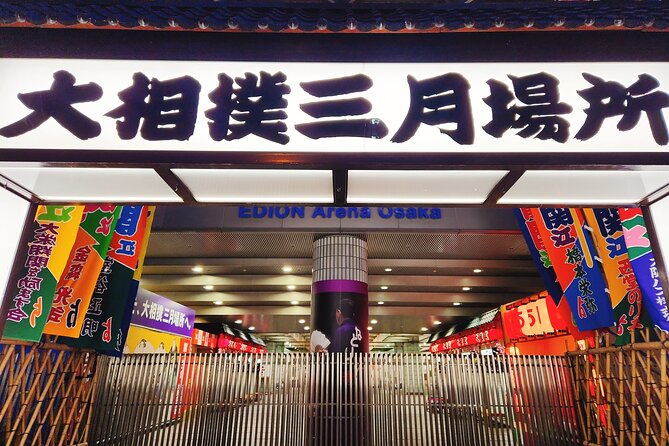
Around 3:40 p.m., the tournament reaches nakabi, the ceremony before the bouts involving particularly strong wrestlers. This is the transition from the earlier part of the day to the main event.
You watch the ceremony from your seats. It is one of the best reasons not to arrive only for the final match. Sumo places real weight on ritual, presentation, and rank, and this part of the schedule helps you see that the bouts are not treated as isolated sporting events.
Your guide can help you understand who is entering the ring and why the order matters. That explanation is important because sumo has its own system of rankings, customs, and formal movements. The spectacle makes more sense when you know what to watch for.
The ceremony also gives you a natural pause before the main bouts. You can check the guidebook, get a drink, or ask questions while the arena prepares for the strongest wrestlers.
The main bouts from 4 to 6 p.m.
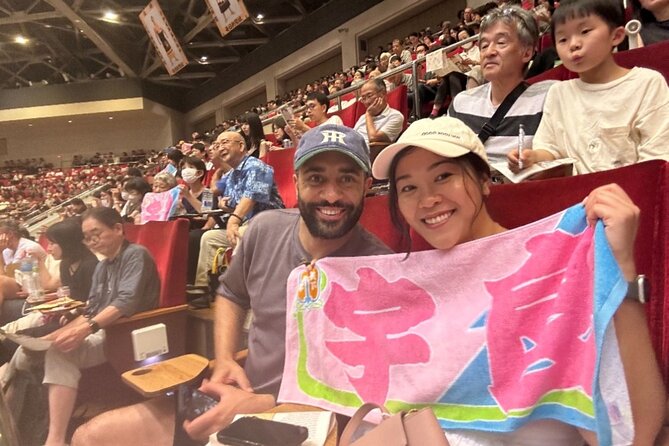
The key stretch begins around 4 p.m. and runs until about 6 p.m. This is when the strongest wrestlers begin their matches and Japanese television coverage starts.
For a first sumo visit, this schedule is excellent. You get the most important part of the tournament without committing to a full day. The atmosphere should also feel more focused as the top division takes its turn, though the exact mood will depend on the tournament day and the matches on the schedule.
Sumo can be easy to underestimate on television. A bout may last only a few seconds, yet the build-up, tactics, balance, and timing all matter. A guide can point out why a wrestler wins by forcing an opponent out, stepping out first, or touching the ground. You may also learn to watch the footwork and the opening charge rather than waiting only for a dramatic throw.
This is where the guide’s presence earns its keep. Yuki was described as especially helpful at making the event less confusing, while Mai was praised for being friendly and hospitable. The important point is not the personality of one particular guide, since your guide may vary. It is that the service places someone next to you who can explain the action in plain terms.
What is included, and what you still need to arrange
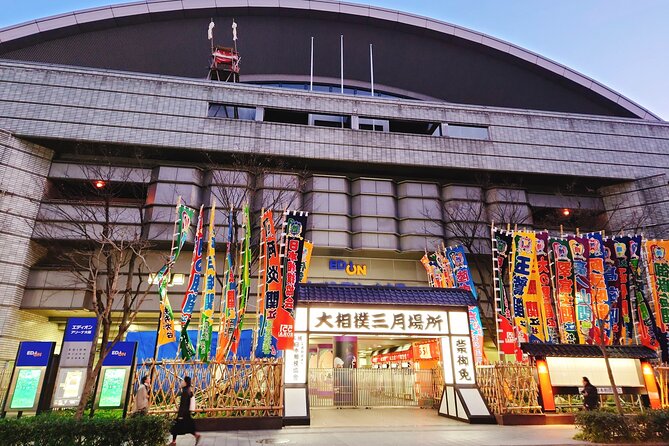
The $182 price covers several things:
- Class A ticket, though the exact seating description should be confirmed
- Original sumo guidebook
- Professional guide
- Tour photos
- Admission to the arena
You arrange your own transportation to Edion Arena Osaka. Snacks are not included, despite the general description referring to drinks and snacks at the seat. The information does not state that drinks are included either, so budget for refreshments separately.
I see the price as reasonable for someone who wants more than admission alone. A standard ticket may get you into the building, but it does not give you a guide at your side for four hours, a small private group, a guidebook, or tour photos.
The value is weaker if you already understand sumo well and are comfortable managing the venue by yourself. In that case, you may prefer to buy a ticket independently and spend less. But if you are new to the sport, the explanation can prevent the afternoon from becoming a series of short, confusing bouts.
The small group also affects the value. A maximum of five people is quite different from a large guided outing. You are paying for personal attention, not only for entry.
A private group, but not a fully private schedule
This is described as a private activity, and only your group participates. The group size is limited to five, which means the guide is working with your party rather than mixing you into a large public group.
That does not mean the tour time is flexible. The session runs from 2 p.m. to around 6 p.m., and the schedule cannot be changed. If you have dinner reservations, a train to catch, or another timed activity, leave a comfortable margin after the final bout.
The guide sits with you, so the experience has a personal feel even though the tournament itself is a public event. You can ask questions as they arise and receive help with practical matters such as finding the museum or gift shop.
You are free to move around after arriving at your seat. Still, the guide should remain your first point of contact if you want to leave the arena, since re-entry is limited to once per day and the tour ends at the original meeting point.
Who will get the most from this experience
I would recommend this to a first-time sumo spectator who wants context without taking a full class. The guide can explain the rules and cultural details while you watch, which is far more useful than trying to decode the event from a brochure.
It also suits people who value comfort. The chair seating is easier than kneeling on the floor, and the four-hour schedule is long enough to feel substantial without taking the whole day.
Families and older visitors may appreciate the seating arrangement, although the supplied information only says that most people can participate and does not give detailed accessibility information. If you have specific mobility needs, ask the provider before booking.
This is also a good fit for a couple or small group that wants an organized experience but does not want a large tour. Guides Yuki and Mai were both praised for making the visit friendly and understandable, and that personal contact is central to the experience.
I would be more cautious if your top priority is a guaranteed front-row view. The tour description uses premium front-row language, but the detailed seat information refers to second-floor S-seat chairs and says exact seats cannot be selected. Confirm this point in writing.
Booking, cancellation, and practical expectations
Confirmation is provided at the time of booking. The meeting details arrive two to three days before the event, so keep access to your messages during that period.
Free cancellation is available up to 24 hours before the 2 p.m. start time for a full refund. Within 24 hours, cancellations and changes are not accepted for a refund. The cut-off uses local Osaka time.
Plan to arrive ready for a four-hour event. Wear something comfortable for sitting, bring money for food or drinks, and allow enough time to reach the arena by 2 p.m. The venue is near public transportation, but private transport is not part of the booking.
Should you book the Osaka sumo tour?
Book it if you want the strongest part of the tournament explained as you watch it, prefer chair seating, and value a small group with a guide who remains nearby. The four-hour timing, 4 to 6 p.m. main bouts, guidebook, and tour photos make this a well-rounded first visit.
Before booking, get clear confirmation about the ticket category. The difference between front-row A-Class seats and second-floor S-seat chairs is significant, and the exact seating cannot be selected according to the detailed information.
If you are a dedicated sumo fan who already knows the rules, the guide may add less value. For most first-time spectators, though, the personal explanations from a guide such as Yuki or Mai can turn a bewildering afternoon into a memorable Japanese sporting experience.
FAQ
Where does the sumo experience begin?
It begins at Edion Arena Osaka, also called the Osaka Prefectural Gymnasium, in Naniwa Ward, Osaka.
What time does the tour start?
The meeting time is 2 p.m.
How long does the activity last?
The session lasts about four hours and ends around 6 p.m. after the final match.
When do the strongest sumo matches begin?
The main matches begin around 4 p.m. and continue until about 6 p.m.
What is nakabi?
Nakabi is the ceremony around 3:40 p.m. that takes place before matches involving particularly strong sumo wrestlers.
How large is the group?
The group can include up to five people. The activity is private, so only your group participates.
Is a guide included?
Yes. A professional guide stays with you and can answer questions during the tournament. An original sumo guidebook is also included.
Are food and drinks included?
No. Snacks are not included. Eating and drinking at your seat is allowed, but the supplied information does not state that refreshments are provided.
Can I cancel for a full refund?
Yes, if you cancel at least 24 hours before the experience start time. Cancellations or changes made within 24 hours are not accepted for a refund.
Just added for fans in Japan
- Tokyo: Grand Sumo Morning Training Tour★ 4.9 · 12 reviews
- Sumo Training Watching Experience in Tokyo★ 4.5 · 8 reviews
- Kickboxing & Body Training with EX-Pro Fighter★ 5.0 · 4 reviews
- Tokyo: Visit Sumo Morning Practice with English Guide★ 4.5 · 22 reviews
- Tokyo Sumo Experience with Live Show & Audience Challenge★ 5.0 · 38 reviews
- 【SUMO FESTIVAL】Tokyo Ginza: Sumo Show & Photo Experience★ 4.5 · 41 reviews
- Tokyo Shinjuku Sumo Show and Experience with Drinks and Photo★ 4.0 · 21 reviews
- Tokyo Sumo History Tour with Chanko Nabe Lunch★ 5.0 · 3 reviews
Sumo Experiences, compared.
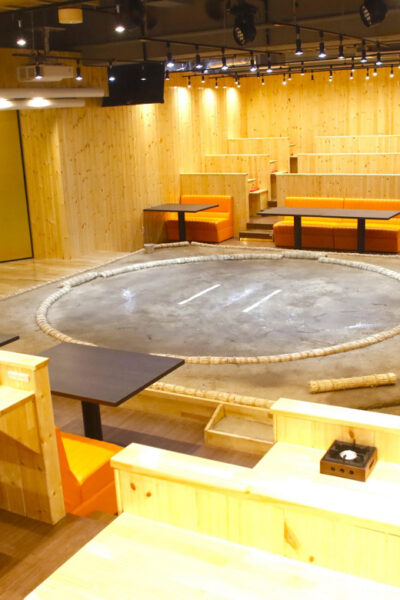
Sumo Show Experience with Chicken Hot Pot and a Photo
Read our review →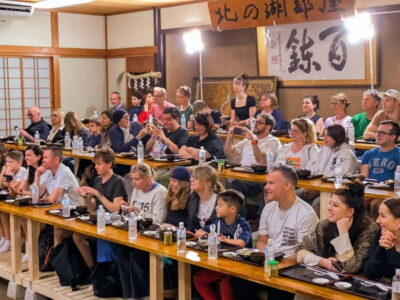
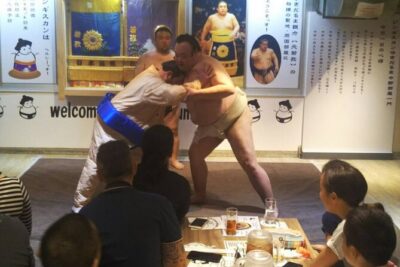
Tokyo Shinjuku Sumo Show & Experience with Photo
Read our review →
Tokyo Sumo Entertainment Show with Chicken Hot Pot and Photo
Read our review →
Tokyo Grand Sumo Tournament Viewing Tour with Tickets
Read our review →Browse the lists this tour appears in