
Review · SUMO EXPERIENCES IN TOKYO
Private Ryogoku Walking Tour with Sumo Wrestler and Master Guide
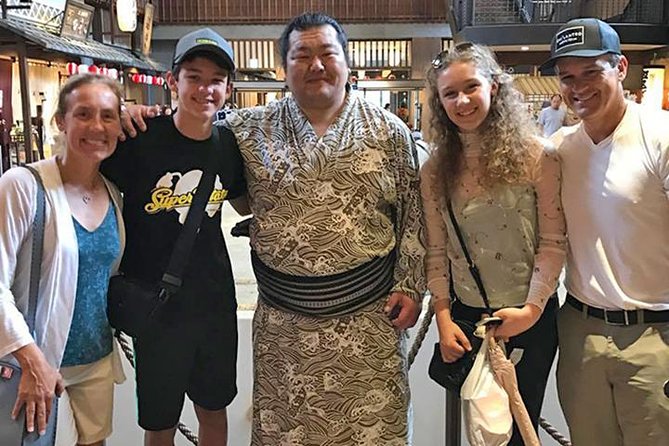
The best part of this Tokyo walk is the chance to ask a sumo wrestler what life is really like inside Japan’s national sport. You’ll visit Ryogoku Kokugikan, see the neighborhood where wrestlers train, and hear explanations that go well beyond the rules of pushing an opponent out of a ring.
I like the small private format, with no more than five people, and the smart pairing of Ryogoku with Asakusa. You get both sumo culture and major Tokyo sights, including Senso-ji Temple and Nakamise Street. The catch is the price: at $402.32 per person, this is costly for a two to two-and-a-half-hour walk, especially since food and transportation are extra.
Key points to know before booking
- A real sumo connection: Your guide is a current or recently retired sumo wrestler, depending on tournament schedules and availability.
- Two very different Tokyo districts: Ryogoku gives you sumo and Edo-era atmosphere, while Asakusa brings temples, snacks, and traditional shopping.
- Private and small: Only your group takes part, with a maximum of five people.
- Useful cultural access: A local translator joins the wrestler, so you can ask detailed questions without relying on gestures.
- A short, full afternoon: The tour begins at 1:30 pm and lasts about 2 to 2.5 hours.
- High cost, personal format: The fee buys access to a rare guide and a private experience, but the value depends on how much you care about sumo.
Why Ryogoku is the right place to start
Ryogoku is Tokyo’s sumo district. The neighborhood is home to the Ryogoku Kokugikan, sumo-related shops, shrines connected with the sport, and places where the presence of wrestlers feels normal rather than staged for visitors.
You meet at Ryogoku Station at 1:30 pm. The exact meeting point is listed at 1-chome-3-20 Yokoami, Sumida City. From there, the walk begins in a part of Tokyo that feels more focused than the city’s famous shopping quarters. That matters because your guide can explain how sumo fits into the local area instead of giving you a general talk far from the sport itself.
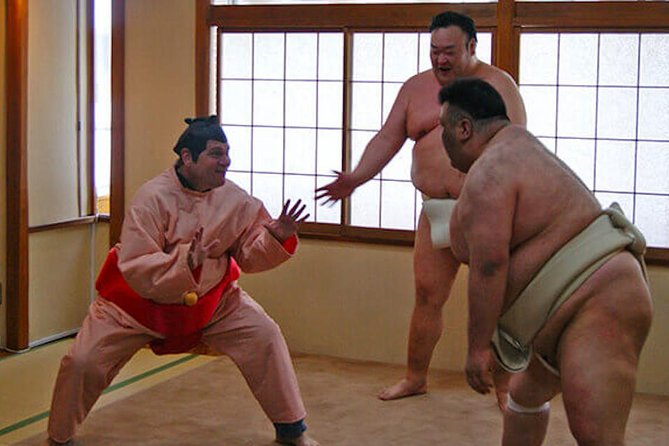
A sumo wrestler guide gives this tour its main reason to exist. The supplied information does not provide the guide’s name, so you should not expect to select a particular wrestler when booking. The guide may be an active wrestler or someone who has just retired if tournaments or other duties prevent an active wrestler from attending.
That change may sound significant, but the tour description makes clear that a recently retired wrestler can provide the same level of insight into the sport. In practical terms, you still have someone who understands the training world, tournament life, rules, and customs from personal experience.
A translator comes along as well. This is important. Sumo involves special terms, strict customs, and a training system that may not be easy to explain in casual English. The translator lets you ask about the parts of sumo that interest you most, rather than simply hearing a memorized introduction.
More Sumo Experiences in Tokyo
- Tokyo: Sumo Show and Dining Experience
★ 4.8 · 2,742 reviews - the SUMO show
★ 5.0 · 1,960 reviews - Tokyo Shinjuku Sumo Show & Experience with Photo
★ 5.0 · 1,750 reviews
Ryogoku Edo Noren and the old station setting
The first listed stop is Ryogoku Edo Noren, a shopping and restaurant complex in the restored former Ryogoku Station building. The façade from the 1929 station has been kept, giving the stop an old Tokyo feel before the tour moves on to the stadium and shrine.
About 30 minutes are set aside here, and admission is included. This is not just a place to grab a quick snack. It gives you a look at how an older railway building has been reused as a public space, with food and shops tied to the local character of Ryogoku.
The stop also offers a practical beginning. You can get oriented, meet the translator and wrestler, and settle into the rhythm of walking and asking questions. Since food and drinks are not included in the tour price, you should treat any purchase here as your own expense.
I like this opening because it avoids rushing straight into a lecture about sumo. You begin in a real neighborhood setting, with the old station as a visual reminder that Ryogoku has long been tied to movement, commerce, and public entertainment.
Inside the world of Kokugikan
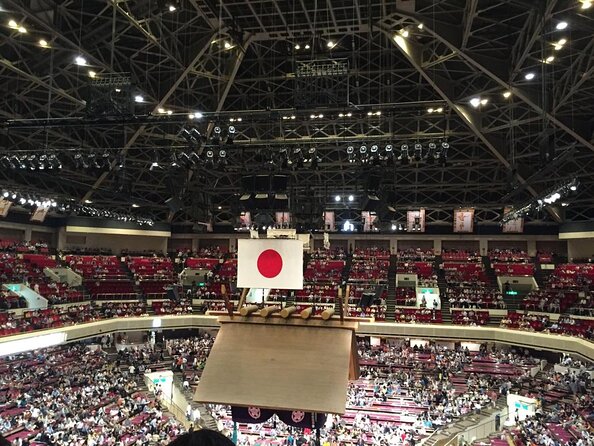
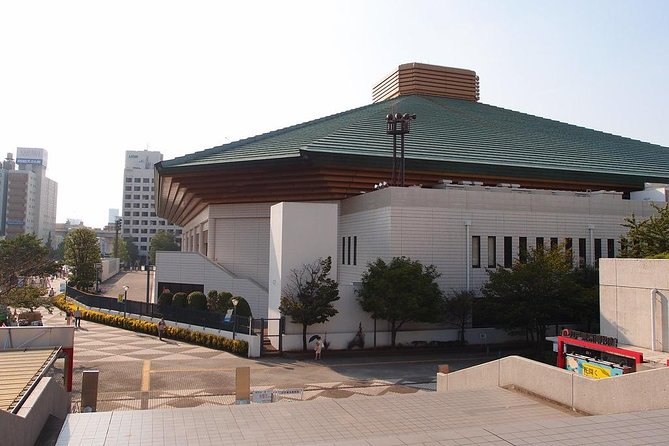
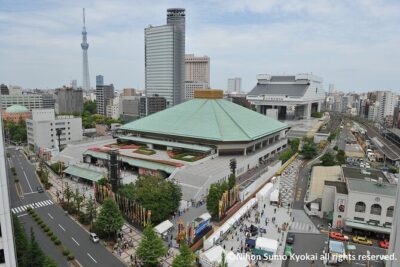
Ryogoku Kokugikan is the central sight for sumo in Tokyo. Built in 1985, the stadium can hold more than 10,000 people. During a tournament, it is the place to feel the noise and ceremony of professional sumo, but this walking tour gives you a way to understand the venue even when a tournament is not taking place.
The tour allows about 30 minutes here, with no separate admission fee listed. The description says you’ll explore the stadium and learn about the wrestlers’ stable. A stable is the training and living organization where wrestlers practice under a master, so this part connects the public stadium with the less visible daily structure behind the matches.
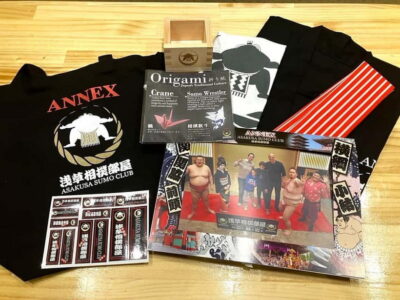
You may also visit a sumo goods shop. That is a small detail, but it helps explain how the sport appears in everyday Japanese life. Sumo is not limited to the two wrestlers in the ring. It has its own clothing, souvenirs, names, symbols, and fan culture.
Do not expect this short visit to replace attending a tournament. The tour does not promise a live match, and the listed schedule does not include tournament tickets. If seeing a bout is your main goal, you will need a separate plan. If your goal is to understand the sport and its setting, the stadium stop should be more useful.
The private group makes a difference here. With five people or fewer, you can ask why the ring ceremony matters, how wrestlers rise through the ranks, or what happens in a training stable. A large group would make that kind of conversation harder.
Nomi Sukune Shrine and the roots of sumo
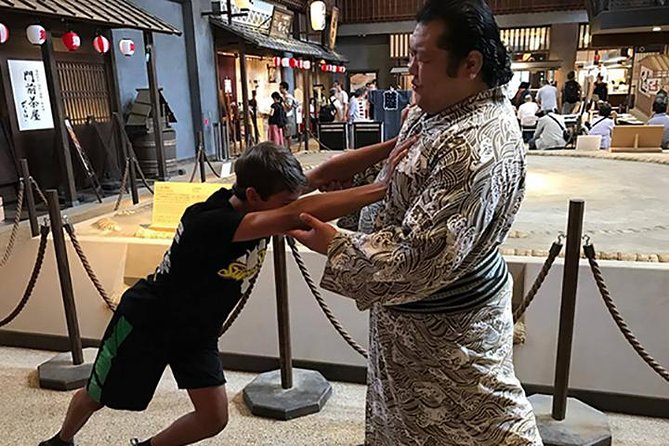
Nomi Sukune Shrine is a small but meaningful stop. It is dedicated to the figure associated with the beginning of sumo in ancient Japan. A new yokozuna, the highest rank in sumo, visits and worships here, and a stone monument records the names of yokozuna champions.
About 20 minutes are planned for the shrine. That is enough time to see the site and listen to an explanation, but not enough for a long temple-style visit. The appeal is its connection to the sport rather than its size.
This is where the wrestler guide can add real value. A guidebook can tell you the shrine’s name and basic purpose. A person from the sumo world can explain why a champion would come here, how religious customs fit into sumo, and why names carved in stone matter to the sport’s sense of rank and tradition.
You should also expect a quiet change of pace. Kokugikan is a large public venue, while the shrine is local and symbolic. That contrast is one of the stronger parts of the Ryogoku section.
The supplied schedule also mentions the Hokusai Museum, though the description is incomplete and does not clearly list a visit time or admission arrangement. Treat it as an optional possibility, not a guaranteed main stop. If you are a fan of Hokusai, ask the guide or translator on the day whether it fits the route.
Same city, a different fixture:
- Tokyo: Sumo Show and Experience in Shinjuku
★ 4.8 · 1,001 reviews - Tokyo Grand Sumo Tournament Viewing Tour with Tickets
★ 5.0 · 692 reviews - Tokyo Sumo Wrestling Tournament Experience
★ 5.0 · 660 reviews - Tokyo:Luxury Sumo Show Experience & Japanese cuisine & Drink
★ 4.7 · 577 reviews
From sumo town to Asakusa
The tour then connects Ryogoku with Asakusa, one of Tokyo’s best-known historic districts. The Asakusa portion includes Senso-ji Temple, Nakamise Street, snacks, and shopping.
This pairing works well because the two areas offer different types of traditional Tokyo. Ryogoku is centered on a living sport and its local institutions. Asakusa is centered on a major Buddhist temple, a busy approach street, small shops, and familiar Japanese treats.
Senso-ji is the headline sight. The tour gives you a guide who can provide context rather than leaving you to work out the site’s meaning on your own. Since temple visits can become a quick photo stop, the quality of the explanation matters. Ask about the temple customs and the role of the approach leading toward the main buildings.
Nakamise Street adds a more casual side to the afternoon. You can look through shops and sample snacks, though food and drinks are not included. Bring some yen or another accepted form of payment if you want to buy something. The tour fee covers the guided experience, not personal purchases.
The Asakusa section is especially useful for a first visit to Tokyo. You see a major temple, walk a traditional shopping street, and get help understanding what you are looking at. The drawback is time. With only about 2 to 2.5 hours for both districts, Asakusa will be an introduction rather than a full neighborhood visit.
What the private format changes
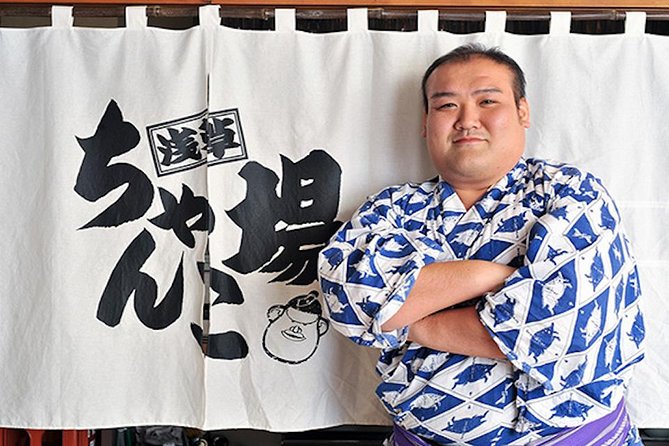
This is a private activity, not a shared walking group. Only your party participates, and the maximum booking size is five people. That gives you more control over questions and makes the experience better suited to families, couples, or a small group of friends.
The age minimum is 10. That makes the tour a possible choice for older children who are interested in sport, Japanese customs, or unusual cultural experiences. Younger children cannot join under the stated rules.
The format also keeps the walk personal. One strong point from the supplied feedback is the positive impression made by both the wrestler and translator as people, not only as sources of facts. The translator was described as friendly and easy to talk with, and the retired wrestler made the conversation enjoyable outside the formal sumo explanations.
That is worth considering when you compare this with a standard city tour. You are not paying only for a route between famous sights. You are paying for access to a particular kind of guide and for the chance to have a conversation that would be difficult to arrange independently.
Still, private does not automatically mean better value for every person. At $402.32 per person, the cost is high if you mainly want to see Senso-ji and walk around Ryogoku. You can visit those districts without this tour. The price makes more sense if the sumo wrestler access is the central reason you are booking.
Is two and a half hours enough?
The tour information gives two different duration figures: about two hours in one place and 2.5 hours in the fuller description. Plan for roughly 2.5 hours, and allow some flexibility.
The route includes:
- About 30 minutes at Ryogoku Edo Noren
- About 30 minutes at Ryogoku Kokugikan
- About 20 minutes at Nomi Sukune Shrine
- Time for the sumo explanation, walking, Asakusa, Senso-ji, Nakamise Street, and possibly the Hokusai Museum
That is a lot for one afternoon. You will get a useful overview, but you will not have long free periods at each stop. Keep your expectations realistic: this is a guided introduction with a special guest, not a slow museum day.
The 1:30 pm start is practical for a sightseeing day. You can spend the morning elsewhere in Tokyo, then head to Ryogoku for the meeting time. The activity ends back at the meeting point, so plan your evening from Ryogoku rather than assuming you will finish in Asakusa.
Transportation to and from the meeting point is not included. Ryogoku is near public transportation, but you must arrange your own route. Check your journey time before setting out, especially if you are staying far from eastern Tokyo.
Price, value, and the cancellation risk
The listed price is $402.32 per person. Group discounts are available, but the supplied information does not explain the discount amount, so ask for the final group price before booking.
For a couple, the total is substantial. For a group of four or five, the private format may feel more reasonable if the cost is calculated in a way that benefits a larger party. Even then, compare the price with your personal interest in sumo.
I would book this for the rare access, not for the number of sights. The stadium, shrine, temple, and shopping street are all worthwhile, but they do not alone justify such a high fee. The sumo wrestler and translator are the core product.
One important warning: the experience is non-refundable and cannot be changed for any reason. That includes illness, according to the stated policy. A couple had to miss the tour because of sickness and received no refund under the terms. If you book, choose a date when your plans are firm and consider travel insurance that may cover a qualifying problem.
Who will get the most from this walk?
I think this tour suits you best if:
- You have a strong interest in sumo and want personal explanations.
- You prefer a private guide to a large group.
- You are visiting Tokyo for the first time and want Asakusa explained rather than simply photographed.
- You are traveling with family members aged 10 or older.
- You value conversation and cultural access more than a long list of included admissions.
- You are comfortable paying extra for a short, specialist experience.
It is less suitable if you want a full tournament, extensive time inside museums, a food tour, or a low-cost way to see Asakusa. It is also a poor fit if illness or schedule changes are a serious concern, because the booking cannot be refunded or amended.
Should you book the Ryogoku sumo walk?
Book it if meeting a sumo wrestler is near the top of your Tokyo wish list. The private group, translator, Kokugikan visit, Nomi Sukune Shrine, and Asakusa stops create a focused afternoon with a clear cultural theme.
Skip it if you mainly want temple sightseeing or a general walking tour. You can visit Senso-ji, Nakamise Street, and the Ryogoku area on your own for far less. At this price, the tour earns its keep only when the sumo connection matters to you.
FAQ
How long does the tour last?
The fuller tour description gives a duration of about 2.5 hours. Another listing states approximately two hours, so you should allow roughly 2 to 2.5 hours.
Where does the tour begin?
It begins at Ryogoku Station, listed at 1-chome-3-20 Yokoami, Sumida City, Tokyo 130-0015, Japan.
What time does the tour start?
The scheduled start time is 1:30 pm.
Where does the tour end?
The activity ends back at the meeting point.
Is the tour private?
Yes. Only your group participates, and each booking can include a maximum of five people.
Will the guide always be an active sumo wrestler?
Not always. If an active wrestler is unavailable because of a tournament or another reason, the guide may be a recently retired sumo wrestler.
Are food and drinks included?
No. Food and drinks are not included. You may sample or buy snacks on Nakamise Street at your own expense.
What is the cancellation policy?
The experience is non-refundable and cannot be changed for any reason. If you cancel or request an amendment, the amount paid will not be refunded.
Just added for fans in Tokyo
- Tokyo: Grand Sumo Morning Training Tour★ 4.9 · 12 reviews
- Sumo Training Watching Experience in Tokyo★ 4.5 · 8 reviews
- Kickboxing & Body Training with EX-Pro Fighter★ 5.0 · 4 reviews
- Tokyo: Visit Sumo Morning Practice with English Guide★ 4.5 · 22 reviews
- Tokyo Sumo Experience with Live Show & Audience Challenge★ 5.0 · 38 reviews
- Tokyo Shinjuku Sumo Show and Experience with Drinks and Photo★ 4.0 · 21 reviews
- Tokyo Sumo History Tour with Chanko Nabe Lunch★ 5.0 · 3 reviews
- 【SUMO FESTIVAL】Tokyo Ginza: Sumo Show & Photo Experience★ 4.5 · 41 reviews
Sumo Experiences in Tokyo, compared.
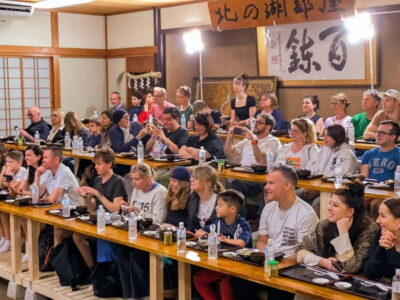
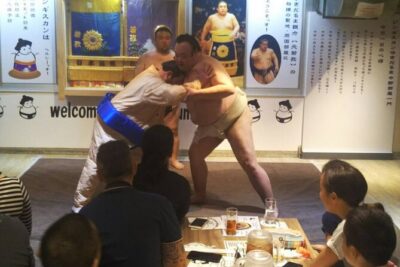
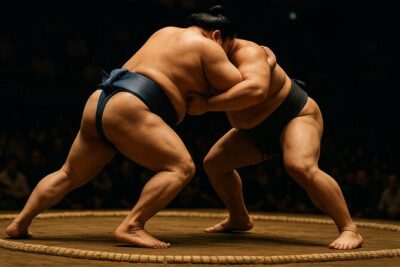
Tokyo Shinjuku Sumo Show & Experience with Photo
Read our review →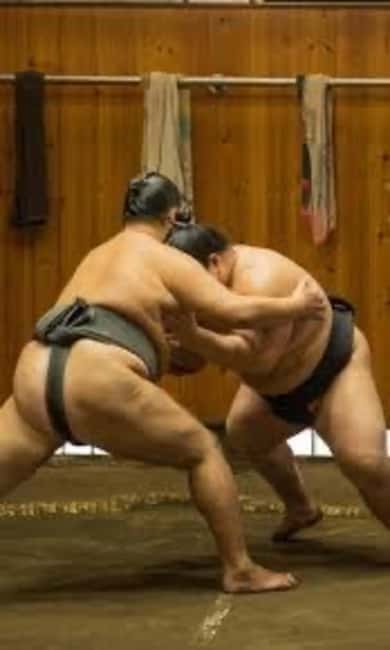
Tokyo Grand Sumo Tournament Viewing Tour with Tickets
Read our review →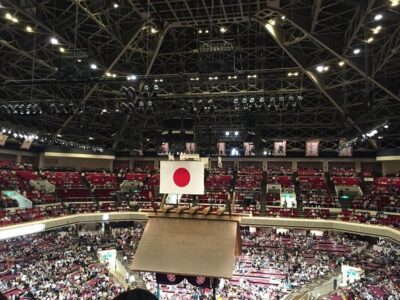
Luxury Sumo Show Experience & Japanese cuisine & Drink
Read our review →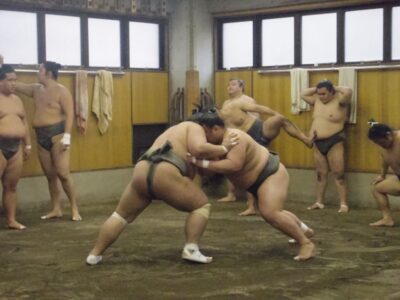
Browse the lists this tour appears in