
Review · SUMO EXPERIENCES IN TOKYO
Tokyo Sumo Morning Practice: Viewing & Exclusive Interaction
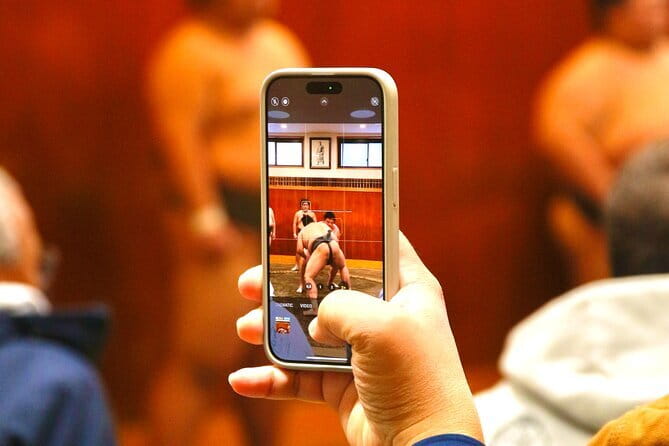
The best part of this Tokyo experience is that you watch real morning practice, not a staged cultural performance. From only a few meters away, you see wrestlers repeat drills, collide with startling force, and follow rituals that make a televised tournament easier to understand. The stable is a working place, so the mood depends on that day’s training.
I like the unusually close view and the chance to speak with wrestlers afterward. I also like the early finish, which leaves most of the day for Asakusa, Ueno, or another Tokyo plan. The main drawback is value: at $95.77 per person, the price feels high if practice is brief or your visit includes little explanation beyond translation.
Key points
- Real stable, not a stage show: Watch professional wrestlers train during their normal morning session.
- Close-up practice: See rituals, exercises, pushing drills, and practice bouts from just a short distance away.
- Questions and photos: The post-practice session gives you time to speak with wrestlers and take personal photos.
- Ring interaction may be possible: Some men and children have been invited to push or wrestle briefly with a wrestler, but this is not guaranteed.
- Useful morning timing: The experience lasts about two and a half to three hours, leaving the afternoon open.
- Japanese brunch option: You can add a meal afterward, with guides available to explain the dishes.
Why a Sumo Stable Is More Interesting Than a Tournament Seat
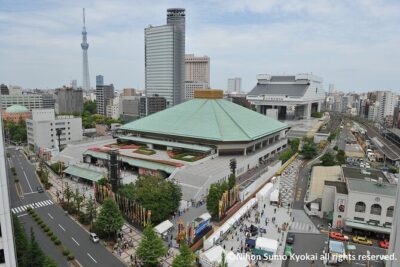
A Tokyo sumo tournament is thrilling, but it only takes place a few times each year. If your visit does not match the schedule, this morning practice offers another way to see the sport at its source.
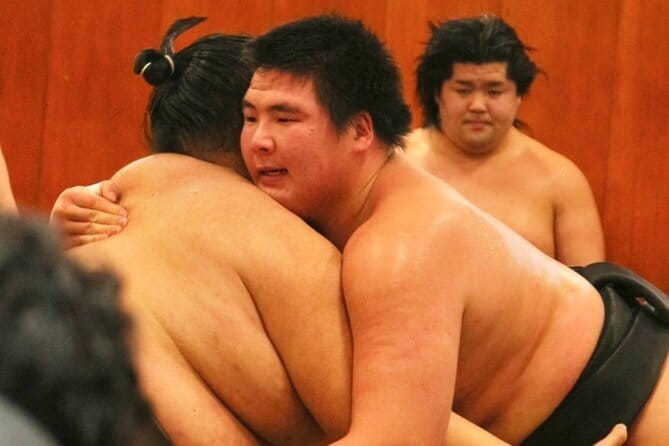
The difference is proximity. In an arena, you watch from the stands and follow the action as a spectator. At the stable, you sit close enough to hear the impact of bodies meeting and watch the wrestlers prepare between bouts. You see the work behind the polished tournament performance.
This is not a competition. The wrestlers are training, repeating techniques, building strength, and testing one another. Some sessions include several practice matches, while others focus more heavily on exercises and drills. That variation is part of the bargain, but it also means the experience is not a fixed show with a guaranteed sequence.
For me, that uncertainty is a strength if you approach it properly. You are seeing a working morning, not a performance arranged for visitors. Still, anyone expecting a full tournament atmosphere, elaborate ceremony, or nonstop action should adjust expectations.
More Sumo Experiences in Tokyo
- Tokyo: Sumo Show and Dining Experience
★ 4.8 · 2,742 reviews - the SUMO show
★ 5.0 · 1,960 reviews - Tokyo Shinjuku Sumo Show & Experience with Photo
★ 5.0 · 1,750 reviews
Meeting Near Narihira Park in Sumida
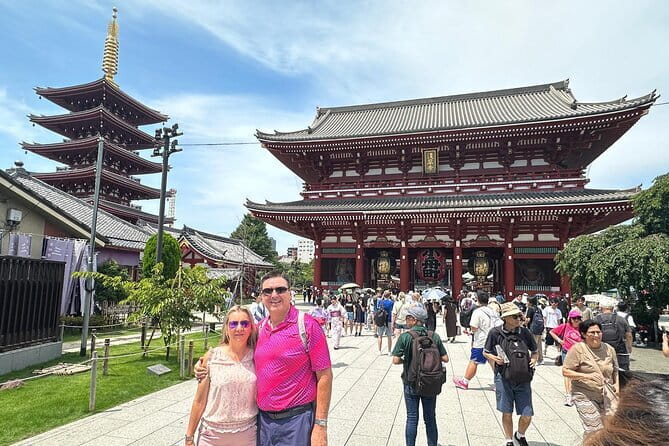
The meeting point is at Narihira Park, near the multipurpose restroom, at 2-chōme-3-番 Narihira in Sumida City. Your guide meets you there for an opening briefing before the group heads to the stable.
The orientation lasts about 20 minutes. This is when you learn basic information about sumo’s history, rules, rituals, and the stable you are about to enter. Guides such as Sarah, Haru, Momo, Peach, Taka, and Moana have been praised for making the practice easier to follow, though the guide assigned to your departure can vary.
Pay attention here. The opening explanation is not filler. If you know why the wrestlers perform certain movements, why etiquette matters, and how a practice bout differs from a tournament match, you will get more from the quiet stretches of training.
The meeting location deserves care. One person specifically reported receiving an incorrect location on the ticket, so check the latest meeting instructions before setting out. The operator may also contact you the day before, as guides have done in past departures, with directions and reading material.
The activity is near public transportation, but the start is early. If you are staying in Shinjuku and have an 8 a.m. session, one past participant advised allowing extra time and considering a taxi or ride service. Do not plan a rushed arrival. Missing the group at a working stable would be a costly mistake.
Inside the Stable: Quiet Watching and Heavy Contact
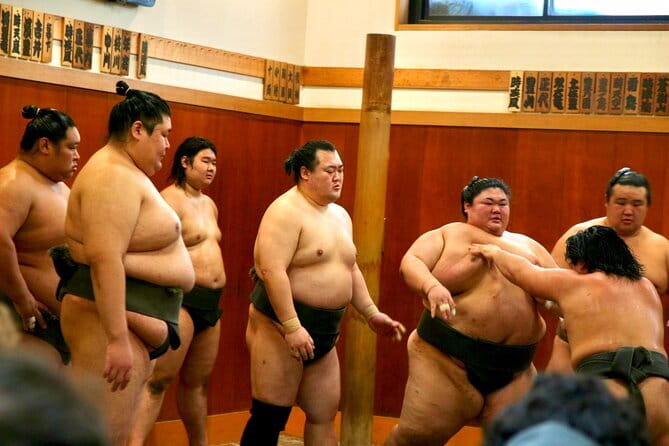
The main practice viewing lasts about 90 minutes. You may sit quietly for much of this period, watching the wrestlers train at close range.
The physical force is the first thing that catches your attention. Sumo looks slow on television until you hear the slap, the foot stamp, and the thud of a body meeting another body. From nearby, you can also see how much work happens before a bout begins. Exercises, repeated movements, balance, stance, and conditioning all matter.
You may watch wrestlers with different styles and levels of experience. One of the most interesting parts is seeing that they are not simply large athletes using brute force. Their approach, timing, posture, and technique can vary. The training reveals personality as well as discipline.
You also get a better sense of the stable as a workplace. There are rules about behavior and silence, and you are expected to observe respectfully. This is not a place for constant conversation, wandering around, or taking photographs whenever you wish. The group must follow the stable’s instructions.
That quiet format is important for families. Children who can sit still and watch for up to two hours may find it fascinating. Children who need frequent movement may struggle. The experience has worked well for families, including groups whose children were invited to interact with the wrestlers, but the practice itself is not designed as a children’s entertainment program.
The group can include as many as 45 people, although some departures have been much smaller. One particularly intimate visit had eight participants and seven wrestlers. You should not assume every session will be that small. A larger group can make the room feel less personal, especially during questions and photos.
The Rituals Make the Training Easier to Read
The practice is not just a series of collisions. Much of its value comes from the details surrounding the action.
Your guide introduces the rituals and explains what you are seeing. That background helps you notice the difference between preparation, exercise, sparring, and a formal bout. Without it, you might see a room full of powerful athletes moving through unfamiliar routines. With it, the session has a clearer structure.
Several people found the wrestlers’ determination and respect for tradition especially striking. You see discipline in the repetition. You also see that becoming a professional sumo wrestler requires more than stepping into a ring and pushing an opponent backward.
The guide’s role varies in importance depending on the day and on your own preparation. Some guides provide a helpful historical introduction and explain the rules in clear English. In other cases, the guide may mainly translate questions between the group and the wrestlers. If you read the supplied background material before the practice, you will be better prepared to judge what you are seeing.
There is also a limit to access. You may not get to ask the stablemaster, known as the Oyakata, questions directly. One person considered this a missed opportunity, and that is a fair point. The wrestlers can offer personal insight, but they may not be able to explain the stable’s larger decisions or the full training system.
Same city, a different fixture:
- Tokyo: Sumo Show and Experience in Shinjuku
★ 4.8 · 1,001 reviews - Tokyo Grand Sumo Tournament Viewing Tour with Tickets
★ 5.0 · 692 reviews - Tokyo Sumo Wrestling Tournament Experience
★ 5.0 · 660 reviews - Tokyo:Luxury Sumo Show Experience & Japanese cuisine & Drink
★ 4.7 · 577 reviews
Questions, Photos, and a Possible Push in the Ring
After practice, the group has about 30 minutes for interaction. This is where the experience becomes more personal.
You can ask the wrestlers about their training and lives, then take photos with them. The wrestlers have been described as friendly and open, and the question period gives you a chance to see them as people rather than distant sports figures.
The wording around the interaction matters. You are not guaranteed a long conversation with every wrestler. The number of questions may be limited, and the athletes still have their training schedule. One account described a question limit of five, so arrive with one or two thoughtful questions rather than a long list.
Some male participants have been invited into the ring for a brief push or wrestling-style challenge. Children have also had the chance to try it in some sessions. This can be a memorable moment, but it is not a standard part of every visit and should never be treated as guaranteed.
There is also a cultural restriction that some people may find disappointing. Women are not permitted to enter the ring because of long-standing sumo traditions. Women can still watch practice, ask questions, and take photos, but they should not expect to participate in the ring challenge.
This is worth knowing before you book. The opportunity to test your strength against a wrestler may be advertised informally through the experience, but it depends on permission, the stable’s rules, the schedule, and who is in the group. Treat it as a possible bonus, not the central reason to pay for the experience.
Returning to the Park With a Banzuke
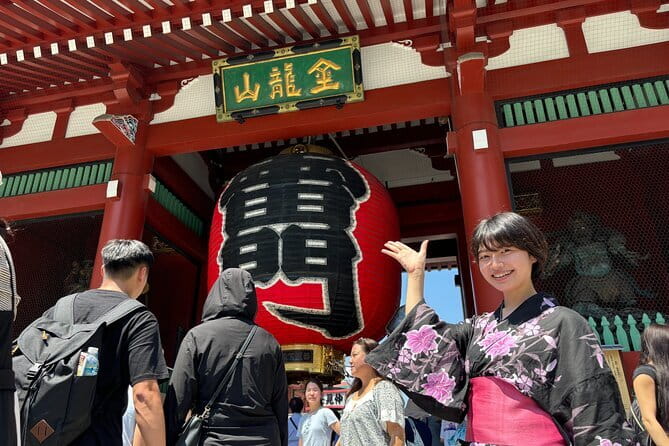
The final session takes place back at the park and lasts about 30 minutes. Your guide provides an official banzuke, the ranking sheet used in sumo, in a specially designed souvenir folder.
This is a small item, but it gives the morning a useful ending. It is more meaningful than a generic branded gift because it connects directly to the ranking system you have been learning about. You also have extra time for questions and any final clarification.
The return to the park makes the schedule easier to manage. Since the experience ends at the original meeting point, you are not left trying to find an unfamiliar neighborhood after the stable visit. From there, you can continue with sightseeing elsewhere in Tokyo.
The advertised duration is approximately two hours and 30 minutes to three hours. That includes the park briefing, practice, interaction, and closing session. One unhappy participant reported an experience lasting only about an hour, so the exact length can depend on the stable’s training schedule and the day’s arrangements. That is the most serious concern about the product: the price is easier to justify when the full program takes place.
The Optional Brunch Adds a Local Meal
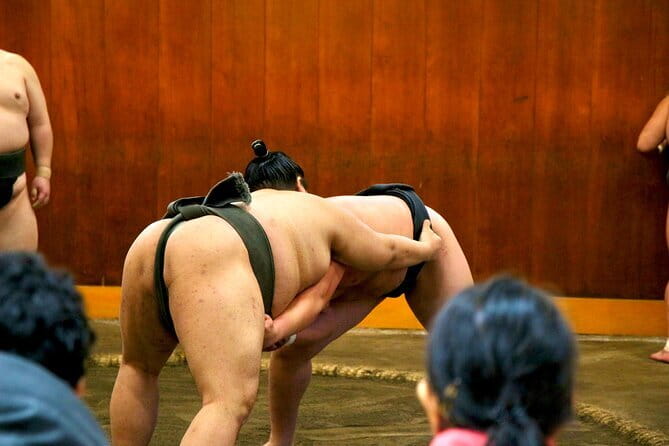
You can add an optional Japanese brunch after the experience. It is not included in the listed price, but it can be a useful way to extend the morning.
The meal is closer to lunch than to a European-style brunch. The cost has been described as roughly 1,000 to 2,000 yen, depending on what you order. Guides may help explain the dishes and assist with choosing if you are unfamiliar with the meal.
I would consider adding it if you want more time with the guide and prefer a supported introduction to Japanese food. It also gives you a chance to ask follow-up questions after seeing practice. If you already have a carefully timed day or a restaurant reservation, skip it without regret.
The brunch is a separate purchase, so budget for it on top of the $95.77 activity price. Ask for the current arrangements when booking if the meal is important to you.
Is $95.77 Fair for This Morning?
The cost is high for a two-and-a-half to three-hour activity, especially when the main viewing itself lasts about 90 minutes and much of the rest is explanation, questions, photos, and the souvenir.
The price makes more sense if you value access. You are not paying only for a seat. You are paying for an English-speaking guide, entry to a working sumo practice, translation and cultural context, a controlled photo session, and the chance to meet wrestlers. A tournament ticket may offer more action, but it does not provide this same behind-the-scenes setting.
The value drops if the practice is short, the explanation is limited, or you are mainly interested in the ring challenge. The stable decides what happens, and the operator cannot turn a normal training morning into a full show.
At the current rating of 4.7 from 59 reviews, with 95 percent recommending it, the experience has a strong record. Still, the two lower ratings point to real issues: price and length. I would book it for access and authenticity, not for guaranteed entertainment minute by minute.
Free cancellation is available until 24 hours before the start time. Changes or cancellations inside that window are not accepted for a refund.
Who Will Enjoy This Most
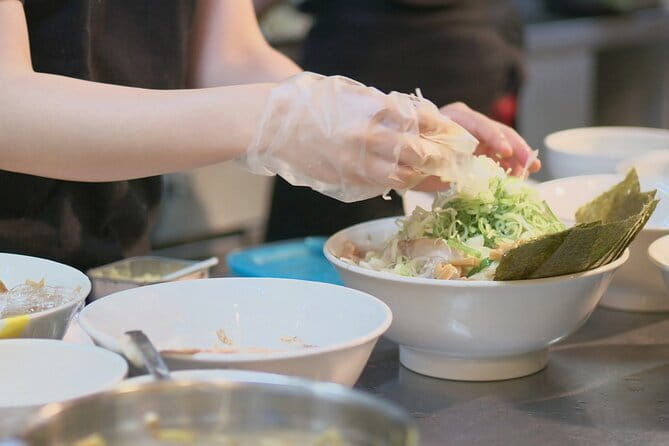
I would recommend this to adults and older children who are curious about Japanese sport, ritual, and daily discipline. It is especially useful if your Tokyo visit does not coincide with a tournament.
It suits you if you enjoy watching a process rather than checking off a spectacle. You will get more from the morning if you are happy to sit quietly, study movement, and listen to explanations.
Families should discuss the format first. The photo and ring interaction can be exciting for children, but the practice demands patience. If your children cannot remain quiet and seated for a long period, the experience may become uncomfortable for everyone.
It is less suitable if you want a guaranteed match schedule, a large arena atmosphere, direct access to the Oyakata, or a low-cost activity. Women should also know in advance that they cannot enter the ring because of sumo tradition.
Should You Book the Tokyo Sumo Morning Practice?
Book it if you want a close look at real sumo training and you value access more than spectacle. The strongest parts are the nearby practice, the physical intensity, the wrestler interaction, and the chance to see how tradition shapes the athletes’ daily work.
Before paying, confirm the exact meeting point, start time, expected duration, and whether the optional brunch fits your schedule. Read the background material, arrive early, and treat the ring challenge as an extra rather than a promise.
I would choose this over a generic sumo demonstration because the setting is genuine. I would hesitate only if $95.77 feels steep for a morning that could be shortened by the stable’s schedule. For an authentic cultural experience with a strong personal element, it is a worthwhile choice for the right kind of visitor.
FAQ
How long does the sumo morning experience last?
The advertised duration is approximately two hours and 30 minutes to three hours. The schedule includes a 20-minute orientation, about 90 minutes of practice viewing, a 30-minute interaction, and a closing session of about 30 minutes. The actual length can depend on the morning’s training schedule.
Where does the experience begin and end?
You meet at Narihira Park near the multipurpose restroom in Sumida City, Tokyo. The activity ends back at the same meeting point.
Is the sumo practice a staged performance?
No. The experience takes place during a real morning practice session with professional sumo wrestlers. It is training, not a tournament or staged show.
Can I take photos with the wrestlers?
Yes. The experience includes time for personal photos with the wrestlers after practice, along with a question-and-answer session.
Can I enter the ring and wrestle a sumo wrestler?
Some male participants and children have been invited to take part in a brief push or wrestling-style interaction. This is not guaranteed. Women are not permitted to enter the ring because of long-standing sumo traditions.
Is brunch included in the price?
No. Japanese brunch is optional and costs extra. The meal has been described as roughly 1,000 to 2,000 yen, depending on what you order.
Just added for fans in Tokyo
- Tokyo: Grand Sumo Morning Training Tour★ 4.9 · 12 reviews
- Sumo Training Watching Experience in Tokyo★ 4.5 · 8 reviews
- Kickboxing & Body Training with EX-Pro Fighter★ 5.0 · 4 reviews
- Tokyo: Visit Sumo Morning Practice with English Guide★ 4.5 · 22 reviews
- Tokyo Sumo Experience with Live Show & Audience Challenge★ 5.0 · 38 reviews
- Tokyo Shinjuku Sumo Show and Experience with Drinks and Photo★ 4.0 · 21 reviews
- Tokyo Sumo History Tour with Chanko Nabe Lunch★ 5.0 · 3 reviews
- 【SUMO FESTIVAL】Tokyo Ginza: Sumo Show & Photo Experience★ 4.5 · 41 reviews
Sumo Experiences in Tokyo, compared.
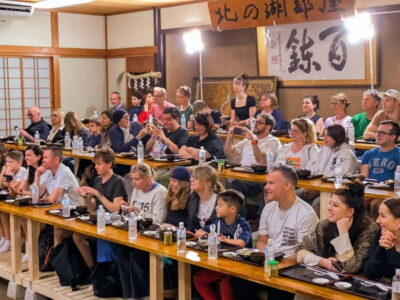
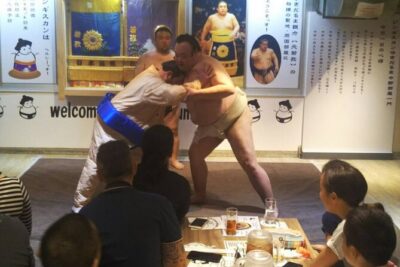
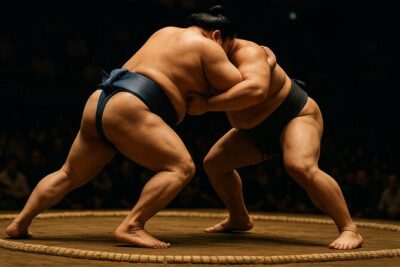
Tokyo Shinjuku Sumo Show & Experience with Photo
Read our review →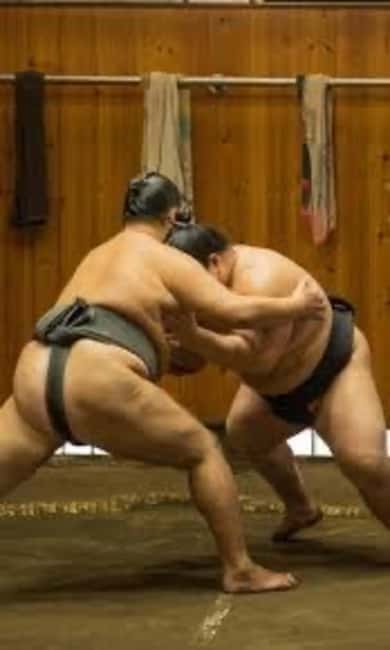
Tokyo Grand Sumo Tournament Viewing Tour with Tickets
Read our review →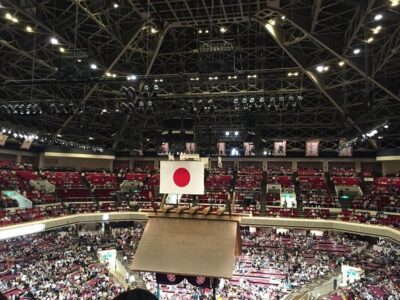

Luxury Sumo Show Experience & Japanese cuisine & Drink
Read our review →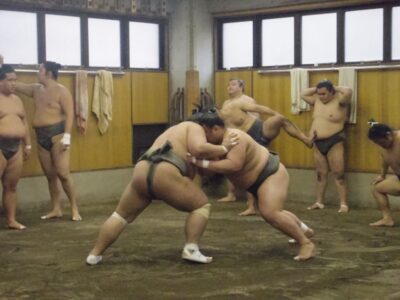
Browse the lists this tour appears in