
Review · SUMO EXPERIENCES IN TOKYO
Tokyo Sumo Wrestling Tournament Experience
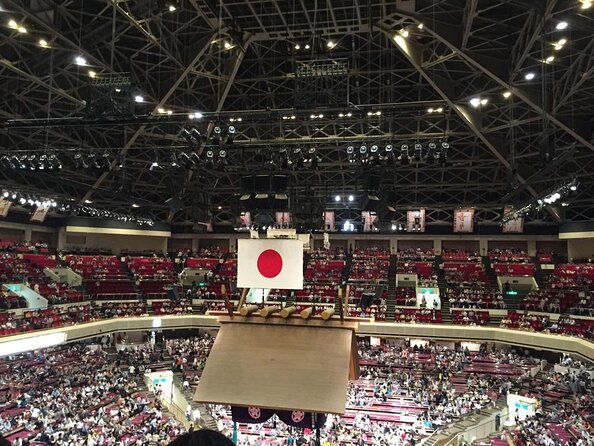
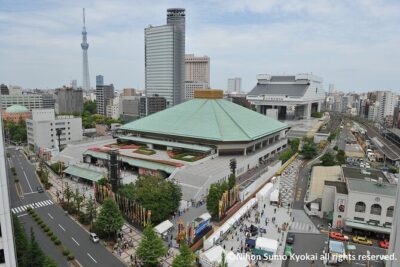
The best part of this experience is that you are not simply watching large men push each other around a ring. At Ryogoku Kokugikan, you see a formal Japanese tradition unfold through ritual, ceremony, crowd noise, and brief bursts of astonishing force. A guide explains what is happening, which makes the action far easier to follow.
I like the reserved seating, since you can settle in for roughly three hours without standing, and I like the small group size, capped at 15 people. The optional hot pot lunch is another useful touch. The main caution is price: at $124, you are paying for access, organization, and explanation, not just the printed ticket, so compare the cost carefully if you are able to buy directly.
Key points to know before you book
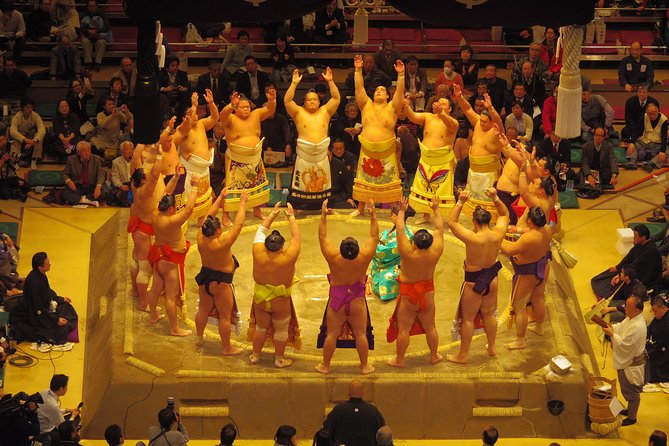
- Tokyo’s grand tournament setting: Watch a full afternoon of sumo at Ryogoku Kokugikan, the city’s famous sumo arena.
- A guide makes the rituals clear: Guides such as Yuko, Taka, Maddie, and Kenichi explain the rules, wrestlers, rankings, and customs in English.
- Chair and box seating differ: Standard chair seats are on the second floor, while first-floor seating consists of box spaces.
- The afternoon builds toward the top bouts: Arriving early lets you see more of the tournament before the highest-ranked wrestlers appear.
- Optional hot pot lunch: The lunch plan adds a Japanese meal before the arena portion and can make the outing feel more complete.
- Bring binoculars if you want detail: Some seats are high up, and binoculars can help you follow expressions and ring technique.
Why sumo works so well as a Tokyo experience
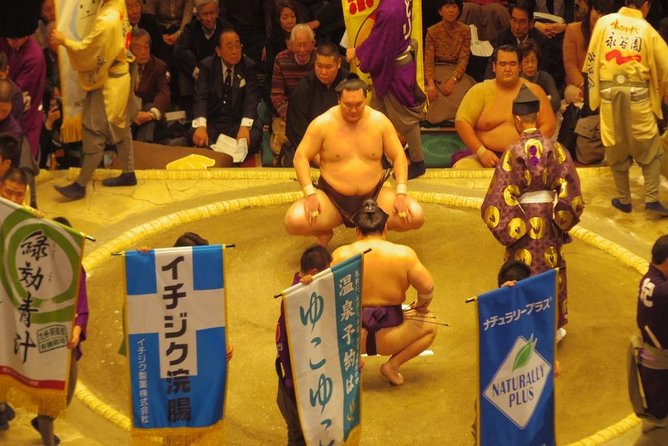
Sumo is one of those Japanese traditions that can seem hard to understand from the outside. The bout itself may last only seconds, but the preparation around it carries much of the meaning. Wrestlers enter, face one another, stamp their feet, throw salt into the ring, and perform a series of formal movements before the match begins.
Your guide helps you read these moments instead of waiting for the collision. You learn why the wrestlers spend so long preparing, how a bout is won, and what to watch when two enormous bodies suddenly shift direction. The basic goal is simple: force your opponent out of the circular ring or make any part of the body other than the soles of the feet touch the ground. The tactics are not simple at all.
The sport is tied to Shinto tradition and is said to date back more than 1,500 years. You do not need a prior interest in Japanese religion or sports to enjoy the afternoon. Still, knowing that sumo grew from religious ceremony helps explain why the event feels more formal than an ordinary sporting match.
I especially like this tour for first-time visitors because it gives you a way into a sport that has its own language and customs. Without explanation, you might notice the salt and the stomping but miss the details. With a guide, the crowd’s reaction becomes part of the lesson.
More Sumo Experiences in Tokyo
- Tokyo: Sumo Show and Dining Experience
★ 4.8 · 2,742 reviews - the SUMO show
★ 5.0 · 1,960 reviews - Tokyo Shinjuku Sumo Show & Experience with Photo
★ 5.0 · 1,750 reviews
Meeting at Ryogoku Station and getting inside
The meeting arrangements depend on the seat and lunch option you choose. For Chair S, A, and B options, you meet at the West Gate of JR Ryogoku Station. The lunch plan begins at Ryogoku Hanano-mai Restaurant, while Chair C participants meet at Ryogoku River Center.
This is worth checking closely before the day. The group leaves on time, and several meeting points are used. Save the meeting instructions on your phone, allow extra time around Ryogoku Station, and do not assume every ticket option starts in the same place.
Your guide hands over the tournament ticket on the day. From the meeting point, the walk to Ryogoku Kokugikan takes about five minutes. The activity is a group tour with no more than 15 people, which is small enough for questions without the cost of a private guide.
The mobile-ticket format makes booking simple, but it does not mean you walk straight in on your own. The guide distributes the actual admission ticket, leads the group, and helps everyone reach the correct seats. That support matters when the arena is busy and the meeting points differ by plan.
A quick look at the Sumo Museum
The Sumo Museum is scheduled as a short stop before the tournament. It offers a little context through sumo-related displays and helps set the mood before you take your seat.
Keep your expectations modest. The visit is listed at about five minutes, and it may be skipped if the building is crowded. Think of it as a useful extra rather than the main attraction. If you are hoping for a long museum visit, this outing is not designed for that.
The real value of this portion comes from your guide. A short stop becomes more useful when someone points out what matters and connects the displays to the event you are about to watch.
Three hours inside Ryogoku Kokugikan
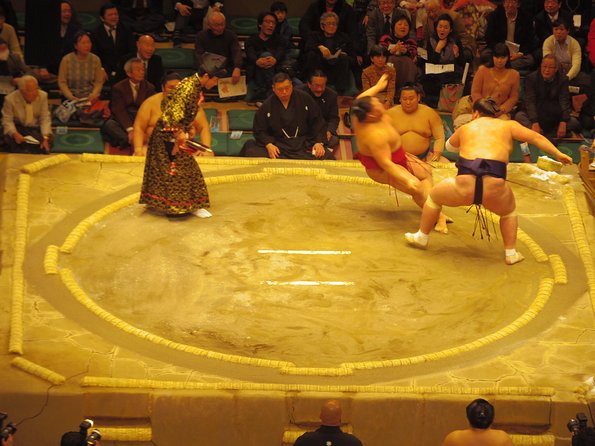
The arena portion takes about three hours and is the heart of the experience. The afternoon begins with lower-ranked bouts and builds toward the senior wrestlers. This gradual rise gives you time to learn the rhythm of the event before the most anticipated matches arrive.
You may find the early bouts quieter, but do not dismiss them. They let you watch wrestlers with different styles and levels of experience. As the afternoon continues, the atmosphere grows more intense, and the crowd reacts more strongly to each exchange.
The matches are short, which can surprise first-time viewers. A bout may be decided almost immediately, yet the build-up and ceremony take much longer. That contrast is part of sumo’s character. You wait, watch the rituals, study the wrestlers, and then see the contest explode into motion.
A guide such as Kenichi can explain the finer details as the bouts unfold, including the significance of the ceremonies and the records of individual wrestlers. Yuko has been praised for explaining the culture, rules, and personalities in clear English, while Taka and Maddie have been noted for bringing energy to the group and helping people choose a favorite wrestler to support.
You should not expect your guide to provide a running commentary for every second of every bout. The arena is large, the action is fast, and the main job is to help you understand the structure and meaning of what you are seeing. Still, the added context can turn a puzzling spectacle into a gripping afternoon.
Same city, a different fixture:
- Tokyo: Sumo Show and Experience in Shinjuku
★ 4.8 · 1,001 reviews - Tokyo Grand Sumo Tournament Viewing Tour with Tickets
★ 5.0 · 692 reviews - Tokyo:Luxury Sumo Show Experience & Japanese cuisine & Drink
★ 4.7 · 577 reviews - Tokyo: Sumo Morning Practice Viewing Tour
★ 4.8 · 570 reviews
Choosing between chair and box seating
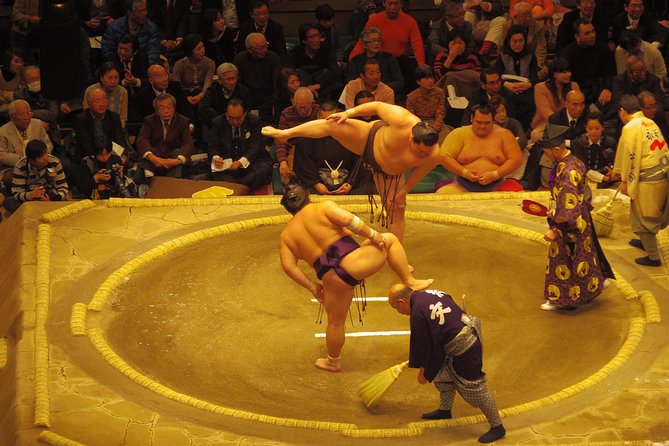
Standard chair seats are on the second floor. They have a backrest and let you watch the full ring from above, though some seats are high enough that binoculars would be useful. One participant specifically suggested bringing binoculars, and I agree with that practical advice if you want to see faces and small movements.
First-floor seating consists of box seats. A box gives your party its own seating space without sharing it with another group. The tradeoff is comfort: traditional floor seating uses cushions without backrests, and you remove your shoes before sitting.
That distinction can matter more than the label on the ticket. If you prefer a familiar seat with a backrest, choose a second-floor chair. If you want a closer and more traditional atmosphere, a box may suit you better, provided you are comfortable sitting on the floor.
The supplied options include different chair grades, such as S, A, B, and C. The exact view depends on the category you select, so do not assume every $124 booking provides the same position. Check the seat type carefully at checkout.
The optional hot pot lunch
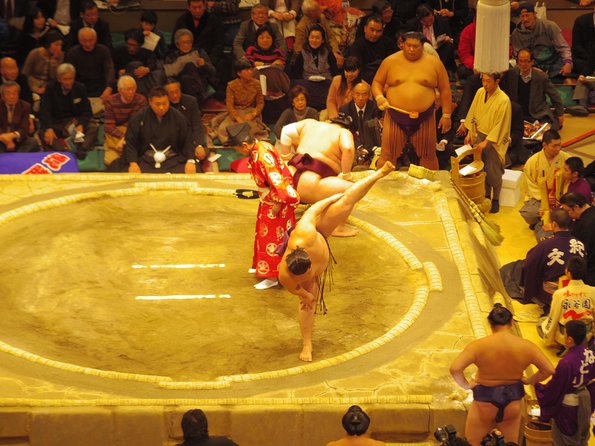
The lunch plan begins at Ryogoku Hanano-mai Restaurant and includes a Japanese hot pot meal. It is not essential to enjoying the tournament, but it adds a social and culinary part to the day.
Hot pot is a practical choice before a long arena visit. Food is cooked and shared at the table, giving you time to meet the rest of the group and ask your guide questions before the matches begin. One guide, Yuko, has been singled out for pairing the meal with clear explanations of sumo culture.
The lunch plan is also useful if you want a tidy afternoon schedule. Rather than finding a restaurant near the arena during a busy tournament day, you have a meal built into the activity. On the other hand, if you prefer choosing your own food or already have plans in Ryogoku, skip the lunch option and keep the outing focused on sumo.
Tell the operator about allergies or dietary restrictions when you book or as soon as possible afterward. The supplied information does not promise that every request can be met, so advance notice is important.
How much value do you get for $124?
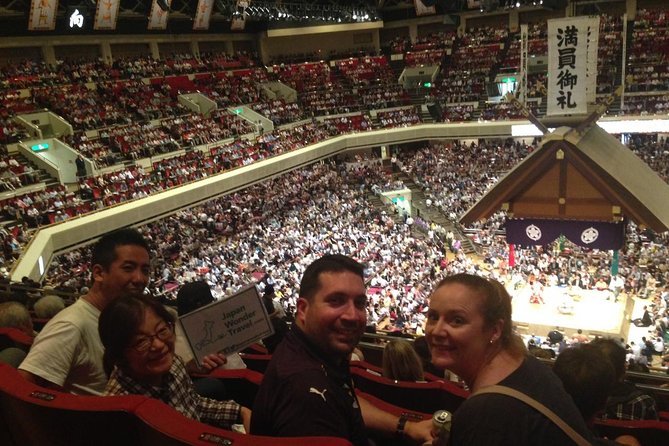
At $124, this is not a budget way to enter a sports venue. The value depends on what you would otherwise have to arrange yourself.
You are paying for a tournament ticket, a local English-speaking guide, group coordination, and the chance to attend one of only three annual Tokyo tournaments. The lunch plan adds a Japanese hot pot meal. For someone who has never attended sumo, the guide can be worth a good part of the cost because the rules, ranking system, rituals, and wrestlers are not always obvious.
The price is less attractive if you already understand sumo, can buy an official ticket directly, and do not need help finding your seat. A printed ticket value can look much lower than the tour price. One critical account compared a 5,000-yen face value with a much higher final charge in Australian dollars and felt the difference was excessive.
That concern is fair. This experience is best viewed as a convenience and interpretation package, not as a cheap ticket resale. Tournament tickets can be difficult to secure, especially when you are arranging a Japan trip around fixed dates. If access is more important to you than getting the lowest possible ticket price, $124 may feel reasonable. If price is your main concern, investigate direct ticket sales first.
What to wear and bring
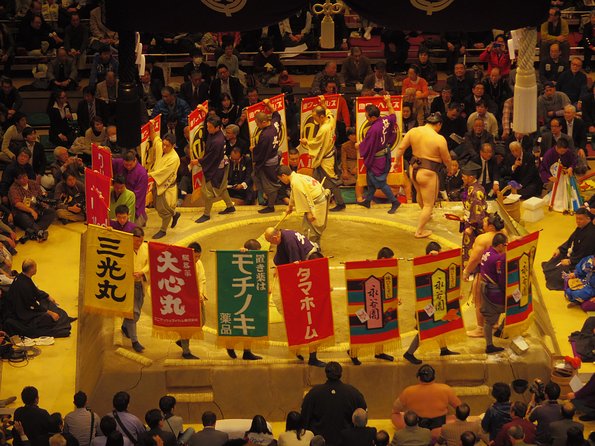
You do not need to dress up. Wear cool, comfortable clothing, especially if you are attending during a warmer month. You will spend several hours seated and may walk through crowded areas before and after entering the arena.
Binoculars are a smart addition for second-floor chair seats. Large luggage cannot be taken to the seats, so keep your belongings compact. Baby strollers can be stored at the stadium but cannot be brought up to the seating area.
Children three and under can enter free, but they do not receive their own seat and must sit on an adult’s lap. Children aged four and older need their own tickets. The arena can accommodate families, but plan carefully around the long afternoon and the restriction on strollers near the seats.
The atmosphere and the best timing
Arrive early enough to meet your group without rushing. The afternoon can include museum access, a walk around the Ryogoku area, and early tournament bouts before the top matches. A late arrival means missing not only the introduction from your guide but also part of the day’s progression.
There is another good reason to reach the area with time to spare: you might see wrestlers moving through the streets or entering and leaving the stadium. That is not guaranteed, but it can be a memorable extra. Keep your attention on the surroundings before you pass through the arena doors.
Inside, the crowd’s mood changes with each bout. At first you may listen more than cheer. Soon you will recognize a few wrestlers, pick a favorite, and feel the momentum shift when one competitor gains a grip or drives the other toward the edge.
That shared reaction is a large part of the appeal. Sumo is not only about athletic strength. It is also about patience, timing, balance, and reading the opponent. The crowd often knows what to anticipate before you do, and your guide helps you catch up.
Who will enjoy this most?
This is a strong choice if you want a traditional Japanese experience that is also easy to follow in English. It suits first-time sumo viewers, sports fans, families with older children, and anyone interested in the connection between ceremony, religion, and competition.
It is less suitable if you want a flexible schedule. The tour starts in the early afternoon, finishes around 6 p.m., and leaves on time. It also may not suit you if sitting on a cushion without a backrest sounds uncomfortable, unless you select a second-floor chair seat.
You should also think about how much explanation you need. If you have already attended sumo, know the rankings, and can arrange a ticket yourself, the guided format may feel unnecessary. For most first-time visitors, however, the context makes the ticket more useful.
Booking, cancellation, and practical limits
Confirmation is provided when you book, and the arena is close to public transportation. Most people can take part, but you should be ready for a fixed group schedule, several hours in the stadium, and different meeting points based on your selection.
The group size is limited to 15 people. That keeps the outing manageable, though it remains a group activity rather than a private tour.
Free cancellation is available if you cancel at least 24 hours before the start time. Cancellations or changes inside that 24-hour window receive no refund. The cut-off follows Tokyo local time, so check the clock carefully if you are booking from another country.
Should you book this sumo tournament experience?
Book it if you want to attend a Tokyo tournament and prefer someone to explain what you are seeing. The three-hour arena visit, formal ceremonies, strong crowd reaction, and chance to watch the highest-ranked wrestlers make this one of Tokyo’s most distinctive sporting outings.
I would choose a chair seat if comfort and a clear overall view matter most. I would add the hot pot lunch if you want a complete afternoon with fewer meal decisions. I would choose a box only if you like the traditional first-floor setting and are comfortable removing your shoes and sitting without a backrest.
The price deserves a clear-eyed look. You may find a cheaper direct ticket, but securing one and understanding the event are separate challenges. For a first visit, the guide, organization, and access can justify the premium. If you already know sumo and are price-sensitive, book only after comparing direct ticket options.
FAQ
How long does the sumo experience last?
The activity lasts approximately three hours and 30 minutes. The tournament viewing portion takes about three hours, and the tour finishes around 6 p.m.
Where does the tour meet?
The meeting point depends on the option selected. Chair S, A, and B participants meet at JR Ryogoku Station’s West Gate. The lunch plan starts at Ryogoku Hanano-mai Restaurant, and Chair C participants meet at Ryogoku River Center.
Where does the tour finish?
The tour finishes at Ryogoku Kokugikan National Sumo Arena.
What type of seating is available?
Chair seats are on the second floor. First-floor seating consists of box seats, which provide a private seating space for your party without sharing.
Do box seats have chairs?
No. Box seating uses cushions without backrests, and you must remove your shoes before sitting.
Is lunch included?
Lunch is included only if you select the lunch plan. That option provides a Japanese hot pot meal. Lunch is not included with the non-lunch plan.
Can children attend?
Children three years old and under can enter free, but they must sit on an adult’s lap and do not have their own seat. Children aged four and older need their own tickets.
Can I cancel for a refund?
You can receive a full refund if you cancel at least 24 hours before the experience begins. Cancellations or changes made less than 24 hours before the start time are not accepted and are not refunded.
Just added for fans in Tokyo
- Tokyo: Grand Sumo Morning Training Tour★ 4.9 · 12 reviews
- Sumo Training Watching Experience in Tokyo★ 4.5 · 8 reviews
- Tokyo Sumo Experience with Live Show & Audience Challenge★ 5.0 · 38 reviews
- Kickboxing & Body Training with EX-Pro Fighter★ 5.0 · 4 reviews
- Tokyo: Visit Sumo Morning Practice with English Guide★ 4.5 · 22 reviews
- Tokyo Shinjuku Sumo Show and Experience with Drinks and Photo★ 4.0 · 21 reviews
- Tokyo Sumo History Tour with Chanko Nabe Lunch★ 5.0 · 3 reviews
- 【SUMO FESTIVAL】Tokyo Ginza: Sumo Show & Photo Experience★ 4.5 · 41 reviews
Sumo Experiences in Tokyo, compared.
Tokyo Shinjuku Sumo Show & Experience with Photo
Read our review →
Tokyo Grand Sumo Tournament Viewing Tour with Tickets
Read our review →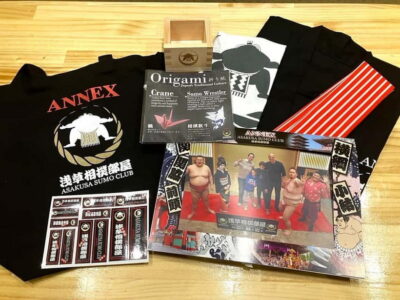
Luxury Sumo Show Experience & Japanese cuisine & Drink
Read our review →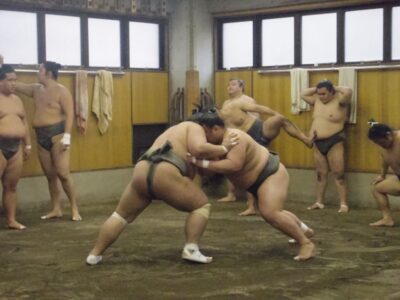
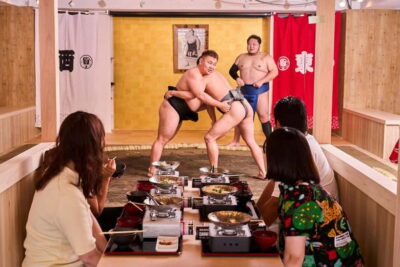
Tokyo Sumo Experience: Chanko & Mochi with a Former Pro
Read our review →Browse the lists this tour appears in