
Review · SUMO EXPERIENCES IN TOKYO
Tokyo: Exclusive Access to Sumo Morning Practice with Photos
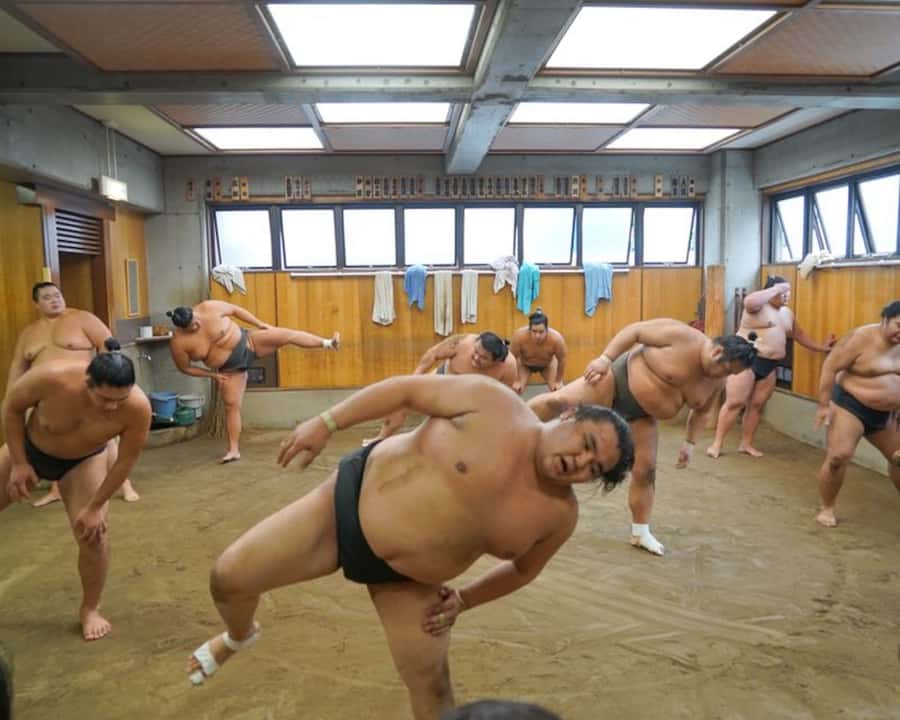
The best part of this Tokyo experience is the close view of real sumo training. You sit on the floor inside a working stable, not in a distant stadium seat, and watch wrestlers repeat their demanding drills at short range. I like the small group, limited to 10 people, and the way the English-speaking guide explains the rituals, rules, diet, and daily life without turning the practice into a staged show.
I also like the chance to meet wrestlers and take photos after practice, although this depends on the stable and the wrestlers’ condition. The main drawback is comfort: you sit cross-legged on tatami with no chairs, and the training may be shortened or canceled without notice.
Key points to know before booking
- Watch practice from close to the ring: You see the wrestlers train at a distance that is difficult to match at a major tournament.
- Enter a working sumo stable: The practice continues as normal, giving the visit a more genuine feel than a staged demonstration.
- Learn with visual cards and quizzes: Your guide explains what you are seeing, including rules, rituals, food, and training.
- Meet the team when conditions allow: Photos with wrestlers are included, but conversation and photography are not guaranteed.
- Prepare for floor seating: Tatami mats are part of the experience, and some people find sitting cross-legged difficult.
- Allow for an early morning change of plans: Practice can be shortened or canceled, though a full refund is provided if the session is canceled.
Why watching practice beats watching from stadium seats
A sumo tournament gives you the full spectacle: formal bouts, a large crowd, repeated matches, and the drama of rankings. This visit gives you something else. You watch the preparation that happens away from the public competition.
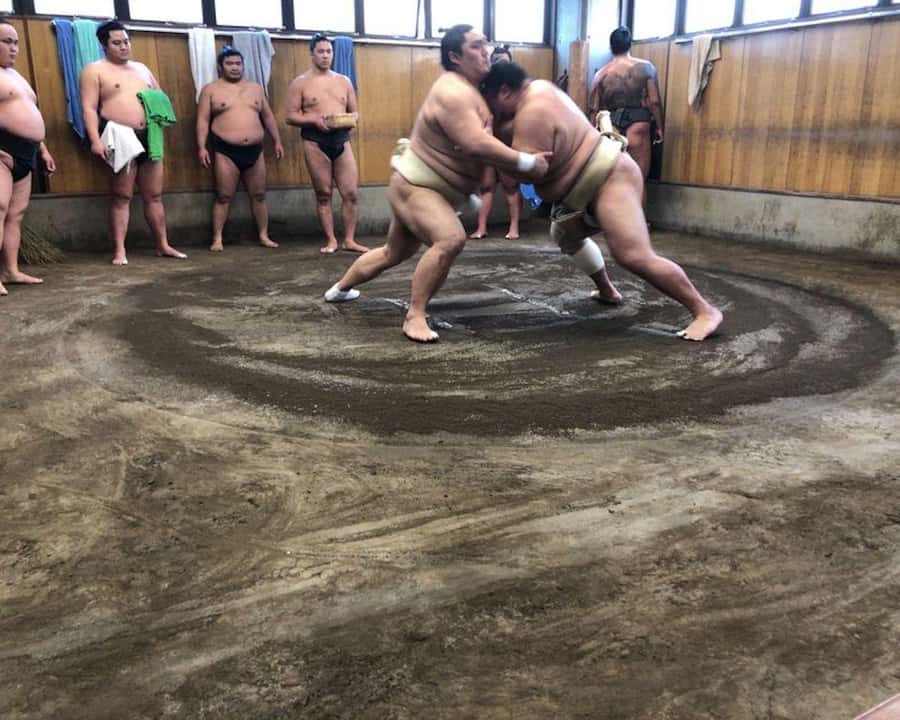
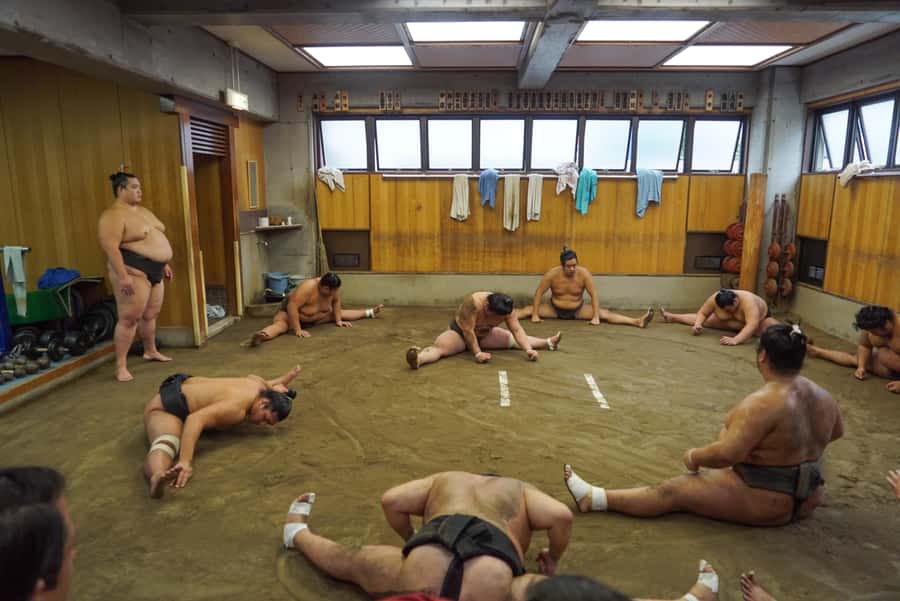
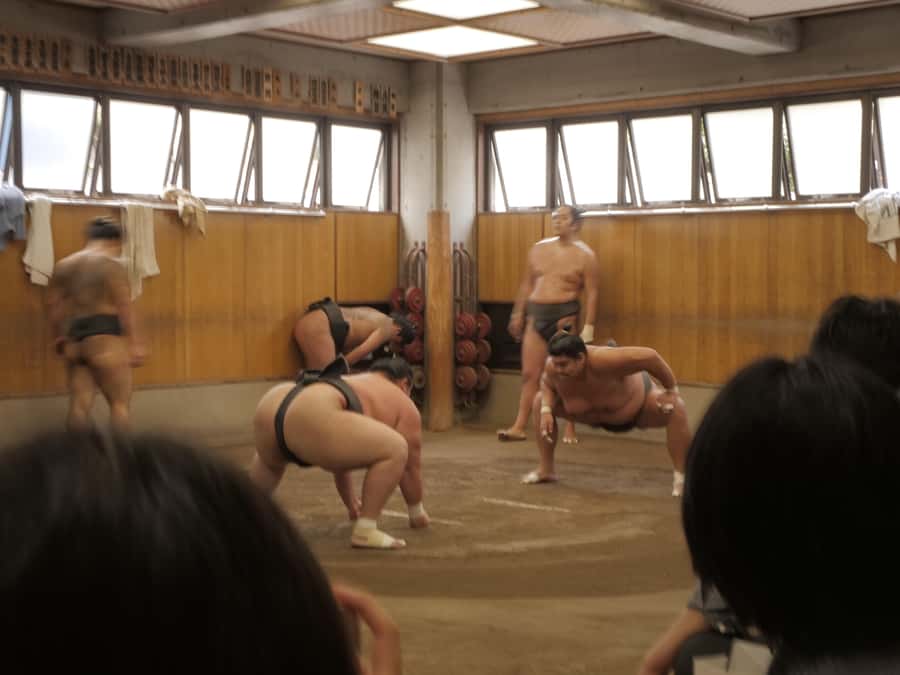
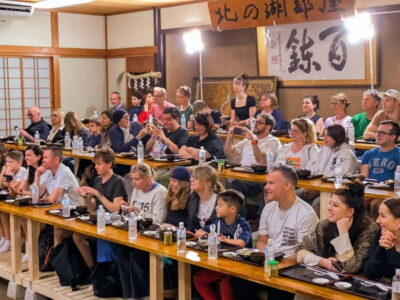
At a stadium, getting a close view of the ring can be difficult and expensive. Here, you sit near the training area and see the wrestlers’ footwork, body contact, breathing, and repeated drills at close range. The size and force of the wrestlers are much easier to grasp when they are only a short distance away.
The practice is not performed for your entertainment. That matters. You enter while the stable is carrying on with its regular morning work, then sit quietly and observe. One of the strongest features of the visit is this lack of theatrical polish. You are not watching a mock bout designed for visitors. You are watching athletes prepare.
The competitive mood can be intense. Some training looks controlled and repetitive, while other moments show wrestlers pushing hard against one another. Your guide helps you understand what is happening, so you are not left wondering why a wrestler is stamping, crouching, or repeating the same movement.
More Sumo Experiences in Tokyo
- Tokyo: Sumo Show and Dining Experience
★ 4.8 · 2,742 reviews - the SUMO show
★ 5.0 · 1,960 reviews - Tokyo Shinjuku Sumo Show & Experience with Photo
★ 5.0 · 1,750 reviews
Meeting at Oshiage Station near Tokyo Skytree
The meeting point is in front of the Oshiage taxi stand, on the ground level outside Exit B3 of Oshiage Station. This detail matters because station exits in Tokyo can be confusing, and the meeting point is not inside the station.
From the meeting area, you can see Tokyo Skytree along with the signs for Uniqlo, LIFE, and Sizzler. Your guide holds a red or orange Magical Trip sign. I would arrive early and make sure you are standing on the ground outside Exit B3, not waiting somewhere below street level.
The tour starts on time. Late arrivals cannot join or reschedule, so this is not a good activity to squeeze between a delayed train and another timed booking. Oshiage is also a useful starting point if you are staying near Tokyo Skytree or planning to visit that part of the city.
From the meeting point, the group heads to the sumo stable. The exact stable can affect access, seating, and the length of the practice. That flexibility is part of the nature of a working sports facility, but it also means you should not expect every visit to follow exactly the same pattern.
Inside the stable: quiet observation comes first
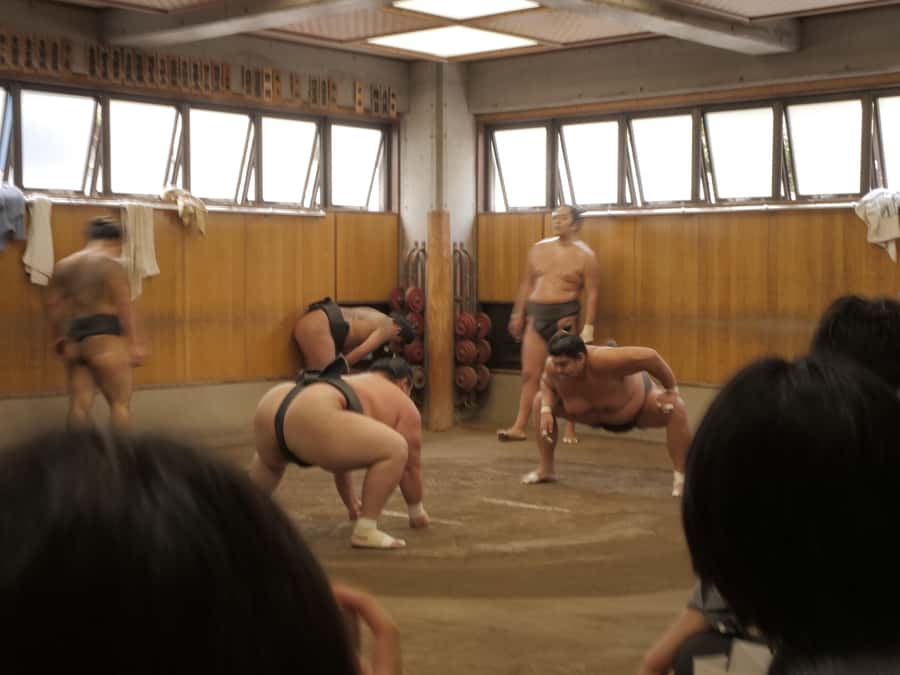
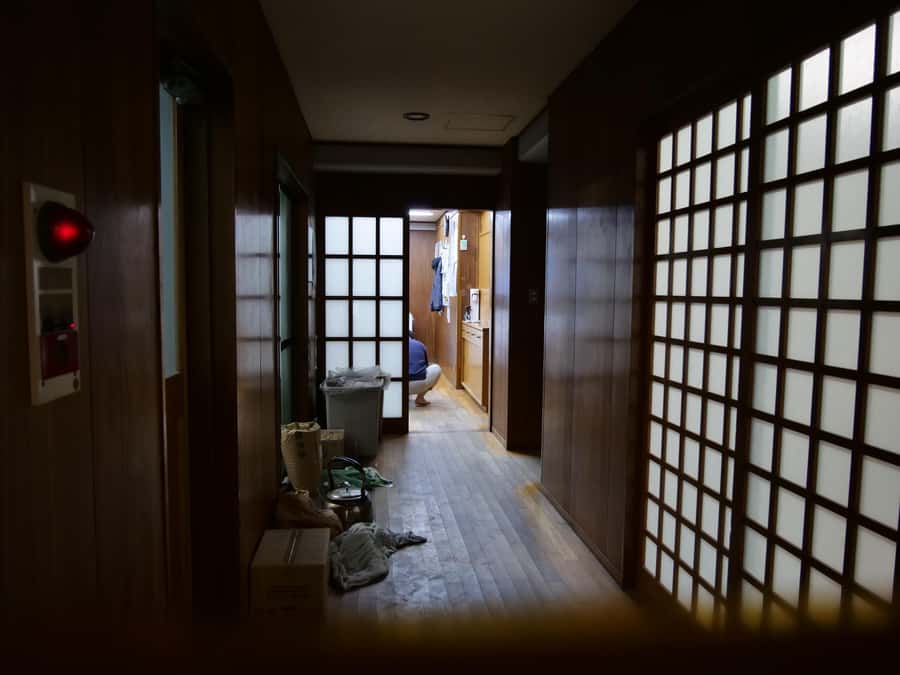
Once inside, you take off your shoes if required and sit on tatami. There are no chairs. You may sit for much of the session with your legs folded beneath you or crossed in front of you, so this is worth considering before you book.
The stable is a place of discipline. You need to keep your voice low, follow instructions, and stay out of restricted areas. Disruptive behavior can lead to removal without a refund. You also cannot leave and then come back in, so plan to remain until you are ready to finish.
The practice itself may already be underway when you arrive. That is a good thing for the atmosphere. You settle in quietly while the wrestlers continue with their routine rather than waiting for a special presentation to begin.
The viewing period can last much of the two-hour visit, but it is not guaranteed to fill the full time. One session lasted less than an hour, leaving one visitor feeling that the price was high for the length of the practice. Another person found the viewing period longer than expected. Both reactions make sense because the session follows the stable’s schedule, not a fixed performance timetable.
This is best approached as access to a real practice, not a two-hour show. The stable may shorten or cancel training depending on circumstances. If the practice is canceled, a full refund is provided, but there is no promise that a replacement session will be available during your stay.
What your guide adds to the practice
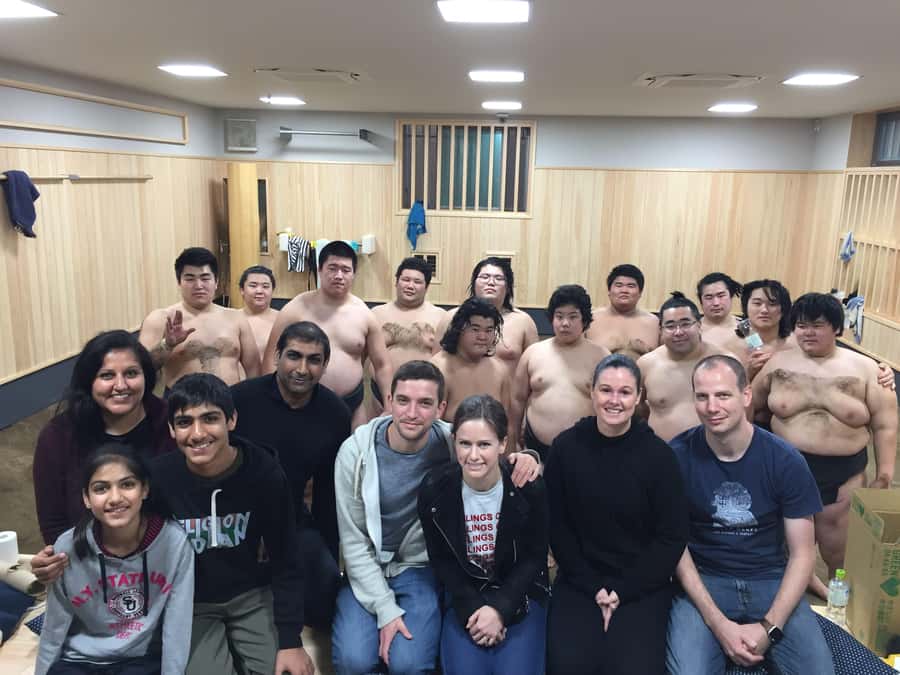
Without explanation, sumo training can be impressive but difficult to read. Your guide provides the missing background before and during the visit.
You learn about the rules of a sumo match, the purpose of familiar movements, the wrestlers’ diet, and the structure of their daily training. Visual cards and quizzes make the introduction easier to follow, especially if this is your first contact with sumo.
The best guides bring real interest to the subject. Marie was praised for answering questions with ease and for making the visit feel personal. Kazu explained the rituals and the wrestlers’ way of life before and after practice. Ken Take was described as friendly and informative, while Max helped answer questions and keep the visit moving.
The guide is especially useful during quiet stretches of training. You can watch the action while learning why a movement matters. The information also gives you a better sense of the difference between a formal match and a morning practice.
Do not expect a long academic history of sumo. The strongest emphasis is on understanding what you see that morning. One visitor wanted more background and interesting facts, so if you already know a great deal about sumo, the material may feel introductory.
Same city, a different fixture:
- Tokyo: Sumo Show and Experience in Shinjuku
★ 4.8 · 1,001 reviews - Tokyo Grand Sumo Tournament Viewing Tour with Tickets
★ 5.0 · 692 reviews - Tokyo Sumo Wrestling Tournament Experience
★ 5.0 · 660 reviews - Tokyo:Luxury Sumo Show Experience & Japanese cuisine & Drink
★ 4.7 · 577 reviews
The photo opportunity after training
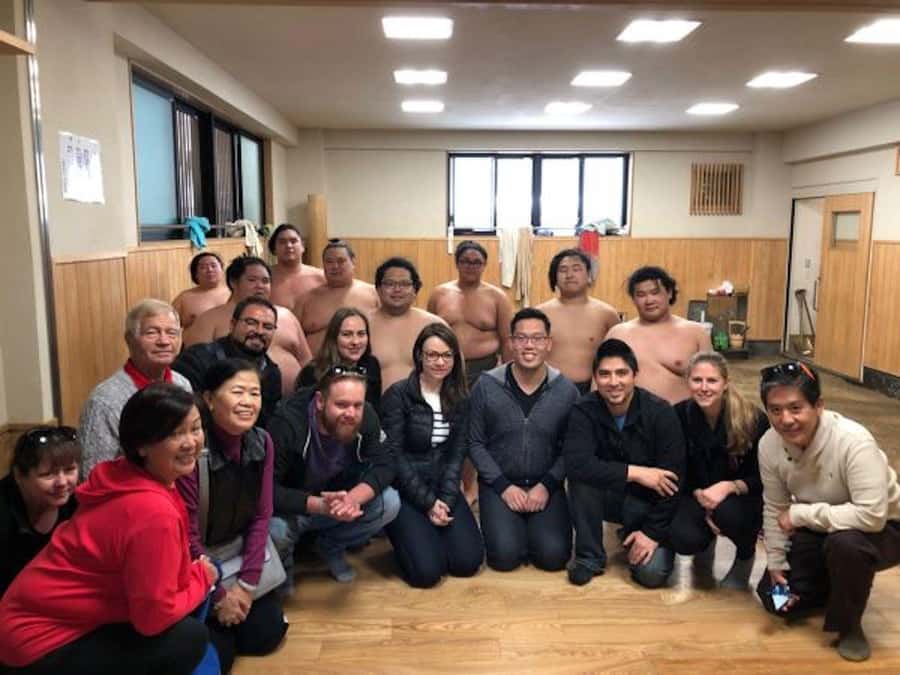
Photos with the wrestlers are included at the end, but this part depends on the situation. You may have a chance to speak with the wrestlers or take photos with them after practice, though neither the length of the conversation nor the number of photos is guaranteed.
That uncertainty is important. The wrestlers are finishing their own work, and the stable’s rules come first. Photography may be limited, and you should be ready to follow directions without pressing for extra time.
When it works out, this is a memorable finish. You have just watched the wrestlers train at close range, then have the chance to stand with members of the team and take a photo. It gives the visit a personal touch that a tournament seat cannot provide.
The photo session should be treated as an opportunity, not the main reason to book. The practice and the access to the stable are the core of the activity. If you need a guaranteed meeting or a long question-and-answer session, this may not meet your expectations.
What the two-hour schedule really means
The advertised duration is two hours, including meeting, travel to the stable, orientation, practice viewing, explanations, and the possible photo session. It does not mean two full hours of uninterrupted wrestling.
That distinction helps set a fair expectation. Some of the time is spent getting settled and receiving instructions. Some is devoted to watching. The balance can change according to the stable’s morning schedule.
The practice may be in full swing when you arrive, as happened on one visit, or it may be shorter than expected. You may also find that the photo session takes only a small part of the visit. The value comes from access and proximity rather than from a fixed number of minutes of action.
There are no restrooms during the tour, so use one before meeting the guide. Dress for the weather, since the route and waiting conditions may involve time outside. No extra fee is required during the activity.
Is $96 a fair price?
At $96 per person, this is not a casual add-on for every Tokyo itinerary. You are paying for access to a place most visitors cannot enter on their own, an English-speaking guide, the practice ticket, a small group, the photo opportunity, and the original sumo guidebook.
The small group makes a real difference. With no more than 10 people, you have a better chance of hearing the guide and seeing the practice than you would in a large tour. Still, seating is first-come, first-served, and groups may sometimes be split. Your position inside the stable is not fully under your control.
I think the price is easiest to justify if sumo is high on your list and you value access over duration. You get closer to the wrestlers than you normally could at a tournament, and you see part of Japanese sporting culture that is not presented as a tourist performance.
The value is less clear if you are only mildly curious, especially if the practice is shortened. In that case, the visit can feel expensive for a relatively brief viewing period. The included guidebook and instruction help, but they do not remove the risk that the morning will be quieter or shorter than hoped.
Who will enjoy this most?
This suits adults and older teenagers who want a direct look at sumo culture. The minimum age is 12, and children under 12 will be refused entry without a refund.
I would choose it for a first visit to Japan if you want more than the usual Tokyo landmarks. It also suits people who have attended a tournament but still want to see how wrestlers prepare outside the formal bout.
You should be comfortable sitting on the floor for an extended period. People with limited mobility may find the tatami seating difficult, and some stables are not accessible for wheelchairs or strollers. The activity is not a good match if you need a chair or must leave and return during the session.
It is also a good fit for curious beginners. The guide explains enough to help you follow the action without requiring previous knowledge. Dedicated sumo fans may enjoy the access most, but they should understand that the guide’s information may remain at an introductory level.
How to get the most from the morning
Arrive early at Exit B3 and locate the guide’s red or orange sign before the meeting time. Do not assume you can catch up if your train is delayed.
Wear clothes that allow you to sit comfortably on the floor. Tight clothing and stiff trousers can make tatami seating more tiring. You should also avoid planning an important activity immediately afterward, since the practice length and departure timing can change.
Keep your phone ready but wait for permission before taking photos. Photography rules may differ by stable, and the wrestlers’ training deserves quiet attention.
Read the sumo guidebook and use the visual cards as aids, but also watch the room itself. The small details matter: the repeated movements, the concentration, the formal behavior, and the way the wrestlers respond to the stable’s senior figures.
Most of all, go in with the right idea. You are not buying a guaranteed show. You are being given a chance to sit quietly in a working stable during morning practice. That is less predictable than a stadium event, but it is also what makes the visit feel special.
Should you book this sumo morning practice?
Book it if you want close access, a small group, and a real training environment. The best parts are the proximity to the ring, the clear explanations from guides such as Marie, Kazu, Ken Take, and Max, and the possible photo with the wrestlers after practice.
Think twice if floor seating is a serious problem, if you need a guaranteed long practice, or if $96 feels high for an activity that may be shortened. For most people interested in sumo, though, the access is hard to match through a standard tournament visit.
I would choose this tour for a first Tokyo trip when you want one experience tied closely to Japanese tradition rather than another general sightseeing stop. Just arrive on time, use the restroom beforehand, sit respectfully, and accept that the stable sets the rhythm of the morning.
FAQ
Where does the sumo tour meet?
The meeting point is in front of the Oshiage taxi stand on the ground level outside Exit B3 of Oshiage Station. Tokyo Skytree and the signs for Uniqlo, LIFE, and Sizzler are visible nearby. The guide holds a red or orange Magical Trip sign.
How long does the activity last?
The scheduled duration is two hours. The exact balance between orientation, practice viewing, and photos can change, and the practice may be shortened.
Is the sumo practice guaranteed to happen?
No. Practice can be canceled or shortened without notice. If the practice is canceled, a full refund is provided.
Are children allowed to join?
The minimum age is 12. Children under 12 cannot join and will be denied entry without a refund.
Do I need to sit on the floor?
Yes. Seating is on tatami mats, and no chairs are provided. Some stables may not be accessible for wheelchairs or strollers.
Are photos with the wrestlers guaranteed?
Photos with wrestlers are included, but the opportunity depends on the stable and the wrestlers’ condition. Photography may also be limited, and early departure is allowed without re-entry.
More Photo Sessions in Tokyo
- Tokyo: Sumo Practice Tour with Ring-Side Seat and Photoshoot
★ 4.7 · 103 reviews
Just added for fans in Tokyo
- Tokyo: Grand Sumo Morning Training Tour★ 4.9 · 12 reviews
- Sumo Training Watching Experience in Tokyo★ 4.5 · 8 reviews
- Kickboxing & Body Training with EX-Pro Fighter★ 5.0 · 4 reviews
- Tokyo: Visit Sumo Morning Practice with English Guide★ 4.5 · 22 reviews
- Tokyo Sumo Experience with Live Show & Audience Challenge★ 5.0 · 38 reviews
- Tokyo Shinjuku Sumo Show and Experience with Drinks and Photo★ 4.0 · 21 reviews
- Tokyo Sumo History Tour with Chanko Nabe Lunch★ 5.0 · 3 reviews
- 【SUMO FESTIVAL】Tokyo Ginza: Sumo Show & Photo Experience★ 4.5 · 41 reviews
Sumo Experiences in Tokyo, compared.
Tokyo Shinjuku Sumo Show & Experience with Photo
Read our review →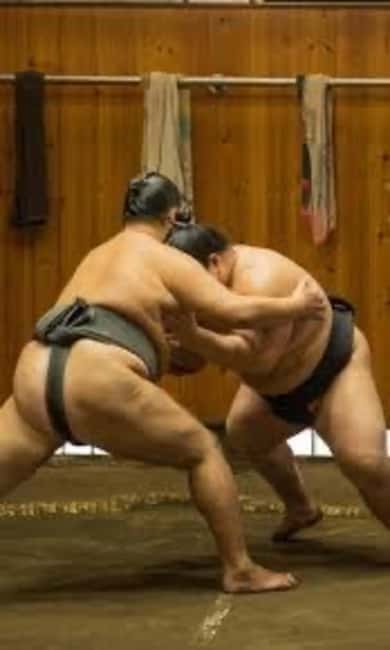
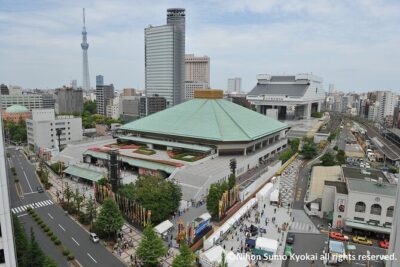
Tokyo Grand Sumo Tournament Viewing Tour with Tickets
Read our review →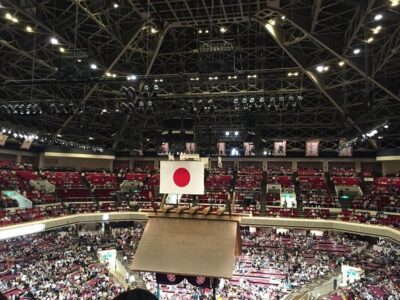

Luxury Sumo Show Experience & Japanese cuisine & Drink
Read our review →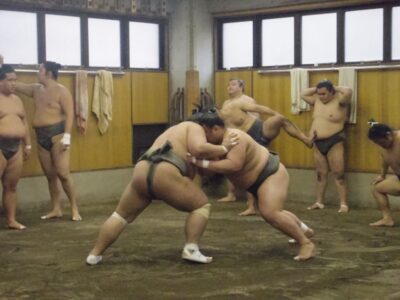
Browse the lists this tour appears in