
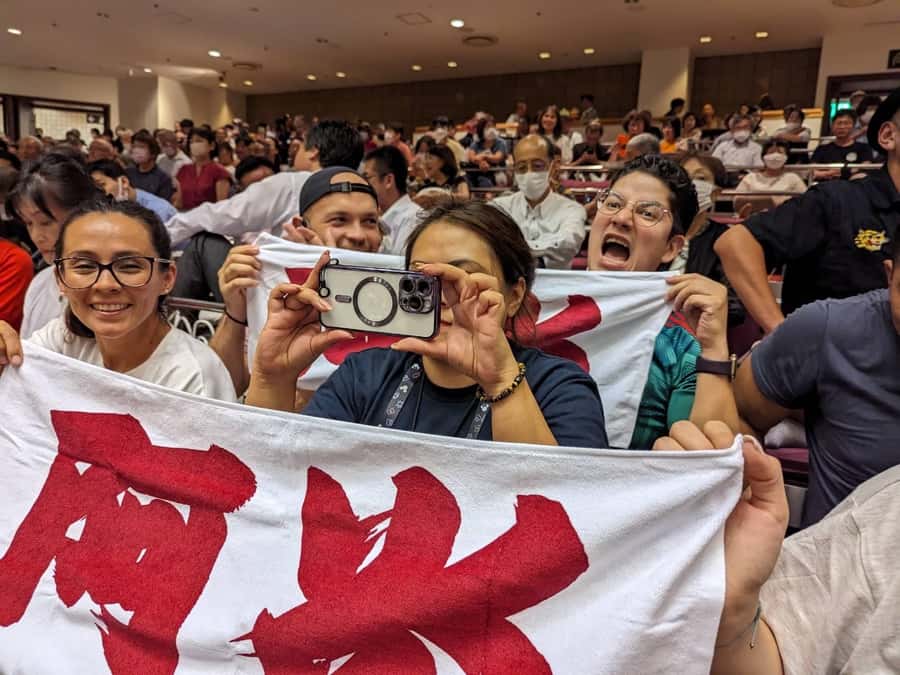
Review · SUMO EXPERIENCES IN TOKYO
Tokyo: Grand Sumo Tournament Tour
Tokyo’s Grand Sumo Tournament tour puts you close to one of Japan’s most unusual sporting traditions: huge wrestlers facing off in bouts that can last only seconds. The best part is not simply getting inside the Kokugikan arena. It is having a guide explain the gestures, rankings, customs, and personalities while the tournament unfolds.
I like the small group of up to 10 people, which makes it easier to ask questions and get help with the tournament program. I also like the optional Ryogoku walk, where you see sumo-related places and training stables from outside before taking your seat. The main caution is price: at $195 per person, you are paying for interpretation and guidance as much as for the ticket.
I would also plan for uneven audio. Some people found the headset hard to hear or uncomfortable after several hours, though guides such as Taka and Yoko stayed close enough to explain things directly.
Key points at a glance
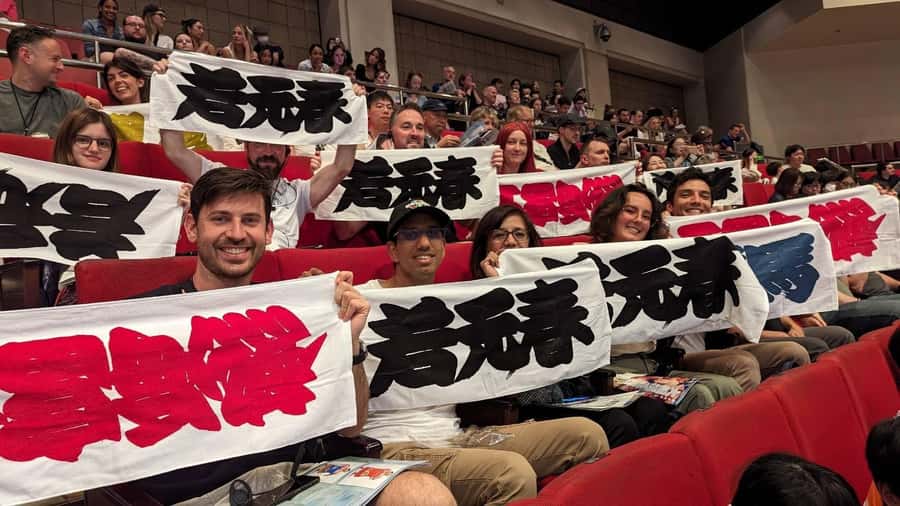
- Live explanations during the bouts: Your English-speaking guide comments on the action as it happens, rather than leaving you with a silent seat and a program.
- Ryogoku before the tournament: The optional 1 to 3 p.m. walk covers sumo landmarks and lets you look at stables where wrestlers live and train.
- A useful bridge into Japanese culture: The guide explains why rituals, rankings, and wrestler behavior matter before you watch the main matches.
- Choose your time and extras: Book the walking tour, the 3 to 6 p.m. arena session, and, if desired, a chanko-nabe meal.
- Seats are B or C level: You may sit high in the arena, but guides help you follow the action and the atmosphere still builds as the day progresses.
- A genuine small-group experience: A maximum of 10 people gives you more room for questions than a large sightseeing tour.
Why live commentary changes the sumo experience
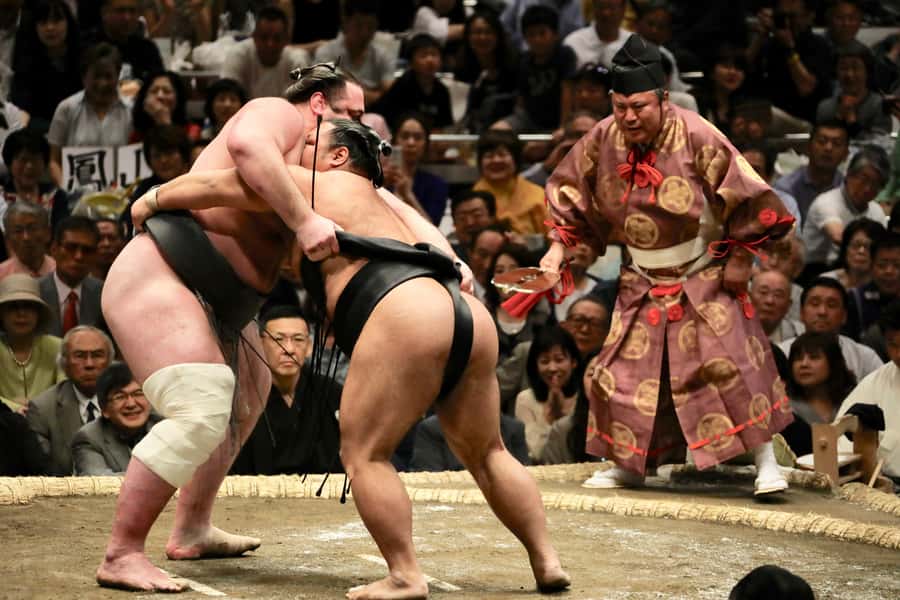
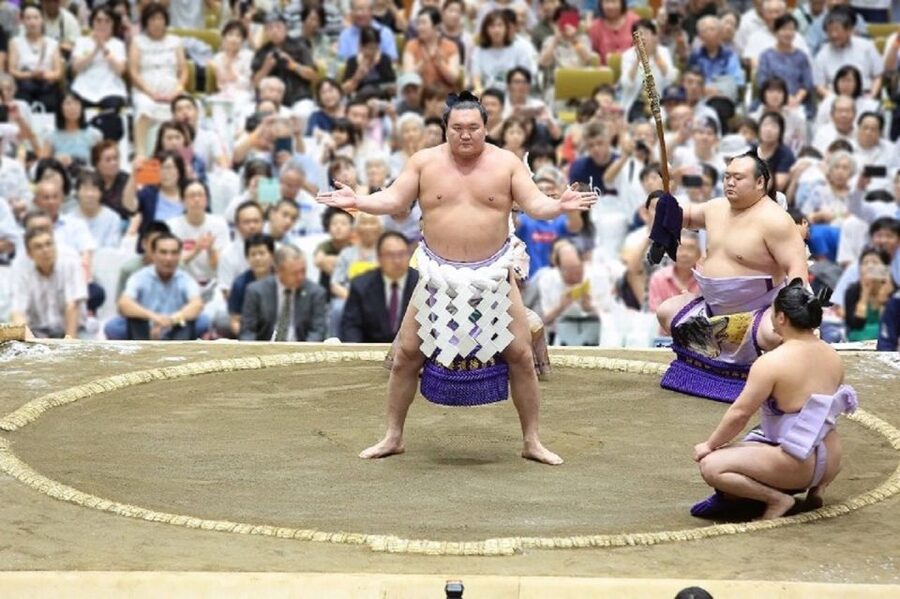
Sumo is easy to watch and harder to understand. Two wrestlers enter the ring, perform a series of movements, and then try to force each other out or make the other touch the ground. Without context, you can miss why the pre-bout ritual takes time, why a particular wrestler matters, or why a short match can carry so much weight.
This tour gives you that missing layer. Your guide explains the sport’s origins, customs, and culture before the action gathers speed. During the tournament, the commentary continues in real time, so you are not trying to decode everything from a Japanese-language announcement or a printed schedule.
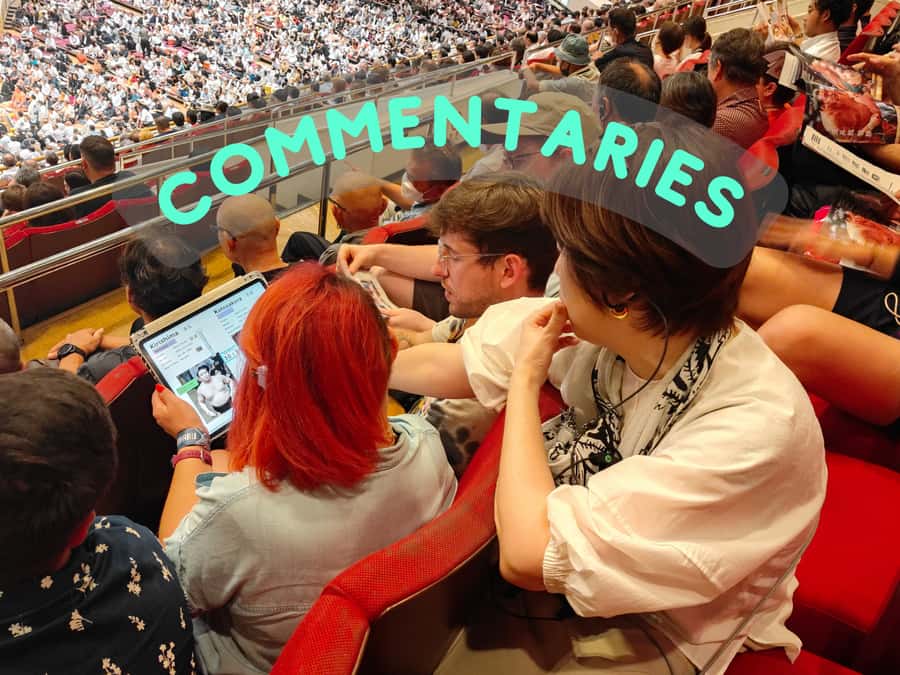
The guide also walks you through a special tournament pamphlet. That is useful when several matches are moving along and you want to keep track of names, rankings, and upcoming bouts. You can watch the ring instead of spending the whole afternoon trying to work out the program.
Guides have included Jeff, Dawn, Yoko, Taka, Yosh, Bruce, and Yuki. The strongest praise has centered on their energy, English, and ability to explain both facts and small details about the wrestlers. Yuki, for example, was able to add fun facts about individual competitors, while Yoko helped make sense of the tournament even for people seated high in the arena.
More Sumo Experiences in Tokyo
- Tokyo: Sumo Show and Dining Experience
★ 4.8 · 2,742 reviews - the SUMO show
★ 5.0 · 1,960 reviews - Tokyo Shinjuku Sumo Show & Experience with Photo
★ 5.0 · 1,750 reviews
Ryogoku from 1 to 3 p.m.: the optional walking tour
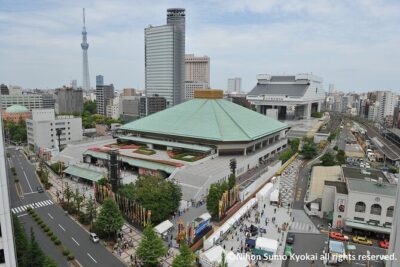
If you choose the full version, meet your guide at the left side of the Kokugikan arena’s front gate. The first section runs from 1 to 3 p.m. and takes you around Ryogoku, Tokyo’s sumo district.
This is not a generic neighborhood walk. The guide points out sumo-related landmarks and looks at training stables from the outside. These stables are where wrestlers live and practice, so even a quiet exterior can help you picture the daily structure behind the tournament.
You will not be promised entry into a stable, and the walk is best understood as an introduction rather than a behind-the-scenes visit. Still, it gives the afternoon a sense of place. You are not simply arriving at an arena with no idea why this part of Tokyo matters.
There is also a chance to see wrestlers around the district. One group happened to meet sumo wrestlers who were happy to pose for photos. That is not something I would count on, but it shows why keeping your eyes open during the walk can pay off.
The walk is useful for first-time spectators who want a story before the sport begins. If you already know sumo well, or if you mainly want the major bouts, you might find the two-hour route slower than necessary. One practical suggestion is to consider your energy and timing carefully. The important arena atmosphere builds later in the afternoon, and the early part of the program is less intense than the top-division matches.
The 3 to 6 p.m. arena session
The shorter option begins at 3 p.m. and focuses only on the tournament viewing. This is the sensible choice if you have limited time, young children, or little interest in the neighborhood walk.
The full session lasts until about 6 p.m. and includes live explanations from the guide. You will hear about what is happening in the ring, how to follow the schedule, and what details deserve your attention. Your guide also encourages the group to cheer for a wrestler, adding a simple but enjoyable way to join the crowd.
The major bouts and the loudest atmosphere tend to arrive after 4 p.m. That timing matters. If you arrive expecting the whole afternoon to feel like a championship final, the opening portion may seem quiet. The excitement grows as higher-ranked wrestlers appear.
The tournament information packet helps you stay with the program. Sumo has its own vocabulary and hierarchy, and a printed guide gives you something to check between bouts. You will get more from the afternoon if you use it as a reference rather than treating it as a souvenir.
What B and C seats mean for your view
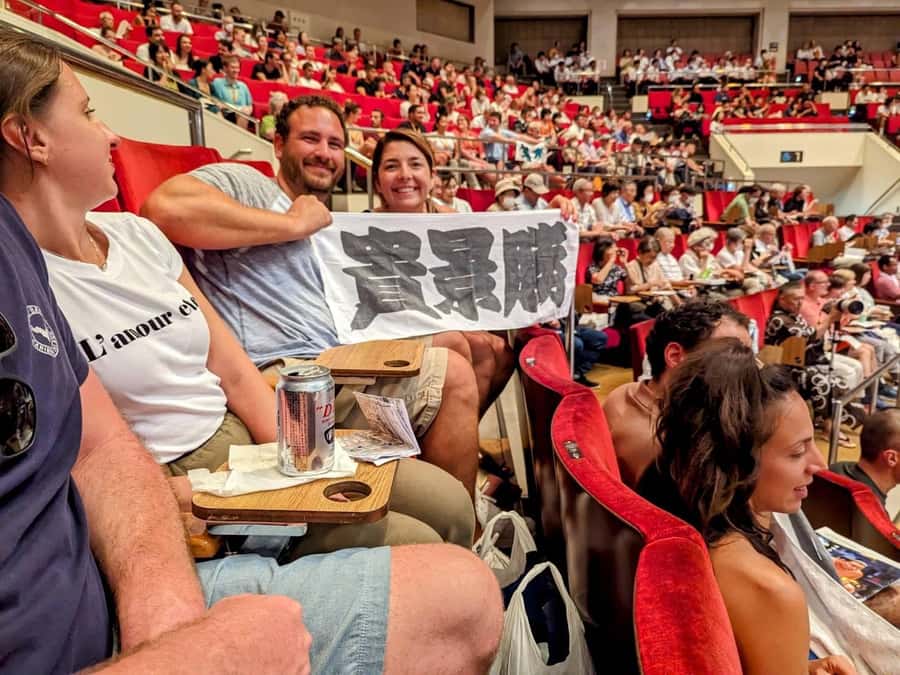
The tour uses chair B and chair C seating. Some people have been seated near the top of the arena, where the wrestlers look smaller and the details of the ring are less immediate. That is the main seating limitation to keep in mind before booking.
Even from a high position, you can still see the dohyo, the raised sumo ring, and follow the match. The guide’s explanations become more important at that distance. Yoko helped one group enjoy the tournament despite seats near the top, and Yuki explained that the ring remained easy enough to see from a high section.
You should not book this expecting premium ringside access. You are choosing a guided cultural experience with arena entry, not simply buying the most expensive available seat. If your first priority is a close-up view of every belt, foot movement, and facial expression, you may prefer to investigate ticket categories separately.
For many first-time spectators, the B or C chair is a fair compromise. You get a proper view of the whole event, and the guide supplies the context that a closer but unsupported seat would lack.
Same city, a different fixture:
- Tokyo: Sumo Show and Experience in Shinjuku
★ 4.8 · 1,001 reviews - Tokyo Grand Sumo Tournament Viewing Tour with Tickets
★ 5.0 · 692 reviews - Tokyo Sumo Wrestling Tournament Experience
★ 5.0 · 660 reviews - Tokyo:Luxury Sumo Show Experience & Japanese cuisine & Drink
★ 4.7 · 577 reviews
Headsets, hearing, and staying with the guide
The tour supplies headsets so you can hear the guide from a distance. In theory, this is a smart solution for an arena setting. Your guide can comment while you watch the ring instead of trying to gather everyone into a tight circle.
In practice, audio quality may vary. Some people found the translation audio difficult to hear, especially against the background noise. Others removed the headset partway through because it became uncomfortable during the long afternoon.
I would treat the headset as a useful aid, not a guarantee of perfect sound. Stay near the guide when possible, and tell the guide if you cannot hear. Taka was able to answer questions directly, making the headset less important for one group. This is also where a small group helps. With no more than 10 people, it is easier for the guide to notice if someone has fallen behind or missed an explanation.
The optional chanko-nabe meal
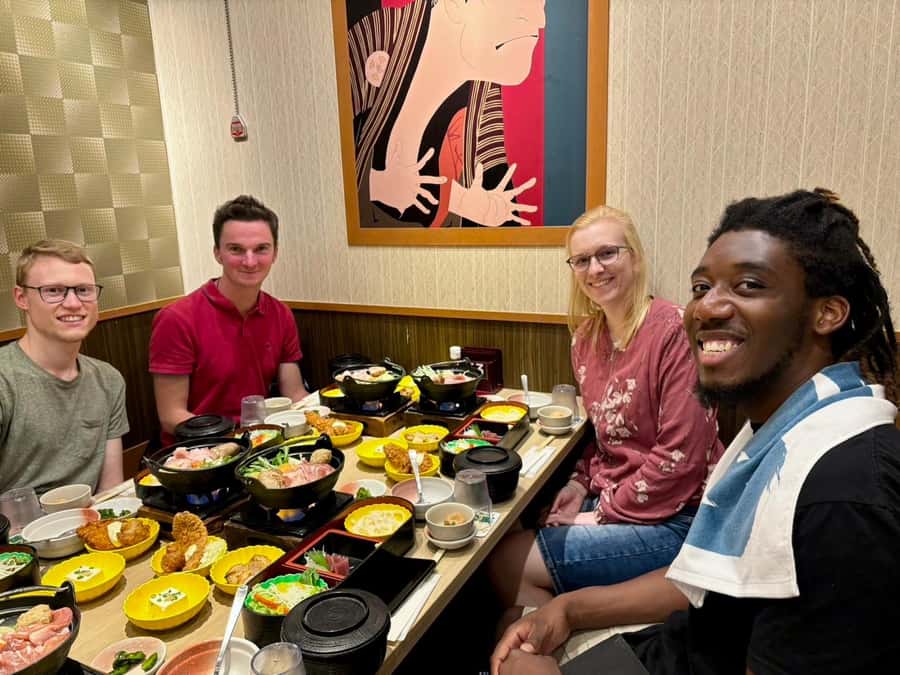
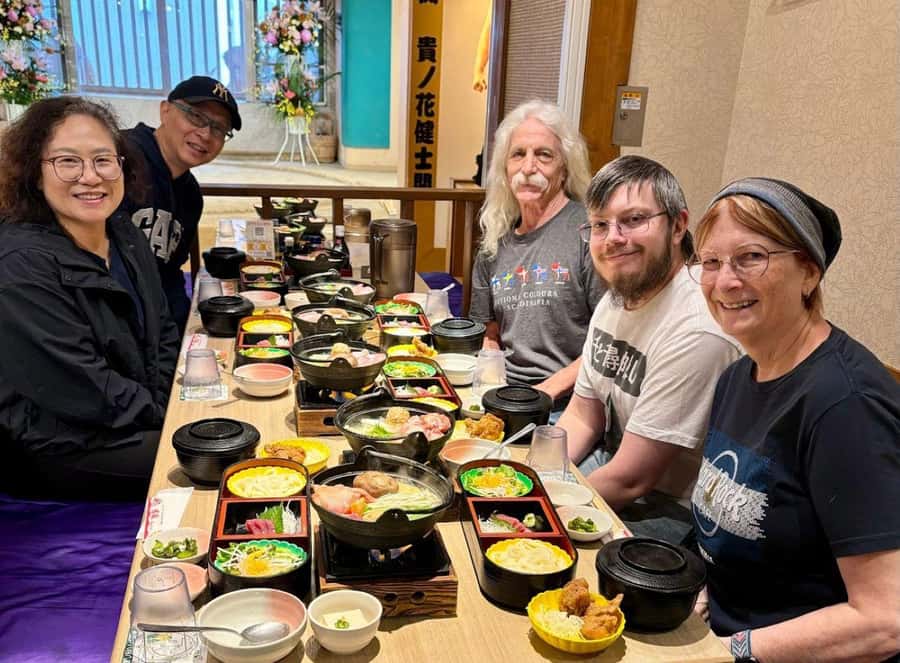
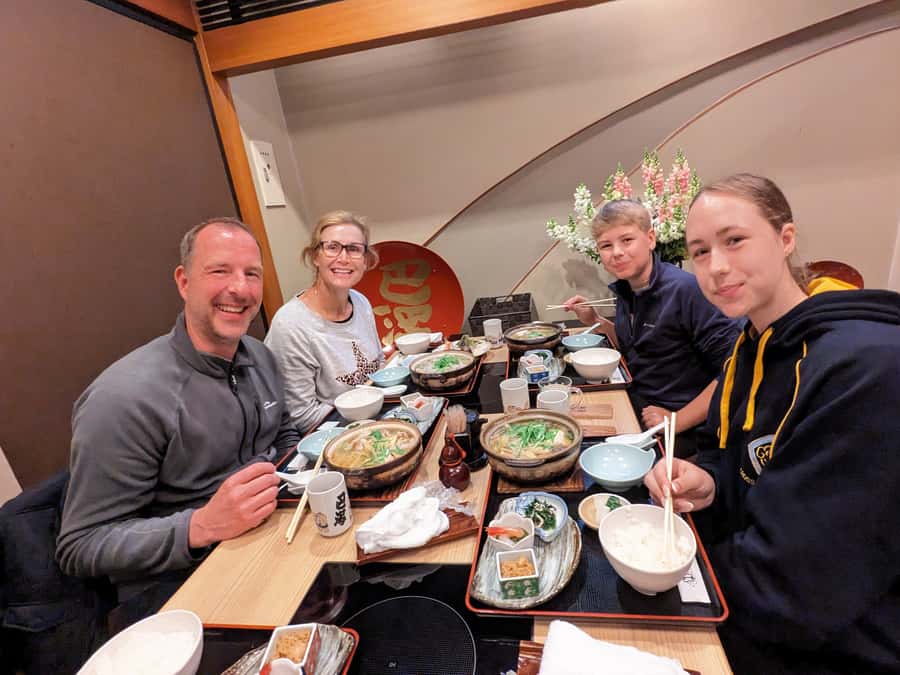
You can add a chanko-nabe dinner to the experience. This is the substantial hotpot-style dish associated with sumo wrestlers and their efforts to build muscle and body weight.
The meal adds a food element to the cultural side of the tour. It is not just a break between sightseeing stops. Chanko is tied to the daily life and diet of the sport, so it helps connect what you have learned in Ryogoku with the people you are watching in the ring.
Drinks are not included with this option and must be ordered separately. If you add the meal, budget for that extra cost and consider how a long afternoon of walking, watching, and eating fits your day.
The available information does not specify a detailed restaurant menu or the exact meal time. I would choose chanko if you want a fuller sumo-themed day, not because it is essential to understanding the matches.
Is $195 a fair price?
At $195 per person, this is an expensive way to attend sumo if you compare it only with the cost of a ticket. One person calculated that a ticket bought directly through the sumo organization could be around 8,000 yen. That comparison is fair, but it leaves out the guide, walking tour, explanations, pamphlet, headset, and help with the unfamiliar format.
The real question is how much support you want. If you already understand sumo and can arrange a ticket, buying independently may offer better value. You will need to provide your own context and work out how to follow the tournament.
If you are a first-time spectator, the extra cost can make sense. You get an English-speaking specialist who explains the customs before and during the bouts, keeps you oriented with the program, and helps you take part in the cheering. The small group also gives you a better chance to ask questions than a large bus tour.
The value is strongest when you book the full walk and arena combination. It is weaker if you only want to sit in the arena and are comfortable learning on your own. A top-level tournament final may also feel especially expensive, even if it is a memorable day.
Who will enjoy this most?
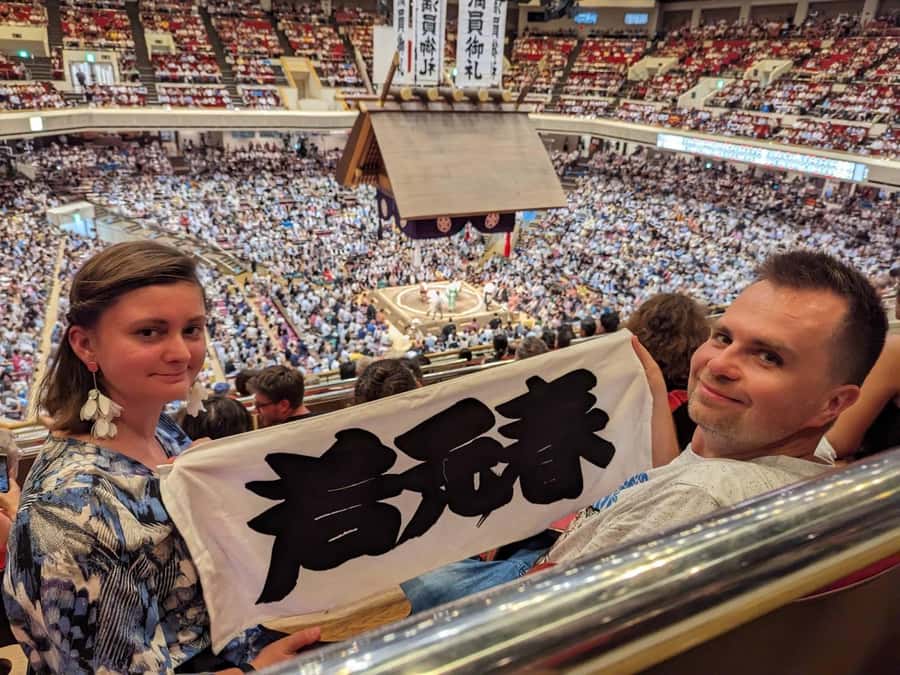
I would recommend the tour to a first-time sumo spectator who wants more than a ticket. You will get the most from it if you enjoy asking why a ritual matters, how wrestlers are ranked, and what to watch for before the main matches.
It also suits visitors who want a planned afternoon in Ryogoku. The meeting point is easy to identify at the front gate of the Kokugikan, and the tour ends back there. There is no hotel pickup or drop-off, so you must make your own way to the arena.
Families can join, but infants from 0 to 3 years old must sit on an adult’s lap. They are free of charge, though you need to state how many infants are coming when you book. The experience is not suitable for wheelchair users.
Solo visitors should find the small group format comfortable, especially since guides such as Taka and Bruce have been praised for friendly conversation and strong English. The tour also works well for couples and older children who can manage a long afternoon.
What to bring and how to plan the day
Wear comfortable shoes if you choose the Ryogoku walk. The first section lasts two hours, followed by several hours in the arena, so this is not a quick photo stop.
Arrive at the left side of the Kokugikan’s front gate, not at a hotel or a general neighborhood meeting point. The tour ends at the same place, which makes the route simple once the day is over.
Keep your schedule flexible after the tournament. The walk is set for 1 to 3 p.m., and the viewing section runs from 3 to 6 p.m. The day can feel long, especially if you take the dinner option. If you mainly care about the top division, the arena-only choice from 3 to 6 p.m. may suit you better.
The English pamphlet, cheering towel, and headset are included. Drinks with chanko-nabe are not. Cancellation is allowed up to 24 hours before the experience for a full refund, and you can reserve now and pay later, which helps if your Tokyo schedule is still changing.
Should you book the Grand Sumo Tournament tour?
Book it if you want to understand what you are watching, not just take a seat in a famous arena. The strongest reason to choose this experience is the guide’s presence during the matches. Guides such as Dawn, Yoko, Taka, Jeff, and Yuki have made the customs, history, personalities, and tournament program easier to follow.
Skip it if you are mainly hunting for the cheapest possible ticket or the closest possible seat. The B and C chairs may be high, the headset may frustrate you, and the $195 cost is hard to defend for a confident sumo fan who can arrange a ticket independently.
For most first-time visitors, I think the guided format earns its keep, especially when paired with the Ryogoku walk. Choose the shorter arena-only option if you want to control the pace, and add chanko-nabe when the food connection matters to you. This is a good way to turn an unfamiliar afternoon of bouts into a clear, memorable look at one of Japan’s most distinctive traditions.
FAQ
Where does the tour meet?
Meet at the left side of the Kokugikan arena’s front gate in Tokyo.
Where does the tour end?
The experience ends back at the meeting point by the Kokugikan arena.
What time does the walking tour begin?
The optional landmark and history walk runs from 1 to 3 p.m.
What time is the sumo viewing?
The arena viewing option runs from 3 to 6 p.m.
Can I book only the sumo viewing?
Yes. You can choose the 3 to 6 p.m. viewing option without joining the earlier walking tour.
Is the tour offered in English?
Yes. English is the listed tour language, and the guide provides an English pamphlet.
Are meals included?
A chanko-nabe meal is included only if you choose that option. Drinks are not included and must be ordered separately.
What seating is used?
The tour uses chair B seats and chair C seats. Some seats may be near the top of the arena.
Is the tour suitable for wheelchair users?
No. The experience is listed as unsuitable for wheelchair users. Infants aged 0 to 3 are free but must sit on an adult’s lap.
Just added for fans in Tokyo
- Tokyo: Grand Sumo Morning Training Tour★ 4.9 · 12 reviews
- Sumo Training Watching Experience in Tokyo★ 4.5 · 8 reviews
- Kickboxing & Body Training with EX-Pro Fighter★ 5.0 · 4 reviews
- Tokyo: Visit Sumo Morning Practice with English Guide★ 4.5 · 22 reviews
- Tokyo Sumo Experience with Live Show & Audience Challenge★ 5.0 · 38 reviews
- Tokyo Shinjuku Sumo Show and Experience with Drinks and Photo★ 4.0 · 21 reviews
- Tokyo Sumo History Tour with Chanko Nabe Lunch★ 5.0 · 3 reviews
- 【SUMO FESTIVAL】Tokyo Ginza: Sumo Show & Photo Experience★ 4.5 · 41 reviews
Sumo Experiences in Tokyo, compared.
Tokyo Shinjuku Sumo Show & Experience with Photo
Read our review →
Tokyo Grand Sumo Tournament Viewing Tour with Tickets
Read our review →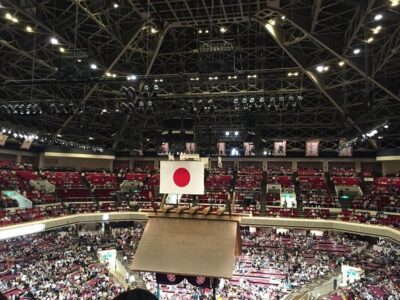
Luxury Sumo Show Experience & Japanese cuisine & Drink
Read our review →
Browse the lists this tour appears in