
Review · SUMO EXPERIENCES IN TOKYO
Tokyo: Sumo Keiko Training Tour with Audio Guide & Photo
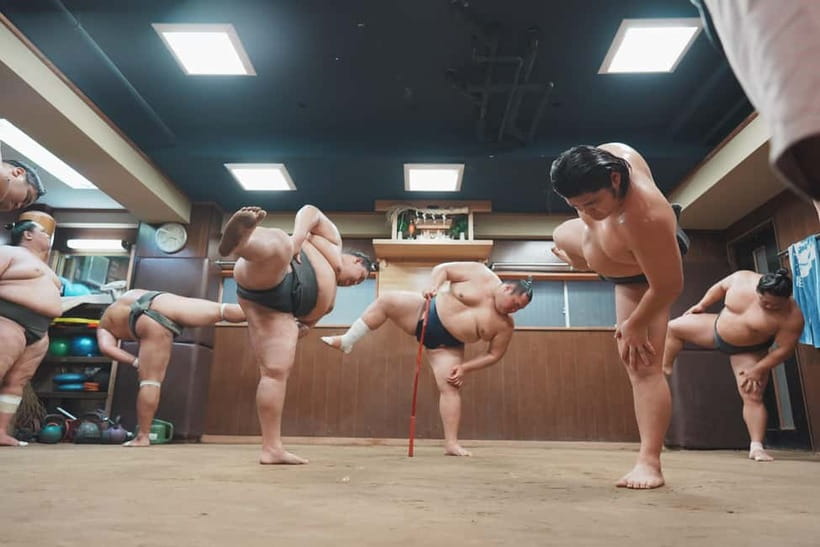
Real sumo practice is not a staged show. At Nakamura-beya Sumo Stable, you watch professional wrestlers train at close range, where the heavy foot stamps, sharp movements, and strict quiet make the room feel very different from a tournament arena. The visit lasts about 40 to 90 minutes, depending on the available time.
I like the audio guide in 10 languages, which gives you useful context on ranks, techniques, and training instead of leaving you to guess what is happening. I also like the photo with sumo wrestlers, a simple keepsake that makes this more than a quick look through a doorway.
The main tradeoff is comfort. Bench chairs are limited, so most people sit on cushions for up to 1.5 hours. You also need to watch quietly, use the restroom first, and arrive on time, since late arrivals lose viewing time.
Key points before you book
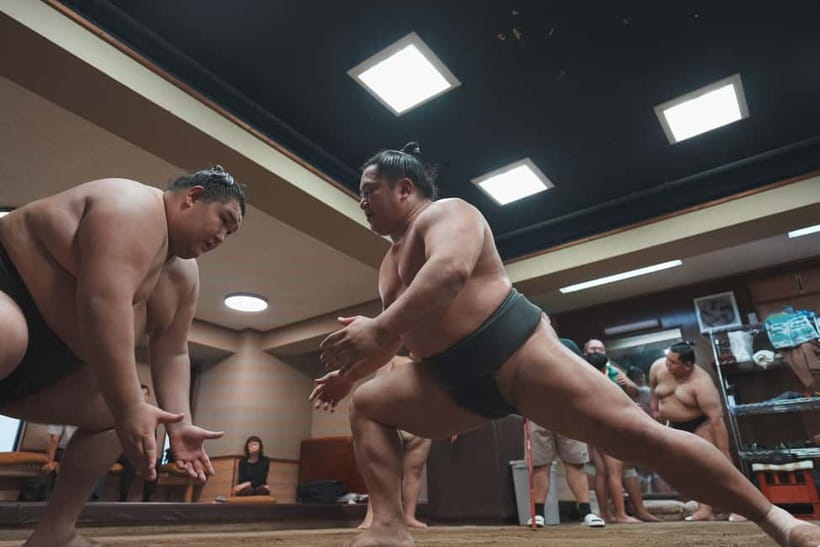
- Real morning-style training at Nakamura-beya: You watch wrestlers practice in an actual sumo stable, not a theatrical demonstration.
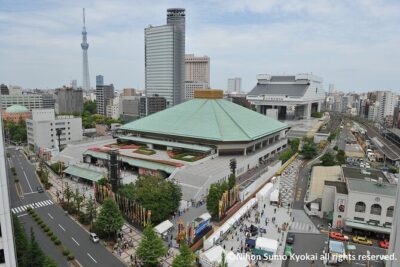
- Two minutes from JR Ryogoku Station: The meeting point is next to Ryogoku Kokugikan National Sumo Arena, making this easy to fit into a Tokyo sightseeing day.
- Audio help in 10 languages: Chinese, English, French, German, Hindi, Italian, Japanese, Korean, Polish, Spanish, and Portuguese are available.
- A quiet, close-range experience: You must refrain from talking during practice, which helps you focus on the wrestlers’ movements.
- Photo with sumo wrestlers included: The picture gives you a clear souvenir after the training session.
- Useful indoor comforts: Air conditioning, free Wi-Fi, charging stations, and a practice pamphlet make the visit easier in hot or rainy weather.
Why this sumo visit feels different from a tournament
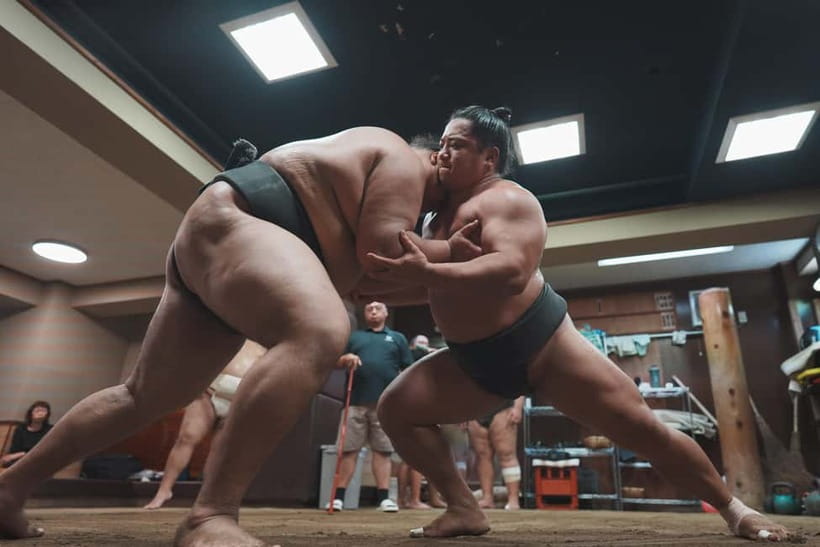
A professional sumo tournament has ceremony, crowds, music, and a full day of matches. Training is more stripped down. Your attention goes to the wrestlers, the repeated movements, and the rules of the room.
That difference matters. You are not simply watching a bout with a winner and a loser. You are seeing the work behind the sport. The session can help you understand why sumo demands strength, balance, discipline, and careful technique.
A close view also changes your sense of scale. Sumo wrestlers are often presented as larger-than-life figures in photographs and television coverage. Here, the focus is on practice. You can watch how much control is required to produce a short, forceful movement.
The visit is especially useful if you know little about sumo. The pamphlet and audio guide explain the sport’s history, ranks, and training methods. If you already follow sumo, you may still value the chance to see practice from nearby. One strong point of the experience is that it can add meaning to a sport you already understand, rather than simply repeating basic facts.
More Sumo Experiences in Tokyo
- Tokyo: Sumo Show and Dining Experience
★ 4.8 · 2,742 reviews - the SUMO show
★ 5.0 · 1,960 reviews - Tokyo Shinjuku Sumo Show & Experience with Photo
★ 5.0 · 1,750 reviews
Arriving at Nakamura-beya near Ryogoku Station
The stable is about two minutes from JR Ryogoku Station and next to the Ryogoku Kokugikan National Sumo Arena. That is a major practical benefit. You do not need a long transfer into an unfamiliar neighborhood, and the location is easy to pair with other sights in Ryogoku.
Use the provided directions before setting out, especially if you want to save time. The meeting point is the stable itself, not a central Tokyo hotel or a pickup point. There is no pickup or drop-off service, so you handle your own transport.
Once you arrive, plan to settle in rather than rush through the entrance. Restrooms should be used before the session. The quiet rules begin to matter as soon as practice is underway, so this is not the place for frequent movement, long conversations, or casual interruptions.
The minimum age is six. Children under six cannot join, and younger children who find it hard to sit quietly may not enjoy the format even if they meet the age requirement.
What happens during the 40 to 90 minute visit
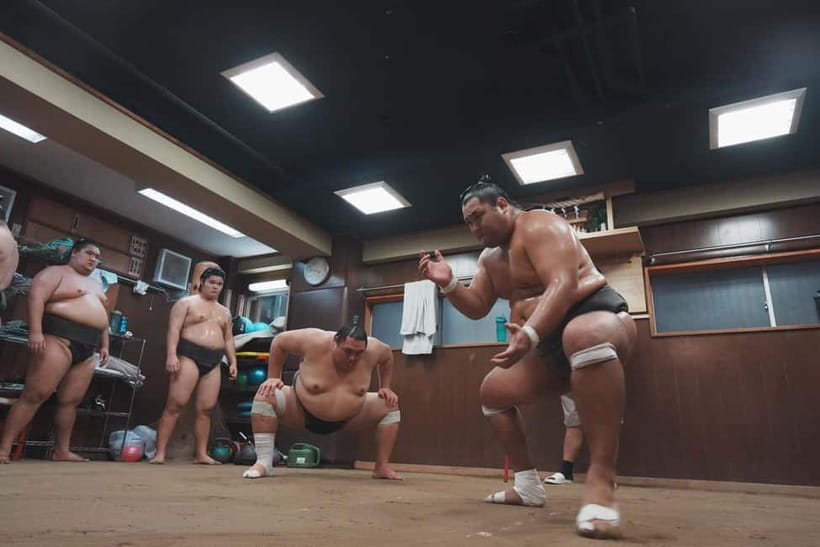
The timing can vary from 40 to 90 minutes, and availability determines the starting time. The supplied schedule describes the visit as lasting up to 1.5 hours, so you should leave enough room in your day rather than booking a tight connection immediately afterward.
The central part of the visit is the live training session. You watch the wrestlers practice while remaining quiet. No flash photography is allowed, but photography itself is permitted under the stated rules.
This quiet format may feel unusual at first. In many Tokyo attractions, you can talk, move around, and take pictures freely. Here, your job is simpler: sit, watch, and let the practice unfold. That restraint is part of the experience. It gives the room a focused tone and keeps your attention on the wrestlers rather than on your phone.
The audio guide adds information while you watch. It covers sumo history, rankings, and training techniques, and it is available in 10 languages. You need your own earphones to listen on your phone. If you forget them, the venue can lend you a pair.
An English, Japanese, or Korean-speaking guide is also included. The guide can help explain the visit, while the audio material gives you information at your own pace. The combination is helpful for people who want both basic direction and extra background.
Seating, air conditioning, and the small practical details
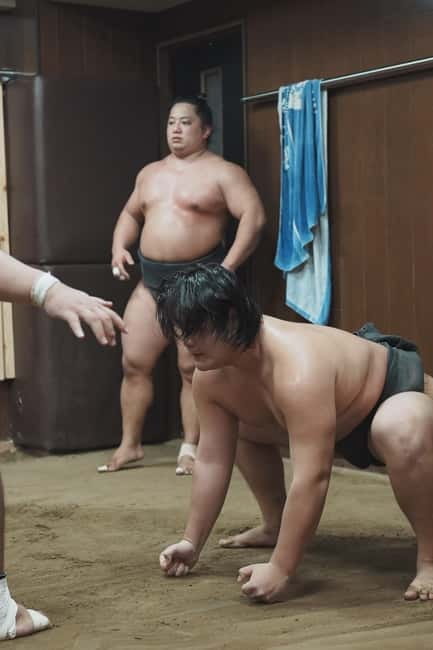
Do not assume you will receive a normal theater seat. The number of bench chairs is limited, and priority goes to visitors with disabilities. Other participants sit on cushions for up to 1.5 hours.
That arrangement is worth considering before you book. Cushion seating may be fine for many people, but it can be less comfortable if you have knee, hip, or back problems. The information provided does not promise a chair for every participant, so anyone who needs firm seating should plan carefully and contact the provider before booking.
The air-conditioned venue is a welcome feature, especially during Tokyo’s hot months. Free Wi-Fi and charging stations are also available. These details do not change the training itself, but they make the visit easier if you are using your phone for the audio guide or need to recharge before the rest of your day.
You should bring earphones, though a pair can be lent to you if needed. Sunglasses are not allowed, bare feet are not allowed, and flash photography is forbidden. Wear something that lets you sit comfortably and keep your feet covered.
Late arrival has a clear penalty: your viewing time is shortened, and the session cannot be extended. Since the stable is close to the station, there is little reason to cut things close. Arrive early enough to find the entrance and settle down.
Same city, a different fixture:
- Tokyo: Sumo Show and Experience in Shinjuku
★ 4.8 · 1,001 reviews - Tokyo Grand Sumo Tournament Viewing Tour with Tickets
★ 5.0 · 692 reviews - Tokyo Sumo Wrestling Tournament Experience
★ 5.0 · 660 reviews - Tokyo:Luxury Sumo Show Experience & Japanese cuisine & Drink
★ 4.7 · 577 reviews
The photo with sumo wrestlers
The photo is included in the price and gives the visit a clear closing moment. After watching practice, you have the chance to take a picture with sumo wrestlers.
This is useful for families, first-time visitors, and anyone who wants a physical reminder of the day. It also gives the experience a personal element that a museum visit cannot provide. At the same time, keep your expectations practical. The information supplied confirms that the photo is included, but it does not promise a long conversation, a private meeting, or a set number of wrestlers.
Photography during practice is allowed without flash. Be respectful of the quiet atmosphere and follow the guide’s directions about when pictures can be taken. The photo opportunity is best treated as a short souvenir, not the main event.
What you can do nearby after the stable
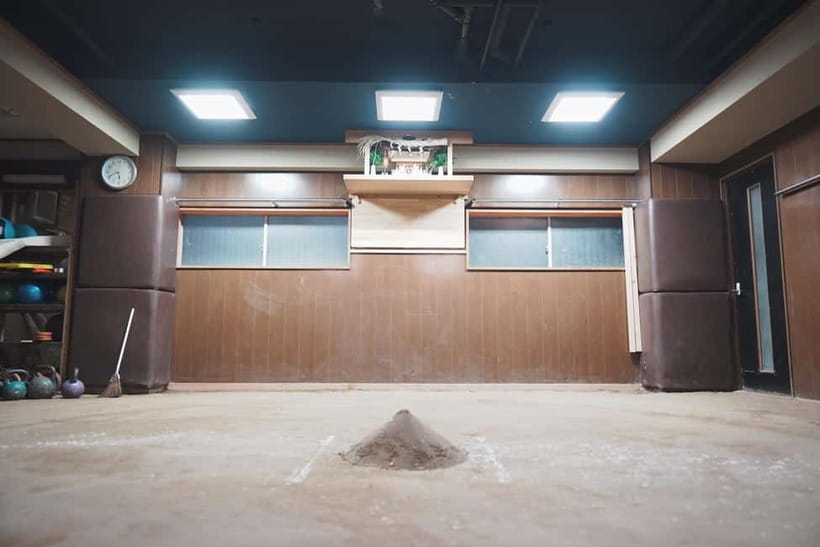
Ryogoku is one of the easiest parts of Tokyo for linking sumo-related sights. After the session, you can walk to the Ryogoku Kokugikan National Sumo Arena area and visit the Sumo Museum. You can also continue toward the Tokyo waterfront on foot.
The nearby arena gives the training visit a useful setting. You are not seeing sumo in isolation. The stable sits beside one of Tokyo’s main sumo landmarks, so you can connect what you watched in practice with the public side of the sport.
The Sumo Museum can add names, objects, and background to what you just saw. The supplied information does not give a museum admission schedule or exact opening hours, so check those details separately before building your entire afternoon around it.
A walk toward the waterfront can help balance the indoor session with open air and city views. Since no transport is included, you remain free to decide how long to spend in the area and where to go next.
Is $85 a fair price?
At $85 per person, this is not a cheap way to fill half an hour in Tokyo. The value depends on what you want. You are paying for access to live training, multilingual audio support, an in-person guide, the photo, and the convenience of a central Ryogoku location.
For someone who only wants a quick photograph or a general introduction to sumo, the price may feel high. You can learn basic sumo facts elsewhere for less. The reason to choose this activity is the chance to watch real practice at a stable, close enough to notice the physical work.
The audio guide is another part of the value. With 10 language choices, it makes the visit easier for international visitors who want context beyond a short English explanation. Free Wi-Fi, charging stations, and air conditioning are practical extras, but they are not the reason to book.
I would see the price as reasonable for a dedicated sumo fan, a first-time visitor who wants a direct look at the sport, or a person building a full Ryogoku day. It is less convincing for a traveler with limited interest in sumo or someone who dislikes floor seating and strict quiet.
Who will enjoy this most
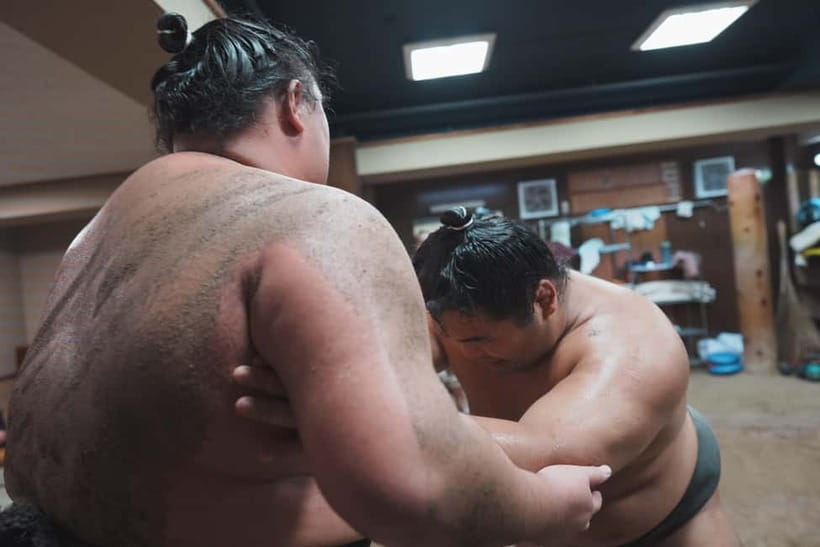
This experience fits adults and children aged six and older who can sit quietly and follow instructions. Families may like the photo and the chance to see something that feels specific to Tokyo rather than a generic sightseeing show.
It also suits people who want a real sports setting. The practice is the attraction, not a performance designed around audience participation. You should choose it if you are comfortable observing without constant explanation or movement.
A sumo fan can use the audio guide as a refresher and focus on the training itself. A beginner can follow the pamphlet and listen for explanations of ranks and techniques. The experience works for both groups, though the benefit is different.
It may not suit anyone who needs guaranteed bench seating, cannot sit on cushions for a long period, or wants a relaxed photo session with plenty of time to talk. The quiet rules and late-arrival policy also make it a poor match for a loose, spontaneous schedule.
Booking advice for a smoother visit
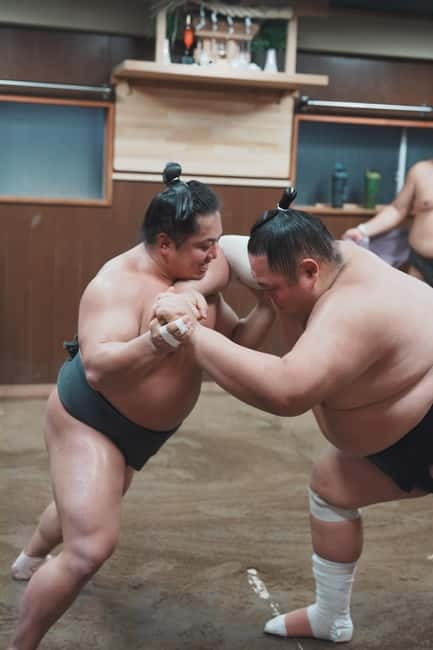
Reserve a time that leaves space around the session. The duration can be as short as 40 minutes or as long as 90 minutes, and late arrival means lost viewing time. Do not schedule a distant attraction immediately afterward unless you have a generous buffer.
Bring earphones for your phone, and charge your device before arriving if you plan to use the audio guide and take pictures. The stable has charging stations, but it is easier to arrive ready.
Wear covered footwear and leave sunglasses behind. Use the restroom before practice begins. Most important, prepare yourself for quiet observation. The experience works best when you treat the training room as a working place, not a noisy attraction.
Cancellation is flexible up to 24 hours before the scheduled visit for a full refund, and you can reserve now and pay later. Those terms help if your Tokyo plans are still changing, but you should still check the available start times before committing.
Should you book the Nakamura-beya visit?
Book it if you want to see the discipline and physical effort behind sumo, not just a match in a tournament hall. The close view, multilingual audio guide, included photo, and location beside Ryogoku Kokugikan make this an efficient choice for a sumo-focused day.
Skip it if you need a guaranteed chair, dislike quiet indoor viewing, or have only passing interest in sumo. At $85, the value comes from access to real training and the setting. For the right visitor, that is the memorable part. For everyone else, the Sumo Museum and arena area may be enough.
FAQ
Where does the sumo training tour meet?
It meets at Nakamura-beya Sumo Stable, about two minutes from JR Ryogoku Station and next to Ryogoku Kokugikan National Sumo Arena.
How long does the visit last?
The stated duration is 40 to 90 minutes. The visit schedule describes up to 1.5 hours, and the exact time depends on availability.
Is transportation included?
No. Pickup and drop-off are not included, so you must make your own way to and from Nakamura-beya Sumo Stable.
What languages are available for the audio guide?
The audio guide is available in Chinese, English, French, German, Hindi, Italian, Japanese, Korean, Polish, Spanish, and Portuguese.
Do I need to bring earphones?
You should bring your own earphones to use the audio guide on your phone. If you do not have any, a pair can be lent to you.
Can I take photographs during the training?
Photography is allowed, but flash photography is not. A photo with sumo wrestlers is included.
Are seats provided?
A limited number of bench chairs are available, with priority for visitors with disabilities. Other participants sit on cushions for up to 1.5 hours.
What is the minimum age?
The minimum age is six. Children under six are not permitted to join.
More Audio Tours in Tokyo
- Audio Guided Tour – Mumbai Cricket Walk by HopOn India
★ 5.0 · 2 reviews
More Self-Guided Tours in Tokyo
- London: Emirates Stadium Entry Ticket and Audio Guide
★ 4.7 · 5,513 reviews - Dortmund: BVB Self-Guided Stadium Walk
★ 4.5 · 3,195 reviews - Emirates Stadium and Arsenal Museum Entrance Ticket Including Audio Guide
★ 4.5 · 113 reviews - Alicante: Visit with Audio Guide Bullring and Bullfighting Museum
★ 4.5 · 63 reviews
Just added for fans in Tokyo
- Tokyo: Grand Sumo Morning Training Tour★ 4.9 · 12 reviews
- Sumo Training Watching Experience in Tokyo★ 4.5 · 8 reviews
- Tokyo: Visit Sumo Morning Practice with English Guide★ 4.5 · 22 reviews
- Tokyo Sumo Experience with Live Show & Audience Challenge★ 5.0 · 38 reviews
- Kickboxing & Body Training with EX-Pro Fighter★ 5.0 · 4 reviews
- Tokyo Shinjuku Sumo Show and Experience with Drinks and Photo★ 4.0 · 21 reviews
- Tokyo Sumo History Tour with Chanko Nabe Lunch★ 5.0 · 3 reviews
- 【SUMO FESTIVAL】Tokyo Ginza: Sumo Show & Photo Experience★ 4.5 · 41 reviews
Sumo Experiences in Tokyo, compared.
Tokyo Shinjuku Sumo Show & Experience with Photo
Read our review →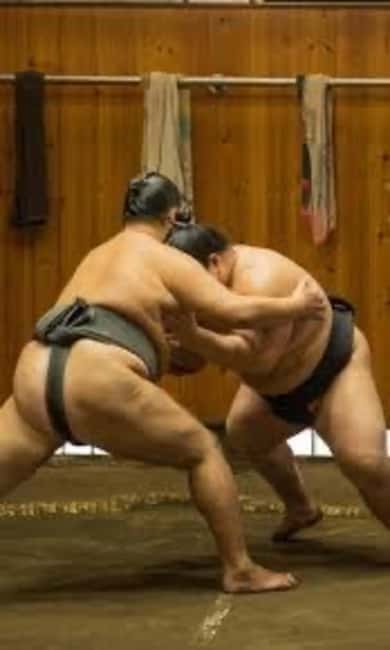
Tokyo Grand Sumo Tournament Viewing Tour with Tickets
Read our review →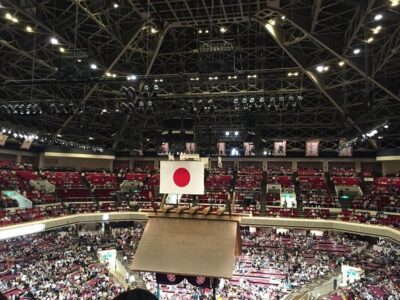

Luxury Sumo Show Experience & Japanese cuisine & Drink
Read our review →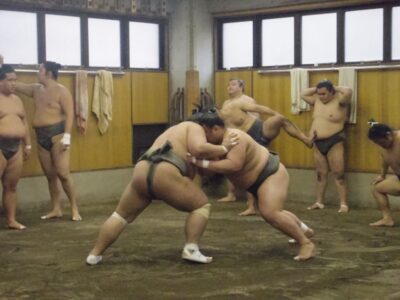
Browse the lists this tour appears in