
Review · SUMO EXPERIENCES IN TOKYO
Tokyo: Sumo Morning Practice Tour at Sumida City
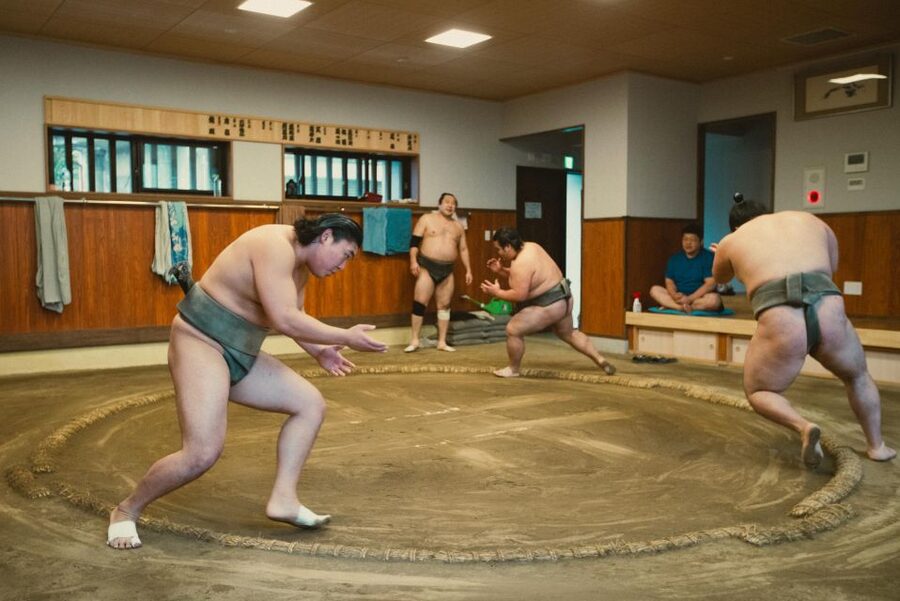
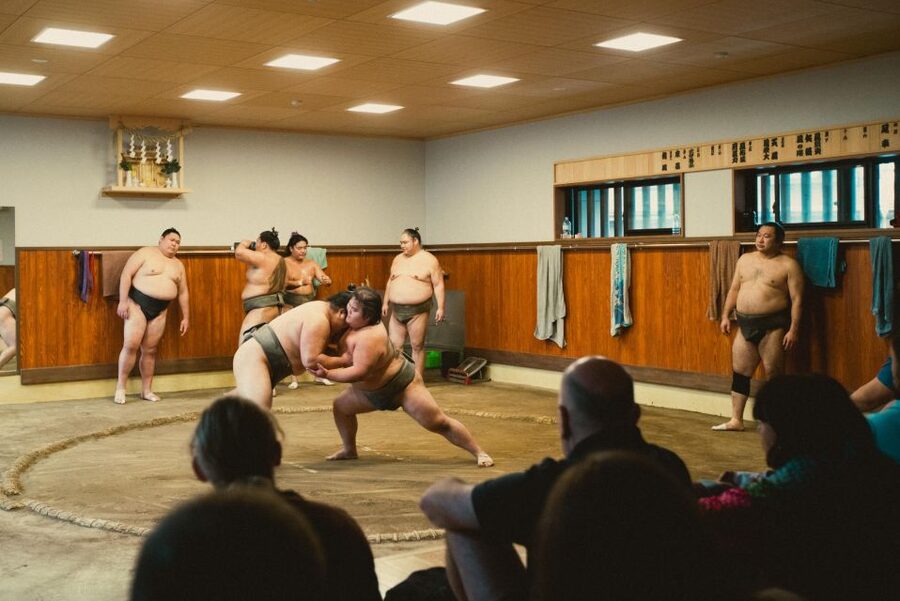
Sumo morning practice is not a staged show. You sit quietly on the floor inside a working stable while large, powerful athletes repeat the same movements, drills, and bouts under close supervision. The wrestlers train only a few feet away, so you notice their flexibility, footwork, breathing, and sheer physical force in a way television cannot convey.
I like the close view of real training and the chance to ask the stable master questions afterward. I also like the guides’ practical help. Tadashi, Yoko, Yukiko, Yuriko, Kiyomi, and Oku have all been praised for explaining the customs and keeping the visit organized. The main drawback is clear: you sit cross-legged on the floor for about 90 minutes, with no chairs and no toilet break.
Key points to know before booking
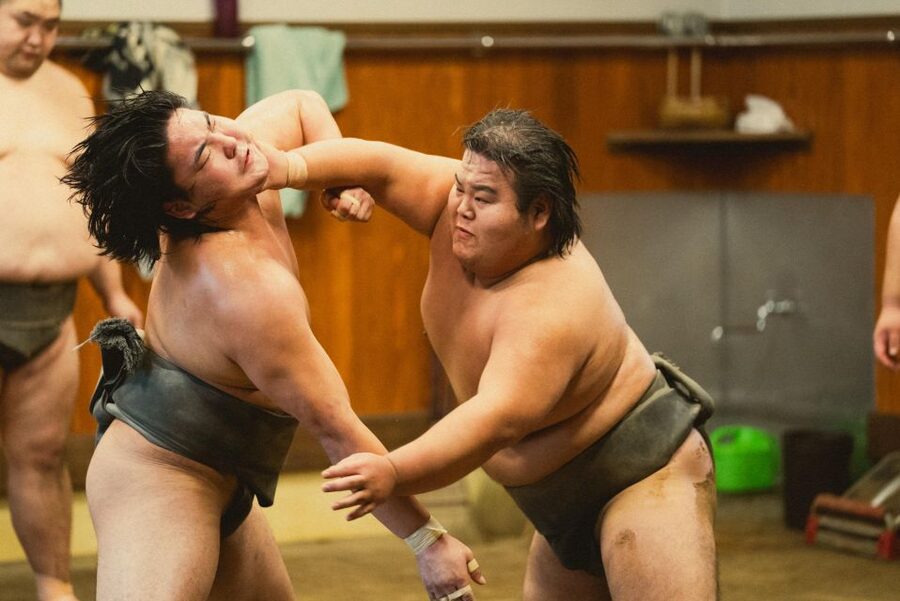
- Watch working wrestlers, not a staged performance: The practice is authentic and may include intense one-on-one bouts, but the exact session can vary.
- Walk 15 to 20 minutes from Oshiage Station: The meeting point is near Tokyo Skytree, not at the stable itself.
- Meet at 7:15 AM for a 7:30 AM start: The early hour helps you see the stable during its normal morning routine.
- Expect floor seating and quiet attention: There are no chairs, and you must watch without disturbing the wrestlers.
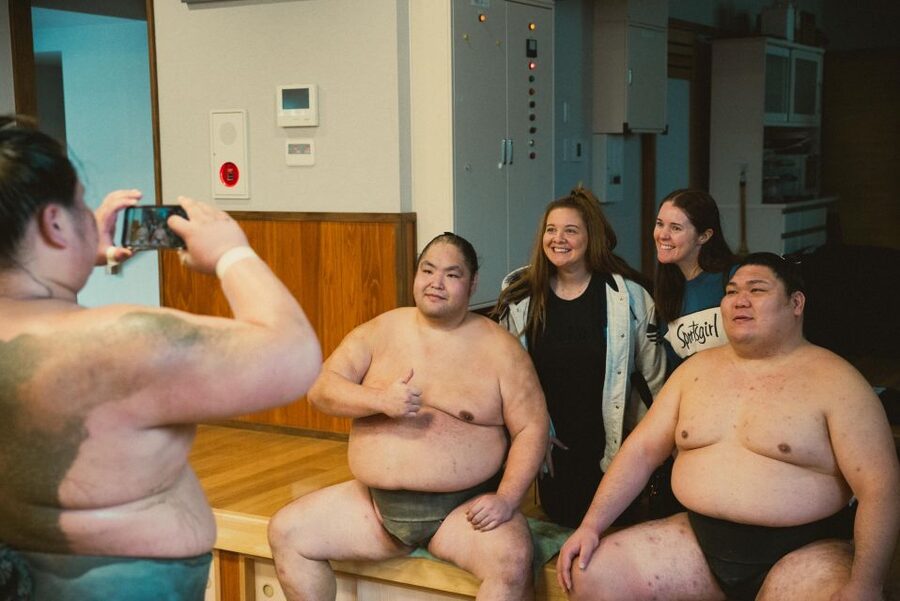
- Allow time for questions and photos: After practice, the stable master may answer questions, and photos with wrestlers may be possible.
- Plan around tournament months: Morning practice tours are not held in March, July, or November.
Why this sumo visit feels different from a tournament
A grand sumo tournament gives you the drama of a formal contest, with ranked wrestlers, crowds, ceremony, and a fixed schedule. This morning visit gives you something else: a look at the daily work behind the sport.
You are inside a sumo stable, the place where wrestlers train and live their professional routine. The atmosphere is quiet and serious. This is not a performance arranged for applause, and the wrestlers are not there to entertain you. Your job is to observe respectfully while they work.
That distinction matters. You may see repeated warmups, stretching, footwork, pushing drills, and bouts. The session can feel less polished than a tournament because it is practice. That is also its strength. You see mistakes, fatigue, concentration, and the effort needed to prepare for competition.
The physical contrast is striking. Sumo wrestlers are famous for their size, but practice quickly shows that size is only part of the picture. They must also be flexible, balanced, quick, and technically sharp. You may find yourself paying as much attention to a wrestler’s foot placement and timing as to the final shove.
More Sumo Experiences in Tokyo
- Tokyo: Sumo Show and Dining Experience
★ 4.8 · 2,742 reviews - the SUMO show
★ 5.0 · 1,960 reviews - Tokyo Shinjuku Sumo Show & Experience with Photo
★ 5.0 · 1,750 reviews
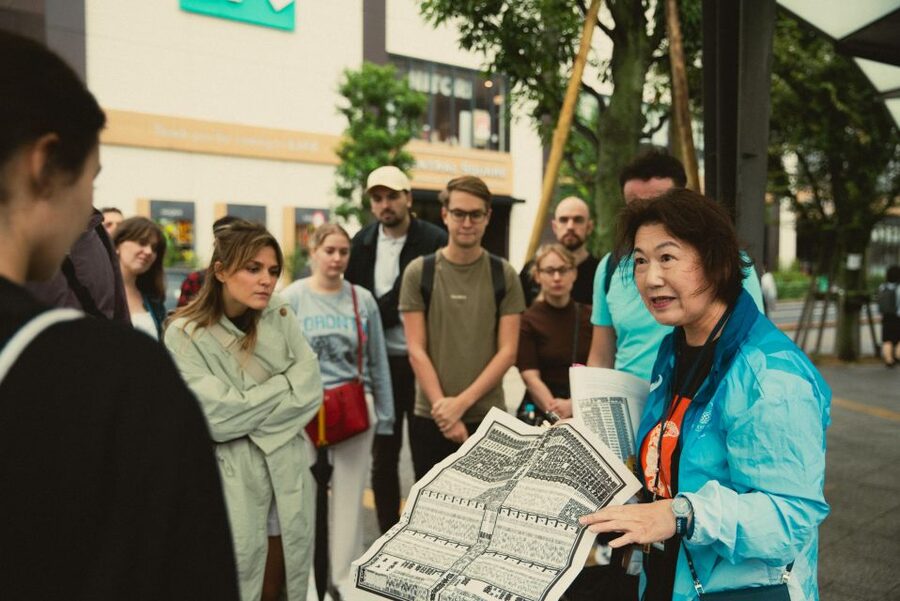
Meeting near Tokyo Skytree at 7:15 AM
The meeting point is at the ground-floor A1 Exit of Toei Asakusa Line and Tokyo Metro Oshiage, also called Skytree Mae, Station. You meet at 7:15 AM, with the tour scheduled to begin at 7:30.
Give yourself extra time to find the correct exit. Oshiage is a large transport area, and an early arrival is far less stressful than trying to locate the guide at the last minute. The area is close to Tokyo Skytree Town, so you can pair the visit with Skytree or Sumida sightseeing later in the day.
From the station, you walk for roughly 15 to 20 minutes to the stable. This is not a long walk for most people, but it matters in cold rain, summer heat, or if someone in your group has difficulty walking. One practical tip: wear shoes that are easy to remove and bring a small towel if rain may leave your feet wet.
If you are late, contact the provider rather than entering the stable on your own. You will be given the address and can go there independently, but you must wait outside for the guide. Do not ring the doorbell. The rule protects the wrestlers’ concentration and keeps an already quiet workplace undisturbed.
Entering the stable and taking your place
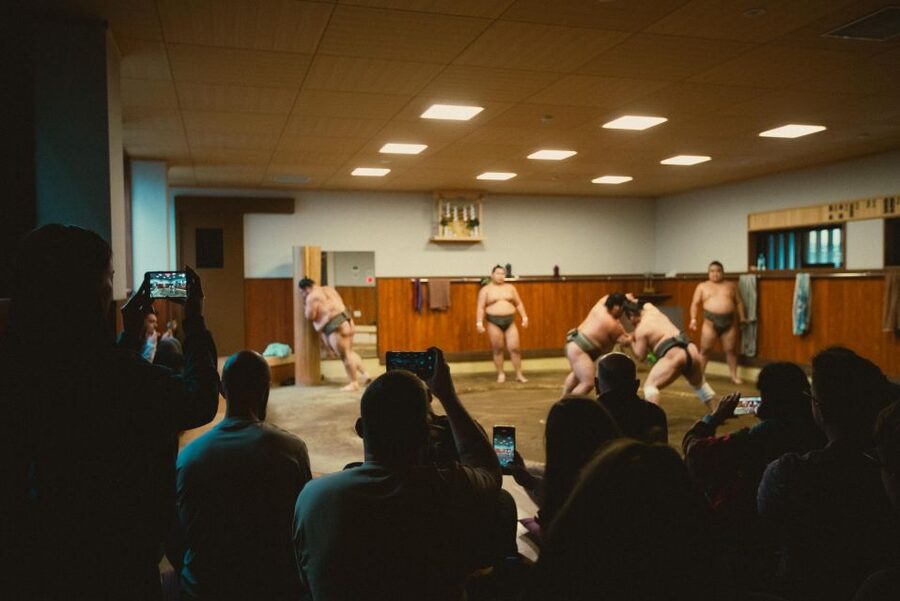
You remove your shoes before entering. Seating is on the floor, with no chairs provided. You should be prepared to sit cross-legged for roughly an hour and a half.
This is the most important comfort issue on the tour. If floor seating is painful or impossible for you, I would not book this activity. The experience provider also lists it as unsuitable for people with mobility impairments.
Your group may not have the same view for the whole session. Seating arrangements can change, and another group or visiting athletes may sometimes receive priority positions. Guides may rotate people or adjust places so everyone can see, but you should not expect a guaranteed front-row seat.
The stable is a working space, not a visitor center. Keep your movements small, follow the guide’s instructions, and avoid speaking during the practice. Children must be at least six years old. If a child talks loudly, moves around, or cannot watch quietly, the family may be asked to leave the stable.
The 90-minute practice: quiet, forceful, and surprisingly technical
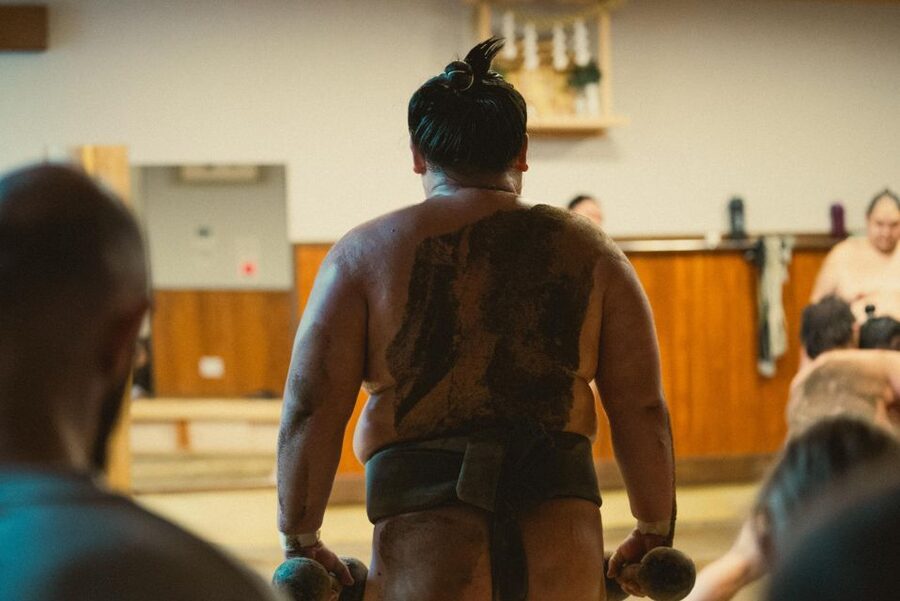
The main part of the visit lasts about 1.5 hours. You watch the wrestlers train at very close range, often close enough to appreciate how much force is generated when two bodies collide.
The rhythm of practice is part of the lesson. Sumo is built around ritual and repetition. Wrestlers do not simply step into the ring and push. They prepare their bodies, work on balance, repeat movements, and test technique under pressure.
You may see one-on-one bouts, though the exact amount of live fighting depends on the day. A session close to a tournament can be lighter, and one visit included less fighting because a May tournament was underway. Another group saw seven wrestlers training. The lineup and intensity are not guaranteed, so book this for the chance to observe practice rather than for a promised match card.
Your guide should help you understand what is happening without turning the stable into a classroom. Guides such as Yoko and Yukiko have been praised for explaining the rules, customs, and stages of the practice. Oku was noted for quietly helping the group follow the wrestlers’ routines, which suits the setting better than constant commentary.
The amount of explanation can vary. Some sessions include useful guidance before and after practice, while one visitor found there was little spoken information beforehand beyond a leaflet. If the background of sumo matters greatly to you, use the question period at the end and ask directly about the rituals, rankings, training schedule, and daily life.
Same city, a different fixture:
- Tokyo: Sumo Show and Experience in Shinjuku
★ 4.8 · 1,001 reviews - Tokyo Grand Sumo Tournament Viewing Tour with Tickets
★ 5.0 · 692 reviews - Tokyo Sumo Wrestling Tournament Experience
★ 5.0 · 660 reviews - Tokyo:Luxury Sumo Show Experience & Japanese cuisine & Drink
★ 4.7 · 577 reviews
What you learn about sumo culture
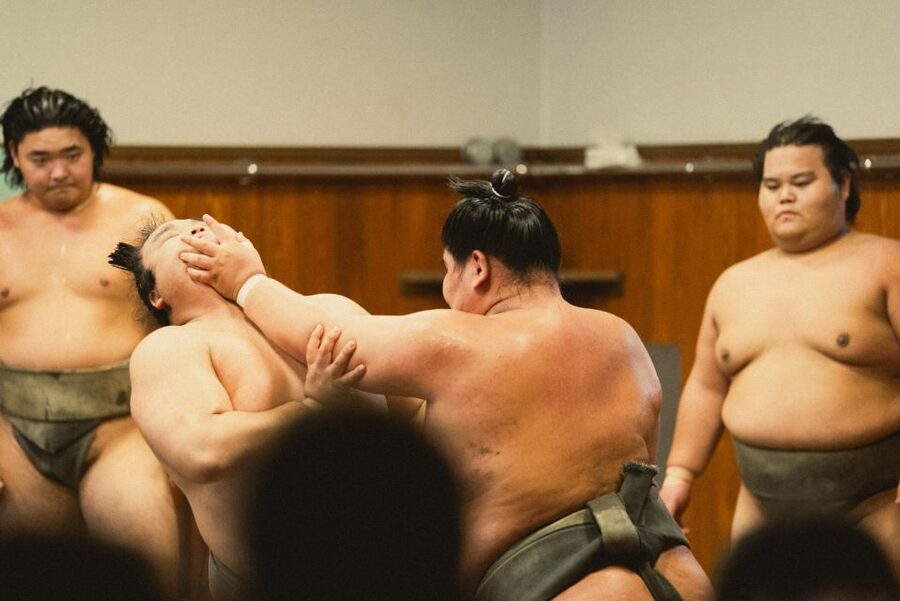
The value here is not only athletic. Sumo carries religious and cultural customs that are easy to miss when you watch a short television clip. At the meeting point, your guide may explain why silence and courtesy matter inside the stable and how sumo connects with Japanese religious tradition.
You can also ask about the wrestlers’ lifestyle. The stable master, sometimes called the coach or owner in translated descriptions, may discuss training and the daily routine. The questions are one of the strongest parts of the visit because they turn a silent observation into a direct conversation.
Do not expect a long formal lecture. The time available for questions depends on the stable master’s schedule and the day’s practice. Still, the opportunity to ask questions directly gives you a better sense of the sport’s discipline than a museum display alone.
The stable master has been described as welcoming and generous with time. Questions have covered the practice itself, the wrestlers’ lives, and the identity of athletes in the room. You may even discover that someone you watched train is a notable competitor.
The final questions and possible photo
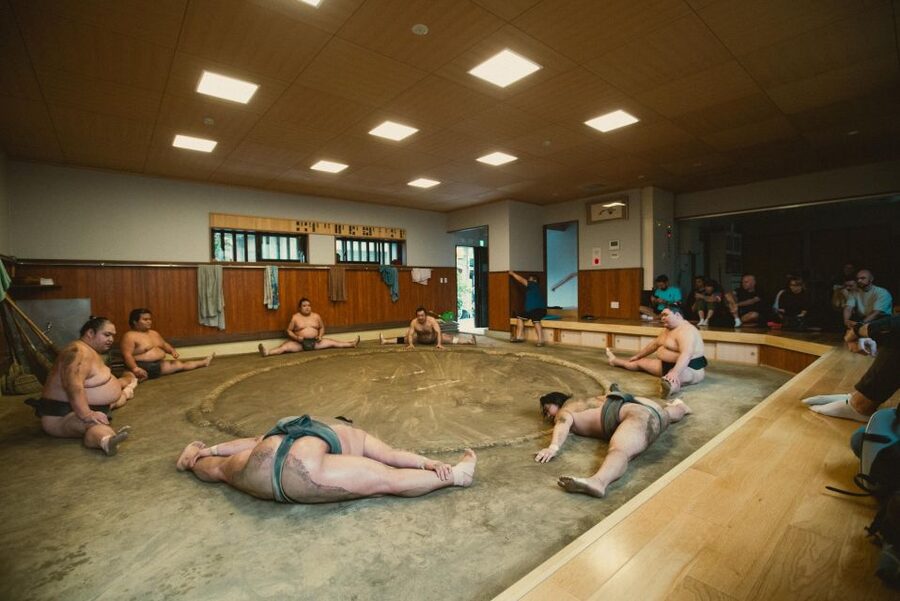
After training, there is generally time for a question-and-answer session. This can last around 30 minutes, though the exact timing may vary. It is also the point when you may have the chance to take a photo with the wrestlers.
Treat the photo as a possibility, not a guarantee. The wrestlers are working athletes, and their schedule comes first. If a photograph is allowed, follow the guide’s instructions and keep the process quick and respectful.
Photos and videos are allowed only without flash or shutter sounds. You may not upload them to social media. This is an important condition, especially if you are used to filming every part of a tour. Put the phone away during the practice unless you can use it silently and appropriately.
The farewell can be a nice final touch. On one visit, the wrestlers stood and offered a friendly goodbye as the group left. That small gesture captures the tone of the experience: personal, polite, and still rooted in a working stable rather than a tourist attraction.
How much value do you get for $116?
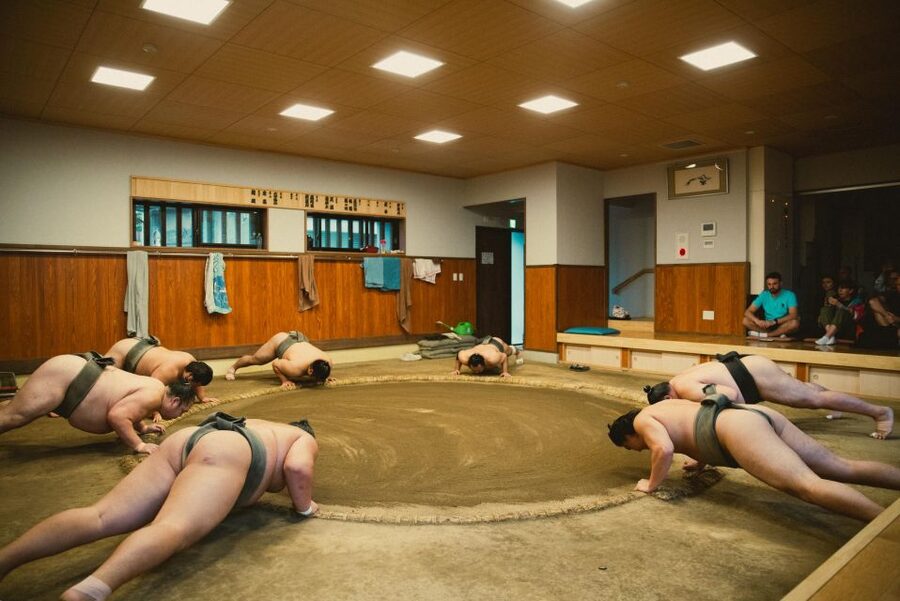
At $116 per person, this is not a budget activity. You are paying for a two-hour experience, an English-speaking guide, and access to a sumo stable that you would be unlikely to enter independently.
The price makes more sense if you value access and interpretation. The guide handles the meeting, walk, stable etiquette, translation support, and explanation of what you are seeing. The stable master’s question period adds something you cannot get by standing outside a stable or watching online footage.
The price feels less attractive if you expect a full tournament or a guaranteed photo. You may watch trainee wrestlers rather than the sport’s most famous stars, and practice intensity can vary. The tour is best understood as a rare look at the working side of sumo, not as a substitute for a tournament ticket.
The rating of 4.8 from 308 reviews supports the idea that the core experience is strong, but the lower-scoring comments point to real limits: a long walk from the meeting point, unclear meeting instructions on one occasion, soft-spoken guiding, crowded viewing conditions, and a session that felt shorter or lighter than expected.
My value test is simple. If sumo is one of your main interests in Japan, $116 is reasonable for this level of access. If you are only mildly curious, the floor seating and early start make it a bigger commitment.
Timing, seasonal gaps, and weather
The tour begins early because morning practice happens early. You should be ready to meet at 7:15 AM, not simply arrive at the stable at 7:30. The walk and check-in are part of the schedule.
No morning practice tours are held in March, July, or November because grand sumo tournaments take place outside Tokyo during those months. Check availability roughly two months before your preferred date. The practice calendar is known one to two months ahead, and reservations are accepted once the schedule is available.
Weather does not cancel the walk from the station as a practical matter, so prepare for it. A towel can help if rain wets your feet before you remove your shoes. Comfortable clothing is useful because you will sit on the floor for a long period.
The stable rules prohibit hats, sunglasses, food, drinks, strollers, luggage, and large bags. Use the restroom before the tour. You cannot leave for a toilet break during practice, so this small bit of planning makes a real difference.
Who will enjoy this most?
I would recommend the tour to adults and older children who can sit quietly, follow instructions, and take interest in how a sport works behind the scenes. It suits people who enjoy culture, ritual, and training more than polished entertainment.
It is also a good choice if you have no strong prior interest in sumo. Several people who began with little knowledge found the practice absorbing once they saw the athletes up close. The physical skill is easy to appreciate, even if you do not know the rankings or rules.
Families should be realistic. The minimum age is six, but age alone does not determine suitability. A quiet, attentive child may enjoy the visit. A restless child may find the silence and floor seating difficult, and the stable may ask you to leave if the child disrupts practice.
I would avoid it if you have trouble kneeling or sitting cross-legged, need regular bathroom breaks, dislike early starts, or want a guaranteed celebrity wrestler. The activity is respectful and authentic, but it is not designed around visitor comfort.
Small details that improve the morning
Wear shoes that come off easily. You will remove them before entering, and fiddly footwear slows you down in a quiet setting.
Arrive early enough to find the A1 Exit without rushing. The meeting point is not the stable, and the walk takes up to 20 minutes.
Bring a small towel if rain is forecast. Wet feet are an avoidable nuisance when you need to sit on the floor.
Keep your phone on silent and turn off shutter sounds. No flash photography is permitted, and social media uploads are not allowed.
Ask questions at the end. If you want more context on sumo’s rituals, rankings, training, or daily life, the question period is your best opportunity.
Should you book the Sumida sumo morning practice?
Book it if you want to see sumo as a demanding daily discipline rather than a one-hour spectacle. The close seating, quiet atmosphere, stable master’s answers, and possible photo create access that is difficult to arrange alone.
Think twice if you need comfortable seating, a fixed performance, or a guaranteed front-row view. The practice may be lighter on some days, and the walk, early meeting time, and strict rules require preparation.
For the right person, this is one of Tokyo’s most distinctive cultural experiences. I would choose it for the chance to watch athletes work in their own space, then ask the stable master what the practice means from the inside. Just arrive early, use the restroom first, and be ready to sit still.
FAQ
Where does the tour meet?
Meet at the ground-floor A1 Exit of Tokyo Metro Oshiage, also called Skytree Mae, and Toei Asakusa Line Oshiage Station.
What time should I arrive?
The meet-up time is 7:15 AM. The tour starts at 7:30 AM.
How long is the tour?
The activity lasts about two hours. The walk to the stable takes 15 to 20 minutes, and the practice itself lasts about 1.5 hours.
How far is the stable from the meeting point?
The stable is about a 15 to 20-minute walk from the station meeting point.
Can I enter the stable if I am late?
Contact the activity provider if you are late. You may be given the stable’s address, but you must wait outside for the guide. Do not enter alone or ring the doorbell.
Can I use the restroom during practice?
No. Use the restroom before joining the tour.
Do I sit on chairs inside the stable?
No. There are no chairs, and you should be prepared to sit cross-legged on the floor for about 1.5 hours.
Can I take photos and videos?
Photos and videos are allowed without flash or shutter sounds. You cannot upload them to social media, and any photo with wrestlers depends on the stable’s permission and schedule.
Are children allowed?
Children must be at least six years old. Children must watch quietly and avoid moving around, or they may be asked to leave the stable.
When are the tours not available?
Morning practice tours are not held in March, July, or November because grand sumo tournaments take place outside Tokyo during those months.
Just added for fans in Tokyo
- Tokyo: Grand Sumo Morning Training Tour★ 4.9 · 12 reviews
- Sumo Training Watching Experience in Tokyo★ 4.5 · 8 reviews
- Kickboxing & Body Training with EX-Pro Fighter★ 5.0 · 4 reviews
- Tokyo: Visit Sumo Morning Practice with English Guide★ 4.5 · 22 reviews
- Tokyo Sumo Experience with Live Show & Audience Challenge★ 5.0 · 38 reviews
- Tokyo Shinjuku Sumo Show and Experience with Drinks and Photo★ 4.0 · 21 reviews
- Tokyo Sumo History Tour with Chanko Nabe Lunch★ 5.0 · 3 reviews
- 【SUMO FESTIVAL】Tokyo Ginza: Sumo Show & Photo Experience★ 4.5 · 41 reviews
Sumo Experiences in Tokyo, compared.
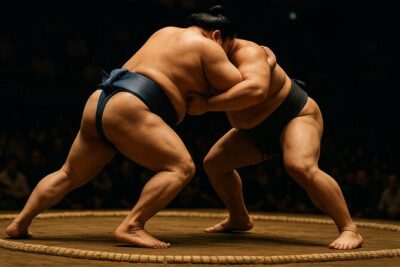
Tokyo Shinjuku Sumo Show & Experience with Photo
Read our review →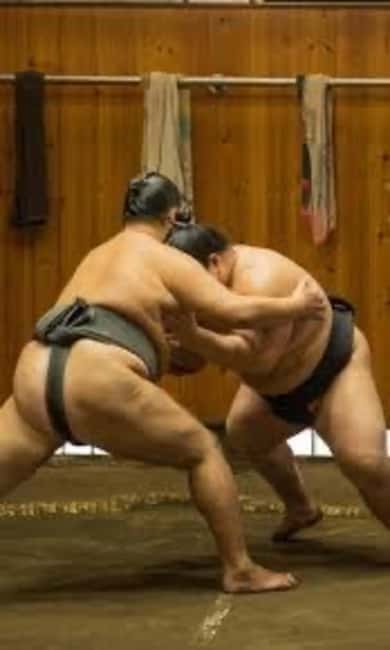
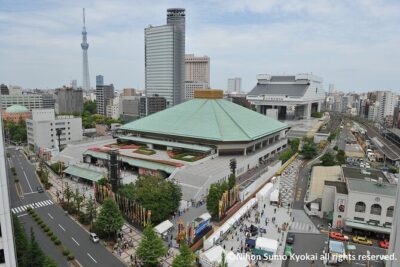
Tokyo Grand Sumo Tournament Viewing Tour with Tickets
Read our review →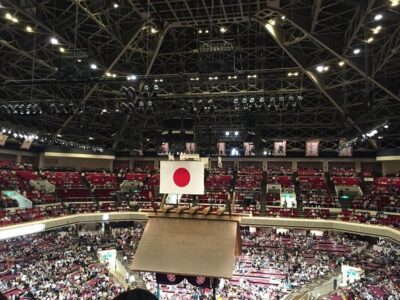

Luxury Sumo Show Experience & Japanese cuisine & Drink
Read our review →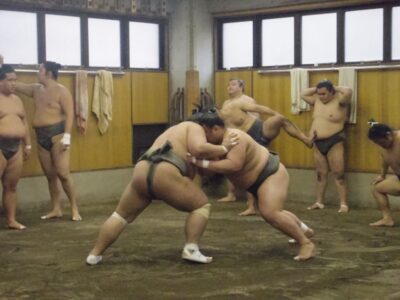
Browse the lists this tour appears in