
Review · SUMO EXPERIENCES IN TOKYO
Tokyo: Sumo Morning Practice with journalists. Not fake show
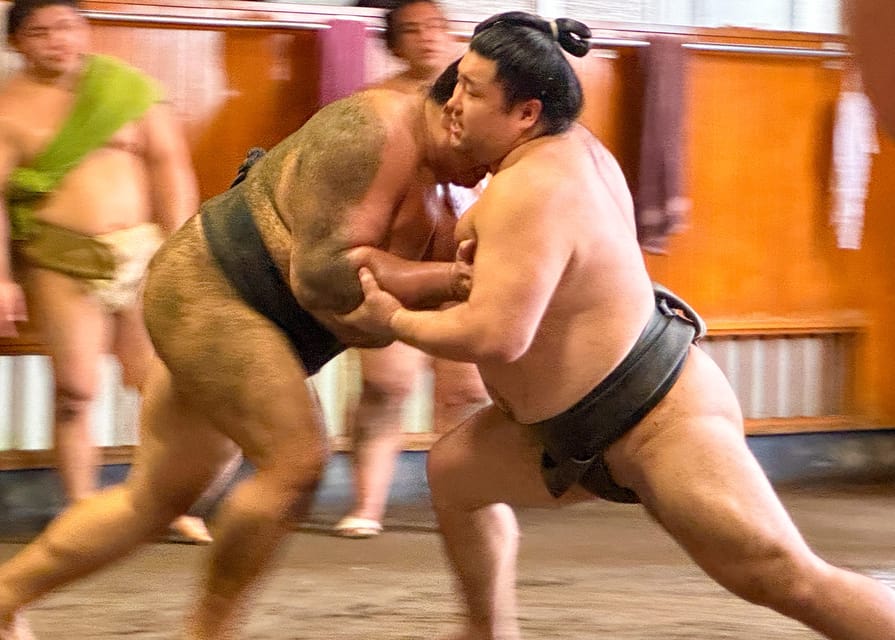
Tokyo’s sumo world is usually closed to outsiders. This three-hour morning visit gives you a rare look inside Takasago-beya, where wrestlers train in a working stable rather than performing for an audience. You sit quietly on the floor, watch the practice at close range, and see the discipline behind the sport.
I like two things right away: the access is genuine, and the guide adds far more than basic rules. Shinya Setsu and other guides have worked as sumo reporters, so you hear about hierarchy, daily life, famous wrestlers, and the small details that make the practice easier to understand.
The main consideration is comfort. You sit on the floor, cannot use flash photography, and must remain quiet during training. At $103 per person, this is not a cheap Tokyo activity, but the stable access and specialist guidance give it a clear reason for the price.
What makes this sumo morning special
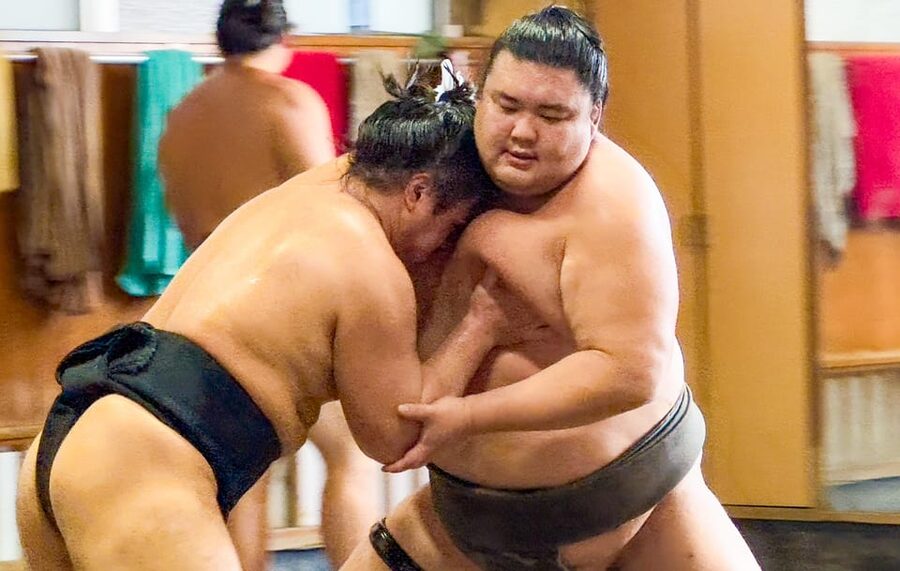
- Real stable practice: Watch wrestlers train in a working sumo stable, not a staged cultural show.
- Reporter-led explanations: Hear the sport explained by a sumo specialist with national newspaper experience.
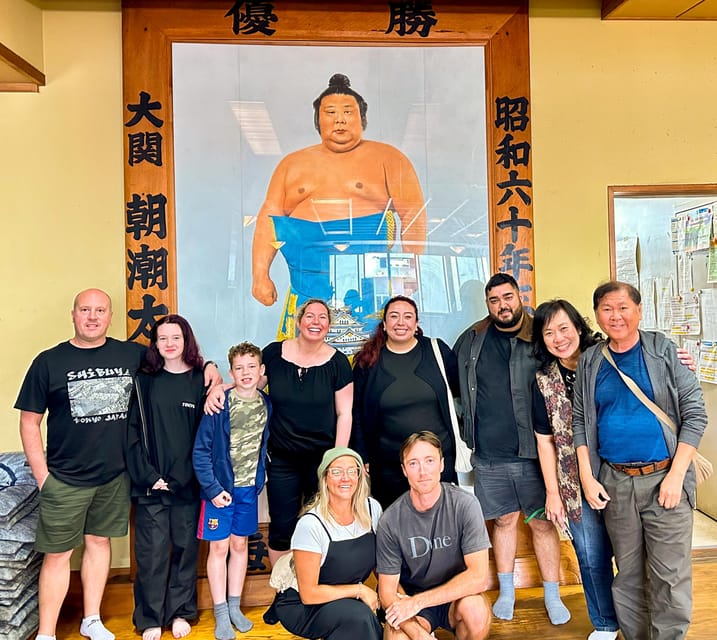
- Close-up photo opportunity: Take commemorative photos with wrestlers after the practice, subject to the stable’s arrangements.
- About two hours at the stable: The practice and related visit form the main part of the morning.
- A useful Ryogoku finish: Continue to Ryogoku Edo NOREN and learn more about the district, sumo, and local traditions.
- Best for curious first-timers: You do not need to know the rules before arriving, but a real interest in Japanese culture helps you get the most from it.
Entering a real sumo stable in Ryogoku
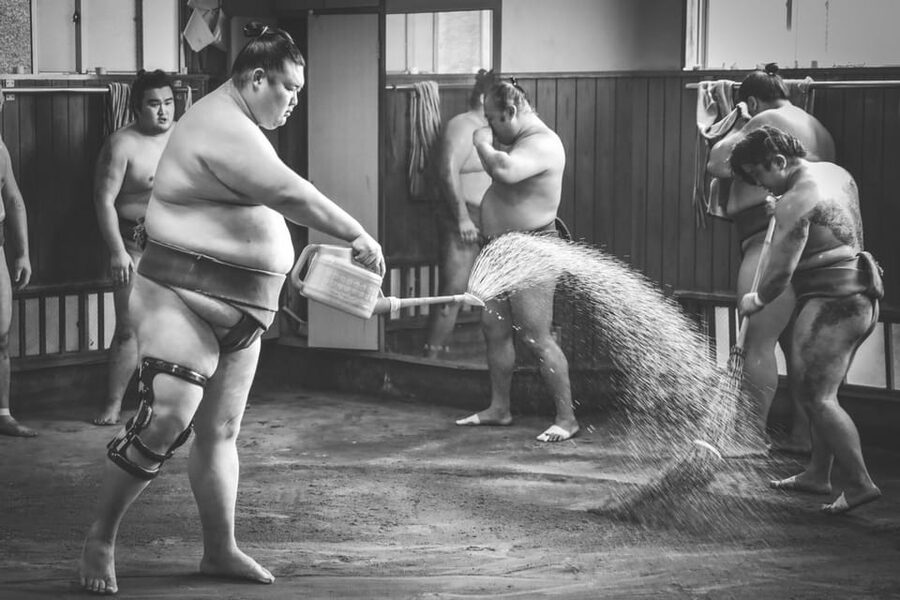
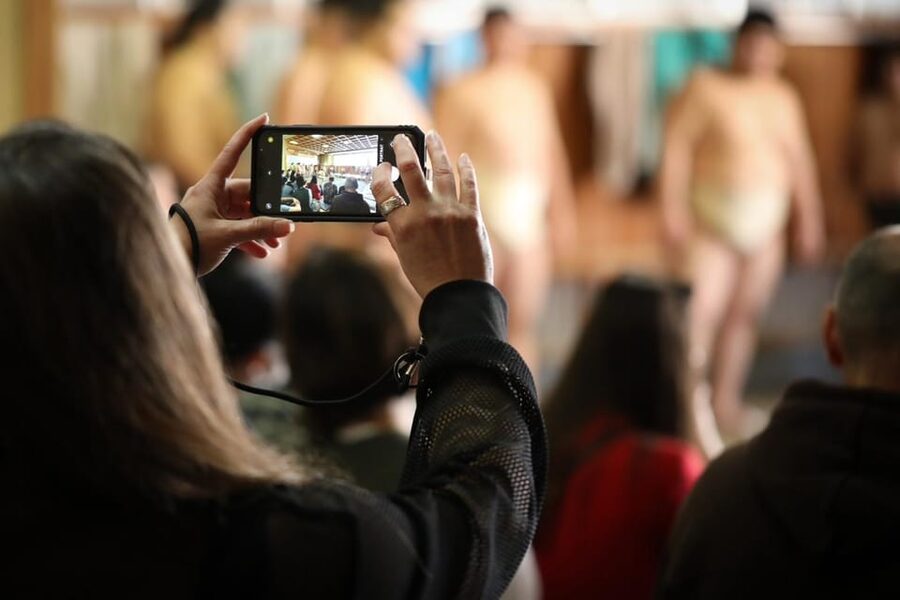
The key difference here is simple: you are watching training, not a show made for tourists. Takasago-beya is a functioning sumo stable, and the wrestlers are there to work. The room follows its own customs, so the visitor’s role is to observe with care.
That means no loud conversation, no food or drinks, and no flash photography. You will sit on the floor during the practice, so comfortable clothes matter. Shoes are not allowed indoors, and you should arrive ready to follow instructions without interrupting the wrestlers.
The practice itself can last around 1.5 hours, while the full stable visit is described as about two hours. You might see younger wrestlers working through demanding routines before more experienced rikishi take their turns. The value is in watching the repeated movements, concentration, and formal behavior up close.
This is not a tournament match. You will not get the excitement of a packed arena, bouts arranged for competition, or a scoreboard. Instead, you see the preparation that makes the public matches possible. If you already follow sumo on television, this gives useful context. If you are new to the sport, the guide’s explanations help you understand what you are seeing.
More Sumo Experiences in Tokyo
- Tokyo: Sumo Show and Dining Experience
★ 4.8 · 2,742 reviews - the SUMO show
★ 5.0 · 1,960 reviews - Tokyo Shinjuku Sumo Show & Experience with Photo
★ 5.0 · 1,750 reviews
Why a sumo reporter changes the morning
A general city guide can explain that sumo is Japan’s national sport. A journalist who has covered sumo can explain why a wrestler behaves in a certain way, how the stable system works, and what you should watch for during practice.
Shinya Setsu is the guide most often associated with this experience, and other guides, including Karen and Ray, have also led visits. The guiding style is described as warm, funny, and full of stories from years spent reporting on sumo. That personal background is important because practice can look repetitive if you do not know what the movements mean.
You can ask questions throughout the guided portions. Ask about the rules, wrestler rankings, stable life, food, training, rituals, or the difference between practice and tournament bouts. The information is not limited to a short scripted talk, which makes the morning useful for both newcomers and people who already watch sumo.
Guides also provide supporting material before or after the visit. This can include videos, documentaries, and clips mentioned during the tour. The extra material is a helpful touch if you want to keep learning after you leave Ryogoku.
Watching practice without disturbing it
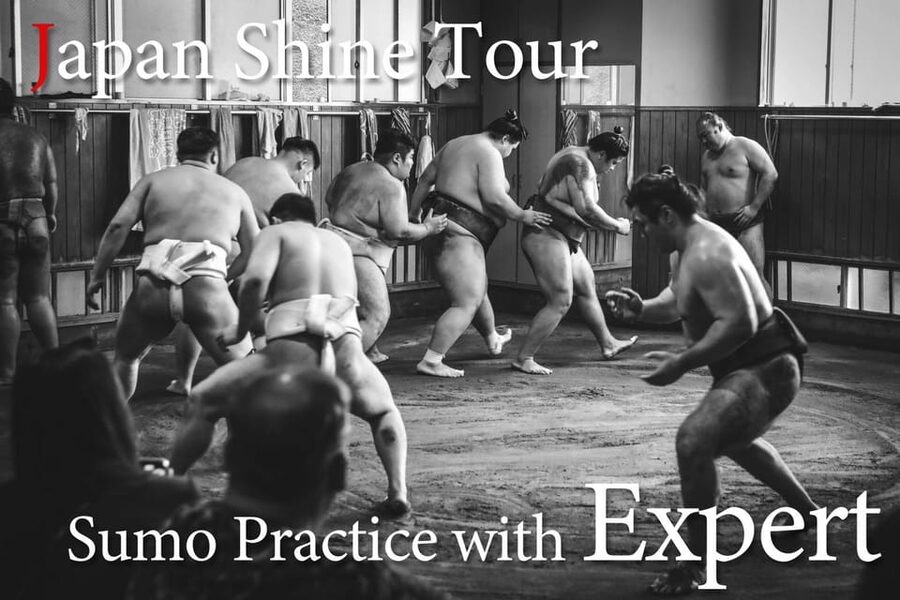
The quiet rules are not a nuisance. They are part of what makes the visit feel like an observation of real work. You are not there to cheer, call out a wrestler’s name, or direct the action for a better photograph.
Before the practice, the guide helps you understand what you are about to see. That preparation matters because the stable itself is not a museum with signs explaining every movement. Once training begins, you need to watch carefully and save questions for the appropriate time.
Bring a camera, but turn off the flash. You may be seated close enough for good photographs, but lighting and viewing conditions can vary. The best approach is to watch first and photograph second. The stable’s rules take priority over getting the perfect shot.
After practice, there is an opportunity for commemorative photos with wrestlers. This is one of the memorable parts of the morning, but it should still be treated as a brief, respectful photo moment rather than a long meet-and-greet. The stable controls what is possible on the day.
From Takasago-beya to Ryogoku Edo NOREN
The transfer from the meeting point to the stable takes about five minutes. After the stable visit, the group returns toward Ryogoku and spends about 30 minutes at Ryogoku Edo NOREN.
This second part gives the morning a useful change of pace. You have just watched sumo as a demanding daily practice, then you can place it in the wider setting of Ryogoku, Tokyo’s sumo district. Guides may explain local customs, the tournament hall, the sport’s traditions, and their own experiences covering sumo.
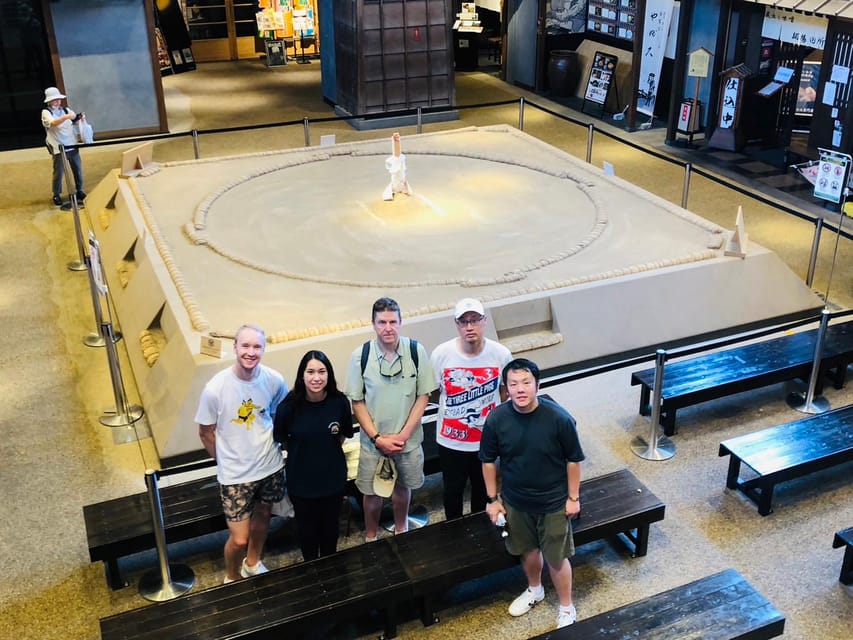
Some versions of the walk include a sumo shop and information connected with the nearby Ryogoku Kokugikan. Do not assume you will enter the main tournament arena or see its competition ring. One account describes seeing a replica rather than the actual ring, so this portion is better understood as a neighborhood and cultural explanation, not an arena tour.
A short shop stop may appeal if you want souvenirs, but it is not the main reason to book. If you have limited time, the stable practice and the reporter’s talk are the essential parts. The group finishes near Ryogoku Station after a final one-minute transfer.
Same city, a different fixture:
- Tokyo: Sumo Show and Experience in Shinjuku
★ 4.8 · 1,001 reviews - Tokyo Grand Sumo Tournament Viewing Tour with Tickets
★ 5.0 · 692 reviews - Tokyo Sumo Wrestling Tournament Experience
★ 5.0 · 660 reviews - Tokyo:Luxury Sumo Show Experience & Japanese cuisine & Drink
★ 4.7 · 577 reviews
The value of $103 per person
At $103, this is one of the pricier short cultural activities in Tokyo. You are not paying for a long sightseeing route or a meal. You are paying for access to a place that is normally difficult to enter, plus specialist guidance and the work involved in arranging permission with the stable.
That distinction matters. Visitors cannot usually call several stables and arrange a morning observation on their own. Access is limited, and the stable’s permission is a central part of the experience. The price is therefore easier to justify if you specifically want to see training rather than simply learn about sumo in a museum.
The tour also solves a common Tokyo problem: tournament tickets can be difficult to obtain, and tournaments are held only during certain periods. This visit gives you a way to see active wrestlers outside the competition calendar. It is not a substitute for a tournament, but it offers a different look at the sport.
I would consider it good value for a sumo fan, a first-time visitor who wants a cultural activity with real local access, or anyone unable to secure tournament tickets. I would hesitate if you are only mildly curious, dislike floor seating, or prefer an energetic performance with explanations delivered as the action happens.
The practical details that matter
The meeting point is by Exit A2 of Ryogoku Station on the Toei Oedo Line, at ground level. It is also about a five-minute walk from the east exit of JR Ryogoku Station. The operator sends further meeting instructions before the date, and you should arrive early because the group leaves on time.
The total duration is three hours. Starting times vary, so check the available date and time when booking. Transportation to and from the stable is not included, but the short transfers within the tour are handled as part of the route.
You do not receive a meal or drinks, and food is not allowed inside the stable. Have breakfast before meeting the group, especially if you are booking an early morning departure.
Wear comfortable clothing that lets you sit on the floor for an extended period. Leave large expectations of arena-style comfort at the door. The traditional setup is part of the access, but it can be tiring for anyone with knee, hip, or mobility problems.
There is conflicting accessibility information in the supplied details: the activity is marked wheelchair accessible in one place, but also says it is not suitable for wheelchair users because of the stable’s traditional setup. Electric wheelchairs and baby carriages are specifically not allowed. If access is important to you, confirm the current arrangement with the operator before paying.
Babies under one year are not suitable for this activity. Alcohol, drugs, fireworks, and flash photography are prohibited.
Who will get the most from this experience
I would recommend this morning most strongly to:
- People who want working sumo culture, not a staged demonstration.
- First-time visitors who want a guide to explain what they are seeing.
- Sumo fans who already watch matches and want more insight into training and stable life.
- Visitors unable to attend a tournament during their Tokyo stay.
- Photographers who can work without flash and are happy to follow strict rules.
- Anyone who enjoys asking detailed questions rather than moving quickly between landmarks.
You do not need to understand the ranking system or know the names of famous rikishi before you arrive. The guide supplies the background. Still, reading a little about sumo beforehand will help you recognize the significance of different training sessions and make better use of your question time.
This is less suitable for very young children, anyone who cannot sit on the floor, or people hoping for a theatrical show. It is also not ideal for a rushed schedule. The practice requires patience, and the best moments come from observing rather than constantly moving.
Booking and cancellation advice
The activity allows free cancellation up to 24 hours before the start time for a full refund. You can also reserve and pay later, which helps if your Tokyo plans are still shifting.
Book early if sumo is a priority. The stable has limited space and special permission is required. Exact starting times depend on the date, so check the schedule rather than assuming every morning follows the same timetable.
Bring a camera, but do not bring food, drinks, or anything that could break the stable’s rules. Most of all, arrive at the station meeting point ahead of time. The group cannot delay the stable’s morning routine for late arrivals.
Should you book this Tokyo sumo experience?
Book it if you want to see sumo as a daily discipline rather than a polished attraction. The combination of a real morning practice, a photo opportunity, and a journalist’s first-hand understanding gives the experience more substance than a simple cultural talk.
I especially like that the morning does not end when the wrestlers stop training. The walk through Ryogoku and the conversation with the guide help connect the physical work in the stable with the rules, rituals, hierarchy, and public side of sumo.
Skip it if $103 feels too high for three hours, if floor seating will be uncomfortable, or if your main goal is to watch a formal tournament. For everyone else, this is a rare and respectful look at a part of Tokyo that most people cannot arrange alone.
FAQ
How long does the sumo morning practice experience last?
The activity lasts three hours. The guided visit at Takasago-beya takes about two hours, followed by around 30 minutes at Ryogoku Edo NOREN and short transfers.
Where is the meeting point?
Meet at ground level by Exit A2 of Ryogoku Station on the Toei Oedo Line. The location is about a five-minute walk from the east exit of JR Ryogoku Station.
Is the sumo practice a real training session?
Yes. You watch a live morning practice at a sumo stable with special permission. It is not presented as a staged tourist show.
Can I take photographs?
You can bring a camera and take commemorative photos after the practice, subject to the stable’s arrangements. Flash photography is not allowed during training.
What should I wear?
Wear comfortable clothes because you will sit on the floor during the practice. Shoes are not allowed indoors.
Is the activity suitable for wheelchair users?
The information supplied is inconsistent. It is marked wheelchair accessible in one place but also says it is not suitable for wheelchair users because of the traditional stable setup. Contact the operator before booking if you need accessible arrangements.
Just added for fans in Tokyo
- Tokyo: Grand Sumo Morning Training Tour★ 4.9 · 12 reviews
- Sumo Training Watching Experience in Tokyo★ 4.5 · 8 reviews
- Kickboxing & Body Training with EX-Pro Fighter★ 5.0 · 4 reviews
- Tokyo: Visit Sumo Morning Practice with English Guide★ 4.5 · 22 reviews
- Tokyo Sumo Experience with Live Show & Audience Challenge★ 5.0 · 38 reviews
- Tokyo Shinjuku Sumo Show and Experience with Drinks and Photo★ 4.0 · 21 reviews
- Tokyo Sumo History Tour with Chanko Nabe Lunch★ 5.0 · 3 reviews
- 【SUMO FESTIVAL】Tokyo Ginza: Sumo Show & Photo Experience★ 4.5 · 41 reviews
Sumo Experiences in Tokyo, compared.
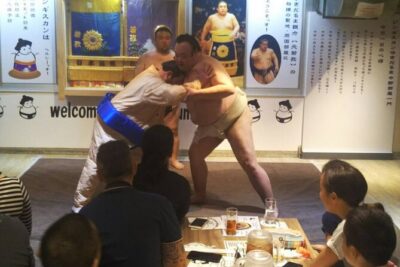
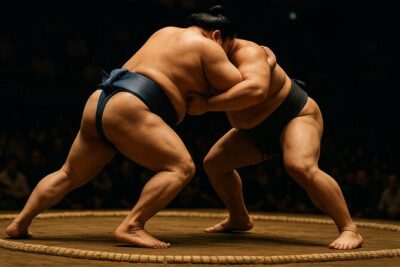
Tokyo Shinjuku Sumo Show & Experience with Photo
Read our review →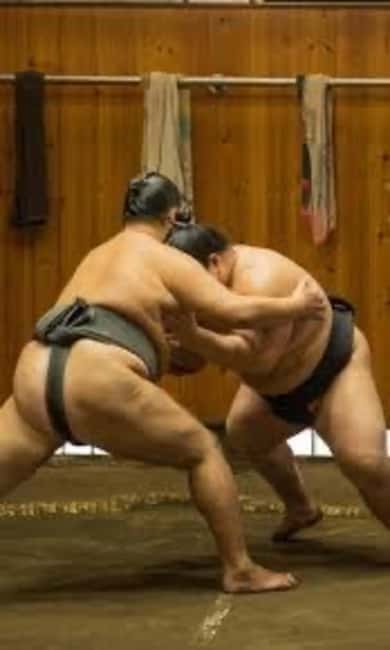
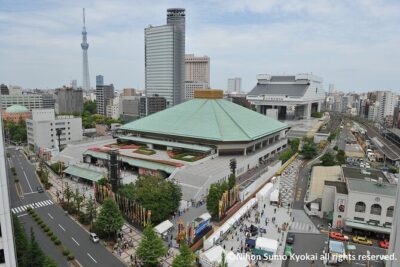
Tokyo Grand Sumo Tournament Viewing Tour with Tickets
Read our review →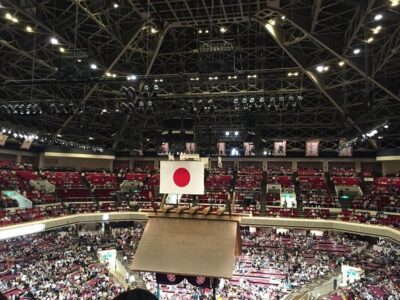

Luxury Sumo Show Experience & Japanese cuisine & Drink
Read our review →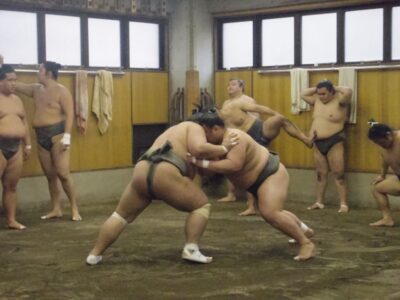
Browse the lists this tour appears in