
Review · SUMO EXPERIENCES IN TOKYO
Tokyo: Sumo Practice Tour with Ring-Side Seat and Photoshoot
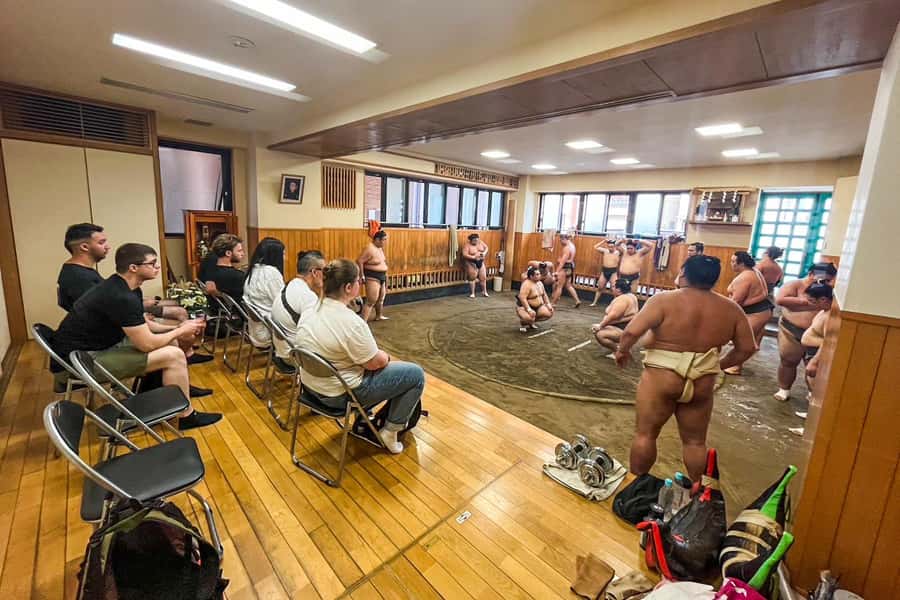
The most striking part of this Tokyo sumo tour is that you are not watching a polished contest in a stadium. You are sitting close to a working stable, hearing the wrestlers breathe, watching repeated drills, and seeing the serious routine behind the sport. The morning practice grows more physical as it goes.
I like the close view and the guide’s explanations. Guides such as Marie, Sho, and Masao Hiramatsu have helped visitors understand the ranking system, stable rules, and basic moves before the practice begins. I also like that the two-hour visit includes a possible photo with the wrestlers, though the wrestlers decide if they are comfortable taking part.
The main consideration is comfort. Some stables use tatami mats, and seating can vary. One group had chairs, while another found people standing at the back. Arrive early and be ready to sit on the floor or stand quietly if needed.
Key points to know before you book
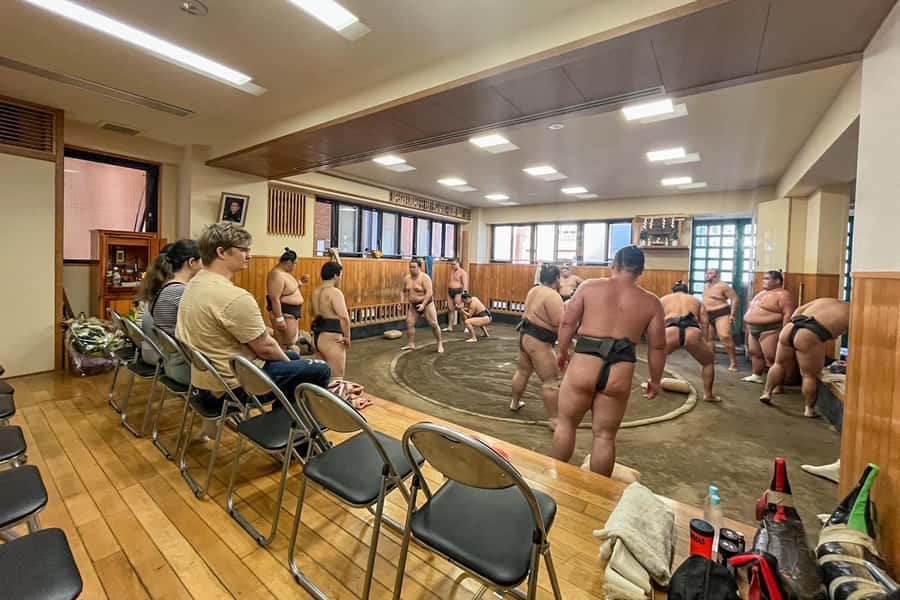
- Watch a real morning practice: You see wrestlers repeat drills, work on balance and technique, and face one another in hard training bouts.
- Learn before the action starts: Your English-speaking guide explains sumo rules, rankings, customs, and the lifestyle inside a stable.
- Stay close to the ring: The practice takes place only a short walk from Kiyosumi Shirakawa Station, with a close view of the training area.
- Expect a small group: Numbers are limited to 10, which makes it easier to hear the guide and ask questions.
- Photos are possible, not guaranteed: A group photo or individual photo may happen after practice, but only at the wrestler’s discretion.
- Plan for a strict setting: Children under 12 are not allowed, late arrivals cannot join, and stable rules must be followed carefully.
Seeing sumo before the public ever sees it
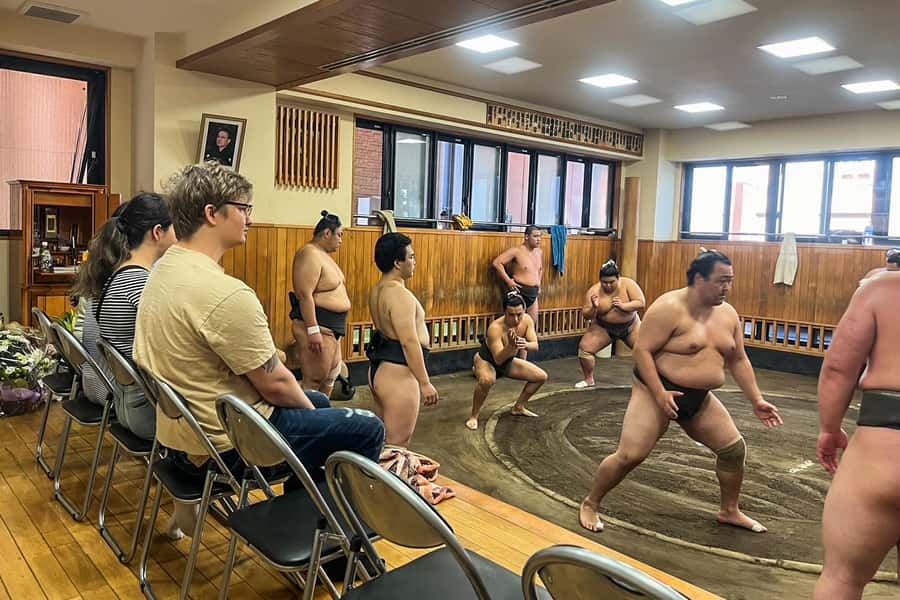
A sumo tournament gives you the drama of a formal match. This visit gives you the work that comes first.
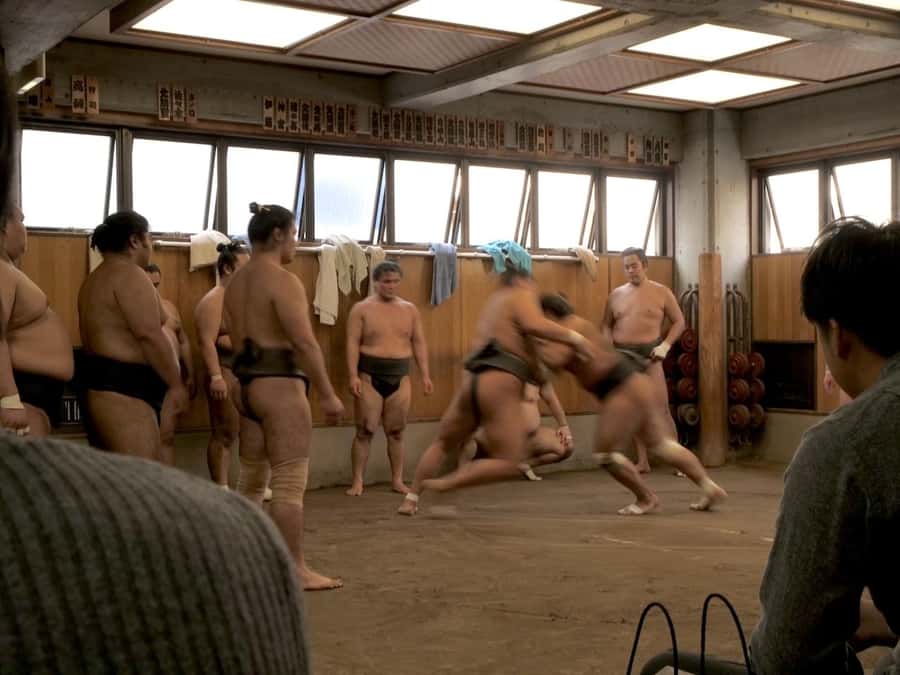
At the stable, you see wrestlers go through their morning practice in a setting built for training rather than show. The atmosphere is serious and controlled. Wrestlers follow the master’s instructions, repeat techniques, and work through bouts that become increasingly forceful.
That contrast is the reason I find this experience so worthwhile. You are not simply watching large athletes push each other around. You are seeing discipline, repetition, timing, and physical preparation. One part of the practice may look slow, then the pace changes quickly as two wrestlers collide and test a move.
You may also notice differences among the wrestlers. One visitor wanted to know more about the levels and experience of the people in the ring, including why one older wrestler wore a different-colored loincloth. This is a good question to ask your guide. The guide can add useful context about rank, experience, and the role each wrestler has within the stable.
More Sumo Experiences in Tokyo
- Tokyo: Sumo Show and Dining Experience
★ 4.8 · 2,742 reviews - the SUMO show
★ 5.0 · 1,960 reviews - Tokyo Shinjuku Sumo Show & Experience with Photo
★ 5.0 · 1,750 reviews
Meeting at Kiyosumi Shirakawa Station
The meeting point is the A1 exit of Kiyosumi Shirakawa Station. Look for a guide holding a red or orange Magical Trip sign.
The stable is described as being about a two-minute walk from the meeting point. That short walk matters because the tour starts promptly. If you arrive at the station with only a few minutes to spare, you are cutting it too close. Late arrivals cannot join the visit, and no refund or rescheduling is provided.
The route includes the meeting point, a sumo stable around Kiyosumi, and a return to the station after roughly two hours. There is no food or drink included, so eat and drink before meeting the guide if you need breakfast. Keep the morning simple and quiet. This is not a hop-on, hop-off style activity where you can wander in after the start.
What the guide adds before practice
The guide is an important part of this experience. Without context, a training session could look repetitive. With a good explanation, the repeated movements begin to make sense.
The tour includes a short guidebook covering sumo rules, traditions, and history. You may also receive information about the stable and the wrestlers, including names and photographs. This gives you something to follow as the practice continues.
The guides named in the feedback include Marie, Sho, and Masao Hiramatsu. Marie explained the history and basic rules in an engaging way, while Sho covered rules, ranking, and background before leading the group inside. Masao Hiramatsu was also praised for answering questions about Japan after the visit.
The exact guide on your date may differ. Still, the format is useful: learn the basics outside, then watch with a clearer idea of what you are seeing. You can ask about the ranking system, a wrestler’s experience, the stable’s customs, and the purpose of a particular drill.
I especially like the emphasis on stable rules before entering. Sumo practice is not a casual performance. The people inside are working, and the tour depends on visitors staying quiet, respectful, and in the areas allowed by the stable.
The morning training session
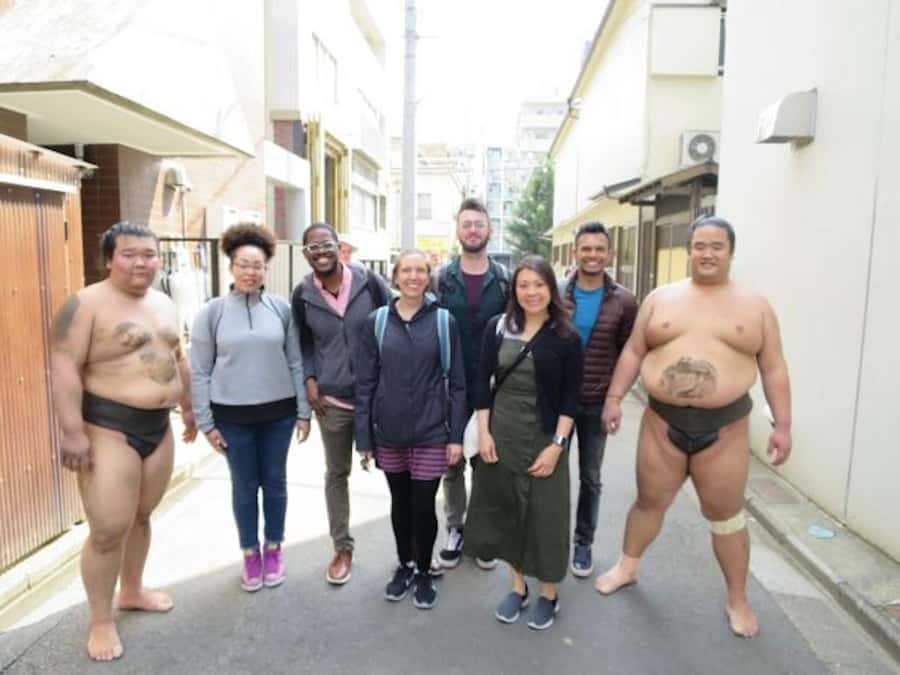
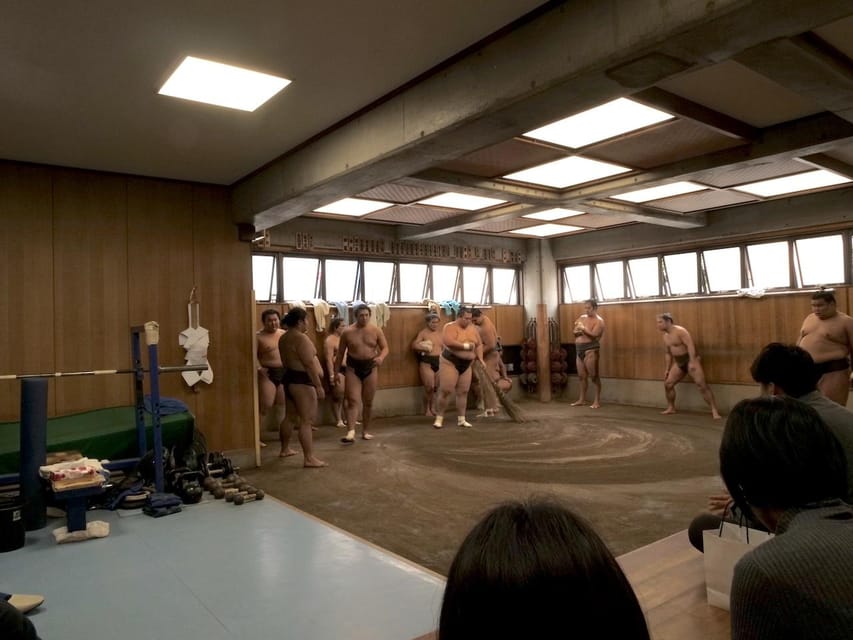
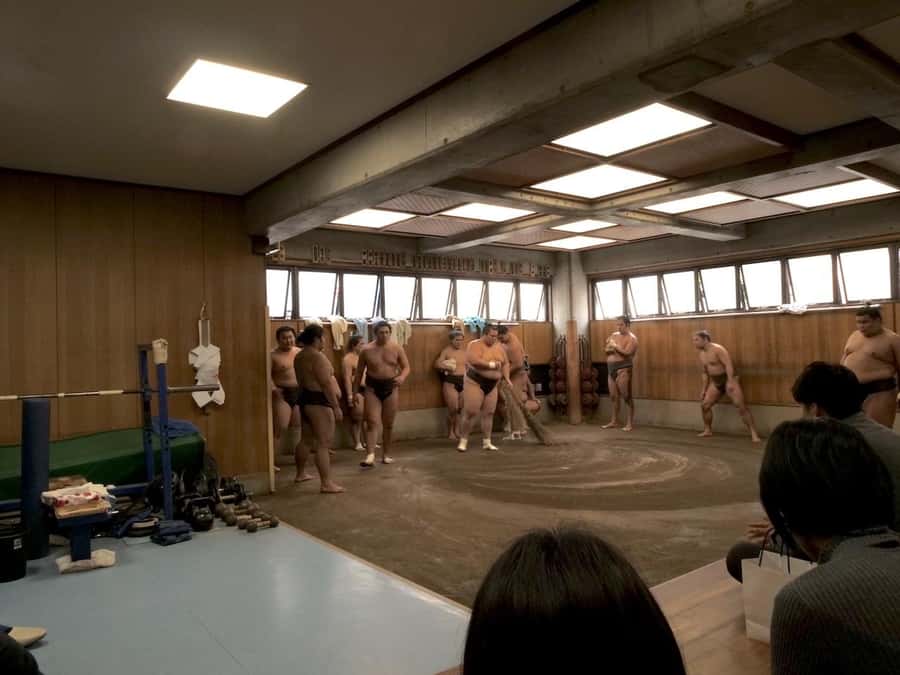
Once inside, you watch from the designated tatami area or seating area. Only the approved visitor space is accessible. Other parts of the stable are off-limits, so do not wander or treat the building like a museum.
The training itself can include repeated drills, technical work, and full bouts. You may see wrestlers push for position, attempt maneuvers, recover, and begin again. The physical force can surprise you, especially when you are close enough to hear breathing and feel how quickly a bout can change.
This is also a lesson in patience. Sumo practice is not edited for entertainment. Some parts may feel repetitive, especially if you expect a series of dramatic matches from the start. The intensity generally builds, and the repetition shows how much work sits behind a short contest.
One visitor expected the sitting and repetition to be difficult but found that the two hours passed quickly. Another found the training fascinating because match after match took place in succession. Your reaction will depend on your interest in sport and ritual, but the guide’s commentary helps keep the session understandable.
Same city, a different fixture:
- Tokyo: Sumo Show and Experience in Shinjuku
★ 4.8 · 1,001 reviews - Tokyo Grand Sumo Tournament Viewing Tour with Tickets
★ 5.0 · 692 reviews - Tokyo Sumo Wrestling Tournament Experience
★ 5.0 · 660 reviews - Tokyo:Luxury Sumo Show Experience & Japanese cuisine & Drink
★ 4.7 · 577 reviews
Seating, tatami mats, and comfort
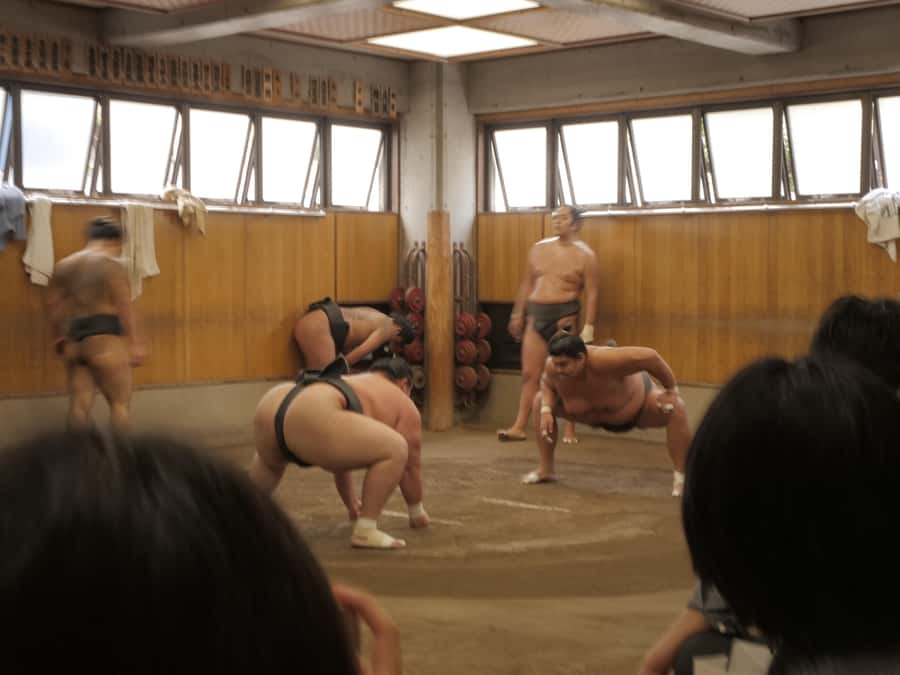
The seating situation deserves honest attention. Most stables do not provide chairs, and you may be expected to sit on tatami flooring. Some areas may also require standing for a long part of the session.
That said, seating is not identical at every stable. One experience had three rows of chairs, with some visitors choosing cushions in the front rows. Another had four rows, and people at the back stood because the view was less comfortable. A separate account specifically noted that chairs were welcome for tired feet.
Treat seating as uncertain rather than guaranteed. Wear clothes that allow you to sit comfortably, and avoid assuming that a chair will be available. If you have difficulty sitting on the floor or standing for an extended period, this may not be the right activity for you.
Wheelchair users cannot take this tour, and some areas are not wheelchair accessible. Baby strollers are not allowed. Children must be at least 12 years old because younger children cannot enter the stable.
A respectful look at stable life
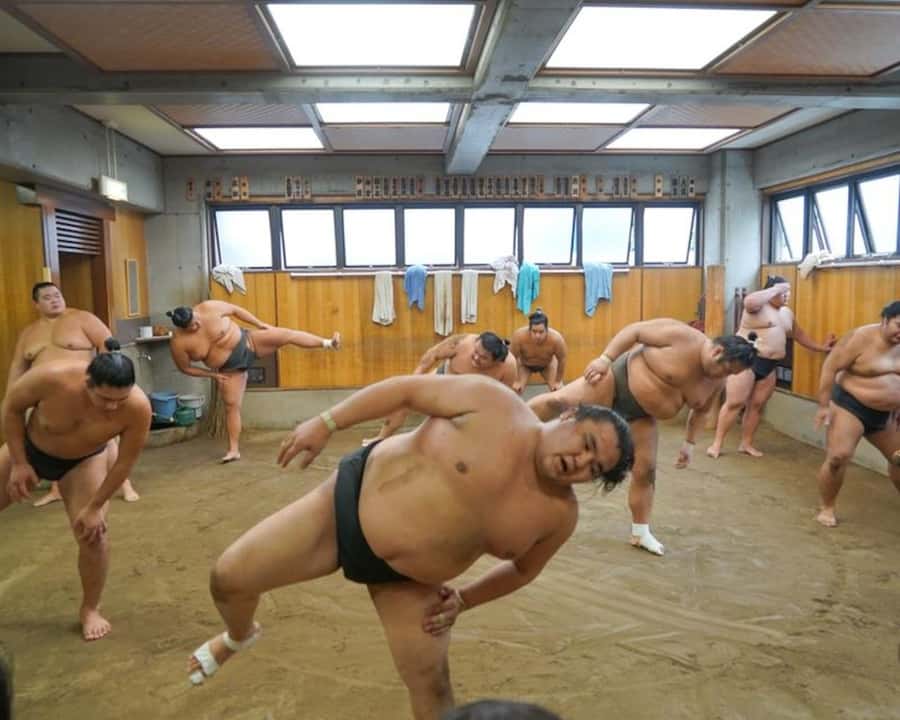
The value here goes beyond seeing a large athlete up close. You get a short window into the rules and daily structure of the sumo world.
The practice shows a clear chain of authority. Wrestlers work under the master’s direction, follow a set program, and maintain a serious attitude toward one another. One visitor noticed the discipline and the systematic way the wrestlers worked with advice from the master.
Your guide can help explain what you are seeing, but the stable is not arranged around your questions. If training is underway, you may need to wait until the right moment to ask something. Keep your voice low and follow the guide’s instructions.
This setting also explains why last-minute changes can happen. A stable may change or cancel practice because of a wrestler’s condition or tournament commitments. If the stable cancels, you receive a full refund, but you should not book the experience if a last-minute schedule change would ruin an important part of your day.
The photo opportunity at the end
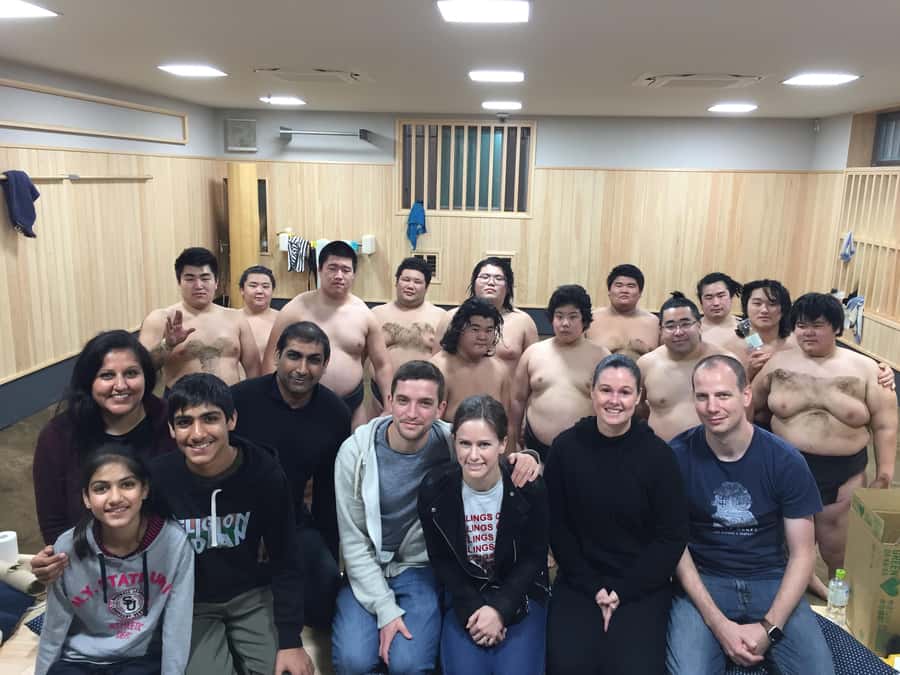
A photo session may follow the practice. This can include a group picture and, if the wrestlers agree, a photo with a sumo wrestler.
The important phrase is if the wrestlers agree. The photo is not an automatic meeting with every wrestler, and the stable controls the final decision. Respect that boundary. The practice comes first, and the people you are watching are athletes at work.
The photo is a pleasant extra, but it should not be the main reason to book. The strongest part of the experience is the training itself and the close view of the stable’s routine. If a photo happens, it gives you a memorable record of the visit. If it does not, you have still received the central experience.
Is $96 a fair price?
At $96 per person, this is not the cheapest way to spend two hours in Tokyo. The price makes more sense when you consider what is included: entry to a normally inaccessible training stable, an English-speaking guide, a small group limited to 10, the printed sumo guidebook, and a possible photo session.
You are paying for access and interpretation. You could watch sumo on television for less, and a tournament ticket would give you formal matches in a larger venue. Neither option gives you this close look at a morning practice with a guide explaining what is happening as it unfolds.
The value is strongest for a first visit to Tokyo, a person interested in Japanese sport and tradition, or anyone who prefers a behind-the-scenes experience to a standard sightseeing stop. It is less compelling if you mainly want a guaranteed photo, a comfortable chair, or a polished performance.
Who will enjoy this most?
I would recommend the tour to:
- People who want to understand sumo rather than only take a quick photograph
- First-time visitors looking for a focused cultural experience
- Sports fans interested in training, technique, and discipline
- Couples and families with children aged 12 or older
- Visitors who can sit on tatami or stand quietly for part of two hours
- Anyone who appreciates a small group and time for questions
I would think twice if you dislike repetitive sports practice, need guaranteed seating, use a wheelchair, or expect the wrestlers to pose on demand. The atmosphere is formal, and your behavior affects the stable’s willingness to host visitors.
Practical advice for a smooth visit
Arrive early at the A1 exit. The guide will be holding a red or orange sign, but you still need time to find the correct exit and get settled.
Wear comfortable clothing for sitting on the floor. Even if chairs are available, do not rely on them. You may also want to bring water for before or after the activity, since food and drinks are not included.
Read the provided sumo guidebook before practice begins. Pay attention to the guide’s explanation of stable rules, then watch for the details he or she points out. Ask about rank, training methods, and the wrestlers’ roles when there is a suitable moment.
Keep your phone quiet and follow instructions about photography. Stay in the visitor area, avoid touching anything, and do not interrupt the training. The stable can refuse participation if someone behaves disruptively or ignores its rules.
Cancellation is free up to 24 hours before the start time. You can also reserve now and pay later, which helps if your Tokyo schedule is still taking shape.
Should you book this sumo experience?
Book it if you want a close, serious look at sumo training and are willing to accept a few unknowns. The guide, small group, short walk from the station, and possible photo make the $96 price reasonable for a rare type of access.
Do not book it just for a guaranteed portrait or comfortable theater seating. Expect tatami mats or standing, arrive on time, and treat the practice as a working session rather than a show. For the right visitor, this is a memorable way to understand the strength, discipline, and ritual behind sumo before seeing it in the tournament ring.
FAQ
Where do I meet the sumo tour guide?
Meet at the A1 exit of Kiyosumi Shirakawa Station. The guide will hold a red or orange sign marked Magical Trip.
How long does the experience last?
The activity lasts about two hours. Check the available start times when booking.
Is the tour conducted in English?
Yes. An English-speaking guide leads the experience.
How many people are in the group?
The tour is limited to 10 participants.
Can children join the sumo stable visit?
Only children aged 12 and older can join. Children under 12 are not allowed inside the stable, and participation may be refused without a refund if a child under 12 is brought along.
Will I sit on a chair during practice?
You may find chairs at the stable, but seating is not guaranteed. Most stables do not provide chairs, and you may need to sit on tatami mats or stand.
Is a photo with a sumo wrestler guaranteed?
No. A photo may be taken after practice, but it happens only at the wrestler’s discretion.
What happens if the stable cancels practice?
If the stable cancels or changes the session because of a wrestler’s condition or tournament commitments, a full refund is issued.
More Photo Sessions in Tokyo
- Tokyo: Exclusive Access to Sumo Morning Practice with Photos
★ 4.8 · 107 reviews
Just added for fans in Tokyo
- Tokyo: Grand Sumo Morning Training Tour★ 4.9 · 12 reviews
- Sumo Training Watching Experience in Tokyo★ 4.5 · 8 reviews
- Kickboxing & Body Training with EX-Pro Fighter★ 5.0 · 4 reviews
- Tokyo: Visit Sumo Morning Practice with English Guide★ 4.5 · 22 reviews
- Tokyo Sumo Experience with Live Show & Audience Challenge★ 5.0 · 38 reviews
- Tokyo Shinjuku Sumo Show and Experience with Drinks and Photo★ 4.0 · 21 reviews
- Tokyo Sumo History Tour with Chanko Nabe Lunch★ 5.0 · 3 reviews
- 【SUMO FESTIVAL】Tokyo Ginza: Sumo Show & Photo Experience★ 4.5 · 41 reviews
Sumo Experiences in Tokyo, compared.
Tokyo Shinjuku Sumo Show & Experience with Photo
Read our review →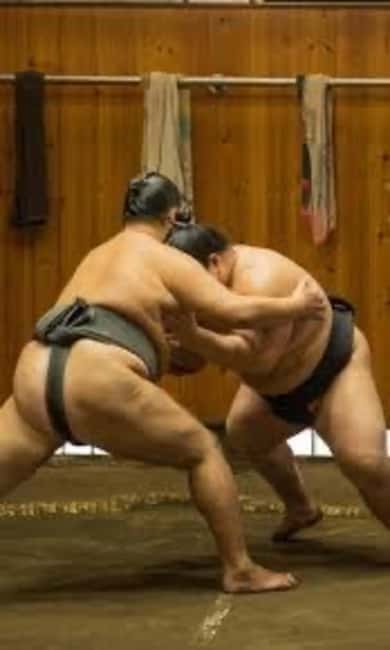
Tokyo Grand Sumo Tournament Viewing Tour with Tickets
Read our review →

Luxury Sumo Show Experience & Japanese cuisine & Drink
Read our review →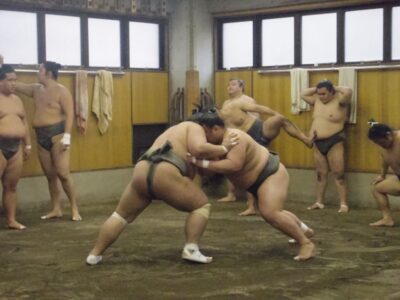
Browse the lists this tour appears in