
Review · SUMO EXPERIENCES
Nagoya: Visit Sumo Morning Practice with English Guide
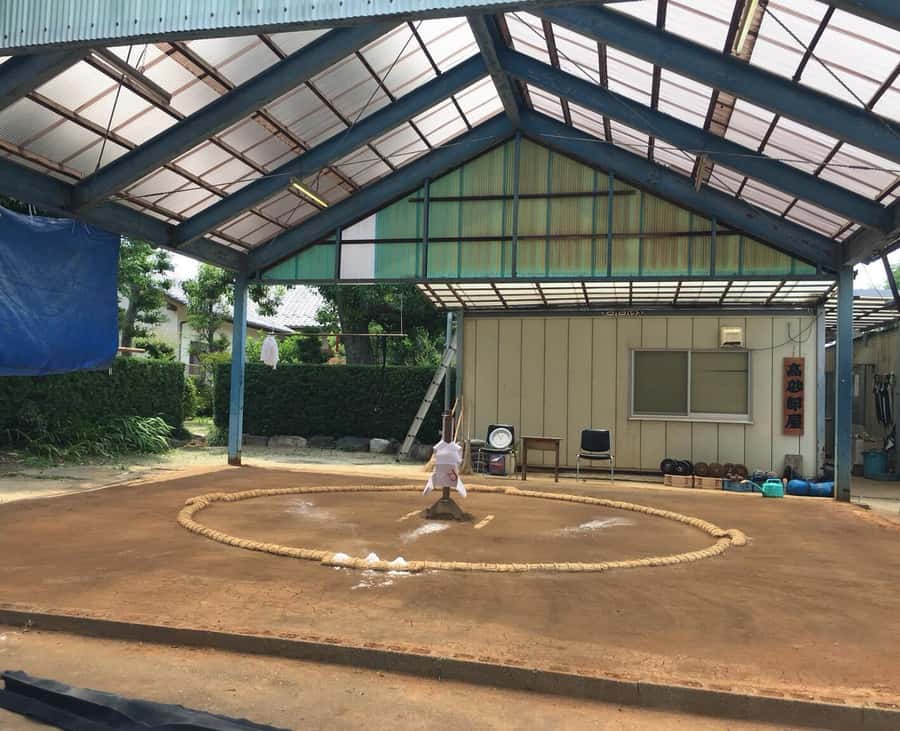
Sumo practice is not a staged show. At Takasago stable, you watch professional wrestlers repeat demanding movements, push through drills, and work toward the level required in Japan’s national sport. The setting inside Ryushoin temple makes this feel far more personal than watching a tournament from distant arena seats.
I especially like the chair seating, a practical touch for anyone who finds floor sitting difficult, and the chance to take a photo with a rikishi after practice. The main consideration is that this is a quiet training session, not a colorful performance, and one English-language review found the guide less confident with sumo background than expected.
Key points at a glance
- Morning training at Takasago stable: See professional wrestlers work at close range inside Ryushoin temple.
- Chair seating included: You do not have to sit on the ground during the practice.
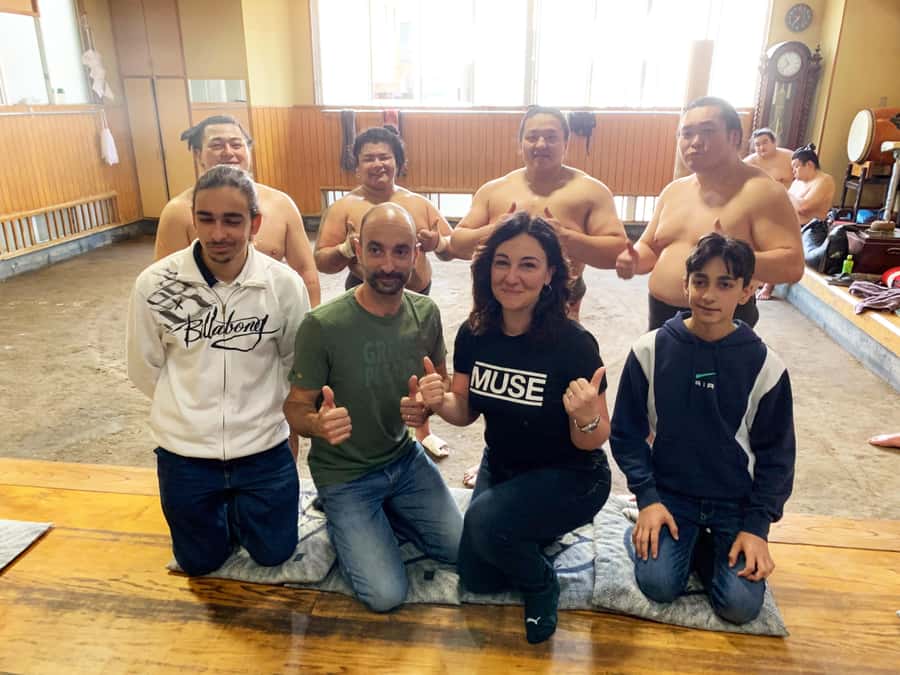
- Photo with a rikishi: The commemorative picture gives you a lasting memento of the visit.
- English-speaking guide: The guide meets you at the temple entrance and explains the setting and activity.
- Strong sumo credentials: Takasago stable has produced six yokozuna and eight ozeki.
- Easy train access from Nagoya: Kanie Station is about 14 minutes from Nagoya on the JR Kansai Line, followed by a 15-minute walk.
Why morning practice feels different from a tournament
Most visitors meet sumo through a tournament. There, the action is short, formal, and surrounded by ceremony, announcements, and a large crowd. This visit shows you the work behind those brief bouts.
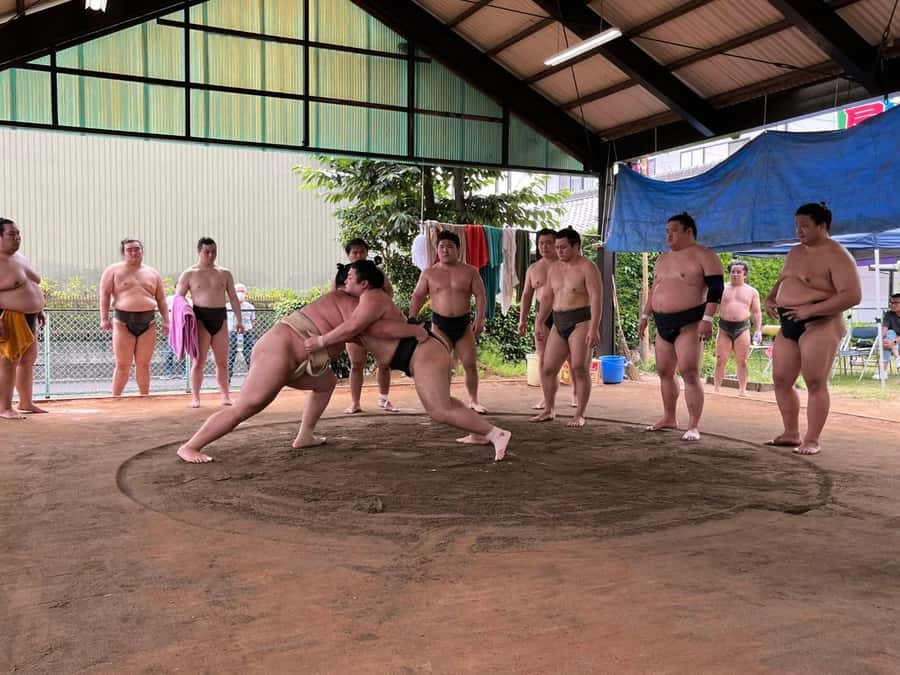
You watch wrestlers train before competition. The focus is repetition and discipline rather than spectacle. You can see techniques at close range, which helps you understand that sumo depends on much more than size. Balance, timing, footwork, and controlled force all matter.
The practice is described as serious and rigorous, so you should arrive ready to observe quietly. This is not a lesson where you join the wrestlers, and it is not designed as entertainment for children. The minimum age is 12.
I find this format valuable because it gives context to the sport. A two-minute bout can seem simple from the stands. Morning practice shows the hours of effort that support those few seconds in the ring.
More Sumo Experiences in Japan:
- Tokyo: Sumo Show Experience with Chicken Hot Pot and a Photo
★ 4.8 · 6,678 reviews - Tokyo: Sumo Show and Dining Experience
★ 4.8 · 2,742 reviews - the SUMO show
★ 5.0 · 1,960 reviews
Inside Ryushoin temple and Takasago stable
The meeting point is the entrance of Ryushoin temple at 1364 Sunarimonyashikikami, Kanie-cho, Ama-gun, Aichi 497-0031. Your English-speaking guide waits there before taking you to the stable, which is located inside the temple grounds.
That detail matters. You are not heading to a large public arena or a purpose-built tourist attraction. The stable operates within a temple setting, giving the visit a local feel and placing the training in a quieter neighborhood outside central Nagoya.
Takasago stable has an impressive record. Six yokozuna, the highest rank in sumo, and eight ozeki, the second-highest rank, have come from it. Those numbers help explain why this is more than a convenient place to watch practice. You are visiting one of the sport’s best-known training stables.
The information provided does not name the guide, so you should not expect a particular person by name. The guide speaks Japanese and English, meets you at the entrance, and helps explain what you are seeing. One review praised the guide as friendly and informative, while another felt the guide did not know enough about sumo. I would treat the guide as useful support, but not book this solely as an expert lecture on the sport.
What the 90-minute practice visit is like
The scheduled guided portion lasts about 1.5 hours, within a total activity time of two hours. The extra time allows for meeting at the temple, moving into the stable, and taking the commemorative photo.
At the start, the guide helps you get settled. Unlike the traditional arrangement, you can sit on a chair. That is a small advantage with a real effect: you can focus on the wrestlers instead of worrying about stiff knees or standing for a long period.
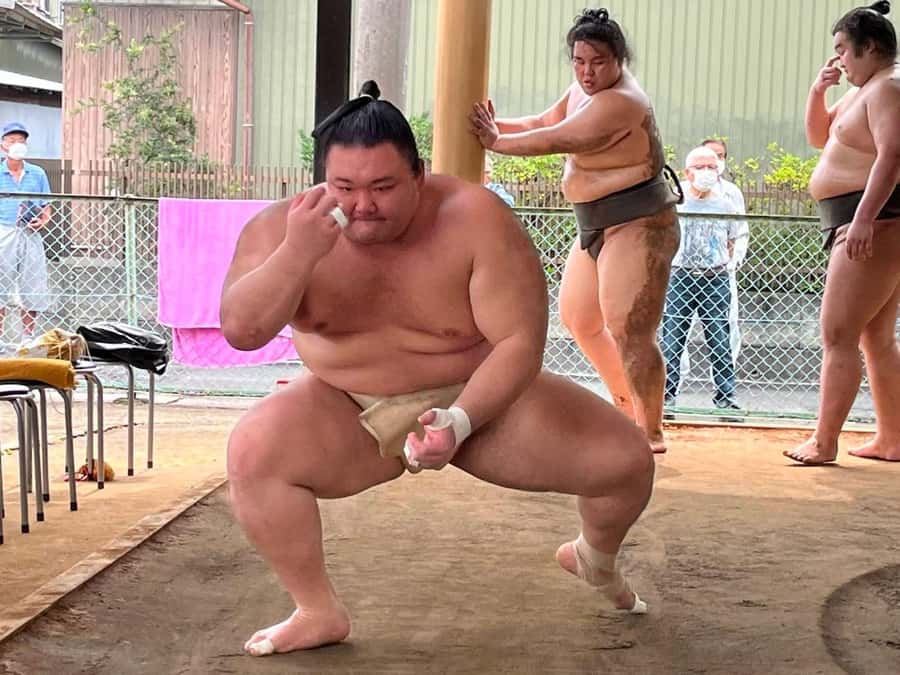
From your seat, you watch morning drills and sumo techniques up close. The supplied details do not provide a minute-by-minute order for the exercises, so you should not expect a fixed demonstration list. The value is in seeing the training as it happens, with its repeated motions and hard physical work.
The stable is an active practice space, not a theater. That means the mood may be quiet and concentrated. You will need to observe rather than interrupt, and the rules reflect that. Cellphones are not allowed, along with food, alcohol, and drugs. Put the phone away before entering and plan to rely on your memory until the photo time.
The close view is the feature that receives the most praise. You are not watching tiny figures from the back of a stadium. You can see wrestlers’ techniques at short range and better appreciate the force involved.
The commemorative photo with a rikishi
After practice, you can take a commemorative photo with a sumo wrestler. This is a short part of the visit, but it may be the moment you remember most clearly.
The photo also gives the outing a natural ending. You first see the wrestlers in their work setting, then have a chance to meet one of them after the training. It is a better keepsake than a souvenir from a shop because it connects directly to the stable you have just visited.
Do not confuse the photo opportunity with a long personal meeting. The available information confirms that photos are included, but it does not promise a private conversation, a named wrestler, or a choice of which rikishi you meet. Go in expecting a memorable picture, not an extended interview.
Because cellphones are not allowed during the visit, follow the guide’s instructions about when photography is permitted. The included photo opportunity is the safe moment to get your picture.
More Sports Experiences in Japan:
- Tokyo Shinjuku Sumo Show & Experience with Photo
★ 5.0 · 1,750 reviews - Tokyo Sumo Entertainment Show with Chicken Hot Pot and Photo
★ 5.0 · 1,205 reviews - Tokyo: Sumo Show and Experience in Shinjuku
★ 4.8 · 1,001 reviews - Tokyo: Sumo Tournament Tour with Chair Seat Tickets
★ 4.6 · 753 reviews
Getting there from Nagoya
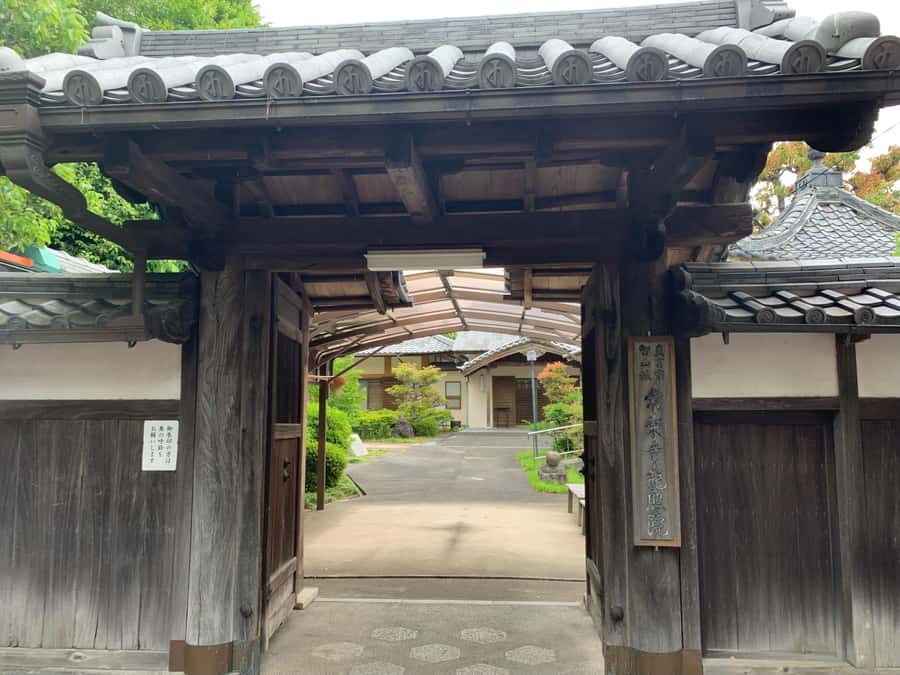
The simplest route is by train. Take the JR Kansai Line from Nagoya Station and get off at Kanie Station. Kanie is the third stop from Nagoya, and the ride takes about 14 minutes.
From the north exit of Kanie Station, allow about 15 minutes to walk to Ryushoin. The walk is short enough for most visitors who are comfortable walking, but you should build in time to find the temple entrance rather than arriving at the station at the scheduled start time.
A taxi from Nagoya takes approximately 30 minutes. This may suit you if you are carrying luggage, traveling with someone who prefers not to walk, or want a simpler door-to-door trip. The taxi option is also useful if train connections or station navigation feel like a hassle.
The meeting point is specific, so check the address carefully: Monyashikikami-1364 Sunari, also written as 1364 Sunarimonyashikikami, in Kanie-cho. Look for Ryushoin and meet the guide at the temple entrance, not at Kanie Station.
Is $96 a fair price?
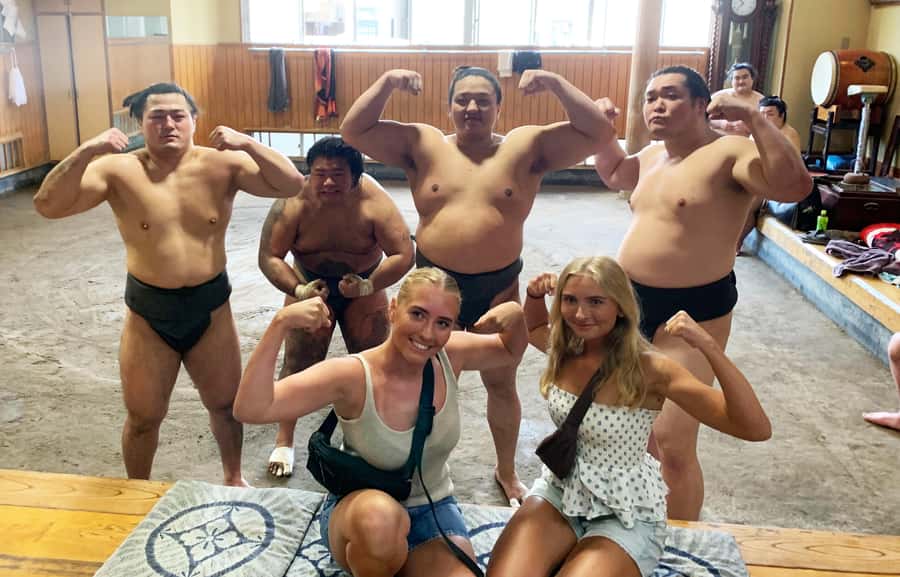
At $96 per person, this is not a cheap add-on to a Nagoya sightseeing day. You are paying for access to a training stable, an English-speaking guide, chair seating, and a photo with a rikishi. The price makes more sense if you place a high value on seeing sumo away from a tournament crowd.
The key question is access. You cannot normally walk into a stable and watch professional practice on your own. The guide provides the meeting arrangement and helps you understand the setting, while the stable visit offers something that a regular sightseeing pass cannot provide.
I would call the price reasonable for a sumo enthusiast or for someone who has already seen Nagoya’s main sights and wants a more unusual morning. It is less convincing for a casual visitor who only wants to watch a bout or take a quick picture.
The high rating, 4.9 from five ratings, points to strong satisfaction, but the sample is small. The most consistent praise centers on the close view of practice, the friendly help from the guide, and the feeling of seeing the wrestlers’ daily work. The one lower-scoring account still rated it four out of five, but raised a useful concern about the guide’s sumo knowledge.
Who should book this visit
I would recommend it most strongly to adults and older children who already have some interest in Japanese culture, martial arts, or the daily routine of athletes. The age limit of 12 keeps the setting focused and means families with younger children need another plan.
It also suits you if you prefer a small, focused cultural activity rather than a broad city tour. The visit takes only two hours, so you can fit it into a morning before other plans in Nagoya.
The chair seating makes it more approachable for people who cannot comfortably sit on the floor. The activity is marked wheelchair accessible, though the supplied details do not explain the exact route, restroom setup, or stable interior. If you use a wheelchair, confirm those practical points before booking.
You may want to skip it if you need constant narration, active participation, or a fast-moving show. The training itself is the main event, and the guide’s role can vary in depth. One guide received praise for being informative, while another was judged less familiar with sumo.
How to make the most of the morning
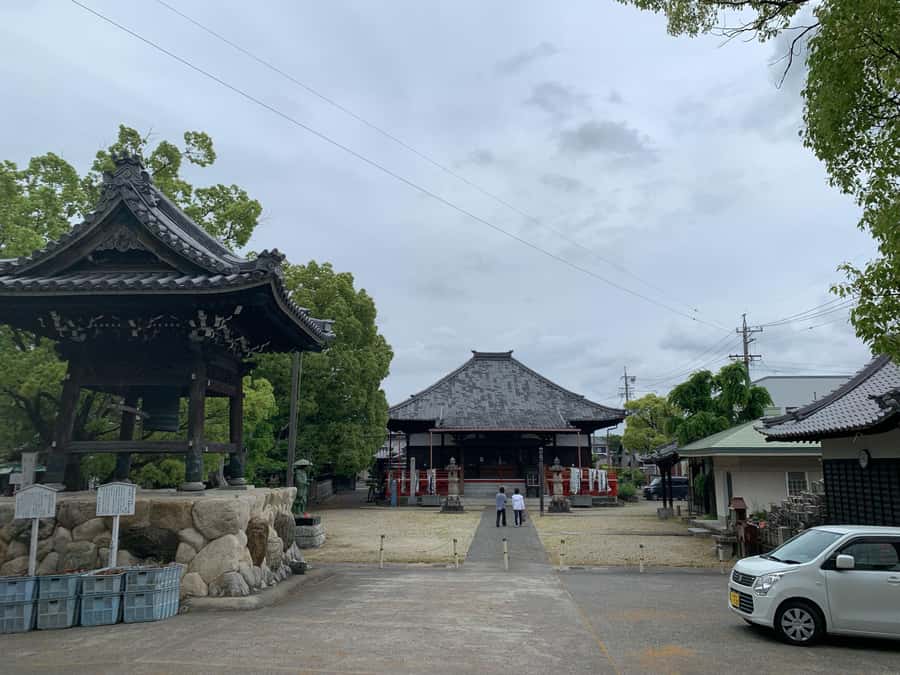
Plan the route before leaving Nagoya. The train ride is short, but you still need the walk from Kanie Station to Ryushoin. Arriving with time to spare is sensible because the guide waits at the temple entrance, not at a central Nagoya landmark.
Wear clothing that lets you sit comfortably and remain still. A chair is provided, but you are still observing a serious practice session. Quiet attention will help you notice more of the wrestlers’ movement and will show respect for the stable.
Do not bring food or alcohol into the activity, and do not plan to use your cellphone during the visit. Since phones are not allowed, tell people who may need you that you will be unreachable for part of the morning.
Think about what you want from the guide. You can ask about the stable, the wrestlers’ training, and the ranks of yokozuna and ozeki. The guide speaks English and Japanese, but the information supplied does not promise specialist-level commentary, so keep your expectations practical.
Finally, leave room in your schedule after the two-hour visit. The activity ends with the photo, but the timing of the practice and departure may not suit a tightly packed morning plan.
Cancellation and booking flexibility
You can cancel up to 24 hours in advance for a full refund. The reserve-now-and-pay-later option lets you hold a place without paying immediately, which helps if your Nagoya plans are still changing.
Starting times vary, so check availability for the date you want. The activity lasts two hours, with about 1.5 hours listed for the guided stable visit.
Should you book the Takasago stable visit?
Book it if you want to see sumo as work rather than theater. The close view of morning practice, the chair seating, and the photo with a rikishi make this a memorable choice for people who value access and atmosphere.
I would be more cautious if you are paying mainly for expert historical explanation. The guide service is available in English, but the depth of sumo commentary may vary. For most culturally curious visitors, the stable itself is the reason to go.
The best case for booking is simple: you get a rare look at professional training in a respected stable, only a short train ride from Nagoya. If that sounds more appealing than another standard city attraction, $96 buys a distinctive morning and a photo you cannot easily arrange on your own.
FAQ
Where does the sumo practice visit meet?
The meeting point is the entrance of Ryushoin temple at 1364 Sunarimonyashikikami, Kanie-cho, Ama-gun, Aichi 497-0031, Japan.
How do I reach Ryushoin from Nagoya?
Take the JR Kansai Line from Nagoya Station to Kanie Station. The trip takes about 14 minutes and Kanie is the third stop. Ryushoin is about a 15-minute walk from the station’s north exit.
Can I take a taxi from Nagoya Station?
Yes. The taxi journey takes approximately 30 minutes.
How long does the activity last?
The full activity lasts two hours. The guided visit is listed as approximately 1.5 hours.
Is the guide available in English?
Yes. Live guiding is available in English and Japanese.
Can I sit on a chair during practice?
Yes. Chair seating is available, even though sumo practice is normally viewed from the ground.
Can I take a photo with a sumo wrestler?
Yes. A commemorative photo with a rikishi is included after the practice.
Are children allowed to join?
Children under 12 are not allowed to participate.
Can I use my cellphone or bring food?
Cellphones, food, alcohol, and drugs are not allowed during the activity.
Is the activity wheelchair accessible?
Yes, the activity is listed as wheelchair accessible. The available information does not give further details about the route or interior, so confirm any specific access needs before booking.
Just added for fans in Japan
- Tokyo: Grand Sumo Morning Training Tour★ 4.9 · 12 reviews
- Sumo Training Watching Experience in Tokyo★ 4.5 · 8 reviews
- Kickboxing & Body Training with EX-Pro Fighter★ 5.0 · 4 reviews
- Tokyo: Visit Sumo Morning Practice with English Guide★ 4.5 · 22 reviews
- Tokyo Sumo Experience with Live Show & Audience Challenge★ 5.0 · 38 reviews
- Tokyo Shinjuku Sumo Show and Experience with Drinks and Photo★ 4.0 · 21 reviews
- Tokyo Sumo History Tour with Chanko Nabe Lunch★ 5.0 · 3 reviews
- 【SUMO FESTIVAL】Tokyo Ginza: Sumo Show & Photo Experience★ 4.5 · 41 reviews
Sumo Experiences, compared.
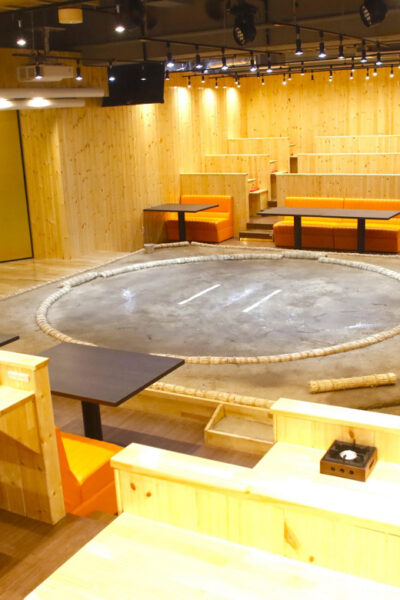
Sumo Show Experience with Chicken Hot Pot and a Photo
Read our review →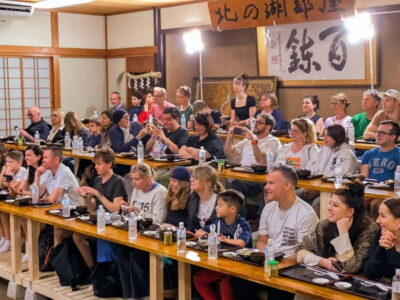
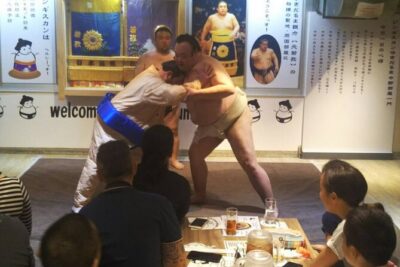
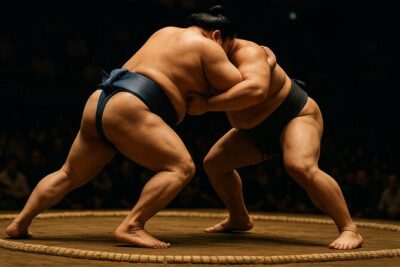
Tokyo Shinjuku Sumo Show & Experience with Photo
Read our review →
Tokyo Sumo Entertainment Show with Chicken Hot Pot and Photo
Read our review →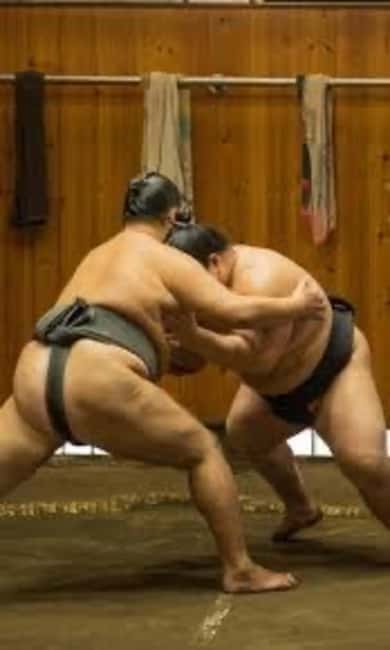
Tokyo Grand Sumo Tournament Viewing Tour with Tickets
Read our review →Browse the lists this tour appears in