
Review · SUMO EXPERIENCES
Osaka: Sumo Wrestling Tournament with Chair Seat Tickets
The best part of this Osaka sumo experience is that you are not left trying to decode a fast-moving sport on your own. A good guide explains the wrestlers, rankings, rituals, and tiny moments that are easy to miss, then lets you enjoy the noise and force of the matches. The sumo itself is unforgettable, especially when the stronger wrestlers appear later in the day.
I like two things here: your tournament ticket is included, which matters when official seats sell out, and the guides bring the sport to life with printed notes, current records, and stories about the competitors. Guides such as Tadashi, Yoko, Keiko, and Midori have been praised for their English and passion. The main drawback is value: at $122, you may pay far more than the official ticket price, and some options place you near the back of the arena.
- The March tournament is Osaka’s annual sumo event, and tickets can be difficult to secure.
- Your English-speaking guide explains the action instead of leaving you to guess what each ritual means.
- The strongest wrestlers appear later, with the dohyo-iri ring-entering ceremony around 3:30 PM.
- Chair seats are included, but you cannot select a specific seat and some groups may be far from the ring.
- The meeting point is easy to reach, just outside Namba Post Office near major train and subway exits.
- This suits sports fans and curious first-time viewers, but less so young children or anyone who dislikes long pauses between short matches.
Why Osaka’s March Sumo Tournament Is Worth Your Afternoon
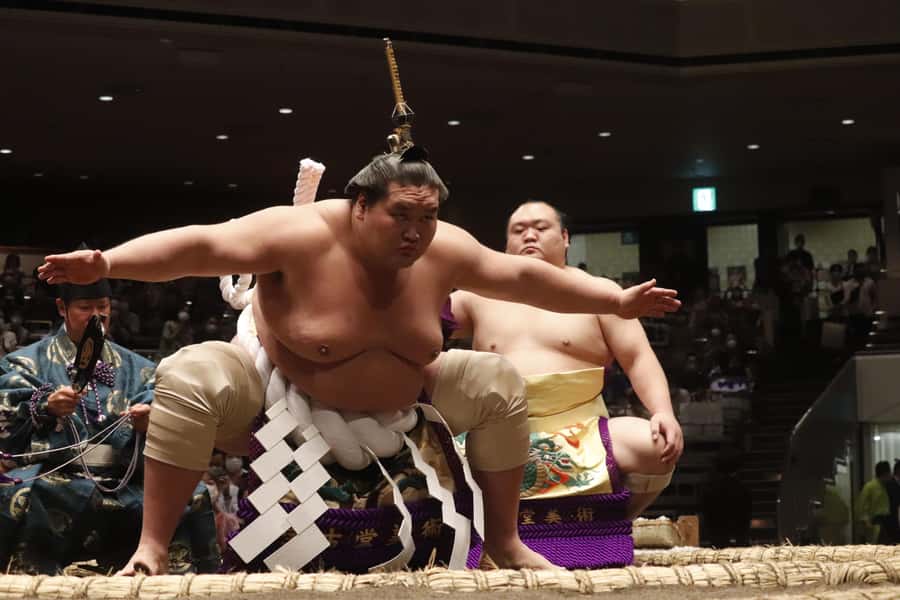
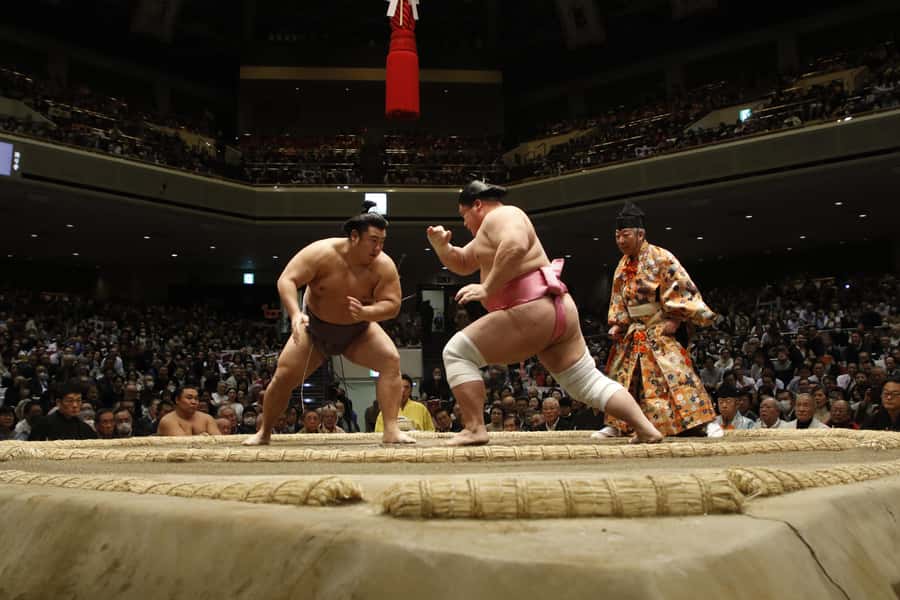
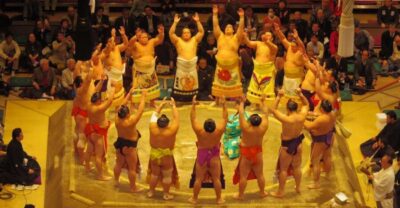
Sumo is not simply two large men pushing one another out of a circle. Before the match, each wrestler performs a set of movements tied to ceremony, respect, and purification. Salt is thrown into the ring. Feet stamp the floor. The wrestlers face one another, pause, and sometimes reset several times before the real charge begins.
That ritual gives the sport its unusual rhythm. A match itself may last less than a minute, while the preparation can take much longer. If you expect nonstop action, you may become restless. If you pay attention to the ceremony, the waiting becomes part of the show.
The Osaka tournament takes place in March, one of six major sumo tournaments held in Japan each year. It is a proper professional competition, not a demonstration arranged for tourists. You are watching ranked wrestlers compete in the same formal system that has shaped Japanese sumo for generations.
The sport is linked to Shinto tradition. According to Japanese legend, the gods practiced sumo before passing it to humans, and early contests were tied to prayers for a good harvest. During the Edo period, from 1603 to 1868, sumo became popular entertainment for the public. You can still see its religious roots in the salt, the gestures, and the respect shown toward the ring.
Meeting at Namba Post Office at 2:15 PM
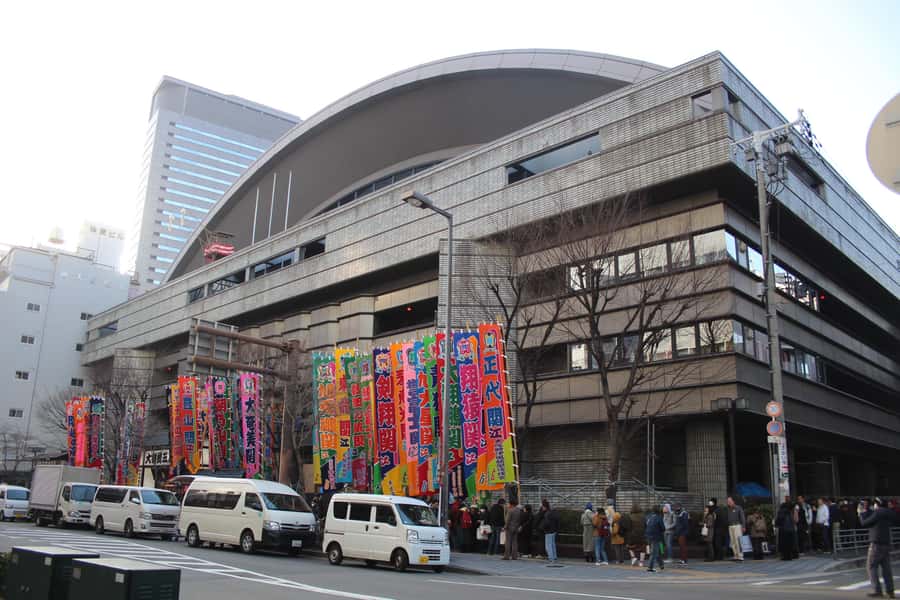
Your day begins in front of Osaka Namba Post Office at 2:15 PM. Look for the guide holding a Japan Wonder Travel signboard. The post office is a one-minute walk from the third-floor North Exit of the Nankai Line and about two minutes from Exit 5 of the Osaka Metro.
Give yourself extra time. Osaka’s Namba station area has several railway companies, multiple levels, and signs that can feel confusing on a first visit. One useful improvement would be clearer meeting instructions for the exact spot outside the post office. Arriving early is sensible, especially if you are carrying tickets, maps, or a hungry family.
The meeting point is practical because Namba is one of Osaka’s main transport centers. The tour then takes you toward Edion Arena Osaka, where the tournament is held. The supplied information describes the activity as three hours of guided sightseeing, with the full duration listed as 210 minutes.
The afternoon timing is worth understanding. Tournament days begin in the morning with lower-ranked wrestlers, often as early as 8 AM. The more prominent bouts come later, and the main ring-entering ceremony takes place at about 3:30 PM. This tour meets at 2:15 PM, so you are joining for the part of the day when the arena becomes more exciting, rather than sitting through the entire schedule from the first bout.
More Sumo Experiences in Japan:
- Tokyo: Sumo Show Experience with Chicken Hot Pot and a Photo
★ 4.8 · 6,678 reviews - Tokyo: Sumo Show and Dining Experience
★ 4.8 · 2,742 reviews - the SUMO show
★ 5.0 · 1,960 reviews
What the Guide Adds to the Matches
Without help, sumo can be hard to follow. You may recognize the collision, but not understand the rankings, the importance of a wrestler’s record, or why a match has been reset. A good guide gives you a framework before the action starts and fills in details as the day continues.
The guides on this experience have included Tadashi Okumura, Yoshi, Keiko, Yoko, Midori, Satsuki, and Yuji. Their strengths vary, but the most useful pattern is clear: the guides are expected to stay involved during the matches, answer questions, and explain the wrestlers rather than simply escort you to your seat.
Tadashi has been particularly praised for preparing laminated sheets with top matches, wrestlers to watch, and current win-loss records. Yuji has been noted for knowing competitors’ backstories and tournament rankings, even providing signs for cheering local wrestlers. Keiko and Satsuki have used printed notes and booklets to explain the rules and background.
This is not a lecture that ends at the arena door. Guides move between members of the group during the tournament. That can be helpful when you have a question about a wrestler or a decision by the referee. It also creates one limitation: if your group is spread along a long row, you may not hear every explanation. One family group found itself at the far end of the row from the guide, which meant missing some of the running commentary.
Your experience also depends on the guide assigned that day. Most reported guides have been praised for clear English, but one visitor found the language level less strong than expected. The practical lesson is simple: treat the guide as a major benefit, but not as a guaranteed private interpreter seated beside you for every bout.
Inside Edion Arena Osaka
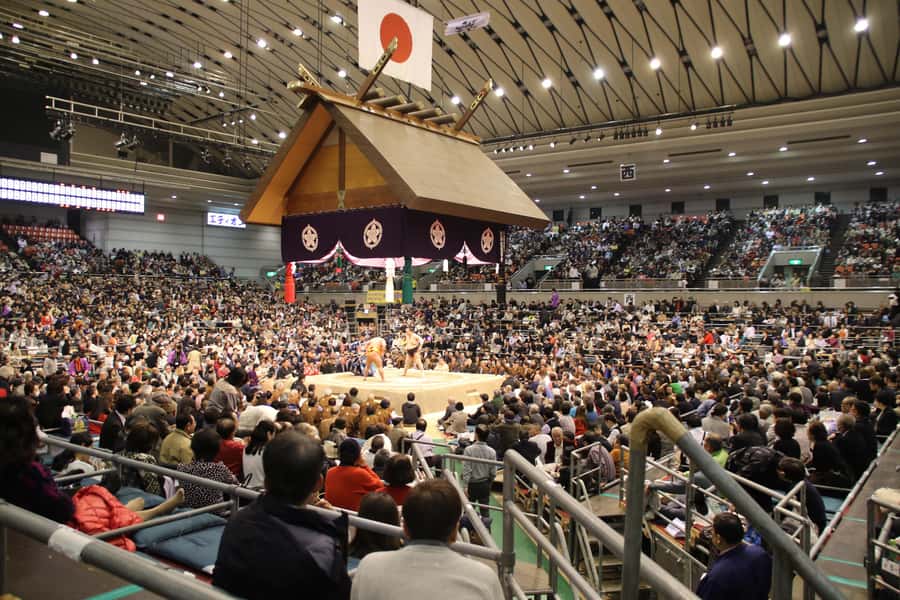
Edion Arena Osaka is the setting for the tournament, and the ticket is included in the tour price. Your guide hands it to you on the day. Available categories are listed as Chair A, B, C, or D, with the exact option depending on what you book.
You cannot choose a specific seat. Some options are on the second floor, and your group may be assigned near the back. One person who paid for B seats expected to be closer to the ring but ended up in the last two rows. Another visitor found that even the highest rows still offered a good view, but you should not book this expecting ringside access.
That distinction matters at $122 per person. You are paying for more than the chair: the package combines a hard-to-get tournament ticket, an English-speaking guide, and help with reaching the venue. Still, the official ticket price may be much lower when seats are available directly. Some people use this tour because official sales have ended, and in that situation the extra cost can feel reasonable.
The seats are compact. This is normal for a major Japanese sporting event, but it is important if you need extra room or plan to bring small children. Large luggage cannot go into the seating area, and baby strollers are not allowed. Children three and under may enter free, but they do not receive their own seat and must sit on an adult’s lap. Children four and older need tickets.
The experience is not suitable for wheelchair users, according to the supplied conditions. If mobility or seat width is a concern, check the exact arrangements before paying.
The Ritual Before the Collision
One of the joys of sumo is learning to watch the moments before the match. The wrestlers enter the dohyo, perform the ring-entering ceremony, and carry out movements that show respect for the sport and the gods. Salt is scattered to purify the ring. The wrestlers lift their feet and stamp down, a gesture that also has symbolic meaning.
The ceremony may seem slow at first. Your guide can help you see the difference between ordinary preparation and a moment that matters. You may learn which wrestlers are rising in the rankings, which have strong local support, and which bouts are worth watching closely.
Around 3:30 PM, the stronger wrestlers take part in the dohyo-iri ring-entering ceremony. This is the point when the atmosphere and attention in the arena build. If you arrive expecting only the headline matches, remember that you will still see formal proceedings, waiting, and repeated routines between bouts.
That pacing is the central adjustment for a first-time viewer. Matches may last under a minute, followed by a gap before the next one. Some people leave after an hour because they find the pauses frustrating. Children may fidget, particularly after the novelty of entering the arena wears off.
I would not call the pauses wasted time. They let you study the wrestlers, notice the ceremony, and listen to the crowd. But this is a sporting event, not a theatrical show with constant movement. Book it only if you can accept that rhythm.
More Sports Experiences in Japan:
- Tokyo Shinjuku Sumo Show & Experience with Photo
★ 5.0 · 1,750 reviews - Tokyo Sumo Entertainment Show with Chicken Hot Pot and Photo
★ 5.0 · 1,205 reviews - Tokyo: Sumo Show and Experience in Shinjuku
★ 4.8 · 1,001 reviews - Tokyo: Sumo Tournament Tour with Chair Seat Tickets
★ 4.6 · 753 reviews
Reading the Action Like a Local Fan
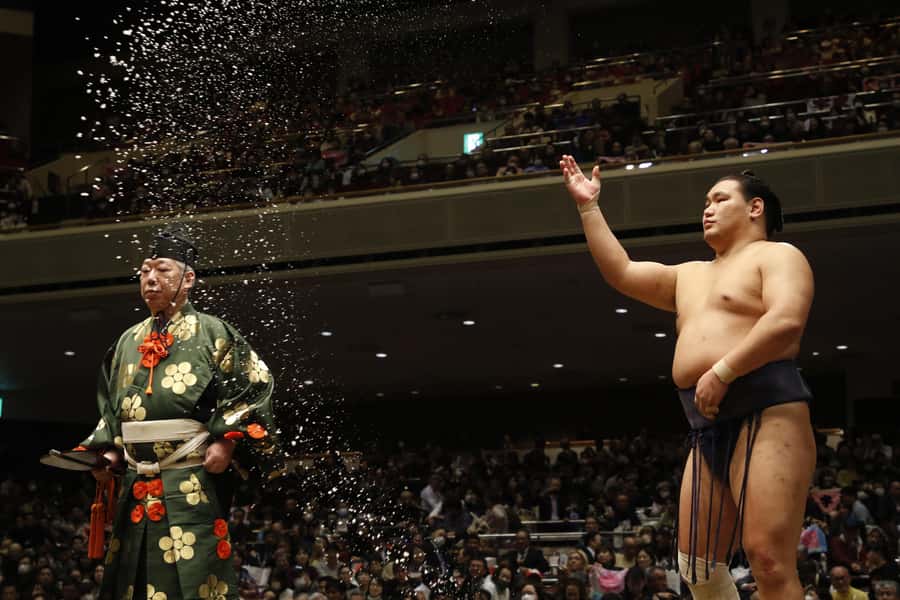
The rules are simple at the broadest level. A wrestler wins by forcing his opponent out of the circular ring or making any part of the body other than the soles of the feet touch the ground. The challenge is seeing how much strategy fits into a few seconds.
A bout can turn on a wrestler’s initial charge, a sidestep, a grip, or a sudden change in balance. The size of the wrestlers is striking, but the sport rewards timing and position as much as force. Your guide can point out why one competitor is favored, explain tournament records, and help you recognize established names.
The printed material used by some guides is a real advantage. A current win-loss record gives you a reason to care about a particular bout. A short note about a wrestler’s style or ranking makes the next collision more than a blur of bodies.
You can also ask questions throughout the afternoon. Guides have been praised for answering questions about history, rules, popular wrestlers, and local favorites. If you are new to sumo, ask early about the basic rules and ranking system. Once you understand those, the rest of the tournament becomes easier to follow.
Is $122 a Fair Price?
The answer depends on what you value and how difficult it is for you to obtain a ticket.
If official tickets are still available, buying directly may save you money. Two comments made this point clearly: the tour can cost much more than the official price, and the added amount is partly tied to the guide and ticket access. You also surrender control over the exact seat.
If official tickets have sold out, the calculation changes. This tour provides a confirmed way into the March tournament, and several people used it after failing to secure tickets independently. For a short visit to Japan, avoiding a long search for resale seats may be worth the premium.
The guide is also more valuable if you know little about sumo. Without context, you may enjoy the spectacle but miss why one match matters more than another. With current records, wrestler profiles, and explanations in English, you gain a better sense of the competition.
I would book this at $122 if seeing professional sumo is a priority and official tickets are unavailable. I would hesitate if you can buy a comparable seat directly, if you need a close view of the ring, or if you are mainly looking for a fast-paced afternoon attraction.
Who Will Enjoy This Most?
This experience fits a first-time sumo viewer who wants help understanding the sport. It also suits a sports fan who wants current information about the wrestlers rather than a general cultural talk.
You will likely get the most from it if you:
- Can sit comfortably through several hours of short matches and pauses
- Enjoy learning rules, rankings, and tournament context
- Are comfortable with a chair seat that may be on the second floor
- Need an English-speaking guide to make sense of the event
- Value a confirmed ticket when direct sales are difficult
It is a weaker match for very young children, anyone who dislikes waiting between bouts, or anyone expecting a close-up seat. The compact seating and no-stroller rule make it less convenient for families with babies. Children three and under can enter free, but lap seating for several hours may be tiring.
Practical Details Before You Book
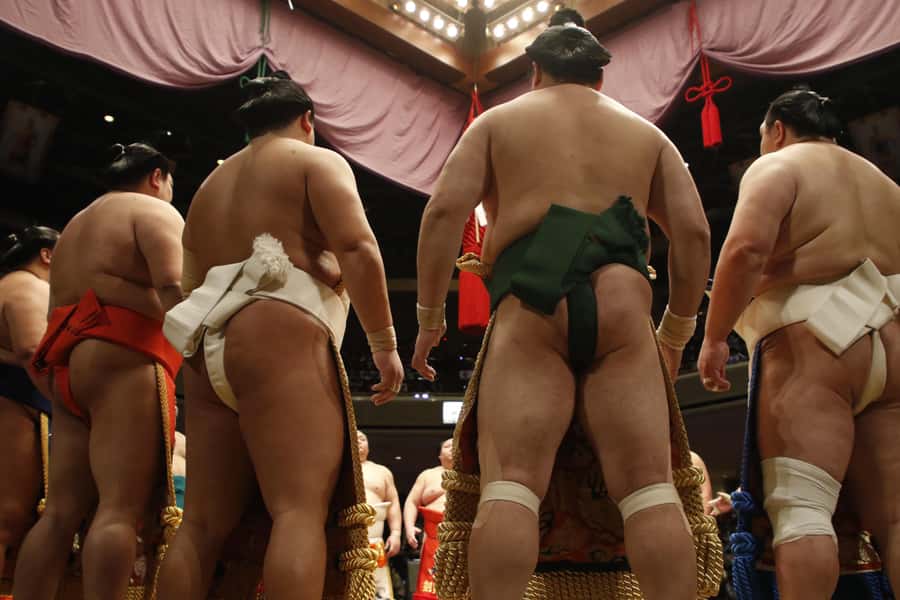
The tour is conducted in English and lasts 210 minutes. Meet at 2:15 PM at Namba Post Office, then finish at Edion Arena Osaka. Your guide carries the Japan Wonder Travel signboard, and the tournament ticket is handed to you on the tour date.
Do not bring large luggage into the seating area. Baby strollers are not permitted. If you are visiting Osaka with a larger bag, arrange storage before meeting the group.
Seat categories vary, and you cannot select the exact chair. Check the option carefully before booking, but still expect the final location to depend on group allocation. A seat described as B does not necessarily mean you will be close to the ring.
Cancellation is free up to 24 hours before the activity for a full refund. You can also reserve now and pay later, which helps if your Osaka schedule is still changing.
Should You Book the Osaka Sumo Tour?
Book it if professional sumo is high on your Osaka list, direct tickets are gone, and you want an English-speaking guide to explain what you are seeing. The included ticket removes a major headache, while the best guides add real value with current records, printed notes, and clear explanations during the bouts.
Skip it if the $122 price feels steep compared with direct admission, if you require a specific seat, or if three hours of brief matches and quiet intervals sounds dull. Sumo rewards patience. For the right audience, the rituals, sudden collisions, and sense of old tradition make this one of Osaka’s most distinctive sporting afternoons.
FAQ
Where does the sumo tour meet?
Meet your guide in front of Osaka Namba Post Office at 2:15 PM. The guide will hold a Japan Wonder Travel signboard.
How close is the meeting point to public transportation?
Namba Post Office is about a one-minute walk from the third-floor North Exit of the Nankai Line and about a two-minute walk from Osaka Metro Exit 5.
Where does the activity finish?
The tour finishes at Edion Arena Osaka, the venue for the sumo tournament.
Is the tournament ticket included?
Yes. A sumo tournament ticket is included, with Chair A, B, C, or D seating available depending on the selected option.
Can I choose my exact seat?
No. Depending on the option, you may receive a second-floor chair seat, but you cannot choose a specific seat.
When does the main sumo action begin?
Lower-ranked matches begin as early as 8 AM, but the stronger wrestlers appear later. The dohyo-iri ring-entering ceremony takes place at around 3:30 PM.
Can children attend?
Children three and under can enter free, but they do not have their own seat and must sit on an adult’s lap. Children four and older need their own tickets.
Can I bring a stroller or large luggage?
Baby strollers are not allowed, and large luggage cannot be brought into the seating area.
Is the tour suitable for wheelchair users?
No. The activity is listed as not suitable for wheelchair users.
Just added for fans in Japan
- Tokyo: Grand Sumo Morning Training Tour★ 4.9 · 12 reviews
- Sumo Training Watching Experience in Tokyo★ 4.5 · 8 reviews
- Kickboxing & Body Training with EX-Pro Fighter★ 5.0 · 4 reviews
- Tokyo: Visit Sumo Morning Practice with English Guide★ 4.5 · 22 reviews
- Tokyo Sumo Experience with Live Show & Audience Challenge★ 5.0 · 38 reviews
- Tokyo Shinjuku Sumo Show and Experience with Drinks and Photo★ 4.0 · 21 reviews
- Tokyo Sumo History Tour with Chanko Nabe Lunch★ 5.0 · 3 reviews
- 【SUMO FESTIVAL】Tokyo Ginza: Sumo Show & Photo Experience★ 4.5 · 41 reviews
Sumo Experiences, compared.
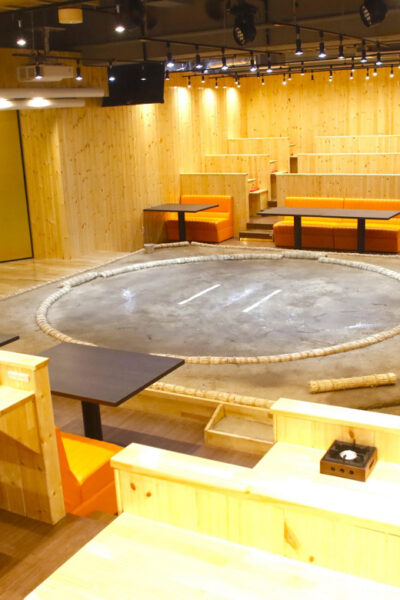
Sumo Show Experience with Chicken Hot Pot and a Photo
Read our review →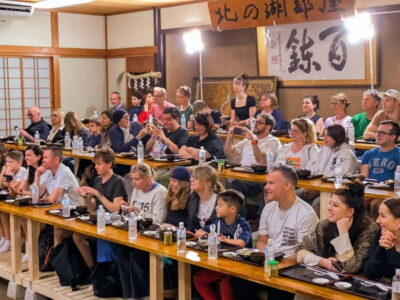
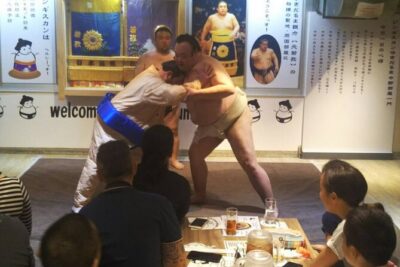
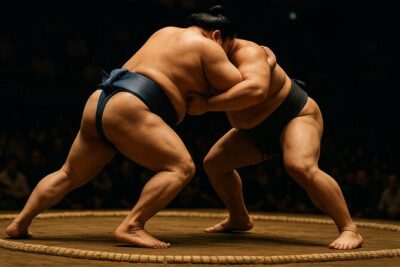
Tokyo Shinjuku Sumo Show & Experience with Photo
Read our review →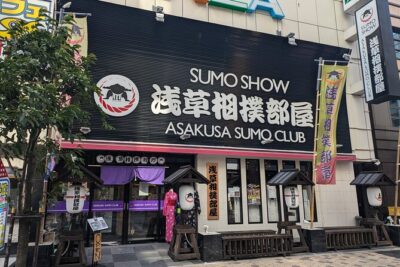
Tokyo Sumo Entertainment Show with Chicken Hot Pot and Photo
Read our review →
Tokyo Grand Sumo Tournament Viewing Tour with Tickets
Read our review →Browse the lists this tour appears in