
Review · SUMO EXPERIENCES IN TOKYO
Seat B Ticket Tokyo Sumo Wrestling Tournament in Ryogoku
The best part of this experience is that you do not walk into a sumo tournament cold. Before you take your seat at Ryogoku Kokugikan, a local guide explains the rules, rituals, flags, wrestlers’ lives, and Ryogoku’s long connection to the sport. That short lesson can turn a puzzling spectacle into a contest you can follow.
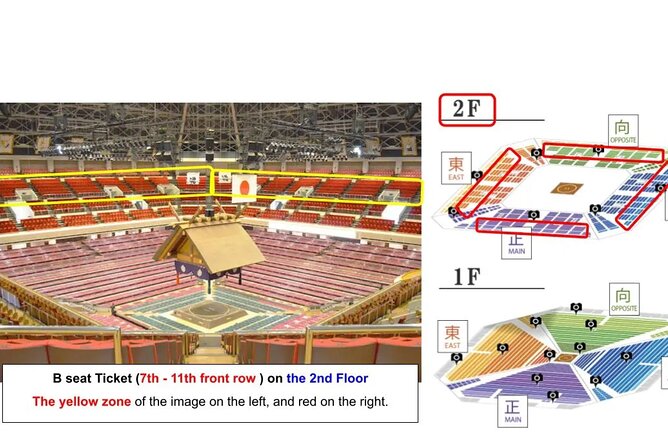
I like the small maximum of five people, which gives the walk a personal feel, and I like the B-ranked second-floor seats in rows 7 to 11. The main drawback is timing: the guided portion ends around 3 pm, while the strongest matches often come later, near the tournament’s 6 pm finish.
Key points to know
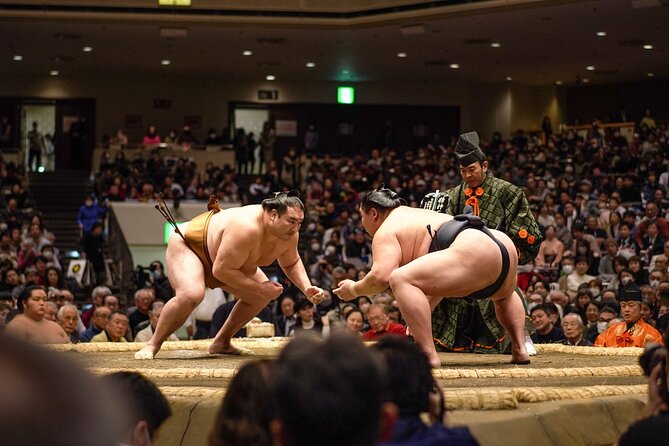
- Sumo comes with context: Learn the basic rules and customs before watching the bouts.
- Seats are B rank: You receive a second-floor seat in rows 7 to 11 at Ryogoku Kokugikan.
- Ryogoku is part of the lesson: The walk covers Ryogoku Edo Noren, sumo landmarks, and Ekoin Temple.
- The group stays tiny: The maximum is five people, useful for questions and conversation.
- The tournament continues after the tour: Your guide finishes around 3 pm, but you can remain for later bouts until roughly 6 pm.
- Named guides have made a strong impression: Past departures included Mark, Hina, Masao, Shogun, and Emmy.
Why a short lesson changes the sumo experience
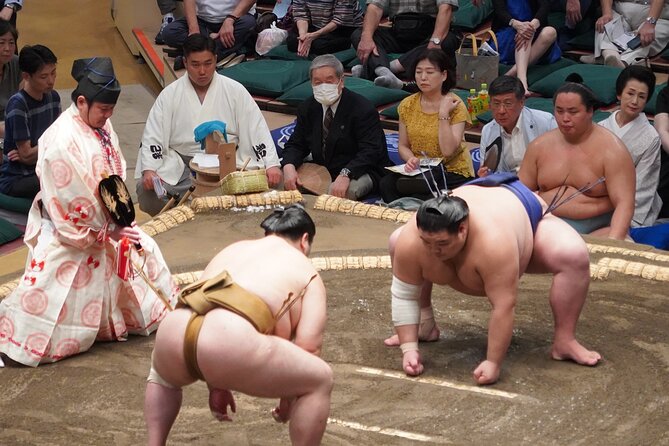
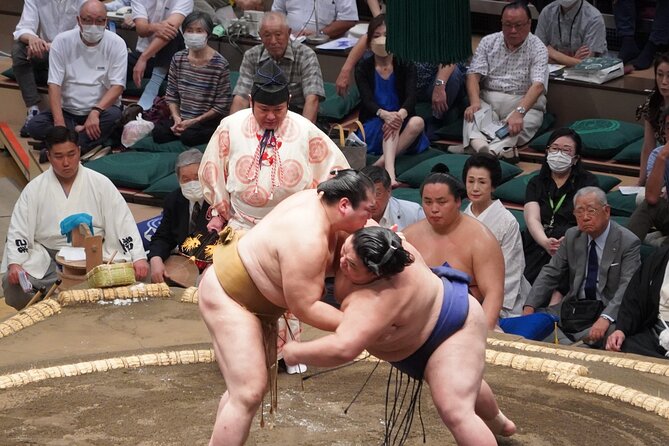
Sumo is easy to watch and harder to understand. Two wrestlers enter the ring, perform a series of formal movements, and try to force the other outside the circle or make him touch the ground with anything but the soles of his feet. Without context, the ceremony can seem longer than the match itself.
That is where this experience earns its keep. Your guide explains the basic rules and the customs around the bouts before you enter the arena. You learn what to watch for, what the flags mean, and why the later matches carry more weight.
The introduction also covers the life and culture of sumo wrestlers. That matters because the sport is not simply a series of quick pushes. It is tied to rank, ritual, discipline, and a highly organized way of life. Even if you are not a serious sports fan, those details give the afternoon a human side.
The strongest praise has gone to guides who clearly care about sumo. Mark has been singled out for his excellent English and warm manner. Hina has been noted for her enthusiasm and clear explanations of the sport and wrestlers’ lives. Masao’s passion for sumo added energy to the walk, while Shogun helped a first-time spectator understand the flags and the professionals in the ring. Emmy has been described as engaging and willing to speak with each person in the group.
Your guide may be different, but these names show what makes the format work: a local person who can explain the parts you would otherwise miss.
More Sumo Experiences in Tokyo
- Tokyo: Sumo Show and Dining Experience
★ 4.8 · 2,742 reviews - the SUMO show
★ 5.0 · 1,960 reviews - Tokyo Shinjuku Sumo Show & Experience with Photo
★ 5.0 · 1,750 reviews
Starting at Ryogoku Edo Noren at 1:30 pm
The meeting point is Ryogoku Edo Noren, beside Ryogoku Station, at 1:30 pm. This is a practical place to begin because it puts you right in the neighborhood most closely associated with the Kokugikan and sumo culture.
The first portion lasts about 20 minutes. You walk around the area with your guide and get an introduction to the tournament ahead. The focus is not only on getting to the arena. It is on helping you get your bearings and giving you useful pointers before the first match.
Since the group can contain no more than five people, you should have a better chance to ask simple questions without losing the thread of the conversation. If you have never watched sumo, ask about the basic scoring, the pre-bout ceremony, and the difference between the various levels of competition. Those are exactly the kinds of details that make the arena easier to read.
There is no admission fee for this opening stop. Your included ticket is for the Kokugikan later in the walk.
Walking through Ryogoku’s sumo landmarks
The next section takes about 15 minutes and covers historic sumo-related spots around Ryogoku. The neighborhood is important because it is the home of the sport’s most famous Tokyo venue and has long been linked with sumo life.
This is a compact walk, not a long sightseeing tour. That is good news if your priority is the tournament. You get a local view of the district without spending most of the afternoon away from the arena.
Your guide also explains the connection between Ryogoku and sumo. That setting gives the sport a stronger sense of place. Instead of treating the tournament as a show that could happen anywhere, you see it as part of a neighborhood with its own customs and identity.
The downside is that the walking portion is brief. If you want a broad tour of eastern Tokyo, this is not the right choice. The walk is designed as a primer for the tournament, not as a full city tour.
A stop at Ekoin Temple
The visit to Ekoin Temple takes about 20 minutes. It adds a quieter cultural stop before the noise and ceremony of the stadium.
The temple is important to the area, and the guide uses it to explain more of Ryogoku’s past and its connection to sumo. This is a useful contrast. You are not spending the whole afternoon moving from one sports fact to another. The temple gives the neighborhood a religious and historical layer.
The temple visit is also a good chance to ask about local customs. Your guide can connect what you see in the area with the traditions that shape sumo. The value here comes less from a long list of sights and more from understanding why this part of Tokyo matters.
Again, keep your expectations in check. The stop lasts about 20 minutes, so you should not expect an extended temple tour. Think of it as a focused introduction within a larger sumo outing.
Same city, a different fixture:
- Tokyo: Sumo Show and Experience in Shinjuku
★ 4.8 · 1,001 reviews - Tokyo Grand Sumo Tournament Viewing Tour with Tickets
★ 5.0 · 692 reviews - Tokyo Sumo Wrestling Tournament Experience
★ 5.0 · 660 reviews - Tokyo:Luxury Sumo Show Experience & Japanese cuisine & Drink
★ 4.7 · 577 reviews
Entering Ryogoku Kokugikan
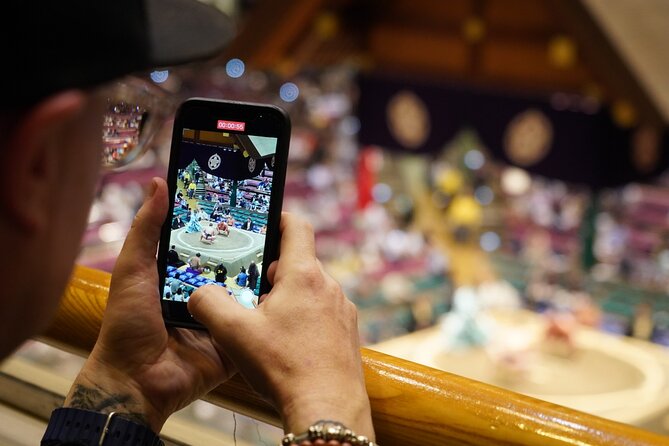
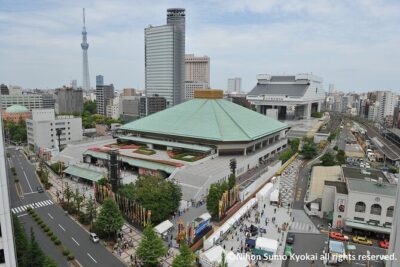
The final guided section takes you to Ryogoku Kokugikan, the main sumo arena in the district. About 30 minutes is set aside for entering the hall and getting you ready to watch the tournament.
Your ticket is a B-ranked second-floor seat, located in rows 7 to 11. This is not a ringside seat, so you should not book this experience expecting to see every expression at close range. Still, the second-floor position gives you a broader view of the ring and the activity around it.
A large tournament atmosphere is part of the appeal. One past attendee described a full house of about 11,000 people and a powerful arena mood. That scale is hard to reproduce through television or a small local event. You feel the audience respond to each bout, and the formal setting makes even a short match feel important.
Your guide does not stay with you throughout the tournament. The guided visit ends around 3 pm, and you then watch the remaining action on your own. This arrangement has both strengths and limits.
The strength is freedom. You can settle into your seat, buy food or drinks if you wish, and watch at your own pace without needing to follow a guide’s schedule. The limit is that you lose the live commentary once the guide leaves. Pay close attention during the explanation, and consider writing down any terms or rules you want to remember.
Why the later bouts matter
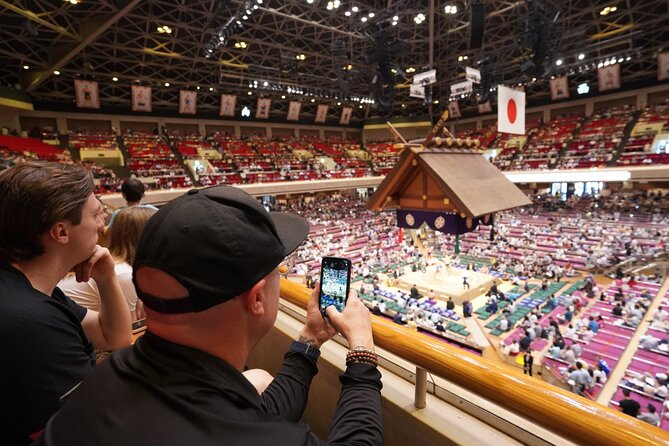
The tournament continues until about 6 pm, and the later matches feature stronger wrestlers. If you leave after the guided section, you miss the most important action. For most people booking this experience, staying for the full tournament makes the $117.61 price easier to justify.
The schedule is also important when planning the rest of your day. The formal tour starts at 1:30 pm and finishes around 3 pm, but the arena portion continues on your own until roughly 6 pm. Do not schedule a separate afternoon activity that requires you to leave early unless you are comfortable missing the top bouts.
The early part of the tournament can help you learn the rhythm of the event. Once the guide has explained the basics, you can watch how the ceremony changes, how the crowd reacts, and how the competition feels more intense as the day progresses.
If sumo turns out not to be your favorite sport, the experience still has value as a cultural outing. One person found the sport itself was not really for them but still appreciated the friendly guide and informative walk. That is a fair warning: the tour can explain sumo well, but it cannot guarantee that you will enjoy watching bout after bout.
Is $117.61 a fair price?
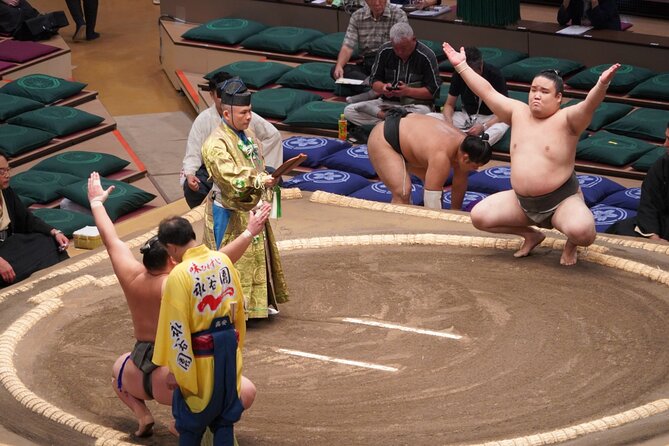
At $117.61 per person, this is not a cheap ticket to a sports event. You are paying for more than admission, though. The price includes the B-ranked second-floor seat, the small guided walk, the local explanations, and tour photos.
The value depends on how much help you want. If you already follow sumo closely and know the rules, you may prefer to arrange a ticket on your own. In that case, the guided neighborhood walk could feel like an extra cost.
If this is your first tournament, the price is easier to defend. You get a ticket in a specified seating area, a guide who explains what you are seeing, and a route that links the arena to the surrounding district. That removes much of the uncertainty that comes with attending a formal Japanese sporting event for the first time.
The 4.9 rating from 10 published ratings and the 100 percent recommendation figure point to a consistently positive response, though the sample is small. The most praised parts are the guides’ explanations, their friendly manner, and the way the short walk improves the main event.
Food and drinks are not included. You should budget separately if you want refreshments during the several hours at the arena.
Weather, punctuality, and practical planning
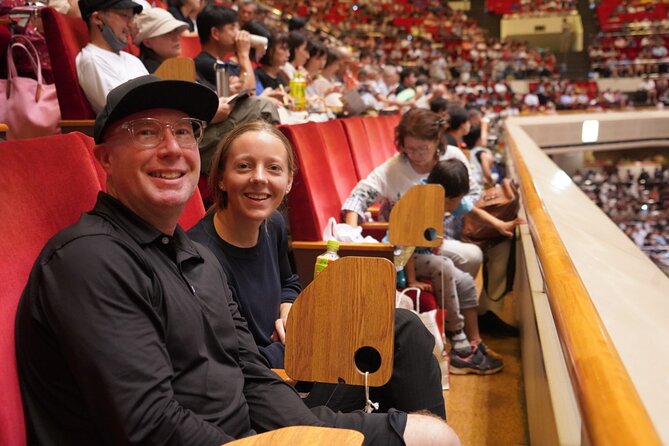
Tokyo weather can be severe. Summer temperatures may reach 40°C, while winter lows can fall to -5°C. Dress for the season because part of the experience takes place outdoors in Ryogoku before you enter the arena.
Arrive early at Ryogoku Edo Noren. The tour must start on time, and you cannot join later, reschedule, or receive a refund if you miss the group because you are late. This is especially important if you are coming from another part of Tokyo.
The mobile ticket makes entry and planning simpler, but you still need to keep the ticket available on your phone. Confirmation arrives when you book. Most people can take part, and the group is limited to five.
Free cancellation is available if you cancel at least 24 hours before the local start time. Cancellations or changes made inside that 24-hour window are not accepted for a refund.
Who should book this sumo outing?
I would choose this for a first-time sumo spectator who wants more than a seat in an arena. The guide gives you a framework for the rituals, rules, flags, and wrestlers’ lives, so you can watch with purpose instead of guessing what is happening.
It also suits people who enjoy neighborhood context. The stops at Ryogoku Edo Noren, local sumo landmarks, and Ekoin Temple make the outing feel connected to Tokyo rather than isolated inside a stadium.
Families and small groups may appreciate the limited group size, though the experience is still centered on watching a Japanese sporting event. Children or adults who need constant action may find the formal ceremonies and short bouts slow.
Serious sumo fans may want to compare the seat location and price with a direct ticket. The B-ranked second-floor position gives you a useful overall view, but it is not a premium ringside experience.
Should you book it?
Book this experience if you want a guided introduction to sumo, a small group, and a ticket that lets you stay for the strongest matches. The best reason to choose it is the explanation before the tournament. Guides such as Mark, Hina, Masao, Shogun, and Emmy have brought warmth and clear instruction to the format.
Skip it if you already understand sumo well or if you want the closest possible view of the ring. Also skip it if your schedule cannot spare the full afternoon and evening.
For a first visit to Ryogoku Kokugikan, I think the combination makes sense: a short walk through sumo country, a temple stop, practical guidance, and several hours inside one of Tokyo’s most distinctive sporting venues. Stay until the later bouts, and the experience offers much more than a quick look at a match.
FAQ
Where does the tour start?
It starts at Ryogoku Edo Noren, located at 1-3-20 Yokoami, Sumida City, Tokyo, at 1:30 pm.
Where does the tour end?
The guided tour ends at Ryogoku Kokugikan, at 1-3-28 Yokoami, Sumida City, Tokyo. The guided portion ends around 3 pm, but the tournament continues until about 6 pm.
What type of sumo ticket is included?
The ticket is a B-ranked second-floor seat in rows 7 to 11 at Ryogoku Kokugikan.
How long is the guided tour?
The guided experience lasts about 1 hour and 30 minutes. It includes the walk around Ryogoku, the visit to Ekoin Temple, and entry to the Kokugikan.
Is food included?
No. Additional food and drinks are not included in the price.
How many people can join?
The tour has a maximum of five participants.
Can I cancel for a full refund?
Yes. You can cancel for a full refund up to 24 hours before the experience start time. Cancellations or changes made less than 24 hours before the start are not accepted for a refund.
Just added for fans in Tokyo
- Tokyo: Grand Sumo Morning Training Tour★ 4.9 · 12 reviews
- Sumo Training Watching Experience in Tokyo★ 4.5 · 8 reviews
- Kickboxing & Body Training with EX-Pro Fighter★ 5.0 · 4 reviews
- Tokyo: Visit Sumo Morning Practice with English Guide★ 4.5 · 22 reviews
- Tokyo Sumo Experience with Live Show & Audience Challenge★ 5.0 · 38 reviews
- Tokyo Shinjuku Sumo Show and Experience with Drinks and Photo★ 4.0 · 21 reviews
- Tokyo Sumo History Tour with Chanko Nabe Lunch★ 5.0 · 3 reviews
- 【SUMO FESTIVAL】Tokyo Ginza: Sumo Show & Photo Experience★ 4.5 · 41 reviews
Sumo Experiences in Tokyo, compared.
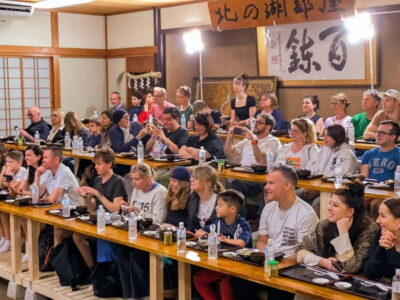
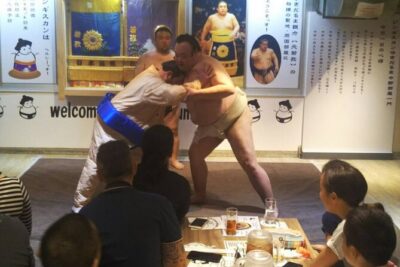
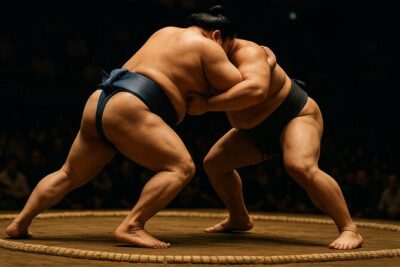
Tokyo Shinjuku Sumo Show & Experience with Photo
Read our review →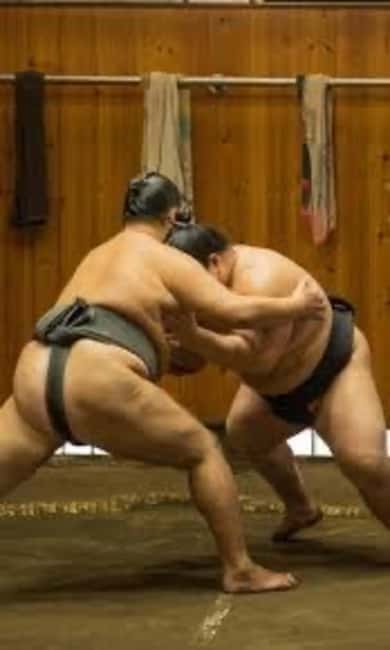
Tokyo Grand Sumo Tournament Viewing Tour with Tickets
Read our review →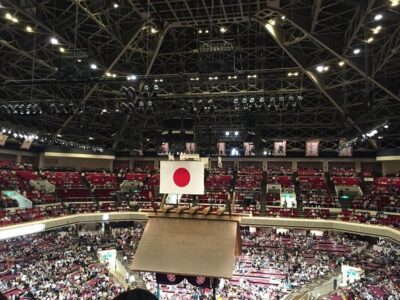
Luxury Sumo Show Experience & Japanese cuisine & Drink
Read our review →
Browse the lists this tour appears in