
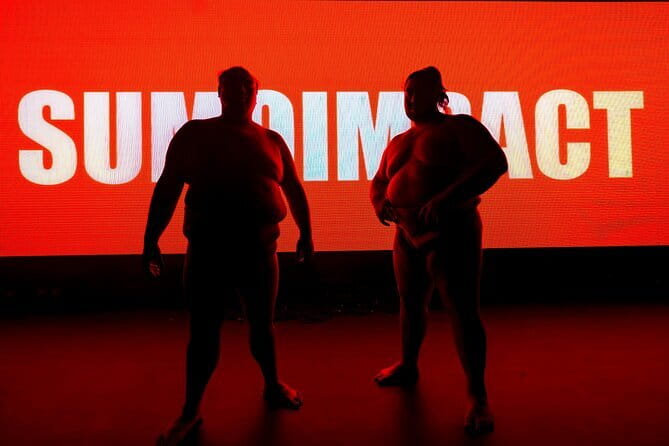
Review · SUMO EXPERIENCES
SUMO BEATS SHOWCASE Clash of Power and Sound
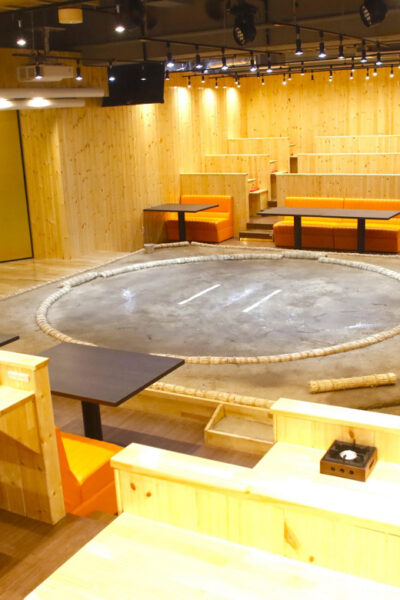
The most unusual part of SUMO BEATS SHOWCASE is the setting: a nightclub in Umeda turned into a sumo stage. Taiko drums, flute, shamisen, lighting, and live bouts give you a fast introduction to Japan’s national sport without requiring a full tournament visit.
I like the mix of real sumo action and audience participation, and I like that your ticket includes dinner and a drink. The clear English explanations are useful, especially if you know little about sumo. The tradeoff is time: the show lasts about an hour, so the cultural background is brisk, and the burger may not satisfy anyone expecting a carefully prepared Wagyu meal.
Key points
- Live sumo in a nightclub setting: Piccadilly Premium in Umeda supplies a modern stage for an old Japanese sport.
- Traditional music with a modern beat: Taiko, flute, and shamisen accompany the explanations and bouts.
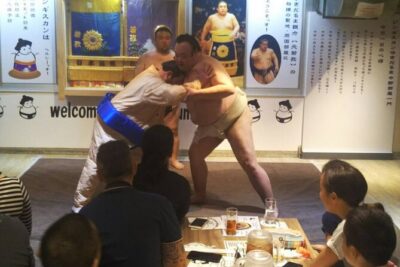
- Audience participation: You may be invited to try sumo with one of the wrestlers.
- English-friendly presentation: The moderator explains rules, techniques, and sumo terms clearly.
- Dinner is included: You receive a Wagyu burger, fries, and one drink, or a soy meat burger if you are vegan.
- Short and easy to fit into Osaka plans: The show is about one hour, with reception beginning 45 minutes before it starts.
What the one-hour Sumo Beats show is really like
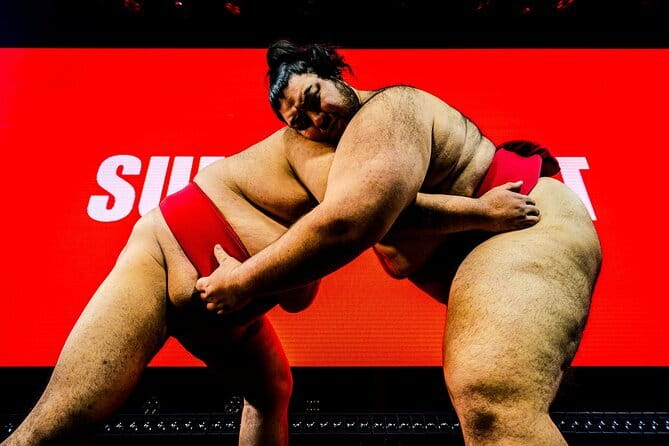
This is not a day at a major professional sumo tournament. It is a compact stage production designed to introduce you to the sport through music, explanation, comedy, audience involvement, and bouts.
That distinction matters. A tournament gives you long stretches of ceremony, matches across several divisions, and a closer look at the formal life of professional sumo. Sumo Beats gives you a quick, accessible performance. You get the big movements and basic ideas without giving up half a day.
The show has earned a 4.8 rating from 13 listed ratings, with 92 percent recommending it. The strongest points are consistent: the energy, the music, the English presentation, the chance to learn sumo techniques, and the opportunity to face a wrestler.
More Sumo Experiences in Japan:
- Tokyo: Sumo Show Experience with Chicken Hot Pot and a Photo
★ 4.8 · 6,678 reviews - Tokyo: Sumo Show and Dining Experience
★ 4.8 · 2,742 reviews - the SUMO show
★ 5.0 · 1,960 reviews
Arriving at Piccadilly Premium in Umeda

The event takes place at Piccadilly Premium, a nightclub-style venue in Osaka’s Umeda district. That location gives the evening a different feel from a traditional sumo hall. You are not entering a formal arena with rows of spectators and a raised dohyo as the main architectural feature. You are entering a modern entertainment venue where lighting and sound are part of the show.
Some performances take place during the daytime, which can feel strange in a nightclub. That contrast is part of the appeal. You get Japanese traditional culture presented in a setting built for music and stage effects.
The venue is near public transportation, but private transportation is not included. Plan to make your own way there. Your mobile ticket is useful at reception, and confirmation is provided when you book.
Reception begins 45 minutes before the performance. Do not treat that as a suggestion to arrive at the last minute. Check-in and seating can take time, especially when the room is busy. You should aim to be seated 15 minutes before the show begins. That leaves time to collect your meal and drink instead of walking in while the opening is underway.
The burger and drink come before the action
Your admission includes a SUMO Wagyu Burger, fries, and one drink. The drink can be a soft drink or an alcoholic option, according to the experience details and direct booking information. Vegans can request a soy meat burger instead of Wagyu.
This meal adds real value to a $70.95 ticket, particularly if you had planned to eat before a show. It also makes the early arrival more useful. You can settle in with food and a drink before the music and matches begin.
Keep your expectations in the right place. This is event food, not a dedicated Wagyu restaurant. Some diners found the burger enjoyable and the food and drinks delicious. Another dining experience found the food ordinary and cold. That difference may depend on timing and service, but it is fair to view the meal as a convenient inclusion rather than the main reason to book.
If you are visiting Osaka for its food, you will find far more memorable meals elsewhere. If you want a simple dinner attached to a cultural performance, the burger does the job. Vegans also have a clear substitute, which is helpful when booking for a mixed group.
How the music changes the sumo presentation
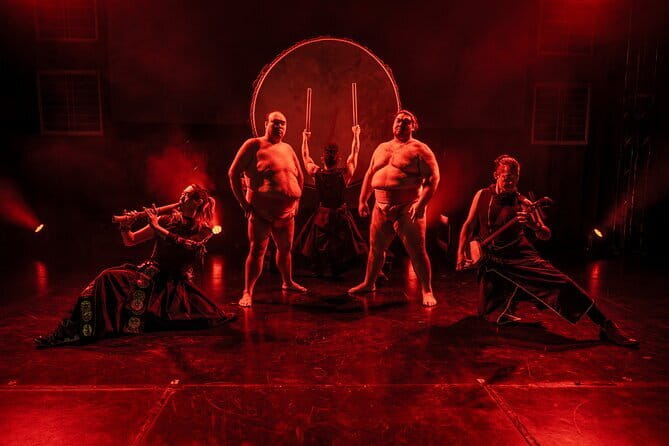
The show combines taiko drums, flute, and shamisen with modern stage sound and lighting. This is more than background music. The instruments help set the rhythm and mood as the host explains the sport and the wrestlers perform.
The drums give the opening and bouts a strong physical pulse. Flute and shamisen add a traditional Japanese sound that keeps the event connected to culture rather than turning it into a generic wrestling show. At the same time, the nightclub setting, lighting, and modern beats make the pace familiar to visitors who might not be drawn to a formal sporting event.
I like this format for a first look at sumo because it gives you several ways into the subject. You can follow the explanations, watch the movement, listen to the instruments, or simply enjoy the showmanship. The drawback is that the music and effects can compete with the educational side. If you want a quiet, detailed lesson on sumo, this is not the right format.
More Sports Experiences in Japan:
- Tokyo Shinjuku Sumo Show & Experience with Photo
★ 5.0 · 1,750 reviews - Tokyo Sumo Entertainment Show with Chicken Hot Pot and Photo
★ 5.0 · 1,205 reviews - Tokyo: Sumo Show and Experience in Shinjuku
★ 4.8 · 1,001 reviews - Tokyo: Sumo Tournament Tour with Chair Seat Tickets
★ 4.6 · 753 reviews
The rules, techniques, and Japanese terms
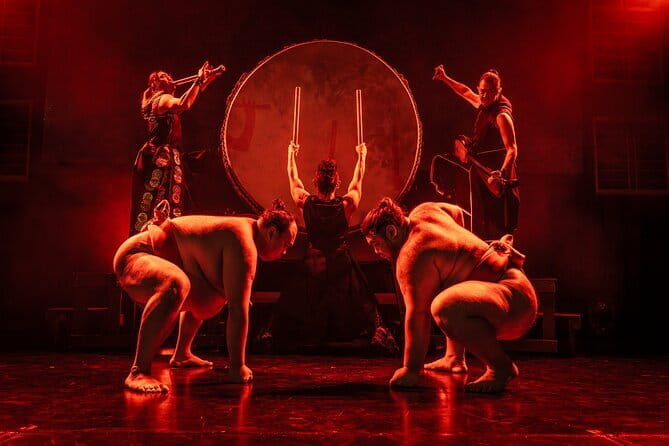
One useful part of the program is the explanation of sumo rules and techniques. The moderator explains basic terms and shows how wrestlers use balance, position, and force. An English-speaking host makes a big difference here. You are not left to guess why a bout ended or what a movement meant.
This is especially valuable if you have never watched sumo before. At first, a bout can look like two large men crashing together and pushing until one moves backward. The presentation gives you a little more to watch for. You begin to notice the stance, the initial charge, the use of the arms, and the way a wrestler tries to break the other person’s balance.
The educational material is introductory, not a full account of a sumo wrestler’s life. One criticism is that the show could provide more information about daily training, professional ranks, and the personal discipline behind the sport. You should book it for a lively overview, not for an in-depth history lesson.
The bouts bring the energy
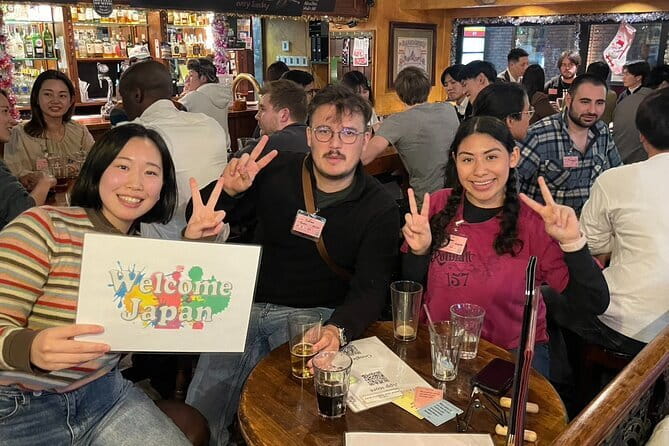
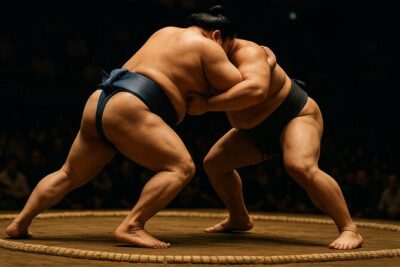
The main attraction is the sumo itself. The program includes a real match, and the physical force is easy to appreciate at close range. Sumo looks simple from a distance, but the short duration of a bout makes every movement matter.
The opening ceremonies and intense matches help give the performance a sense of structure. The show is not just a lecture followed by a photo opportunity. It builds toward contact, movement, and the possibility of a quick finish.
That quickness is part of sumo’s character. A bout may be decided almost at once, so the excitement is not based on a long contest. You watch for the charge, the grip, the shift in balance, and the moment one wrestler is forced out or down.
You should also understand that this is a staged cultural entertainment experience rather than a tournament session. It has explanations, music, lighting, audience interaction, and a nightclub atmosphere. Some people will find that combination fresh and fun. Others may feel it is a commercial version of the sport. Both reactions are reasonable.
Your chance to try sumo
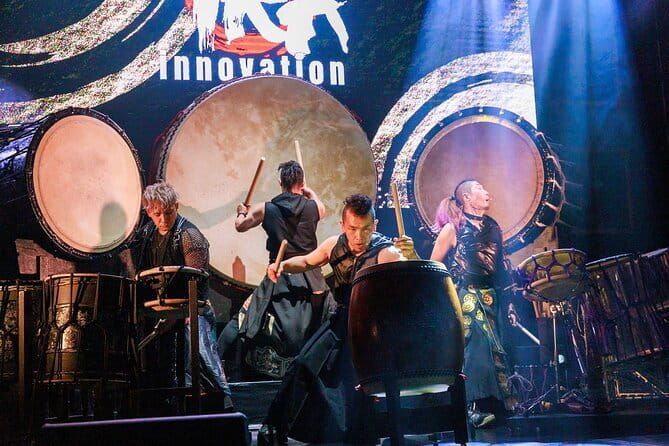
Audience participation is one of the more memorable features. Some people are invited to take part in a sumo bout with a wrestler. You may be selected, so do not book this expecting a guaranteed turn. The chance to step onto the stage and test yourself against a professional-sized athlete adds an element you will not get from simply watching a tournament.
The point is not to win. It is to feel, in a playful way, how difficult it is to move someone who knows how to use balance and leverage. Even watching others take part can make the techniques easier to understand.
This feature suits outgoing visitors and families with older children who can follow the show’s participation rules. If you dislike being called on in public, you can still enjoy the event without volunteering. The experience is designed to involve the audience, but it does not require every person to perform.
A useful first look at Japanese culture
Sumo carries religious and cultural meaning as well as sporting drama. Ritual movements, respect, discipline, and formal conduct all matter. The show gives you a taste of that side through its ceremonies, explanations, music, and presentation.
Do not expect a complete portrait of Japanese spirituality in one hour. The program offers selected elements in an entertainment setting. Still, it can help you understand why sumo is treated differently from an ordinary contact sport.
The pairing with traditional instruments is particularly helpful. You are not only watching a contest. You are hearing sounds associated with Japanese performance traditions while learning basic sumo vocabulary and technique.
For a first visit to Japan, this can be an easy way to connect a familiar idea, wrestling, with a specifically Japanese setting. For someone already interested in sumo, it may feel too brief. The event works best as an introduction or a fun evening activity, not as a replacement for a tournament.
Is $70.95 a fair price?
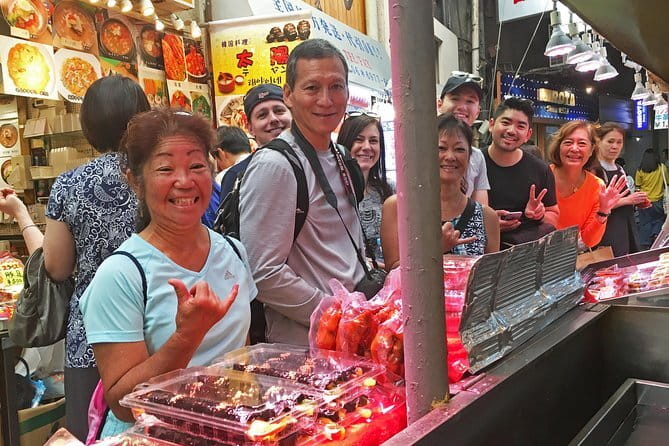
At $70.95 per person, the ticket is not a bargain entertainment show. The value depends on how you use it.
You receive admission, a one-hour performance, a Wagyu burger, fries, and one drink. You also get live music, explanations in English, a real match, and the possibility of audience participation. If you would otherwise pay for dinner and a separate cultural activity, the combined price is easier to justify.
The value is weaker if your only goal is to watch authentic professional sumo. The show does not provide a full tournament schedule or a long period of competition. It is a focused production with a strong entertainment element.
I would compare the price with the cost of a good dinner plus an evening attraction in Osaka. For a first-time visitor who wants something easy, central, and different, the package is reasonable. For a serious sumo fan, I would treat it as an add-on rather than the main sumo experience.
Timing, seating, and practical planning
The advertised duration is approximately one hour. The early reception window makes your total time at the venue longer. Arrive early, complete check-in, collect your meal, and be seated 15 minutes before the performance.
Because seating may take time, arriving just before the start could mean a rushed meal or a delayed entrance. The practical rule is simple: use the 45-minute reception period.
The experience is near public transportation, but transportation to and from Piccadilly Premium is your responsibility. A mobile ticket keeps the booking simple. Confirmation arrives at the time of booking.
Most people can participate, but audience participation does not mean you must join a bout. The show is suitable for people who prefer to watch, provided they can manage a live venue setting and the normal process of getting seated.
You can cancel for a full refund if you do so at least 24 hours before the start time. Cancellations or changes made within 24 hours are not accepted for a refund, and the cut-off uses Osaka local time.
Who should book Sumo Beats Showcase?
I would recommend it most strongly to:
- First-time visitors who want a simple introduction to sumo
- People who enjoy live music and interactive stage shows
- Visitors who want an English-friendly cultural activity
- Families and groups looking for a shared event
- Food-focused visitors who like having dinner included
- Anyone curious about sumo but unable to attend a full tournament
I would be more cautious if you want detailed information about the lives of wrestlers, a long program, or the quiet formality of traditional sumo. You may also be disappointed if you expect the Wagyu burger to be a destination meal.
The 4.8 rating and 92 percent recommendation make sense when you view the event as a lively cultural showcase. The strongest parts are the energy, the traditional instruments, the clear explanations, and the audience bout. The main limitations are the short running time and the uneven food experience.
Should you book it?
Book this if you want a fast, entertaining taste of sumo in Osaka, with music, lights, dinner, and a chance to take part. It is especially useful when your schedule is tight and you want an activity that does not require a full day.
Skip it if your priority is serious sumo study or a complete tournament atmosphere. At $70.95, you should see it as a packaged cultural show with a meal, not as a substitute for professional sumo competition.
For most first-time visitors, I think it earns its place in an Osaka itinerary. Arrive early, eat before the opening, listen for the explanations, and treat the audience bout as a bonus rather than a promise.
FAQ
Where does the Sumo Beats Showcase take place?
It takes place at Piccadilly Premium in Umeda, Osaka.
How long does the experience last?
The show lasts approximately one hour.
What is included in the ticket?
The ticket includes admission, a SUMO Wagyu Burger, fries, and one drink.
Is there a vegan food option?
Yes. Vegans can receive a soy meat burger instead of the Wagyu burger.
Is a drink included?
Yes. One drink is included with the meal. The available choice may be a soft drink or an alcoholic drink.
Is the show presented in English?
The moderator has been described as speaking English clearly and explaining the rules, techniques, and sumo terms.
Can the audience participate in sumo?
Yes. Audience members may have the chance to try sumo with one of the wrestlers. Participation is not stated as guaranteed for every ticket holder.
When should I arrive?
Reception begins 45 minutes before the performance. You should be seated 15 minutes before the show starts because check-in and seating may take time.
Is transportation included?
No. Private transportation is not included, although the venue is near public transportation.
Can I cancel for a full refund?
Yes, if you cancel at least 24 hours before the experience start time. Cancellations or changes made less than 24 hours before the start time are not accepted for a refund.
Just added for fans in Japan
- Tokyo: Grand Sumo Morning Training Tour★ 4.9 · 12 reviews
- Sumo Training Watching Experience in Tokyo★ 4.5 · 8 reviews
- Kickboxing & Body Training with EX-Pro Fighter★ 5.0 · 4 reviews
- Tokyo: Visit Sumo Morning Practice with English Guide★ 4.5 · 22 reviews
- Tokyo Sumo Experience with Live Show & Audience Challenge★ 5.0 · 38 reviews
- Tokyo Shinjuku Sumo Show and Experience with Drinks and Photo★ 4.0 · 21 reviews
- Tokyo Sumo History Tour with Chanko Nabe Lunch★ 5.0 · 3 reviews
- 【SUMO FESTIVAL】Tokyo Ginza: Sumo Show & Photo Experience★ 4.5 · 41 reviews
Sumo Experiences, compared.
Sumo Show Experience with Chicken Hot Pot and a Photo
Read our review →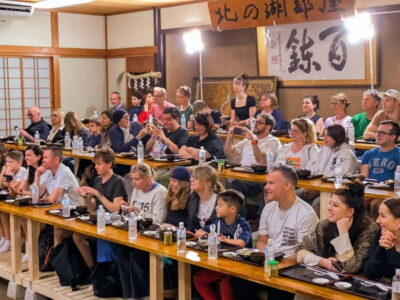
Tokyo Shinjuku Sumo Show & Experience with Photo
Read our review →
Tokyo Sumo Entertainment Show with Chicken Hot Pot and Photo
Read our review →
Tokyo Grand Sumo Tournament Viewing Tour with Tickets
Read our review →Browse the lists this tour appears in