
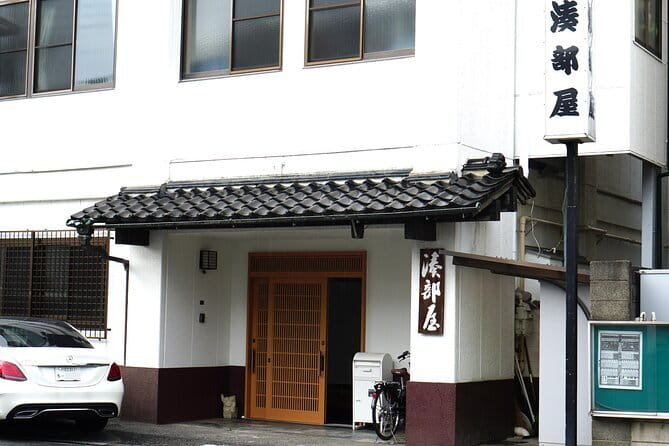
Review · SUMO EXPERIENCES
Sumo Stable Intimate Morning Practice
The best part of this experience is the chance to watch real morning practice inside a working sumo stable, not a staged show. You sit close to the action while an English-speaking sumo expert explains the rituals, training methods, and wrestlers’ daily life through an audio headset. After practice, you share tea and conversation with the wrestlers, then eat chanko, the hearty hot-pot meal associated with sumo life.
I like the 8:00 AM start, which is gentler than many stable visits that begin around 6:00 AM. I also like the small group limit of 16 and the choice of more comfortable seating than sitting cross-legged on the floor for hours. The catch is the price, $198, and the strict nonrefundable policy. You also need to reach Warabi Station on time, since a late arrival may mean missing the visit without a refund.
Key points at a glance
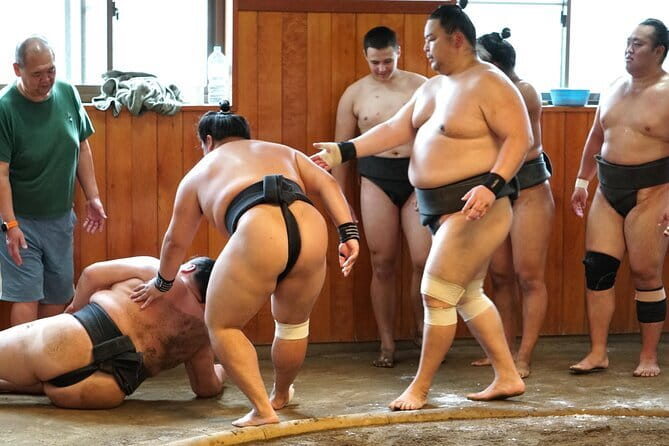
- Watch live practice up close: See the repetitive drills, ritual movements, and intense bouts inside an active sumo stable.
- Hear explanations during practice: An audio headset lets you follow the English commentary without interrupting the stable.
- Meet wrestlers after training: Share morning tea, ask questions, and take photographs without flash.
- Eat chanko lunch: If selected, your meal follows the daily food style of sumo athletes, with a menu that changes from day to day.
- Keep the group small: A maximum of 16 people makes this more personal than large stable visits.
- Plan for Japanese-style seating: Cushions on the floor are standard. Low chairs may be requested in advance, with priority for people who need them.
What the four-hour morning includes
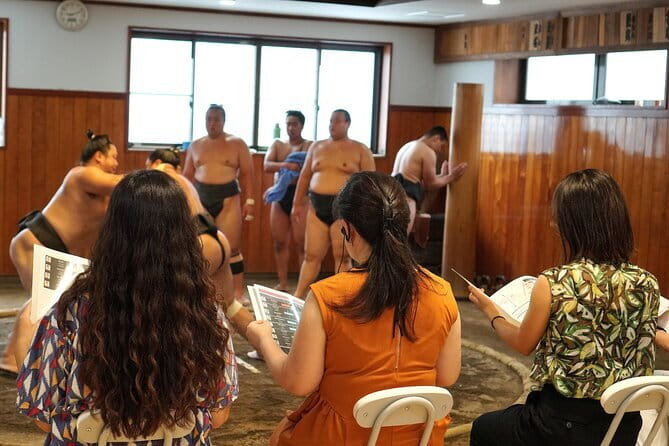
This is a close look at sumo as a working discipline, not a tournament ticket and not a theatrical performance. The morning begins at Warabi Station in Saitama Prefecture at 8:00 AM, then continues at a stable where wrestlers train as part of their normal routine.
Your guide helps you understand what you are seeing. Sumo practice can look quiet from a distance, with long pauses and repeated movements, but the details matter. The explanations cover sumo history, culture, famous wrestlers, and the techniques used in training. With the headset, you can hear the guide clearly while keeping your attention on the wrestlers.
The whole visit lasts about four hours. That gives you time for practice, conversation over tea, photography, and lunch if you select the chanko option. I would plan this as a major morning activity rather than something to squeeze between several other sights.
More Sumo Experiences in Japan:
- Tokyo: Sumo Show Experience with Chicken Hot Pot and a Photo
★ 4.8 · 6,678 reviews - Tokyo: Sumo Show and Dining Experience
★ 4.8 · 2,742 reviews - the SUMO show
★ 5.0 · 1,960 reviews
Why the 8:00 AM start matters
Many sumo stable visits begin very early. A 6:00 AM start can be worth it for dedicated fans, but it is a rough opening for a family or anyone still adjusting to Japan time. This experience starts at 8:00 AM, giving you a more reasonable morning without losing the central part of the training session.
You still need to arrive at least 10 minutes early. The group may not be able to wait, and there is no refund for arriving late. Since the activity begins at Warabi Station, check your route before leaving your hotel and allow extra time for transfers, finding the correct station exit, and reaching the meeting point.
Hotel pickup is not included. The meeting point is 1-chōme-23-1 Chūō, Warabi, Saitama 335-0004, near public transportation. The experience finishes back at the same meeting point, which makes the next step of your day easier to plan.
Inside a working sumo stable
The stable is where wrestlers live and train under the direction of their stablemaster. This setting gives the morning its value. You are not simply watching athletes perform for an audience. You are seeing a training session shaped by habit, rank, discipline, and the sumo calendar.
Your guide’s commentary helps turn unfamiliar actions into something you can follow. You learn why certain movements are repeated, how wrestlers prepare their bodies, and how sumo customs shape daily life. If you know little about the sport, the headset is especially useful. You do not need to arrive with a working knowledge of rankings or rules.
The small group limit is important here. With no more than 16 people, you avoid the feel of a crowded attraction. A smaller group also makes it easier to listen, watch, and ask questions. Still, the stable is a working place, so you should expect to follow instructions and behave quietly and respectfully during practice.
Sumo has clear customs around the ring and the training space. You may sit in the position that works for you, but do not show the soles of your feet toward the ring. Extending your legs so your feet point at the ring is considered disrespectful. This is a small rule, but following it shows that you understand you are entering a serious cultural setting.
Audio commentary without breaking the silence
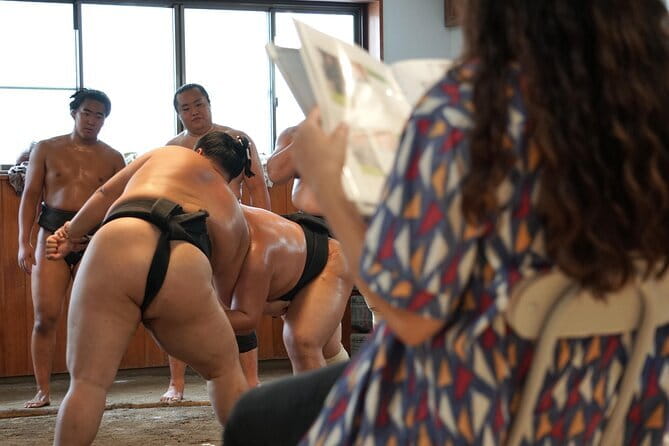
One useful feature is the audio headset. In many stable visits, visitors must watch quietly while a guide explains things outside the room or only before and after practice. Here, you can listen to commentary during the session while the wrestlers continue training without interruption.
That balance matters. Sumo practice has a particular rhythm, and you do not want a running conversation in the room to distract from it. The headset lets you hear explanations about rituals, techniques, and notable wrestlers while keeping the atmosphere calm.
The guide also provides a sumo information pamphlet. Keep it for reference after the visit, especially if you want to remember names or terms introduced during the morning. The experience is designed for people who want more than a few photographs and a quick look at large athletes in a room.
More Sports Experiences in Japan:
- Tokyo Shinjuku Sumo Show & Experience with Photo
★ 5.0 · 1,750 reviews - Tokyo Sumo Entertainment Show with Chicken Hot Pot and Photo
★ 5.0 · 1,205 reviews - Tokyo: Sumo Show and Experience in Shinjuku
★ 4.8 · 1,001 reviews - Tokyo: Sumo Tournament Tour with Chair Seat Tickets
★ 4.6 · 753 reviews
Tea, conversation, and photographs with wrestlers
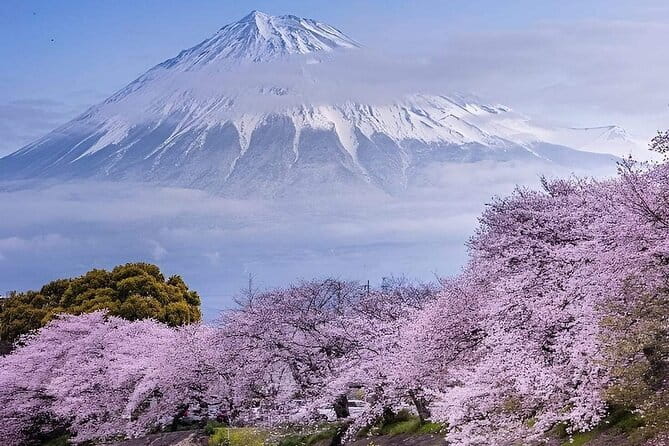
After practice, the tone becomes more personal. You have morning tea and a chance to speak with sumo wrestlers. This is one of the strongest reasons to choose this visit over simply watching a tournament from the stands.
The conversation gives you a glimpse of the people behind the sport. You may ask questions and hear about their daily life, training, and connection to sumo. The exact conversation depends on the wrestlers present and the time available, so you should not expect a fixed interview with identical answers each day.
Photographs are allowed, including photos with wrestlers, but flash is not. Check your phone settings before entering the stable and again before taking pictures. This is both a courtesy and a practical point. A flash can disrupt the setting, and fixing your phone while everyone is waiting is awkward.
The wrestlers’ schedules can also change. A sumo wrestler may travel to several places during the year for tournaments and events, spending only a few months in each location. This visit is offered only on selected dates during their stay in the Tokyo area, so availability is limited and the exact people present can vary.
Chanko lunch and the value of the meal
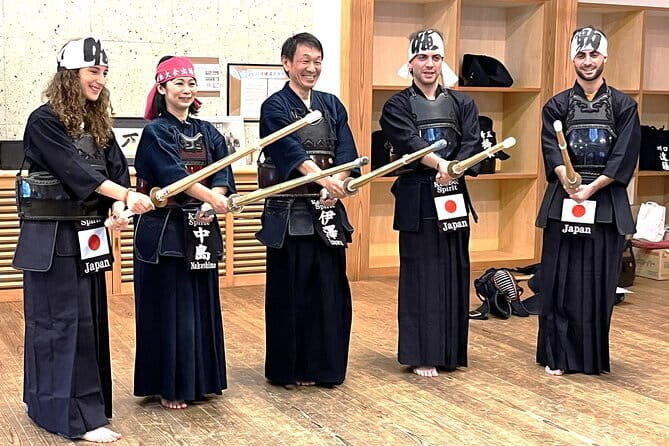
If you select the lunch option, you eat chanko, the traditional hot-pot meal linked with sumo athletes. The menu changes daily to match the wrestlers’ diet, so you should expect variety rather than one fixed recipe.
Chanko is more than a meal added at the end of a tour. It helps explain how a sumo stable supports intense physical training. The food is substantial and designed for athletes, and eating it after watching practice connects the kitchen and the training room in a useful way.
The meal is served by sumo wrestlers. Drinks are not included at lunch, so budget separately if you want something beyond the meal itself. No outside food or drinks are allowed inside the stable, although you may bring bottled water or tea for personal use.
The lunch is one of the experience’s most memorable parts, but it also adds time and cost. If you mainly want to watch practice, check the booking option carefully. If you want the full cultural visit, I would choose the chanko meal.
Seating, comfort, and mobility concerns

Cushions on the floor are the standard seating arrangement. You may sit as you like, but you need to remember the rule about not pointing your feet toward the ring. Sitting on the floor for an extended period can be tiring, especially during a quiet training session when you are not moving around.
Low chairs may be available if you request them in advance. Supplies are limited, and priority goes to people with mobility issues or other needs. Do not assume that a low chair will be available simply because you ask on the morning of the visit.
This is an important point for older visitors, anyone with knee or hip problems, and families planning to bring children. The minimum age is six, children must be accompanied by an adult aged 18 or older, and adult pricing applies to everyone.
The experience is suitable for most people, but it is not a fully flexible attraction. You should be comfortable sitting quietly, following stable rules, and remaining attentive for a long morning.
Is $198 a fair price?
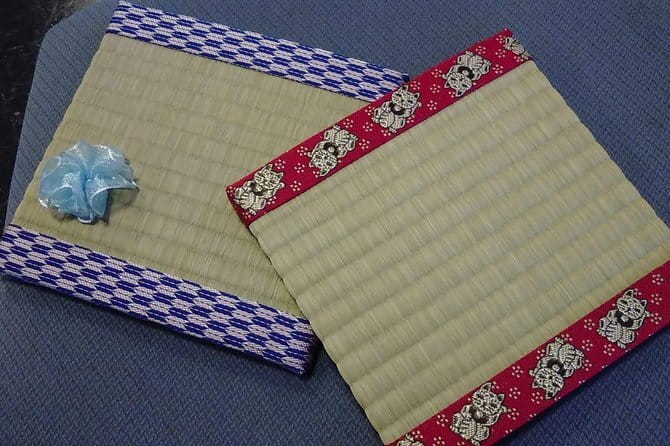
At $198, this is not a budget activity. The value comes from access and structure rather than from the number of stops. You are paying for a small group, a local English-speaking sumo guide, audio equipment, stable access, tea with wrestlers, photographs, and chanko lunch if selected.
A large group can make a stable visit cheaper, but it also changes the experience. With up to 16 people, you have a better chance of hearing the commentary, seeing the training clearly, and taking part in the conversation afterward. Comfortable seating options also matter if you would rather not spend several hours on a floor cushion.
I would compare the price with your interest in sumo. If sumo is one of your main reasons for visiting Japan, the personal access makes the cost easier to justify. If you are only mildly curious, a tournament ticket or a less costly cultural activity may suit your budget better.
Group discounts are available, so check the price for your party before booking. The lunch option also affects what you receive, and drinks at lunch cost extra.
Booking early and protecting your plans
This experience requires advance planning. A reservation about three months before your visit is recommended, with one month as the minimum practical target. Stable access is available only on selected dates, and the organizers may not be able to arrange the visit if you book too late.
Confirmation is normally sent at booking. If you reserve within seven days of the date, confirmation may take up to 48 hours and remains subject to availability. A request may be canceled with a full refund if the required minimum number of participants is not reached.
Once your booking is accepted, changes cannot be made during the week before the visit. The cancellation policy is strict: the experience is nonrefundable and cannot be changed for any reason. I would not book this until your date, route, and party are firm.
Practical rules for a respectful visit
A sumo stable is not a standard sightseeing stop. The wrestlers are training, and the room has its own expectations. Keep your voice low, follow the guide’s instructions, and avoid flash photography.
Bring only what you need. Outside food and drinks are not allowed, though bottled water or tea for personal use is permitted. Wear something that lets you sit comfortably and remain still for part of the morning.
Arrive at least 10 minutes before 8:00 AM. Late arrivals may be unable to join, and the payment will not be refunded. Since there is no hotel pickup, your route to Warabi Station is your responsibility.
Who will enjoy this most?
I would recommend this for anyone with a serious interest in sumo, Japanese customs, or close-up cultural experiences. It works particularly well for families with children aged six and up, provided everyone can follow the quiet-setting rules and sit for a while.
The small group and audio headset also make it a good choice if you want explanations rather than a silent viewing session. The tea, conversation, and meal add human contact that a stadium match cannot provide.
You may want to skip it if you dislike floor seating, need a guaranteed chair, have a tight morning schedule, or are uncomfortable with a strict cancellation policy. It is also not the right pick if you want a tournament atmosphere. This is practice, and practice has a slower, more disciplined rhythm.
Should you book this sumo morning?
Book it if you want to understand how sumo works away from the tournament spotlight. The best features are the small group, the 8:00 AM start, the headset commentary, and the chance to share tea and take photos with wrestlers after practice.
Choose the chanko lunch if you want the day to feel complete. Request a low chair early if needed, and confirm your plans before paying because the booking cannot be changed or refunded.
For a casual look at sumo, $198 may feel high. For a close visit to a working stable with expert explanation and personal access afterward, it offers a rare kind of contact. Arrive early, sit respectfully, and let the morning’s quiet discipline do the talking.
FAQ
Where does the sumo stable experience begin?
It begins at Warabi Station, at 1-chōme-23-1 Chūō, Warabi, Saitama 335-0004, Japan. The experience ends back at the meeting point.
What time should I arrive?
The activity starts at 8:00 AM. You should arrive at least 10 minutes before the designated meeting time because the group may not be able to wait for late arrivals.
How long does the experience last?
The experience lasts approximately four hours.
Is hotel pickup included?
No. Hotel pickup is not included. You must make your own way to the meeting point near public transportation.
Can I take photographs inside the stable?
Yes. Photography and videography are permitted, including photo opportunities with wrestlers. Flash photography is not allowed.
Is lunch included?
An authentic chanko lunch is included if you select that option. The menu changes daily, and drinks are not included at lunch.
Can children join the experience?
Children aged six and older may participate, but they must be accompanied by an adult aged 18 or older. Adult pricing applies to all ages, and identification may be required to confirm age.
Just added for fans in Japan
- Tokyo: Grand Sumo Morning Training Tour★ 4.9 · 12 reviews
- Sumo Training Watching Experience in Tokyo★ 4.5 · 8 reviews
- Kickboxing & Body Training with EX-Pro Fighter★ 5.0 · 4 reviews
- Tokyo: Visit Sumo Morning Practice with English Guide★ 4.5 · 22 reviews
- Tokyo Sumo Experience with Live Show & Audience Challenge★ 5.0 · 38 reviews
- Tokyo Shinjuku Sumo Show and Experience with Drinks and Photo★ 4.0 · 21 reviews
- Tokyo Sumo History Tour with Chanko Nabe Lunch★ 5.0 · 3 reviews
- 【SUMO FESTIVAL】Tokyo Ginza: Sumo Show & Photo Experience★ 4.5 · 41 reviews
Sumo Experiences, compared.
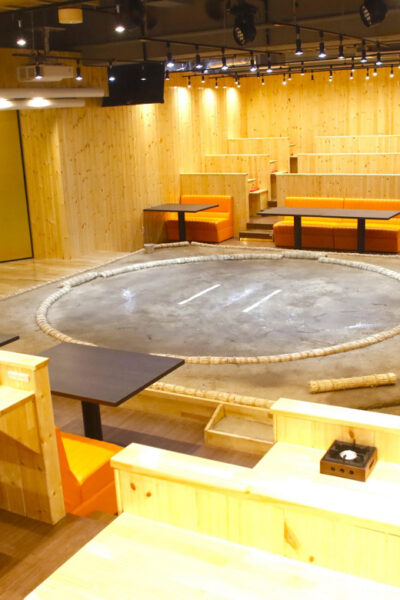
Sumo Show Experience with Chicken Hot Pot and a Photo
Read our review →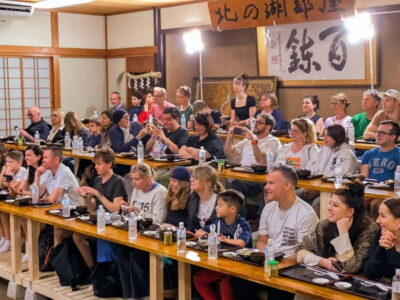
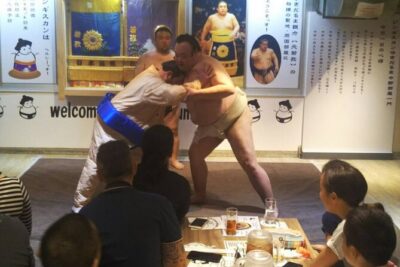
Tokyo Shinjuku Sumo Show & Experience with Photo
Read our review →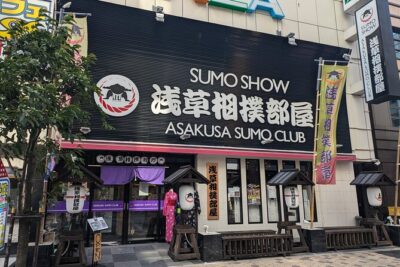
Tokyo Sumo Entertainment Show with Chicken Hot Pot and Photo
Read our review →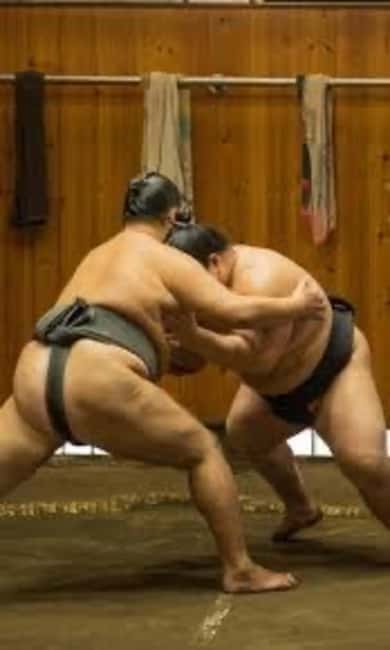
Tokyo Grand Sumo Tournament Viewing Tour with Tickets
Read our review →Browse the lists this tour appears in