
Review · SUMO EXPERIENCES
Sumo Tournament Experience in Osaka
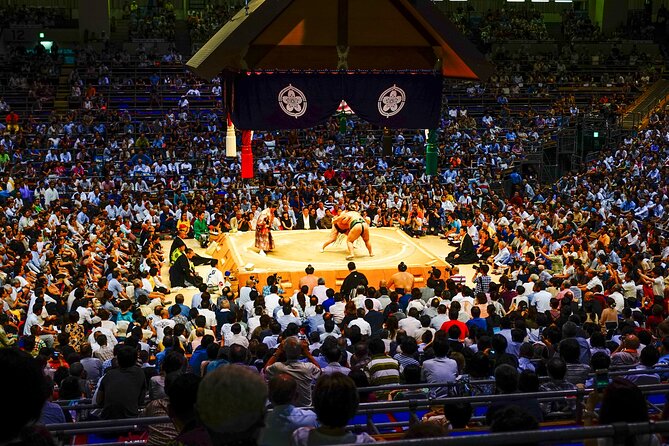
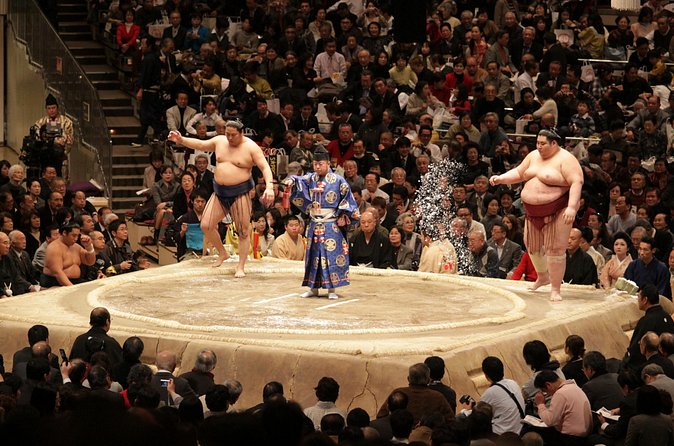
Sumo in Osaka is a once-a-year event, and this experience puts you inside the official March Grand Sumo Tournament at EDION Arena Osaka. I like the mix of live sport and cultural explanation: you learn why wrestlers throw salt, how rankings work, and what life is like inside a sumo stable. I also like the reserved seating choices, from budget-friendly upper-level D seats to front-section A or S seats.
The main drawback is timing. Matches already in progress must finish before the group enters, so you may wait before taking your seat. Tickets are also non-refundable, and the tour needs at least 15 people to operate. Plan early, arrive before 2:00 pm, and treat this as a special event rather than a casual drop-in.
Key points at a glance
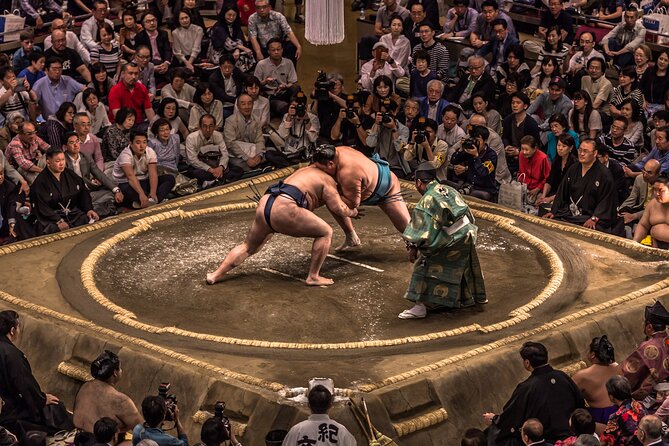
- Osaka’s only official tournament: The Grand Sumo Tournament takes place in Osaka each March and runs for 15 days.
- A guide explains the action: An English-speaking sumo expert covers rituals, rankings, wrestlers, and the rules through an audio headset.
- Several seat levels: Choose D, B, C, A, or S seating, with better views and a higher price as you move closer to the ring.
- Optional chanko dinner: Add a local hot pot meal based on the stew commonly eaten by sumo wrestlers.
- Small enough to manage, but not tiny: The group can include up to 24 people, with a minimum of 15 required.
- Book well ahead: Group tickets are released about four to seven weeks before the tournament, but early booking is advised.
Why Osaka’s March basho is worth planning around
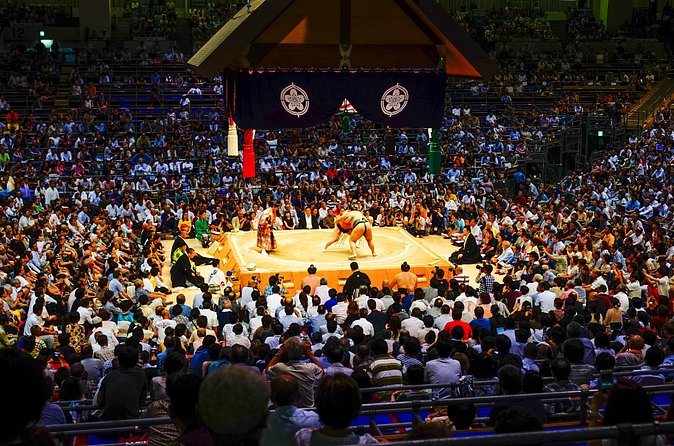
Official sumo tournaments, called basho, happen six times each year. Osaka gets one, in March. Tokyo hosts three, while Nagoya and Fukuoka each host one. Each tournament lasts 15 days, beginning and ending on a Sunday.
That schedule matters. You cannot simply add this experience to any Osaka itinerary on a random afternoon. You need to be in town during the March tournament, and tickets can require planning. For a visitor who wants to see sumo as it is actually practiced and watched in Japan, this is a rare chance.
Sumo is not just a short wrestling match. It is a formal sport shaped by old ritual and strict daily rules. Wrestlers often live in communal training stables, called heya, where meals, clothing, training, and daily routines are closely controlled. The tour uses the live competition as a way to explain that wider culture.
I like this approach. Without context, sumo can look like two large men pushing, gripping, and falling in a few seconds. With an expert beside you, the same match becomes easier to read. You can follow the opening ritual, watch the wrestlers test one another, and understand why a small movement can decide the bout.
More Sumo Experiences in Japan:
- Tokyo: Sumo Show Experience with Chicken Hot Pot and a Photo
★ 4.8 · 6,678 reviews - Tokyo: Sumo Show and Dining Experience
★ 4.8 · 2,742 reviews - the SUMO show
★ 5.0 · 1,960 reviews
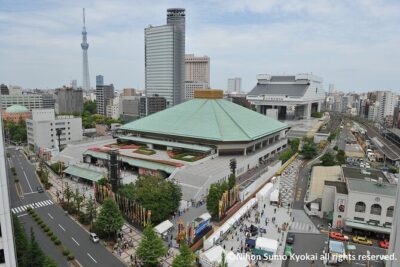
Meeting at EDION Arena Osaka at 2:00 pm
The experience begins at EDION Arena Osaka, with the meeting time set for 2:00 pm. The exact meeting point is sent by email at least one week before the date, so do not rely on finding the group by wandering around the building.
Arrive at least 10 minutes early. This is not a tour that can comfortably hold for late arrivals. The group may move on without you, and you may need to call the guide and meet up at the next location. The guide’s phone number is provided before the tour.
The arena is near public transportation, which makes the start practical for most people. Hotel pickup and drop-off are not included, so you handle your own way to the meeting point.
The group may contain up to 24 people. That is large enough to create some crowding near busy areas, especially around the Sumo Museum. If the museum becomes too congested, the guide may ask you to visit it on your own rather than moving the full group through the space.
That sounds like a small detail, but it helps set expectations. This is a guided group event inside an active sports venue, not a private museum visit. The audio headset helps keep the guide’s explanations clear when the arena is noisy or the group is spread out.
Understanding the rituals before the matches
One of the best reasons to take this experience instead of buying a ticket alone is the explanation. Your English-speaking local guide covers the traditions that make sumo different from most modern sports.
You learn about salt purification, one of the most recognizable rituals in the ring. Wrestlers toss salt before a bout as part of the ceremony. The guide also explains the banzuke-hyo, the official table of rankings included with the experience.
That ranking chart gives you a useful way to follow the competition. Sumo has a strict hierarchy, and the wrestler’s rank affects prestige, expectations, and the way the day unfolds. Having the banzuke in hand can turn a stream of unfamiliar names into a competition you can follow.
The guide also introduces famous wrestlers from the past and present. Since the matches can be quick, it helps to hear what to watch for before the action starts. The audio headset means you can listen to the explanation without needing the guide to gather everyone into one tight circle.
The sport itself is highly regulated. Sumo is considered a gendai budo, or modern Japanese martial art, even though its customs reach back many centuries. The formal clothing, rituals, stable life, and careful behavior all matter as much as the force of the match.
Watching wrestlers arrive and enter the arena
A special part of the experience is the chance to cheer for and greet well-known sumo wrestlers as they enter the stadium for their matches. This gives you a look at the public side of sumo before you settle into your seat.
The atmosphere changes as the day moves toward the major bouts. Local fans come prepared to support particular wrestlers, and the tour lets you join that energy with some understanding of who is entering and why the match matters.
I would not treat this as a guaranteed personal meeting with a wrestler. The useful expectation is that you may see the wrestlers entering and can cheer them along with the crowd. The experience is about being present at the tournament, not arranging a private encounter.
More Sports Experiences in Japan:
- Tokyo Shinjuku Sumo Show & Experience with Photo
★ 5.0 · 1,750 reviews - Tokyo Sumo Entertainment Show with Chicken Hot Pot and Photo
★ 5.0 · 1,205 reviews - Tokyo: Sumo Show and Experience in Shinjuku
★ 4.8 · 1,001 reviews - Tokyo: Sumo Tournament Tour with Chair Seat Tickets
★ 4.6 · 753 reviews
Choosing between D, B, C, A, and S seats
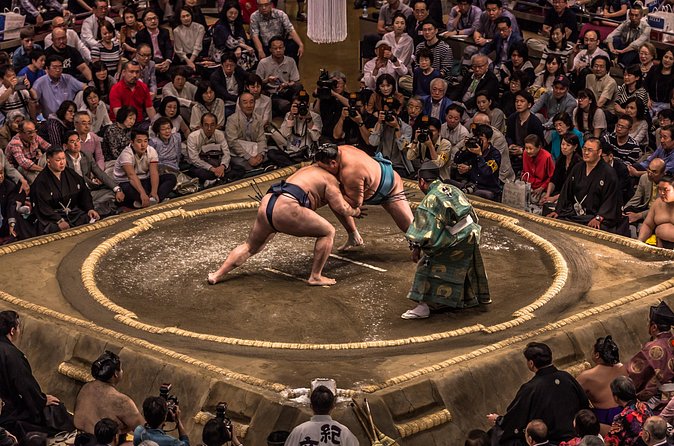
Your seat category makes a real difference.
Basic D seats are in the upper corners of the arena. You get a complete view of the ring, but the wrestlers will look smaller. The arena is compact, so the view remains clear, yet binoculars are recommended if you want to study grips and footwork.
Standard B or C seats are in the main arena and use comfortable chair seating. They offer a better blend of ring visibility and crowd atmosphere. Binoculars are still recommended for the closest look at the action.
Premium A or S seats are in the front arena section, closest to the ring. These are the choice for someone who cares most about seeing the wrestlers up close and feeling the force of each bout.
All seats are reserved in advance according to the option you select. If your budget is tight, D seating still lets you see the entire match and take in the ceremony. If this is a major reason for your Japan trip, premium seating may make sense. The matches can be brief, so distance affects how much detail you catch.
At $142.40 per person, the value depends heavily on your seat category and interest in sumo. You are paying for more than entry. The price includes reserved seating, a local English-speaking guide, an information pamphlet, the banzuke-hyo, an audio headset, and the service involved in securing tickets.
That can be worthwhile for a first visit, especially if you do not know the rules or Japanese terms. It is less attractive if you mainly want the cheapest possible way into the arena and are happy to work out the sport by yourself.
Group discounts are available, so the price may work better for families or friends booking together. Meals and drinks are not included unless you select the dinner option.
Waiting before entry and exploring the venue
You may have to wait before taking your seat. The tour operator must wait for all current sumo matches to end before bringing the group into the seating area. This protects the event experience, but it means the advertised four-hour schedule can include a period without a seat.
Use that time to listen to the guide and get familiar with the venue. You may also encounter congestion at the Sumo Museum. The guide can recommend visiting it independently if the group cannot move through it comfortably.
Food is available from vendors inside the arena, but you cannot bring outside food or drinks inside. Keep that in mind if you are arriving hungry. If you want a proper meal connected to sumo culture, add the chanko dinner instead of relying on arena snacks.
Adding chanko nabe after the tournament
Chanko nabe, often called sumo stew, is a Japanese hot pot built around chicken stock and vegetables. It became closely associated with sumo because a large pot can be prepared at once, making it practical for hungry wrestlers and the people who train with them.
The optional dinner gives the sport a useful food connection. You are not just watching wrestlers compete; you are learning about the meal that supports life inside a stable.
Chanko is the default dinner if you add the meal option, and drinks are not included. Sukiyaki or a vegetarian option can be requested at least one week in advance through the special requirements field. Traditional chanko broth often contains pork or chicken, although the restaurant may substitute the broth for a vegetarian request.
Once the dinner request is accepted, changes cannot be made during the week before the tour. If you have dietary needs, state them early and do not assume that a last-minute change will be possible.
Who will get the most from this experience
I would choose this tour if you want more than a seat in a sports arena. It suits you especially well if:
- You are visiting Osaka during the March tournament.
- You have never watched sumo and want the rules explained in English.
- You care about ritual, rankings, and the daily life of wrestlers.
- You prefer reserved chair seating rather than trying to arrange tickets yourself.
- You want the option of a traditional chanko meal.
- You are traveling with friends or family and can use the group discount.
It may not suit you if you dislike fixed schedules or waiting. The group must stay together, the tour can require a minimum of 15 people, and late arrivals may be left behind. The non-refundable policy also makes this a poor match for an uncertain itinerary.
The tour has been led by guides such as Yuka, whose job is to keep the group oriented, explain the sport, and make the venue easier to understand. The experience is built around a local guide rather than a printed handout alone, although you do receive a pamphlet and ranking chart to keep.
Booking early and protecting your plans
Book as early as you can, ideally about three months before your visit, or at least one month ahead. The operator needs time to arrange a guide, tickets, and any restaurant reservation.
Group tickets are released by the Sumo Association roughly four to seven weeks before the tour date. If tickets cannot be obtained, you are notified within four weeks of the tour and offered another date or a full refund.
The tour itself is non-refundable and cannot be changed for personal reasons. That is the key booking risk. If the minimum number is not reached and the operator cancels, you are offered another experience or a full refund. If you cancel, however, you should not expect your payment back.
Is the Sumo Tournament Experience worth booking?
I would book it if your Osaka dates match the March basho and you want help making sense of sumo. The guide, audio headset, reserved seat, ranking chart, and optional chanko dinner give the event structure without stripping away its local character.
Choose D seats if you mainly want to witness the tournament at the lowest listed level and are willing to use binoculars. Choose B or C for the best balance of view and cost. Choose A or S if seeing the wrestlers close up is a top priority.
This is a strong choice for first-time sumo viewers, culture-focused visitors, and groups that want a memorable half-day event. It is not the right pick for a flexible, last-minute plan. Confirm your March dates, arrive early, check the meeting email, and book only when you are confident you can attend.
FAQ
When does the Osaka sumo tournament take place?
The official Osaka tournament takes place each March. It lasts 15 days, with the opening and closing dates falling on Sundays.
Where does the experience take place?
The experience takes place at EDION Arena Osaka.
What time does the tour start?
The listed start time is 2:00 pm. You should arrive at least 10 minutes before the meeting time.
How long does the experience last?
The experience lasts approximately four to five hours.
How many people can join the group?
The group can include up to 24 people. At least 15 people are required for the tour to operate.
What seat options are available?
The options are Basic D seats, Standard B or C seats, and Premium A or S seats. D seats are in the upper corners, B and C seats are in the main arena, and A and S seats are in the front arena section.
Are meals included?
Meals and drinks are not included unless you select the dinner option during booking. Chanko hot pot is the default dinner, with sukiyaki or a vegetarian option available by request.
Can I bring food and drinks into the arena?
No. Outside food and drinks are not allowed, but food can be purchased from vendors inside the arena.
What happens if I arrive late?
The group may leave without you. You receive the guide’s phone number before the tour and can call to arrange a meeting point later in the experience.
Can I cancel the experience for a refund?
The experience is non-refundable and cannot be changed for personal reasons. If the operator cancels because the minimum number is not reached, you are offered another date or experience, or a full refund.
Just added for fans in Japan
- Tokyo: Grand Sumo Morning Training Tour★ 4.9 · 12 reviews
- Sumo Training Watching Experience in Tokyo★ 4.5 · 8 reviews
- Kickboxing & Body Training with EX-Pro Fighter★ 5.0 · 4 reviews
- Tokyo: Visit Sumo Morning Practice with English Guide★ 4.5 · 22 reviews
- Tokyo Sumo Experience with Live Show & Audience Challenge★ 5.0 · 38 reviews
- 【SUMO FESTIVAL】Tokyo Ginza: Sumo Show & Photo Experience★ 4.5 · 41 reviews
- Tokyo Shinjuku Sumo Show and Experience with Drinks and Photo★ 4.0 · 21 reviews
- Tokyo Sumo History Tour with Chanko Nabe Lunch★ 5.0 · 3 reviews
Sumo Experiences, compared.
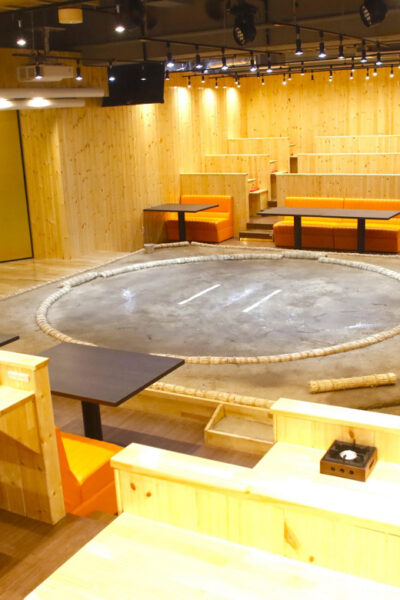
Sumo Show Experience with Chicken Hot Pot and a Photo
Read our review →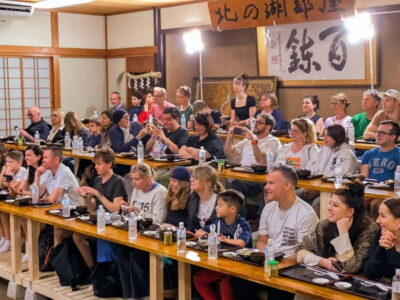
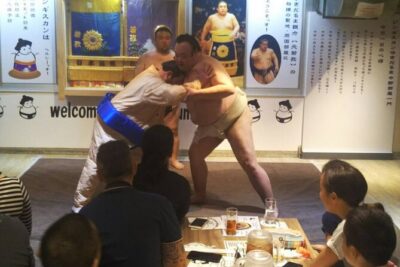
Tokyo Shinjuku Sumo Show & Experience with Photo
Read our review →
Tokyo Sumo Entertainment Show with Chicken Hot Pot and Photo
Read our review →
Tokyo Grand Sumo Tournament Viewing Tour with Tickets
Read our review →Browse the lists this tour appears in