
Review · SUMO EXPERIENCES IN TOKYO
Tokyo Ginza : Sumo and Mikoshi Experience,Open from Sep.
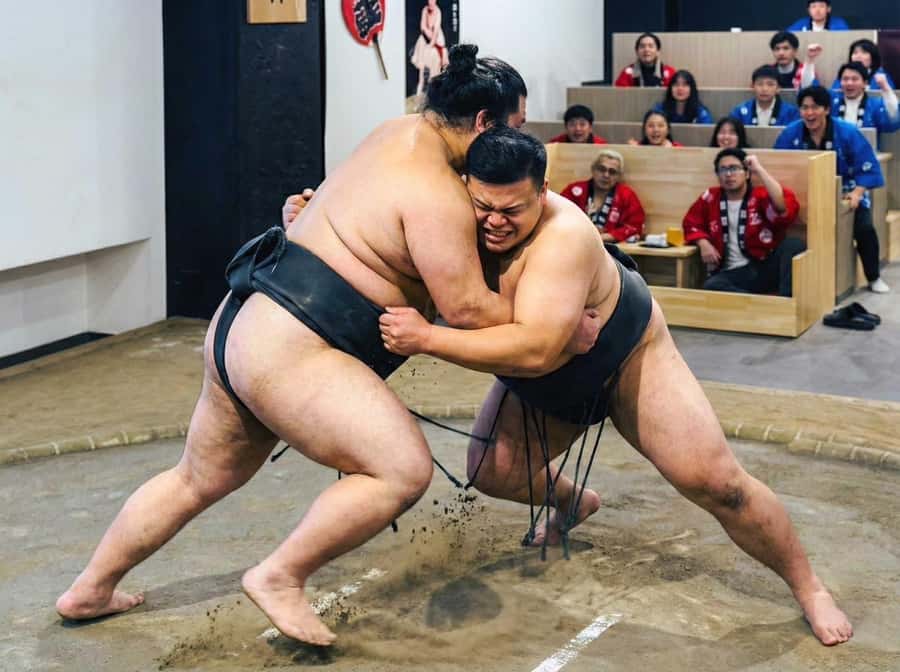
The most memorable part of this Ginza experience is the chance to get close to real sumo wrestlers, then step into the ring yourself. You will see demonstrations, learn basic sumo rules and winning moves, eat the kind of hot pot associated with wrestlers, and join a festival-style mikoshi activity. The hands-on format makes this more than a show.
I especially like the personal contact with retired wrestlers and the mix of sumo with festival customs. The chanko hot pot gives the meal a clear link to sumo life, while the mikoshi activity adds something you will not get at a standard wrestling performance. The main caution is that the sumo is an entertaining stage show, not serious morning training or a professional tournament, and General seating does not guarantee a turn in the ring.
Key points at a glance
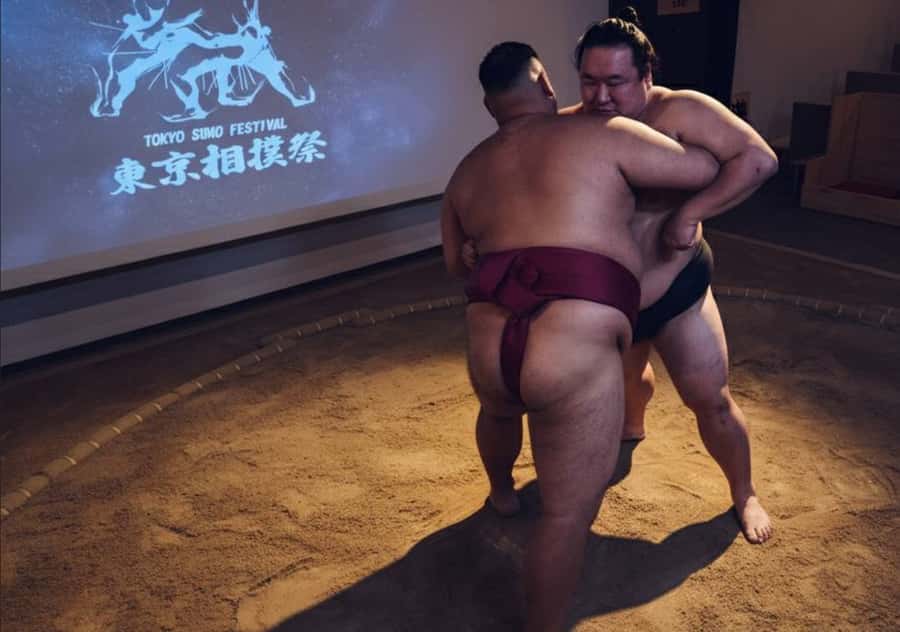
- Try sumo with a retired wrestler: Selected participants can enter the ring and test their strength against a former professional.
- Eat chanko hot pot in Ginza: Choose chanko nabe or a snack plan, with vegetarian and vegan meals available if requested in advance.
- Carry a real mikoshi: Join a festival-style activity involving a traditional portable shrine.
- General seating uses a lottery: Premium and Box seat holders are guaranteed sumo participation.
- Easy central Tokyo location: Ginza INZ is a short walk from Yurakucho, Ginza-Itchome, and Ginza stations.
- English support is available: Staff explain the activities in English, making the program workable for international visitors.
Sumo at close range in Ginza
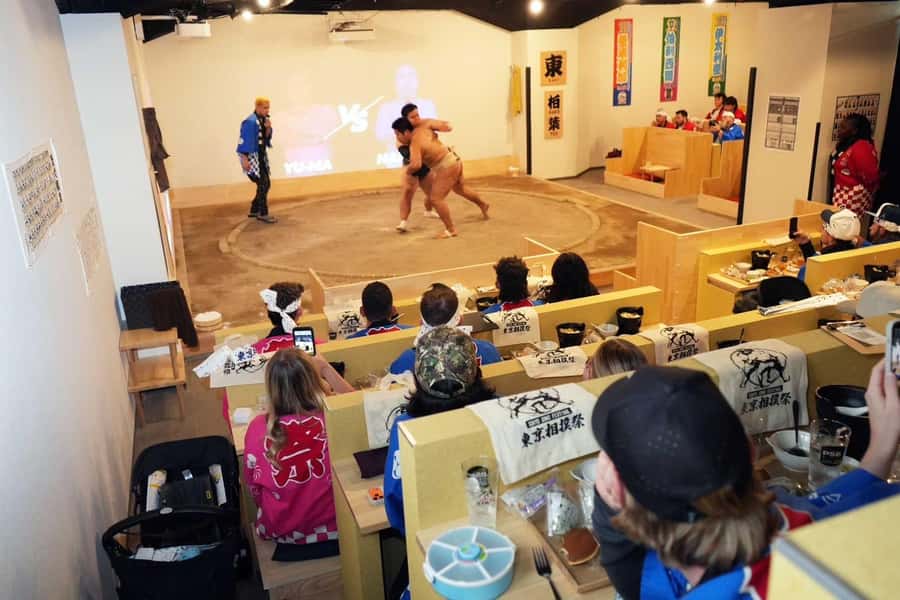
Most people associate sumo with Ryogoku, Tokyo’s traditional sumo district. This experience takes a different route, placing sumo inside Ginza, one of the city’s best-known shopping and dining areas. That makes it easy to add before dinner, after shopping, or alongside a visit to Tokyo Station.
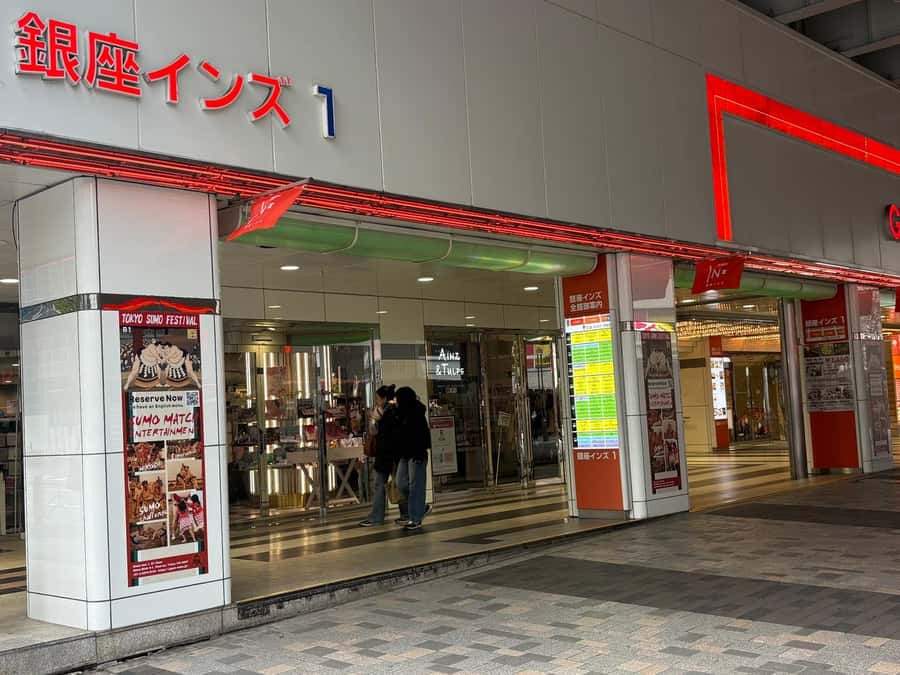
The setting is Ginza INZ 1, on the first basement floor. You will not be watching from a distant arena seat. The format is designed to bring the wrestlers close to you, explain what they are doing, and invite you into the action.
You can expect a lively presentation rather than a quiet cultural lecture. The staff explain sumo rules and winning techniques in a way suited to adults and children, with comedy and audience participation built into the program. That tone matters. If you want the strict atmosphere of a professional tournament, this is not a substitute. If you want to understand the basics while having a good time, it works much better.
The show also gives you a glimpse of the people behind the sport. Former wrestlers demonstrate techniques and interact with the audience, so you get a sense of the size, balance, and force involved. Even a short push against a trained wrestler quickly shows why sumo is not simply a matter of being heavy.
More Sumo Experiences in Tokyo
- Tokyo: Sumo Show and Dining Experience
★ 4.8 · 2,742 reviews - the SUMO show
★ 5.0 · 1,960 reviews - Tokyo Shinjuku Sumo Show & Experience with Photo
★ 5.0 · 1,750 reviews
What happens during the sumo program
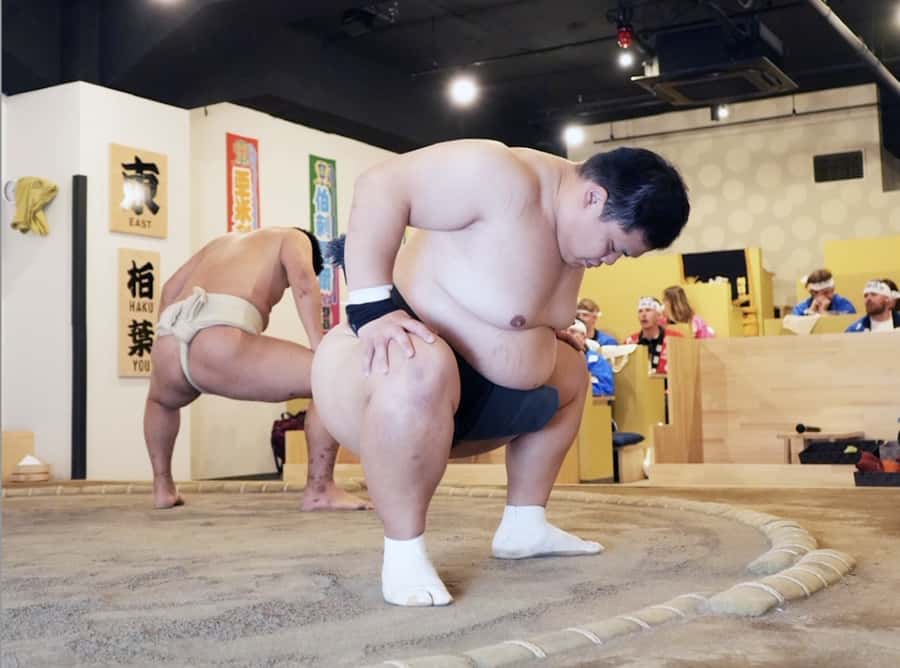
The program begins with a look at sumo training and demonstrations. You will see basic movements and learn why a wrestler’s stance, footwork, and balance matter. The explanations are intended to be clear and entertaining, so you do not need prior knowledge of sumo.
The demonstrations lead into explanations of winning techniques. This is one of the more useful parts for first-time viewers. Sumo can look simple from a distance, with two people pushing and shoving, but the outcome often depends on timing, position, and the ability to force an opponent out of the ring. The show gives you a way to watch those details with a better eye.
Then comes the audience participation. You may be invited to put on sumo-style clothing and step into the ring to face a wrestler. The experience is playful, but the size difference is real. One participant described expecting personal strength to give him a chance, only to find that defeating a professional was completely impossible. That is exactly the lesson: sumo technique and balance can overpower ordinary effort very quickly.
Participation is limited. If too many people want to try, General seating is handled by lottery. This is an important booking detail, especially if entering the ring is the main reason you are coming. Premium and Box seats guarantee sumo participation, so they offer a clear advantage for families, enthusiastic fans, or anyone who does not want to leave this part to chance.
Even if you are not selected, you still watch the demonstrations and can enjoy the wider festival program. The practical question is how much the guaranteed turn is worth to you. At $97 per person, the experience already includes a meal, show, mikoshi activity, and souvenir. Paying for a higher seat may make sense if the ring challenge is your priority, but the standard option remains a reasonable choice if you mainly want the cultural program.
Chanko hot pot gives the meal a purpose
Food is part of the story here, not just a break between activities. Chanko nabe, usually translated as chanko hot pot, is closely associated with the meals eaten by sumo wrestlers. The exact ingredients are not specified, so you should think of it as a sumo-linked communal meal rather than a promise of one fixed recipe.
You can select a chanko hot pot plan or a snack plan. The hot pot is the better choice if you want the full food angle and expect to arrive hungry. The snack plan may suit you if you have dinner plans in Ginza or prefer to keep the meal lighter.
Drinks are not included, so budget separately for them. Vegetarian and vegan meals can be provided, but you need to notify the operator at least two days before your reservation date. Gluten-free and halal meals are not available, though you may bring your own food.
The meal helps connect the performance to daily sumo culture. You are not simply seeing wrestlers perform in costume, then moving on. You are also trying a food style linked to the way wrestlers eat. That connection gives the experience more substance than a basic photo opportunity.
The mikoshi brings festival energy
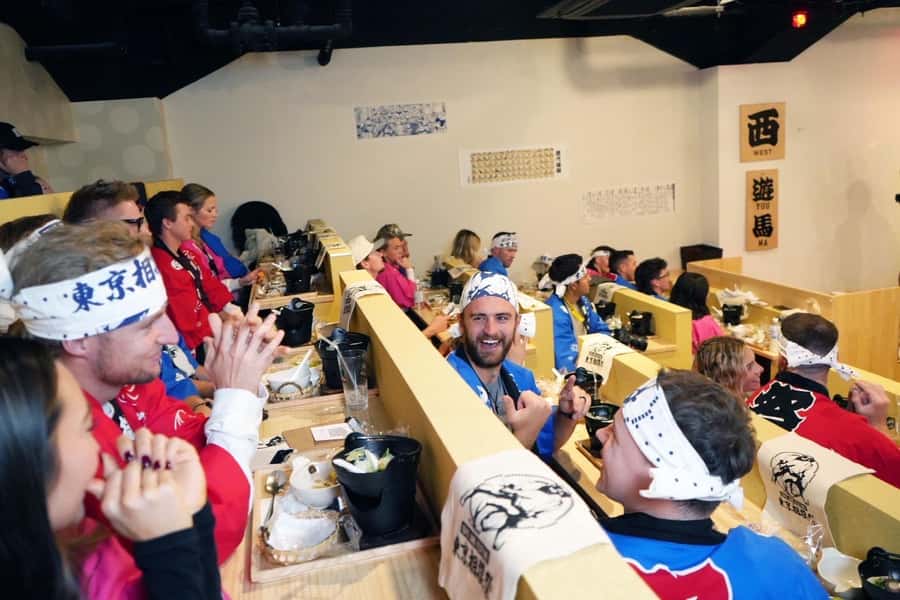
After the sumo portion, you get to help carry a mikoshi. A mikoshi is a portable shrine carried through the streets during Japanese festivals. It represents a local shrine being brought into the community, and carrying one usually depends on teamwork, rhythm, and shared effort.
Here, the activity takes place inside the Ginza facility as part of a festival-themed program. You may also wear a happi, the short coat often associated with Japanese festivals. That small costume detail helps shift the mood from spectator to participant.
The mikoshi is a particularly good addition because it introduces a different side of Japanese culture. Sumo focuses on one-on-one force and technique. Carrying a portable shrine is collective, noisy, and social. You are not just watching a custom from the sidelines. You are joining a simplified version of it with the people around you.
The activity is also unusual within a Tokyo sightseeing schedule. Many cultural experiences offer food, costumes, or a demonstration. Fewer give you a chance to help carry a mikoshi. If you have already seen temples and shrines, this offers a new way to understand how shrine traditions can become part of a festival.
Same city, a different fixture:
- Tokyo: Sumo Show and Experience in Shinjuku
★ 4.8 · 1,001 reviews - Tokyo Grand Sumo Tournament Viewing Tour with Tickets
★ 5.0 · 692 reviews - Tokyo Sumo Wrestling Tournament Experience
★ 5.0 · 660 reviews - Tokyo:Luxury Sumo Show Experience & Japanese cuisine & Drink
★ 4.7 · 577 reviews
What the $97 price really covers
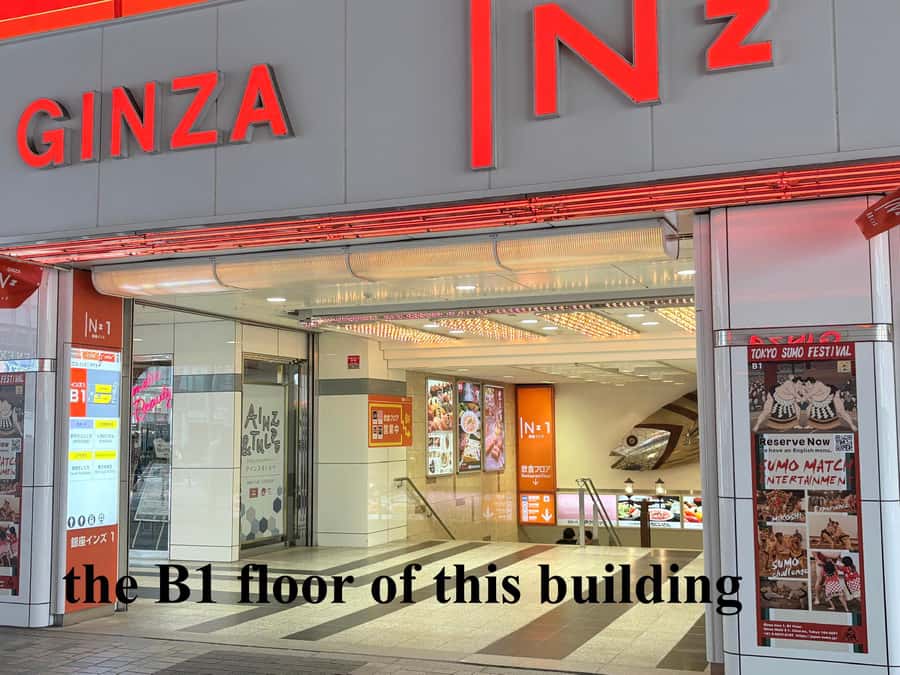
At $97 per person, this is not the cheapest way to watch sumo. You are not buying a basic performance ticket. The price includes the show, a meal or snack, mikoshi participation, a possible sumo bout, and a souvenir.
That package can represent good value if you want several activities in one stop. A professional sumo tournament is a different experience, with formal bouts and a large arena atmosphere. It may also require careful planning around tournament dates and seating. This Ginza program gives you a more direct, participatory introduction without leaving central Tokyo.
The value is strongest for first-time visitors, families, and people who want photographs and physical activities as part of their cultural sightseeing. It is less suitable for a serious sumo fan who wants authentic competition, full-length bouts, or the quiet discipline of a morning practice session.
The souvenir is included, though the item can change by season. Do not book this expecting a specific gift. Treat it as a small extra rather than a major part of the price.
Finding Ginza INZ without losing time
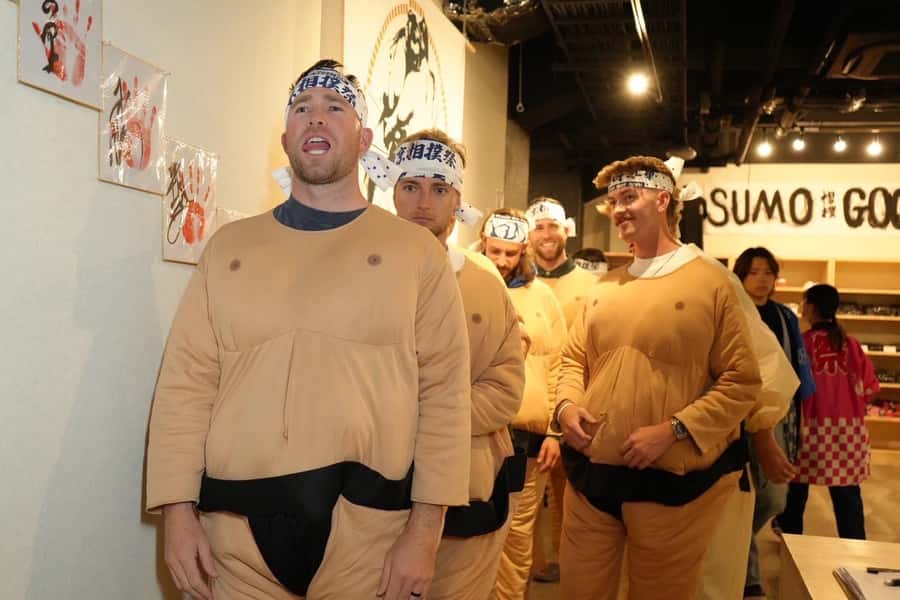
The meeting point is Ginza INZ 1, B1, at 1 Nishi 3-chome, Ginza, Chuo City, Tokyo. The facility is underground, so allow time to find the correct entrance and descend to the first basement floor.
Access is excellent:
- JR Yurakucho Station is about a three-minute walk.
- Tokyo Metro Ginza-Itchome Station is about a two-minute walk.
- Tokyo Metro Ginza Station is about a four-minute walk.
The short distances are useful, but underground shopping complexes can still be confusing. One participant had trouble finding the venue with Google Maps and arrived late. Staff waited and helped with the arrival, but I would not rely on that. Give yourself extra time, especially if you are coming from another part of Tokyo or need to locate the right basement entrance.
Ginza is a practical place to build around the activity. You can shop nearby, eat before or after the program, or connect easily with Tokyo Station. The activity ends at the same place where it starts, so there is no second drop-off point to navigate.
Who will enjoy this most
I would recommend this to you if you want an active cultural experience rather than a passive performance. The strongest fit includes:
- Families looking for an activity children can understand and join
- First-time visitors curious about sumo
- Couples who want something unusual to do in central Tokyo
- People who enjoy food connected to local traditions
- Visitors who want festival customs as well as sports
- Anyone who values English explanations and easy rail access
The show is designed for adults and children, but it is still wise to consider the physical part. Ring participation and mikoshi carrying involve movement. If you use a wheelchair, limited wheelchair seating is available, so tell the operator when booking.
The program may also suit you if you are not a sports fan. The explanations, costumes, meal, and festival activity give it several points of interest beyond wrestling. On the other hand, if you dislike audience participation or prefer solemn cultural events, the lively, comedic approach may feel too theatrical.
Important differences from serious sumo
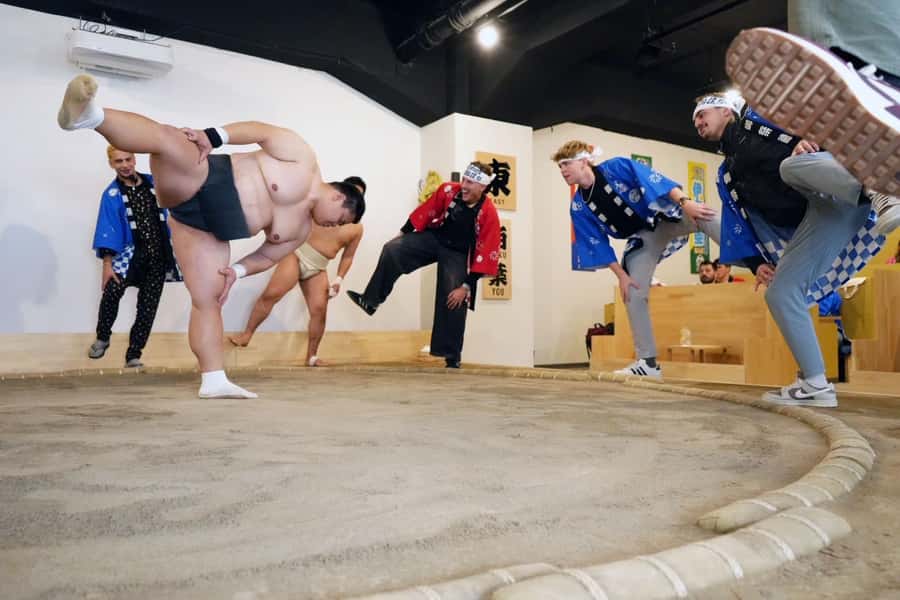
Set your expectations correctly. This is not a professional bout at a major tournament, and it is not the same as watching serious morning practice. The show is built for entertainment, with audience involvement and explanations shaped for visitors.
That does not make it worthless or fake. It simply gives you a different kind of access. You get close to former wrestlers, learn the basics, try the ring if selected, and take part in a festival activity. The value lies in contact and participation, not in seeing a championship match.
I like this distinction because it prevents disappointment. Book it for a friendly, hands-on introduction to sumo culture. Do not book it expecting the tension, silence, and sporting stakes of a formal competition.
Booking choices and practical planning
The most important choice is your seating category. General seating may include ring participation through a lottery. Premium and Box seats guarantee it. If you are booking for a child who is determined to wrestle, or if you are traveling a long way specifically for that moment, guaranteed participation removes a major uncertainty.
Tell the operator how many people want the chanko nabe and snack plan through the booking message system. Give dietary requests at least two days before the date. Drinks cost extra, and gluten-free or halal food is not provided.
The activity is offered from September, according to the provided schedule. Check the available date before planning your day around it. English is supported, and the entire activity returns to the Ginza meeting point.
Cancellation is flexible up to 24 hours in advance for a full refund, and you can reserve now and pay later. Those terms help if your Tokyo plans are still shifting, but you should still confirm the date and seating choice before committing.
Should you book the Tokyo Sumo Festival?
Book this experience if you want to get close to sumo, eat a related dish, and take part in a festival custom during one lively visit. The combination of a retired wrestler, possible ring participation, chanko hot pot, happi clothing, and mikoshi carrying is unusual, and the central Ginza location makes it easy to fit into a Tokyo day.
Choose Premium or Box seating if wrestling a real sumo wrestler is essential. Choose General seating if you are comfortable with a lottery and mainly want the demonstrations, food, mikoshi activity, and atmosphere.
Skip it if your goal is serious competitive sumo or formal morning practice. For everyone else, especially families and first-time visitors, the $97 price buys a well-rounded cultural activity rather than just a seat in an audience.
FAQ
Where does the Tokyo Sumo Festival take place?
It takes place at Ginza INZ 1 B1, 1 Nishi 3-chome, Ginza, Chuo City, Tokyo, Japan. The facility is on the first basement floor.
How close is the venue to public transportation?
It is about a three-minute walk from JR Yurakucho Station, a two-minute walk from Tokyo Metro Ginza-Itchome Station, and a four-minute walk from Tokyo Metro Ginza Station.
Is sumo participation guaranteed?
General seating participation is decided by lottery if many people want to participate. Premium and Box seats guarantee sumo participation.
What food is included?
You can choose a chanko hot pot plan or a snack plan. Drinks are not included.
Can vegetarian or vegan meals be provided?
Yes. You must request vegetarian or vegan food at least two days before the reservation date.
Are gluten-free or halal meals available?
No. Gluten-free and halal meals cannot be provided, but you may bring your own food.
Is the activity available in English?
Yes. English is the listed activity language, and the staff explain the program in English.
Does the activity finish at the same place?
Yes. The activity ends back at the Ginza meeting point.
Just added for fans in Tokyo
- Tokyo: Grand Sumo Morning Training Tour★ 4.9 · 12 reviews
- Sumo Training Watching Experience in Tokyo★ 4.5 · 8 reviews
- Kickboxing & Body Training with EX-Pro Fighter★ 5.0 · 4 reviews
- Tokyo: Visit Sumo Morning Practice with English Guide★ 4.5 · 22 reviews
- Tokyo Sumo Experience with Live Show & Audience Challenge★ 5.0 · 38 reviews
- Tokyo Shinjuku Sumo Show and Experience with Drinks and Photo★ 4.0 · 21 reviews
- Tokyo Sumo History Tour with Chanko Nabe Lunch★ 5.0 · 3 reviews
- 【SUMO FESTIVAL】Tokyo Ginza: Sumo Show & Photo Experience★ 4.5 · 41 reviews
Sumo Experiences in Tokyo, compared.
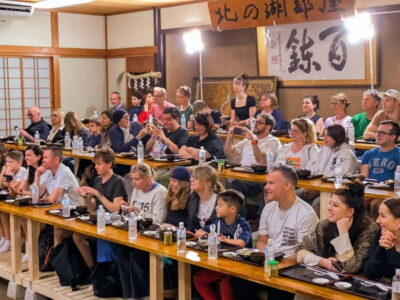
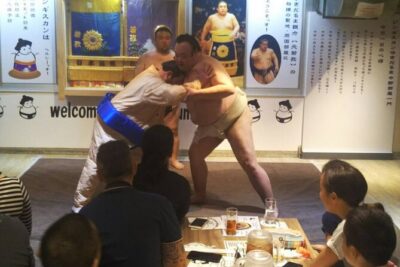
Tokyo Shinjuku Sumo Show & Experience with Photo
Read our review →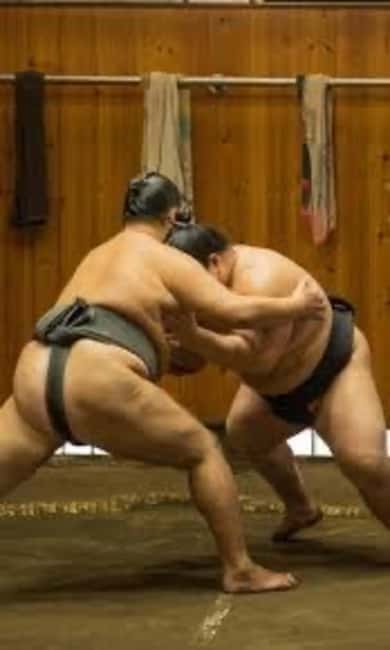
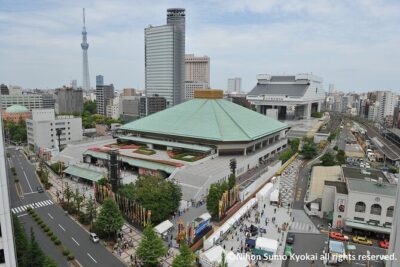
Tokyo Grand Sumo Tournament Viewing Tour with Tickets
Read our review →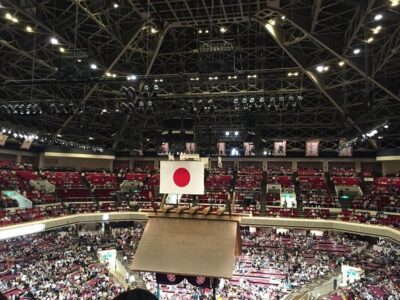
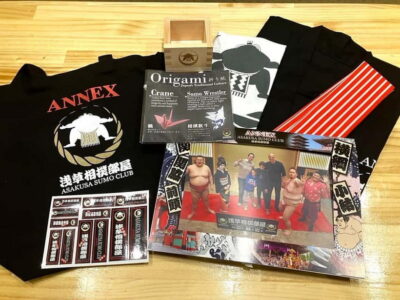
Luxury Sumo Show Experience & Japanese cuisine & Drink
Read our review →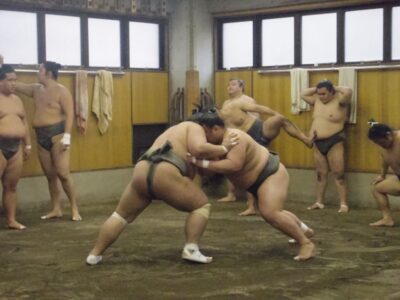
Browse the lists this tour appears in