
Review · SUMO EXPERIENCES IN TOKYO
Tokyo Grand Sumo Tournament Viewing Tour
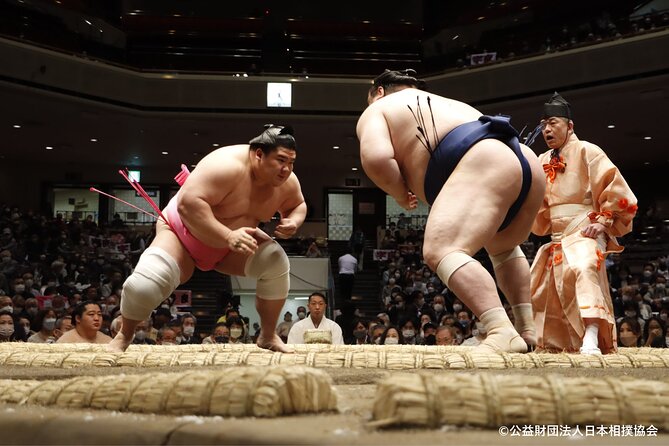
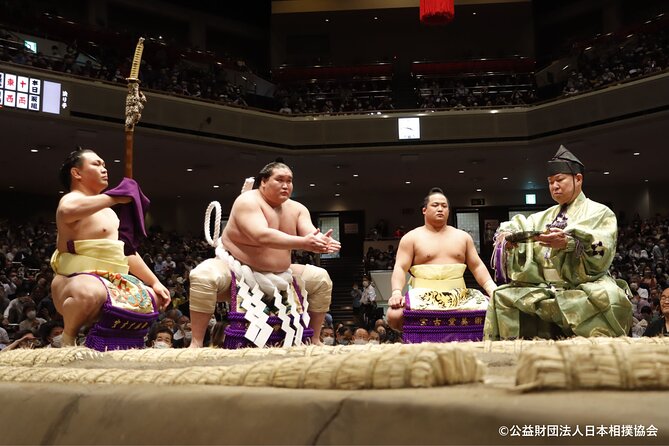
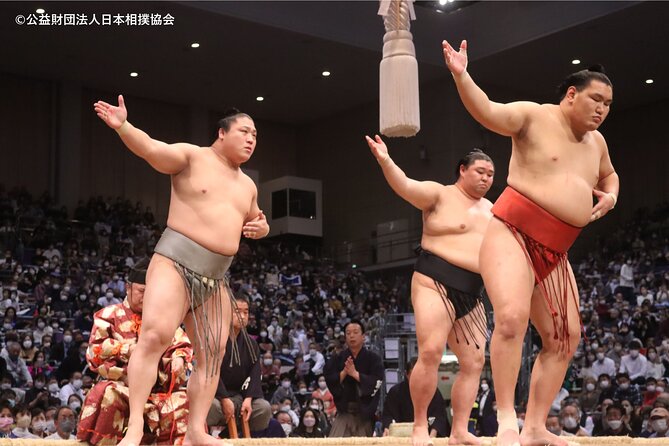
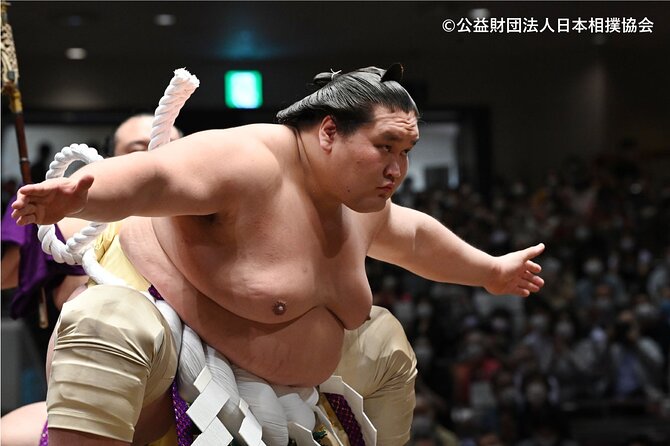
Tokyo’s Grand Sumo Tournament is not just a sporting event. It is a carefully staged piece of Japanese culture, with ceremonial processions, ritual gestures, rank lists, and enormous wrestlers meeting in bouts that can last only seconds. By late afternoon, the atmosphere inside Ryogoku Kokugikan can become electric, especially as the top-ranked wrestlers appear.
I like the combination of live action and cultural context, particularly the Sumo Museum and the chance to walk through Eko-in Temple and Kyu-Yasuda Gardens before the matches. I also like that the tour includes a second-floor tournament ticket and a sumo rank list, so you have a better sense of who is competing. The main drawback is strict timing: miss the ticket pickup or walking-tour departure, and your booking may be canceled.
Key points to know before you book
- The day begins at Ryogoku Station: Ticket-only participants collect tickets from 12:45 to 1:00 PM. The walking tour meets from 1:15 to 1:30 PM.
- You get a second-floor Kokugikan ticket: Seats may not be assigned in advance, and group seating requests are not guaranteed.
- The walking plan adds local context: It includes Eko-in Temple, Kyu-Yasuda Gardens, the stadium, and the Sumo Museum before match viewing.
- The matches begin at 3:00 PM: You may need to wait before entering the seating area if a bout or formal ceremony is underway.
- Food must be bought inside: Outside food, drinks, and alcohol are prohibited, while arena vendors sell refreshments.
- Pack light and arrive early: Large luggage cannot enter the seating area, and late arrivals can lose their reservations.
Why a sumo tournament feels different from ordinary sport
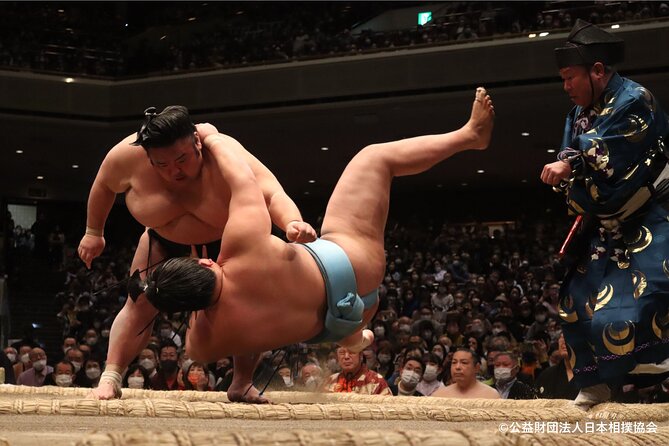
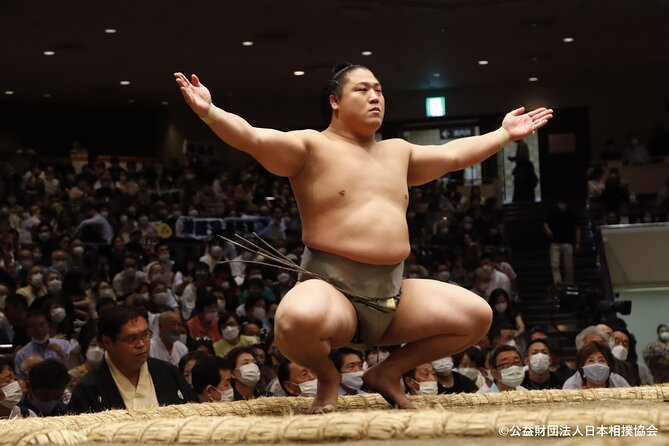
Sumo has a slow, formal rhythm before the physical contest begins. Wrestlers enter, prepare, stamp, and face one another while the crowd waits. Then the bout itself may be over almost as soon as it starts.
That contrast is the heart of the experience. You are not simply watching two athletes push and grapple. You are seeing a sport wrapped in ceremony, rank, tradition, and strict rules of conduct. The included rank list helps you follow the wrestlers and gives the event a useful frame, especially if this is your first tournament.
The setting matters, too. Ryogoku Kokugikan is Tokyo’s main sumo arena, and the tournament takes place in the district most closely associated with the sport. The result feels more grounded than a staged cultural demonstration. You sit among a real tournament audience and watch the day build toward the highest-ranked matches.
The afternoon can last about five hours from meeting time to the main viewing period and related activities. The match viewing begins at 3:00 PM, but you should not treat that as your arrival time. Your schedule starts well before the first bout you plan to watch.
More Sumo Experiences in Tokyo
- Tokyo: Sumo Show and Dining Experience
★ 4.8 · 2,742 reviews - the SUMO show
★ 5.0 · 1,960 reviews - Tokyo Shinjuku Sumo Show & Experience with Photo
★ 5.0 · 1,750 reviews
Choosing between ticket-only and the walking plan
You have two ways to use this experience. The ticket-only arrangement is the simpler choice. Meet at Ryogoku Station between 12:45 and 1:00 PM, collect your tournament ticket, and continue to the arena on your own.
This option suits you if you already know Ryogoku, prefer to set your own pace, or want to spend extra time around the stadium and its shops. It also removes the walking portion, which may appeal if you have young children, limited time, or little interest in adding temples and gardens to the afternoon.
The walking plan begins later, with a meeting window from 1:15 to 1:30 PM. The walk starts at 1:30 PM and includes Eko-in Temple, Kyu-Yasuda Gardens, entry to Kokugikan, and the Sumo Museum before the 3:00 PM match viewing.
I prefer the walking plan for a first visit because it gives the tournament more context. Eko-in Temple connects the area to older religious and local traditions, while Kyu-Yasuda Gardens offer a calmer change of pace before you enter the large arena. You should wear comfortable walking shoes. The tour involves a moderate amount of walking, and the schedule leaves little room for wandering off.
Heavy rain or other poor weather can cancel the walking portion. You still receive your sumo ticket and can visit the museum and stadium independently, so bad weather does not erase the main part of the experience.
Meeting at Ryogoku Station requires careful planning
The meeting instructions are unusually strict, and you should take them seriously. Ticket pickup takes place only on your reserved tournament day. The ticket-only meeting window ends at 1:00 PM, while the walking plan begins at 1:30 PM after its earlier meeting period.
Arrive at least 10 minutes before the relevant departure time. Ryogoku is easy to reach by public transportation, but Tokyo stations can take longer to navigate than expected. Give yourself time to find the correct exit, use the restroom, and reach the meeting point without rushing.
Late arrival is more serious than simply missing the start of a group walk. Reservations can be canceled if you are late for departure, and the experience is non-refundable. You cannot change or cancel it for a refund, so choose your tournament date carefully before paying.
The group can include up to 20 people. That is small enough for an organized walk, but it is not a private tour. You should expect a shared pace and a set schedule.
Eko-in Temple and Kyu-Yasuda Gardens add useful context
The walking plan is short, but its stops help you see Ryogoku as more than the address of a stadium.
Eko-in Temple gives the afternoon a religious and historical setting before the modern tournament arena. The supplied details do not specify how long the group spends there or what particular features the guide discusses, so you should think of it as a brief stop rather than a full temple tour.
Kyu-Yasuda Gardens provide a quieter outdoor pause. The garden visit breaks up the trip to Kokugikan and gives you a chance to walk before sitting for several hours. This is a practical benefit, not just a sightseeing extra. Sumo viewing involves a long period in the arena, and a little movement beforehand can make the afternoon more comfortable.
The walking route is best for you if you want a broader look at the neighborhood. If your main goal is simply to get inside the arena as early as possible, the ticket-only option gives you more control.
Same city, a different fixture:
- Tokyo: Sumo Show and Experience in Shinjuku
★ 4.8 · 1,001 reviews - Tokyo Grand Sumo Tournament Viewing Tour with Tickets
★ 5.0 · 692 reviews - Tokyo Sumo Wrestling Tournament Experience
★ 5.0 · 660 reviews - Tokyo:Luxury Sumo Show Experience & Japanese cuisine & Drink
★ 4.7 · 577 reviews
Inside Kokugikan, start with the Sumo Museum
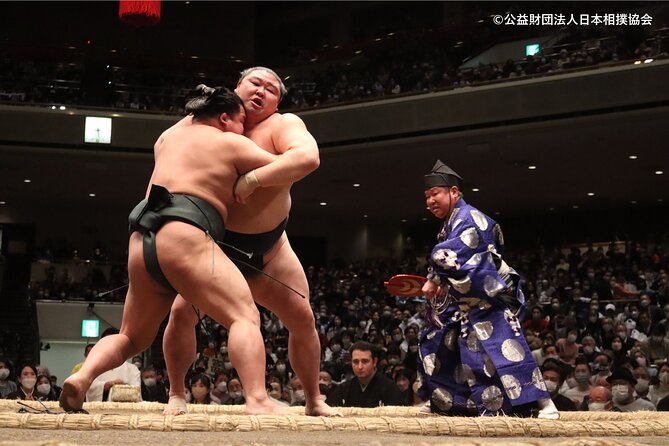
The Sumo Museum is included with entry to the arena. Its displays include woodblock prints, folding screens, and ceremonial aprons dating as far back as the Edo period.
That collection gives you a useful visual introduction to sumo. The sport can seem difficult to follow when you first arrive, especially if you do not know the ranks or the formal stages of the day. Museum objects help show how sumo has been represented and practiced across time.
Try to visit the museum when the schedule allows, but remember that the arena may restrict seating access during an active bout or ceremony. You may need to wait if a match is taking place, if the Sumo Association is giving a speech on the final tournament day, or if a formal procession is underway.
The waiting periods are not necessarily wasted time. A ring procession, the entrance of the top division, or a ritual ceremony is part of what makes tournament day different from a regular sporting event. Still, you should follow staff instructions rather than trying to reach your seat during a formal moment.
Second-floor seats give you the full arena picture
The included ticket is for the second floor. Seats may not be designated ahead of time, and the final seating information is provided on the day.
If sitting together is important, request it when booking. Staff will try to accommodate group seating, but no arrangement is guaranteed. This matters most for families or friends who want to discuss the matches together rather than sit separately.
A second-floor position can help you see the entire ring and the movement around it. You may not have the close-up view associated with premium ringside seating, but the higher angle can make the ceremonies and broader arena activity easier to follow.
Children up to three years old may join, but they must sit on a parent or guardian’s lap during the viewing. That rule is worth considering before you book, since a long period without an individual seat can be tiring for both child and adult.
Photography with your own smartphone or other device is not permitted. Do not count on recording the bouts or taking pictures from your seat. The best approach is to watch the rituals, use the rank list, and enjoy the event without treating it like a photo stop.
Food inside the arena requires an early plan
Food and drinks are not included, and you cannot bring your own food, drinks, or alcohol into Kokugikan. You can purchase refreshments from vendors inside the arena.
Buy food earlier rather than waiting until the busiest part of the afternoon. Popular items may sell out, and the arena can feel warm on the second floor. A small personal fan may be useful, especially if you tend to get uncomfortable in warm indoor spaces.
This is one place where the tour’s simplicity has a tradeoff. You get the ticket and printed material, but you handle food purchases yourself. Bring enough money for what you want to buy, and avoid carrying a large bag that you will later need to store.
Shops offer a practical souvenir stop
Kokugikan has shops on the first and second floors. You can browse sumo-related items, fans, stationery, sweets, and other merchandise.
The shops are useful if you want a small souvenir tied directly to the event rather than a generic Tokyo keepsake. A sumo rank list and brochure are included, while purchases from the shops cost extra.
Allow time for shopping without making it the priority. The tournament schedule controls the afternoon, and access to the seating area may pause during bouts or ceremonies. If you see something you want, buying it earlier is safer than assuming you can return later.
The 3:00 PM matches are the afternoon’s main event
Match viewing begins at 3:00 PM. The early part of the day builds toward this point, but the arena experience is not limited to the individual bouts.
Watch how the crowd reacts to the wrestlers’ entrances and formal movements. Notice how much attention goes to preparation, rank, and ceremony before the physical contest begins. The contrast between stillness and sudden force is what makes sumo so compelling.
By the later matches, the mood becomes more intense. The atmosphere can feel electric, especially when the higher-ranked wrestlers enter. If you are expecting a nonstop contest like baseball or soccer, adjust your expectations. Sumo gives you short bursts of action surrounded by ritual and anticipation.
The included rank list is especially helpful here. Keep it with you and use it to follow the competitors and their standing. Even a basic understanding of rank makes the program easier to follow.
Value depends on tournament access, not just the ticket
The listed price is shown as $0.00, which should not be treated as a promise that the complete experience costs nothing. Tournament tickets are subject to availability, and the final booking price and conditions should be checked before you confirm.
The value is strongest when official tournament tickets are difficult to obtain. The experience includes a second-floor ticket, a rank list, a brochure, and, on the walking plan, several neighborhood stops and museum access. That combination can save you the trouble of trying to arrange tournament entry on your own.
The tradeoff is limited flexibility. You cannot cancel or amend the booking for a refund, seats may not be assigned in advance, group seating is not guaranteed, and late arrival can cost you the reservation. I would consider it good value for a fixed-date visit if seeing live sumo is a top priority, but a poor fit if your schedule may change.
Confirmation is provided within 48 hours of booking, subject to availability. Plan other Tokyo activities around the confirmed tournament date rather than making tight connections afterward.
Who will enjoy this sumo experience most
I would choose this experience if you want to see sumo in its proper setting and appreciate a mixture of sport, ceremony, and neighborhood sightseeing.
It is particularly suitable for:
- First-time sumo spectators who want a printed rank list and museum visit
- Visitors who prefer a planned route rather than arranging tournament entry alone
- Families with older children who can manage a scheduled afternoon
- Sports fans looking for something unlike a Western arena event
- Culture-focused visitors who want Eko-in Temple and Kyu-Yasuda Gardens included
I would be more cautious if you need fully flexible timing, want guaranteed seats together, or plan to bring a suitcase into the arena. Large luggage must be stored elsewhere, such as at a coin locker or your accommodation.
Should you book the Tokyo Grand Sumo Tournament Viewing Tour?
Book it if live sumo is high on your Tokyo list and you can commit to the date, meeting time, and fixed cancellation rules. The best reasons are the genuine tournament setting, the powerful late-day atmosphere, the Sumo Museum, and the option to add two local stops before the matches.
Choose the walking plan for context and a fuller afternoon. Choose ticket-only if you want a simpler visit and more control over your time. Arrive early, pack light, buy food before popular items sell out, and bring a fan if warm indoor seating bothers you.
This is not a casual drop-in attraction. It is a scheduled cultural event with strict timing. If you accept that, it offers one of Tokyo’s most distinctive afternoons.
FAQ
Where does the tour meet?
The meeting point is at Ryogoku Station. Ticket-only participants meet from 12:45 PM to 1:00 PM, while the walking-tour plan meets from 1:15 PM to 1:30 PM.
What time does the walking tour begin?
The walking tour starts at 1:30 PM.
What does the walking tour include?
It includes a visit to Eko-in Temple, a stroll through Kyu-Yasuda Gardens, entry to Kokugikan, and a visit to the Sumo Museum.
What time does match viewing begin?
The scheduled match viewing begins at 3:00 PM.
What ticket is included?
The experience includes a Grand Sumo Tournament ticket for the second floor.
Are seats assigned in advance?
Seats may not be designated in advance. Seating information is provided on the day of the tour.
Can a group sit together?
You can request group seating when booking, but staff cannot guarantee that the request will be accommodated.
Can I bring food or drinks into Kokugikan?
No. Food, drinks, and alcohol from outside are prohibited. You can buy food and refreshments from vendors inside the arena.
Can I bring a suitcase into the seating area?
No. Large luggage and suitcases cannot be brought into the seating area. Store them at a coin locker or your accommodation before entering.
Can young children join?
Children up to three years old may join, but they must sit on a parent or guardian’s lap during the match viewing.
Just added for fans in Tokyo
- Tokyo: Grand Sumo Morning Training Tour★ 4.9 · 12 reviews
- Sumo Training Watching Experience in Tokyo★ 4.5 · 8 reviews
- Tokyo: Visit Sumo Morning Practice with English Guide★ 4.5 · 22 reviews
- Tokyo Sumo Experience with Live Show & Audience Challenge★ 5.0 · 38 reviews
- Kickboxing & Body Training with EX-Pro Fighter★ 5.0 · 4 reviews
- Tokyo Shinjuku Sumo Show and Experience with Drinks and Photo★ 4.0 · 21 reviews
- Tokyo Sumo History Tour with Chanko Nabe Lunch★ 5.0 · 3 reviews
- 【SUMO FESTIVAL】Tokyo Ginza: Sumo Show & Photo Experience★ 4.5 · 41 reviews
Sumo Experiences in Tokyo, compared.
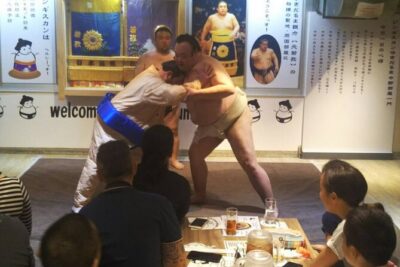
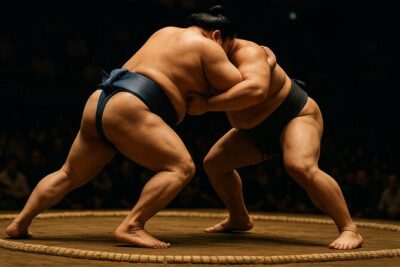
Tokyo Shinjuku Sumo Show & Experience with Photo
Read our review →
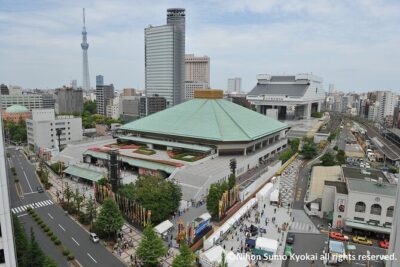
Tokyo Grand Sumo Tournament Viewing Tour with Tickets
Read our review →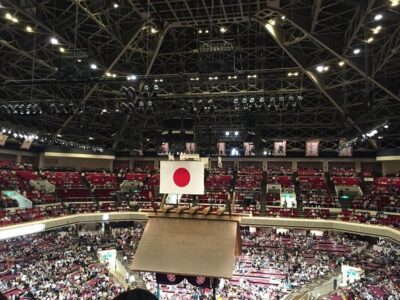
Luxury Sumo Show Experience & Japanese cuisine & Drink
Read our review →
Browse the lists this tour appears in