
Review · SUMO EXPERIENCES IN TOKYO
Tokyo – Grand Sumo Tournament
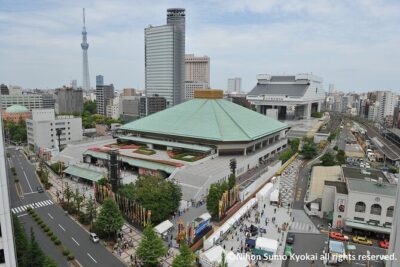
Seeing sumo live is one of Tokyo’s clearest windows into old Japan. At Ryogoku Kokugikan, the ring, ritual, costumes, and sudden bursts of power share the room with fans who cheer like they are at a major league game. It is part sport, part ceremony, and part cultural lesson you watch unfold in real time.
I like two things here: prebooked access removes the worry of finding a ticket in a crowded tournament season, and the lively crowd gives even a first-time visitor a feel for why sumo matters in Japan. The main catch is price. At $565 per person, this is a costly ticket-only experience with no transportation or guide included.
Key points to know before booking
- Live sumo at Ryogoku Kokugikan: Watch a tournament in Tokyo’s main sumo district.
- Tokyo dates in 2026: January 11 to 25 and May 10 to 24.
- Ticket-only format: Admission is included, but there is no guide, transport, or hosted cultural walk.
- Optional seat upgrade: Better seats may be available for an additional fee.
- Paper ticket: Bring the issued ticket and follow the meeting instructions carefully.
- Small stated group size: The activity lists a maximum of 20 participants, though the event itself takes place in a much larger arena.
Why live sumo feels different from ordinary sport
Sumo is easy to understand at the basic level: two wrestlers face each other, perform ritual movements, and try to force the other out of the ring or make him touch the ground with something besides the soles of his feet. But the short bout is only one part of the show.
The salt, foot stamping, crouching, staring, and repeated preparation give each match a formal rhythm. You may wait through several tense moments before the wrestlers finally collide. Then the action can be over in seconds. That contrast is part of the appeal.
The atmosphere helps. Fans react loudly, yet the ritual itself has a serious, almost ceremonial tone. The sport carries links to Shinto and Buddhist traditions, and the arena setting makes those cultural details easier to understand than a museum label would.
I would not book this expecting a theatrical performance made for tourists. Sumo is a working professional sport. You are there to watch the competition as Japanese fans do, with the benefit of a ticket arranged in advance.
More Sumo Experiences in Tokyo
- Tokyo: Sumo Show and Dining Experience
★ 4.8 · 2,742 reviews - the SUMO show
★ 5.0 · 1,960 reviews - Tokyo Shinjuku Sumo Show & Experience with Photo
★ 5.0 · 1,750 reviews
Ryogoku Kokugikan is the real setting
The destination is Ryogoku Kokugikan, the best-known sumo arena in Tokyo. Ryogoku is closely tied to sumo culture, so the setting adds meaning before the first match begins.
The supplied meeting point is Ryōgoku Edo NOREN, at 1-3-20 Yokoami, Sumida City, Tokyo 130-0015, on the first floor. The listed start time is 10:00 am. That detail matters because this is not a hotel pickup or a guide-led departure. You need to reach the meeting point yourself and handle your own route from there.
The activity information also says it ends back at the meeting point. Since the experience is described as ticket only, treat that wording as an administrative meeting instruction rather than a promise of a guided return or escorted walk.
You are near public transportation, which makes the area practical to reach. Still, no transportation is included. Build in enough time to find Ryōgoku Edo NOREN, collect or use the paper ticket as directed, and get to the arena without rushing.
What the two-hour format really gives you
The advertised duration is about two hours. That makes this easy to fit into a day of sightseeing, but it also means you should set your expectations correctly.
You are buying access to a live tournament experience, not necessarily a full day at the arena. Sumo tournaments can involve long periods of buildup, many bouts, crowd reactions, and breaks. A two-hour booking may cover a selected portion of the day rather than every match from beginning to end.
That is not automatically a weakness. A shorter visit works well if you want to see professional sumo without giving up your whole Tokyo schedule. It also suits families and first-time visitors who would rather have a clear introduction than spend many hours sorting out the tournament structure alone.
The tradeoff is value. At $565, two hours can feel expensive unless the seat location and event access are especially important to you. Check exactly what admission period and seat category your booking includes before paying. Upgraded seats are available for an additional charge, but the details of those upgrades are not specified.
Understanding the ticket-only arrangement
This experience is not a walking tour with a host explaining each match. The listing clearly describes a ticket-only event, with no tour guide and no transportation.
That distinction matters because some sumo experiences combine an arena visit with a temple, shrine, museum, garden, lunch, or a demonstration by a professional wrestler. Those features appear in descriptions of related experiences connected with guides named Ken, Shin, and Kevin, but you should not assume they are part of this booking.
In particular, do not book this ticket expecting to visit a training stable or watch wrestlers practice. A tournament ticket is for live competition at the arena. Training sessions follow separate schedules and access rules, and the supplied information does not include them here.
The lack of a guide has one benefit: you can focus on the event at your own pace. The downside is that you may need to learn the rules and customs beforehand. A little preparation will make the match sequence much easier to follow.
Same city, a different fixture:
- Tokyo: Sumo Show and Experience in Shinjuku
★ 4.8 · 1,001 reviews - Tokyo Grand Sumo Tournament Viewing Tour with Tickets
★ 5.0 · 692 reviews - Tokyo Sumo Wrestling Tournament Experience
★ 5.0 · 660 reviews - Tokyo:Luxury Sumo Show Experience & Japanese cuisine & Drink
★ 4.7 · 577 reviews
The cultural side of the tournament
Sumo can look simple from a distance, but its rituals carry weight. Before the bout, wrestlers prepare through movements that show strength, balance, discipline, and readiness. The ring is treated with ceremony, and the repeated gestures help connect modern professional sport with older Japanese customs.
This is where the experience gives you something beyond a standard sporting event. You are not just watching two athletes push. You are seeing a formal system in which clothing, rank, movement, timing, and audience behavior all matter.
Some past versions of related sumo activities have included explanations of Buddhist and Shinto connections, power and balance, and the daily discipline of wrestlers. This current experience does not promise those explanations, so read about the sport in advance if cultural context is a priority.
A simple briefing on wrestler rankings, the rules for winning, and the meaning of the pre-match ritual can change the whole visit. Without that preparation, you may enjoy the spectacle but miss why the pauses and gestures are important.
The crowd is part of the attraction
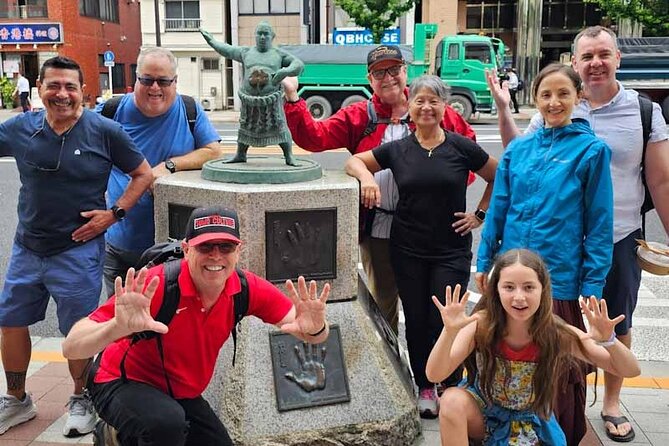
The fans give the tournament its pulse. You can expect cheering, reactions to big names, and the feeling of a major sporting event rather than a quiet cultural display.
That makes this a good choice if you enjoy watching local people care deeply about something. The crowd’s energy helps explain sumo’s place in Japanese life more clearly than a polished presentation can.
It also means the experience is not passive in the way a museum visit can be. Even if you do not know the wrestlers, you can follow the tension as a match builds. The excitement comes from the uncertainty of a short contest. A wrestler who looks powerful can lose quickly if balance or timing goes wrong.
If you prefer calm sightseeing, a small cultural class, or an intimate guided lesson, this may feel noisy and less personal. If you like sports, the crowd is likely to be one of the best parts.
Seat upgrades and the question of value
The base price is $565 per person, and upgraded seats cost more. That is a serious outlay for a two-hour activity, especially because you arrange your own transportation and receive no guided commentary.
The price makes more sense for someone who places a high value on securing tournament admission during a popular date. Prebooking can save you from arriving in Tokyo without a seat, and the convenience may be worth paying for if your schedule is fixed.
The value is weaker if you are mainly curious about sumo and do not need to attend a tournament in person. You could spend less on other cultural activities, but they would not give you the same live crowd, ring, and professional match.
I would think of the cost as a premium event ticket, not as the price of a two-hour tour. If you want the best possible view, ask about the upgrade before committing. If the seat position is unclear, the price becomes harder to judge.
Tokyo dates and the Osaka alternative
The listed 2026 Tokyo tournament dates are January 11 to 25 and May 10 to 24. The March 8 to 22 tournament is in Osaka, not Tokyo.
That schedule is important. You cannot choose any day of the year and expect a tournament at Ryogoku Kokugikan. Your trip must line up with one of the tournament periods, and the city must match your booking.
The Osaka date may be useful if your Japan itinerary includes Osaka, but it is not a Tokyo substitute. Confirm the city, date, and venue on your confirmation before making other plans.
The activity is typically booked well in advance, with an average booking lead time of 38 days. That is a useful warning for popular dates. If you know your trip dates, waiting until the last moment may leave you with fewer seat choices or no availability.
Who will get the most from this experience
I would recommend this to you if live sport is a major reason for visiting Japan, if you want a strong cultural event rather than a general sightseeing tour, or if you have limited time and want admission handled ahead of time.
It also suits first-time visitors who do not want to wrestle with Japanese ticket arrangements on their own. The paper ticket format is simple in principle, though you still need to follow the meeting instructions and get yourself to the arena.
Families can enjoy the noise and fast action, but the two-hour event may be easier for older children who can appreciate the ceremony and wait through the slower parts. The information says most people can participate, and service animals are allowed.
I would be more cautious if your main goal is to meet wrestlers, enter a stable, watch morning practice, tour a temple, or receive detailed explanations from a guide. None of those are included in the current ticket-only description.
Practical advice before you go
Keep the paper ticket safe and check the confirmation as soon as you receive it. The activity is non-refundable and cannot be changed for any reason, so a mistaken date or city can be costly.
Plan your own route to Ryōgoku Edo NOREN. Transportation is not included, and the stated meeting time is 10:00 am. Since the experience has a maximum listed group size of 20, the initial meeting may be manageable, but the event itself will take place in a much larger public arena.
Wear something comfortable enough for sitting and allow time for the full arrival process. The supplied information does not specify the exact seat type, ticket collection procedure, or what portion of the tournament you will see, so those are sensible points to confirm before booking.
Most important, prepare for a sporting event, not a guided cultural lesson. Learn the basic rules and a few sumo terms in advance. You will get more from every match and spend less time wondering why the wrestlers are taking so long to begin.
Should you book the Tokyo sumo tournament?
Book it if attending live sumo is high on your Japan wish list and you are willing to pay a premium for arranged admission. The arena, crowd, ritual, and sudden physical contests offer a memorable look at a sport that is closely tied to Japanese culture.
Think twice if you expect a guide, transportation, stable visit, wrestler training, or a broad walking tour. At $565, the ticket must deliver value through the event itself, and the experience is best for someone who specifically wants to watch a tournament.
Before paying, confirm the exact city, date, seat category, meeting instructions, and admission period. If those details suit your plans, this is a strong choice for a live sumo experience. If you want explanations and hands-on activities, choose a separate guided sumo program instead.
FAQ
Where does the Tokyo sumo experience take place?
The Tokyo event takes place at Ryogoku Kokugikan in Tokyo’s Ryogoku district.
What is the meeting point?
The listed meeting point is Ryōgoku Edo NOREN, 1-3-20 Yokoami, Sumida City, Tokyo 130-0015, on the first floor.
What time does the activity start?
The stated start time is 10:00 am.
How long does the experience last?
The advertised duration is approximately two hours.
Is transportation included?
No. This is a ticket-only event, and transportation is not included.
Is a tour guide included?
No. The current experience is listed as ticket only with no tour guide.
When are the Tokyo tournament dates in 2026?
The listed Tokyo dates are January 11 to 25 and May 10 to 24, 2026.
Can I upgrade my seat?
Upgraded seats may be available for an additional fee. The exact upgrade options are not specified.
Is the ticket refundable or changeable?
No. The experience is non-refundable and cannot be changed for any reason.
Just added for fans in Tokyo
- Tokyo: Grand Sumo Morning Training Tour★ 4.9 · 12 reviews
- Sumo Training Watching Experience in Tokyo★ 4.5 · 8 reviews
- Kickboxing & Body Training with EX-Pro Fighter★ 5.0 · 4 reviews
- Tokyo: Visit Sumo Morning Practice with English Guide★ 4.5 · 22 reviews
- Tokyo Sumo Experience with Live Show & Audience Challenge★ 5.0 · 38 reviews
- Tokyo Shinjuku Sumo Show and Experience with Drinks and Photo★ 4.0 · 21 reviews
- Tokyo Sumo History Tour with Chanko Nabe Lunch★ 5.0 · 3 reviews
- 【SUMO FESTIVAL】Tokyo Ginza: Sumo Show & Photo Experience★ 4.5 · 41 reviews
Sumo Experiences in Tokyo, compared.
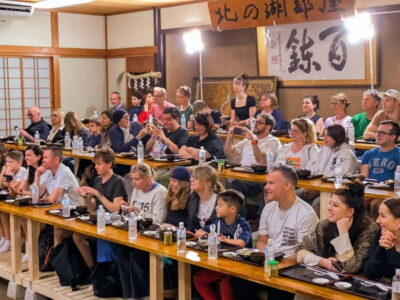
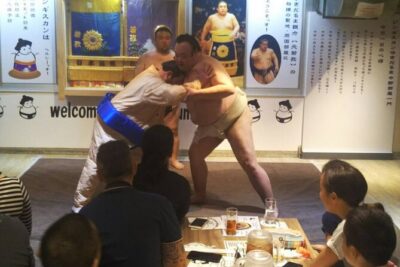
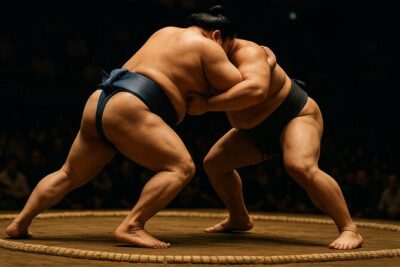
Tokyo Shinjuku Sumo Show & Experience with Photo
Read our review →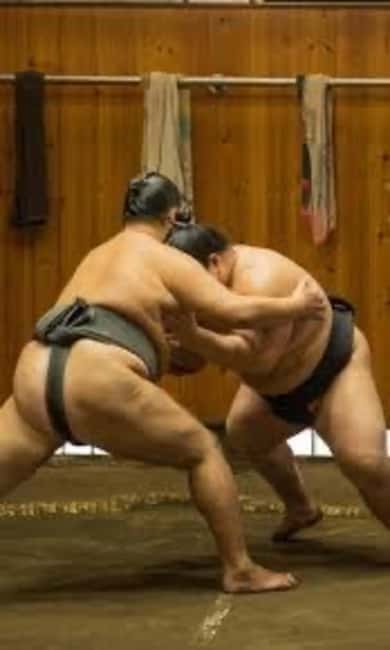
Tokyo Grand Sumo Tournament Viewing Tour with Tickets
Read our review →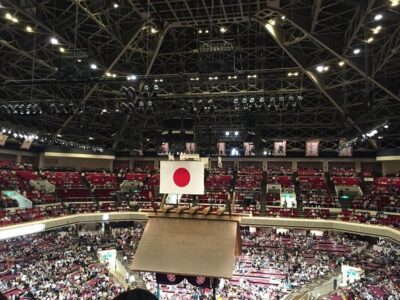
Luxury Sumo Show Experience & Japanese cuisine & Drink
Read our review →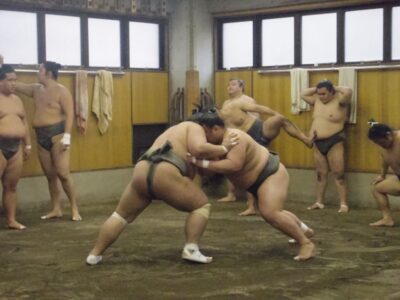
Browse the lists this tour appears in