
Review · SUMO EXPERIENCES IN TOKYO
Tokyo: Know about Hokusai and Sumo culture in 2.5 hours
Tokyo’s Hokusai and sumo districts fit together better than you might expect. This 2.5-hour walk begins with Katsushika Hokusai’s changing art, then follows the streets and landmarks of Ryogoku, an area closely tied to sumo and Edo culture. You get a museum visit, a Japanese garden, a temple, and a look at the Kokugikan without spending half a day on transport.
I especially like two things here: the small group size of six and the way the tour connects art to real places. The garden helps you picture scenes seen in ukiyo-e, while Ekoin and the Kokugikan give the sumo story a physical setting. The main drawback is that the tour is a walking experience in Tokyo, so heat and a moderate level of fitness matter.
Key points about the Hokusai and sumo walk
- Hokusai takes center stage: Spend about an hour at the Sumida Hokusai Museum, with admission included.
- A six-person maximum: The small group allows room for questions and a more personal pace.
- Edo comes to life outdoors: Kyu Yasuda Garden shows how ukiyo-e scenes connect with real spaces.
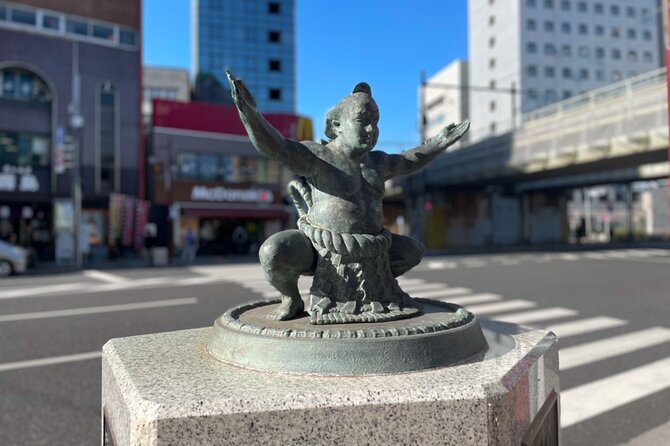
- Sumo is seen from the outside: You visit the Kokugikan exterior, not the inside of the arena.
- Ekoin adds religious and local context: Learn why Ryogoku is linked so strongly with sumo.
- Easy ending for lunch: Finish at Ryogoku Edo Noren, a restaurant area designed like an Edo-period townhouse district.
Starting with Hokusai at the Sumida Museum
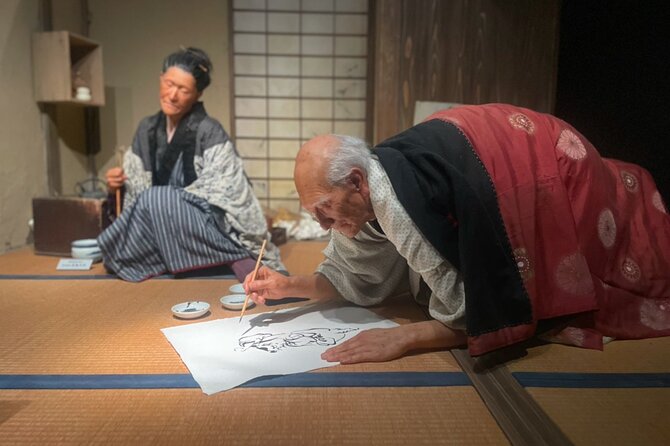
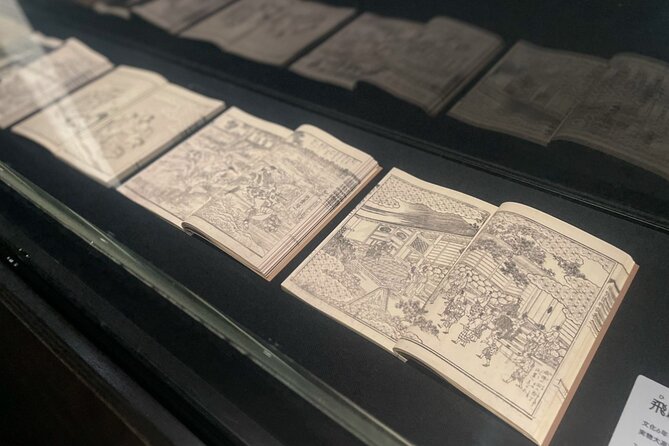
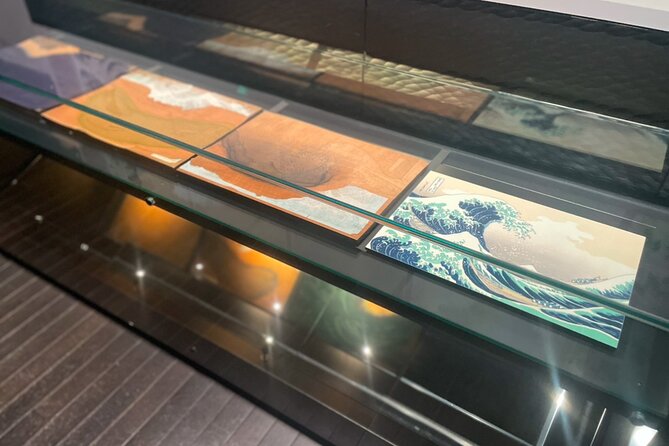
The tour starts at the Sumida Hokusai Museum in Kamezawa, Sumida City. This is the strongest part of the experience for anyone who knows Hokusai mainly through The Great Wave off Kanagawa and wants a broader picture of his work.
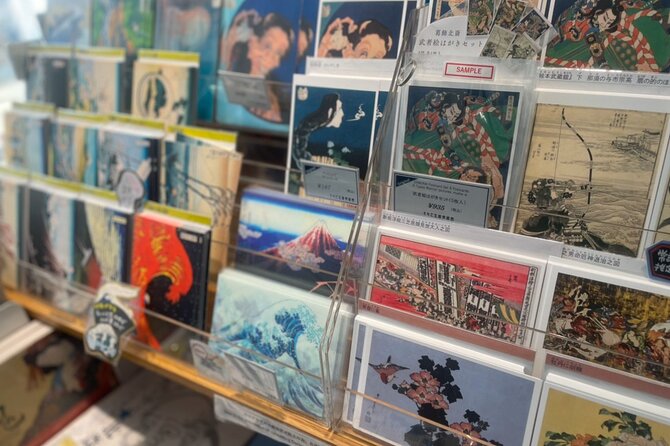
You’ll spend about one hour inside the museum, looking at Hokusai’s life, working methods, and changing artistic styles. The focus is not only on famous prints. You’ll also see how ukiyo-e could move from playful and casual subjects to forceful scenes of nature, daily life, and Edo culture.
That wider view matters. Hokusai was not simply the artist behind one instantly recognizable wave. His work covered different moods and subjects, and the tour uses his career to explain how ukiyo-e reflected the world around it. With a guide beside you, you can ask why certain images look the way they do and how Hokusai’s life shaped his art.
The museum is also a practical place to begin because it gives the rest of the walk a clear theme. Once you’ve looked at scenes from Edo on paper, the garden and streets later in the tour feel less abstract. You start noticing how art, religion, public entertainment, and ordinary life occupied the same compact part of Tokyo.
The included admission improves the value of the $64.76 price. If you were already planning to visit the museum, you are paying partly for the guide’s explanations and the walking route that follows. If you only want a quick look at Hokusai’s best-known work, an independent museum visit may be enough. This tour makes more sense when you want the surrounding area explained as well.
More Sumo Experiences in Tokyo
- Tokyo: Sumo Show and Dining Experience
★ 4.8 · 2,742 reviews - the SUMO show
★ 5.0 · 1,960 reviews - Tokyo Shinjuku Sumo Show & Experience with Photo
★ 5.0 · 1,750 reviews
A quiet pause at Kyu Yasuda Garden
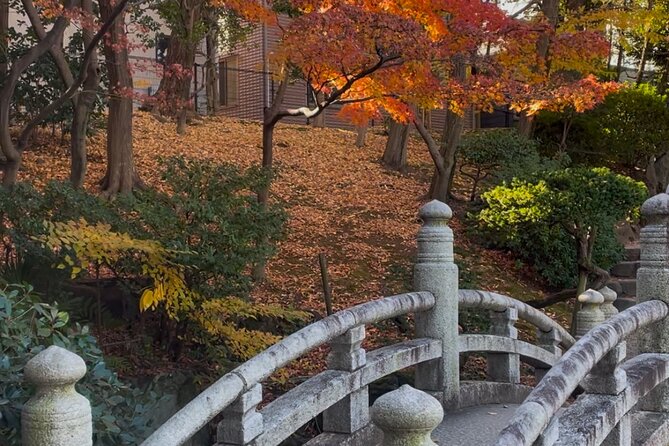
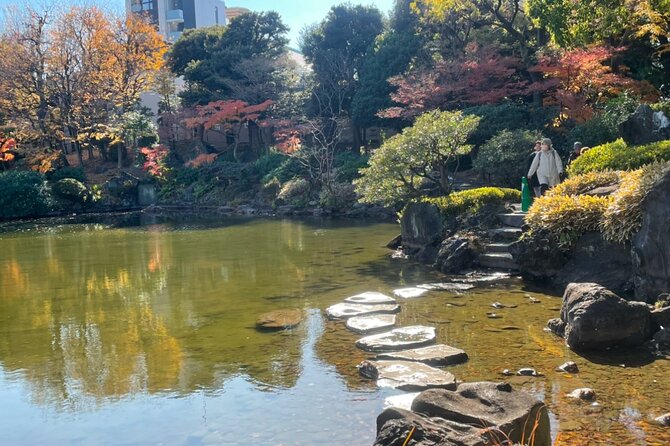
After the museum, the group walks to Kyu Yasuda Garden, where you have about 20 minutes. The garden was created in the Edo period and offers a welcome change from indoor exhibits and city streets.
This stop is short, but it serves a useful purpose. The tour points out that some of the things shown in ukiyo-e can still be understood through the garden’s ponds, paths, and traditional design. You are not only looking at old images. You are seeing the type of setting that shaped them.
I like this part because it gives the art a physical reference. Hokusai and other ukiyo-e artists did not work in a vacuum. Their prints drew from places, customs, clothing, entertainment, and views that people in Edo knew well. A garden stop lets you slow down and consider that connection.
The limitation is time. Twenty minutes is enough for a rest and a guided explanation, but not enough for a long, unhurried garden visit. If you enjoy Japanese gardens most when you can wander alone, you may wish you had longer here. Still, as part of a tightly planned walk, it breaks up the museum visit at the right moment.
Bring water, especially in warm weather. One available comment specifically describes the walk as hot, even though the time passed quickly because of the explanations. That is a useful warning: Tokyo’s weather can shape this experience more than the itinerary does.
Pausing at the disaster memorial
Before the next main stop, the route passes a facility built in remembrance of a disaster that should not be forgotten. The exact facility is not identified in the tour details, but the purpose is clear: you pause to reflect on a difficult part of local history rather than moving only from one attractive sight to another.
This brief stop adds weight to the walk. Edo and modern Tokyo are not presented as a series of pretty images. The area also carries memories of loss, rebuilding, and survival. You should expect a moment of quiet reflection rather than a full museum visit or long historical lecture.
If you prefer tours that stay light and entertainment-focused, this pause may feel more serious than the other stops. For many people, though, it gives the district a more honest shape.
Seeing the Kokugikan, Tokyo’s sumo landmark
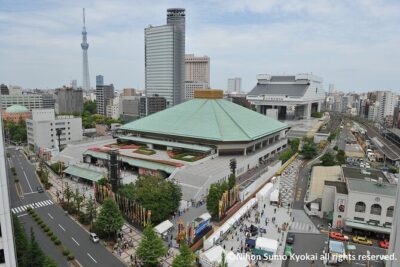
Next comes the Ryogoku Kokugikan, the major sumo venue in the area. The tour visits the exterior only, so you should not expect an arena tour, a match, or access to the building’s interior.
Even from outside, the Kokugikan helps explain why Ryogoku is considered a sacred place for sumo. Major sumo matches are still held here, and the building gives the neighborhood a clear focal point. Your guide uses the setting to explain the role of sumo in Japanese culture and why this part of Tokyo has become so closely identified with the sport.
This is an important expectation to set. If your main goal is to watch sumo, this tour does not replace a tournament ticket. It also does not promise access to a stable, wrestler training, or a behind-the-scenes arena visit. What you get is context, local geography, and a clear explanation of the area’s connection to sumo.
For someone who has little background in sumo, that may be exactly what is needed. The sport can seem full of unfamiliar rules and rituals when seen without explanation. Walking through its home district gives you a starting point, even if you later choose to attend a match separately.
Same city, a different fixture:
- Tokyo: Sumo Show and Experience in Shinjuku
★ 4.8 · 1,001 reviews - Tokyo Grand Sumo Tournament Viewing Tour with Tickets
★ 5.0 · 692 reviews - Tokyo Sumo Wrestling Tournament Experience
★ 5.0 · 660 reviews - Tokyo:Luxury Sumo Show Experience & Japanese cuisine & Drink
★ 4.7 · 577 reviews
Learning sumo connections at Ekoin Temple
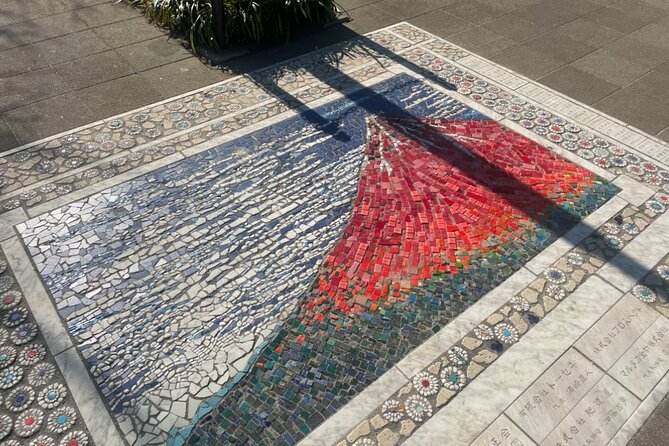
The tour then spends about 30 minutes at Ekoin Temple. This is where the sumo story becomes more closely tied to religion, memory, and local landmarks.
You’ll learn why Ryogoku is regarded as sumo ground and how the temple connects with the area’s past. The stop also returns to Hokusai, showing how the artist and the district belong to the same wider Edo setting. Stone monuments add another physical record of the people and traditions linked with the neighborhood.
Ekoin gives the tour a useful change of pace. The Kokugikan represents modern public sport, while the temple offers an older and more reflective setting. Together, the two stops show that sumo is not just a sporting event held in a large hall. It has customs, places, ceremonies, and a long relationship with the community.
The guide’s role matters most here. A quick independent visit might leave you looking at a temple and a few monuments without knowing why they matter. The small group format should make it easier to ask questions and keep the explanations connected to what you saw at the museum.
Ending at Ryogoku Edo Noren
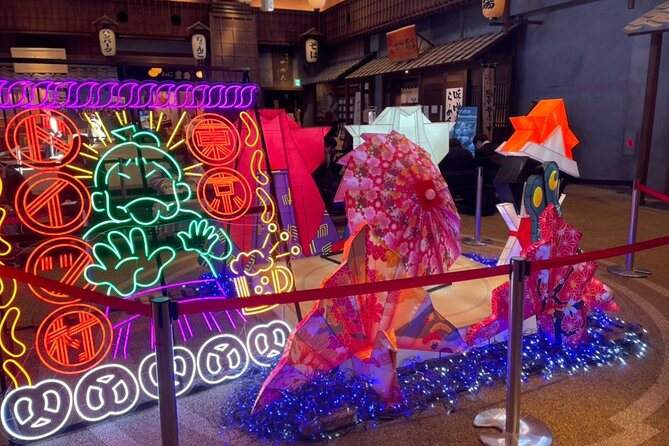
The walk finishes at Ryogoku Edo Noren, a restaurant district designed to recreate an Edo machiya, or traditional townhouse. The tour lasts roughly ten minutes here, so this is more of a finishing point than a full food tour.
The useful part is flexibility. You can look for a restaurant after the guided walk, making this a practical place to continue your afternoon. Shopping and meals are not included, so plan to pay separately if you stay.
Ending here also makes sense geographically. You finish near the Ryogoku area’s sumo identity rather than returning to the museum. The route has a clear direction, and you can continue exploring or eating without backtracking.
If you want a food-focused experience, this stop may feel too brief. If you want a guided introduction followed by free time, it works well.
What the $64.76 price really covers
At $64.76 per person, the cost is reasonable for a small guided walk if you value interpretation. Museum admission is included, along with an English-speaking guide and the full route from the Hokusai Museum to Edo Noren.
The maximum group size is six. That is a meaningful detail, not just a marketing line. A small group can move through the museum more easily, stop without blocking a large crowd, and give you a better chance to ask about Hokusai, sumo, or the sites along the way.
The price is less attractive if you plan to rush through the museum or only want to see the Kokugikan from outside. You could visit several outdoor locations independently, though you would lose the connections between them. The value comes from the guide’s explanations and the way the stops build one story.
Meals, shopping, and other personal expenses are not included. You should also remember that the Kokugikan visit is exterior-only and that the garden visit is short.
Timing, meeting point, and walking demands
The tour starts at the Sumida Hokusai Museum, located at 2-chome-7-2 Kamezawa, Sumida City. It ends at Ryogoku Edo Noren in Yokoami, near the Ryogoku area. The finish point is useful if you want to eat afterward.
The duration is about two hours and thirty minutes. That includes the museum, garden, disaster memorial pause, Kokugikan exterior, temple, and Edo Noren. The schedule is compact, so you should arrive ready to keep moving between stops.
You need a moderate level of physical fitness. The supplied details do not give a precise walking distance, so you should not expect a seated museum lecture. The route includes outdoor walking and may feel demanding in hot weather. Wear comfortable shoes and carry water.
The tour is near public transportation, which makes the start and finish practical for a Tokyo day plan. You receive a mobile ticket, and confirmation is provided when you book.
Free cancellation is available if you cancel at least 24 hours before the start time. Changes or cancellations made inside that window are not accepted for a refund. The experience also requires a minimum number of people, so a cancellation by the operator may lead to another date, another experience, or a full refund.
Who will get the most from this experience
I would choose this tour if you want context rather than a checklist. It suits visitors who enjoy art, old neighborhoods, Japanese gardens, religious sites, or sumo and want those subjects tied together in one short outing.
It is also a good fit for first-time visitors to Tokyo who do not yet know the difference between ukiyo-e as a broad art form and Hokusai as one particular artist. The museum gives you a foundation, while the walk shows how Edo culture extended beyond framed prints.
Families and older visitors should consider the heat and walking pace. The small group is helpful, but it does not remove the physical demands of an outdoor route. Anyone expecting a sumo match, an indoor Kokugikan tour, or a long garden visit should choose a different activity or add those plans separately.
The available feedback places strong emphasis on careful explanations and how quickly the time passes when the guide keeps the story moving. One comment also praised the way Japanese customs were explained clearly, though it referred to a different setting than the route described here. The practical lesson is still useful: this experience depends heavily on the guide’s ability to connect details instead of simply pointing at buildings.
Should you book the Hokusai and sumo tour?
Book it if you want a short, well-linked introduction to Hokusai, Edo culture, and Ryogoku sumo. The included museum ticket, six-person maximum, and one-way route give the price solid value, especially if you prefer guided interpretation to reading signs on your own.
Skip it if you want a full sumo event, extensive shopping, a long garden visit, or a relaxed museum afternoon. You will see the Kokugikan only from outside, and the schedule leaves limited time at each stop.
For the right reader, this is a smart half-day add-on: focused, local, and easy to combine with lunch at Edo Noren afterward.
FAQ
How long does the experience last?
The tour lasts approximately two hours and thirty minutes.
Where does the tour start?
It starts at the Sumida Hokusai Museum at 2-chome-7-2 Kamezawa, Sumida City, Tokyo.
Where does the tour end?
The tour ends at Ryogoku Edo Noren in Yokoami, Sumida City.
Is museum admission included?
Yes. Admission to the Sumida Hokusai Museum is included in the tour price.
How large is the group?
The experience has a maximum of six participants.
Can I cancel for a full refund?
Yes, if you cancel at least 24 hours before the scheduled start time. Cancellations or changes made less than 24 hours before the start are not refunded or accepted.
Just added for fans in Tokyo
- Tokyo: Grand Sumo Morning Training Tour★ 4.9 · 12 reviews
- Sumo Training Watching Experience in Tokyo★ 4.5 · 8 reviews
- Kickboxing & Body Training with EX-Pro Fighter★ 5.0 · 4 reviews
- Tokyo: Visit Sumo Morning Practice with English Guide★ 4.5 · 22 reviews
- Tokyo Sumo Experience with Live Show & Audience Challenge★ 5.0 · 38 reviews
- Tokyo Shinjuku Sumo Show and Experience with Drinks and Photo★ 4.0 · 21 reviews
- Tokyo Sumo History Tour with Chanko Nabe Lunch★ 5.0 · 3 reviews
- 【SUMO FESTIVAL】Tokyo Ginza: Sumo Show & Photo Experience★ 4.5 · 41 reviews
Sumo Experiences in Tokyo, compared.
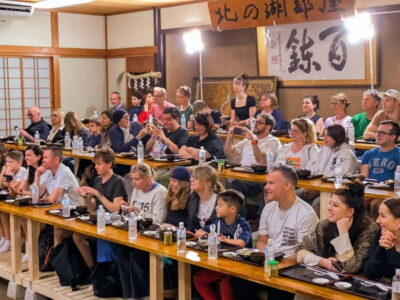
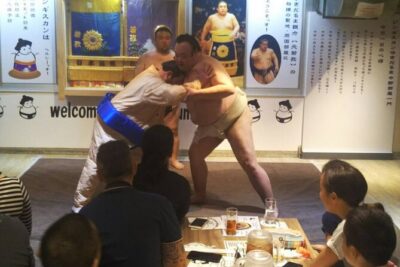
Tokyo Shinjuku Sumo Show & Experience with Photo
Read our review →
Tokyo Grand Sumo Tournament Viewing Tour with Tickets
Read our review →

Luxury Sumo Show Experience & Japanese cuisine & Drink
Read our review →
Browse the lists this tour appears in