
Review · SUMO EXPERIENCES IN TOKYO
Tokyo: Morning Sumo Practice Viewing
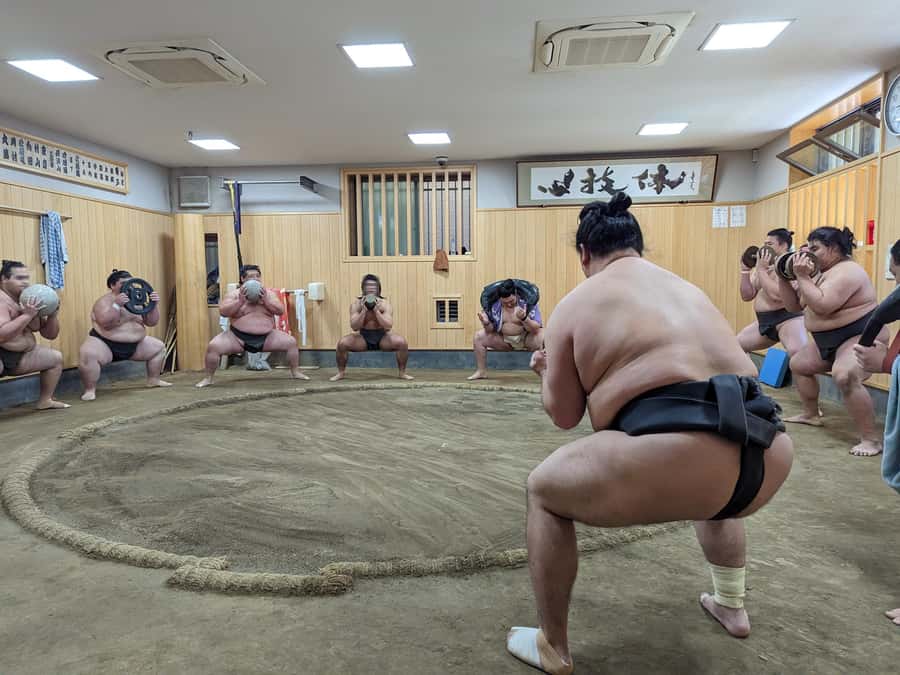
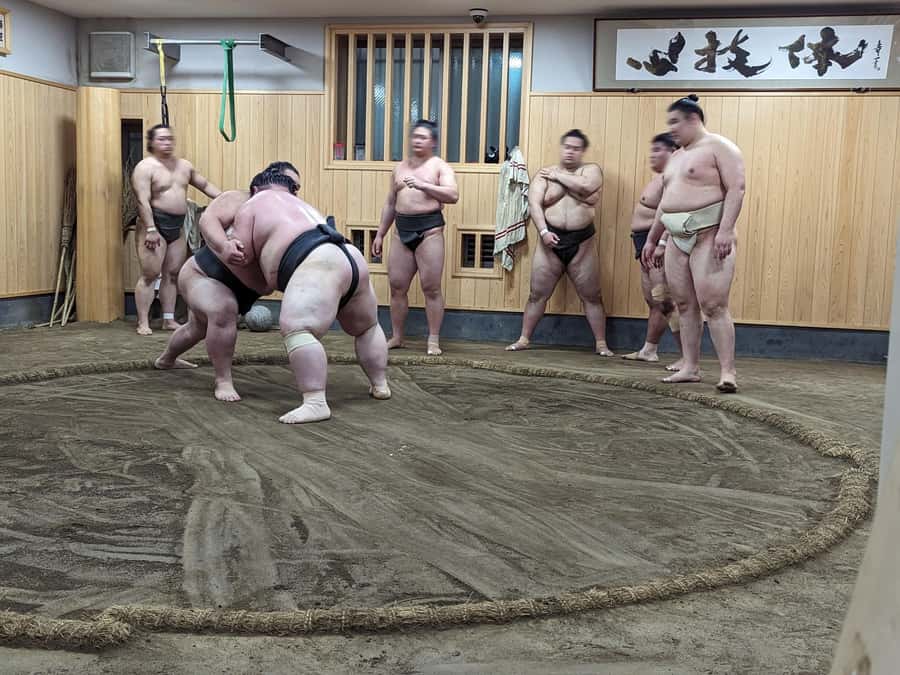
The best thing about this experience is that you are watching real professional sumo practice, not a staged performance. Inside the stable, wrestlers are not playing to the crowd. They are working through a hard daily routine, pushing for rank, and testing themselves against stronger opponents.
I like two things in particular: the close view from a floor cushion and the clear background offered by guides such as Aki, Jeff, Taka, and Dawn. You also get a rare change of mood after practice, when the wrestlers may be friendly and available for commemorative photos. The main drawback is sitting still on the floor, often for a long stretch, with no standard chairs provided.
Key points to know before you book
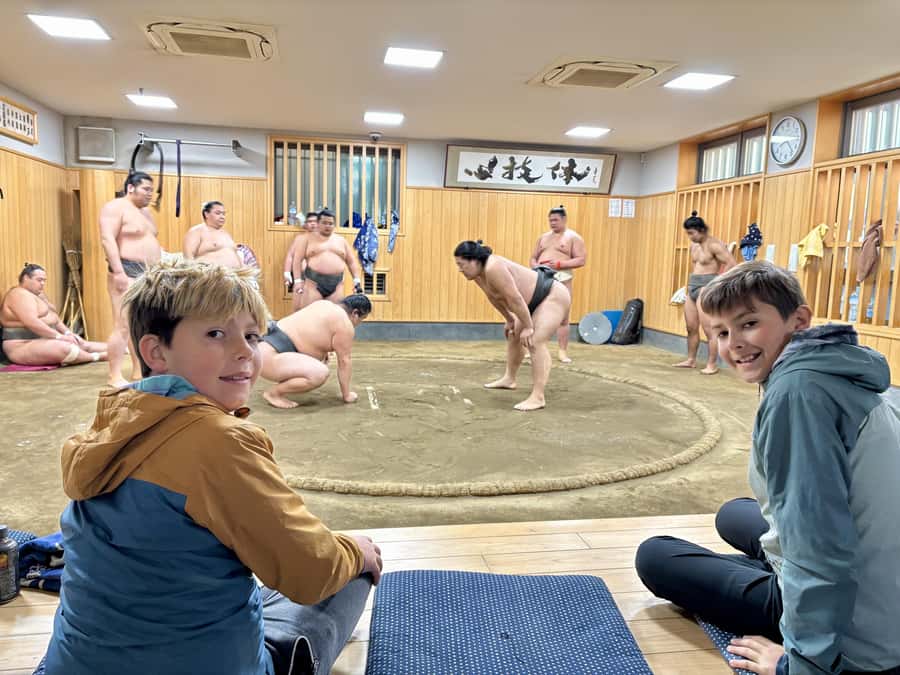
- Watch two top-division wrestlers train: Lower-ranked rikishi work hard to challenge established athletes in the stable.
- This is serious practice, not a comedy sumo show: Every wrestler belongs to the Japan Sumo Association and competes in the professional system.
- Expect close, quiet viewing: You sit on a cushion near the ring and must stay still and avoid talking during training.
- An English-speaking guide gives the context: Guides including Jeff, Taka, Aki, Dawn, Sue, Yasu, and Akimi explain etiquette, rankings, rituals, and sumo culture.
- Photos come after the hard work: Wrestlers keep a formal, focused mood during practice but may interact with you afterward.
- The three-hour visit suits curious adults and older children: It is not suitable for wheelchair users, and floor seating can be difficult for anyone with limited flexibility.
Why real morning practice feels different from a sumo show
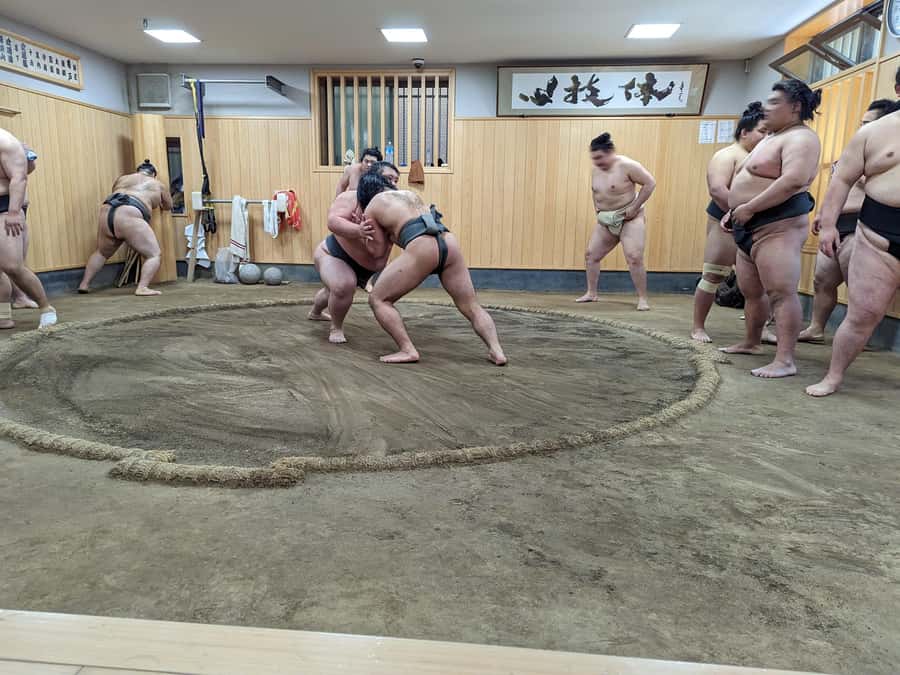
A sumo show is built for an audience. It may include jokes, demonstrations, and chances to challenge a wrestler. That can be fun, especially if you want a light cultural activity.
This visit offers something else. The wrestlers belong to the Japan Sumo Association, the governing body for professional sumo in Japan. They are not performers hired to entertain you. They are athletes in the official sumo system, and the wrestlers you see take part in the six grand tournaments held each year.
That difference changes the mood as soon as you enter. The stable is a working place, not a theater. Practice carries a tense, disciplined feeling because each wrestler is trying to improve his position. The top-ranked rikishi do not need to prove themselves to visitors. The lower-ranked wrestlers must fight hard if they hope to move up.
I think this is the right choice if you want to understand why sumo is more than two large men pushing each other out of a circle. You see strength, balance, speed, flexibility, ritual, and rank all at once. The humor is mostly absent during training, but the athletic detail is far greater.
More Sumo Experiences in Tokyo
- Tokyo: Sumo Show and Dining Experience
★ 4.8 · 2,742 reviews - the SUMO show
★ 5.0 · 1,960 reviews - Tokyo Shinjuku Sumo Show & Experience with Photo
★ 5.0 · 1,750 reviews
Meeting at Tokyo Skytree Station
Your meeting point is Hanami Zaka Square at Tokyo Skytree Station, Tobu Skytree Line station TS02. The listed coordinates are 35.71030044555664, 139.80880737304688.
The stable is reached on foot from the meeting point, and the walk is described as short. Still, give yourself time to find the square. One person arrived at the wrong place and needed help from the tour team, while another praised the clear meeting directions. Your best move is to save the meeting point in your phone before leaving your hotel and arrive early.
The guide meets you there and leads the group to the stable. This is useful because a sumo stable is not presented like a museum. You need an escort who understands where to go and how to behave once you arrive.
The group is limited to eight people. That small size matters. You can hear the guide before entering, ask questions, and get a close view once everyone is seated. The exact starting time varies, so you need to check availability for your date.
The guide’s briefing gives the practice meaning
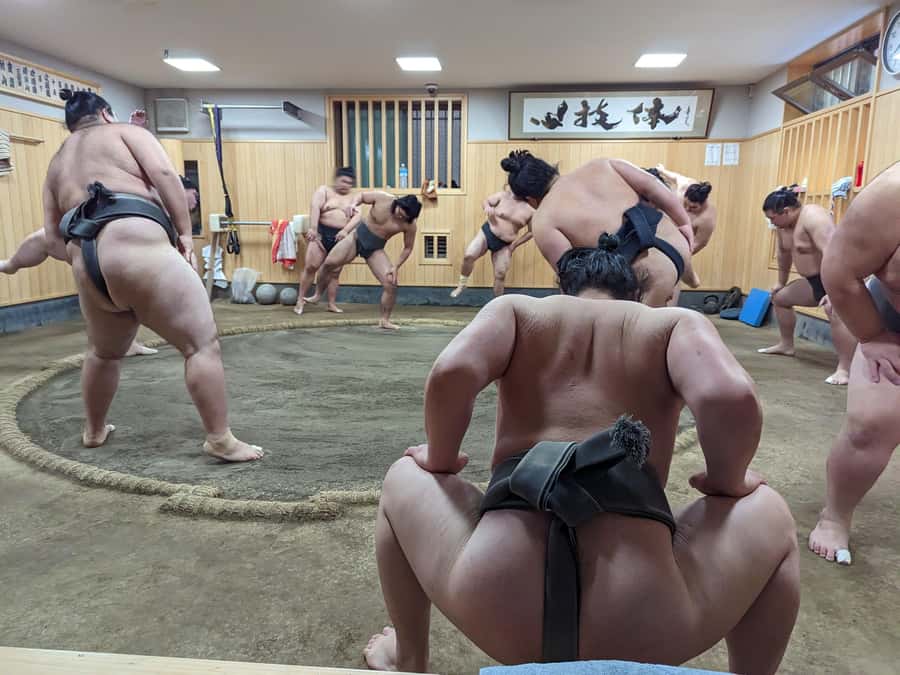
Before entering, the guide explains what you are about to see. This briefing is more important than it may sound. Without it, a sequence of stretches, stomps, shoves, and short bouts could be difficult to follow.
Guides vary by date. Aki has been praised for her enthusiasm and clear English. Jeff explains current sumo culture, history, the association, and tournament structure. Taka is known for patient answers and useful background. Dawn gives practical details about the stable, divisions, salaries, and how wrestlers enter the system. Sue, Yasu, and Akimi have also led visits.
The guide also explains the rules of the stable. You are not entering a tourist attraction, so you must follow instructions closely. During practice, keep still and do not talk with other people in the group. Eating is not permitted during the session, and your phone should not become a distraction.
I like this part because it prepares you to watch rather than interrupt. You are not being asked to cheer or clap at the right moment. You are being taught how to be a quiet observer in a place where the wrestlers’ concentration comes first.
Sitting beside the ring on a floor cushion
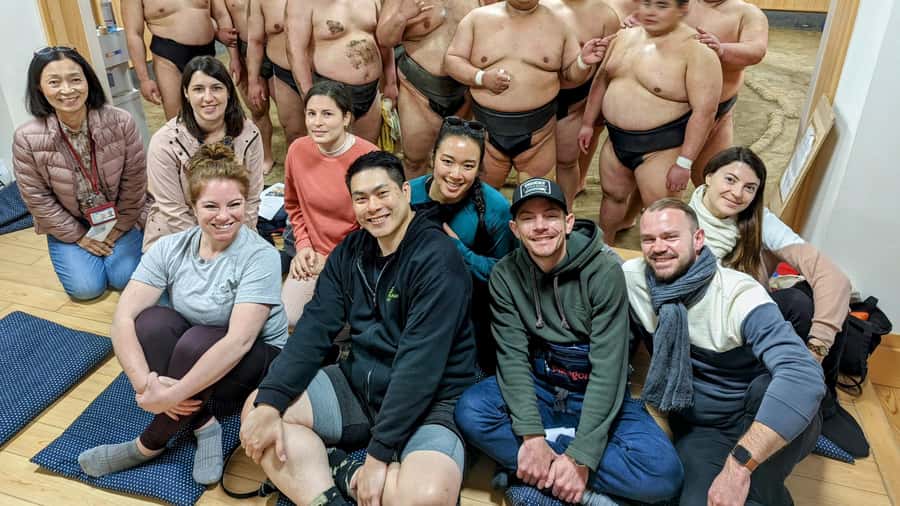
Inside, you sit on a cushion on a flat floor. There are no chairs supplied by the stable. This gives you a low, close viewpoint, but it also creates the main physical challenge of the visit.
One participant found the cushion difficult because of limited flexibility, though leaving briefly for the washroom or asking about a chair was possible. Do not assume that a chair will be available, however. If kneeling or sitting on the floor is painful for you, contact the operator before booking.
The setting rewards patience. You may be close enough to notice the speed of a wrestler’s movement, the force of a collision, and the sudden shift in balance. At this distance, the men can appear surprisingly quick and flexible. Their size is only one part of what makes them effective.
The quiet can feel unusual at first. Most sports events invite noise. Here, the lack of chatter makes every impact easier to notice. It also reminds you that the practice is for the wrestlers, not for the people watching.
Same city, a different fixture:
- Tokyo: Sumo Show and Experience in Shinjuku
★ 4.8 · 1,001 reviews - Tokyo Grand Sumo Tournament Viewing Tour with Tickets
★ 5.0 · 692 reviews - Tokyo Sumo Wrestling Tournament Experience
★ 5.0 · 660 reviews - Tokyo:Luxury Sumo Show Experience & Japanese cuisine & Drink
★ 4.7 · 577 reviews
Seeing the rank struggle up close
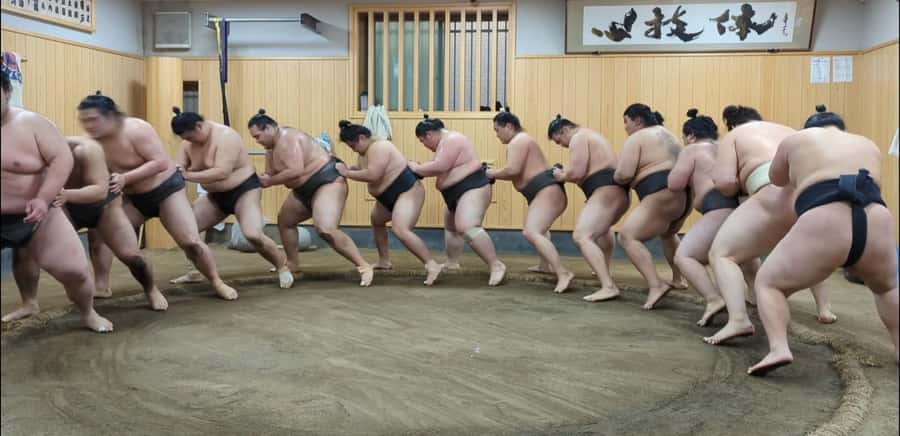
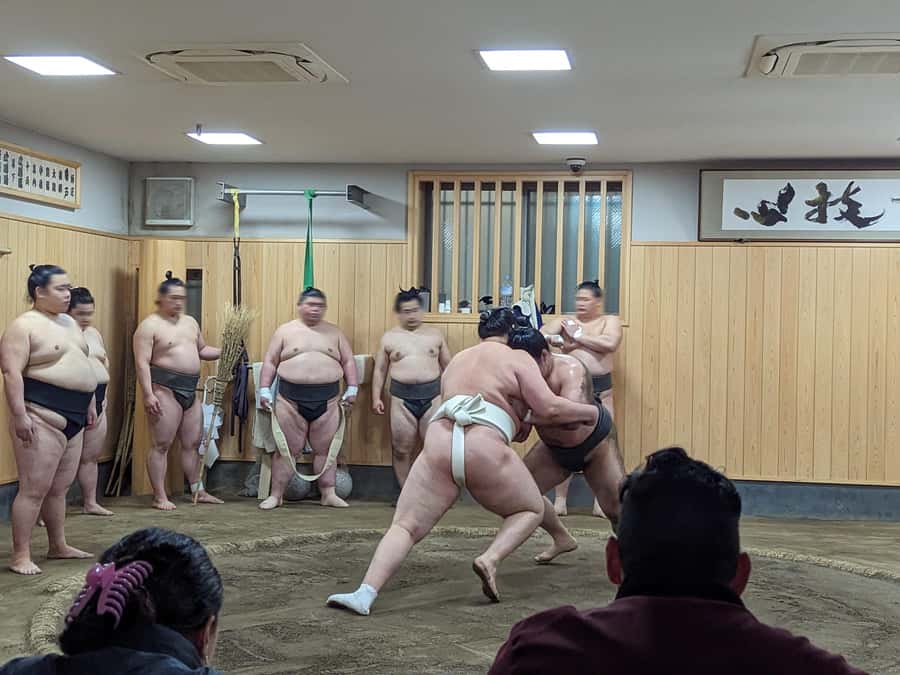
This stable has two top-division wrestlers. Their presence gives the practice a clear structure. Lower-ranked wrestlers are trying to challenge them and hold their own, which lets you see the gap between experience and ambition.
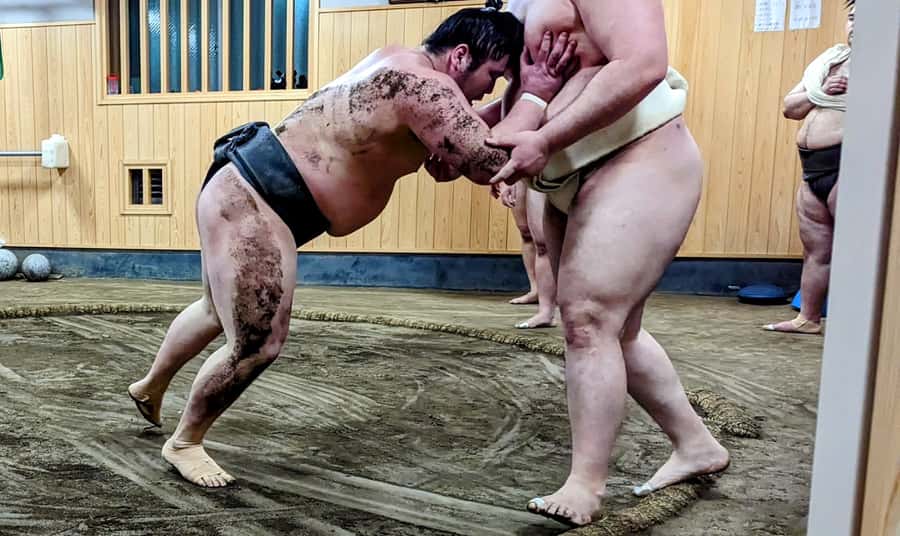
The wrestlers work through demanding exercises and practice bouts. You will not simply watch one long match. Morning training is built from repeated effort, with wrestlers taking turns and continuing after setbacks.
The most useful thing to watch is not only who wins a bout. Look at how a wrestler sets his feet, controls his balance, absorbs contact, and tries to force an opponent out. The guide can explain some of this, but your own close view helps the tactics make sense.
You also get a better feeling for the professional ladder. Sumo has ranked divisions, and the wrestlers at the bottom are working toward a better position. The top-division men are already successful, yet they remain part of the same demanding practice environment. That contrast gives the morning its drama.
The practice can seem repetitive if you expect a polished competition with a clear beginning and end. It is training, after all. If you enjoy watching athletes refine small movements and repeat difficult work, you will find plenty to study. If you need constant action, a tournament day or theatrical show may suit you better.
The mood changes after training
During practice, the wrestlers maintain an unapproachable, focused manner. That is part of the value of the visit. You are seeing them in their work setting, not being encouraged to distract them for a photograph.
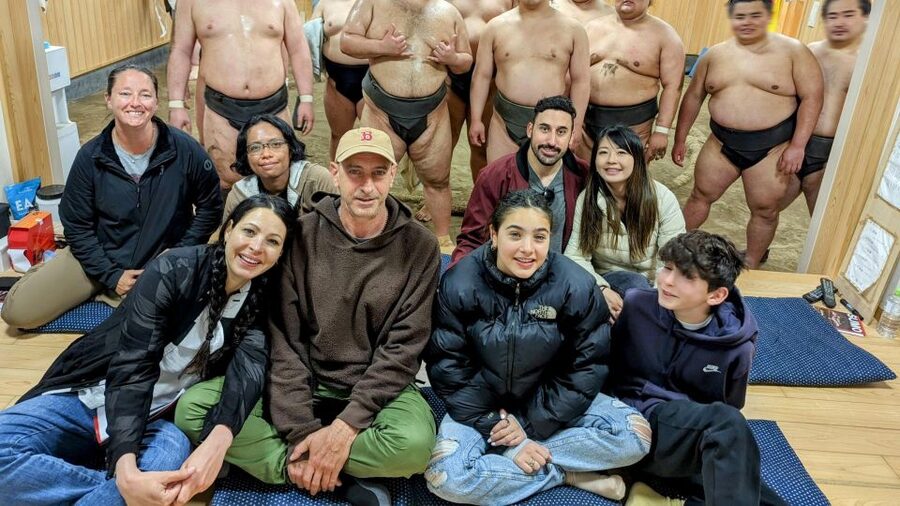
After the session, the atmosphere can soften. The wrestlers may be friendly, and you can take commemorative photos with them when permitted. This creates a pleasant ending to what is otherwise a quiet and demanding morning.
The contrast is memorable. First you see athletes concentrating through exhausting practice. Then, once they are off the ring, you may meet them in a more relaxed mood. Keep your requests polite and follow the guide’s directions. A photo is a bonus, not the purpose of the training.
What the three hours are worth
No price is provided in the supplied details, so I cannot judge this against a specific fee. I can judge the value of the format. You receive a three-hour visit, an English-speaking guide, a small group, an explanation of sumo customs, close viewing of professional practice, and a possible photo opportunity afterward.
The value is strongest if you are not attending one of Tokyo’s grand tournaments. One person booked this during the off-season and found it a strong alternative to an official match. A tournament gives you the spectacle of many bouts and a large crowd. This visit gives you proximity and access to the daily work behind those bouts.
It is also useful for martial arts fans. The session reveals strength and flexibility that are easy to miss from distant stadium seats. One participant compared the view to having better than front-row access at a sporting event.
For a casual visitor who only wants a quick photo with a sumo wrestler, the cost may feel less worthwhile. You spend much of the three hours sitting quietly and watching practice. For anyone who wants the cultural setting and athletic detail, the small group and close distance make the format easier to justify.
Who will enjoy this most
I would choose this for you if you:
- Want an authentic look at professional sumo rather than an audience performance
- Enjoy sports, martial arts, training, or Japanese traditions
- Can sit on a floor cushion and remain quiet for the practice
- Prefer a small group with time for questions
- Are visiting Tokyo outside the six annual grand tournament periods
- Want an English explanation of rankings, stable life, and etiquette
I would think twice if you need step-free access, cannot sit on the floor, or want a lively activity with constant audience interaction. The experience is not suitable for wheelchair users, and the operator makes clear that the stable’s rules must be followed.
Families may find it interesting, but the child must be able to sit still and stay quiet. The stable is a working environment. It is not designed around children’s entertainment.
Practical details that affect your morning
Plan for the full three hours. The exact start time depends on availability, and the early schedule is part of the point. Morning practice lets you see wrestlers in their normal routine rather than at a special event arranged for visitors.
Wear clothes that allow you to sit comfortably. The information provided does not promise chairs, and the floor cushion may become uncomfortable for people with stiff knees, hips, or backs.
Keep your phone quiet and avoid conversation once practice begins. You can ask questions before entering and after the session, when the guide has more freedom to explain what you saw.
The activity is conducted in English. It has free cancellation up to 24 hours before the start time, and you can reserve now and pay later, which helps if your Tokyo schedule is still changing.
Should you book this sumo visit?
Book it if you want the real working side of sumo. You will see professional wrestlers, including top-division athletes, train at close range while an English-speaking guide explains the system around them. The quiet rules and floor seating are not minor details, but they are fair trade-offs for the access.
Skip it if you want a theatrical show, comfortable chairs, or a full tournament atmosphere. Otherwise, this is one of the better ways to begin understanding sumo in Tokyo. The strongest guides add a lot, and names such as Jeff, Aki, Taka, and Dawn appear regularly across the available dates, but the exact guide will vary. For a serious look at the sport, I would choose the stable visit over a staged sumo performance.
FAQ
How long does the morning sumo practice viewing last?
The experience lasts three hours. Starting times vary by date, so check availability when selecting your booking.
Where is the meeting point?
Meet at Hanami Zaka Square at Tokyo Skytree Station, Tobu Skytree Line station TS02. The listed coordinates are 35.71030044555664, 139.80880737304688.
Is the activity conducted in English?
Yes. The experience includes a live English-speaking guide.
How many people are in the group?
The group is limited to eight participants.
Will I see professional sumo wrestlers?
Yes. The wrestlers belong to the Japan Sumo Association, and the stable has two top-division wrestlers. The wrestlers you see participate in the six annual grand sumo tournaments.
Can I take photos with the wrestlers?
Commemorative photos may be taken with the wrestlers after practice. You must follow the guide’s instructions and avoid disrupting the training session.
Do I sit on a chair during the practice?
No. Participants sit on cushions on a flat floor, and the stable does not provide chairs.
Is the experience suitable for wheelchair users?
No. The activity is listed as unsuitable for wheelchair users.
Just added for fans in Tokyo
- Tokyo: Grand Sumo Morning Training Tour★ 4.9 · 12 reviews
- Sumo Training Watching Experience in Tokyo★ 4.5 · 8 reviews
- Kickboxing & Body Training with EX-Pro Fighter★ 5.0 · 4 reviews
- Tokyo: Visit Sumo Morning Practice with English Guide★ 4.5 · 22 reviews
- Tokyo Sumo Experience with Live Show & Audience Challenge★ 5.0 · 38 reviews
- Tokyo Shinjuku Sumo Show and Experience with Drinks and Photo★ 4.0 · 21 reviews
- Tokyo Sumo History Tour with Chanko Nabe Lunch★ 5.0 · 3 reviews
- 【SUMO FESTIVAL】Tokyo Ginza: Sumo Show & Photo Experience★ 4.5 · 41 reviews
Sumo Experiences in Tokyo, compared.
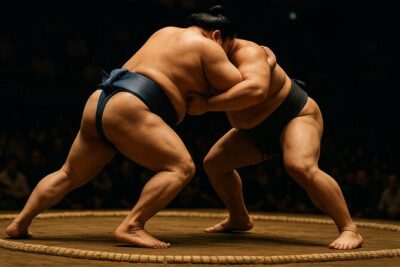
Tokyo Shinjuku Sumo Show & Experience with Photo
Read our review →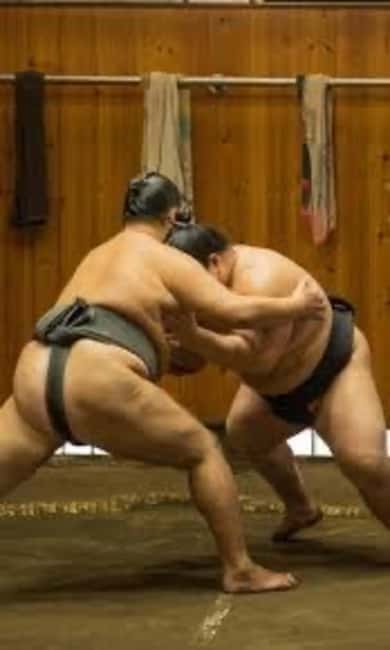
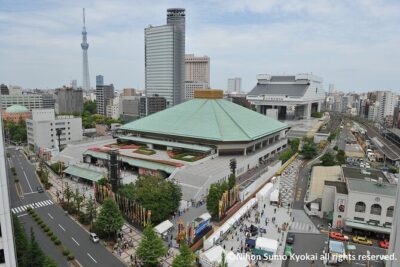
Tokyo Grand Sumo Tournament Viewing Tour with Tickets
Read our review →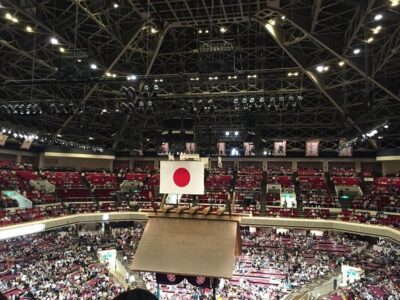

Luxury Sumo Show Experience & Japanese cuisine & Drink
Read our review →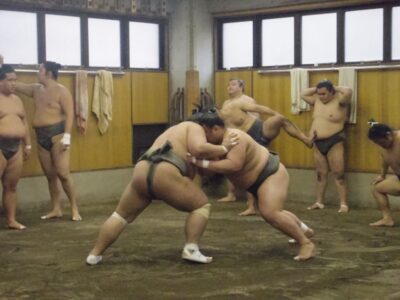
Browse the lists this tour appears in