
Review · SUMO EXPERIENCES IN TOKYO
Tokyo: Not a show- a professional sumo practice with experts
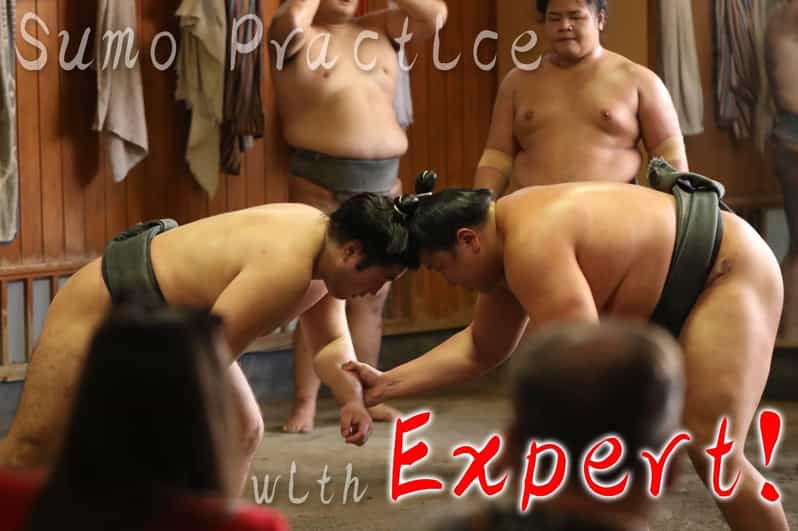
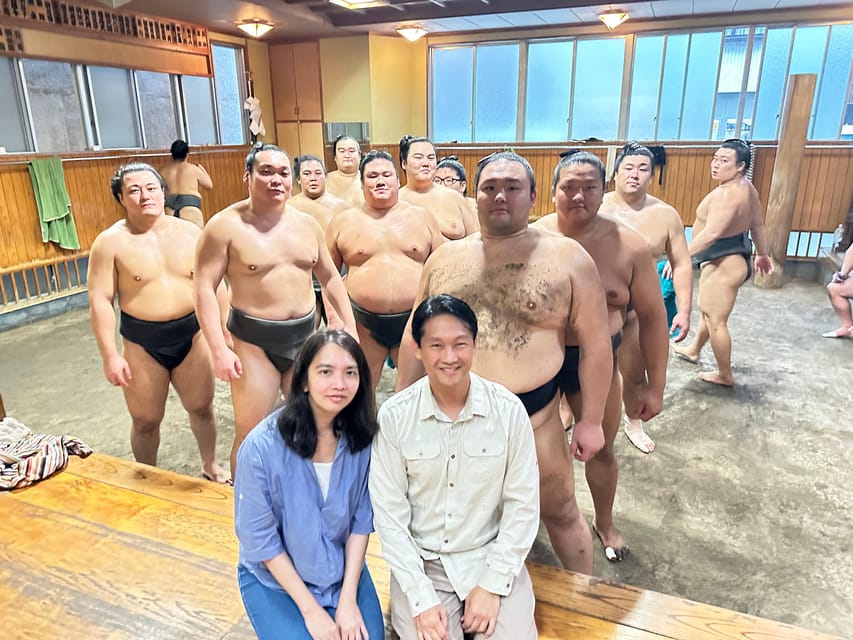
The best part of this Tokyo experience happens inside Takasago-beya, where you watch professional wrestlers train at close range. There is no staged bout, comic routine, or touristy wrestling lesson. You sit quietly, watch the warmups and intense practice, then meet wrestlers for a photo.
I like the access to a working stable and the depth of Shinya’s sumo insight. As a former national newspaper journalist and sumo reporter, he can explain the rituals, wrestlers, tournaments, and customs in a way a standard sightseeing guide cannot. The main tradeoff is simple: you sit on the floor for a long stretch, and the practice itself may have little or no live commentary.
Key points
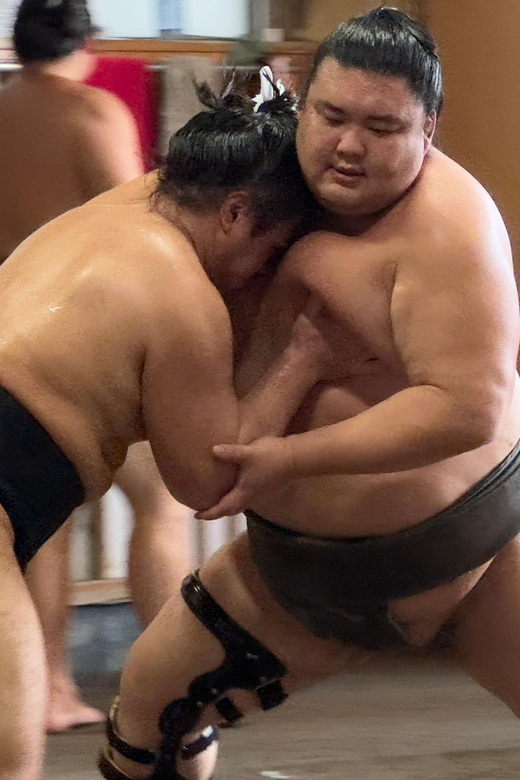
- Watch real training at Takasago-beya: See warmups, drills, sparring, and cooldowns in an active sumo stable.
- Learn from former reporter Shinya: Ask detailed questions about sumo rules, traditions, wrestlers, and tournament life.
- Get remarkably close: Seating can put you only a few inches from the wrestlers, so you see the force and discipline clearly.
- Keep the mood respectful: You are observing a private training session, not attending a performance. Silence and a switched-off phone matter.
- Explore Ryogoku after practice: The short visits to Ryogoku Kokugikan and Ryōgoku Edo NOREN add useful local context.
- Expect floor seating: Cushions are provided, but the arrangement may be difficult if you are heavy, stiff, or uncomfortable sitting low.
Why this is more than a sumo show
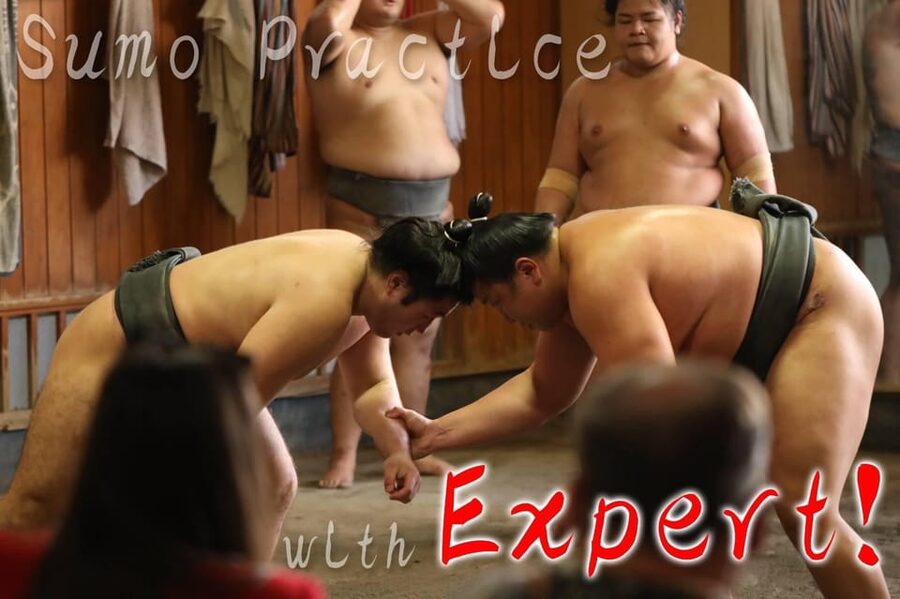
Tokyo offers several sumo-themed activities, but they do not all give you the same experience. Some are built around entertainment, audience participation, and staged demonstrations. This one takes you into a real stable during morning practice, with the wrestlers focused on their work rather than on an audience.
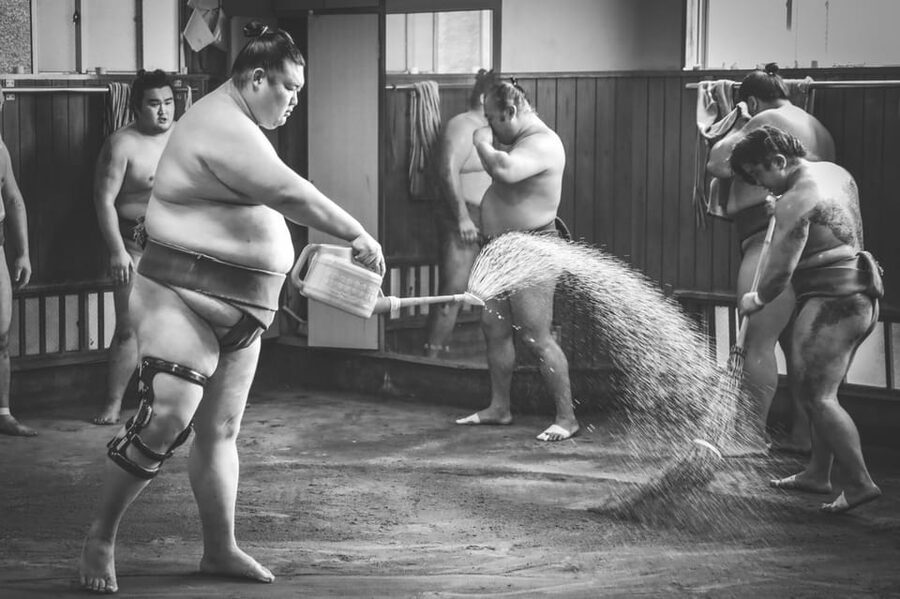
That difference matters. You see the repetition, silence, concentration, and physical strain that make sumo more than two large men pushing in a ring. The wrestlers warm up, practice techniques, spar, and cool down. You may also see senior wrestlers helping or guiding younger members, which gives you a glimpse of the stable’s internal structure.
The setting adds weight to the visit. A stable, or heya, is where wrestlers live and train under the authority of a stablemaster. Access is limited, and permission from the stable is required. You are not simply walking into a public gym with a camera.
The experience has earned a 4.9 rating from 67 reviews, and the praise is focused in the same places: the authentic training, the close seating, and Shinya’s command of the subject. That consistency makes the $103 price easier to assess. You are paying for rare access and a specialist guide, not just three hours of general sightseeing.
More Sumo Experiences in Tokyo
- Tokyo: Sumo Show and Dining Experience
★ 4.8 · 2,742 reviews - the SUMO show
★ 5.0 · 1,960 reviews - Tokyo Shinjuku Sumo Show & Experience with Photo
★ 5.0 · 1,750 reviews
Meeting in Ryogoku, Tokyo’s sumo district
The tour begins at the building listed as 両国HANAビル, near Toei Oedo Line Ryogoku Station, Exit A2 at ground level. It is also about a five-minute walk from the east exit of JR Ryogoku Station.
Ryogoku is the right place to start. This is Tokyo’s traditional sumo neighborhood, and the nearby landmarks help you understand that sumo is part of the district’s daily identity. The operator sends meeting details before the tour date, so check those instructions carefully, especially if you are choosing between the subway and JR line.
The morning timing is important. Sumo practice takes place before the main sightseeing day gets going, and the tour does not treat the stable as a flexible drop-in attraction. Arrive early and leave room for the short walk. One person arrived late after taking the wrong train and was helped by the guide, but you should not plan on needing that kind of rescue.
The group is limited to 10 people. That is a useful size here. A larger crowd would make it harder to sit close, remain quiet, and hear the guide before or after practice.
Inside Takasago-beya for two hours
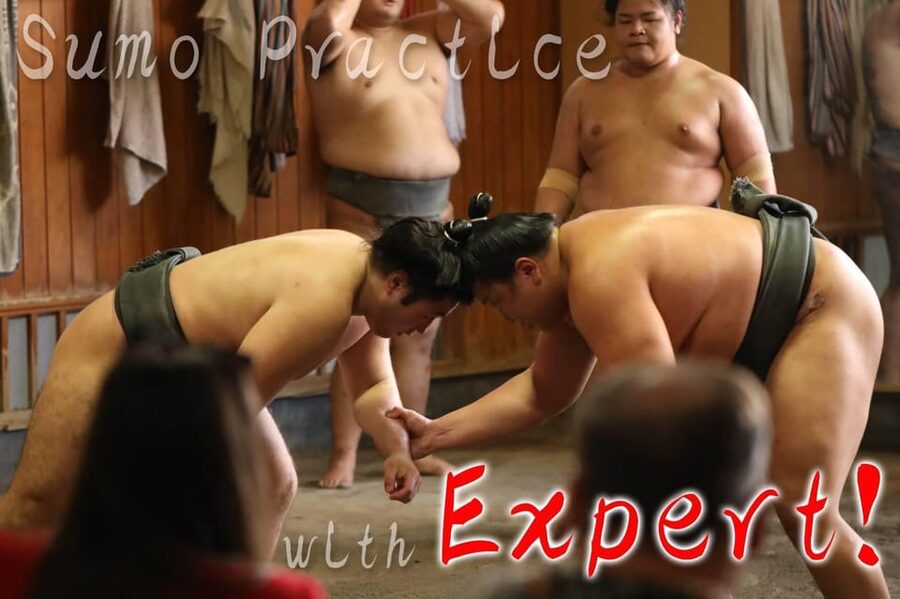
The main visit lasts about two hours at Takasago-beya. This is where the tour earns its price.
You sit on the floor, with a cushion available, and watch the wrestlers train. The best seats can put you roughly five inches from the action. At that distance, sumo stops looking like a distant spectacle. You notice the heavy footwork, the impact of contact, and the controlled pauses between bouts.
The session can include warmups, technical exercises, sparring, and cooldowns. Practice may last longer than you expect because the wrestlers continue until they are finished, rather than following a neat show schedule. One account described the wrestlers having to announce that they were finished, which gives you an idea of how serious and open-ended the session can feel.
This is also the main limitation. You are watching real practice, so you may not receive a running explanation of every movement. The guide gives context around the visit, but there may be quiet stretches while the wrestlers work. If you want commentary during every bout, this may feel less polished than a staged presentation.
I think that silence is part of the value, but you need the right expectation. You are not being entertained every minute. You are being allowed to observe something that normally happens away from public view.
Basic etiquette is essential:
- Keep your voice low.
- Turn off your phone.
- Do not smoke indoors.
- Follow the guide’s instructions about photos and movement.
- Treat the wrestlers as athletes at work, not performers waiting to pose.
The tour includes a photo with a sumo wrestler, generally after or around the practice visit. It is a memorable keepsake, but the photo should never become the main event. The real experience is watching the training without interrupting it.
Shinya’s explanation makes the difference
The specialist guide is Shinya, who has worked as a national newspaper journalist and sumo reporter and photographer. His background gives the tour a useful edge. He can answer questions that go beyond basic facts about weight classes, tournament days, or the ring.
People with only a passing interest in sumo should find his explanations accessible. If you already follow the sport, the Q&A can still be worthwhile because you can ask more detailed questions about wrestlers, traditions, and customs.
Shinya is also described as enthusiastic and engaging, with stories from years of covering the sport. His knowledge is not limited to the rules. He can connect what you are seeing in the stable with the wider sumo world.
The timing of the questions is worth noting. You may not get a long, formal Q&A immediately after the final bout. One account found that the group moved during the latter part of the tour, leaving some questions unanswered. Ask your most important questions as opportunities come up, rather than saving everything for the last five minutes.
You should also expect English that is clear enough for the tour but not necessarily polished to native-speaker level. The guide’s subject expertise and enthusiasm are the strong points. If you need highly technical explanations, phrase your questions plainly and ask for clarification when needed.
Same city, a different fixture:
- Tokyo: Sumo Show and Experience in Shinjuku
★ 4.8 · 1,001 reviews - Tokyo Grand Sumo Tournament Viewing Tour with Tickets
★ 5.0 · 692 reviews - Tokyo Sumo Wrestling Tournament Experience
★ 5.0 · 660 reviews - Tokyo:Luxury Sumo Show Experience & Japanese cuisine & Drink
★ 4.7 · 577 reviews
A short walk through Ryogoku’s sumo landmarks
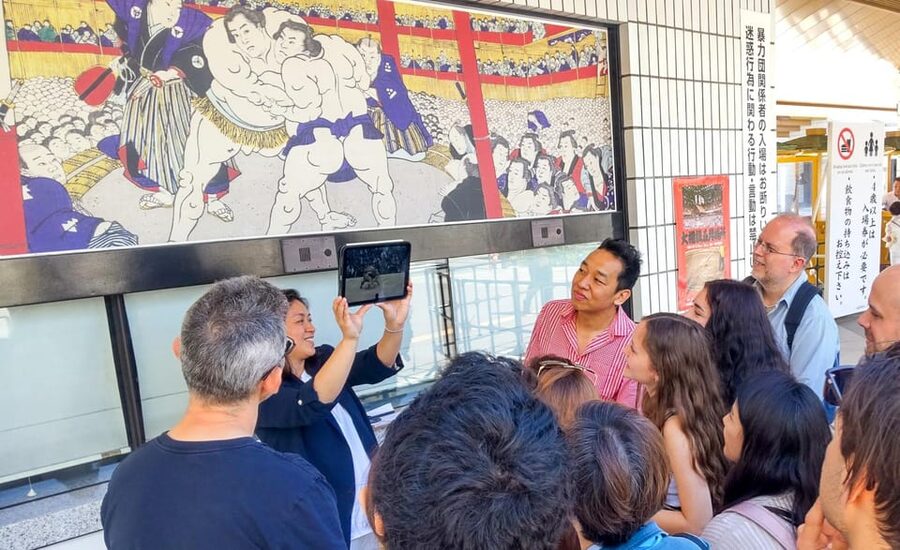
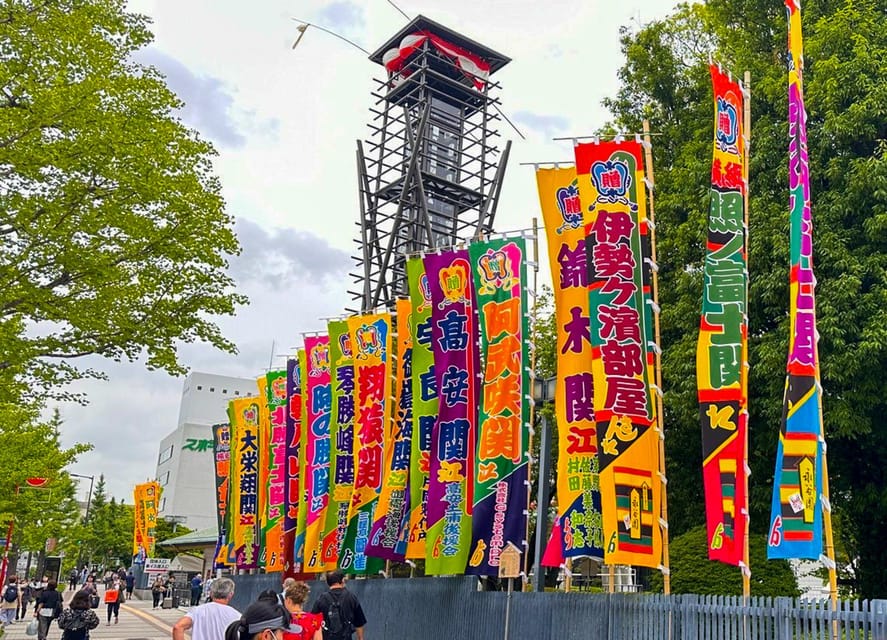
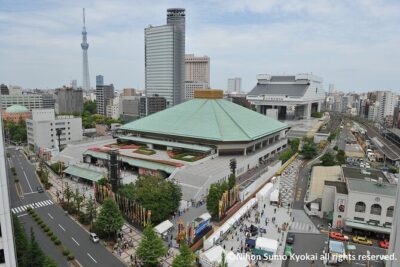
After the stable visit, the tour continues with a guided look at Ryogoku Kokugikan, Tokyo’s major sumo arena. The stop lasts about 15 minutes, so think of it as an orientation rather than a full museum visit or arena tour.
This is a useful follow-up because it places the morning practice in the context of professional competition. You have just seen wrestlers training away from the spotlight. Now you get a glimpse of the public venue where tournaments draw the sport’s biggest audience.
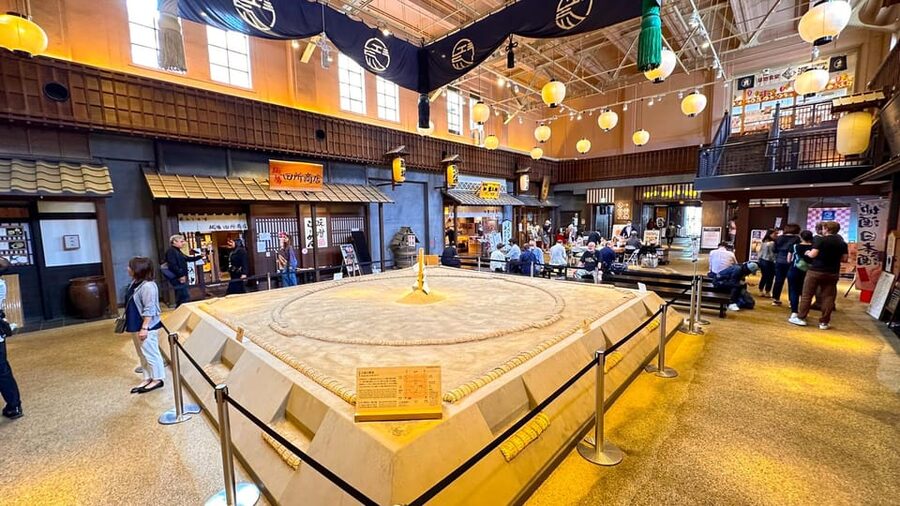
The next stop is Ryōgoku Edo NOREN, another short guided visit of about 15 minutes, followed by roughly 30 minutes for shopping and sightseeing. The building gives you a chance to slow down, look around, and continue the Ryogoku theme after the intense stable session.
The final stop is Ryogoku Station. Since the walking portions are short, this is not a physically demanding walking tour in the usual Tokyo sense. The harder part is sitting low for the practice and staying still and quiet for a long period.
The floor seating is the main practical issue
You should take the seating seriously. Cushions are provided, but you will still sit on the floor. There may also be small stools, yet those are not a complete solution if your knees, hips, or back dislike low seating.
One participant who enjoyed the tour warned that the floor and tiny stools became difficult after more than 90 minutes. Another appreciated the later start but found the seating challenging. If you are tall, heavy, stiff, or simply prefer a chair, this is the biggest point to consider before booking.
The tour is not suitable for children under five. Older children can enjoy it if they understand the need for quiet and patience. A family with three children found the close practice and photo especially rewarding, but a restless child could make the stable visit difficult for everyone.
Wear clothing that allows you to sit comfortably. The supplied information does not promise special seating, so do not assume you can stand at the back or move around freely. The stable is a working space, not an attraction designed around visitor comfort.
Is $103 a fair price?
At $103 per person, this is not a budget activity. You can see sumo-related sights around Ryogoku for less, and you can choose a staged sumo experience if your main goal is light entertainment.
The value here comes from three things:
- Access to a real stable, which is difficult to arrange independently.
- A small group of no more than 10, allowing close viewing and more direct questions.
- A specialist guide with professional sumo journalism experience, not a general guide repeating a short script.
If you only want a quick photo with a wrestler, the price may feel high. If you want to understand how wrestlers train and why sumo customs matter, the cost is more defensible. You are also getting the short Ryogoku Kokugikan and Edo NOREN visits, though those stops are supporting material rather than the main reason to book.
Food, drinks, and tips are not included. Plan to buy anything you want afterward at your own expense. The activity lasts three hours, but much of that time is concentrated in the stable, so the price is tied more to access than to the number of stops.
Free cancellation is available up to 24 hours before the tour for a full refund, and you can reserve now and pay later. Check the available start times for your date, since morning practice schedules can affect the departure.
Who should book this sumo experience?
I would choose this for anyone who wants an authentic look at sumo rather than a staged performance. It suits you especially well if you already follow the sport, enjoy cultural context, or like seeing how an activity works behind the public presentation.
It is also a good choice if tournament tickets are sold out. You will not see a formal tournament bout, but you may come away with a better understanding of the training that makes tournament sumo possible.
Families can enjoy it, provided the children are old enough to sit quietly. The minimum age is five, and the setting demands patience. This is not a good match for someone who needs constant narration, frequent movement, or comfortable Western-style seating.
You should also choose another activity if your main goal is a lively, interactive show. The wrestlers are not there to perform for you. That restraint is exactly what makes the visit special, but it will not suit every mood.
What I would ask before the tour ends
Come prepared with questions. Shinya can explain far more than you will absorb from simply watching the bouts, and the Q&A is included.
Useful questions might cover the meaning of rituals, how wrestlers train at different levels, the role of senior wrestlers, tournament customs, and details you notice about clothing or practice routines. If you are a serious sumo follower, bring your harder questions. The guide has handled detailed questions from people with substantial prior knowledge.
I would also ask about any movement to the next stop before the stable visit ends. The schedule includes the Kokugikan and Edo NOREN, and the group may not linger after practice. That helps you use your limited question time well.
Should you book it?
Book this tour if you want real sumo practice, close seating, and expert explanation. Its strongest features are the stable access and Shinya’s experience as a sumo journalist. Those are difficult to reproduce with a standard Tokyo tour.
Skip it if you dislike floor seating, need continuous commentary, or want a polished stage show. The practice can be quiet, intense, and unpredictable in length. For the right audience, that is the point. For everyone else, it may feel less comfortable than a typical attraction.
For a first visit to Tokyo, I consider this a strong choice for a morning in Ryogoku. It gives you a direct look at a major part of Japanese sporting culture, then leaves you near the station with the rest of the day open.
FAQ
Where does the sumo tour begin?
It begins at 両国HANAビル, near Toei Oedo Line Ryogoku Station, Exit A2 at ground level. The meeting point is about a five-minute walk from the east exit of JR Ryogoku Station.
How long does the activity last?
The total duration is about three hours. The stable visit takes roughly two hours, followed by short visits to Ryogoku Kokugikan and Ryōgoku Edo NOREN.
How large is the group?
The activity is limited to 10 participants.
What languages are available?
The tour is offered in English and Japanese. The guide is English-speaking.
Who leads the tour?
The guide is Shinya, a sumo specialist and former national newspaper journalist and photographer who has covered professional sumo.
Can I take a photo with a sumo wrestler?
Yes. A photo with a sumo wrestler is included.
Is there a question-and-answer session?
Yes. The activity includes a Q&A with a longtime sumo expert. Ask important questions when you have the opportunity, since the group may move on after practice.
Do I sit on the floor?
Yes. You sit on the floor to watch the practice, and a floor cushion is available. Small stools may also be used, but extended low seating can be uncomfortable for some people.
Is the tour suitable for young children?
It is not suitable for children under five. Older children need to remain quiet and respectful during the practice.
What is included in the $103 price?
The price includes the English-speaking guide, the sumo stable visit, a photo with a sumo wrestler, and the Q&A with a sumo expert. Food, drinks, and tips are not included.
Just added for fans in Tokyo
- Tokyo: Grand Sumo Morning Training Tour★ 4.9 · 12 reviews
- Sumo Training Watching Experience in Tokyo★ 4.5 · 8 reviews
- Kickboxing & Body Training with EX-Pro Fighter★ 5.0 · 4 reviews
- Tokyo: Visit Sumo Morning Practice with English Guide★ 4.5 · 22 reviews
- Tokyo Sumo Experience with Live Show & Audience Challenge★ 5.0 · 38 reviews
- Tokyo Shinjuku Sumo Show and Experience with Drinks and Photo★ 4.0 · 21 reviews
- Tokyo Sumo History Tour with Chanko Nabe Lunch★ 5.0 · 3 reviews
- 【SUMO FESTIVAL】Tokyo Ginza: Sumo Show & Photo Experience★ 4.5 · 41 reviews
Sumo Experiences in Tokyo, compared.
Tokyo Shinjuku Sumo Show & Experience with Photo
Read our review →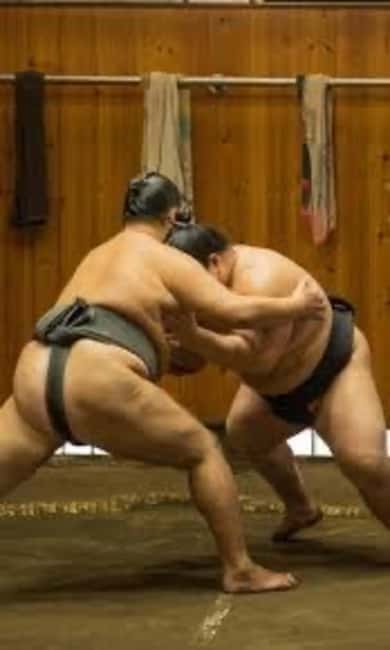
Tokyo Grand Sumo Tournament Viewing Tour with Tickets
Read our review →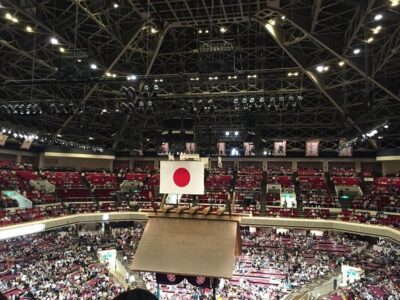

Luxury Sumo Show Experience & Japanese cuisine & Drink
Read our review →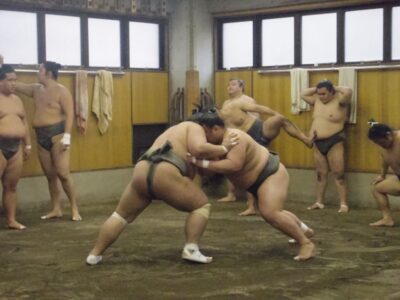
Browse the lists this tour appears in