
Review · SUMO EXPERIENCES IN TOKYO
Tokyo: Sumo Morning Practice Tour in Ryogoku and Photo Shoot
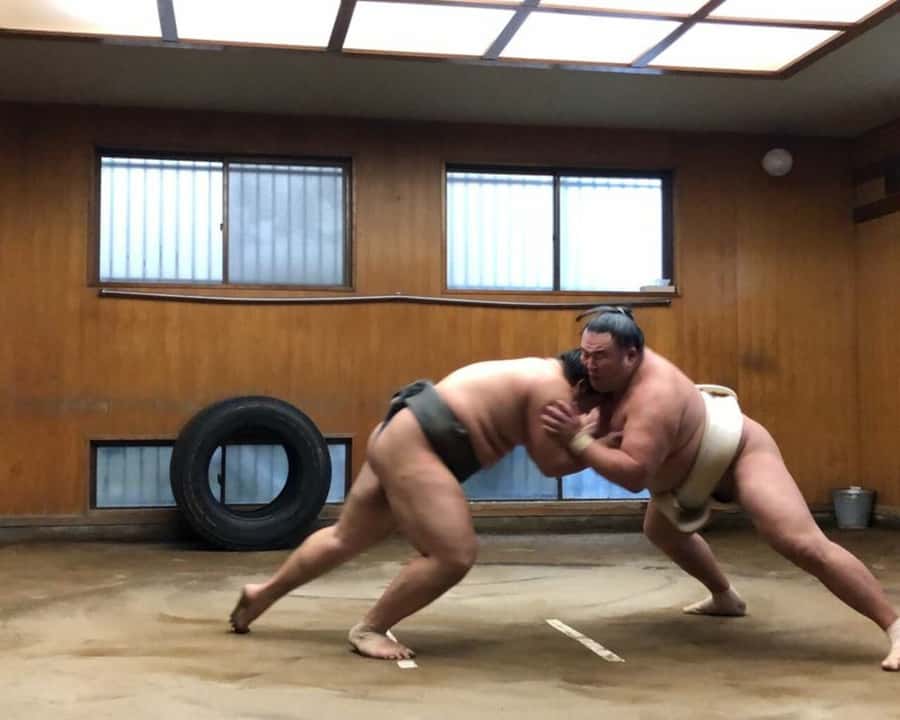
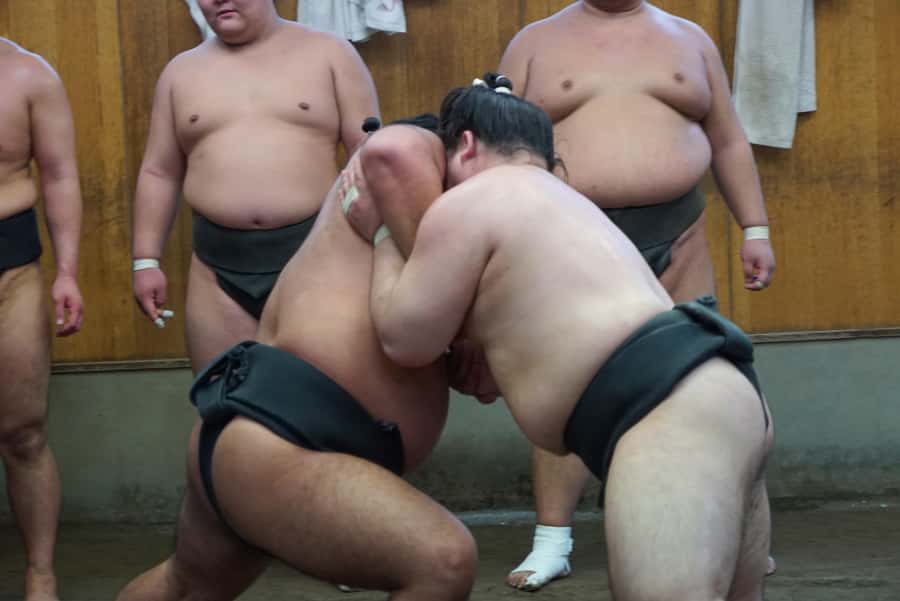
Sumo practice is not a staged show. You sit quietly on tatami while wrestlers work through their morning routine, often only a short distance away. That close view of training is the real draw, especially if you already follow sumo and want to see the discipline behind the tournament spectacle. Marie, one of the guides, is known for lively explanations and for answering questions clearly.
I like two things here: the small group of up to nine, which makes it easier to hear the guide, and the chance to take photos with wrestlers at the end. The guide also explains rules, customs, training, and diet, so you get more than a silent look inside a stable. The main caution is that the experience can be shorter than two hours, and practice may be shortened or canceled without notice.
Key points to know before booking
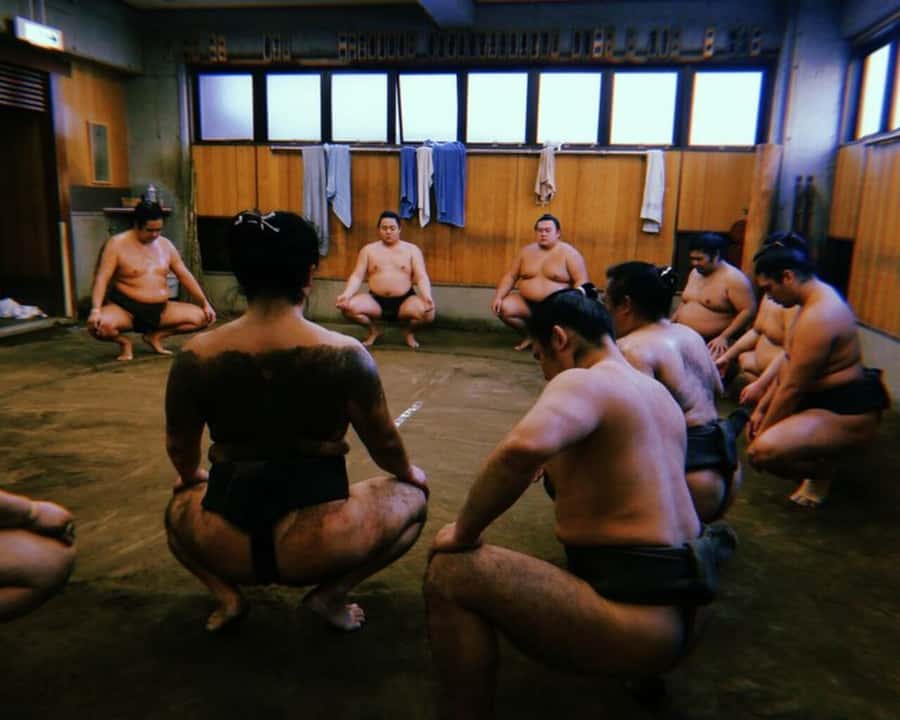
- Morning practice happens inside an active sumo stable, not in a theater or museum.
- Your English-speaking guide explains sumo customs, rules, training, and diet as you watch.
- The group is limited to nine people, but seating is first-come, first-served and groups may be split.
- A photo session with sumo wrestlers is included, though photography can be limited by the stable.
- You sit on tatami without chairs, and there are no restrooms during the visit.
- Children under 12 cannot join, and late arrivals cannot enter or reschedule.
Why a morning stable visit feels different from a sumo tournament
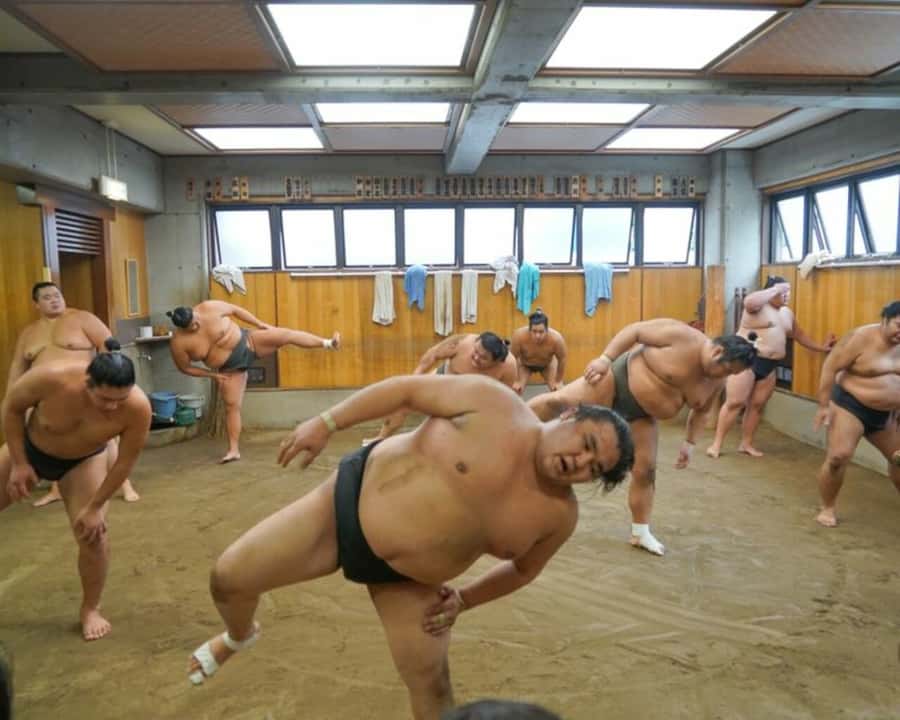
At a tournament, sumo is polished for public viewing. You have assigned bouts, formal announcements, spectators, and a clear sense of competition. At a morning practice, you see the work that comes before all that: repeated exercises, physical conditioning, and the focused routine of wrestlers preparing for their careers.
That difference matters. You are not simply watching two athletes push each other out of a ring. You are seeing a training culture that depends on repetition, strict customs, and quiet concentration. The setting is close and personal, but it is also serious. The wrestlers are working, so you must treat the stable as a place of practice rather than an attraction designed around your schedule.
The tour lasts about two hours, though the practice itself may be shorter. The visit is most rewarding if you can sit still, watch carefully, and let the guide fill in the details. If you need constant movement or a polished performance, a sumo tournament may suit you better.
More Sumo Experiences in Tokyo
- Tokyo: Sumo Show and Dining Experience
★ 4.8 · 2,742 reviews - the SUMO show
★ 5.0 · 1,960 reviews - Tokyo Shinjuku Sumo Show & Experience with Photo
★ 5.0 · 1,750 reviews
Meeting at JR Ryogoku Station without a wrong turn
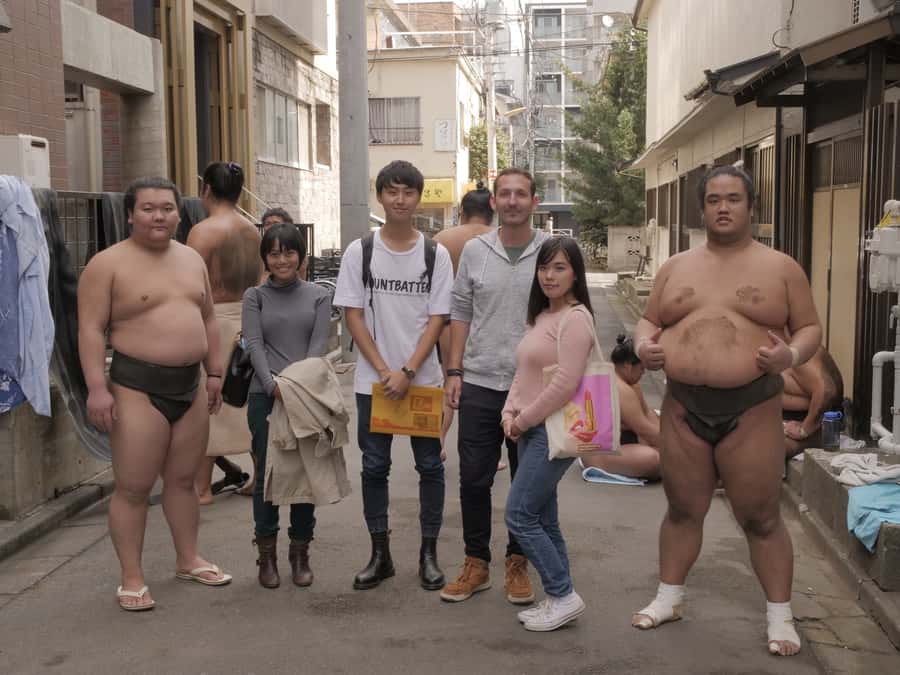
The meeting point is directly outside the East Exit of JR Ryogoku Station, in front of Re.Ra.Ku Ryogoku Station. This detail is important because Ryogoku has two stations. You need the JR line station, not Ryogoku Station on the Toei Oedo Line.
Your guide holds a red or orange sign marked MagicalTrip. I would allow a little extra time to find the correct exit, especially if you are unfamiliar with Tokyo’s station system. The tour starts on time, and a late arrival cannot join or reschedule. Hotel pickup is not included, so you are responsible for reaching the meeting point.
From there, the group walks to a sumo stable. The exact stable is not presented as a public sightseeing stop, and the short walk leads you into a working part of Tokyo’s sumo district. The route itself is simple, but the station detail can make the difference between an easy start and a stressful one.
Inside the stable: quiet observation on tatami
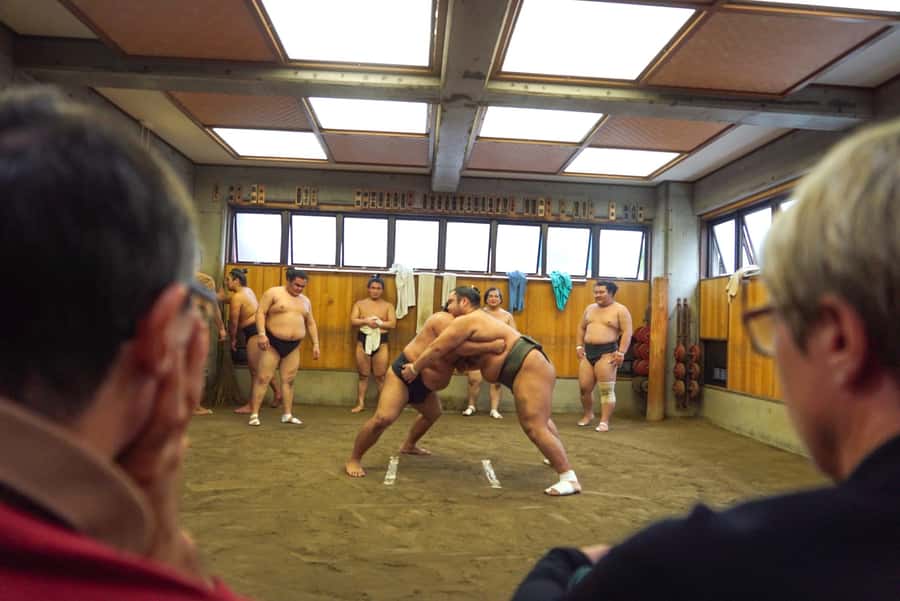
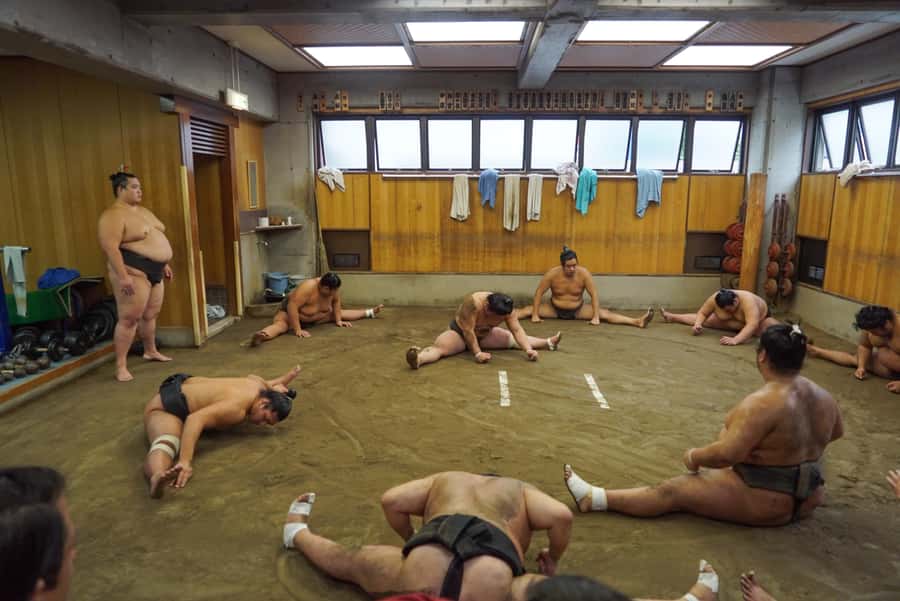
Once inside, you sit on tatami and watch the morning training. There are no chairs, so you should be comfortable sitting on the floor for the visit. Some stables are not suitable for wheelchairs or strollers, and the space may be tight.
This is one of the tour’s strengths. You are close enough to notice the scale of the wrestlers and the effort behind each movement. It is also one of the reasons the tour demands good manners. Food and drinks are not allowed, and video recording is prohibited. You must follow instructions about where to sit and which areas are off limits.
Photography may be limited depending on the stable. The inclusion of a photo session does not mean you can photograph freely throughout practice. The stable’s rules come first, and disruptive behavior or entering a restricted area can end the visit without a refund.
Seating is first-come, first-served, and groups may be split. That means you should not assume that everyone in your booking will sit together or have the same view. A small group helps, but it does not remove the practical limits of a working training room.
What the guide adds to the practice
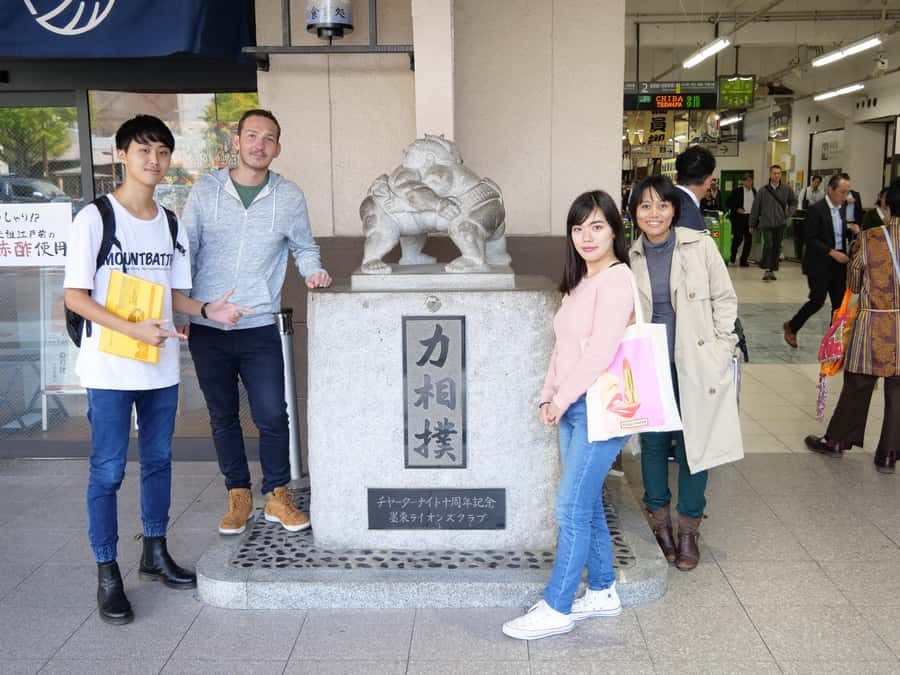
Without explanation, sumo practice can be fascinating but hard to interpret. Your guide gives you the basic framework: the rules of the sport, the roots and customs of sumo, and the training and diet routines followed by wrestlers.
The guide also helps you understand the athletes as people in development, not just very large men in loincloths. You learn how a wrestler’s daily preparation shapes strength, technique, and discipline. Seeing the athletes up close makes those explanations more concrete. Their size is striking, but the bigger point is the work required to control that size in the ring.
English is the tour language. Marie has been praised for her enthusiasm and for handling questions well, making her a particularly good match for first-time visitors who want context rather than a quick photo stop. A conversation with a wrestler may be possible, but it is not guaranteed. I would treat that as a pleasant extra, not a promised part of the experience.
A special sumo information document is also provided. It gives you something to read and keep after the visit, useful if you want to remember names, rules, or customs that are easy to forget once you return to the city.
Same city, a different fixture:
- Tokyo: Sumo Show and Experience in Shinjuku
★ 4.8 · 1,001 reviews - Tokyo Grand Sumo Tournament Viewing Tour with Tickets
★ 5.0 · 692 reviews - Tokyo Sumo Wrestling Tournament Experience
★ 5.0 · 660 reviews - Tokyo:Luxury Sumo Show Experience & Japanese cuisine & Drink
★ 4.7 · 577 reviews
The photo session at the end
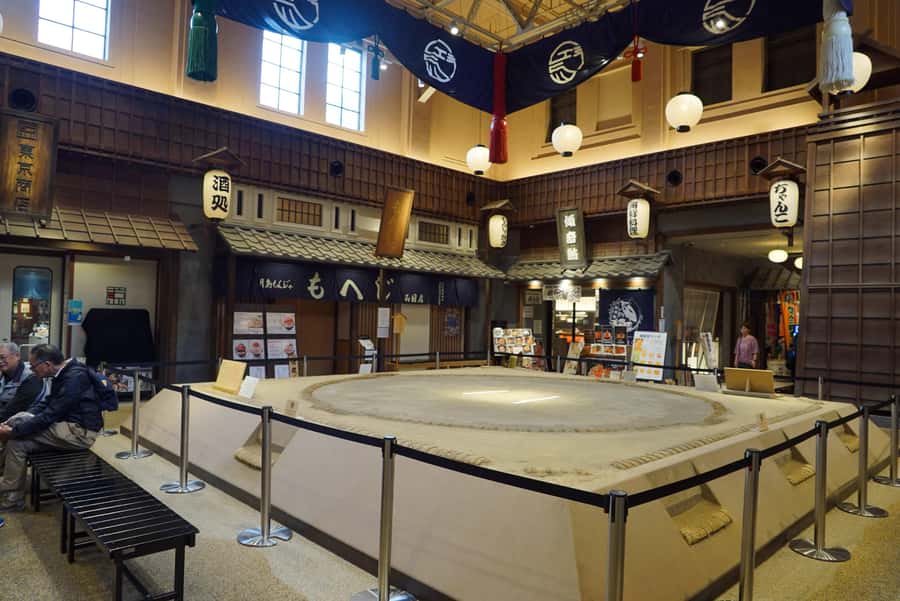
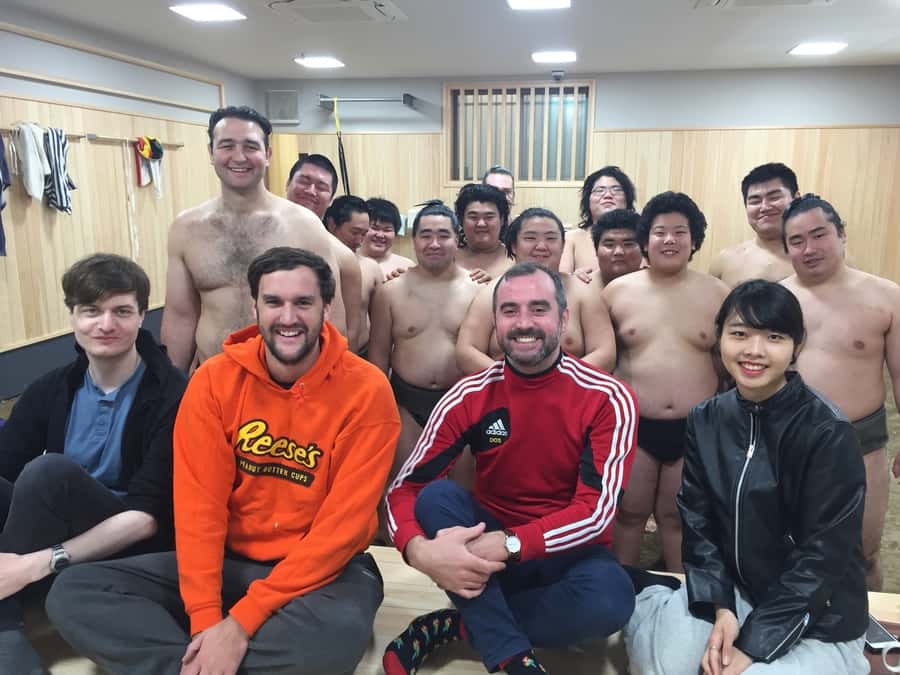
The included photo session gives the tour a clear finish. After watching practice, you may have the chance to take pictures with sumo wrestlers. For many people, this is the most memorable souvenir because it captures the unusual scale of the encounter.
Keep your expectations flexible. Photography can be limited by the stable, and the exact setup may vary. The session is not a promise of unlimited individual time or a long personal conversation. Group arrangements may also affect how much time you have in front of the camera.
Still, it is a useful addition to the practice visit. You get both the serious side of sumo and a more relaxed moment at the end. If photographs matter to you, follow the guide’s directions closely. The stable’s rules are more important than getting one extra picture.
Is $96 a fair price for two hours?
At $96 per person, this is not a cheap way to fill a morning. You are paying for access to a real training stable, an English-speaking local guide, the entrance fee, and the photo session. You are also paying for a small group, capped at nine people, rather than a large bus-style outing.
The value depends on your interest. If you already enjoy sumo, the chance to watch practice from close range may justify the price on its own. You are seeing part of the sport that is not represented by a standard Tokyo sightseeing stop. The guide’s explanations add value by showing you how the practice fits into sumo culture.
For a casual visitor, the price requires more thought. The active viewing portion may be shorter than two hours, and there is no promise of a conversation with a wrestler. If you mainly want a quick photo, the cost may feel high. If you want access, context, and a respectful look at training, the package makes more sense.
The small group helps protect the experience from becoming noisy or impersonal. That matters in a stable, where the atmosphere depends on quiet observation. Just remember that small group does not mean private tour, and seating remains first-come, first-served.
The rules that shape the experience
The restrictions are not minor fine print. They are part of how this visit works.
You cannot bring food or drinks into the stable. Video recording is not allowed, though still photography may be permitted within the stable’s rules. Shorts are not specifically banned, but short skirts and sleeveless shirts are not allowed, so dress conservatively.
You should use a restroom before meeting the group because there are no restrooms during the tour. Dress for the weather, since the visit begins outside and the route and waiting conditions can vary. No extra fee is required once you have booked.
The tour is for people aged 12 and older. Children under 12 will be denied entry without a refund. Early departure is possible, but you cannot leave and then re-enter. These rules make the tour a better fit for older children, teenagers, and adults who can remain quiet and seated.
Practice can also be canceled or shortened without notice. If the stable cancels the visit, a full refund is provided. That uncertainty is part of booking access to a working practice rather than a scheduled public performance.
Who will enjoy this Ryogoku experience most?
I would choose this tour if you want to see sumo beyond the tournament arena. It suits people who care about Japanese customs, athletes’ routines, and the physical demands of the sport. It is also a good fit for first-time visitors because the guide explains the basic rules instead of assuming you already know them.
The tour works especially well for:
- Sumo fans who want a closer look at training
- First-time visitors who want a distinctly Japanese experience
- Adults and older children who can sit quietly on tatami
- Photographers who understand that stable rules limit what is possible
- Small groups that value an English explanation and an organized visit
I would hesitate if you need wheelchair or stroller access, cannot sit on the floor, or expect a guaranteed conversation with a wrestler. I would also think twice if your schedule is so tight that a shortened practice would leave you disappointed.
The experience is not built around entertainment every minute. Its appeal comes from watching a real routine and learning how to read what you are seeing. That requires patience.
Practical timing, clothing, and cancellation advice
Check the available starting times when you book, since this is a morning activity and the schedule can vary. Plan to arrive early at the JR East Exit, not the Toei Oedo Line station. Being on time is essential because late arrivals cannot join.
Wear clothing that lets you sit comfortably on tatami while still meeting the stable’s dress rules. Avoid short skirts and sleeveless tops. Bring no food or drink into the stable, and use the restroom before the tour begins.
You can cancel up to three days in advance for a full refund. Same-day changes are not allowed, and the date or time cannot simply be adjusted at the last minute. The provider is MagicalTrip, and the tour is conducted in English.
Should you book the sumo morning practice tour?
Book it if you want a close, respectful look at sumo training and value a guide who can explain the sport as you watch. The small group, included photo session, and access to an active stable give it more substance than a basic photo opportunity. Marie’s clear, enthusiastic guiding style is another reason this is a strong choice for visitors who want help understanding the customs.
Skip it if you need guaranteed practice time, easy wheelchair access, chairs, or a relaxed policy on photography and movement. The visit can be shortened, seating is not guaranteed, and the stable’s rules control the day.
For the right person, $96 buys a rare kind of Tokyo morning: quiet observation, powerful athletes at work, and a better sense of what sumo demands before the crowd ever sees a bout.
FAQ
Where does the sumo tour meet?
Meet in front of Re.Ra.Ku outside the East Exit of JR Ryogoku Station. Use the JR line station, not the Toei Oedo Line station. The guide holds a red or orange MagicalTrip sign.
How long does the tour last?
The scheduled duration is two hours. The practice may be shortened, and one reported experience lasted less than two hours overall.
What language is the tour conducted in?
The live tour guide speaks English.
How many people can join the tour?
The group is limited to nine participants. Groups may still be split inside the stable, and seating is first-come, first-served.
Can children join the tour?
Children must be at least 12 years old. Children under 12 cannot join and will be denied entry without a refund.
Can I take photos or record video?
A photo session with sumo wrestlers is included, but photography may be limited by the stable. Video recording is not allowed.
Do I sit on chairs during the practice?
No. You sit on tatami, and chairs are not provided.
Is a conversation with a sumo wrestler guaranteed?
No. You may have a chance to speak with a wrestler, but this is not guaranteed.
What happens if practice is canceled?
Practice may be canceled or shortened without notice. If the tour is canceled, a full refund is provided.
Just added for fans in Tokyo
- Tokyo: Grand Sumo Morning Training Tour★ 4.9 · 12 reviews
- Sumo Training Watching Experience in Tokyo★ 4.5 · 8 reviews
- Kickboxing & Body Training with EX-Pro Fighter★ 5.0 · 4 reviews
- Tokyo: Visit Sumo Morning Practice with English Guide★ 4.5 · 22 reviews
- Tokyo Sumo Experience with Live Show & Audience Challenge★ 5.0 · 38 reviews
- Tokyo Shinjuku Sumo Show and Experience with Drinks and Photo★ 4.0 · 21 reviews
- Tokyo Sumo History Tour with Chanko Nabe Lunch★ 5.0 · 3 reviews
- 【SUMO FESTIVAL】Tokyo Ginza: Sumo Show & Photo Experience★ 4.5 · 41 reviews
Sumo Experiences in Tokyo, compared.
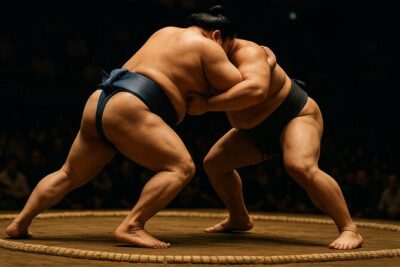
Tokyo Shinjuku Sumo Show & Experience with Photo
Read our review →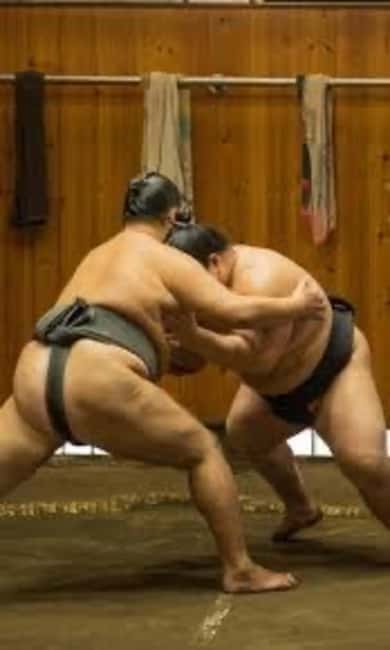
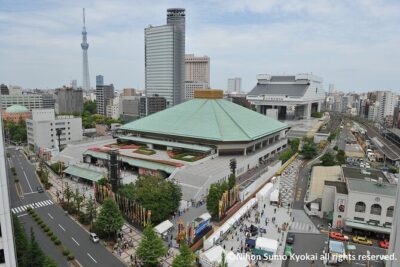
Tokyo Grand Sumo Tournament Viewing Tour with Tickets
Read our review →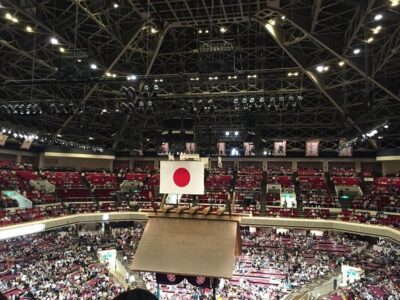

Luxury Sumo Show Experience & Japanese cuisine & Drink
Read our review →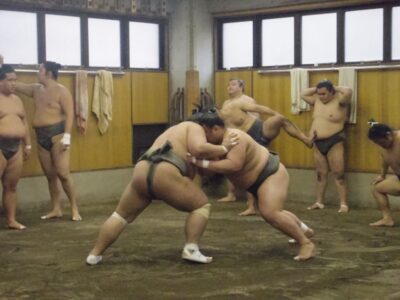
Browse the lists this tour appears in