
Review · SUMO EXPERIENCES IN TOKYO
Tokyo: Sumo Morning Practice with Photo Banzuke and Guide
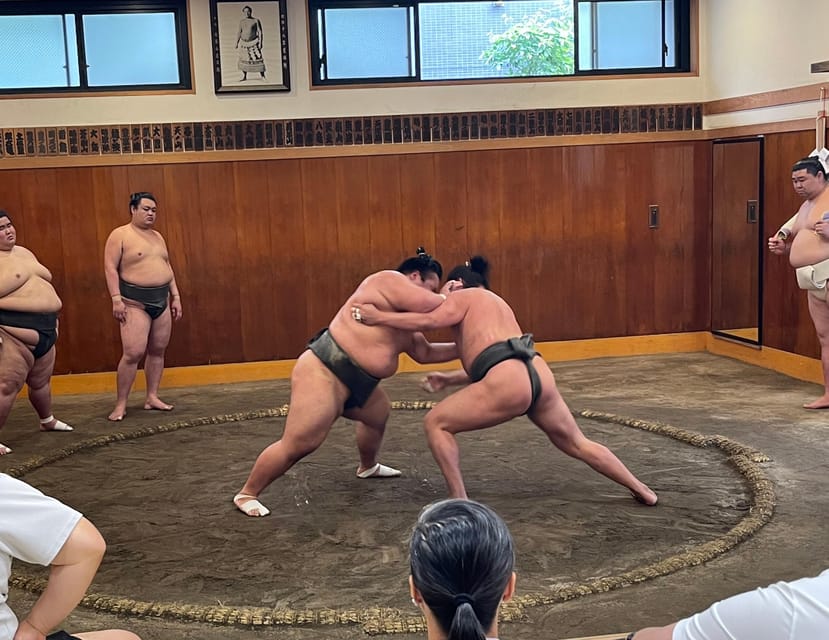
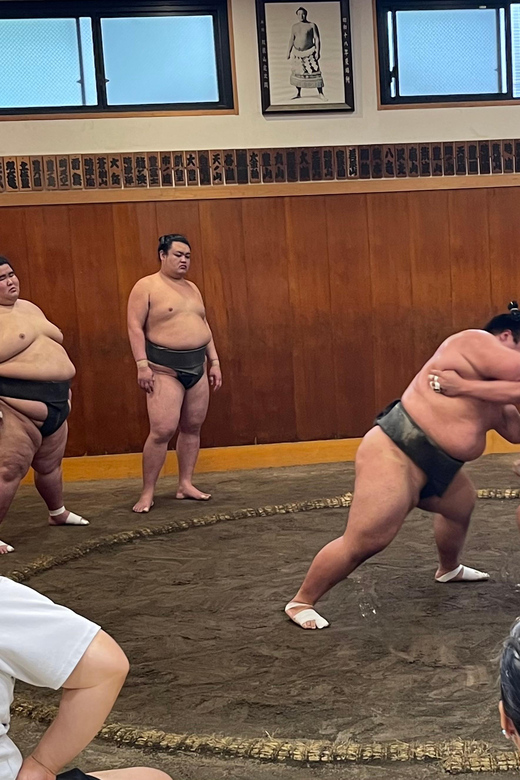
The best part of this Tokyo experience is the close-up view of sumo practice. You sit in chairs inside a working stable, watching wrestlers of every size train in a sport with no weight classes. The shouts, foot stamps, and force of each movement give you a far better sense of sumo than a quick look at a tournament from a distant arena seat.
I like two things here: the small group of up to nine people, and the short talk after practice that explains what you are seeing. The guide helps turn a silent morning workout into something you can understand. The only real drawback is the long seven-hour booking window, especially if the visit takes longer to get moving or you want to use a sunny day for other Tokyo plans.
Key things to know before you book
- You sit in chairs during practice, so you do not need to kneel on the floor while watching the wrestlers.
- The stable is near central Tokyo, about 14 minutes from Otemachi and Tokyo Station, with the meeting point at Kiyosumi-Shirakawa Station.
- The group is limited to nine people, which helps you hear the English guide and follow the practice.
- Morning training is a rare look at working sumo, since official tournaments take place only 90 days each year.
- The tour includes a presentation and photo stop, not just silent observation.
- Arrive early at Exit B1, near FamilyMart. Late arrivals can hold up a small group and may not be accommodated fully.
Why morning practice is more revealing than a tournament
A sumo tournament gives you the spectacle: formal entrances, packed stands, banners, and bouts that count toward a wrestler’s record. Morning practice gives you the work behind that spectacle.
You watch the wrestlers repeat their movements and prepare for their next major match. Sumo has no weight classes, so the contrast between bodies can be striking. A smaller wrestler may face a much larger opponent, and technique matters as much as raw force.
The visit also shows you sumo as a daily discipline rather than a staged performance. That distinction matters. You are not watching a demonstration arranged for tourists. You are observing a training session at a real stable that has agreed to let a small number of people watch.
Only a select number of Japan’s 44 operating stables allow morning observation. That limited access is the main reason this experience has value. It gives you a view of sumo that is hard to get by simply buying a ticket for a tournament.
More Sumo Experiences in Tokyo
- Tokyo: Sumo Show and Dining Experience
★ 4.8 · 2,742 reviews - the SUMO show
★ 5.0 · 1,960 reviews - Tokyo Shinjuku Sumo Show & Experience with Photo
★ 5.0 · 1,750 reviews
Meeting at Kiyosumi-Shirakawa Station
The meeting point is Exit B1 of Kiyosumi-Shirakawa Station, close to a FamilyMart convenience store. This is the detail to take seriously. Go to the station early, find Exit B1, and wait near the convenience store or directly outside the exit as instructed.
The directions are workable, but the exact meeting location may feel less obvious than a large landmark in central Tokyo. If you are taking a taxi, the exit is useful because the guide waits there rather than asking you to find a particular street or building.
The tour asks you not to be late, and that is more than a polite request. The group is small, and the stable is a working place with its own schedule. A late arrival can delay everyone or reduce the time available inside. If you are running behind, contact the operator at once, but do not treat that as a safety net.
I would allow extra time for the station, especially if you are not familiar with Tokyo’s large rail network. Comfortable shoes are a good idea because the visit includes walking from the station and additional walking later.
The walk and introduction before practice
The first part includes a guided segment of about 15 minutes. This is where your guide sets up the visit and explains what you are about to see.
You may learn the basic structure of a stable, the role of practice, and the customs that shape a sumo morning. The exact talk can vary by guide and stable conditions, but the purpose is clear: help you watch with some context instead of guessing what each exercise means.
This early explanation is useful because sumo practice can look repetitive if you do not know what to watch for. Once you understand that footwork, balance, pushing, grappling, and ritual movements all have a purpose, the session becomes easier to follow.
The walk itself is not sold as a sightseeing tour, so you should not expect a long neighborhood exploration. Its value is practical. It gets you from the station to the stable while giving the guide time to answer basic questions.
Sitting close to the wrestlers for 2.5 hours
The main practice session lasts about two and a half hours. This is the heart of the experience, and it requires a little patience.
You sit in chairs while the wrestlers train. That small detail makes a real difference. Traditional Japanese settings can involve sitting on the floor, but here you have a more comfortable viewing position for a lengthy session. You can focus on the wrestlers rather than worrying about your knees.
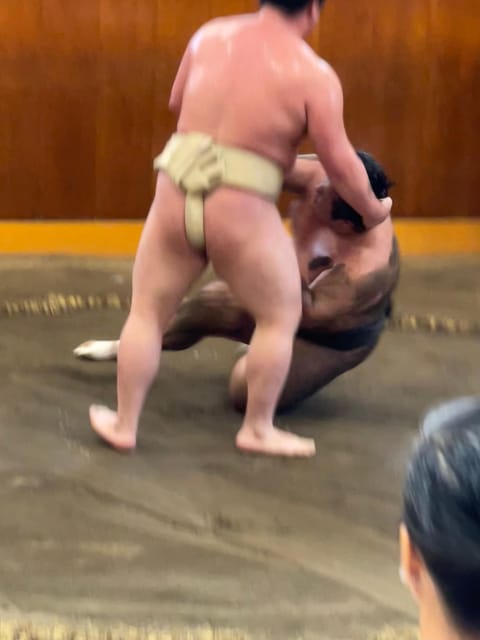
From this close distance, you can appreciate the physical force of sumo. The wrestlers are not simply pushing in a straight line. They work on timing, posture, balance, grip, and the ability to stay upright when another large body hits them.
The repeated exercises may not feel like a nonstop show. That is part of the point. Training involves routine, pauses, and repetition. If you need constant action, the session may feel slow. If you like watching a craft being practiced, the length gives you time to notice patterns.
You should also remember that the stable is not a theater. The wrestlers are there to train, not to perform a set program for you. The atmosphere can be quiet and focused between bouts. Follow your guide’s instructions about movement, conversation, photography, and where to sit.
A two-and-a-half-hour observation period is generous for this kind of visit. It gives you enough time to see different types of practice rather than a brief glimpse. It also explains why some people may find the complete experience long when they have only a limited day in Tokyo.
Same city, a different fixture:
- Tokyo: Sumo Show and Experience in Shinjuku
★ 4.8 · 1,001 reviews - Tokyo Grand Sumo Tournament Viewing Tour with Tickets
★ 5.0 · 692 reviews - Tokyo Sumo Wrestling Tournament Experience
★ 5.0 · 660 reviews - Tokyo:Luxury Sumo Show Experience & Japanese cuisine & Drink
★ 4.7 · 577 reviews
What the guide adds after the practice
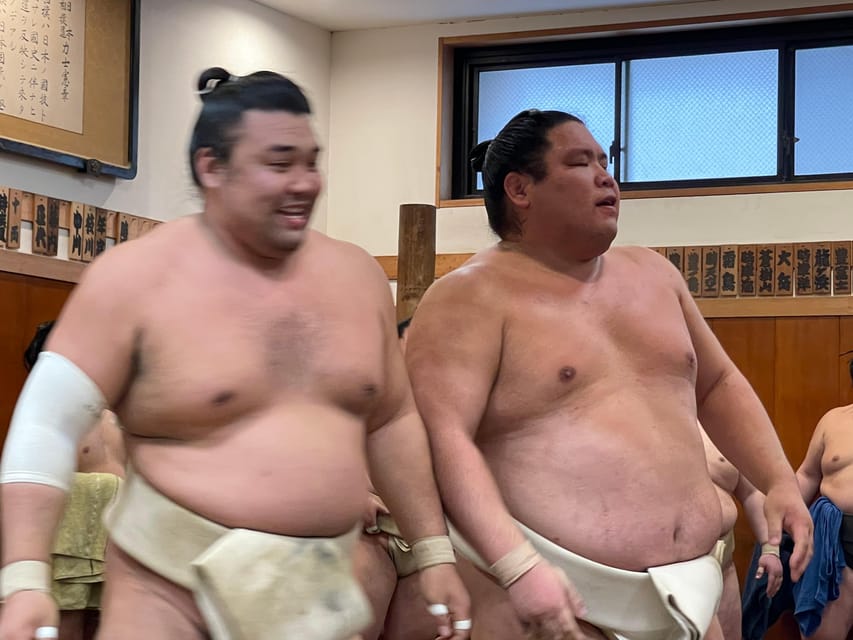
After the training, an English-speaking local guide gives a short presentation on the basics of sumo. This is an important part of the experience because the stable visit alone may leave you with more impressions than answers.
You can expect an explanation of the sport’s basic ideas, traditions, and history. The guide helps you understand what makes sumo different from other forms of wrestling, including the fact that competitors do not fight within weight classes.
This talk is also the right time to ask questions. You may want to know why certain movements are repeated, how a bout is decided, or what the wrestlers are preparing for. The supplied information does not name individual guides, so you should not book this expecting a particular person. The language offered is English.
The best guides make the session feel like a conversation rather than a lecture. The strong points reported about the guiding are friendliness, clear explanations, and a useful connection between the practice and the larger world of sumo. That matters more here than a long list of facts.
The photo stop and short walks
The experience includes a photo stop of about 15 minutes. This gives you a moment to take pictures after the main observation rather than trying to manage your camera during training.
Bring a camera if you want one, but remember that photography rules inside a working stable may limit when and where you can take pictures. Follow the guide’s instructions. A respectful photo is more valuable than trying to document every movement.
The plan also includes two walking sections of about 10 minutes each. These are not described as major sightseeing stops, so keep your expectations modest. They are part of moving between the station, stable, and photo area.
The group returns to Kiyosumi-Shirakawa Station. Since the total duration is listed as seven hours, you should leave room in your day rather than scheduling a tight museum visit or restaurant reservation immediately afterward.
The stated timing does not match only the visible activity blocks, which add up to less than seven hours. That may allow for meeting, walking, waiting, the presentation, and the full group schedule. I would plan around the full seven-hour window and treat an earlier finish as a bonus.
Is $115 a fair price?
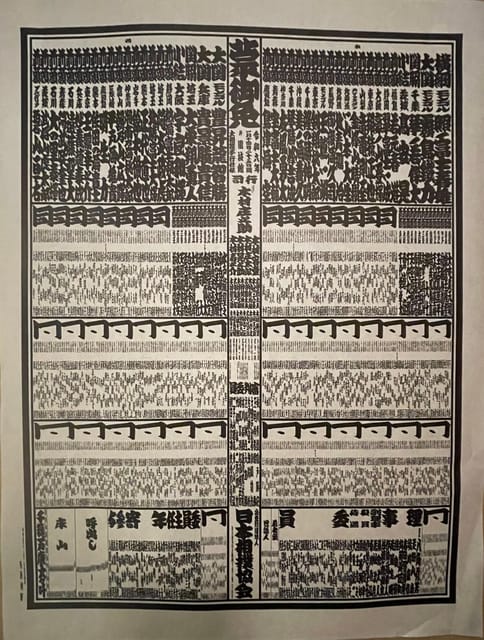
At $115 per person, this is not a cheap way to spend a morning in Tokyo. You are paying for access to a stable that normally is not open for casual public observation, a small group, an English-speaking guide, and the time needed to explain what you see.
The value depends on your priorities. If you only want to see sumo once and take a quick photograph, the price may feel high. A tournament ticket could make more sense if your dates match one of the official competitions and you want the full arena atmosphere.
If you want to understand how wrestlers train, this visit offers something a tournament cannot. You sit close, watch the preparation, and get a direct explanation afterward. The group size of nine or fewer also gives the visit a more personal feel than a large sightseeing outing.
I see the price as reasonable for a visitor who already has a strong interest in Japanese sport and tradition. It is less compelling for someone with just one free morning who is unsure whether two and a half hours of training will hold their attention.
The option to reserve now and pay later can help if your Tokyo schedule is still moving around. Free cancellation up to 24 hours in advance also gives you some protection, provided you cancel within the stated time.
Who will enjoy this most
I would recommend this to adults, older children, and anyone who prefers working traditions over polished tourist shows. Children under nine are not permitted, so families with very young children should choose another activity.
You will likely enjoy it if you:
- Want to see sumo outside the official tournament season
- Prefer a small group to a large guided crowd
- Like learning the rules and customs behind what you watch
- Can sit patiently through a long training session
- Are comfortable following strict instructions inside a working stable
You may want to skip it if you need a fast-paced morning, dislike repeated practice, or have only a short time in Tokyo. The experience is built around observation, not a hands-on lesson or a chance to wrestle with a sumo competitor.
It is wheelchair accessible, which makes the stated access broader than many traditional cultural activities. You should still confirm any personal mobility needs when booking, since the tour includes walking between the station and the other locations.
Practical advice for a smoother visit
Arrive early. I would not cut it close with a train connection, taxi ride, or coffee stop. Exit B1 near FamilyMart is the key landmark, and knowing that in advance saves time.
Wear comfortable shoes. The walking portions are short, but the day includes movement before and after the practice. Bring a camera, but use it only when permitted.
Do not plan to wander away from the group during the main session. The stable has its own routine, and the tour needs to respect it. If you think you may leave early, tell the guide at the start. One person leaving quietly can distract the group or create confusion.
The small group is an advantage, but it also makes punctuality more important. A nine-person group cannot absorb delays as easily as a large bus tour. That is one reason the operator asks late arrivals to make contact.
Should you book this sumo experience?
Book it if you want the working side of sumo, not just the famous arena version. The close seating, limited group, long practice session, and clear English explanation give you time to see how much discipline sits behind each bout.
Think twice if your Tokyo schedule is packed or if $115 feels like too much for an activity that may include quiet stretches. The experience is not designed as a quick photo opportunity. It asks you to slow down and watch.
For the right visitor, that is precisely its strength. You get a rare look inside a sumo stable, a better grasp of the sport’s traditions, and a memory that feels tied to real daily practice rather than a staged cultural display.
FAQ
Where does the sumo experience meet?
Meet at Exit B1 of Kiyosumi-Shirakawa Station, near a FamilyMart convenience store.
How long does the experience last?
The stated duration is seven hours. The schedule includes guided walking, about two and a half hours of sumo practice, a photo stop, and additional walking.
Is the tour conducted in English?
Yes. The live guide and tour language are English.
How many people are in the group?
The group is limited to nine participants.
Can children join the experience?
Children under nine years old are not permitted.
Is the activity wheelchair accessible?
Yes, the activity is listed as wheelchair accessible.
Just added for fans in Tokyo
- Tokyo: Grand Sumo Morning Training Tour★ 4.9 · 12 reviews
- Sumo Training Watching Experience in Tokyo★ 4.5 · 8 reviews
- Kickboxing & Body Training with EX-Pro Fighter★ 5.0 · 4 reviews
- Tokyo: Visit Sumo Morning Practice with English Guide★ 4.5 · 22 reviews
- Tokyo Sumo Experience with Live Show & Audience Challenge★ 5.0 · 38 reviews
- Tokyo Shinjuku Sumo Show and Experience with Drinks and Photo★ 4.0 · 21 reviews
- Tokyo Sumo History Tour with Chanko Nabe Lunch★ 5.0 · 3 reviews
- 【SUMO FESTIVAL】Tokyo Ginza: Sumo Show & Photo Experience★ 4.5 · 41 reviews
Sumo Experiences in Tokyo, compared.
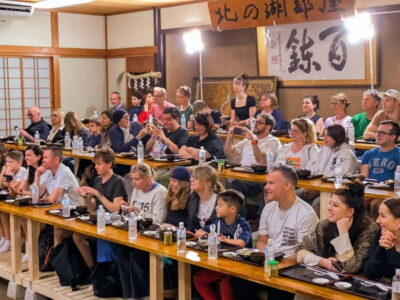
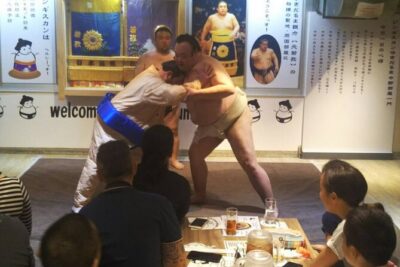
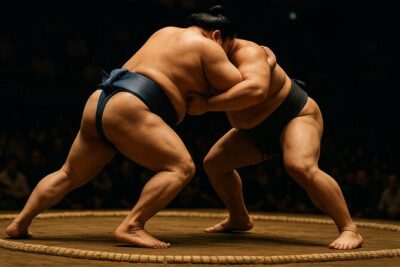
Tokyo Shinjuku Sumo Show & Experience with Photo
Read our review →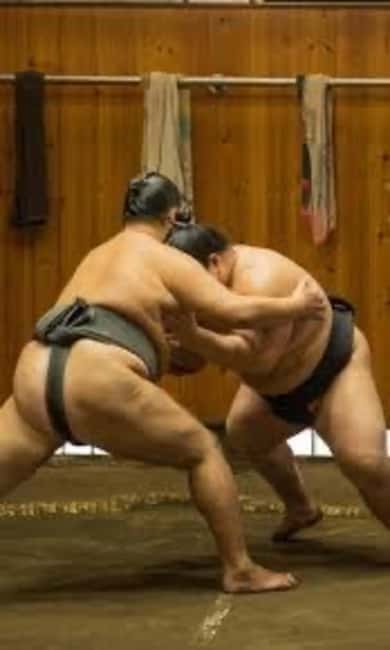
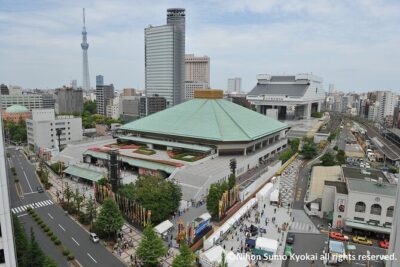
Tokyo Grand Sumo Tournament Viewing Tour with Tickets
Read our review →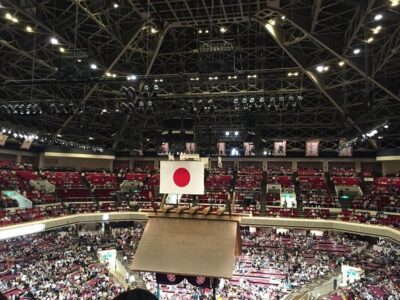

Luxury Sumo Show Experience & Japanese cuisine & Drink
Read our review →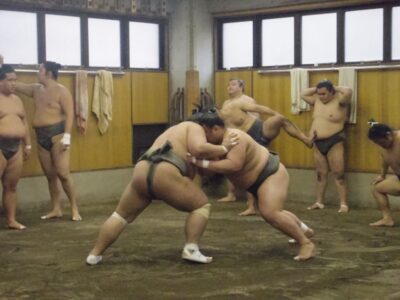
Browse the lists this tour appears in