
Review · SUMO EXPERIENCES IN TOKYO
Tokyo Sumo Morning Training/ Sumo Practice with Wrestlers
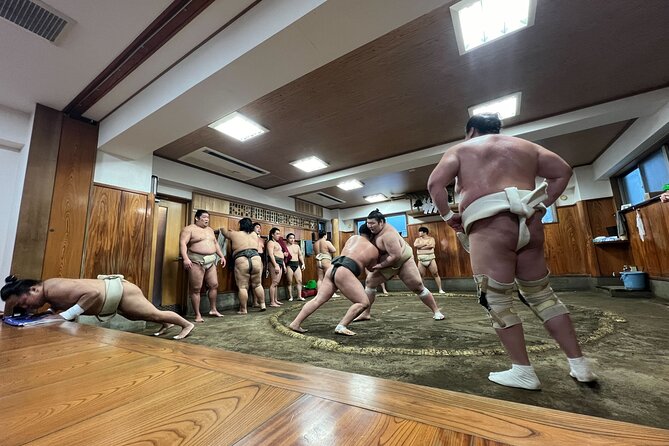
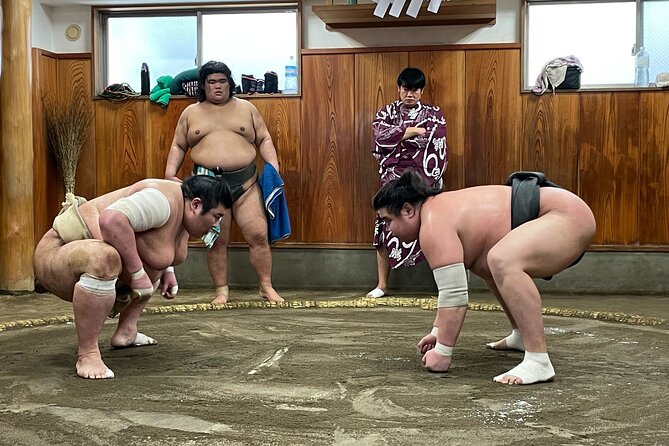
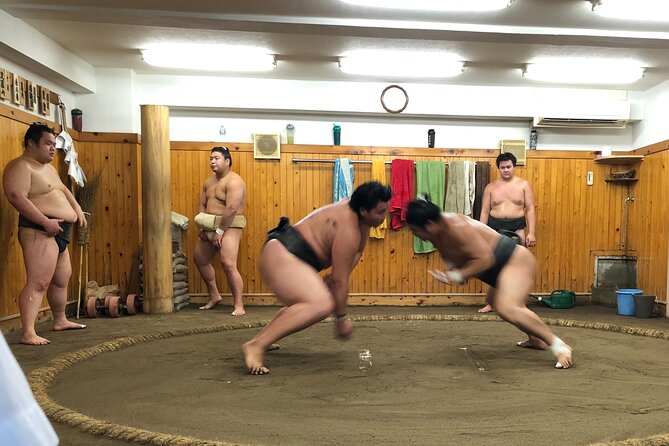
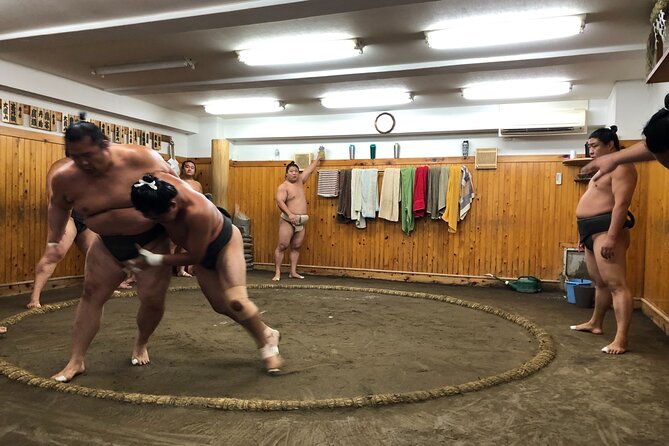
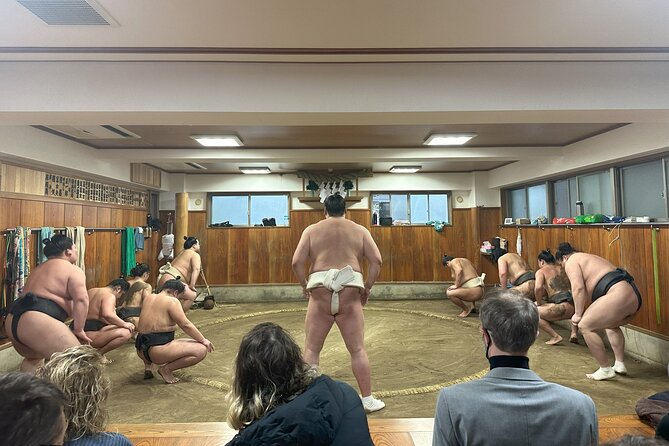
Tokyo sumo practice gives you something a tournament cannot: a close look at the daily work behind the sport. You sit near the ring while wrestlers repeat warmups, drills, and bouts with serious focus. The setting is plain and working, not a polished show.
I like the close viewing position and the guide’s explanations of sumo rules, training, and stable life. I also like the chance for a photo with a wrestler afterward, a small moment that makes the visit easier to remember.
The main catch is that this is a quiet observation experience, not a staged performance. Practice can end early, the stable may be chilly, you may sit on the floor, and the top-ranked wrestler may not be present even if he trains there.
Key points to know before you book
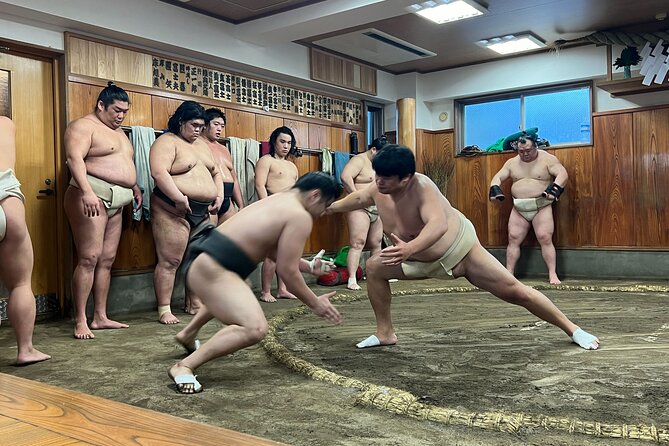
- You watch real training, not a tournament bout: The appeal is seeing repetition, discipline, and daily practice at close range.
- The exact time and stable can change: You receive the meeting details after booking, so check your messages carefully.
- The guide adds useful context: You hear about sumo history, rules, training, and the life of a professional wrestler.
- Silence and good manners matter: Keep your phone silent, avoid flash and shutter sounds, and do not stretch your legs toward the ring.
- The visit may be physically basic: Some stables have no chairs, so you could sit on a floor mat for an hour or longer.
- The $99.10 price depends on your expectations: It is fair for close access and guidance, but poor value if you expect a long show or guaranteed stars.
Why watching practice can be better than watching a tournament
A grand tournament gives you the spectacle of formal matches, packed stands, and a clear winner. A stable visit shows the less glamorous side of sumo: repetition, sweat, concentration, and long stretches of preparation.
You see wrestlers work through their routine without the ceremony of a public bout. That can make the sport easier to understand. Sumo is not only two large men pushing in a ring. It is balance, footwork, timing, force, and the ability to stay calm while an opponent tries to move you.
The experience is especially useful if you are new to sumo. Your guide explains the basic rules and points out what is happening during practice. If you already follow the sport, you may appreciate seeing how wrestlers prepare away from the tournament setting.
The atmosphere also matters. A sumo stable is a place of work and discipline. Wrestlers need to concentrate, so you are expected to watch quietly rather than treat the session like a loud attraction. That restraint is part of the experience, not an inconvenience added to it.
More Sumo Experiences in Tokyo
- Tokyo: Sumo Show and Dining Experience
★ 4.8 · 2,742 reviews - the SUMO show
★ 5.0 · 1,960 reviews - Tokyo Shinjuku Sumo Show & Experience with Photo
★ 5.0 · 1,750 reviews
Meeting in Sumida City and getting ready
The published starting point is 1-chōme-2-8 Chitose in Sumida City, Tokyo, with the visit ending back at the meeting point. The exact stable, meeting time, and location can vary by date, so do not rely only on the general address when planning your morning.
After booking, check every message from Japan Wonder Travel. If no instructions arrive, contact the operator before setting out. Missing the meeting point or arriving late may mean losing the experience without a refund, especially if you did not check the updated details.
The first part takes about five minutes. You meet the guide, hear a short explanation of sumo, and then go to the stable. A briefing near a busy road may be hard to hear, so stand close to the guide and ask for clarification before entering if needed.
Use the restroom before meeting the group. Once practice begins, you cannot leave the stable midway and return. Eating is not allowed inside, although water and sports drinks are permitted.
Dress comfortably. You will remove your shoes before entering some practice areas, and you might sit cross-legged on a floor mat. The stable may feel cold, especially in winter, so bring a warm layer even if Tokyo feels mild outside.
Inside the stable, silence is part of the lesson
Once inside, settle into the designated viewing area and prepare to watch without interruption. Phones must be silent. Photos are allowed only without flash or shutter sounds, and videos are not allowed.
You may find that the room is simpler than you expect. Some stables do not have chairs, and sitting on the floor for an hour or more can be hard on knees, hips, or backs. One account described sitting for more than two hours, although the advertised duration is about one hour and the actual practice can vary.
Do not stretch your legs toward the ring. Showing the soles of your feet to the wrestlers is considered impolite. Avoid gestures, chatter, and movement that could distract someone during a bout or drill.
This etiquette can feel strict if you are used to ordinary sightseeing. I see it differently. The rules keep you from turning a working practice into a photo opportunity, and they help preserve the quiet atmosphere that makes the visit worthwhile.
The guide may provide commentary through a headset or pass notes during practice. That is useful because you can learn what a particular drill means without forcing the wrestlers to stop. Still, the amount of explanation may vary, and some people may find a talkative guide interrupts the quiet mood.
What you may see during the 55-minute practice
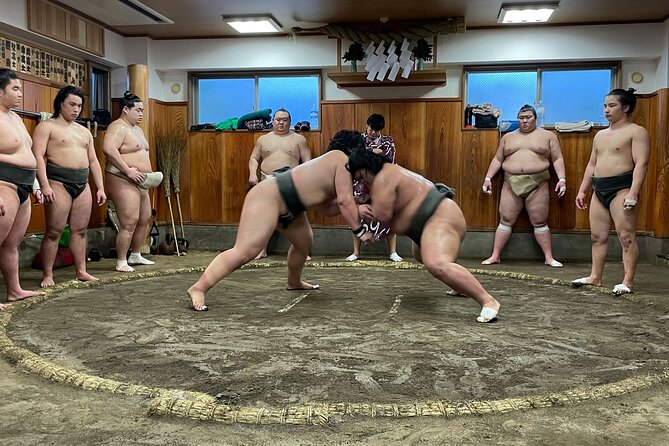
The central portion is listed as about 55 minutes, though the real timing depends on the stable’s schedule. You watch wrestlers work through their daily training, often with a level of repetition and physical intensity that is difficult to understand from television alone.
Look for the small details. A wrestler’s stance, the placement of his feet, the use of the hands, and the instant he tries to break an opponent’s balance all tell you something about the sport. The power is obvious, but so is the control.
You may see high-ranked wrestlers, including athletes from the makuuchi division. A former yokozuna has also been present at one of the stables associated with this experience. That is a wonderful possibility, but it is not promised. The operator cannot know until the morning whether the yokozuna will attend.
Practice may end earlier than usual, particularly when a grand tournament is approaching or the stable changes its schedule. The total visit can therefore be shorter or longer than the stated hour. If you need a tightly timed activity before lunch, leave plenty of space afterward.
You should also understand that the exact cast can change. Some sessions may feature active professionals, while others may involve retired wrestlers or people with long experience in sumo. One account described an experience with retired wrestlers and even taxi drivers, while another expected a professional stable session and found little real sumo action. That contrast is important.
Before paying, confirm which product you are selecting. The supplied information refers to both sumo practice observation and a Sumo Practice with Wrestlers option. Those may not offer the same format. If your main goal is to watch active professional wrestlers train, ask the operator for the exact stable and session type.
Same city, a different fixture:
- Tokyo: Sumo Show and Experience in Shinjuku
★ 4.8 · 1,001 reviews - Tokyo Grand Sumo Tournament Viewing Tour with Tickets
★ 5.0 · 692 reviews - Tokyo Sumo Wrestling Tournament Experience
★ 5.0 · 660 reviews - Tokyo:Luxury Sumo Show Experience & Japanese cuisine & Drink
★ 4.7 · 577 reviews
The photo and interaction afterward
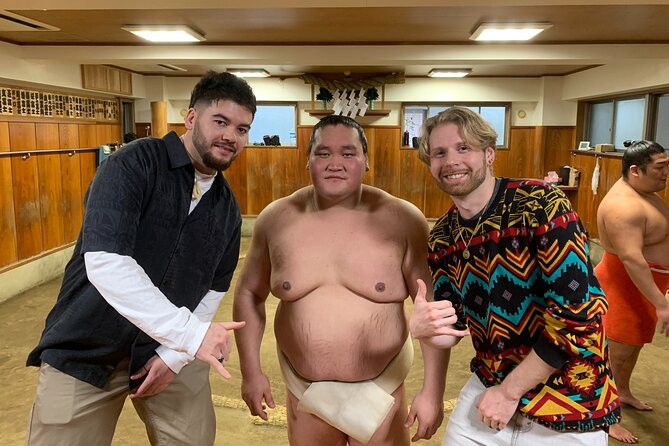
A photo with a sumo wrestler is included, and this is one of the most appealing parts for many people. After sitting quietly during practice, you may have a brief chance to speak with wrestlers and pose for a picture.
Keep your expectations sensible. The photo is a short closing moment, not a long private meeting. The wrestlers have trained and may need to continue with their day. Their willingness to pose is a courtesy, so follow the guide’s instructions and do not crowd them.
Some accounts also describe hands-on training or eating chanko, the traditional sumo stew. Those details are not guaranteed in the basic description, so treat them as possible variations rather than promised features. The secure expectation is watching practice, receiving explanations, and taking a photo.
For families, the interaction can help children connect with what they have just watched. For adults, it gives the experience a human touch. You move beyond seeing sumo as a distant sport and briefly meet the people doing the work.
Women are welcome on the Sumo Practice with Wrestlers option, but cultural and religious rules mean female participants cannot enter the dohyō, the sumo ring. Women can take part fully from designated seating areas. Men must remove their shoes before stepping onto the dohyō.
Is $99.10 a fair price?
At $99.10 per person, this is not a casual add-on. The value comes from access, not length. You are paying for entry to a working sumo environment, a guide who explains what you are seeing, and the chance to watch close-up rather than from a distant stadium seat.
I think the price is reasonable for someone who already has a strong interest in sumo or wants one unusual Tokyo experience. The chance to see a high-ranked wrestler practice, if the schedule allows, can make the cost feel worthwhile.
The value is weaker if you expect constant action. Practice includes repetition and quiet observation. Some sessions may feel intense and continuous, while others may contain more talking than wrestling or end sooner than expected.
The 96 percent recommendation rate and 4.8 rating suggest that the experience works very well for most people who arrive with the right idea. The praise centers on the guide, the close view, the intensity of practice, and the chance to learn about a wrestler’s daily routine. The low ratings point to real risks: short-notice cancellation, limited action, a cold room, and uncertainty over who will be training.
I would book it for the access and setting, not for a guaranteed champion or a theatrical show.
Who will enjoy this sumo visit most?
You are a good match if you:
- Want to understand how sumo wrestlers train each day
- Enjoy quiet, respectful cultural experiences
- Can sit on a floor mat and remain in place during practice
- Are happy to watch rather than participate in a staged bout
- Have enough time in your schedule to handle a changing start or finish
- Accept that the most famous wrestler may not appear
You may want another activity if you need comfortable chairs, frequent movement, guaranteed English conversation with wrestlers, or a fixed one-hour schedule. You should also skip the visit if you feel unwell, since the operator asks people who are sick not to join.
The maximum group size is 25 people. That is small enough for a guided visit, but it does not guarantee that everyone will have the same view. Arrive at the stated meeting point on time and listen carefully to the guide’s instructions.
Booking, changes, and the safest way to plan
You can cancel for a full refund up to 24 hours before the local start time. Changes and cancellations inside that 24-hour window are not accepted, and late arrival can mean losing your payment.
Because the stable and time can change, do not build an important train connection or timed attraction immediately afterward. Check your messages on the day before and the day of the visit. If the operator has not sent the final details, contact Japan Wonder Travel.
The tour uses a mobile ticket, so keep your booking information available on your phone. Put the phone on silent before entering, and remember that photographs are allowed only without flash or shutter noise.
Should you book Tokyo sumo practice?
Book this experience if you want a close, respectful look at sumo as a daily discipline. The guide, quiet stable setting, and photo afterward give you more than a quick glimpse from outside a venue. For a sumo fan, this may become one of the most memorable parts of a Tokyo visit.
Book with caution if you are buying mainly for a famous name. A yokozuna may train at the stable, but his presence is not confirmed until the day. The practice can also be shorter, quieter, or less star-filled than you hope.
My advice is simple: confirm the exact option, accept the floor seating and strict etiquette, check the final meeting message, and allow extra time. If you can do that, $99.10 buys a rare look at the work behind one of Japan’s most distinctive sports.
FAQ
How long does the sumo practice experience last?
The advertised duration is about one hour. The stable’s practice schedule can make the visit slightly shorter or longer.
Where does the experience start?
The published meeting point is 1-chōme-2-8 Chitose, Sumida City, Tokyo 130-0025, Japan. The exact location and meeting time may change by date.
Does the activity end at the meeting point?
Yes. The activity ends back at the meeting point.
Is the experience held in the morning?
It is described as morning sumo practice, but the exact time can vary by date. Check the instructions sent after booking.
Can I take photos inside the stable?
Yes, photos are allowed without flash or shutter sounds. Video recording is not allowed.
Can I leave during practice?
No. You cannot leave the stable during practice and return. You should plan to stay until the session ends.
Are food and drinks allowed?
Eating is not allowed inside the stable. Water and sports drinks are allowed.
Do I need to remove my shoes?
You may need to remove your shoes before entering the practice area. Men must remove their shoes before stepping onto the dohyō.
Can women join the Sumo Practice with Wrestlers option?
Yes. Women can join the experience, but cultural and religious rules do not permit female participants to enter the dohyō. They can watch and take part from designated seating areas.
Is a photo with a sumo wrestler included?
Yes. The experience includes a photo with a sumo wrestler.
Is a top-ranked wrestler guaranteed to attend?
No. The stable may be one where a yokozuna trains, but his presence is not known until the morning of the experience.
Can I cancel for a full refund?
Yes, if you cancel at least 24 hours before the local start time. Cancellations or changes made less than 24 hours before the start are not accepted.
Just added for fans in Tokyo
- Tokyo: Grand Sumo Morning Training Tour★ 4.9 · 12 reviews
- Sumo Training Watching Experience in Tokyo★ 4.5 · 8 reviews
- Kickboxing & Body Training with EX-Pro Fighter★ 5.0 · 4 reviews
- Tokyo: Visit Sumo Morning Practice with English Guide★ 4.5 · 22 reviews
- Tokyo Sumo Experience with Live Show & Audience Challenge★ 5.0 · 38 reviews
- 【SUMO FESTIVAL】Tokyo Ginza: Sumo Show & Photo Experience★ 4.5 · 41 reviews
- Tokyo Shinjuku Sumo Show and Experience with Drinks and Photo★ 4.0 · 21 reviews
- Tokyo Sumo History Tour with Chanko Nabe Lunch★ 5.0 · 3 reviews
Sumo Experiences in Tokyo, compared.
Tokyo Shinjuku Sumo Show & Experience with Photo
Read our review →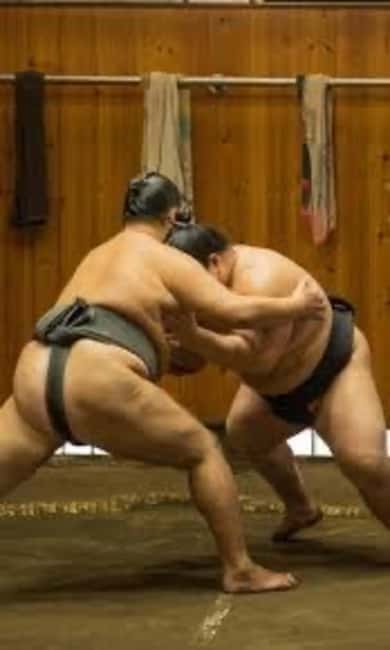
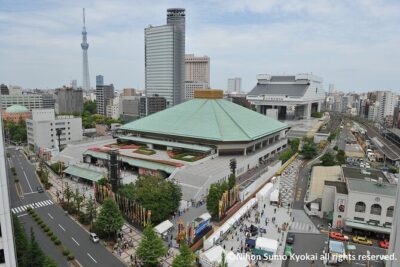
Tokyo Grand Sumo Tournament Viewing Tour with Tickets
Read our review →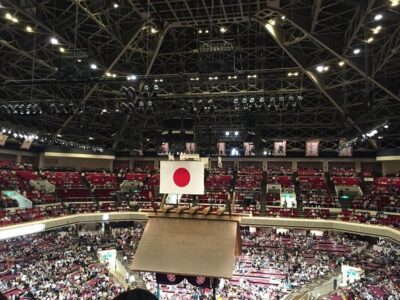

Luxury Sumo Show Experience & Japanese cuisine & Drink
Read our review →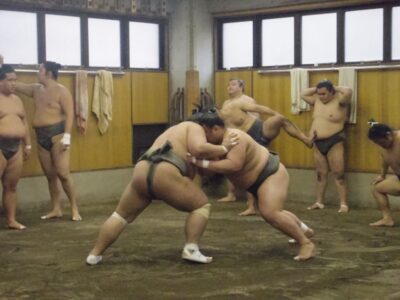
Browse the lists this tour appears in