
Review · SUMO EXPERIENCES IN TOKYO
Tokyo Sumo Tournament Chair Seat Ticket with Entrance Assistant
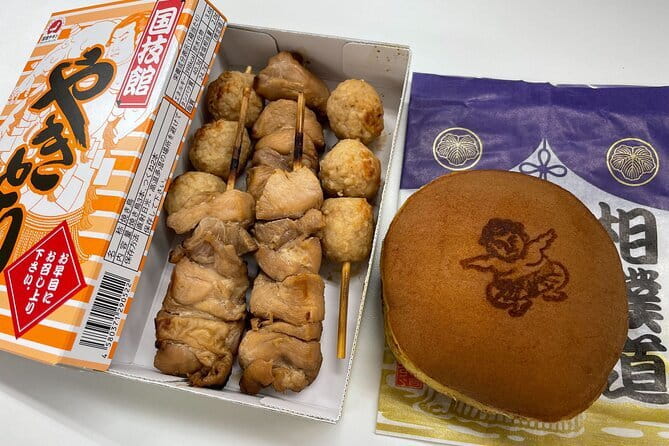
Tokyo sumo is not a staged cultural show. It is a real tournament, with formal rituals, sudden bursts of force, and long stretches of quiet focus. This experience gets you into Ryogoku Kokugikan with a chair B or C seat, plus yakitori and dorayaki to enjoy before the matches.
I like the simple meeting point at Ryogoku Edo Noren, and I like that an English assistant is meant to explain the sport before you enter. The main drawback is important: the assistant leaves you at the stadium entrance, so you watch on your own. Some bookings have also felt expensive compared with the printed ticket value.
Key points to know before booking
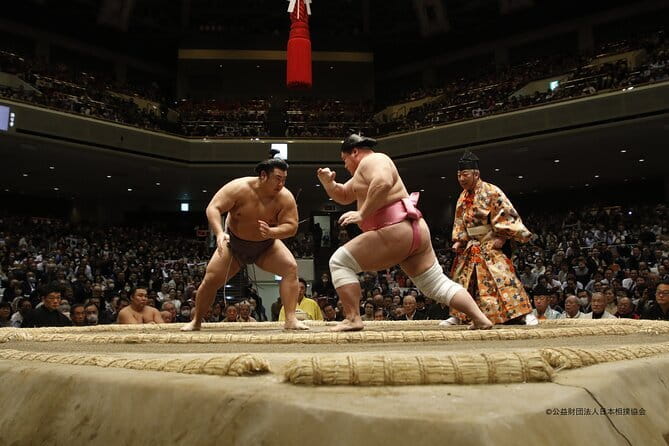
- You watch a real tournament at Ryogoku Kokugikan, Tokyo’s central sumo stadium.
- Your seat is on the second floor, in a chair B or C section rather than a close ringside box.
- Yakitori and dorayaki are included, giving you a taste of familiar Japanese tournament snacks.
- The English assistant does not enter the stadium, so do not expect a guide beside you during the matches.
- The meeting time is around 1:15 to 1:30 pm, followed by roughly four and a half hours of sumo.
- The value depends on ticket availability, since tournament seats can sell out quickly but the package costs more than the ticket’s face value.
Why a Tokyo sumo afternoon feels different
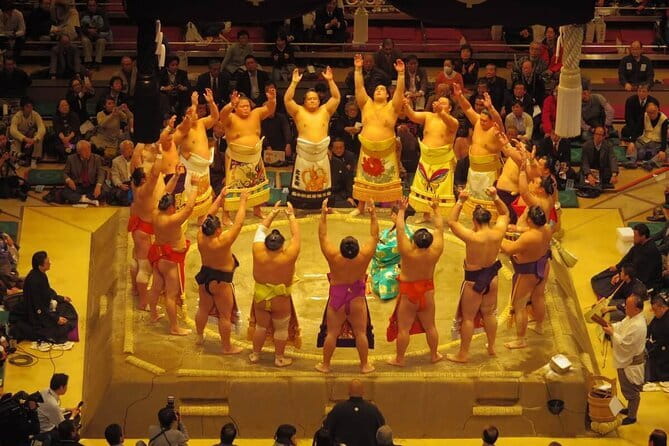
Sumo is easy to recognize, but less easy to understand at first glance. Two wrestlers face each other in a small ring, yet the action is shaped by ritual, rank, timing, and rules that are not obvious if you simply sit down and watch.
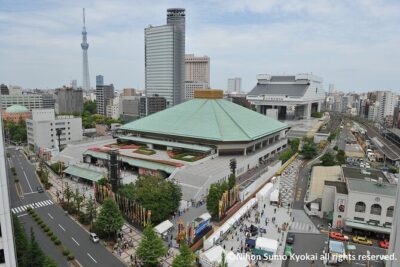
This tour is built for you if your main goal is to see the tournament in person without wrestling with the ticket system yourself. You meet near Ryogoku Station at Edo Noren, receive your ticket, walk to the stadium, and take your seat for the afternoon and evening program.
The event itself is the star. The ring is small, the wrestlers are imposing, and the decisive moment can last only seconds. Much of the power comes from the contrast between the slow preparation and the sudden match. Salt is thrown, bodies crouch, and the crowd waits. Then the bout is over.
You should also understand what this is not. It is not a private lesson, a stadium tour, or a full-time guided experience. The assistant is scheduled to explain sumo and help you reach the entrance, but the assistant does not remain inside Ryogoku Kokugikan.
More Sumo Experiences in Tokyo
- Tokyo: Sumo Show and Dining Experience
★ 4.8 · 2,742 reviews - the SUMO show
★ 5.0 · 1,960 reviews - Tokyo Shinjuku Sumo Show & Experience with Photo
★ 5.0 · 1,750 reviews
Meeting at Ryogoku Edo Noren
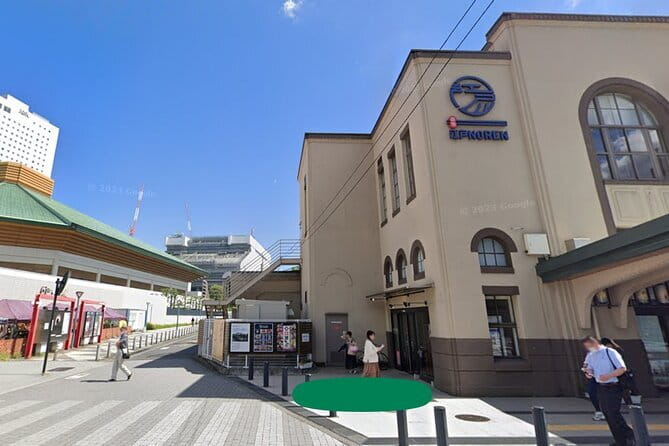
Your meeting point is in front of Ryogoku Edo Noren, at 1-chome-3-20 Yokoami in Sumida City. The stated meeting time is 1:30 pm, while the schedule asks you to meet at about 1:15 pm. Check the exact time on your confirmation and arrive early. A busy station area is a poor place to search for an assistant at the last second.
Edo Noren is a useful location because it is easy to identify, but you still need to check the meeting-location photo supplied with your booking. That small step matters. The assistant hands over the ticket on the day, so you should not expect to enter the stadium simply by showing a separate voucher at the gate.
The group is capped at 15 people. That is small enough for a quick handoff and a short walk, though the experience is not private. You should have your booking details ready on your phone, since the ticket is mobile-based.
This first stage is practical rather than scenic. You are not spending an hour learning about sumo here. You are meeting the assistant, confirming your ticket, and getting organized for the walk to the stadium.
The short walk to Ryogoku Kokugikan
From Edo Noren, the group walks to Ryogoku Kokugikan. The walking portion is listed as about five minutes, so this is not a sightseeing route through the district. Its value is convenience. You avoid the uncertainty of finding the stadium entrance alone, especially if you are unfamiliar with the layout around Ryogoku.
Before entering, you receive two Japanese snacks: yakitori and dorayaki. Yakitori is grilled chicken served on a skewer, while dorayaki is a sweet filled pancake. These are modest treats, not a full meal, but they make the afternoon feel more connected to the setting.
Plan your food expectations accordingly. The included snacks are a pleasant extra, not a substitute for lunch or dinner. You will be inside for around four and a half hours, so consider eating before the meeting or arranging your later meal around the event. The supplied information does not promise other food, drinks, or personal expenses.
The English explanation before entry
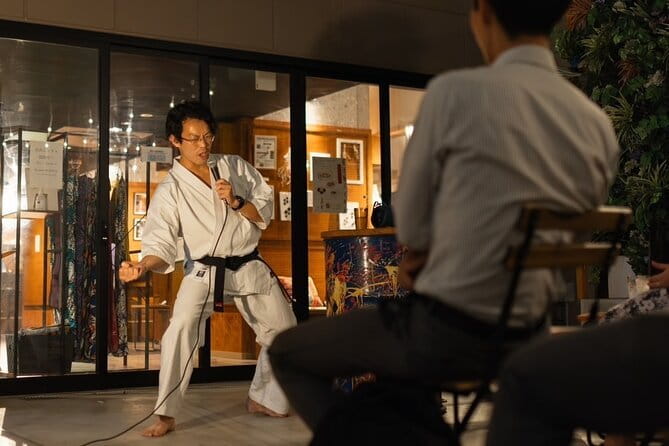
The assistant is supposed to talk you through what sumo is, its history, and its rules before you enter. You also receive an English sumo pamphlet at the front of Ryogoku Kokugikan.
That short explanation can make a real difference. Without context, you may notice the ceremony but miss the meaning of the repeated movements. A basic introduction helps you understand why the wrestlers take so long to prepare, what counts as a winning technique, and why the atmosphere becomes so serious before the clash.
Still, keep your expectations measured. The package includes an English assistant, but not an English-speaking guide inside the arena. One account of the experience described being met at the station, taken to the stadium, and then left to work things out alone. That is a fair warning for anyone booking mainly for detailed commentary.
The safest way to think about the service is this: you get entrance assistance and an intended pre-entry briefing. You do not get a personal guide for the full tournament. If the explanation is especially important to you, read the pamphlet carefully and ask your questions before the assistant departs.
Same city, a different fixture:
- Tokyo: Sumo Show and Experience in Shinjuku
★ 4.8 · 1,001 reviews - Tokyo Grand Sumo Tournament Viewing Tour with Tickets
★ 5.0 · 692 reviews - Tokyo Sumo Wrestling Tournament Experience
★ 5.0 · 660 reviews - Tokyo:Luxury Sumo Show Experience & Japanese cuisine & Drink
★ 4.7 · 577 reviews
Your second-floor chair seat
The ticket is described as a second-floor chair B or C seat. That means you are in a fixed chair rather than sitting in one of the traditional floor-level box areas. The exact view can vary by section, and the supplied details do not identify a specific row or seat number.
A chair seat is a sensible choice if you want a straightforward way to watch the tournament for several hours. You have a defined place to sit, and you avoid the physical demands of a floor box. On the other hand, a second-floor position is not the same as being close to the ring. You may see the full shape of the arena well, but the wrestlers will appear smaller than they do from lower seats.
This is why your expectations matter. If you want to feel the force of each collision from close range, this may not be the ideal ticket category. If you mainly want to witness a tournament, understand the broad rhythm of the event, and enjoy the atmosphere inside the stadium, it is a more practical option.
The listing refers to both chair B and chair C, while the included section also mentions a second-floor chair B ticket. Ask for clarity about the exact category when booking. The distinction may affect how you judge the price.
Four and a half hours of tournament atmosphere
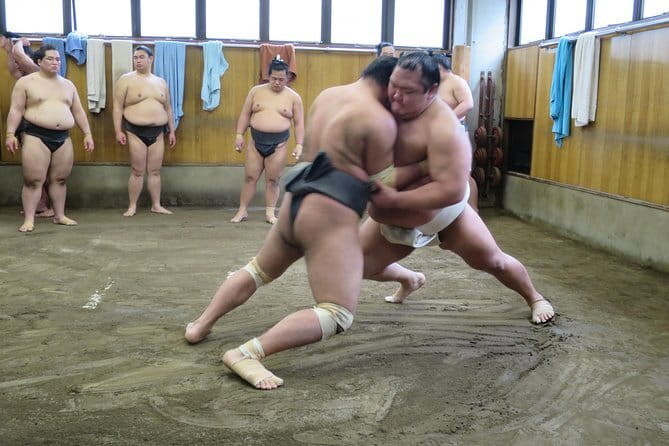
The sumo portion lasts about four hours and 30 minutes. That is a long sitting, but it gives you time to see the event build toward its more important bouts. You are not rushing in for a single exhibition match and leaving after 30 minutes.
The atmosphere is one of the strongest reasons to go. Sumo has a serious, almost theatrical rhythm, but the competition is genuine. Each bout begins with ritual and restraint, then turns into a brief contest of balance, leverage, and force.
The long duration also means you should pace yourself. You may find the early portion calmer, with the most anticipation building as the program continues. The quiet between bouts is part of the experience, not wasted time. It lets you watch the crowd, the officials, and the formal movements around the ring.
You should also be ready to manage the event independently. The assistant does not sit with you, and there is no promise of commentary throughout the tournament. Your pamphlet, the pre-entry explanation, and your own attention will need to carry you through the afternoon.
Is the $70 price fair?
At about $70, this is not simply a face-value ticket purchase. You are paying for access arranged in advance, an English-speaking meeting assistant, the walk to the stadium, the pamphlet, and the included snacks.
The value is strongest when official tickets are hard to secure. One booking describes repeated attempts to buy tickets online, including baskets that timed out before the seats sold out. In that situation, paying extra for a confirmed route into the stadium can feel reasonable. You are buying convenience at a time when the normal sales process may be frustrating.
The value is weaker if you can easily purchase the same seat directly. A separate booking account calculated the printed ticket value at roughly $50 while paying about $100 through the booking platform. The price provided for this experience is $70, but the larger point remains: the package carries a markup. You should compare the total cost with official availability before deciding.
Think of the extra money as a service fee, not as the cost of a guided cultural lesson. If you want a full explanation during the matches, the package may disappoint. If you want a confirmed seat and help getting from a recognizable meeting point to the stadium, the fee may be easier to accept.
Who will enjoy this sumo package most?
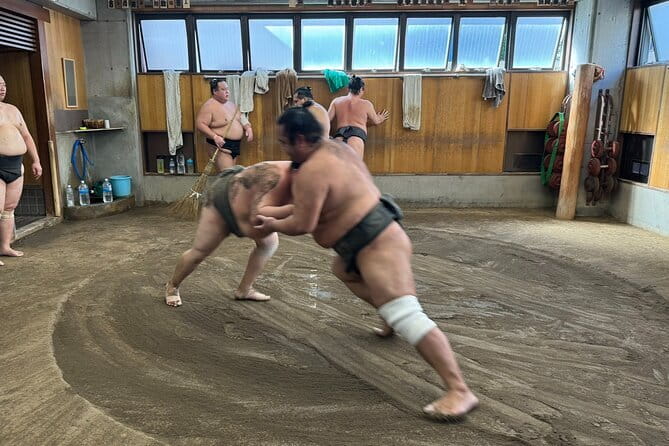
I would recommend it most to a first-time Tokyo visitor who wants to see sumo but does not want to manage the ticket process alone. The meeting point is clear, the group size is limited to 15, and the assistant helps with the first steps.
It also suits you if you are happy to read a pamphlet, follow the action independently, and treat the snacks as a nice addition. The four-and-a-half-hour schedule gives you a proper event rather than a quick photo opportunity.
Families and mixed-age groups may appreciate the fixed chair seats, though the data provided does not specify child pricing or age rules. Anyone who needs those details should confirm them before paying.
I would be more cautious if your main reason for booking is an English-speaking guide. The service description promises an explanation before entry, but the assistant does not stay in the stadium. That limitation should be part of your decision, not a surprise at the door.
Practical details that affect your afternoon
The tour starts and ends at the Edo Noren meeting point, although the stadium portion takes place at Ryogoku Kokugikan. The published schedule describes the activity as about five hours, with the main tournament lasting about four and a half hours.
Your ticket is supplied on the day, so arrive at the correct meeting place with your phone charged. Keep the meeting-location photo available, and do not assume the assistant will be waiting at the stadium if you miss the group.
Most people can participate, and the maximum group size is 15. The supplied information does not give detailed accessibility guidance, so you should ask the provider directly if you have mobility needs or require a particular seat arrangement.
Free cancellation is available up to 24 hours before the local start time. If you cancel within 24 hours, you do not receive a refund, and changes during that period are not accepted.
Should you book it?
Book this experience if seeing a real Tokyo sumo tournament is a high priority and you value a confirmed seat, a clear meeting point, simple entrance help, and a little local food. It is especially useful when official tickets have sold out or the online buying process keeps failing.
Skip it if you can secure the same seat directly, or if you expect a guide to remain beside you and explain every bout. The package gives you access and orientation, not a full-time tour.
At $70, the decision comes down to convenience. The sumo itself is the memorable part. Just know that you are paying a premium for help getting there, and that after the entrance, the experience is yours to follow.
FAQ
Where does the sumo experience begin?
It begins in front of Ryogoku Edo Noren at 1-chome-3-20 Yokoami, Sumida City, Tokyo. The stated start time is 1:30 pm.
What time should I meet the assistant?
The schedule asks you to meet at about 1:15 pm, while the stated start time is 1:30 pm. Check your booking confirmation for the exact meeting time.
Where does the activity end?
The activity ends back at the Ryogoku Edo Noren meeting point.
Does the ticket include entry to the stadium?
Yes. A chair B or C seat ticket for the sumo tournament is included, with the information specifying a second-floor chair seat.
Does the assistant enter Ryogoku Kokugikan?
No. The assistant takes you to the front of the stadium but does not go inside.
Is an English-speaking assistant included?
Yes. An English-speaking assistant meets you, hands over the ticket, and is intended to explain sumo, its history, and its rules before entry.
Are food items included?
Yes. Yakitori and dorayaki are included before you enter the stadium.
How long does the tournament viewing last?
The sumo tournament viewing lasts about four hours and 30 minutes.
How many people can join the activity?
The maximum group size is 15 people.
Can I cancel for a full refund?
Yes, if you cancel at least 24 hours before the experience start time. Cancellations made within 24 hours are not refundable.
Just added for fans in Tokyo
- Tokyo: Grand Sumo Morning Training Tour★ 4.9 · 12 reviews
- Sumo Training Watching Experience in Tokyo★ 4.5 · 8 reviews
- Tokyo Sumo Experience with Live Show & Audience Challenge★ 5.0 · 38 reviews
- Kickboxing & Body Training with EX-Pro Fighter★ 5.0 · 4 reviews
- Tokyo: Visit Sumo Morning Practice with English Guide★ 4.5 · 22 reviews
- Tokyo Shinjuku Sumo Show and Experience with Drinks and Photo★ 4.0 · 21 reviews
- Tokyo Sumo History Tour with Chanko Nabe Lunch★ 5.0 · 3 reviews
- 【SUMO FESTIVAL】Tokyo Ginza: Sumo Show & Photo Experience★ 4.5 · 41 reviews
Sumo Experiences in Tokyo, compared.
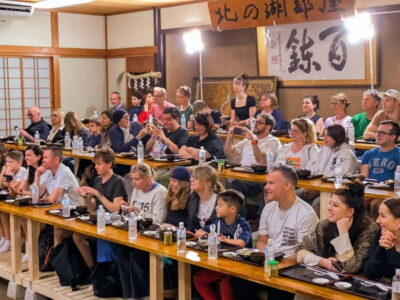
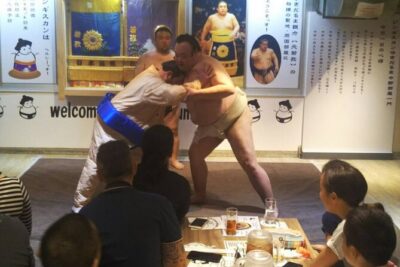
Tokyo Shinjuku Sumo Show & Experience with Photo
Read our review →
Tokyo Grand Sumo Tournament Viewing Tour with Tickets
Read our review →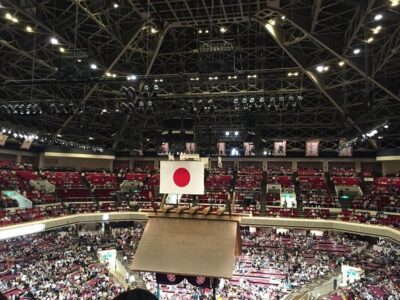
Luxury Sumo Show Experience & Japanese cuisine & Drink
Read our review →
Browse the lists this tour appears in