
Review · SUMO EXPERIENCES IN TOKYO
Tokyo: Sumo Tournament with Guide & Assigned Reserved Seat
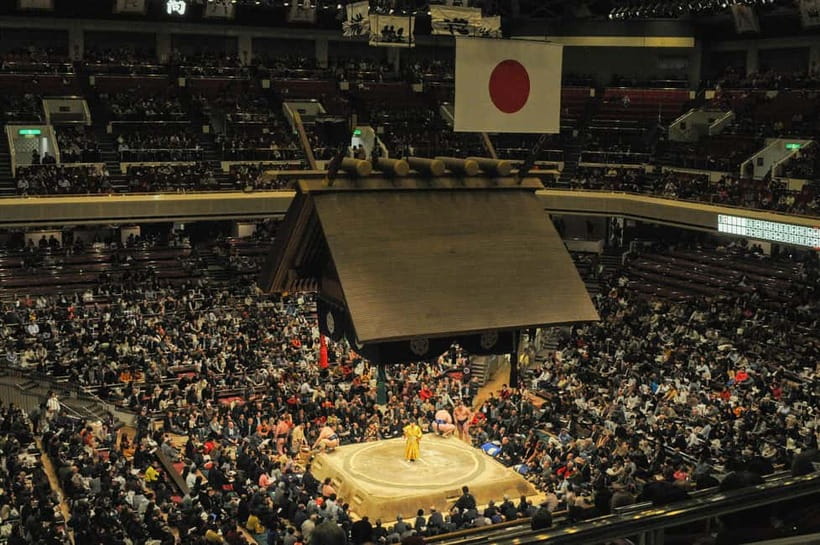
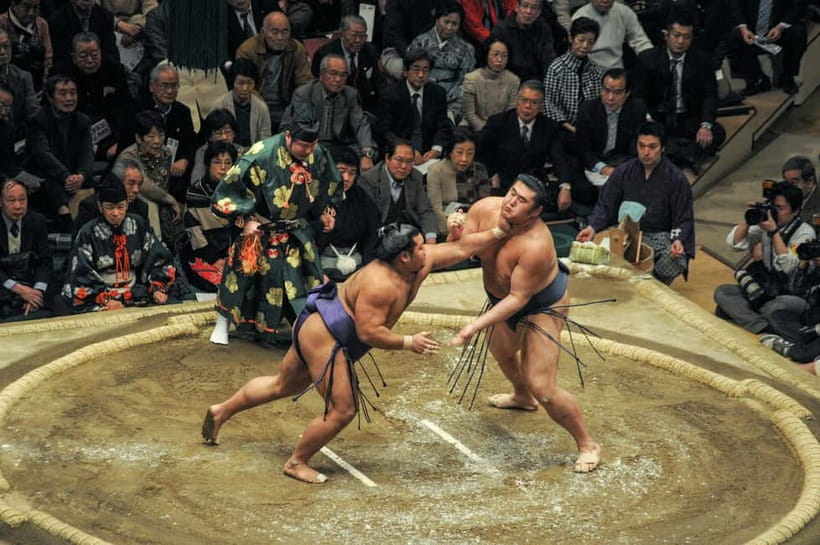
A live sumo tournament gives you something a video cannot: the heavy silence before a bout, the sharp stomp of a foot, the salt thrown into the ring, and the sudden burst of force when two wrestlers collide. This experience pairs that ceremony with an English-speaking sumo guide, so you are not left guessing why a match stops, how rankings work, or what the wrestlers are doing before the fight.
I like the reserved B or C class seat because you know you will get into the stadium, a real concern during popular tournament dates. I also like the human explanation from guides such as George, Lily, Cesar, Erik, and Miki, who have helped visitors follow the action and understand the customs. The main concern is price: at $209 per person, the tour costs far more than the face value of many regular seats, and groups may be large.
Key points to know before you book
- You watch an official tournament at Ryogoku Kokugikan, Tokyo’s famous sumo venue.
- Your assigned seat is in B or C class on the second floor, rather than a seat you select from a map.
- A guide explains rituals, rankings, and match rules, which makes the event much easier to follow.
- The total outing lasts about four to five hours, including a 30-minute guided portion and roughly four hours at the arena.
- The tour is useful when official tickets are difficult to secure, but the convenience carries a steep markup.
- Food and drinks are not allowed, and the experience is not suitable for people with mobility impairments.
Why a live sumo tournament is worth your afternoon
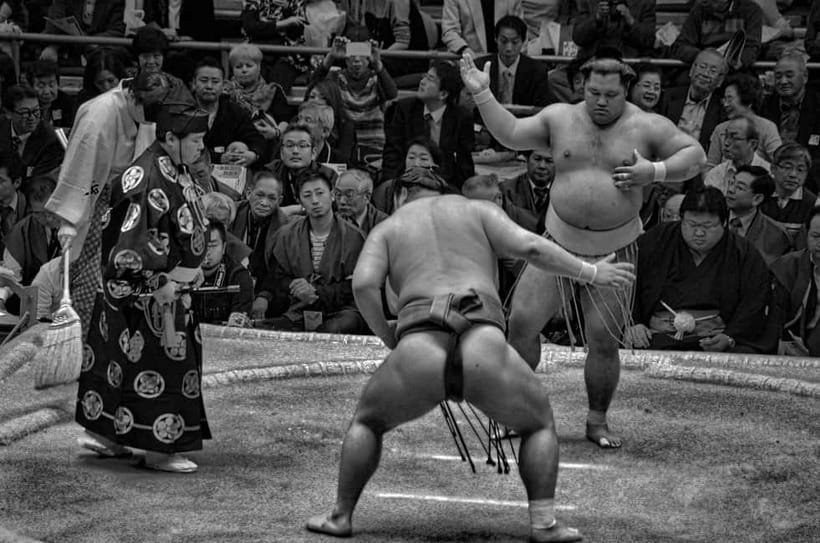
Sumo can look simple from a distance. Two large wrestlers face each other, stamp, crouch, and push. In person, the sport reveals far more layers. Every gesture has meaning, and the bout itself may last only seconds after several minutes of preparation.
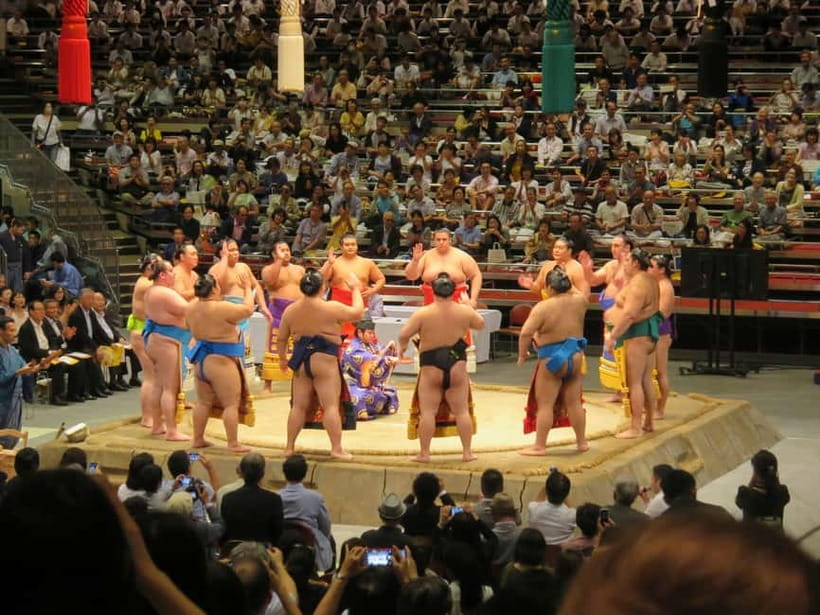
That preparation is part of the show. The salt, the foot stamps, the fixed stare, and the long pause before the charge connect the modern tournament to older Japanese customs. You will also see the importance of rank. Sumo is organized around a strict ranking system, and the level of each wrestler affects the attention, expectations, and ceremony surrounding each match.
I especially value having a guide for the first tournament you attend. Without context, you may enjoy the spectacle but miss why one wrestler receives a particular reaction or how a victory affects rank. Guides including George, Mili, Cesar, Lily, and Erik have been praised for explaining the sport clearly, answering questions, and helping first-time spectators feel prepared.
This is not a quiet museum visit. The arena can be loud, and a guide speaking to a large group may be hard to hear at times. If you want every explanation, stay close during the walking and introductory portion, and ask questions when the group pauses.
More Sumo Experiences in Tokyo
- Tokyo: Sumo Show and Dining Experience
★ 4.8 · 2,742 reviews - the SUMO show
★ 5.0 · 1,960 reviews - Tokyo Shinjuku Sumo Show & Experience with Photo
★ 5.0 · 1,750 reviews
Meeting near the sumo district
The meeting point can vary according to the option you book. The supplied information lists Matsuura-Bungo Mansion Site as a starting location, while several accounts describe meeting near a temple in the Ryogoku sumo district before walking to the arena.
You should check your final meeting instructions carefully rather than assuming the location. This matters because the value of the opening explanation depends on arriving on time. One guide used a temple area to explain some of the history of sumo before the short walk to Ryogoku Kokugikan. Another outing included visits to Ekoin Temple and a nearby garden, though these extra stops may not be part of every departure.
The opening walk gives you a useful sense of place. Ryogoku is not just a convenient arena location. It is closely associated with sumo, and the streets around the stadium help set the mood before you enter. Still, do not expect a long sightseeing tour. The central event is the tournament.
Some guides have used the first part of the outing to explain customs, wrestler names, and the ranking system. This is where I would want the tour to spend its time. A few visitors found the discussion of nearby buildings less useful than a fuller explanation of techniques and ritual origins, so you may need to steer the conversation with questions.
Inside Ryogoku Kokugikan
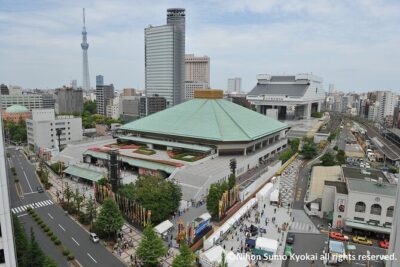
Ryogoku Kokugikan is the key setting for the day. You receive a reserved B or C class seat on the second floor, with the exact place assigned rather than chosen by you.
That arrangement solves the hardest part of attending a popular tournament: obtaining a guaranteed seat. Official tickets can be difficult to secure, especially when dates are popular or released in limited numbers. This tour gives you certainty, but not complete control. You cannot select the exact seat, and one person noted that the group seating could be random or split up.
The second-floor location is a practical compromise. You are not buying the most expensive ringside experience, but you should have a broad view of the dohyo and the surrounding ceremony. Several people found their seats well positioned and said they could clearly see the bouts. The tradeoff is distance. You will not have the same close view of expressions and physical contact that a lower seat provides.
A 30-minute guided tour or introduction is followed by about four hours at the stadium. That is enough time to see a substantial part of the tournament and let the atmosphere build. You can watch the bouts with a better sense of what matters rather than treating each match as a short wrestling contest.
The length also requires some patience. Sumo has pauses, formal entrances, and repeated rituals. If you expect nonstop action, the rhythm may feel slow. If you appreciate ceremony, those pauses become part of the appeal.
What the guide adds to the action
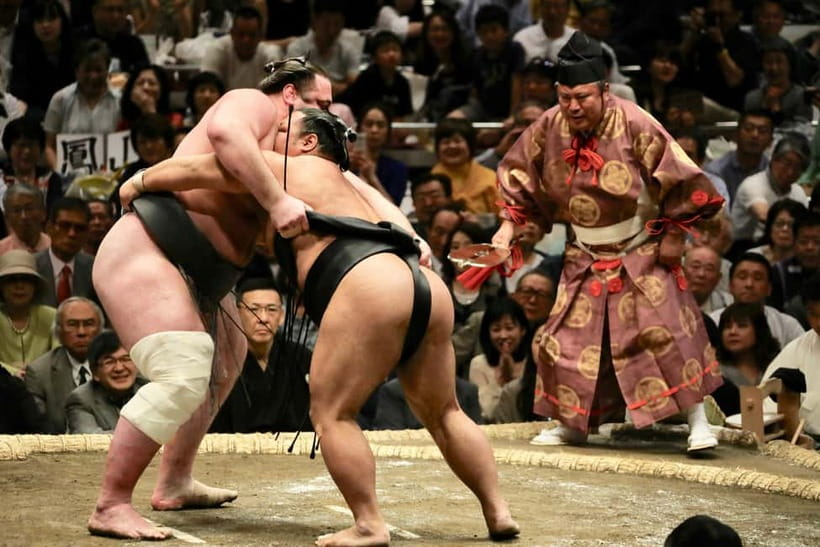
The strongest part of this experience is usually the guide. English-language sumo coverage can be limited, and the rules are not always obvious to a first-time viewer.
A good guide can explain:
- How the wrestlers’ rankings work
- Why certain rituals happen before a bout
- What counts as a winning technique
- Why a match may be delayed or restarted
- How wrestlers advance or fall in the rankings
- Which names and matchups deserve special attention
George has been singled out for making the sport easy to follow and for answering questions throughout the afternoon. Lily has been praised for clear English, good energy, and thoughtful care of the group. Cesar has been described as friendly, approachable, and able to explain wrestler names and traditions. Erik has also been praised for his enthusiasm and sumo knowledge.
You should keep your expectations realistic. This is a group tour, not a private lesson. One account described a fairly large group, which made it harder to hear at times. The guide may move between people during the tournament instead of sitting beside you for every bout.
I would arrive ready with a few questions. Ask about the ranking system, the meaning of the pre-match movements, and the techniques used in a particular bout. That will likely give you more useful information than a general speech about the buildings around the arena.
Same city, a different fixture:
- Tokyo: Sumo Show and Experience in Shinjuku
★ 4.8 · 1,001 reviews - Tokyo Grand Sumo Tournament Viewing Tour with Tickets
★ 5.0 · 692 reviews - Tokyo Sumo Wrestling Tournament Experience
★ 5.0 · 660 reviews - Tokyo:Luxury Sumo Show Experience & Japanese cuisine & Drink
★ 4.7 · 577 reviews
The rituals are as important as the matches
The bouts are the obvious attraction, but the rituals give the day its character. Sumo is built around discipline, presentation, and tradition. A wrestler’s movements before the charge are not filler. They prepare the body, mark the seriousness of the contest, and connect the modern event to a long sporting tradition.
This is why a guide can make such a difference. If you only watch the collision, you may think the match is over before it begins. Once you understand the ceremony, the buildup becomes part of the contest.
The ranking system also adds a running story. You are not simply watching isolated matches. The wrestlers are competing within a carefully ordered system, and their results affect their future position. A guide can point out the significance of a matchup and explain why advancement matters.
One useful tip is to do a little reading before you go. A basic understanding of the ring, the winning conditions, and the main ranks will help you follow the guide and enjoy the action sooner. You do not need to become a sumo expert. You just need enough background to recognize that the match contains more than pushing an opponent out of a circle.
Price: guaranteed access versus a steep markup
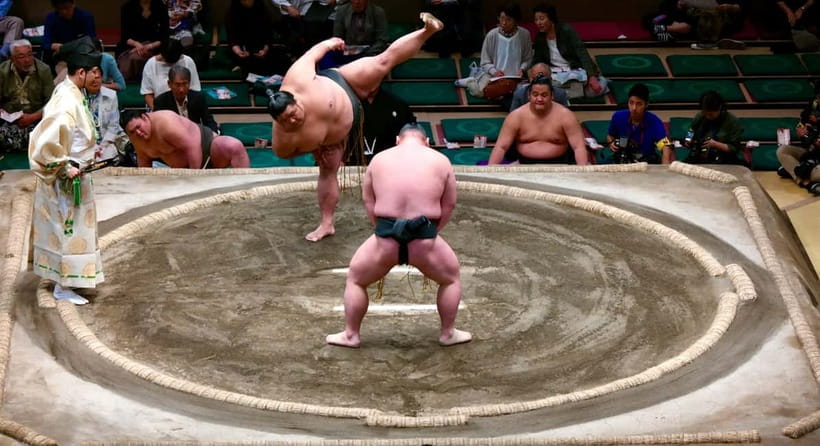
The cost is $209 per person. That is the most difficult part of the decision.
The ticket itself may represent only a fraction of that total. Some people calculated that a B or C class seat could cost around ¥5,000 to ¥6,000 when purchased directly. Prices and availability can vary, but the basic point is clear: you are paying a large premium for access, organization, and the guide.
That premium may be reasonable if official tickets are sold out, you are visiting Tokyo only once, and seeing a tournament is high on your list. A guaranteed seat can save a great deal of time and uncertainty. The guide also gives you a far better chance of understanding what you are watching.
The value is weaker if you could obtain a direct ticket yourself. In that case, the tour may feel expensive for a group explanation and an assigned second-floor seat. You also cannot pick the precise location, and a larger group may limit personal attention.
I would think of this as a ticket-access service with cultural guidance, not as a low-cost sports event. Book it for certainty and interpretation, not because the seat itself is a bargain.
Practical details that affect the day
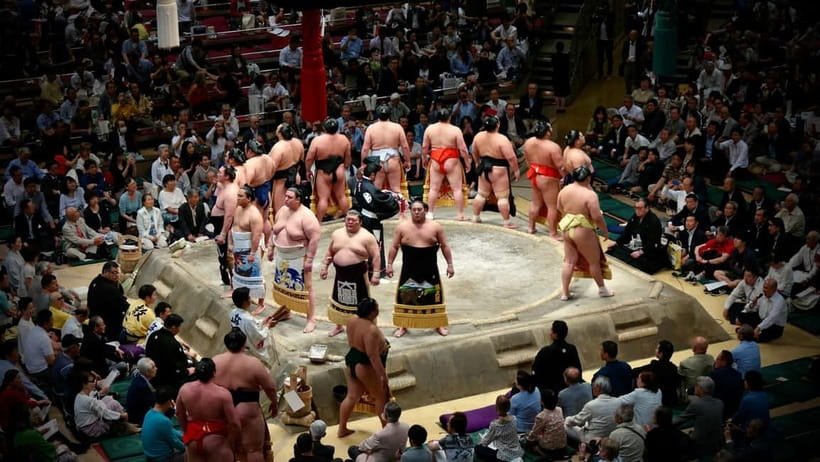
The experience lasts four to five hours. Check the available start times carefully, since the exact schedule depends on the tournament date and option selected.
Food and drinks are not included, and the activity information says food and drinks are not allowed. Do not plan on treating this as a meal outing. Follow the instructions you receive before arrival.
Mobility is another concern. The experience is not suitable for people with mobility impairments. You should be comfortable meeting the group, walking to the stadium, and managing a long afternoon in an arena setting.
The activity is non-refundable. That makes early planning important, but do not book until you are confident about your date and meeting point. The final location can vary, so check the confirmation rather than relying on a general map search.
The tour is conducted in English. That is a major reason to choose it if you want the customs and ranking system explained during the event. It is less useful if you already follow sumo closely and mainly want a low-cost ticket.
Who will get the most from this experience
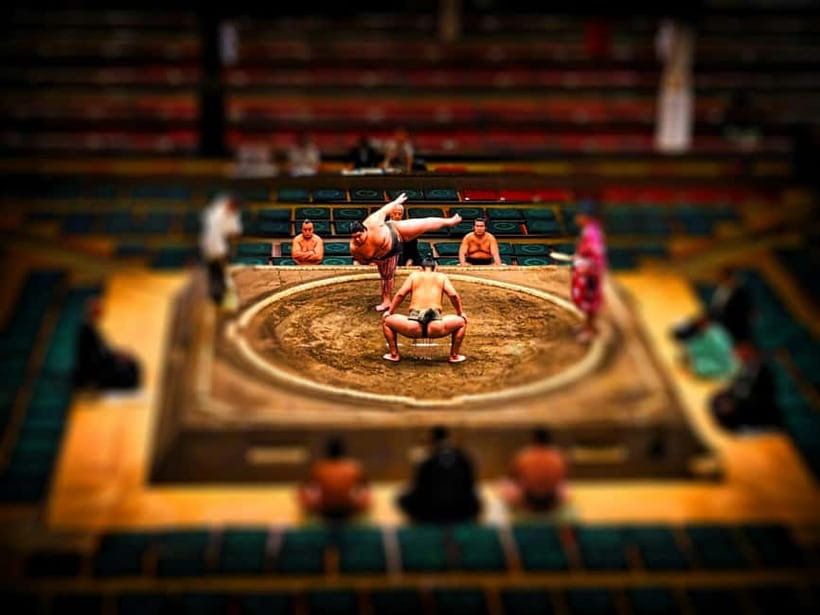
I would recommend it most strongly to a first-time sumo spectator who wants a guaranteed place at a major tournament and does not want to work through the Japanese ticket system alone.
It also suits you if you enjoy cultural traditions, formal ceremony, and sports where the rules are not immediately obvious. Families with older children may appreciate the spectacle, though the long duration and quiet pauses may not suit every child.
You may want to skip it if price is your main concern, if you need a particular seat, or if you already understand sumo well. A direct ticket, when available, should be much cheaper. You should also reconsider if you have mobility limitations or cannot commit to the non-refundable booking.
Should you book the Tokyo sumo tour?
Book this experience if the tournament is a top priority and you value a guaranteed seat plus a guide who can explain what you are seeing. The best guides, including George, Lily, Cesar, Miki, and Erik, appear to bring real enthusiasm and can turn an unfamiliar event into a sport you understand.
Do not book it expecting a bargain. The markup is substantial, the seat is assigned, and the group may be larger than you prefer. For many people, though, a live afternoon at Ryogoku Kokugikan is one of the most memorable cultural experiences in Tokyo. If you accept the price as the cost of access and explanation, this is a strong choice. Book early for the best chance of securing a date, and confirm the meeting point before you leave your hotel.
FAQ
Where does the sumo experience take place?
The tournament takes place at Ryogoku Kokugikan in Tokyo, on Honshu, Japan. The meeting point can vary depending on the option booked.
How long does the experience last?
The total duration is about four to five hours. The listed itinerary includes a 30-minute guided portion and about four hours at Ryogoku Kokugikan.
What type of seat is included?
You receive an assigned reserved B or C class seat on the second floor. You cannot choose the exact seat location.
Is a sumo tournament ticket included?
Yes. The sumo tournament ticket is included in the price, along with the reserved B or C class seat.
Is a guide included?
Yes. An English-speaking expert guide explains sumo traditions, rituals, rankings, and rules.
Are food and drinks included?
No. Food and drinks are not included, and the activity information says food and drinks are not allowed.
Can I choose the meeting point?
The meeting point may vary depending on the option you book. Check the meeting instructions for your selected option before going.
Is the experience suitable for people with mobility impairments?
No. The activity is listed as not suitable for people with mobility impairments.
Can I cancel for a refund?
No. This activity has a non-refundable cancellation policy.
Just added for fans in Tokyo
- Tokyo: Grand Sumo Morning Training Tour★ 4.9 · 12 reviews
- Sumo Training Watching Experience in Tokyo★ 4.5 · 8 reviews
- Kickboxing & Body Training with EX-Pro Fighter★ 5.0 · 4 reviews
- Tokyo: Visit Sumo Morning Practice with English Guide★ 4.5 · 22 reviews
- Tokyo Sumo Experience with Live Show & Audience Challenge★ 5.0 · 38 reviews
- Tokyo Shinjuku Sumo Show and Experience with Drinks and Photo★ 4.0 · 21 reviews
- Tokyo Sumo History Tour with Chanko Nabe Lunch★ 5.0 · 3 reviews
- 【SUMO FESTIVAL】Tokyo Ginza: Sumo Show & Photo Experience★ 4.5 · 41 reviews
Sumo Experiences in Tokyo, compared.
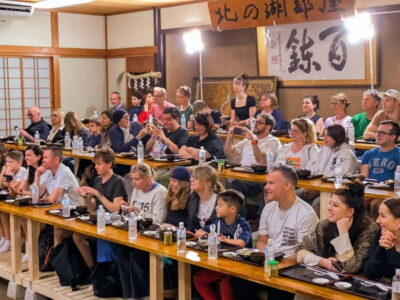
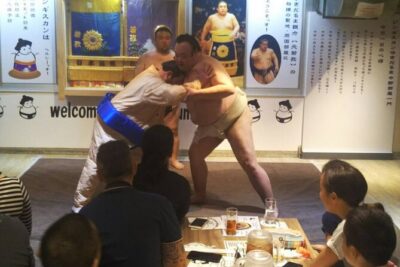
Tokyo Shinjuku Sumo Show & Experience with Photo
Read our review →
Tokyo Grand Sumo Tournament Viewing Tour with Tickets
Read our review →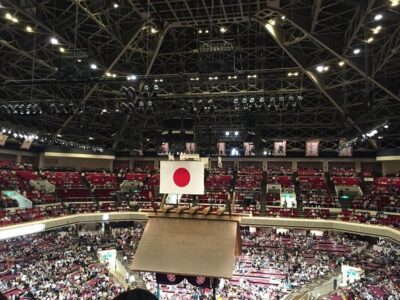
Luxury Sumo Show Experience & Japanese cuisine & Drink
Read our review →
Browse the lists this tour appears in