
Review · SUMO EXPERIENCES IN TOKYO
Tokyo: Visit Sumo Morning Practice with English Guide
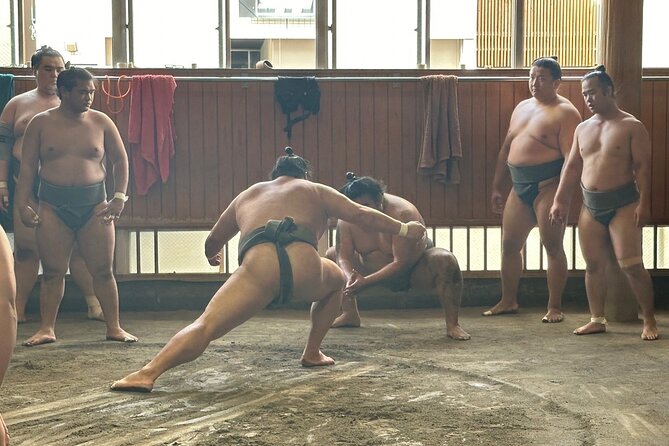
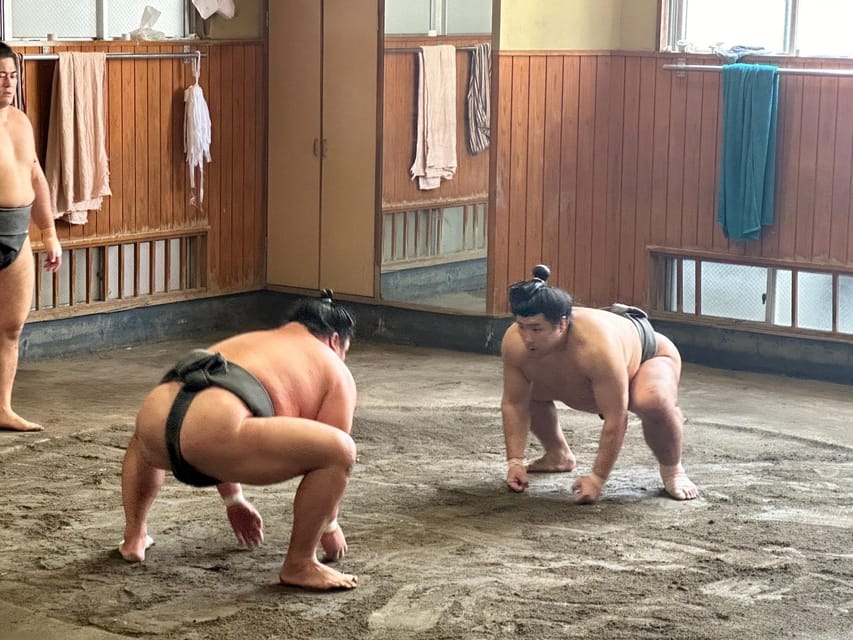
Tokyo’s sumo morning practice puts you close to the real work, not a staged show. At Takasago stable, you watch professional rikishi repeat drills, push through sparring, and follow the strict rhythm of their daily training. I like the authenticity, and I like that the stable has produced six yokozuna and eight ozeki, Japan’s top sumo ranks.
I also like the short walk from Ryogoku Station and the chance to ask questions before or after practice. Guides such as Keiko and Naomi have been praised for their care and clear English. The main drawback is comfort: you may sit on a floor cushion or tiny stool for 90 minutes or longer, and the $96 price feels high if you expect a fully narrated tour.
Key points
- Real morning practice: Watch wrestlers train in their own stable rather than performing a tourist demonstration.
- Takasago pedigree: The stable has produced six yokozuna and eight ozeki.
- Close-up viewing: You sit near the action and may see drills, warmups, and sparring.
- Quiet, respectful setting: You must observe quietly so the wrestlers can train without distraction.
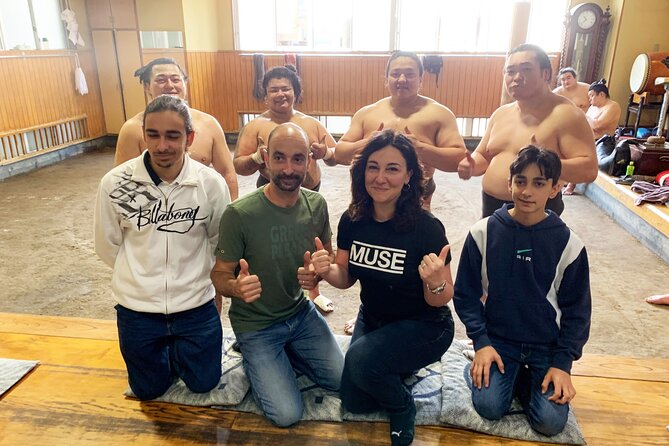
- Photo with rikishi: A commemorative photo follows the practice, with a possible 1,000 yen tip requested.
- Useful timing: Meet at Ryogoku Station at 7:45 a.m. for the 10-minute walk to the stable.
Why a Sumo Stable Is More Interesting Than a Sumo Show
A tournament gives you the drama of competition. This visit gives you something different: the daily labor behind that drama.
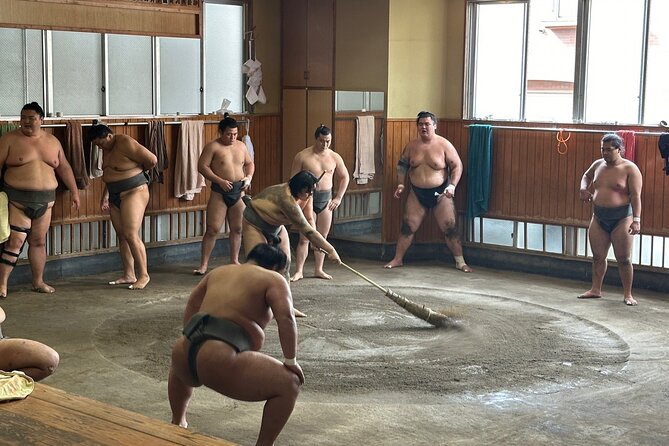
You watch wrestlers work through repeated exercises and bouts while the stable carries on around them. There is no theatrical welcome, no staged explanation during every movement, and no promise that each part of practice will be exciting. That is precisely the appeal. You are seeing a working training session.
Sumo is both a combat sport and a formal tradition with roots reaching back to ancient Japan. At Takasago, the focus is less on spectacle and more on repetition, discipline, and physical control. A wrestler may spend long stretches performing basic movements before the more forceful sparring begins.
That contrast matters. If you know little about sumo, the practice can look mysterious at first. If you pay attention to the handout and the guide’s introduction, you start to recognize the different positions, exercises, and rules. The session becomes easier to follow as the morning progresses.
More Sumo Experiences in Tokyo
- Tokyo: Sumo Show and Dining Experience
★ 4.8 · 2,742 reviews - the SUMO show
★ 5.0 · 1,960 reviews - Tokyo Shinjuku Sumo Show & Experience with Photo
★ 5.0 · 1,750 reviews
Meeting at Ryogoku Station at 7:45
The meeting point is the A-3 elevator exit of Ryogoku Station on the Toei Oedo Line. Aim to arrive early. The stable visit begins in the morning, and joining the group late can be stressful because the party leaves the station together.
Your guide leads the group on a walk of about 10 minutes. This is simple, but useful. You do not have to find a private stable in an unfamiliar part of Tokyo, and you receive an explanation of what will happen before entering.
The guide may also distribute written information about sumo positions, traditions, and training exercises. This is helpful because you need to remain quiet once practice starts. You can read the material before or after the session instead of expecting a running commentary while the wrestlers work.
English and Japanese guiding are offered. The individual guide can vary, but names praised for their warm and careful assistance include Keiko and Naomi. One guide, Keiko, has been especially helpful with guests who needed extra support, including arranging a chair and drinks for someone feeling unwell. That kind of attention can make a difference during an early start.
Entering Takasago Stable
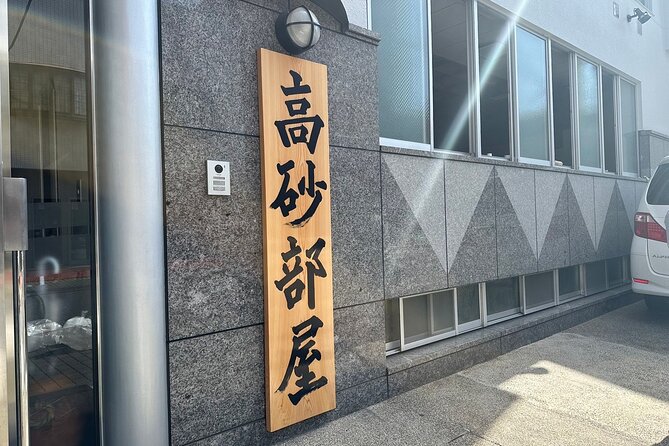
Takasago is not simply a room set up for an attraction. It is a working sumo stable, known for producing six yokozuna and eight ozeki. Yokozuna is the highest rank, while ozeki is the second-highest. That record gives the setting real weight for anyone interested in the sport.
Once inside, you take a place near the training area. Seating may be on a floor cushion or a small stool. A few people have found the position uncomfortable after a long stretch, especially anyone with knee, hip, or back problems.
If you have trouble sitting on the floor, accept a small chair if one is offered. Some seating can be positioned near the rear, sometimes beside a fan. The room may feel warm, although one account described air-conditioned comfort and chilled water being provided. Conditions can vary, so dress for a quiet indoor wait rather than assuming the room will be cool.
The atmosphere is formal. You are there to watch, not to chat with the wrestlers. Keep your voice low, follow the guide’s instructions, and avoid sudden movement near the practice area.
The 90-Minute Training Session
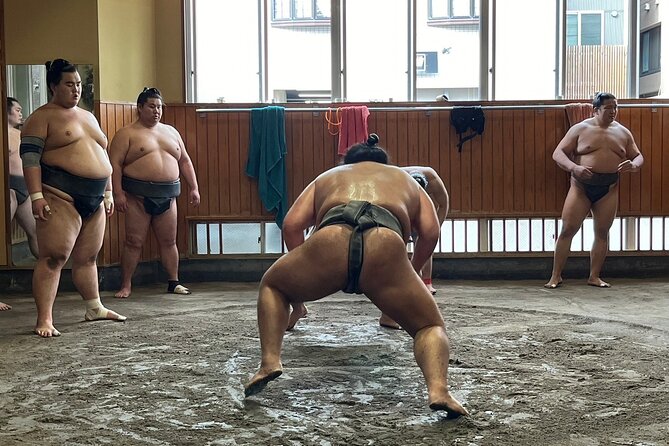
The scheduled observation begins around 8:00 a.m. and usually lasts 90 to 120 minutes, though the actual training can run shorter or longer. One group remained for close to three hours because practice continued, but you should plan your day around the stated two-hour duration rather than count on extra time.
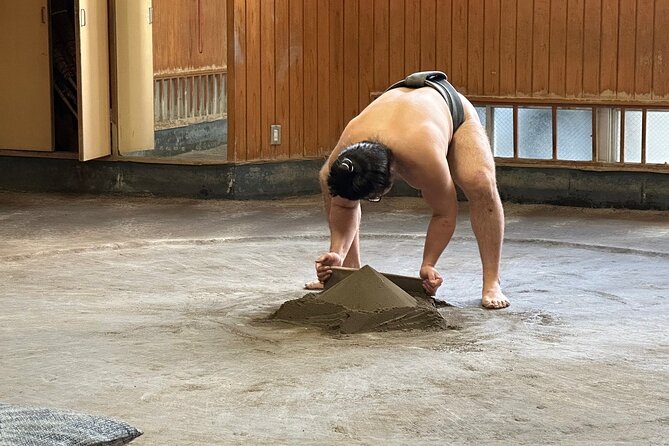
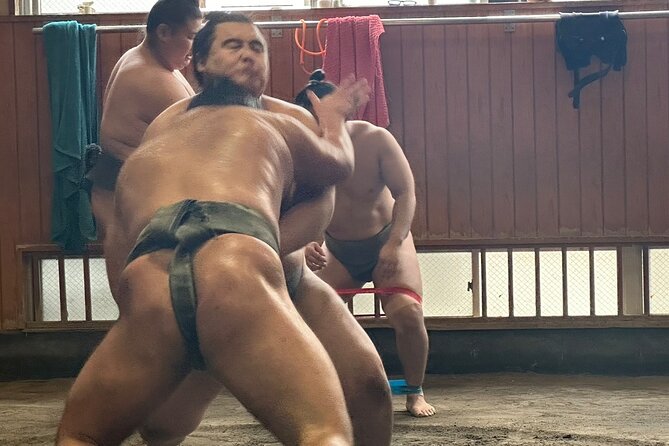
The session may include warmups, strength work, technique practice, and sparring. You see how much preparation goes into a sport that can appear brief during a tournament bout. A match may last only moments, but the training behind it involves repeated movement and intense physical effort.
The most valuable part is the closeness. You can see the wrestlers’ footwork, balance, posture, and reactions at a distance that a tournament crowd cannot provide. You also notice the difference between routine drills and live practice bouts.
Do not expect every minute to be explained in English. Some guides give a strong spoken introduction, while others rely more on a detailed booklet. If you prefer direct explanation, ask questions before practice begins or after it ends. During training, quiet observation is part of the experience.
Photography may be allowed as long as it does not interfere with practice. The information for this activity also lists cellphones among items not allowed, so follow the guide’s exact instructions on the day. Do not assume that permission to take a photo means you can freely use your phone throughout the session.
Same city, a different fixture:
- Tokyo: Sumo Show and Experience in Shinjuku
★ 4.8 · 1,001 reviews - Tokyo Grand Sumo Tournament Viewing Tour with Tickets
★ 5.0 · 692 reviews - Tokyo Sumo Wrestling Tournament Experience
★ 5.0 · 660 reviews - Tokyo:Luxury Sumo Show Experience & Japanese cuisine & Drink
★ 4.7 · 577 reviews
The Discipline Behind the Sport
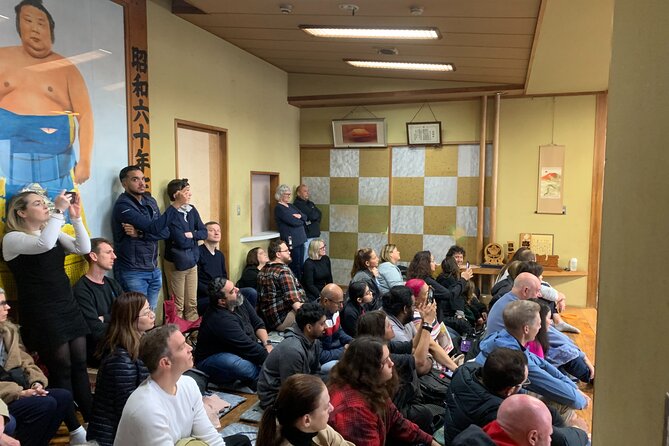
A stable visit shows sumo as a way of life, not only as a contest. The wrestlers train together under a shared structure, and the morning has an orderly, demanding feel. You see professional athletes working on fundamentals long after the novelty of the sport has worn off.
That is why this activity works well before attending a tournament. One person who later went to a sumo competition found the stable visit made the bouts much easier to understand. After seeing training close up, you can recognize more of the movements and appreciate why a short match can involve so much preparation.
The experience also helps correct a common misunderstanding. Sumo is not just about size and force. Balance, timing, grip, foot placement, and the ability to stay composed all matter. The practice gives you a clearer sense of those skills than a quick photograph or a few minutes of tournament action.
Still, the experience is not a formal lesson in the full history of sumo. If you want detailed information about wrestler lifestyles, rank promotion, stable customs, or tournament strategy, ask specific questions. The guide can explain what is possible, but the main product is access to practice.
The Photo With the Wrestlers
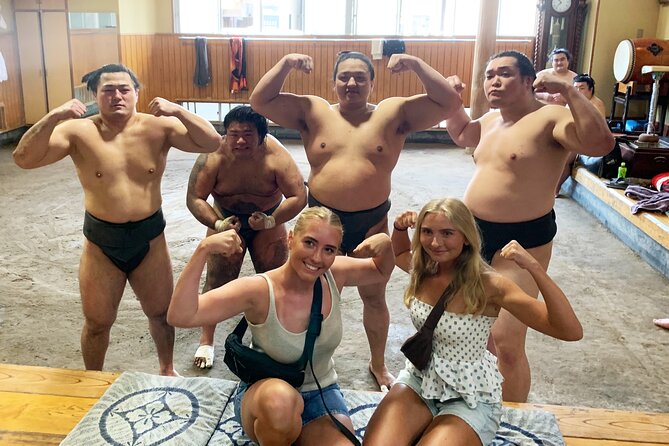
After practice, you can take a commemorative photograph with the rikishi. This is a short moment, but it gives the morning a personal finish. The wrestlers may pose after completing their training, and the guide helps organize the group so the process moves along.
Bring cash. Some visitors have been asked for a 1,000 yen tip for the photo. This is not something you want to discover only after leaving your wallet behind, especially since the tour price is already $96.
Treat the photo as a courtesy and follow the stable’s instructions. The wrestlers are not performers hired to entertain the group. Their main purpose is training, and the photograph comes after that work.
The photo is also one reason families and younger visitors may enjoy the activity. Children can observe if they remain quiet, and the adult price applies to them as well. A child who can sit still for the session may find the close view memorable. A restless child will have a harder time in the quiet stable setting.
Is $96 a Fair Price?
At $96 per person, this is not a cheap Tokyo morning. You are paying for escorted access to a working sumo stable, an English-speaking guide, the practice observation, and the convenience of having the meeting point and walk handled for you.
The value depends on what you want. If you simply want to see a few wrestlers or take a photograph, the price may feel steep. The stable visit lasts around two hours, but much of that time is quiet observation rather than active guiding.
I think the cost makes more sense if sumo is a serious interest, if you are attending a tournament afterward, or if you value access to a place normally difficult to visit independently. You are paying for the setting and the cultural context, not a packed schedule of activities.
The guides can add real value. Several have been described as friendly, organized, and helpful with directions after the visit. Others have provided only brief spoken explanation, relying on written material instead. That difference means you should judge the tour mainly by its access to practice, not by the promise of a long lecture.
Free cancellation is available up to 24 hours before the start, and you can reserve while paying later. Those options help if your Tokyo schedule is still shifting, but they do not change the basic price calculation.
Comfort, Courtesy, and What to Bring
Wear clothing that lets you sit quietly for a long time. The activity does not call for strenuous walking, but the seating can be harder than expected. A small stool may be better than a cushion, so ask the guide if seating choices are available.
Plan to use the restroom before entering, keep your voice low, and avoid eating during practice unless the guide gives different instructions. A stable is a place of work, not a casual viewing gallery.
Keep cash available for the possible 1,000 yen photo tip. Also arrive with enough time to find the A-3 elevator exit. Ryogoku Station has more than one exit, and meeting the guide at the wrong one can cost precious minutes.
Photography rules deserve special care. Photos may be permitted when they do not interrupt training, but the activity information also says cellphones are not allowed. Ask before taking anything out, and follow the stable’s current instructions rather than relying on what another group was allowed to do.
Who Will Enjoy This Morning Most?
This is a strong choice for you if you:
- Want an authentic look at sumo training rather than a staged cultural show
- Plan to attend a tournament and want better context first
- Enjoy watching technique, repetition, and athletic preparation
- Can sit quietly for 90 minutes or more
- Appreciate a small, focused cultural activity
- Want a memorable photo with rikishi
You may want to skip it if you need constant narration, dislike floor seating, or expect to interact with the wrestlers throughout the visit. It is also a poor fit for anyone looking for a flexible, come-and-go attraction. Once practice begins, quiet attention is the rule.
The activity can work for children, but only if they can observe without disturbing the stable. The fee is the same for children and adults, so consider your child’s patience before booking.
FAQ
Where does the sumo practice tour meet?
Meet at 7:45 a.m. at Ryogoku Station on the subway Oedo Line. Staff wait at the A-3 elevator exit.
How far is the stable from Ryogoku Station?
The group walks about 10 minutes from the station to Takasago-beya Sumo Stable.
How long does the activity last?
The stated duration is two hours. Training observation usually lasts 90 to 120 minutes, but the session may be shorter or longer depending on practice.
Is the tour available in English?
Yes. Live guiding is offered in English and Japanese.
Can I take photos during practice?
Photos may be allowed as long as they do not interfere with training. Follow the guide’s instructions, since the activity information also lists cellphones as not allowed.
Can I take a photo with a sumo wrestler?
Yes. A commemorative photo with the wrestlers is taken after the practice.
Is there an extra cost for the commemorative photo?
A 1,000 yen tip may be requested for the photo, so carry some cash.
Can children attend?
Children may observe if they can remain quiet and avoid getting in the way of practice. The fee is the same for adults and children.
What kind of seating is provided?
You may sit on a floor cushion or a small stool. Some seating may be available near the rear, and sitting for the full session can be uncomfortable.
Can I cancel the booking?
You can cancel up to 24 hours in advance for a full refund. Reserve now and pay later is also available.
Should You Book the Takasago Morning Practice?
Book it if you want to see sumo as working life rather than a polished performance. The close view of training, the stable’s record of producing top-ranked wrestlers, and the final photo make this a distinctive Tokyo morning.
Go in with realistic expectations. The guide may provide a helpful booklet and a clear introduction, but you will spend most of the time sitting quietly and watching. If that sounds worthwhile, $96 buys access to a rare setting and a better understanding of what happens before the tournament lights come on.
Just added for fans in Tokyo
- Tokyo: Grand Sumo Morning Training Tour★ 4.9 · 12 reviews
- Sumo Training Watching Experience in Tokyo★ 4.5 · 8 reviews
- Kickboxing & Body Training with EX-Pro Fighter★ 5.0 · 4 reviews
- Tokyo: Visit Sumo Morning Practice with English Guide★ 4.5 · 22 reviews
- Tokyo Sumo Experience with Live Show & Audience Challenge★ 5.0 · 38 reviews
- Tokyo Shinjuku Sumo Show and Experience with Drinks and Photo★ 4.0 · 21 reviews
- Tokyo Sumo History Tour with Chanko Nabe Lunch★ 5.0 · 3 reviews
- 【SUMO FESTIVAL】Tokyo Ginza: Sumo Show & Photo Experience★ 4.5 · 41 reviews
Sumo Experiences in Tokyo, compared.
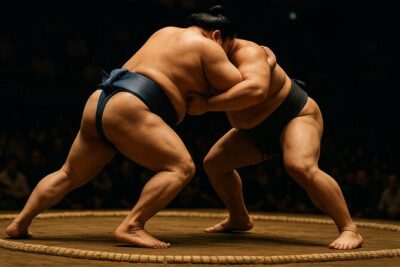
Tokyo Shinjuku Sumo Show & Experience with Photo
Read our review →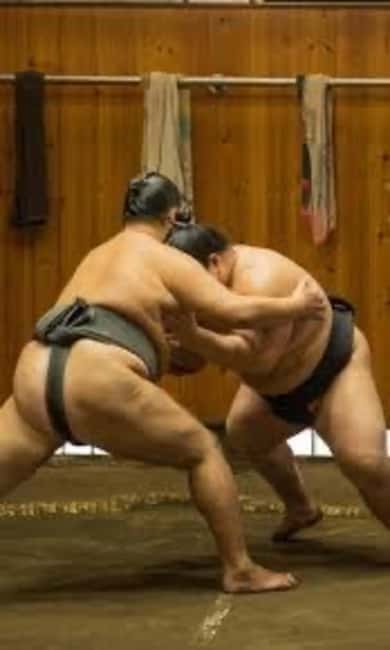
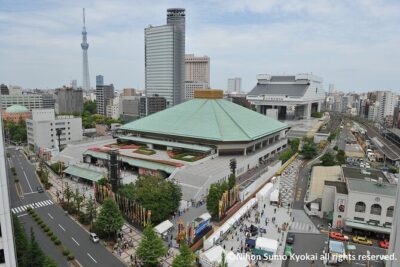
Tokyo Grand Sumo Tournament Viewing Tour with Tickets
Read our review →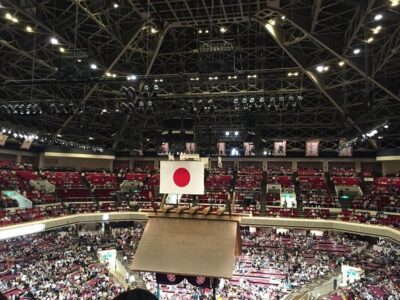

Luxury Sumo Show Experience & Japanese cuisine & Drink
Read our review →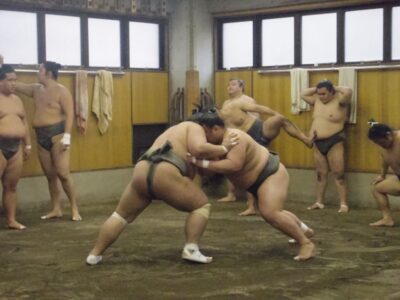
Browse the lists this tour appears in