
Review · SUMO EXPERIENCES IN TOKYO
Ultimate Sumo Tournament: Tokyo, Osaka, Nagoya, Fukuoka
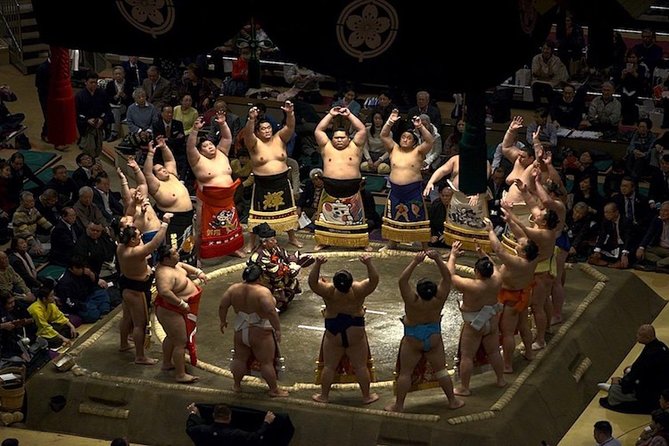
Sumo looks simple until you try to follow it. The wrestlers enter, stamp, stare, and clash for a few seconds, but every movement carries ritual and meaning. This tour puts you inside an official basho with a guide who explains the ranks, techniques, ceremonies, and personalities as the action unfolds.
I like the reserved tournament seat, since tickets can sell out within minutes on the official site. I also like the audio headset, which lets you hear the guide over the arena noise. The main caution is that standard seats are on the second floor, and the quality of the commentary can depend on your individual guide.
This is a strong choice if you want more than a ticket. Guides such as Hiro, Yumi, Myoko, Taku, Izumi, and Shunsuke have been praised for making the sport easier to follow. Just remember that the off-season option is a different experience: morning stable practice, not a tournament.
Key points to know before booking
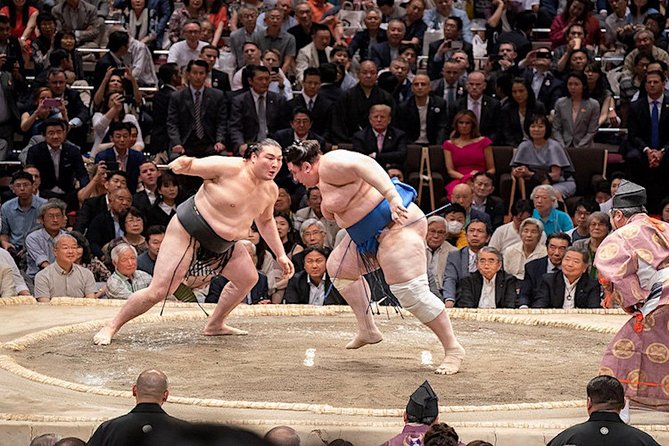
- Official basho access: Attend one of Japan’s six annual 15-day tournaments in Tokyo, Osaka, Nagoya, or Fukuoka.
- Reserved seating: Standard tours use second-floor B or C chair seats, while private tours offer closer S or A seating.
- Live explanations: An English-speaking guide uses a headset, ranking sheet, and commentary to explain the fast bouts.
- Optional chanko dinner: Add a sumo-style hot pot meal after the tournament, with a vegetarian request available in advance.
- Off-season alternative: Visit a working sumo stable near Warabi Station for morning practice when no tournament is taking place.
Why a sumo tournament is worth your afternoon
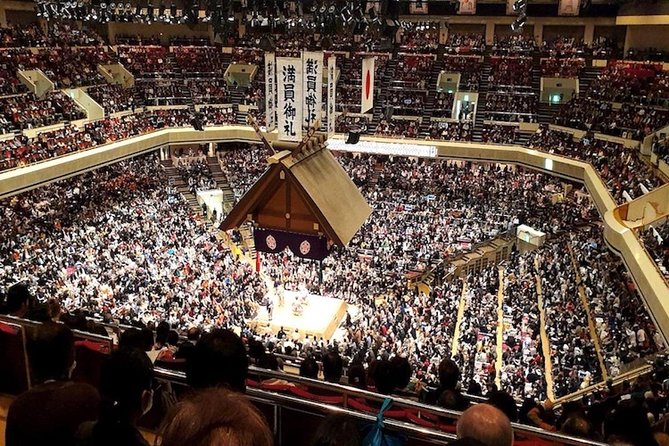
A sumo tournament is one of the most distinctly Japanese events you can attend. It is not just a wrestling match. The ceremony, clothing, ranking system, ritual movements, and audience customs all matter.
The bouts themselves are short. Some last only a few seconds. That can confuse first-time spectators who expect a long sporting contest. A guide helps you notice the buildup, the wrestler’s preferred technique, the opening charge, and the reason a match was won or lost.
You also get a glimpse of how sumo functions as a formal institution. Wrestlers compete under strict rules, carry rankings that affect their status, and perform rituals that have been handed down for generations. The guide’s role is especially useful here because much of the meaning is not obvious from your seat.
The atmosphere changes as the higher-ranked wrestlers appear. The audience becomes more focused, the introductions carry more weight, and the action feels more important. The tour lets you enjoy that progression without spending the entire afternoon wondering who is fighting whom.
More Sumo Experiences in Tokyo
- Tokyo: Sumo Show and Dining Experience
★ 4.8 · 2,742 reviews - the SUMO show
★ 5.0 · 1,960 reviews - Tokyo Shinjuku Sumo Show & Experience with Photo
★ 5.0 · 1,750 reviews
Choosing Tokyo, Osaka, Nagoya, or Fukuoka
The experience is offered in the city hosting an official tournament. The schedule is fixed each year:
- January, Tokyo
- March, Osaka
- May, Tokyo
- July, Nagoya
- September, Tokyo
- November, Fukuoka
Each basho lasts 15 days, beginning and ending on a Sunday. Exact dates change from year to year, so you need to match your Japan trip to the tournament calendar.
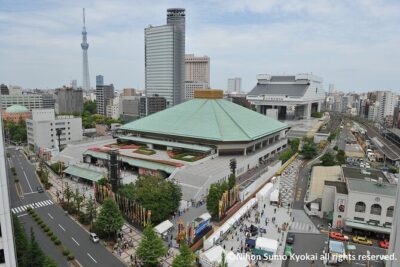
In Tokyo, the venue is Ryogoku Kokugikan, the country’s best-known sumo arena. Ryogoku is closely tied to sumo, and the area also has a Sumo Museum. The Osaka tournament takes place at EDION Arena Osaka, while the Nagoya event is held at IG Arena. Fukuoka’s November tournament takes place at Fukuoka Kokusai Center.
The location matters because the tournament is not a touring performance. The wrestlers and official competition move to different cities according to the annual schedule. If your dates line up, this is an authentic sporting event rather than a demonstration arranged for tourists.
What happens during the four-hour arena visit
The listed start time is 2:00 p.m., and the guided arena portion lasts about four hours. Your meeting point is sent by email at least one week before the date, so do not assume you should go directly to the arena without checking the final instructions.
The guide first helps you get oriented. You may receive a short introduction to the building, the tournament structure, and the basics of sumo before taking your seat. At Ryogoku, the Sumo Museum may be part of the early visit, although crowding can make it easier for you to look around on your own.
The guide supplies a banzuke-hyo, the official ranking sheet. Keep it with you. It helps you identify the wrestlers and understand why some matches carry more importance than others.
The audio headset is a practical touch. Sumo arenas are noisy, and a normal speaking voice can disappear once the crowd reacts. The guide can explain the wrestlers and techniques before each bout, then let you watch the match without standing beside you the entire time.
That format also gives you freedom. One guide described giving background information at the start, then allowing time to shop, buy food, and get drinks before returning with commentary for the matches. You are not expected to sit through every minute beside the guide.
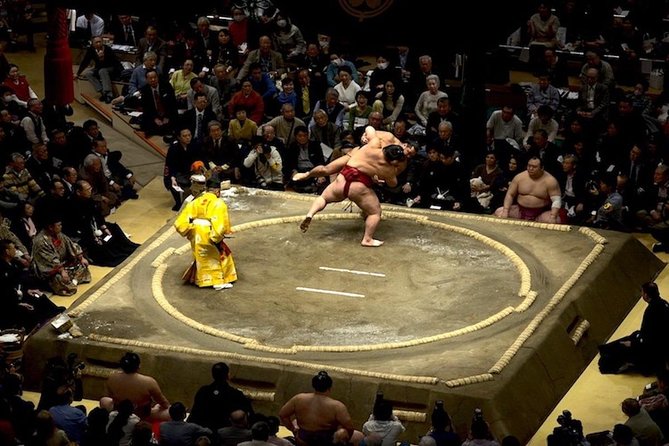
The day may begin with lower-division matches already underway. The exact access and timing can vary, but the tour information indicates that you see all of the top-division Makuuchi bouts and about half of the Juryo bouts. For a first visit, that gives you both the broader tournament structure and the high-profile matches.
Seating: standard versus private
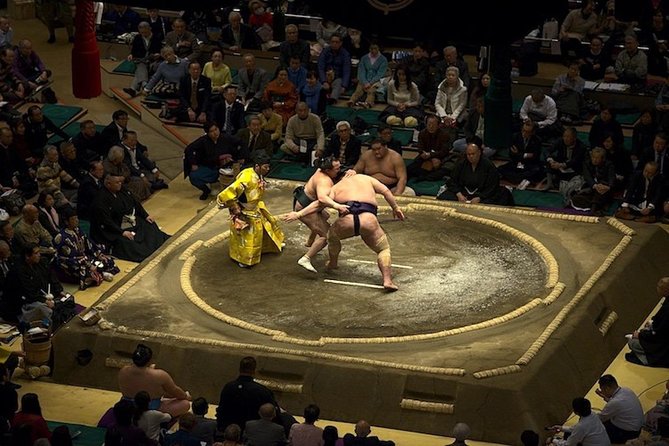
The standard join-in tour uses B-class or C-class chair seats on the second floor. B seats are generally in rows 7 through 11, and a group of up to 20 may sit in the same area with the guide.
These seats are not close to the ring. You will have a wider view of the dohyo and the surrounding ceremonies, but you will not get the same close-up feeling as someone in a lower section. For many first-time visitors, the second-floor view is still a sensible tradeoff because the price includes ticket arrangement and explanations.
The private option includes S-class or A-class seating closer to the ring. If seeing the wrestlers’ physical presence is your main reason for going, the upgrade may be worth considering. The private choice should also suit anyone who wants a more personal pace and does not want to sit within a larger group.
At the listed price of $184.38 per person, the standard tour is not a cheap afternoon. Its value comes from combining a difficult-to-obtain ticket with the guide, headset, ranking sheet, and seating arrangement. If you are confident buying a ticket through the official sumo system and already understand the sport, you may prefer to arrange the visit yourself. If tickets sell out before you can buy them, the service becomes more useful.
Same city, a different fixture:
- Tokyo: Sumo Show and Experience in Shinjuku
★ 4.8 · 1,001 reviews - Tokyo Grand Sumo Tournament Viewing Tour with Tickets
★ 5.0 · 692 reviews - Tokyo Sumo Wrestling Tournament Experience
★ 5.0 · 660 reviews - Tokyo:Luxury Sumo Show Experience & Japanese cuisine & Drink
★ 4.7 · 577 reviews
Food inside the arena and chanko dinner
Outside food and drinks are not allowed inside the arena. You can purchase food and drinks from vendors in the building, so plan to buy something there rather than arrive with a picnic.
The optional dinner is chanko nabe, the hot pot associated with sumo wrestlers. It usually contains chicken stock, vegetables, and other ingredients cooked in a shared pot. The dish is practical for a stable because a large quantity can be prepared at once and served to hungry wrestlers after training.
Dinner is not included automatically. You select it at checkout, and drinks are not included. Vegetarian requests can be made in the special requirements field, but traditional broth often uses pork or chicken. The restaurant may substitute the broth, and dietary changes cannot be made one week before the tour date once the request has been accepted.
I like this add-on because it connects the arena experience with daily sumo life. It is not simply a meal after a sporting event. It gives you a chance to eat a dish strongly linked to the wrestlers’ routine. Still, it increases the total cost, and you should choose it only if the food element interests you.
One guide, Hiro, was praised for helping a group sort out vegan, fish, and meat choices at dinner. That kind of assistance can be useful, but make your requirements clear well before the deadline.
The off-season stable practice option
If your dates do not match a tournament, the booking may offer morning practice at a sumo stable near Warabi Station, about 30 minutes from Tokyo Station.
This is not a substitute ticket for an official basho. It is a separate three-hour experience, scheduled from 8:00 a.m. to noon, with a join-in group of about 8 to 16 people. You watch wrestlers train at an authentic stable while a guide explains what is happening through an audio headset. Chanko lunch follows the practice session.
The stable visit can be more intimate than the arena event. You see training rather than competition, which puts the focus on discipline, repetition, and the wrestlers’ daily work. At the same time, you lose the noise, ceremony, and changing match program of a tournament day.
Read the date and option carefully before paying. If the date is labeled off-season, you are booking stable practice only. You will not receive a tournament seat ticket because no tournament is taking place.
Guides make the difference
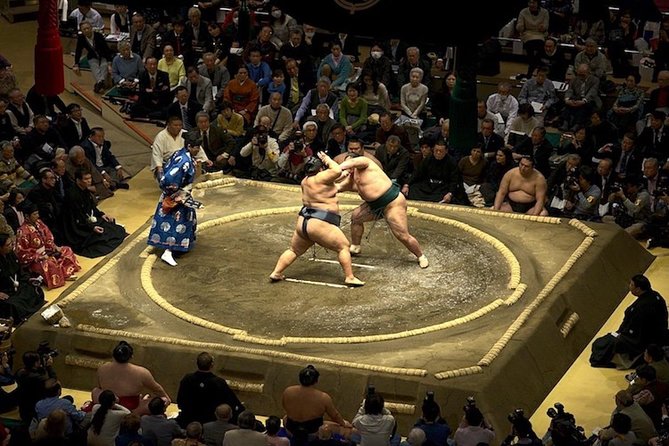
The strongest part of this experience is the human explanation. Sumo has many details that are easy to miss: the ranking order, the pre-bout gestures, the referee’s role, the legal winning conditions, and the different ways a wrestler can force an opponent out of the ring.
Guides including Myoko, Yumi, Taku, Izumi, Hiro, Seizo, Shunsuke, and Junka have received praise for clear explanations and personal enthusiasm. Shunsuke, in particular, was described as providing extensive background on sumo’s cultural and spiritual meaning, then helping with the meal afterward.
The guide does not replace the live event. You still need time to watch, look around, visit the museum, and buy refreshments. The best format combines short explanations with quiet viewing, rather than constant narration.
That standard is not guaranteed every time. One disappointing experience involved a guide who gave basic information but did not explain much during the tournament. If you want detailed instruction at every moment, make that clear at the beginning and ask questions. The headset makes strong commentary possible, but it cannot guarantee the guide’s style.
A headset volume issue was also noted. One guide’s audio was loud even at the lowest setting. You may want simple earplugs or noise-dampening loops if you are sensitive to sound.
Timing, transport, and group size
You arrange your own transportation. Hotel pickup is not included, although the venues are near public transportation. The final meeting point arrives by email at least one week before the tour, so check your inbox and allow time to find the guide.
The standard group can include up to 20 people seated in the same location. That is large enough to create a social atmosphere but small enough for a headset-based explanation to work. A private tour gives you closer seats and a more personal setup.
There may be a wait before you enter or take your seats because the operator may need to wait for matches to end. The Sumo Museum can also become crowded, and the guide may ask you to visit it independently rather than move a large group through a packed space.
The arena can feel warm. Dress lightly for the Tokyo venue, especially if you tend to overheat indoors. Wear something comfortable, since you may spend several hours in the building and move between the seating area, concessions, and museum.
Book early. Restaurant arrangements and group ticket releases take time. Three months ahead is ideal, and one month is the minimum suggested. Group tickets are released by the Sumo Association about four to seven weeks before the tournament date. If tickets cannot be obtained, you are notified within four weeks and offered another date or a full refund.
The booking is normally non-refundable and cannot be changed. The stated exceptions are cancellation for poor weather or failure to meet the minimum number of participants, in which case you are offered another date or a full refund.
Who should book this sumo experience?
I would choose this tour if you want to attend a real tournament but do not know how to identify the wrestlers, follow the rankings, or buy tickets quickly. It is also a good fit for families, since the guide can explain the sport to people starting from zero.
The tour suits you especially well if you enjoy cultural context as much as the competition. The food add-on makes sense if you want to connect the event with sumo’s everyday traditions.
I would be more cautious if you already understand sumo and can secure your own ticket. You may find the standard second-floor seat and group format less appealing than an independent visit or a private seating upgrade.
Should you book it?
Book it if your Japan dates overlap with one of the six annual tournaments and you want a guided introduction to a sport that can seem mysterious at first. The reserved ticket, headset commentary, and ranking sheet solve the biggest problems for a first-time visitor.
Choose the stable practice option only when you understand that it replaces the tournament rather than supplements it. Add the chanko dinner if the food and cultural side appeal to you, and request dietary changes early.
At $184.38, this is a significant expense, but it can be fair value when official tickets are difficult to obtain and you want the event explained as it happens. For a short Japan trip, a well-guided afternoon at the basho can be one of the clearest ways to experience a living part of Japanese culture.
FAQ
Where does the sumo tournament experience take place?
It takes place in Tokyo, Osaka, Nagoya, or Fukuoka, depending on the tournament season. Tokyo uses Ryogoku Kokugikan, Osaka uses EDION Arena Osaka, Nagoya uses IG Arena, and Fukuoka uses Fukuoka Kokusai Center.
When are Japan’s official sumo tournaments held?
The tournaments take place in January and May in Tokyo, March in Osaka, July in Nagoya, September in Tokyo, and November in Fukuoka. Each tournament lasts 15 days.
What time does the tournament tour start?
The listed start time is 2:00 p.m. The guided arena experience lasts about four hours.
What seats are included?
The standard group tour includes B-class or C-class chair seats on the second floor. The private tour includes S-class or A-class seats closer to the ring.
Is dinner included?
Dinner is optional and must be selected at checkout. The meal is chanko hot pot without drinks, and a vegetarian request can be made in advance.
What happens during the off-season option?
The off-season option visits a sumo stable near Warabi Station for morning practice from 8:00 a.m. to noon. It includes a guide, headset, and chanko lunch, but not a tournament ticket.
Is transportation from my hotel included?
No. Hotel pickup and transportation are not included. The meeting point and directions are sent by email at least one week before the tour date.
Just added for fans in Tokyo
- Tokyo: Grand Sumo Morning Training Tour★ 4.9 · 12 reviews
- Sumo Training Watching Experience in Tokyo★ 4.5 · 8 reviews
- Kickboxing & Body Training with EX-Pro Fighter★ 5.0 · 4 reviews
- Tokyo: Visit Sumo Morning Practice with English Guide★ 4.5 · 22 reviews
- Tokyo Sumo Experience with Live Show & Audience Challenge★ 5.0 · 38 reviews
- Tokyo Shinjuku Sumo Show and Experience with Drinks and Photo★ 4.0 · 21 reviews
- Tokyo Sumo History Tour with Chanko Nabe Lunch★ 5.0 · 3 reviews
- 【SUMO FESTIVAL】Tokyo Ginza: Sumo Show & Photo Experience★ 4.5 · 41 reviews
Sumo Experiences in Tokyo, compared.
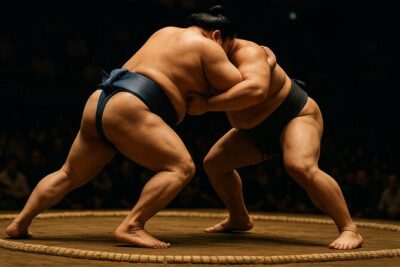
Tokyo Shinjuku Sumo Show & Experience with Photo
Read our review →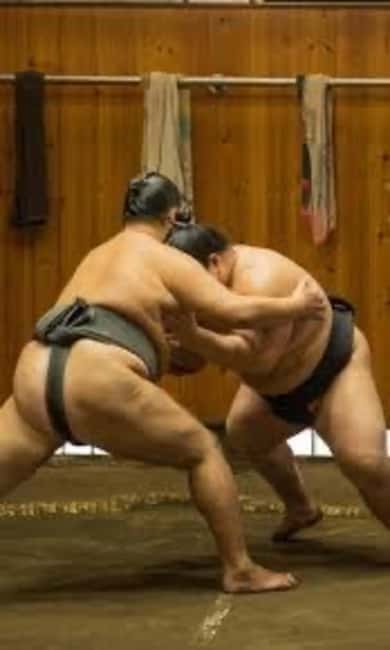
Tokyo Grand Sumo Tournament Viewing Tour with Tickets
Read our review →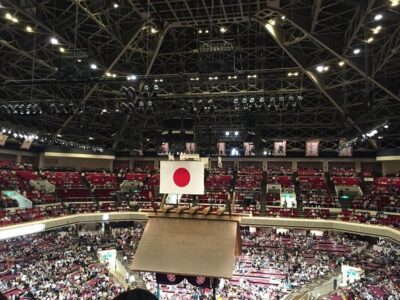
Luxury Sumo Show Experience & Japanese cuisine & Drink
Read our review →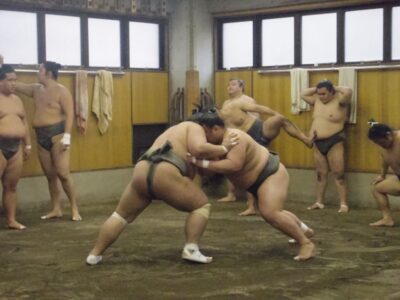
Browse the lists this tour appears in