
Review · SUMO EXPERIENCES IN TOKYO
Tokyo 6hr Private Guided Tour & Sumo Show Lunch
Tokyo sightseeing rarely gets more unusual than this: a four-hour private walking tour followed by lunch and a live sumo show. You choose two or three places with your guide, then finish at Yokozuna Tonkatsu Dosukoi Tanaka at about 1pm.
I like the freedom to shape the morning around your interests, and I like having a private licensed English-speaking guide who can help with Tokyo’s train system. Guide Izumi has been praised for going beyond the planned route to help with stations, ticket machines, and extra sights. The main catch is that transportation and many entrance fees are extra, so the $195.09 price is not the whole cost.
Key points at a glance
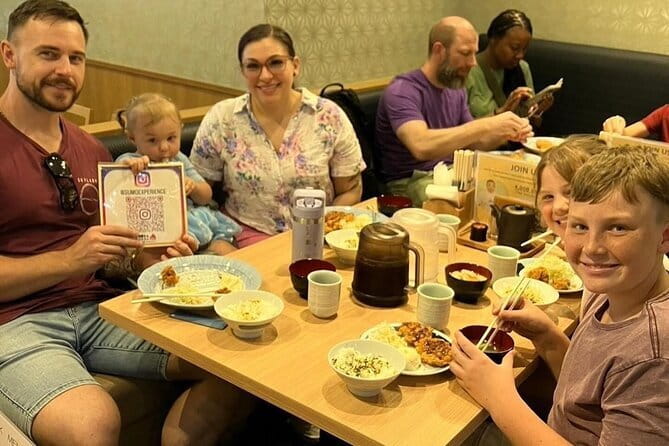
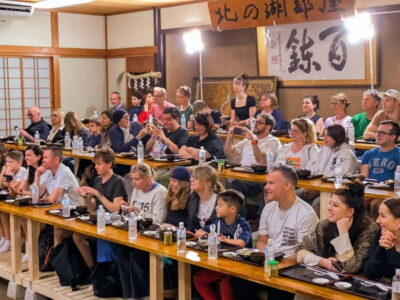
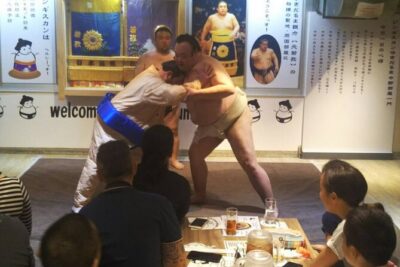
- Sumo show with lunch: Finish the morning at Yokozuna Tonkatsu Dosukoi Tanaka for a two-hour meal and sumo performance.
- Choose only two or three sights: The long list of options is a menu, not a promise that you will see them all.
- Private guide and private group: Your party travels with the guide rather than joining a large tour.
- Useful Tokyo help: A good guide can assist with train stations, ticket offices, and route choices.
- Walking-focused morning: No private vehicle is included, and transport costs are yours to cover.
- Best for first-time visitors: The format helps you see a few major sights without trying to cross the entire city alone.
Why the sumo lunch makes this six-hour tour different
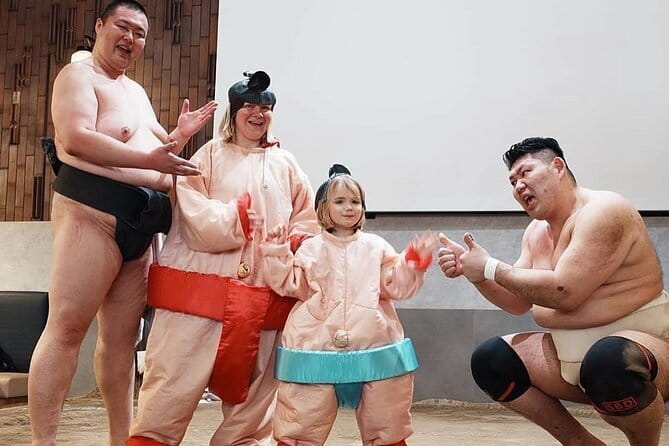
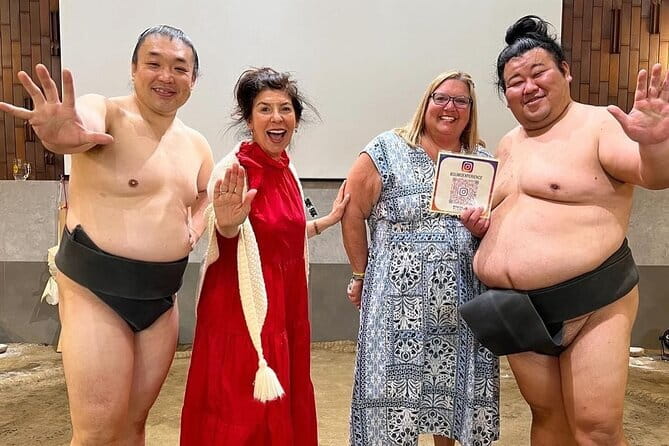
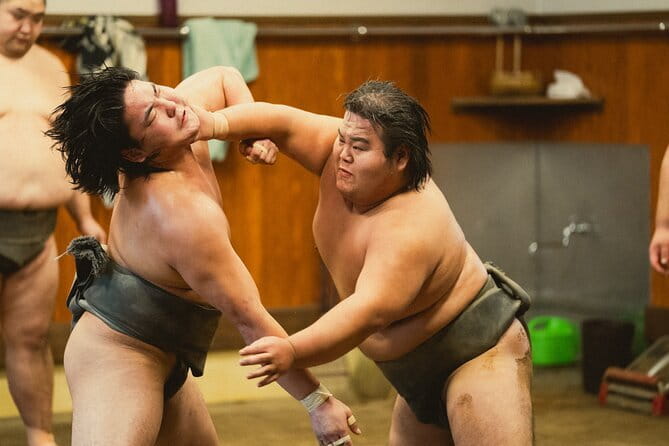
Many Tokyo tours pile up temples, shopping streets, and photo stops. This one has a clear finish line: a sumo show over lunch. That gives the morning a bit of shape and gives you something more distinctive than another standard city circuit.
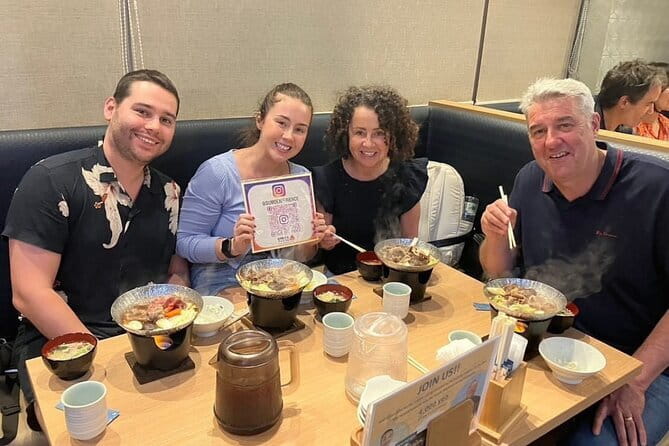
The sumo portion begins at about 1pm at Yokozuna Tonkatsu Dosukoi Tanaka. It lasts about two hours and includes lunch. You are not simply visiting a neighborhood connected with sumo. The meal and performance are built into the day, which makes this a practical choice if you want a taste of the sport without arranging a tournament visit.
The timing also matters. You meet at 9am, spend roughly four hours seeing Tokyo with your guide, and then are taken to the restaurant. The full experience runs about six hours, though the supplied timing describes the lunch as beginning at 1pm and lasting around two hours.
I would treat the sumo show as the fixed part of the day and the walking tour as the flexible part. Choose sights that fit together geographically, rather than selecting one place in eastern Tokyo and another far across the city. Tokyo is huge, and a private tour cannot defeat its train lines, traffic, and walking distances.
More Sumo Experiences in Tokyo
- Tokyo: Sumo Show and Dining Experience
★ 4.8 · 2,742 reviews - the SUMO show
★ 5.0 · 1,960 reviews - Tokyo Shinjuku Sumo Show & Experience with Photo
★ 5.0 · 1,750 reviews
Building a sensible morning from two or three sights
The activity includes a large menu of possible places. You can work with your guide after booking to choose two or three. That flexibility is useful, but it also means you need to think about priorities before the morning begins.
For a first visit, I would lean toward Asakusa and Senso-ji, perhaps paired with Tsukiji Outer Market or Meiji Jingu. Asakusa gives you one of Tokyo’s best-known temple districts, while Tsukiji adds food stalls and market lanes. Meiji Jingu offers a calmer shrine setting beside Harajuku.
If you prefer modern Tokyo, consider Shibuya Sky with Takeshita Street or Meiji Jingu. Shibuya Sky provides a high view from 229 meters, while Harajuku gives you youth fashion and a very different street scene. The ticket for Shibuya Sky is not included, so check the added cost before choosing it.
A history-minded visitor might select the Imperial Palace area, Tokyo National Museum, and one garden. The Imperial Palace stop does not include access inside the palace. The museum and gardens also have admission charges that are not covered.
Do not treat the five-minute times shown for each stop as a promise of a full visit. They appear to function as itinerary markers. Your actual time at each place will depend on your chosen route, walking pace, transport, and the time needed to reach lunch.
Asakusa and Senso-ji: the strongest classic Tokyo pairing
Asakusa is one of the safest choices for a short Tokyo introduction. Senso-ji, also called Asakusa Kannon Temple, is colorful, central to the district, and tied to a story about two fishermen who found a statue in the Sumida River in 628.
You can expect a temple-centered visit with plenty to look at around the approach to the main hall. The area works well for first-time visitors because it gives you religious history, traditional architecture, and an old downtown feel in one compact part of the city.
The drawback is simple: Asakusa is famous. If you want a quieter morning, ask your guide to balance it with a garden or the Nezu area. Still, for a first day in Tokyo, I would put Senso-ji near the top of the list.
Tsukiji Outer Market: food stalls without the old wholesale market
Tsukiji Outer Market lets you explore Tokyo’s former fish-market area. The wholesale tuna auction moved away years ago, so keep your expectations in check. This is not a working auction tour.
It is still a useful stop if you want food, small shops, and a busy market setting. Your guide can help you make sense of the area and fit it into the morning without wasting time finding the entrance or deciding where to walk.
Tsukiji pairs naturally with Asakusa only if your route and lunch location make sense. Ask about the order of stops. Tokyo’s eastern districts may be convenient together, but the final route to the sumo restaurant should be clear before you set out.
Same city, a different fixture:
- Tokyo: Sumo Show and Experience in Shinjuku
★ 4.8 · 1,001 reviews - Tokyo Grand Sumo Tournament Viewing Tour with Tickets
★ 5.0 · 692 reviews - Tokyo Sumo Wrestling Tournament Experience
★ 5.0 · 660 reviews - Tokyo:Luxury Sumo Show Experience & Japanese cuisine & Drink
★ 4.7 · 577 reviews
Meiji Jingu, Takeshita Street, and Yoyogi Park
Meiji Jingu is dedicated to Emperor Meiji and Empress Shoken. It sits beside Harajuku Station, yet the shrine offers a very different mood from the surrounding shopping streets.
Takeshita Street is the sharper contrast. It is linked with Harajuku’s youth culture, fashion, and teenage styles. You can see both places in one outing, but do not expect them to feel alike. Meiji Jingu is suited to quiet observation, while Takeshita Street is more about people-watching and city energy.
Yoyogi Park is another option in the same broad part of Tokyo. It has lawns, ponds, and wooded areas, with room for walking and a break from dense streets. If you want a slower morning, Yoyogi Park may suit you better than adding another shopping stop.
The practical issue is time. Meiji Jingu, Takeshita Street, and Yoyogi Park can make a pleasant cluster, but adding distant sights after them may leave little time before lunch. Choose two or three places, not a wish list of ten.
Gardens for a quieter view of Tokyo
Tokyo’s gardens make good choices for visitors who need a pause from stations and shopping streets. Shinjuku Gyoen National Garden has broad lawns, winding paths, and a more relaxed setting near Shinjuku. Admission is not included.
Rikugien is often considered one of Tokyo’s finest Japanese gardens. It was built around 1700 for the fifth Tokugawa shogun, and its name refers to the six traditional forms of Japanese poetry. Entrance is extra.
Koishikawa Korakuen is another old Japanese garden, created during the early Edo period at the Tokyo residence of the Mito branch of the ruling Tokugawa family. Hamarikyu Gardens adds a different setting beside Tokyo Bay, with seawater ponds affected by the tides and a teahouse on an island.
These are not interchangeable stops. Shinjuku Gyoen is a broad city park, while Rikugien and Koishikawa Korakuen focus more closely on formal Japanese garden design. Hamarikyu combines garden paths with a central Tokyo Bay location.
If you select a garden, confirm the entrance charge and the route to the restaurant. Garden visits reward a slower pace, so one garden paired with one nearby sight may be better than squeezing in three distant attractions.
Imperial Palace and Tokyo National Museum
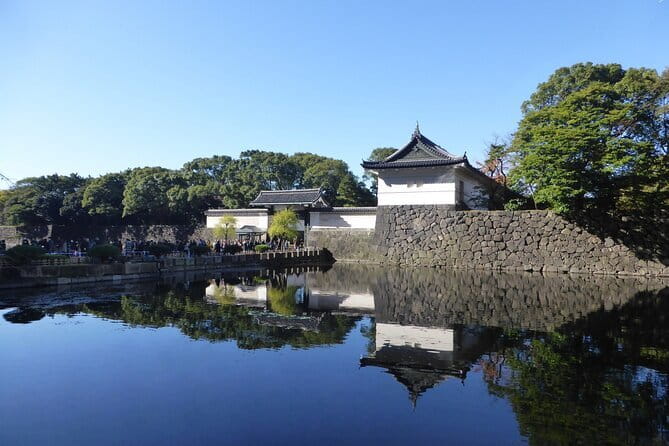
The Imperial Palace occupies the former site of Edo Castle, with moats, stone walls, and a large park area. This tour does not include entry inside the palace. You will be seeing the exterior area and surroundings rather than taking an indoor palace visit.
That makes the palace a good short stop for visitors interested in Tokyo’s political and feudal past, but a less satisfying choice if you expect access to royal rooms. Ask your guide exactly which section you will see before committing the morning to it.
Tokyo National Museum is the oldest and largest of Japan’s top-level national museums. It offers a much deeper look at Japanese art and culture than a quick outdoor stop. Admission is not included, and a museum visit can consume a large part of the morning.
I would choose the museum only if you truly want museum time. It is not a quick photo stop. The private format helps here because you can tell the guide what kind of visit you want, but you still need to allow for the museum’s size and the later lunch appointment.
Shibuya, Shinjuku, and Tokyo Tower
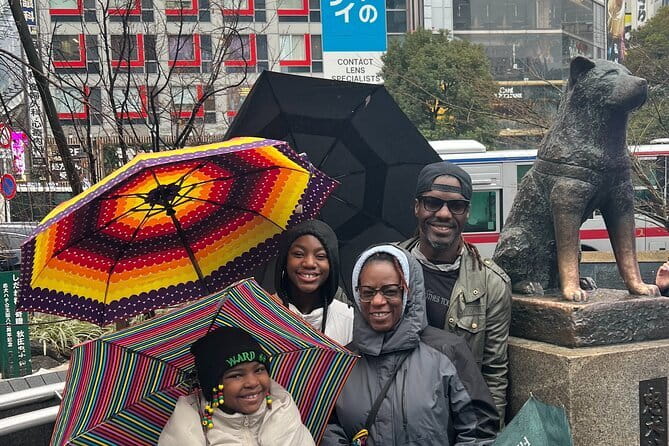
Shibuya Sky gives you a high view over Tokyo from 229 meters. It is the most obvious choice on the list if your priority is seeing the city from above. Admission is extra, so add the ticket to your budget.
Shinjuku Golden-Gai offers a very different look at the city. The compact district began around 1950, when eating and drinking establishments moved from a black-market area near Shinjuku Station. Its tiny bars and narrow lanes are most meaningful as an evening setting, so a morning visit may not show the area at its best.
Tokyo Tower reaches only to the main deck on this tour. The top deck is not included. The tower remains a recognizable Tokyo landmark and works well for a quick city-view stop, but compare it with Shibuya Sky if you want only one elevated attraction.
These choices can be tempting because they are famous. They are not close enough to treat as a casual string of stops. Pick one, then use the rest of your morning for a nearby district or a place with a different character.
Akihabara, Odaiba, Shibamata, and Nezu
Akihabara is known for electronics shops and has become a center of Japanese pop culture. It suits visitors who want a modern, specialized district rather than temples and gardens.
Odaiba is a shopping and entertainment area on a man-made island in Tokyo Bay. It began as a group of defensive fort islands. Because of its location, it can take more planning to combine with central Tokyo stops.
Shibamata sits in eastern Tokyo near the Edogawa River and keeps an older downtown feel. It is a good choice if you want something away from the standard first-visit circuit.
Nezu is part of Tokyo’s old downtown area, along with nearby Yanaka. It avoided major damage from wars and natural disasters, so it retains older streets and a less polished feel than the city’s biggest districts.
These four options show the value of a private guide: you can choose a neighborhood that matches your interests instead of following a fixed sightseeing route. They also show the limits of six hours. A distant neighborhood may be worthwhile, but it can replace two central sights once transport time is counted.
What the private guide adds
The guide is not only there to point at buildings. Tokyo’s railway network, ticket machines, station exits, and district names can slow down a first visit. A strong guide can help you move through those practical parts of the day.
Guide Izumi has been praised for helping with extra train stations, ticket offices, and sights beyond the planned route. That is exactly the kind of assistance that can make a private tour useful. If Izumi is available, you may wish to request him, though the supplied information does not promise a particular guide.
The tour is private, so only your group participates. You are not combining several tour groups, and you can discuss your interests directly with the guide. That is valuable for families, couples, and small groups with different energy levels.
The tour is also described as a walking tour. A private vehicle is not included. You pay your own transportation fees, and the guide’s entry fees are covered only for sights included under the tour’s listed choices. Entrance tickets for places such as Shinjuku Gyoen, Rikugien, Koishikawa Korakuen, Hamarikyu, Tokyo National Museum, Shibuya Sky, and Tokyo Tower are not included.
Is $195.09 a fair price?
At $195.09 per person, this is not a bargain city walk. The value comes from the combination of a private guide, route planning, local assistance, and the included sumo lunch show.
For two people, the price buys a more personal morning than a large group tour. For a family or small group, the private format may make better financial sense because one guide serves your party. Group discounts are offered, though the exact reduction is not provided.
You should budget beyond the headline price for train or other transport fares, entrance fees, and personal spending. The lunch is included, but the exact menu is not specified. If you choose paid attractions, the total cost will rise.
I would consider the price reasonable if you want help getting oriented on your first Tokyo day and you especially want the sumo show. If you already know Tokyo well, can manage the trains, and only want lunch, you may find the full package less useful.
Who should book this experience?
I would recommend it most strongly to first-time Tokyo visitors who want a private introduction without spending a full day on a fixed bus route. It also suits people who want a sumo experience but do not have time to plan around an official tournament.
The tour works well for visitors who appreciate a flexible plan. You can choose temples, gardens, shopping areas, museums, or high views, then let the guide help make the route workable.
It is less suitable if you dislike walking, want a private car, or expect every attraction in the long list to be included. It is also not ideal for someone seeking a detailed museum visit and several distant districts in one morning.
The cancellation terms are strict: the experience is non-refundable and cannot be changed after booking. Confirm your preferred two or three sights, ask about the guide, and check which entrance tickets you may need before paying.
Final booking advice
Book this tour if you want a private Tokyo orientation plus an unusual sumo lunch, and if you are willing to pay extra for transport and selected admissions. The best version of the day will come from choosing a compact route, not from trying to collect as many famous names as possible.
For a first visit, I would ask for Asakusa and Senso-ji, then add Tsukiji Outer Market, Meiji Jingu, or a garden based on your interests. If you prefer skyline views and modern Tokyo, choose Shibuya Sky or Tokyo Tower and build the rest of the morning nearby.
The sumo show is the anchor. Let it guide your planning, keep the morning realistic, and use the private guide for the small problems that can eat up time in Tokyo.
FAQ
What time does the tour start?
The meeting time is 9:00am.
How long does the experience last?
The full experience lasts approximately six hours. The walking portion takes about four hours, followed by a sumo lunch and show lasting about two hours.
What time does the sumo lunch begin?
The lunch portion begins at 1:00pm at Yokozuna Tonkatsu Dosukoi Tanaka.
How many sightseeing places can I choose?
You can customize the morning by choosing two or three places from the listed sightseeing options.
Is transportation included?
No. A private vehicle and transportation fees are not included. You meet the licensed guide on foot and pay your own transportation costs.
Are entrance tickets included?
Some listed stops are free, but entrance fees for places such as Shinjuku Gyoen, Rikugien Gardens, Koishikawa Korakuen, Hamarikyu Gardens, Tokyo National Museum, Shibuya Sky, and Tokyo Tower are not included. The Imperial Palace interior is not included, and the Tokyo Tower option covers only the main deck.
More Lunch Experiences in Tokyo
- Tokyo: Sumo Experience and Chanko Nabe Lunch
★ 4.8 · 257 reviews - Tokyo: Family Sumo Workshop & Live Wrestling Show with Lunch
★ 4.9 · 99 reviews - Tokyo Sumo Culture Tour with Chanko-Nabe Lunch in Ryogoku
★ 5.0 · 26 reviews - Ryogoku: Sumo Town Guided Walking Tour with Lunch
★ 4.8 · 9 reviews
Just added for fans in Tokyo
- Tokyo: Grand Sumo Morning Training Tour★ 4.9 · 12 reviews
- Sumo Training Watching Experience in Tokyo★ 4.5 · 8 reviews
- Kickboxing & Body Training with EX-Pro Fighter★ 5.0 · 4 reviews
- Tokyo: Visit Sumo Morning Practice with English Guide★ 4.5 · 22 reviews
- Tokyo Sumo Experience with Live Show & Audience Challenge★ 5.0 · 38 reviews
- Tokyo Shinjuku Sumo Show and Experience with Drinks and Photo★ 4.0 · 21 reviews
- Tokyo Sumo History Tour with Chanko Nabe Lunch★ 5.0 · 3 reviews
- 【SUMO FESTIVAL】Tokyo Ginza: Sumo Show & Photo Experience★ 4.5 · 41 reviews
Sumo Experiences in Tokyo, compared.
Tokyo Shinjuku Sumo Show & Experience with Photo
Read our review →
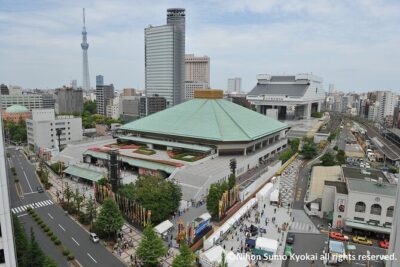
Tokyo Grand Sumo Tournament Viewing Tour with Tickets
Read our review →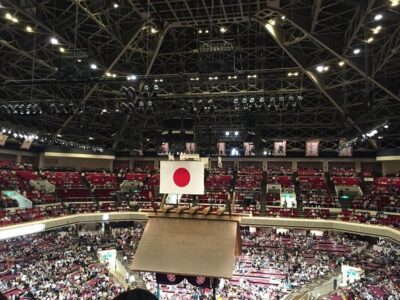

Luxury Sumo Show Experience & Japanese cuisine & Drink
Read our review →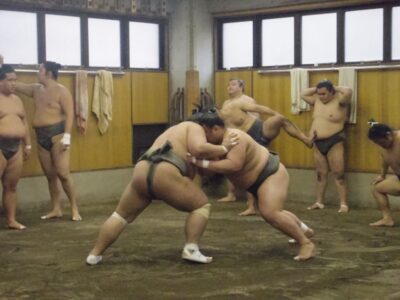
Browse the lists this tour appears in