
Review · SUMO EXPERIENCES IN TOKYO
Ryogoku: Sumo Town Guided Walking Tour with Lunch
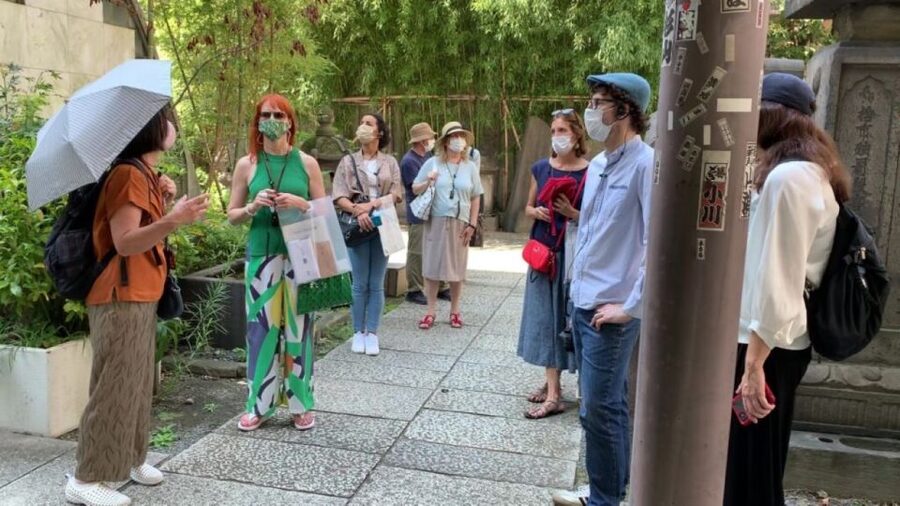
Ryogoku is not just the place where Tokyo’s sumo matches happen. It is a working sumo district, and this tour shows you how the sport shapes daily life here. You’ll see stables from the outside, hear how wrestlers live and train, and finish with chanko-nabe, the filling hot pot built around the needs of a sumo stable.
I like the small group, limited to eight people, and the way the guide connects sumo with shrines, temples, gardens, swords, woodblock prints, and Japanese food. I also like that guides such as Jeff, Taka, Sue, Jean, and Yoko bring different personalities to the walk while keeping the focus on useful cultural detail. The main drawback is clear: you do not watch a sumo bout or training session, and the lunch restaurant can feel crowded when several tour groups arrive together.
Key points to know before booking
- Chanko-nabe is more than a meal: You learn why this hot pot suits the daily demands of a sumo stable.
- Ryogoku is the classroom: The route ties sumo to Buddhist temples, Shinto places, gardens, museums, and local food.
- The guide makes the difference: Jeff, Taka, Sue, Jean, and Yoko have all led this experience, with strong praise for their explanations and friendly style.
- Stables are viewed from outside: You may glimpse wrestlers or signs of stable life, but a training visit is not part of the tour.
- The group stays small: With no more than eight participants, you can ask specific questions about rules, careers, diet, and customs.
- Allow 210 minutes: This is a half-day activity with a substantial walk and a one-hour lunch.
Why Ryogoku is the right place to learn sumo
If you only see sumo at the Ryogoku Kokugikan, the sport can look like a short burst of pushing, slapping, and dramatic footwork. The rules are easier to appreciate once you understand the world around the ring. This walk gives you that setting.
Ryogoku is home to sumo stables, the training houses where wrestlers live, practice, eat, and follow a strict daily routine. The tour does not take you inside the stables, but the guide explains what happens behind those doors and how a wrestler’s career develops.
The history lesson reaches back about 1,600 years. That long time span matters because sumo is not simply a modern sport with old costumes. Its customs connect to Shinto, ritual, rank, discipline, food, and Japanese ideas about strength and respect.
I especially like the way the tour uses ordinary streets to explain a very formal sport. You are not stuck in a museum listening to disconnected dates. You walk past places tied to sumo and ask questions as the neighborhood gives the discussion a physical setting.
More Sumo Experiences in Tokyo
- Tokyo: Sumo Show and Dining Experience
★ 4.8 · 2,742 reviews - the SUMO show
★ 5.0 · 1,960 reviews - Tokyo Shinjuku Sumo Show & Experience with Photo
★ 5.0 · 1,750 reviews
Starting outside Ryogoku Station
The meeting point is outside the Toei subway station at Ryogoku. This is a practical starting place because the area’s major sumo sights are close enough to visit on foot.
Your guide leads a small group, with English commentary throughout. The limited group size helps here. Sumo has a surprising amount of specialized vocabulary, and a group of eight gives you room to stop and ask what a rank, ritual, stable, or training custom means.
The total tour lasts 210 minutes. You should wear comfortable shoes, since the route includes several walking sections of about 15 to 30 minutes each. This is not an exhausting hike, but it is not a sit-down talk with a short stroll either.
The walk is best for someone curious about the culture behind the sport. If you want only photographs of the stadium, you can see the area more quickly on your own. You pay for the guide’s explanations and the meal as much as for the route itself.
Seeing Hakkaku-beya from the street
The first major stop is Hakkaku-beya Sumo Stable. You see the stable from outside and hear about the wrestlers who live and train there.
This is an important distinction to understand before you book. The tour does not promise entry into a stable, a practice session, or a meeting with wrestlers. Stable life is private and governed by its own schedule, so the experience explains that world without presenting it as a staged show.
The guide can put daily routines and career paths into context. You learn why wrestlers belong to a stable, how the hierarchy works, and how training and communal living shape the sport. The information makes later sumo viewing easier, especially when you see wrestlers identified by stable and rank.
Occasionally, you might see wrestlers around the neighborhood. One particularly memorable account describes wrestlers in a back alley near their stable, with loincloths airing in the sun after practice. That kind of sight is a lucky glimpse, not a promised part of the itinerary, so keep your expectations sensible.
Ryogoku Kokugikan and the public face of sumo
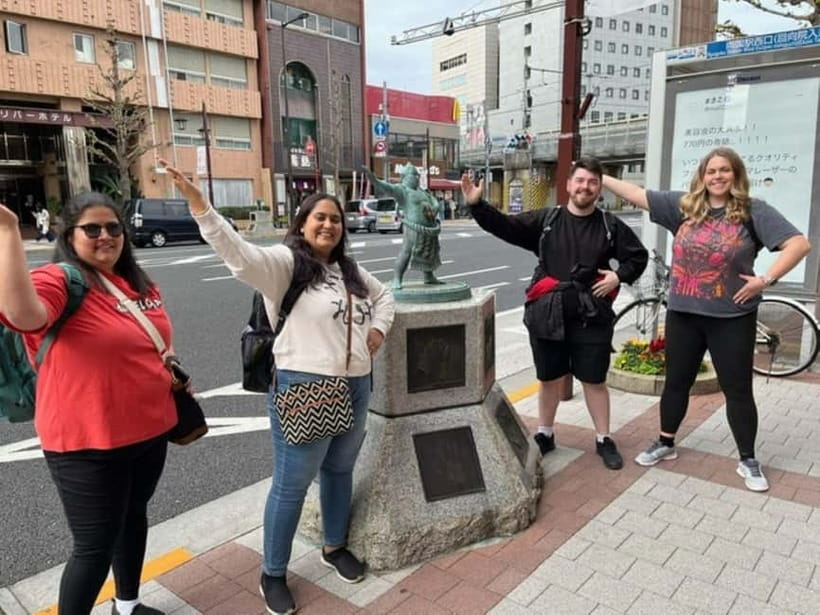
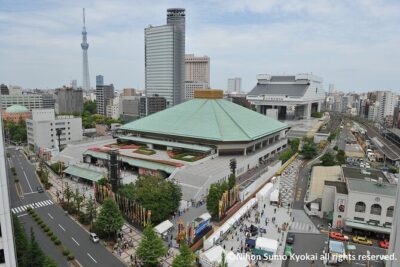
The walk continues to Ryogoku Kokugikan, Tokyo’s best-known sumo arena. The stop lasts about 30 minutes and gives you a chance to understand the building’s place in the sport.
Your guide explains how the arena fits into the calendar of grand tournaments and why Ryogoku is so closely linked with professional sumo. The visit is guided sightseeing from the outside rather than a ticketed match experience.
This is where some people may feel a slight gap between expectation and reality. If you are hoping to enter the arena or see wrestlers competing, this tour will not provide that. It is designed to prepare you for sumo, not replace a tournament day.
That preparation has real value. After learning about ranks, stable life, rituals, and the structure of a match, you can watch a bout with a better sense of what is happening. The rapid action becomes easier to read, and the pauses and ceremonies feel less like filler.
Same city, a different fixture:
- Tokyo: Sumo Show and Experience in Shinjuku
★ 4.8 · 1,001 reviews - Tokyo Grand Sumo Tournament Viewing Tour with Tickets
★ 5.0 · 692 reviews - Tokyo Sumo Wrestling Tournament Experience
★ 5.0 · 660 reviews - Tokyo:Luxury Sumo Show Experience & Japanese cuisine & Drink
★ 4.7 · 577 reviews
Ryogoku Edo NOREN and the district’s wider culture
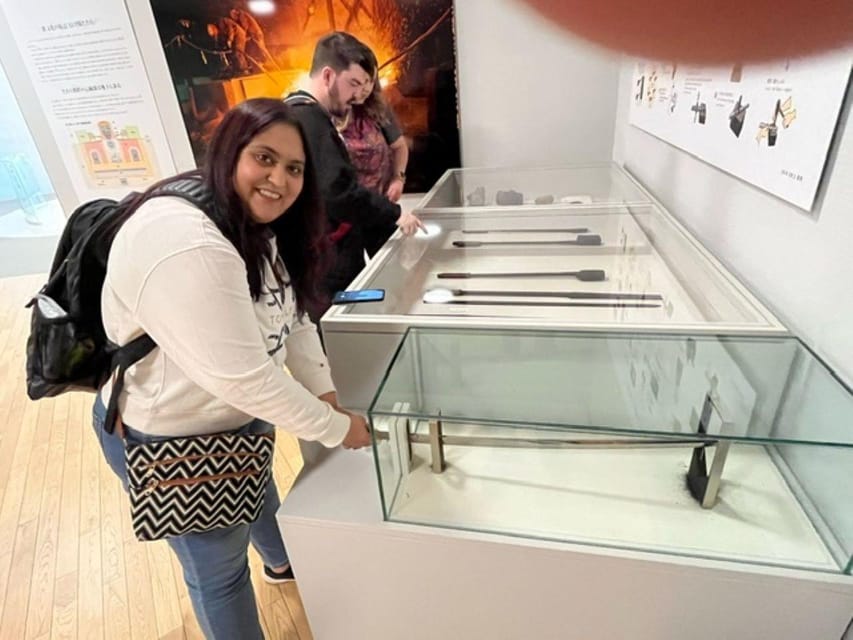
Ryogoku Edo NOREN adds a broader food and cultural layer to the walk. The tour is not limited to sumo facts. It also touches on Japanese cuisine and the way the neighborhood presents its connection to Edo, the former name of Tokyo.
This section helps keep the experience from becoming a single-topic lecture. You may hear about woodblock prints, local traditions, swords, gardens, and the relationship between popular culture and formal customs.
The supplied route also includes a 30-minute stop listed simply as a guided sightseeing walk. That flexible section allows the guide to connect the area’s sights and answer questions. If you have wondered about the difference between Shinto and Buddhist places, or how sumo fits into older Japanese customs, this is a good time to ask.
Guides have handled bad weather by adjusting the pace and still reaching the planned sights on time. That matters in Tokyo, where a rainy day can quickly make an outdoor walk less pleasant. Still, comfortable shoes and weather-ready clothing are wise choices.
Ekō-in and the spiritual side of sumo
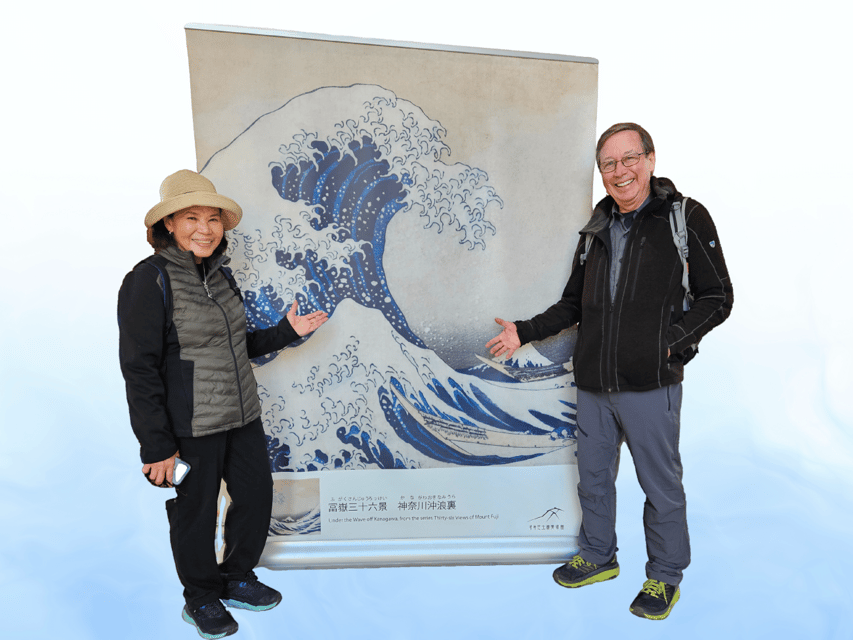
Ekō-in brings the Buddhist side of the district into view. This stop lasts about 15 minutes and helps explain why a sumo walk includes religious sites.
Sumo has strong Shinto associations, but Japanese culture does not fit neatly into one religious category. Buddhist temples, Shinto shrines, ancestral customs, ritual gestures, and food traditions often sit close together in daily life. The guide helps you see those connections without turning the stop into an academic lesson.
The short visit works well as part of the larger route. You get enough context to recognize the temple’s role, then continue walking rather than spending the whole afternoon at one site.
Kasugano-beya and the reality of stable life
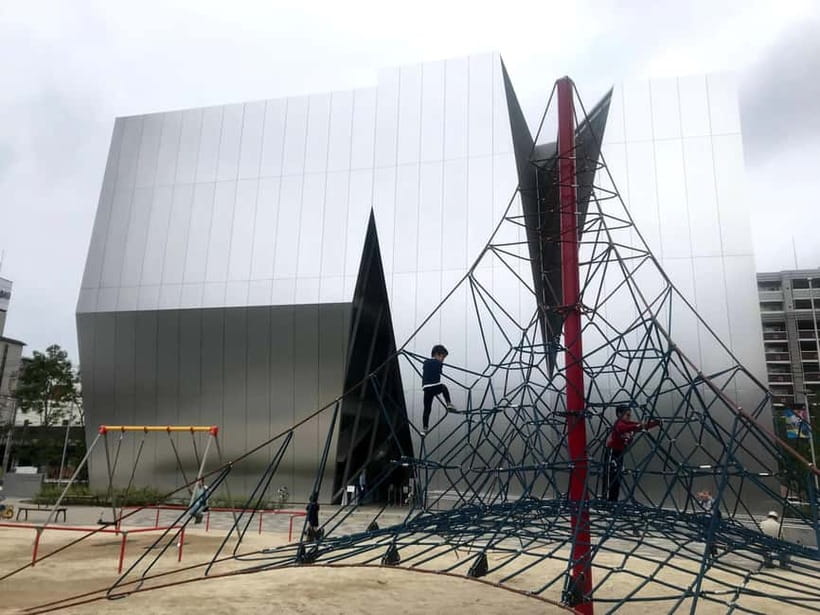
Kasugano-beya is another sumo stable viewed from outside. Visiting two stable locations gives you a better sense that Ryogoku is a living sumo district, not a collection of attractions built for tourists.
The guide explains the lives and careers of wrestlers, including the discipline of living and training within a stable. This is one of the strongest parts of the tour for anyone who knows the sport mainly from television. Sumo wrestlers are not just athletes who arrive at an arena for a match. Their stable is central to their training, work, meals, and social structure.
Again, you should not count on seeing a practice session. During tournament periods, wrestlers may be away in another city, and during holidays you may see little activity. Several people have enjoyed the tour even when the wrestlers were away, because the background information still made the neighborhood and sport easier to understand.
The one-hour chanko-nabe lunch
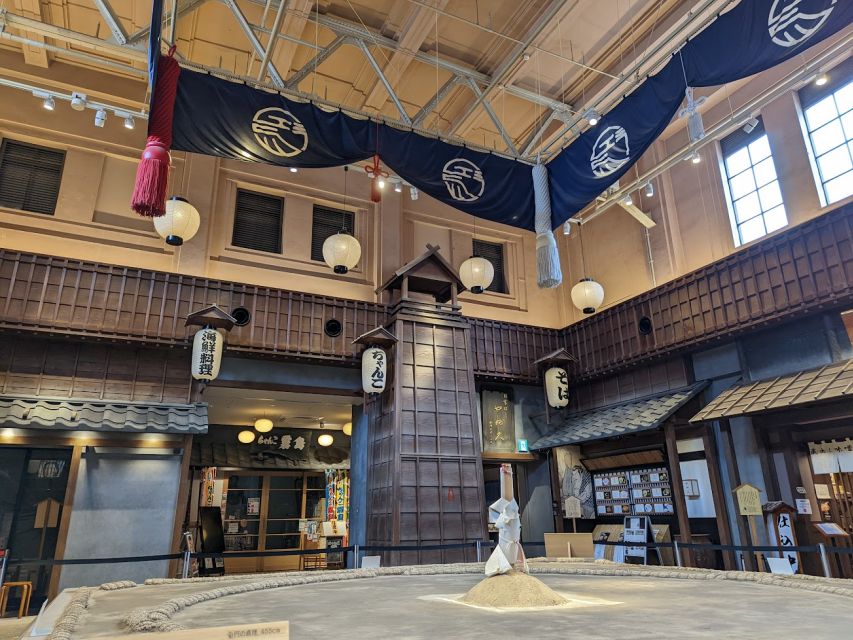
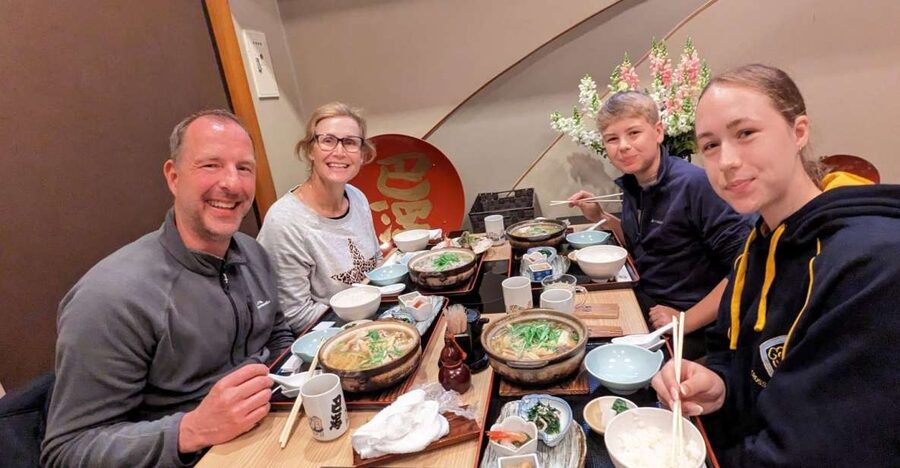
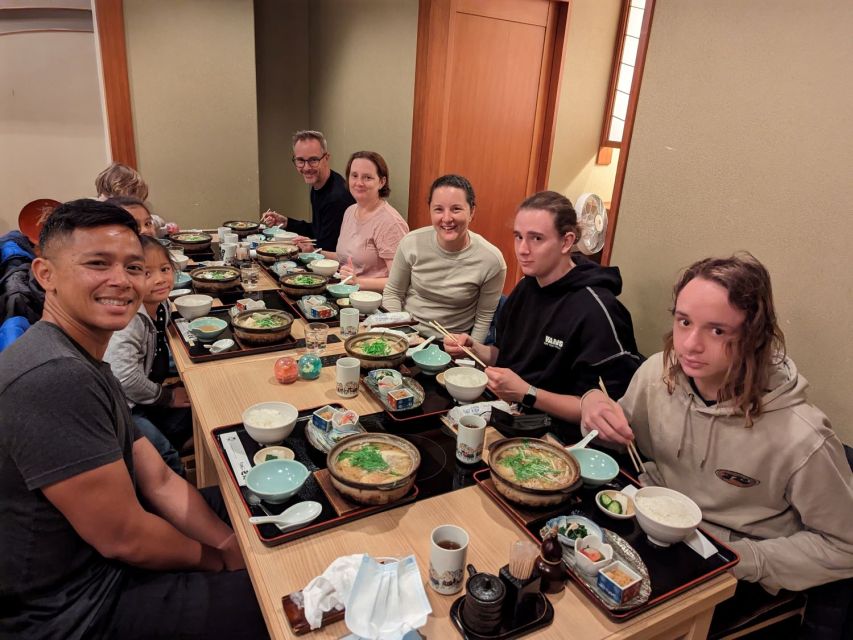
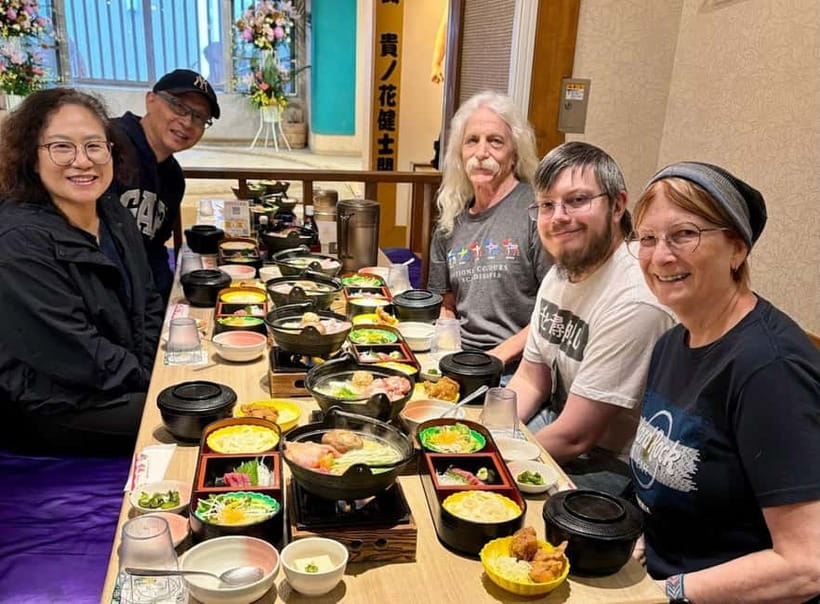
Lunch takes place at Hana no Mai Edo-Tokyo Museum front, described as a seafood pub, and lasts about one hour. The main dish is chanko-nabe, the hot pot associated with sumo wrestlers.
Chanko-nabe makes practical sense in a stable. Wrestlers prepare the food themselves, so a meal that can be cooked in one pot, heated as it is prepared, and shared by a group is useful. It also provides a balanced combination of ingredients and helps support the large meals needed to build weight and muscle.
The shared pot has a social purpose, too. Eating together fosters solidarity and teamwork, which are central ideas in stable life. You are not just sampling a fashionable Japanese dish. You are eating food connected to the way wrestlers organize their daily routine.
I like that the lunch gives the tour a physical finish. After hearing about the diet, you get to taste the food and consider why it works. The meal has been described as tasty and traditional, but you should know about one possible downside. Several groups can arrive at the same time, making the restaurant feel organized around tour arrivals rather than a quiet local lunch.
That does not erase the value of the meal, but it helps set expectations. If you want a slow, intimate restaurant experience, this may feel too busy. If you want an easy way to try chanko-nabe during a packed Tokyo schedule, the included lunch is convenient.
Food allergies are listed as a reason not to take this tour. Do not assume the restaurant can adjust the meal unless you have confirmed that in advance. The activity is also not suitable for people with mobility impairments because of the amount of walking.
What the guides add to the walk
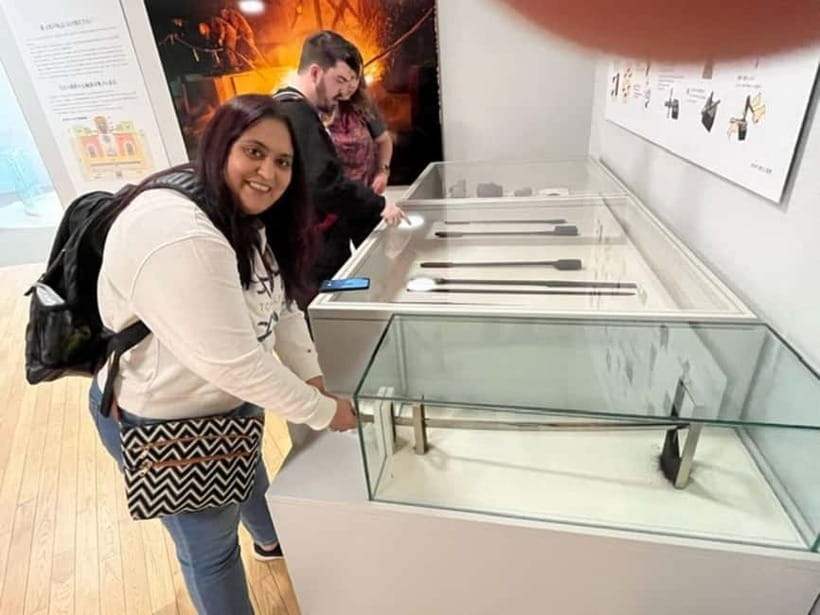
The guide is the main reason to choose this tour instead of simply wandering Ryogoku. Past guides have included Jeff, Taka, Sue, Jean, and Yoko.
Jeff has been praised for his strong sumo knowledge and friendly manner. Taka has been described as informative and funny, which is a useful combination when the subject includes many rules and unfamiliar names. Sue has been especially good at selecting varied sights and explaining details that are hard to see from the street.
Jean has guided in a way that makes the history easy to follow. Yoko has shown care with route planning in poor weather and has helped people understand why the sport matters beyond the ring.
Guide assignments can change, so you should not book on the assumption that one particular person will lead your group. What you can expect is an English-speaking guide focused on sumo, Japanese culture, and the Ryogoku area.
Is $122 a fair price?
At $122 per person, this is not a cheap neighborhood walk. The value depends on how much you want from the guide.
You are paying for 210 minutes of guided time, a small group capped at eight, and lunch at a chanko-nabe restaurant. You also get a connected explanation of sumo, Shinto, Buddhism, local landmarks, cuisine, and stable life. For a first visit to Tokyo, that combination can save you from piecing together several separate stops on your own.
The price is harder to justify if you already know sumo well, speak Japanese, or mainly want to enter the Kokugikan. You could walk around Ryogoku without paying for a guide, but you would miss much of the meaning behind the stables and rituals.
The strongest value comes before or after a tournament visit. Take the tour first if you want a better understanding of what you see at the arena. Take it afterward if you watched sumo and found yourself wanting to understand the people, places, and customs behind the matches.
Who should book this Ryogoku walk?
I would choose this tour if you have a real interest in sumo but do not yet understand the sport’s ranks, rituals, diet, and stable system. It also suits anyone who wants a cultural walk with a clear theme rather than a general city tour.
Families and first-time visitors may appreciate the small group and meal, though the walking and food limitations matter. Sumo fans will get more from the tour than someone who simply wants a quick photograph outside the arena.
Do not book it expecting a live bout, a training visit, or guaranteed contact with wrestlers. The attraction is the explanation of sumo town, supported by places you see along the way and a meal tied directly to the sport.
FAQ
How long does the Ryogoku sumo tour last?
The tour lasts 210 minutes, or three and a half hours, including the walking route and one-hour lunch.
Where does the tour start?
You meet your English-speaking guide outside Ryogoku Station, near the Toei subway station.
Where does the tour finish?
The tour finishes at 2-chōme-17-17 Ryogoku, Sumida City, Tokyo 130-0026.
Is watching a sumo match included?
No. The tour does not include watching an actual sumo bout.
Can I watch a sumo training session?
No training session is included in the tour. Sumo stables are viewed from outside, and any sighting of wrestlers is not guaranteed.
What food is included?
Lunch includes chanko-nabe at a restaurant in Ryogoku. This is the hot-pot dish associated with the diet of sumo wrestlers.
Is the tour suitable for people with food allergies or mobility impairments?
No. The activity is listed as unsuitable for people with food allergies and people with mobility impairments. Comfortable shoes are recommended for the walking route.
Should you book it?
Book this tour if you want sumo to make more sense, not just look dramatic. The small group, expert English commentary, stable visits, cultural stops, and chanko-nabe meal give you a useful introduction to the sport’s world.
Skip it if your main goal is a bout, a training session, or a quiet restaurant meal. For everyone else, $122 is a reasonable price for a focused half-day in Ryogoku, especially if your guide is as engaging as Jeff, Taka, Sue, Jean, or Yoko has been.
More Lunch Experiences in Tokyo
- Tokyo: Sumo Experience and Chanko Nabe Lunch
★ 4.8 · 257 reviews - Tokyo: Family Sumo Workshop & Live Wrestling Show with Lunch
★ 4.9 · 99 reviews - Tokyo Sumo Culture Tour with Chanko-Nabe Lunch in Ryogoku
★ 5.0 · 26 reviews - The SUMO Show & Experience with Hot pot lunch
★ 5.0 · 4 reviews
Just added for fans in Tokyo
- Tokyo: Grand Sumo Morning Training Tour★ 4.9 · 12 reviews
- Sumo Training Watching Experience in Tokyo★ 4.5 · 8 reviews
- Kickboxing & Body Training with EX-Pro Fighter★ 5.0 · 4 reviews
- Tokyo: Visit Sumo Morning Practice with English Guide★ 4.5 · 22 reviews
- Tokyo Sumo Experience with Live Show & Audience Challenge★ 5.0 · 38 reviews
- Tokyo Shinjuku Sumo Show and Experience with Drinks and Photo★ 4.0 · 21 reviews
- Tokyo Sumo History Tour with Chanko Nabe Lunch★ 5.0 · 3 reviews
- 【SUMO FESTIVAL】Tokyo Ginza: Sumo Show & Photo Experience★ 4.5 · 41 reviews
Sumo Experiences in Tokyo, compared.
Tokyo Shinjuku Sumo Show & Experience with Photo
Read our review →
Tokyo Grand Sumo Tournament Viewing Tour with Tickets
Read our review →

Luxury Sumo Show Experience & Japanese cuisine & Drink
Read our review →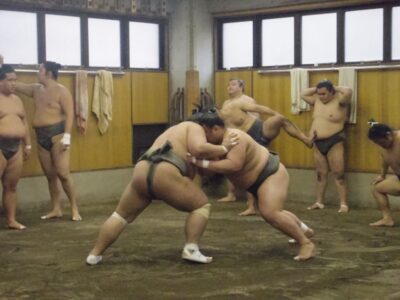
Browse the lists this tour appears in