
Review · SUMO EXPERIENCES
Tokyo: Authentic Sumo Wrestling Experience with Lunch
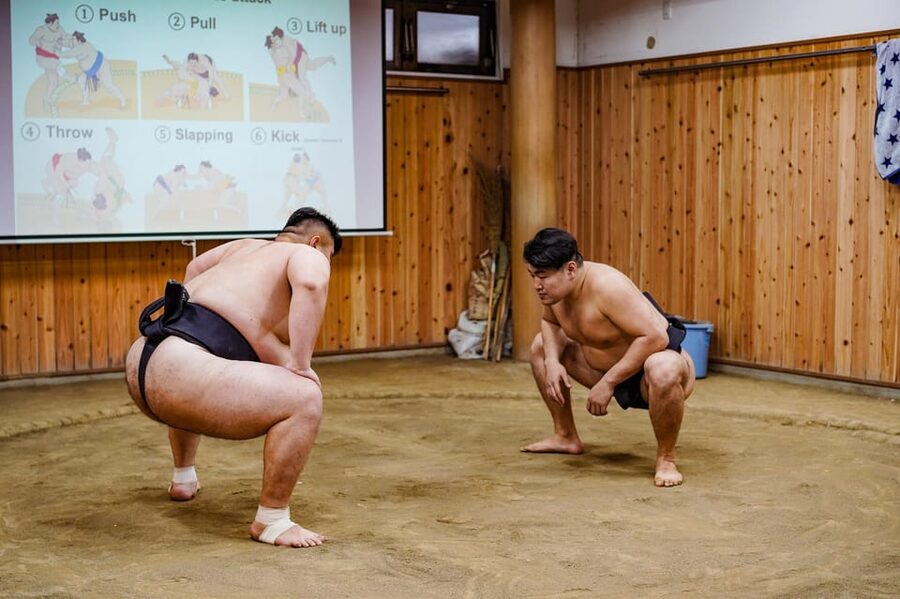
Watching two enormous wrestlers train just a few feet away is the heart of this experience. You sit beside the ring in a real sumo stable, officially used until 2022, then learn the footwork, stances, and rituals before trying them yourself. I like the ringside view and the chance to share chanko-nabe with the wrestlers, not just watch a staged demonstration.
I also like the friendly teaching style. Guides such as Masao, Charlie, and Mayu have explained the sport clearly for first-time visitors, while the wrestlers add plenty of humor. The main drawback is that this is not a passive morning: the optional bout can be strenuous, and the stable has limited access for wheelchairs and strollers.
Key points to know before booking
- Watch practice from the edge of the ring: See how the morning session begins and learn why wrestlers repeat specific movements.
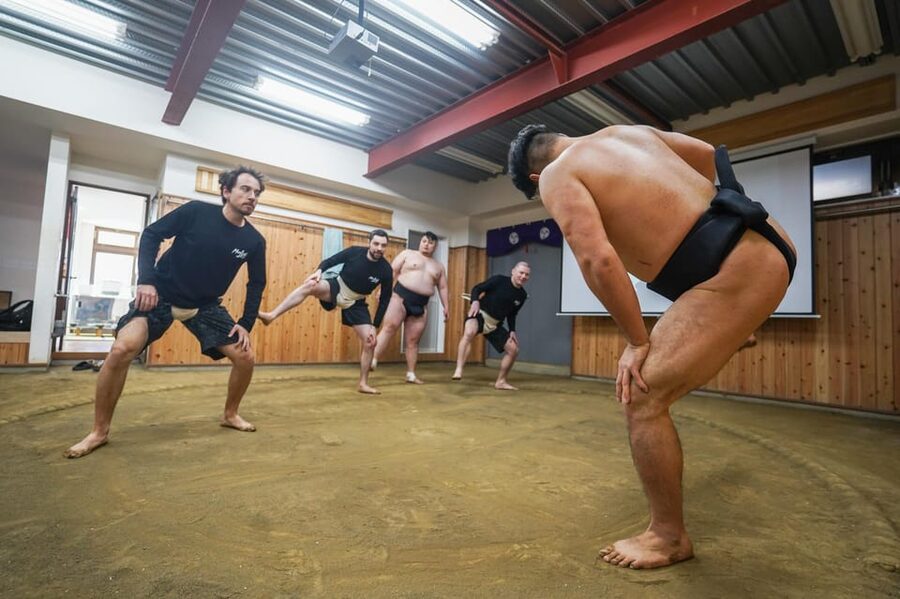
- Try sumo without pressure: You can practice the exercises and choose whether to challenge a rikishi in a one-round bout.
- Eat a wrestler’s meal: Make chicken dumplings for chanko-nabe and sit at a table once used in the sumo room.
- Meet the wrestlers informally: Lunch gives you time to ask questions, take photos, and make a commemorative handprint.
- Start near Shin-Kawasaki Station: The meeting point is just outside the only ticket gate, about 20 minutes from Tokyo Station and 10 minutes from Yokohama Station.
- Allow four active hours: The price is $166 per person and includes the guide, stable visit, lunch, tour photos, and a T-shirt.
Why this sumo visit feels different from a tournament
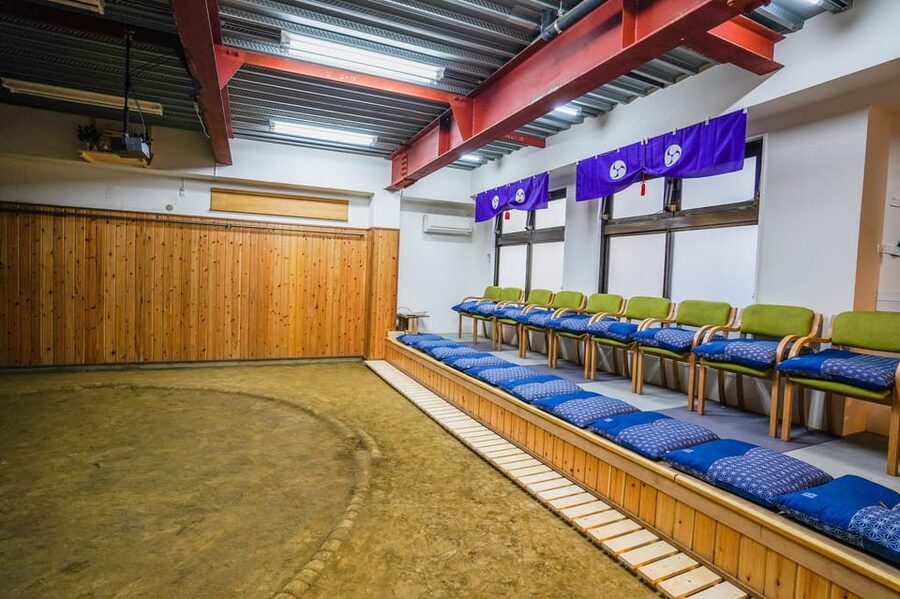
Tokyo offers plenty of ways to see sumo on television, in a tournament hall, or through a brief cultural demonstration. This experience takes you into the working world behind the bouts. You see the practice room, dining area, bath, and other parts of the stable before sitting down beside the ring.
That setting matters. Sumo is not only a contest between two large men. It has a strict daily routine, a ranking system, formal gestures, and a training culture that can seem mysterious from the outside. Here, your guide explains those customs while you are standing inside the place where they were carried out.
The stable was officially used until 2022, so it is a genuine sumo setting rather than a purpose-built attraction. The wrestlers demonstrate training exercises and explain the sport through movement. You get a better feel for sumo by seeing the repetition, effort, and concentration up close.
This is especially useful if you know little about the sport. Guides have used photos, videos, and simple explanations of rankings, rules, and stances. You do not need to arrive as a sumo fan. You only need enough curiosity to watch carefully and join in when invited.
More Sumo Experiences in Japan:
- Tokyo: Sumo Show Experience with Chicken Hot Pot and a Photo
★ 4.8 · 6,678 reviews - Tokyo: Sumo Show and Dining Experience
★ 4.8 · 2,742 reviews - the SUMO show
★ 5.0 · 1,960 reviews
Meeting at Shin-Kawasaki and reaching the stable
The tour begins outside the ticket gate at Shin-Kawasaki Station. The station has only one gate, which makes the meeting point easy to find. Look for the Kiyoken shumai shop directly outside the gate and a guide holding a red or orange MagicalTrip sign.
Shin-Kawasaki is about 20 minutes from Tokyo Station and about 10 minutes from Yokohama Station. That makes this a practical choice if your schedule includes both cities, though you should allow extra time for the journey and station navigation. The tour starts on time, and late arrivals who miss the group cannot join, reschedule, or receive a refund.
From the station, your guide takes the group to the stable. One family described being met by an assistant called Fuji, with a driver taking the group onward. The exact guide may vary, but English-language guiding is included throughout.
The beginning can feel a little slow if you are eager to see the wrestlers right away. Give it time. The orientation sets up the rest of the morning, and the guides work to explain what you are about to see rather than rush you through the door.
Touring the former sumo stable
The stable tour gives you a look at the everyday spaces that support the sport. You see the practice area, dining room, and bath. Each location helps explain how closely the wrestlers’ daily life is tied to the stable.
The practice area is the main event, but the other rooms add useful context. The dining room becomes important later when you sit down for lunch. The bath points to the shared nature of stable life, where training, meals, rest, and routine happen within the same small community.
Your guide explains the structure of the sumo world, including its ranks and typical training schedule. This is one of the strongest parts of the experience for first-time visitors because it gives meaning to the gestures and exercises you will soon watch.
The setting is not polished like a museum. That is part of the appeal. You are visiting a real former training space, so expect a practical environment rather than a theatrical presentation. You should also be ready to remove yourself from the role of spectator at several points.
Morning practice from the front row
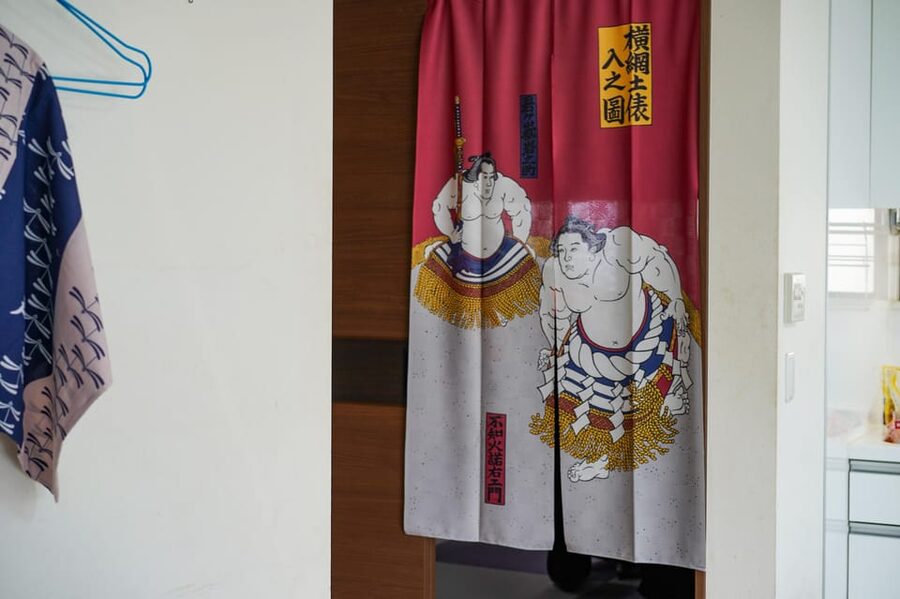
After the introduction, you sit right in front of the ring for a morning practice session. This close position is a major reason to book the experience. You see the wrestlers’ movements without the distance or distractions of a large arena.
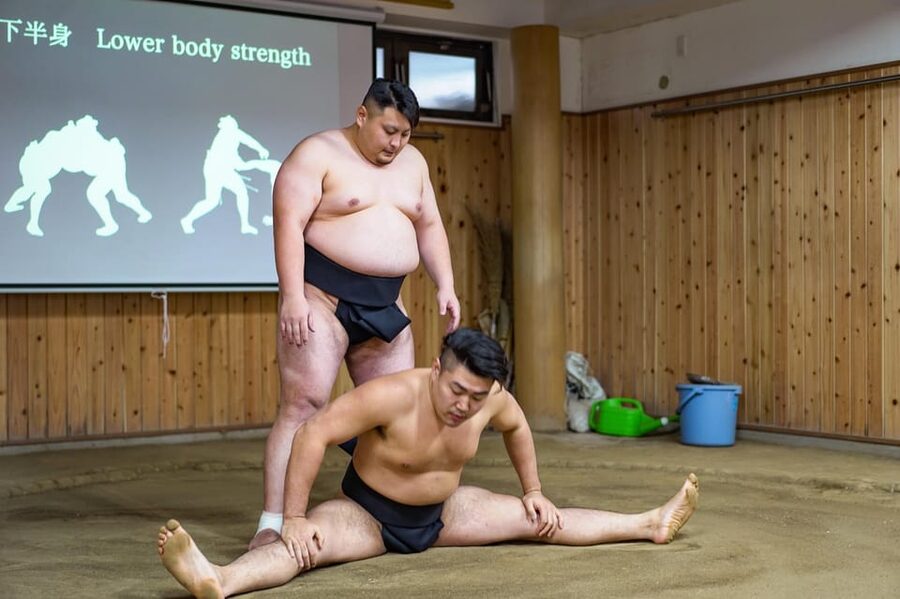
The session shows how practice begins and how the wrestlers prepare their bodies. Your guide explains the purpose of the movements, including the stances and exercises that make sumo look so distinctive. You are not simply told that sumo requires strength. You see how balance, timing, posture, and repeated drills all work together.
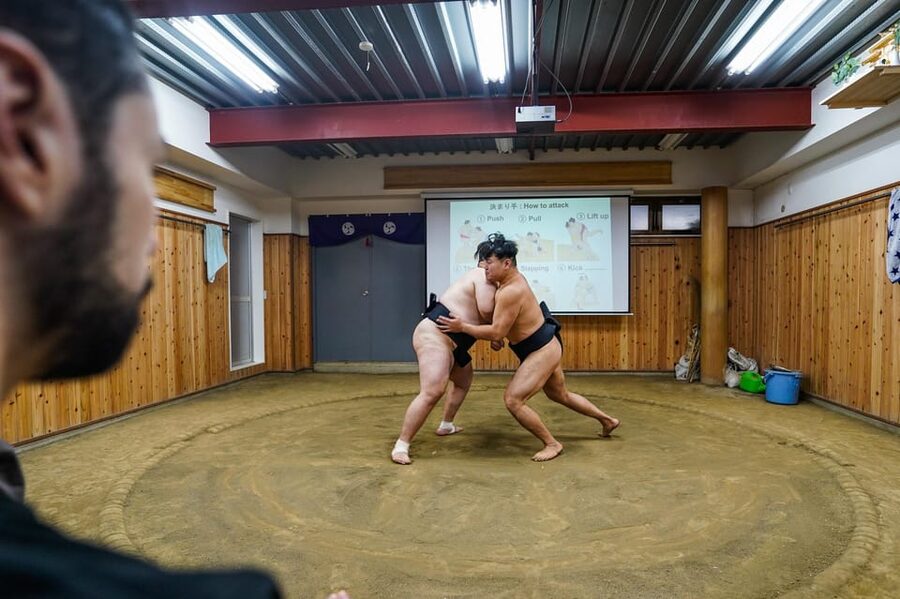
The wrestlers also demonstrate how a match begins. Your guide covers the rules, basic moves, and techniques before the wrestlers put that information into action. This order makes the bouts easier to follow, even if you have never watched a sumo match before.
Some of the most useful explanations concern what you cannot easily see on television. A short movement may have a specific purpose. A stance may be designed to protect balance. A ritual may signal respect or readiness. With the guide beside you, the details become easier to notice.
More Lunch Experiences in Japan:
- Tokyo: Sumo Experience and Chanko Nabe Lunch
★ 4.8 · 257 reviews - Tokyo: Family Sumo Workshop & Live Wrestling Show with Lunch
★ 4.9 · 99 reviews - Tokyo Sumo Culture Tour with Chanko-Nabe Lunch in Ryogoku
★ 5.0 · 26 reviews - Ryogoku: Sumo Town Guided Walking Tour with Lunch
★ 4.8 · 9 reviews
Trying the training exercises yourself
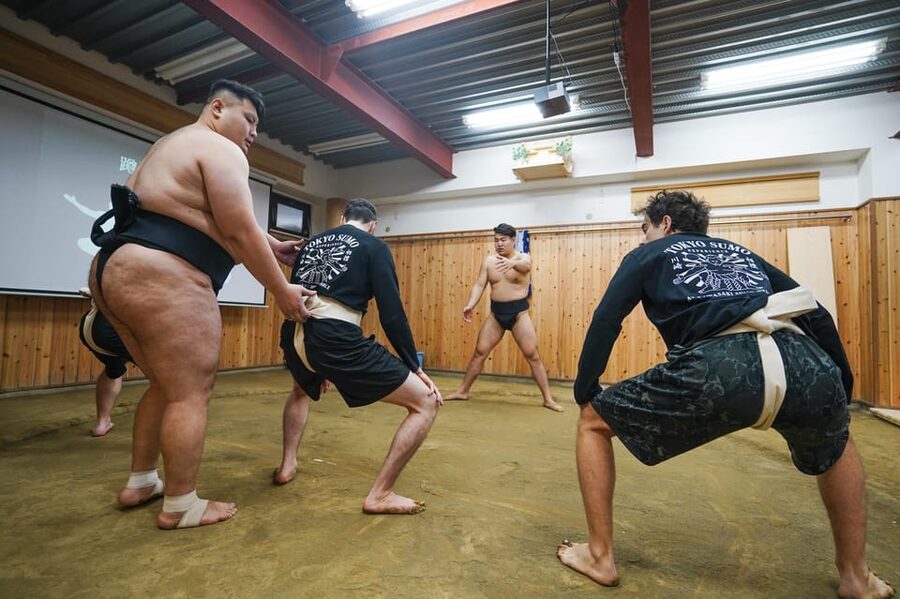
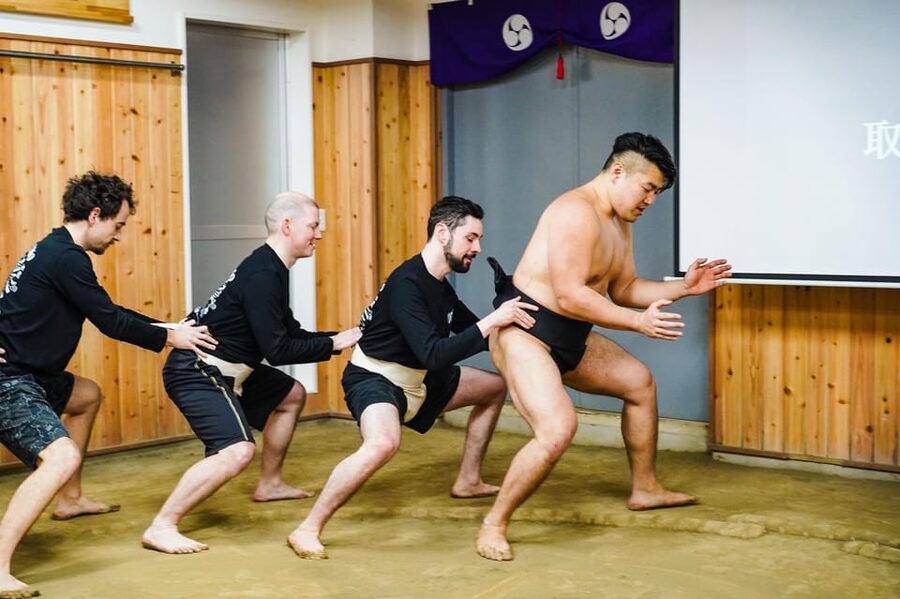
After watching, you can try some of the movements. This is where the experience shifts from a talk into a hands-on activity. You may practice the basic positions and exercises, then test your own balance and strength in the ring.
You do not need prior sumo experience. The guides explain the movements, and the wrestlers show you how to attempt them. The tone is playful, but the physical difference between a visitor and a trained rikishi becomes clear very quickly.
The optional bout is the biggest draw for many people. If you want to participate, you can face a sumo wrestler in a one-round match as if it were a real contest. The wrestlers are described as friendly and patient, and they adjust their approach so the activity remains fun. Still, you should not confuse gentleness with lack of power. They could overpower an untrained adult in seconds.
You can also watch without stepping into the ring. That choice makes the experience workable for mixed groups, including families where only some people want to participate. If you have a heart problem, high blood pressure, a cold, or another medical condition, the activity is not recommended.
Some participants have worn a loincloth for the bout, while others took part in dress-up photos. The exact arrangement can vary, so ask your guide what is available on the day. Bring a sense of humor, since the wrestlers may tease your efforts in a friendly way.
Making chanko-nabe with the wrestlers
After the physical part, you sit down for lunch. Chanko-nabe is the traditional hot-pot dish associated with sumo wrestlers, and on this tour you help make chicken dumplings before eating.
The hands-on cooking is simple but worthwhile. It gives you something to do while the meal comes together and shows how food fits into the wrestlers’ routine. The lunch is served around a table that was actually used in the sumo room, which adds a small but memorable connection to the stable.
The soup has been a particular highlight for many people, and one family called it among the best soups they had eaten in Japan. The menu centers on chanko-nabe, so do not expect a restaurant-style multi-course meal. The value comes from preparing and eating the dish in the stable with the wrestlers.
You can use lunch to ask questions about training, rankings, daily life, and the sport itself. This quieter part of the visit balances the noisy, physical fun of the bout. It also lets you talk with the wrestlers as people rather than only watching them perform.
Dietary requests must be given at least one day ahead. A vegetarian lunch was arranged for one participant who requested it in advance, but the operator cannot guarantee an allergy-free meal or promise substitutions. The food is prepared in kitchens outside the operator’s control, and same-day requests cannot be accommodated.
Photos, handprints, and included gifts
The tour includes photos, and you can take pictures with the wrestlers during the visit. Some sessions have included yukata or kimono dress-up, which gives families and couples a good photo opportunity.
You can also make a memorial handprint on paper. A handprint from one of the wrestlers is another keepsake mentioned by participants, though you should confirm exactly what is provided during your visit. The included T-shirt gives you a more practical souvenir.
These extras help justify the price, especially if you value personal photos and a physical reminder of the experience. They are not the main reason to book, but they make the morning feel more complete.
One point to note is that a participant mentioned a sales pitch for additional items such as T-shirts and kimono at the end. The listed T-shirt is included, but extra merchandise may be offered. If you are not interested, you can simply decline.
Is $166 good value for four hours?
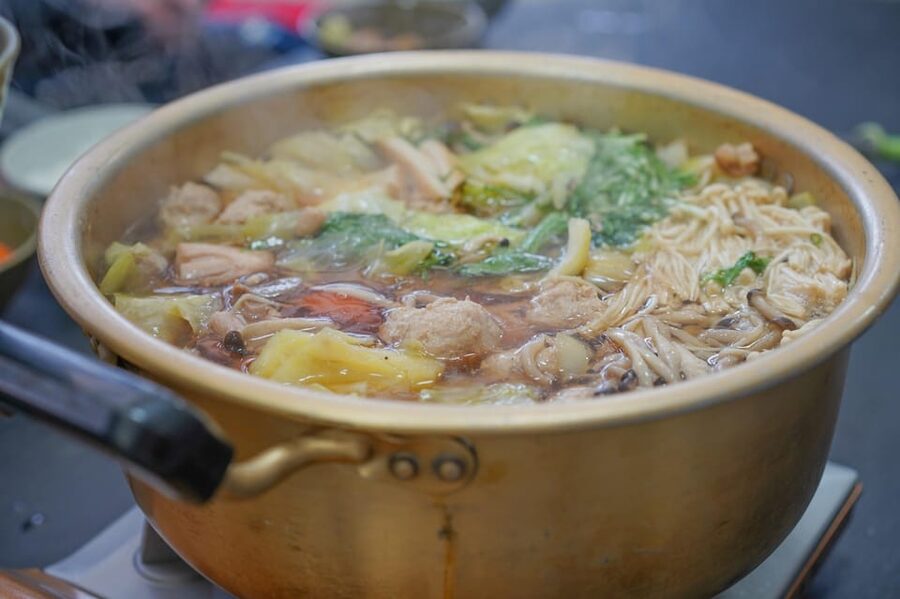
At $166 per person, this is not a cheap sightseeing stop. You are paying for access to a former working stable, an English-speaking guide, a close look at training, a hands-on session, lunch with wrestlers, photos, and a T-shirt.
I think the price is easier to justify than a standard observation-only activity because the morning combines several separate experiences. You receive cultural explanation, a stable tour, live practice, optional participation, cooking, and a shared meal. Recreating that access independently would be difficult.
The value is strongest for people who want personal contact and active participation. If you only want to watch professional sumo, a tournament ticket or televised match may suit you better. If you want to understand how the sport works and have a memorable story to take home, the added cost makes more sense.
The four-hour length is well judged. One participant felt the start was slow, but said the time passed quickly once the training and lunch began. You should expect a full morning, not a quick photo stop.
Who should book this experience?
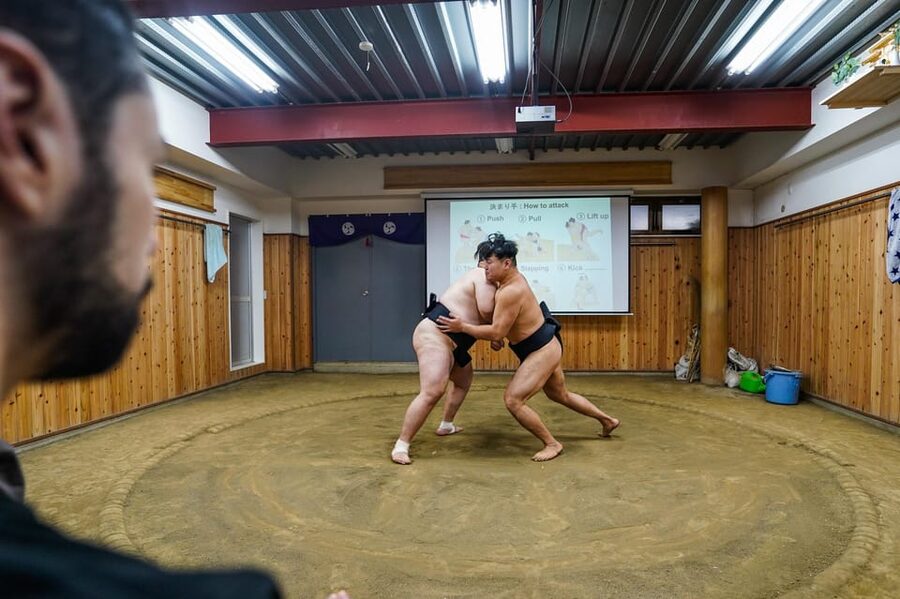
I would recommend it to first-time sumo fans, families, couples, and small groups of friends. It works particularly well when people have different levels of interest because you can watch, practice, fight, cook, or simply ask questions at different points.
It is also a good choice if you want a cultural activity away from Tokyo’s busiest sightseeing areas. Shin-Kawasaki is easy to reach from Tokyo or Yokohama, and the stable setting gives the morning a local feel.
You should think twice if you have mobility problems. Some parts of the tour are not accessible to wheelchairs or strollers, and the activity is not recommended if you have walking difficulties. A private tour is suggested for people with mobility concerns.
The optional match is not required, but the tour still involves movement and sitting close to a practice area. Anyone with heart problems, high blood pressure, a cold, or another pre-existing medical condition should skip this activity.
Practical details that affect your morning
Wear comfortable clothes that allow movement. You may not take part in the bout, but you will have the chance to copy training exercises and move around the ring area.
Arrive early at Shin-Kawasaki Station. Find the Kiyoken shop before the start time and look for the red or orange sign. Since there is only one ticket gate, the meeting point is straightforward, but the operator does not allow late arrivals to join the group.
English is the tour language. Guides have included Masao, Charlie, Mayu, Jim, and Fuji on different visits, so the exact guide is not fixed. The strongest guides use photos and demonstrations to make the sport easy to follow, even for someone starting with no sumo background.
Cancellation is free up to two days in advance for a full refund. Check the available start times when booking, since the four-hour schedule can vary.
Should you book the sumo stable experience?
Book it if you want more than a look at a professional sport. The close practice session, optional one-round bout, chanko-nabe cooking, and lunch conversation create a personal connection that a tournament seat cannot provide.
Skip it if you want a quiet, short activity, need full wheelchair or stroller access, or have medical reasons to avoid physical exertion. For everyone else, this is a strong four-hour introduction to sumo, with enough humor and food to keep the lesson from feeling like a lecture.
FAQ
Where does the tour meet?
Meet just outside the only ticket gate at Shin-Kawasaki Station, in front of the Kiyoken shumai shop. The guide holds a red or orange sign marked MagicalTrip.
How long does the experience last?
The experience lasts four hours, though the available starting times can vary.
How far is Shin-Kawasaki Station from Tokyo and Yokohama?
Shin-Kawasaki is about 20 minutes from Tokyo Station and about 10 minutes from Yokohama Station.
Is the tour conducted in English?
Yes. The tour includes a live English-speaking guide.
Do I have to wrestle with a sumo wrestler?
No. The bout is optional. You can watch the demonstrations and practice the movements without taking part in a match.
What food is included?
You make chicken dumplings and eat chanko-nabe, a hot-pot dish associated with sumo wrestlers. Additional food and drinks are not included.
Can I request a vegetarian meal?
You can submit dietary requests at least one day before the tour. A vegetarian option has been provided in advance, but substitutions and allergy-free meals cannot be guaranteed.
What is included in the price?
The price includes the guide, stable visit, lunch with the sumo wrestlers, tour photos, and a T-shirt.
Is the tour suitable for wheelchair or stroller users?
Some locations are not accessible to wheelchairs or strollers. The experience is also not recommended for people with mobility problems.
What is the cancellation policy?
You can cancel up to two days in advance for a full refund. Late arrivals who miss the group cannot join, reschedule, or receive a refund.
Just added for fans in Japan
- Tokyo: Grand Sumo Morning Training Tour★ 4.9 · 12 reviews
- Sumo Training Watching Experience in Tokyo★ 4.5 · 8 reviews
- Kickboxing & Body Training with EX-Pro Fighter★ 5.0 · 4 reviews
- Tokyo: Visit Sumo Morning Practice with English Guide★ 4.5 · 22 reviews
- Tokyo Sumo Experience with Live Show & Audience Challenge★ 5.0 · 38 reviews
- Tokyo Shinjuku Sumo Show and Experience with Drinks and Photo★ 4.0 · 21 reviews
- Tokyo Sumo History Tour with Chanko Nabe Lunch★ 5.0 · 3 reviews
- 【SUMO FESTIVAL】Tokyo Ginza: Sumo Show & Photo Experience★ 4.5 · 41 reviews
Sumo Experiences, compared.
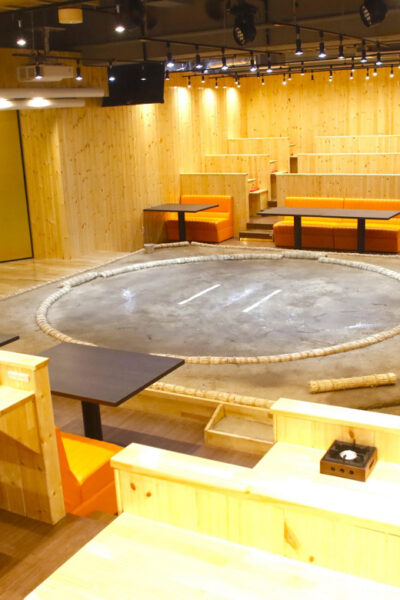
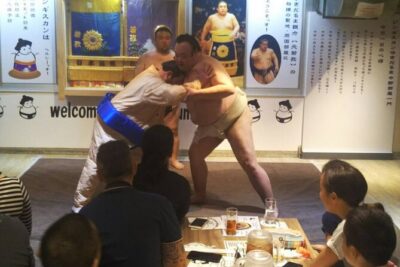
Sumo Show Experience with Chicken Hot Pot and a Photo
Read our review →
Tokyo Shinjuku Sumo Show & Experience with Photo
Read our review →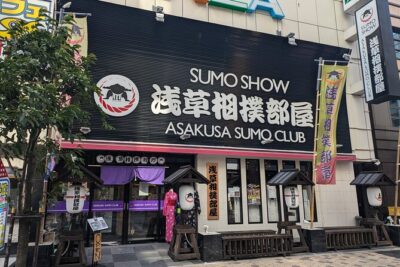
Tokyo Sumo Entertainment Show with Chicken Hot Pot and Photo
Read our review →
Tokyo Grand Sumo Tournament Viewing Tour with Tickets
Read our review →Browse the lists this tour appears in